Changing stroke rehab and research worldwide now.Time is Brain! trillions and trillions of neurons that DIE each day because there are NO effective hyperacute therapies besides tPA(only 12% effective). I have 523 posts on hyperacute therapy, enough for researchers to spend decades proving them out. These are my personal ideas and blog on stroke rehabilitation and stroke research. Do not attempt any of these without checking with your medical provider. Unless you join me in agitating, when you need these therapies they won't be there.

What this blog is for:

My blog is not to help survivors recover, it is to have the 10 million yearly stroke survivors light fires underneath their doctors, stroke hospitals and stroke researchers to get stroke solved. 100% recovery. The stroke medical world is completely failing at that goal, they don't even have it as a goal. Shortly after getting out of the hospital and getting NO information on the process or protocols of stroke rehabilitation and recovery I started searching on the internet and found that no other survivor received useful information. This is an attempt to cover all stroke rehabilitation information that should be readily available to survivors so they can talk with informed knowledge to their medical staff. It lays out what needs to be done to get stroke survivors closer to 100% recovery. It's quite disgusting that this information is not available from every stroke association and doctors group.

Showing posts with label kale. Show all posts

Saturday, July 18, 2026

Want to live longer? Experts say these 9 superfoods belong on your plate

 Are they in your diet protocol at the hospital? NO? So, INCOMPETENCE REIGNS! Do something about it! Like replacing the incompetent board of directors!

Want to live longer? Experts say these 9 superfoods belong on your plate

The secret to aging well might already be in your kitchen.

What we eat has a powerful influence on how we age. The right nutrients can boost energy, protect against chronic disease, and keep our bodies and minds strong. There’s no single “longevity diet,” but some foods are rich in compounds that support cellular health and help slow the effects of aging. With expert insights from dietitians, we’re highlighting nine superfoods that may help you add more healthy years to your life.

Meet the Experts

How Superfoods Support Longevity

Celebrated for packing a powerful nutrient punch in every bite, superfoods are a smart way to upgrade your diet with disease-fighting compounds. These foods deliver a variety of essential vitamins, minerals, and antioxidants that help maintain energy, strength, and overall well-being as we age. “While there is no recognized definition of a superfood, most foods earn that title thanks to their antioxidant content, disease risk reduction potential, fatty acid profile, and/or high fiber content,” explains registered dietitian Dru Rosales, MS, RD, LD. “All of these benefits can lead to improved overall health, which becomes even more important as we get older and more susceptible to disease.”

01 of 09

Kimchi

Aside from its high probiotic content, kimchi also contains antioxidants, fiber, and a mix of key nutrients like vitamins A and C, plus minerals such as iron and potassium. The probiotics help support a healthy gut microbiome, which registered dietitian nutritionist Lena Bakovic, MS, RDN, CNSC, says plays a big role in reducing inflammation, strengthening immunity, and even influencing mood. “Furthermore, the antioxidants and vitamins A and C in kimchi help to contest oxidative stress, supporting the prevention of chronic diseases, and thus potentially contributing to longevity,” she adds. To preserve those beneficial probiotics, enjoy kimchi in its raw fermented form, as a zesty side, sandwich topper, or even tossed into salads.

02 of 09

Turmeric Powder

Research has linked regular curcumin intake, the powerhouse compound that gives turmeric its golden hue, to a range of impressive health benefits. Thanks to its antioxidant and anti-inflammatory properties, curcumin may help manage or even prevent conditions like multiple sclerosis, arthritis, epilepsy, and certain cancers by neutralizing harmful free radicals. It may also offer protection against cognitive decline, like Alzheimer’s. “Since curcumin is absorbed best when paired with black pepper, it’s smart to combine turmeric powder with pepper when cooking to maximize its benefits,” says Rosales.

Blueberries

Just one cup of fresh blueberries delivers a solid boost of vitamin C, vitamin K, and manganese. But what really makes blueberries shine is their high concentration of anthocyanins, the natural plant compounds that give them their deep blue color. “Studies have linked higher anthocyanin intake with a 25% to 32% reduction in heart attack risk, less weight gain over time, and a 26% lower risk for type 2 diabetes,” says Rosales, highlighting the antioxidant’s impressive health perks.

Avocado

Loaded with heart-healthy monounsaturated fats like oleic acid, avocados also deliver a hearty dose of dietary fiber and a range of micronutrients, including fat-soluble vitamins E and K, B vitamins, and potassium. “The monounsaturated fats in avocados work in helping to reduce LDL ‘lousy’ cholesterol levels, thus supporting cardiovascular health,” explains Bakovic. “Antioxidant vitamins like E and C in avocados help to combat oxidative stress, protecting cellular integrity, and potentially supporting skin health.”

Spinach

This leafy green is loaded with fiber to support gut health and contains key nutrients like iron, magnesium, manganese, and vitamins A and C. “The antioxidants in spinach, namely lutein and zeaxanthin, are beneficial for eye health and can help reduce the risk of age-related macular degeneration,” adds Bakovic, noting that these same compounds may also support cognitive function, which is especially important as we age. To get the most out of spinach’s iron content, strategic food pairing is key. “Because of its iron content, if paired with a whole food high in vitamin C such as a citrus fruit or bell pepper, the nutrient absorption of both iron and vitamin C within these foods will be synergistically enhanced,” says Bakovic.

Kale

Kale earns its superfood status thanks to an impressive lineup of essential nutrients that help protect cells from oxidative stress and maintain vital body functions. “Vitamins A, C, and K contribute to immune health, collagen synthesis, and bone strength—key factors in preventing age-related decline,” says registered dietitian Trista K. Best, MPH, RD, LD. Kale also delivers manganese, a mineral that supports metabolism and antioxidant defenses, along with moderate amounts of calcium, potassium, and magnesium, all crucial for heart health, muscle function, and maintaining bone density as we age.

Related: Which Is Healthier, Kale or Spinach? Nutrition Experts Settle the Debate

Lentils

Lentils‘ impressive nutrient profile includes folate, iron, and key minerals like magnesium, potassium, and zinc, along with antioxidants and polyphenols, which work together to reduce inflammation, support heart health, maintain muscle mass, and lower the risk of chronic diseases. “The high fiber content helps lower cholesterol and stabilize blood sugar, while the plant-based protein aids muscle preservation as we age,” says Best. She also notes that folate and iron are essential for maintaining healthy blood and energy levels, reducing fatigue, and supporting cognitive function. “Antioxidants and minerals like magnesium and zinc help combat inflammation and oxidative stress, both of which contribute to age-related decline.”

For the best results, try soaking lentils before cooking, which reduces cooking time and enhances nutrient absorption. “Avoid overcooking, which can break down some nutrients and reduce texture and flavor,” Best advises.

Chia Seeds

Packed with fiber, omega-3 fatty acids, protein and a healthy dose of calcium, magnesium, and antioxidants, chia seeds support longevity and healthy aging by promoting heart health, reducing inflammation, and maintaining strong bones. “The high fiber content aids digestion and helps stabilize blood sugar levels, lowering the risk of chronic conditions like diabetes,” explains Best. “Calcium and magnesium strengthen bones, while antioxidants protect cells from oxidative stress, a major contributor to aging and age-related diseases.” Toss them over yogurt, blend them into smoothies, or let them soak into your favorite overnight oats for a simple nutrient boost.

Thursday, May 18, 2023

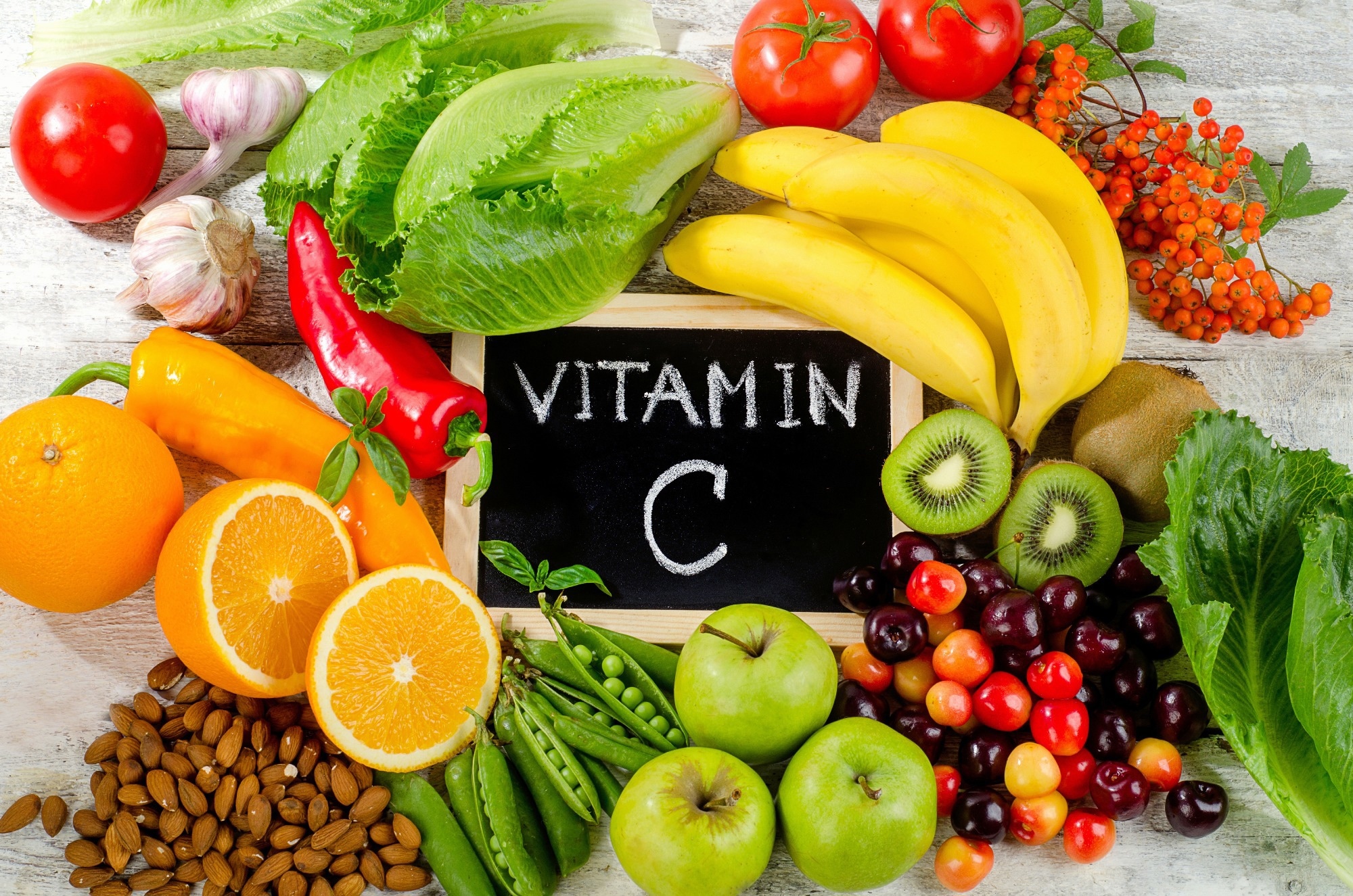
Study suggests that vitamin C and dietary nitrate could be promising in improving endothelial function and reducing cardiovascular disease risk

Does your doctor competently have diet protocols for all the research out there on diet health?  WELL, IS YOUR DOCTOR INCOMPETENT OR NOT?  NO protocol, definitely incompetent! Guidelines or handouts don't count.


The foods highest in nitrate include beet roots and leafy greens such kale, arugula, chard, and spinach. Others include parsley, Chinese cabbage, leeks, celery, radishes, and turnips.

Study suggests that vitamin C and dietary nitrate could be promising in improving endothelial function and reducing cardiovascular disease risk

A recent study published in the Nutrition Journal discussed the role of vitamin C and dietary nitrate in endothelial function (EF).

Study: Is vitamin C a booster of the effects of dietary nitrate on endothelial function? Physiologic rationale and implications for research. Image Credit: Tatjana Baibakova/Shutterstock.comStudy: Is vitamin C a booster of the effects of dietary nitrate on endothelial function? Physiologic rationale and implications for research. Image Credit: Tatjana Baibakova/Shutterstock.com

Background

A central feature of cardiovascular disease (CVD) is the disruption of the endothelial lining, identified as endothelial dysfunction (ED). ED represents an early marker of vascular damage and an essential step in the pathogenesis of atherosclerosis.

Endothelial cells secrete nitric oxide (NO) among other molecules and participate in inflammatory responses.

The availability of vasodilators, especially NO, is reduced in ED. Consequently, the integrity of blood vessels is disrupted, promoting the development or progression of chronic diseases like CVD.

Given the potential reversibility of ED, an early implementation of interventions could offer prophylactic and therapeutic benefits for patients with or at risk of CVD.

Interventions such as dietary nitrate, vitamin C, arginine, or polyphenols, aimed to augment NO bioavailability could positively affect EF and CVD pathogenesis.

In the present study, the authors discussed the putative mechanisms of the synergistic effect of dietary nitrate and vitamin C on EF.

Dietary nitrate and endothelial function

NO rapidly diffuses across tissues reaching target cells and exerting biological effects. It is auto-oxidized to nitrate or nitrite in circulation by oxyhemoglobin.

Therefore, nitrate and nitrite act as stable end products and may indirectly reflect systemic levels of NO. On average, nitrate intake following the Western diet is around 110 mg/day.

Nitrate is rapidly and efficiently absorbed, and plasma concentrations peak within 90 to 120 minutes. A high dietary nitrate intake has positively affected metabolic, immune, and vascular functions. Several studies have assessed the impact of dietary nitrate or nitrite on EF in humans and animals.

One study observed a significant improvement in ED with dietary nitrate supplementation in a murine hypercholesterolemia model. Studies report contrasting findings in humans supplemented with nitrate.

For example, dietary nitrate consumption did not affect flow-mediated dilation (FMD) in obese/overweight individuals. Likewise, EF was not improved with two-week beetroot consumption in those with type 2 diabetes.

By contrast, one study observed positive effects on FMD with a single dose of nitrate in young, healthy participants. Similarly, another study reported FMD improvements in individuals with hypercholesterolemia after a six-week intervention of high-nitrate beetroot juice.

A systematic review and meta-analysis concluded that supplementation of inorganic nitrate and beetroot was linked to beneficial effects on EF.

Endothelial function and vitamin C

The benefits of vitamin C intake on EF may be due to the increased NO bioavailability. A systematic review reported a significant improvement in EF with vitamin C supplementation, with varying effects by health condition.

Vitamin C enhanced FMD and reduced serum levels of an oxidative stress biomarker in metabolic syndrome patients.

A study examining the effects of vitamin C on oxygen delivery in individuals with mild or moderate chronic heart failure observed an improvement in pulse wave velocity after vitamin C treatment.

Intravenous administration of high vitamin C doses was found to reverse the effects of free fatty acids on forearm blood flow (FBF).

Synergistic effects of vitamin C and dietary nitrate on endothelial function

Evidence strongly suggests that increased bioavailability of NO may improve EF and influence. Recent studies shed light on the potential interactive and positive effects of inorganic nitrate and vitamin C co-supplementation on blood pressure and EF, suggesting their synergistic effects could far exceed their potencies.

A combined dose of inorganic nitrate and vitamin C significantly decreased arterial stiffness in adult and older subjects and reduced systolic blood pressure (BP) and mean arterial BP in older individuals. Two independent studies have confirmed these findings, which observed EF improvements in older hypertensive individuals and people with ED, respectively.

The vasodilatory effect of nitrite was enhanced in an acidic solution in an in vitro rat aorta model, which was further enhanced by adding vitamin C.

Furthermore, animal and in vitro studies showed that inorganic nitrate and vitamin C may improve tetrahydrobiopterin (BH4) stability. When BH4 is depleted, superoxide free radicals are formed instead of NO. Vitamin C can scavenge ROS, particularly superoxide, by activating superoxide dismutase (SOD).

Concluding remarks

In sum, co-supplementing dietary nitrate with vitamin C could enhance NO synthesis and nitrite-to-NO conversion and improve EF. Preliminary evidence suggests their synergistic effects could be more potent than individual effects.

Further studies are required to assess the impact of the co-supplementation of the two compounds on vascular outcomes in larger cohorts and test whether population genetic or phenotypic characteristics influence their synergistic effects.

Journal reference:

Sunday, December 26, 2021

20 Surprising Foods That Benefit A More Heart Healthy Lifestyle

For those that don't have amounts DEMAND YOUR DOCTOR come up with the protocol amounts. Your hospital dietician should have created protocols on all these foods decades ago assuming that the board of directors set the right goals for the stroke department. If they didn't the board of directors needs to be fired.

20 Surprising Foods That Benefit A More Heart Healthy Lifestyle 

Chickpeas

Chickpeas contain such ingredients as high fiber, potassium, and vitamins C and B-6.  Each of these nutrients has been shown to support heart health significantly.  The high fiber that appears in significant amounts in chickpeas has been shown in studies to also considerably lower the amount of total cholesterol in the bloodstream, which in turn is known to aid in decreasing the risk of heart disease.  In one cited study, it was found that those individuals who reportedly consumed 4,069 mg per day of potassium were shown to have a 49 percent lower risk of death caused by heart disease.

Coffee

It seems every other day there is a new study out that touts the benefits of coffee on the human body.  For years researchers have said that coffee aids in the prevention of heart failure, stroke, and even lowering the risk of mortality.  The active ingredient in coffee that makes it so beneficial for heart health is that of the caffeine.  In recent findings, scientists have concluded that the caffeine present in coffee does indeed protect us against heart damage.  Studies have determined that the caffeine works in conjunction with the mitochondria—the powerhouse if you will—within our cells.  Studies have shown that the caffeine slows down the cell division in the body, which can be most crucial to preventing cardiovascular diseases.

Cranberries

Often known to many as one of the classes of foods referred to as “superfoods,’ cranberries are considered one of the most healthful foods available.  Native to North America, cranberries are farmed across Canada and the Northern US.  Registering high in nutrients and antioxidants, cranberries have been linked to aiding in the decreasing of blood pressure—which in turn supports overall cardiovascular health.  In recent studies, data has suggested that the polyphenols—present in the cranberries themselves—may actually help to reduce the risk of cardiovascular diseases.  This reduction is achieved by the prevention of platelet build-up on the walls of blood vessels, as well as the reduction of blood pressure through anti-inflammatory mechanisms.

Figs

Studies over the years have shown one thing to remain true—deaths due to heart disease drop with each additional serving of fruit.  Included in that study is the carotenoid-containing fruits better known as figs.  Figs, like many other fruits that mother nature has provided, are nutrient dense—containing a generous amount of fiber, vitamins, and potassium.  They are also chock full of plague-fighting potent polyphenols.  When working towards preventing, or even day to day fighting off of heart disease, this little gem is definitely one ally you will want in your arsenal.  Figs are also known to immunize LDL, or “bad” cholesterol, against the attack of free radicals as well protecting against the onset of atherosclerosis—an abnormality in the inner layer of the arterial walls.

Flax Seeds

Flax seeds have been considered a prized ingredient for centuries, due to their health-protective properties.  In recent years, flax seeds have joined the elite class of foods—superfoods that is.  Each and every day, more and more research points to just how beneficial these little gems are to our health.  Flax seeds are nutrient-rich, with only one tablespoon containing a generous amount of protein and heart-healthy fiber and omega 3 fatty acids.  In animal studies, one of the fatty acids present in flax seeds, ALA (alpha-linolenic acid) showed to prevent the deposit of cholesterol into the blood vessels of the heart, as well as aiding in reducing arterial inflammation as well.

Tumeric

For centuries, Tumeric has been hailed in India as a wonder spice.  It is not only the ingredient that gives curry its color, but it is also packed will all types of medicinal aids.  In recent decades, science has been seeing what the India culture had known for centuries—there are indeed medicinal properties within  Tumeric.  The compounds of use in heart health are called curcuminoids, the most notable of which is Curcumin.  As it would happen, Curcumin is the main active ingredient within Tumeric, not only presenting as a potent antioxidant but also has what many terms as powerful anti-inflammatory significance, which has shown to aid in the prevention of heart disease.  When considering a Curcumin supplement, keep in mind that the most effective choices are those that contain piperine, as this substance increased the herbs ability to absorb into the bloodstream.

Ginger

Recent research points to the possibility that ginger could possibly play a significant role in the maintaining of a healthy heart.  In fact, ginger has been used by many cultures for centuries to aid in the treatment of various cardiovascular conditions.  It is believed that ginger does indeed help in the reduction in the risk of heart attack and stroke.  Ginger works in the same manner as the current NSAID’s on the market.  The natural in nature herb acts to block the very genes that are responsible for causing inflammation to begin with.  Other studies state that ginger may very well aid in the lowering of blood cholesterol as well as preventing the clotting of blood.  When it comes to heart health, the anti-coagulating properties of ginger is a significant aid for those with heart disease.  The unobstructed flow of blood throughout the body can significantly reduce the possibility of heart attacks or even strokes due to blood clots forming.

Grapefruit

With its nutrient-packed content of antioxidants and fiber, grapefruit has been shown to aid in lessening the risk for heart disease.  With the regular consumption of grapefruit, it is believed that individuals will see a reduction in the factors related to heart diseases, such as high blood pressure and cholesterol.  One study showed that grapefruit had a significant effect on the decrease in total overall cholesterol counts, as well as LDL or “bad” cholesterol levels.  The reason that grapefruit is so beneficial to heart health is based on the fair amount of potassium that the fruit contains.   Potassium is an essential mineral in the maintaining of heart health overall, and when the adequate intake is achieved can also help with the prevention of high blood pressure, known to affect heart health significantly.

Green Tea

There are many factors involved in overall heart health.  One heart disease factor is that of atherosclerosis or the building up of plaque that adheres to the arterial vessel walls.  The problem with atherosclerosis is that before you really notice any symptoms, the damage is pretty much done.  According to a new study, a molecule that is found in green tea can actually aid in the prevention of atherosclerosis, which is believed to be a significant contributor to both heart attacks and stroke.  In a study conducted in 2006, those participants that stated they drank at least 5 cups of green tea a day, showed significantly less cardiovascular problems than those who said they only drank one green tea a day.  In subsequent studies, green tea has shown to play a significant role in the lowering of cholesterol as well as the prevention of the risk of stroke.

Kidney Beans

Kidney beans are chock full of nutritional fiber, and as such are one of the best sources for lowering your cholesterol.  A study that was published in the Archives of Internal Medicine confirmed that eating such high fiber foods as kidney beans do indeed aid in the prevention of heart disease. However, kidney beans help with heart health by way of more than their fiber content.  They are also rich with significant amounts of folate and magnesium.  Folate is responsible for lower levels of homocysteine, which elevated int eh blood are precursors to heart attack, stroke, and even peripheral vascular disease.  Through the study, it was estimated that consuming the 100% of Folates recommended daily failure would, in turn, reduce the possibility of a heart attack by 10%.

Oranges

The nutrients that are present in oranges have shown to provide a rather wide range of health benefits.  The American Heart Association has stated that by increasing the consumption of amounts of a compound found in citrus, such as oranges, can, in fact, lower the risk of ischemic stroke in women.  Oranges are high in potassium, which in turn helps reduce the development and problems associated with high blood pressure.  Worth noting is that a high potassium intake, over 4700mg daily, how show to reduce the overall risk of mortality due to heart health conditions by as much as 20 percent.

Kale

Kale has, in recent years, been hailed as pretty much a miracle food.  This leafy vegetable offers a rather wide range of health benefits, with cardiovascular and heart health amongst the list.  Kale is chock full of potassium and fiber, nutrients that work to maintain good heart health, as well as other areas of the cardiovascular system.  Potassium, in studies done, has shown to play a significant part in the overall reduction of the risk of heart disease.  Along with the decrease in the risk of heart disease, potassium is also associated with the risk reduction, if not prevention, of stroke.  Finally, potassium has also shown to aid in the dilation of the blood vessels, which in turn helps in more effective and efficient blood flow.

Garlic

Admittedly, garlic is not the most appealing smell there is, but when it comes to heart health, it more than gets the job done.  Studies have shown that when used in a supplement form, garlic has made a significant impact in lowering the blood pressure in those suffering from high blood pressure.  In fact, some data shows that garlic supplements may be as effective, if not more effective than those doctor prescribed medications.  Garlic also appears to have a significant effect on reducing total as well as LDL cholesterol—by 10-15%.  Studies show that garlic will work on lowering the “bad” cholesterol, but in turn, seems not to affect “good” cholesterol in any significant amount.

Red Wine

It has always been said that red wine, when consumed in moderation, is suitable for heart health.  It is believed that the alcohol in red wine, coupled with antioxidants, work in conjunction to reduce the risk of coronary artery disease—which in turn is responsible for causing the majority of heart attacks.  Although the reason behind the benefits of red wine in heart health is still being studied, on theory leans towards that fact that the antioxidants aid in the increase of HDL which is known as the “good” cholesterol, which is responsible for protecting against the buildup of cholesterol.  A polyphenol in red wine, known as resveratrol, has been getting a lot of press in recent years.  This substance is suspected of actually helping in the protection of blood vessel wall lining, which can reduce the risk of problems of a cardiovascular nature.

Chocolate

A myth that needs to be set straight is that not all chocolate has proven beneficial to heart health—on dark chocolate.  With that said, studies out of England have shown that those individuals who indulge in 3.5 ounces of dark chocolate per day, which is roughly a little more than two Hershey bars, result in a lower rate of heart disease than those who ward off chocolate altogether.  The belief is that the acting nutrients are those of flavonoids—which are present in the cacao bean—which is powdered and used in chocolate.  Flavonoids have a multitude of benefits, including lowering blood pressure, increasing blood flow to the brain and the heart, and working in preventing blood clots.

Salmon

Scientists will state that if you are worried the least bit about heart disease, the intake of 1-2 servings of fish each week will significantly lower your odds of dying from a heart attack.  The reason quite simply being the omega-3 fatty acids that are present in the fish themselves.  These unsaturated fats have long believed to be beneficial in reducing the risk of mortality from heart disease.  Recent research has gleaned on the fact that it may very well not only be the omega-3 acids but the combination of other nutrients as well in fish that have a substantial effect on over heart health.

Lentils

These tasty legumes seem to be coming into their own as of late.  However, they have always been known to be a valuable, high-end source of soluble fiber, which has shown to aid in the lowering of cholesterol, which in turn helps to keep the vessel and artery walls clean and free of buildup.  This, in turn, has shown to reduce the chances of both heart disease and stroke significantly.  Lentils in their essence are an excellent source of folate and magnesium, which as we learned above are very essential nutrients in maintaining overall heart health.  Magnesium acts to maintain and improve blood flow, distributing oxygen and nutrients through the body.  Low levels of magnesium have actually been shown to be directly associated with the development of many types of heart disease.

Almonds

Considered one of the most popular tree nuts worldwide, almonds are chock full of nutritious, healthy fats and antioxidants, while at the same time offering an excellent source of Vitamin E, which has been linked in studies in lower the rates of acquiring heart disease.  Almonds also aid in controlling and lowering blood pressure, one of the leading factors to heart attacks, stroke, and even kidney failure.  Recent studies have shown that a deficiency in magnesium, which is abundantly present in almonds, can have a significant effect on blood pressure, regardless of weight.  By correcting an existent deficiency, many have seen a considerable reduction in blood pressure.

Blueberries

Researchers conducted a study at King’s College, London, which showed that by eating 200 grams of blueberries every day, an individual can reduce the risk of developing cardiovascular disease by 20 percent.  Data also showed that those individuals who consumed the daily intake of blueberries also experienced a reduction in their systolic blood pressure, with results mimicking those of taking prescribed blood pressure medications.  The heart health benefits come from the anthocyanins or the phytochemical within the fruit that gives it it’s blue coloring.  Contrary to previous beliefs, the impact on heart health was not from the fiber, vitamins or even minerals in the fruit, but the power of the anthocyanins instead.

Beets

Recent studies have shown that beets can aid in significantly lowering blood pressure by as much as 4-10 mmHg over the course of a few short hours.  The most beneficial effect seems to be in the systolic blood pressure, which represents the amount of pressure when the heart contracts, rather than the diastolic blood pressure which is when the heart is at rest.  The data also showed that the consumption of raw beets, rather than cooked, achieved the best results for individuals.  It is suspected that the blood pressure lowering ability may very well come from the nitrates in beets.  When ingested, your body converts the nitrates to nitric oxide, which in turn dilate blood vessels aiding in the reduction in blood pressure overall.


Friday, October 25, 2019

Brain-healthy foods to fight memory loss

Quite useless since no amounts are given. You really expect us to get  injections of almond suspension for 28 days? And where would our doctors find such suspension? They don't tell you that unless flaxseed is ground it isn't digested, you'll just shit it out.

Brain-healthy foods to fight memory loss

Eating well is not just good for the body, but good for the brain. And while the vital roles a good diet and proper nutrition play in maintaining good overall body health are well accepted, their roles in maintaining your brain health is something that you may not often think about.

Certain foods and the nutrients they contain seem to be especially conducive to promoting good brain health. More and more studies are coming out to show just how important diet is for proper brain function, as researchers continue to show that many of the conditions of the aging mind—including memory loss, dementia, and even Alzheimer disease and Parkinson disease—may be mitigated by including certain foods in the diet.

Here are just a few of the foods that may help you preserve brain function, which—just like other bodily functions—only declines with age.
Advertisement

Almonds

Almonds can benefit memory function, and contain lots of vitamin E, which plays a significant role in preventing cognitive decline. In a preclinical study, researchers found that rats who received injections of almond suspension for 28 days demonstrated significant improvements in memory retention. In addition, almonds contain vitamin B6, a pyridoxine that helps the body metabolize proteins, which are essential for cellular repair in the brain.
As if this weren't enough to convince you that almonds are good for brain health, they also contain zinc to boost the immune system and prevent damaging infections, vitamin E to slow cell aging, and protein to help repair brain cells.

Eggs

Eating whole eggs—not just the whites—can give you some brain benefits that you may not have been aware of. Egg yolks contain choline, which helps regulate memory and even reduce the risk of Alzheimer disease. Choline is so essential, in fact, that the American Medical Association House of Delegates recommends the addition of choline to prenatal vitamins due to its importance in promoting cognitive development during pregnancy. Researchers have shown that infants exposed to higher levels of maternal choline (930 mg/d) during the third trimester exhibited improved information processing speed—an indicator of cognition and intelligence—during the first year of life.
Eggs also contain lutein—long known for its role in eye health—which is also beneficial for cognition. In one study, researchers assessed the association between brain lutein and cognition in children. They measured brain lutein noninvasively, via Macular Pigment Optical Density (MPOD), and found that the MPOD concentration was positively associated with academic performance.

Flaxseed

Flaxseed contains omega-3 fatty acids, which are known to help brain health. In a preclinical model of perinatal hypoxic-ischemic encephalopathy, researchers found that maternal intake of flaxseeds attenuated loss of brain mass, improved spatial memory in offspring, and prevented depressive symptoms. Flaxseeds are also rich in magnesium and vitamin B, which are essential for optimal brain performance.

Kale

Considered a superfood, kale is chock full of antioxidants, calcium, and vitamin K, so it's good for your physical health. But, it's also good for your mental health. Recently, Tufts researchers found that people who ate 1 serving/day of green leafy vegetables had cognitive functioning akin to that of people 11 years younger, compared with those who ate fewer or no leafy greens. The key ingredients in kale that do this include phylloquinone, lutein, nitrate, folate, alpha-tocopherol, and kaempferol, which may all mitigate the cognitive decline that comes with aging.

Oranges

Did you know vitamin C provides protective effects on your brain and your cognition? In fact, vitamin C is vital for good brain health: it promotes the functioning of specific brain cells, and may even prevent conditions such as Parkinson disease and Alzheimer disease. Its high antioxidant activity is the reason why. In a review of 50 studies, researchers found that vitamin C concentrations were higher in participants who were cognitively intact, compared with those who were cognitively impaired.

Pumpkin seeds

Pumpkin seeds are filled with zinc, magnesium, copper, and iron—minerals that are all known to be beneficial for cognitive health. Zinc and iron deficiencies both independently increase the risk of developing brain disorders, while magnesium has been shown to stave off memory loss and neurological diseases. Finally, copper has been shown to help prevent Alzheimer disease in individuals who are copper deficient.

Monday, August 6, 2018

These are the real 'superfoods' you should be eating more of, according to science

Pretty much a totally useless piece of information. We need EXACT amounts, PROTOCOLS, not just the lazy and incompetent 'more'.
https://www.businessinsider.com/healthy-food-list-2018-8

Thanks to some of the scientists at America's foremost public health institution, you don't have to search too hard to find them. The folks at the Centers for Disease Control and Prevention ranked the following items in order of how much nutrition they pack per calorie. Not only do studies suggest that people who eat more of these foods tend to be thinner and live longer than those who rarely or never eat them, they are also linked with a reduced risk of chronic diseases like heart disease and diabetes . So start adding them to your diet.
1/17

Cabbage is a good source of calcium, iron, fiber, folate, and vitamins.

Cabbage and its cousin Chinese cabbage are rich in calcium, iron, fiber, folate, and vitamins, and very low in calories — 22 for a cup of the regular variety served raw and just nine for a cup of the Chinese variety served raw.
2/17

Cauliflower packs in the fiber and folate.

Cauliflower is rich in fiber and folate, vitamins B6, C, K, and potassium. A cup of chopped, raw cauliflower has just 27 calories, 3 grams of fiber, and 2 grams of protein. Toss some in your next curry.
3/17

Kohlrabi is high in vitamins C, B6, and potassium.


Shutterstock
Kohlrabi — an off-white veggie you've probably never heard of — is high in fiber, folate, vitamins C and B6, and potassium. A cup of it raw packs just 37 calories but a whopping 5 grams of fiber. Try it baked.
4/17

Scallions are flavorful sources of vitamins A and C.


Weight Watchers
Scallions, known for their crunchy texture and poignant flavor, are low in calories (just 32 for a whole cup ) but high in nutrients like vitamins A and C. Try chopping up a few and adding them to salads.
5/17

Brussels sprouts contain compounds also found in other leafy greens like broccoli that may help reduce the risk of certain cancers.

A member of the cabbage family, brussels sprouts contain compounds called glucosinolates and isothiocyanates that may help reduce the risk of certain cancers, according to a study published in the Journal of Food Science.
Brussels are also high in fiber, folate, vitamins A, C, K, and B6, iron, and potassium. A cup of them boiled has around 56 calories and packs some protein too.
6/17

A cup of pumpkin has more potassium than a banana.


LATAM
The naturally deep orange hue of a pumpkin is a good indication of its richness in beta-carotene or vitamin A, which plays a key role in preserving our vision, especially at night . Plus, they're high in potassium (a cup of boiled, mashed pumpkin packs more than a banana), fiber, vitamins B6, C, E, and iron, and they can be baked into a yummy fall gratin.
7/17

Broccoli packs a mean folate punch.

Several studies suggest a link between crunchy veggies like broccoli and a reduced risk of certain cancers and other chronic diseases.
Plus the miniature trees are high in vitamin C and folate, which is especially important for women who'd like to get pregnant one day. So try tossing a few stalks in your next stir-fry.
8/17

Zesty arugula may help improve digestion.

This spicy green is a delightful addition to a salad or pizza. Like its cousins broccoli and kale, arugula has many nutrients that have been linked to disease prevention and improved digestion . Plus, it's a good source of zinc, calcium, and iron. Toss it on your next pizza.
9/17

Bell peppers provide 300% of your daily allowance of vitamin C.


Kelly Dickerson
A great source of vitamins A and C, bell peppers are a crunchy addition to salads and stir-fry. A cup of raw bell pepper provides nearly 100% of your daily allowance of vitamin A and 300% of your daily allowance of vitamin C. They're also a great source of vitamin B6.
10/17

Collard greens have your vitamins covered from A to Z, literally.

As great sources of fiber, folate, magnesium, vitamins A, B6, C, E, K, calcium, iron, potassium, and zinc, collard greens have your nutrients covered from A to B.
11/17

A cup of kale gives you nearly 700% of your daily allowance of vitamin K.

Sure, it's trendy now, but kale has been good for you since long before it was cool.
A cup of raw chopped kale gives you more than 200% of your daily allowance of vitamin A plus a whopping 684% of your allowance of vitamin K. It's also high in vitamins C, B6, calcium, and potassium. Like broccoli, kale also contains high levels of glucosinolate plant compounds, which may be helpful in protecting against certain types of cancer .
12/17

Chives contain lots of fiber and vitamins.


Delicious on a baked potato, chives are rich in fiber, vitamins A, B6, C, and K, as well as folate, calcium, iron, magnesium, and potassium.
13/17

Don't dismiss lettuce.


Hollis Johnson/Business Insider
Next time someone disparages a salad as "just lettuce," remind them how good for you leaf lettuce is. With just five calories per cup, leaf lettuce also packs in vitamins A, B6, C, and K, as well as calcium, magnesium, fiber, iron, and potassium.
14/17

Parsley and chicory are good sources of fiber and vitamins.

Both parsley and chicory are great sources of vitamins, folate, and zinc. And they're very low in calories — just 22 for a cup of raw parsley and seven for a cup of raw chicory greens.
15/17

Spinach may be a true power food.


Spinach contains several plant compounds, like kaempferol, which studies suggest plays a role in protecting against cancer and other chronic diseases. In fact, a 2011 study suggested that some of these components helped cyclists use less oxygen over the course of a ride. And a 2014 study found that another spinach compound called tyrosine helped to improve reflex speed.
16/17

Swiss chard is rich in iron and magnesium.


A row of colorful swiss chard.
Ulga/Shutterstock
Rich in fiber, vitamins A, B6, C, E, K, calcium, iron, magnesium, and potassium, swiss chard is also low-calorie, with just seven calories per cup . Both its dark green leaves and juicy stalks are completely edible.
17/17

Watercress could help reduce your risk of diseases like diabetes.


Shutterstock
Although often overlooked, watercress is a nutrient-dense alternative to plain old lettuce that can be eaten raw or cooked. Plus, a large review of five studies published in the European Journal of Nutrition suggested that watercress and other leafy greens were among the standout foods with the strongest links to reducing risk of type 2 diabetes.