Changing stroke rehab and research worldwide now.Time is Brain! trillions and trillions of neurons that DIE each day because there are NO effective hyperacute therapies besides tPA(only 12% effective). I have 523 posts on hyperacute therapy, enough for researchers to spend decades proving them out. These are my personal ideas and blog on stroke rehabilitation and stroke research. Do not attempt any of these without checking with your medical provider. Unless you join me in agitating, when you need these therapies they won't be there.

What this blog is for:

My blog is not to help survivors recover, it is to have the 10 million yearly stroke survivors light fires underneath their doctors, stroke hospitals and stroke researchers to get stroke solved. 100% recovery. The stroke medical world is completely failing at that goal, they don't even have it as a goal. Shortly after getting out of the hospital and getting NO information on the process or protocols of stroke rehabilitation and recovery I started searching on the internet and found that no other survivor received useful information. This is an attempt to cover all stroke rehabilitation information that should be readily available to survivors so they can talk with informed knowledge to their medical staff. It lays out what needs to be done to get stroke survivors closer to 100% recovery. It's quite disgusting that this information is not available from every stroke association and doctors group.

Showing posts with label home rehabilitation. Show all posts

Saturday, May 9, 2026

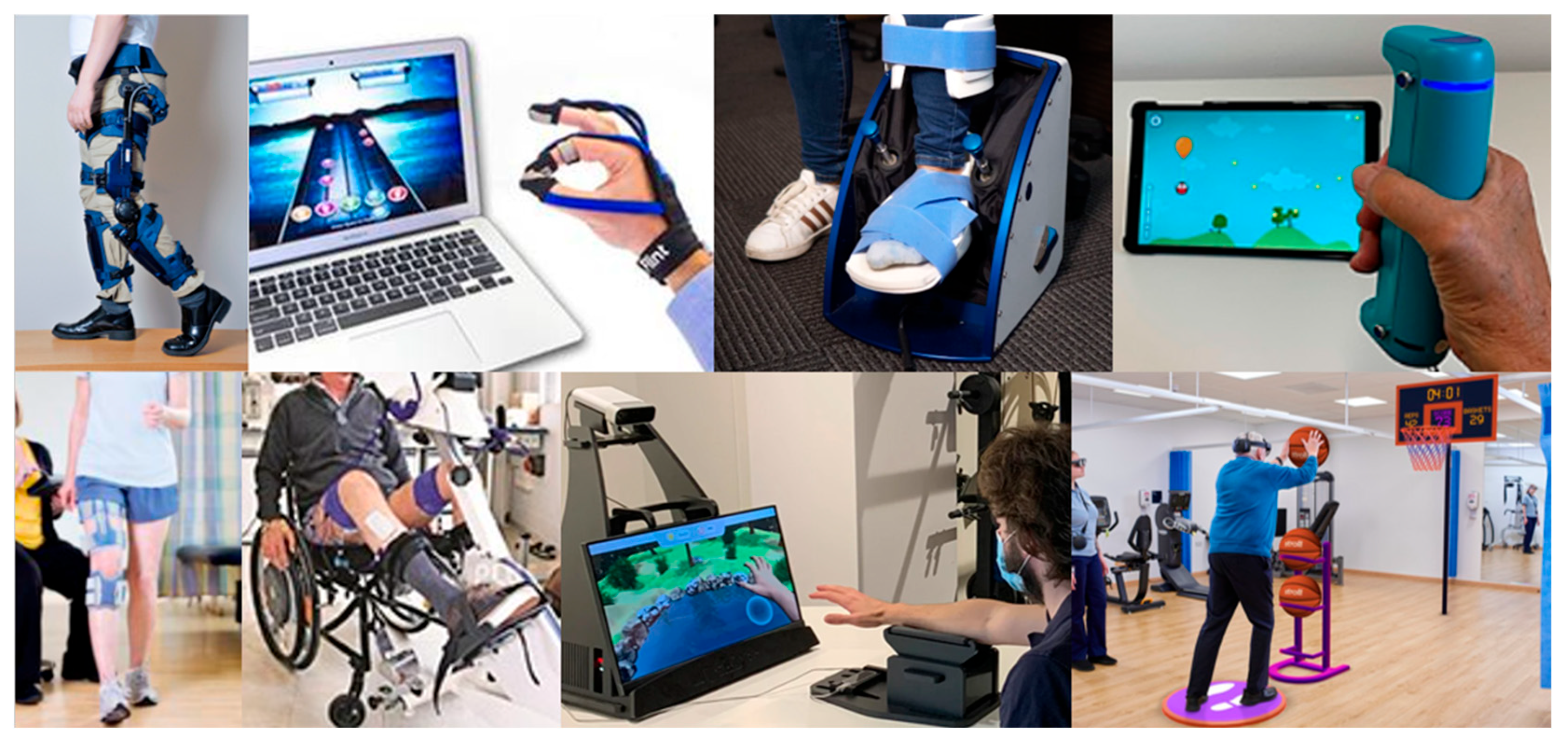
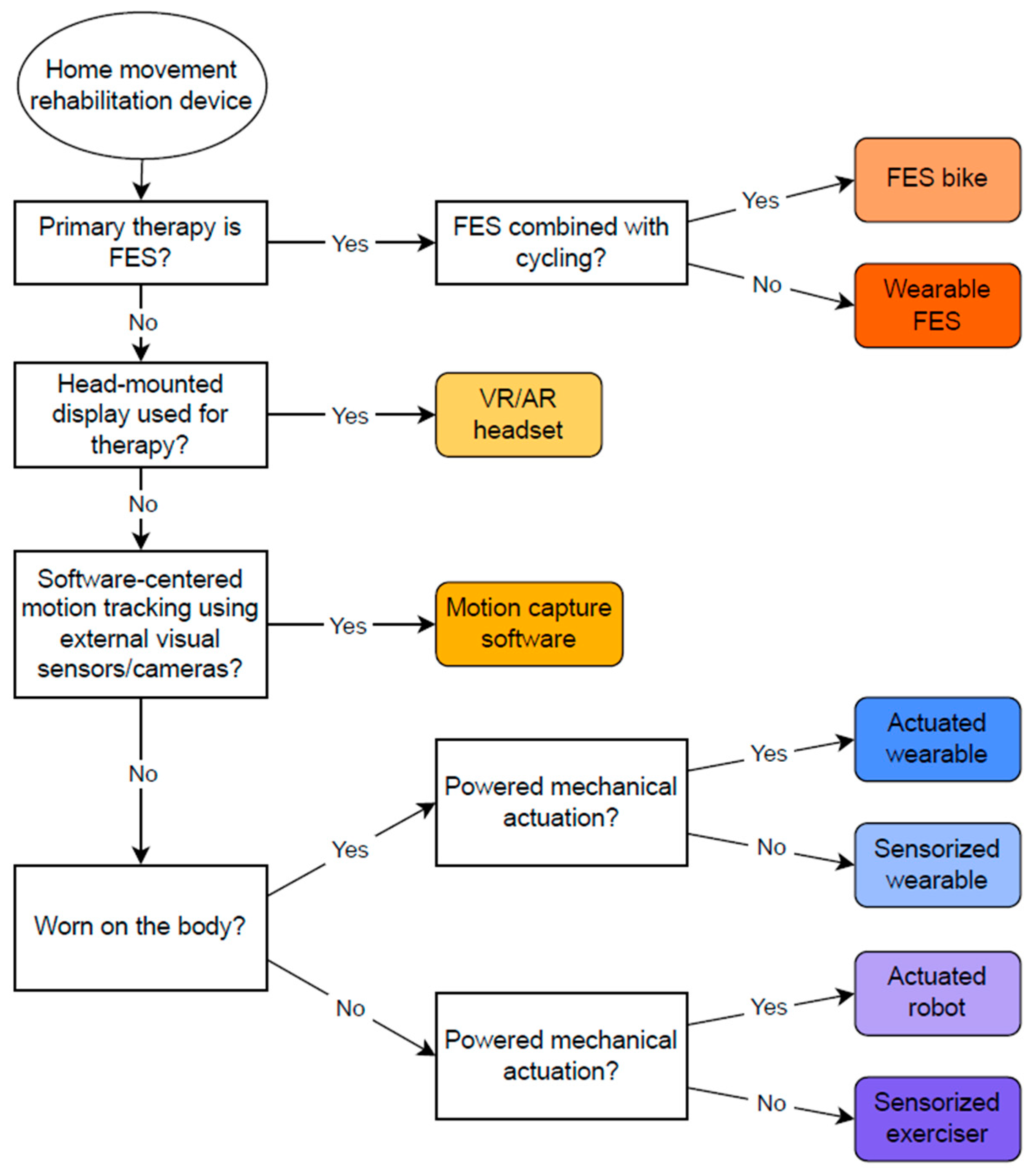
FDA-Listed Interactive Devices for Home Movement Rehabilitation After Stroke: A Mixed-Methods Study of Availability, User Needs, Information Gaps, and an Accompanying Dataset

 Does your competent? doctor know of all 57 of these and determined the best ones for your recovery? Oh NO, knows nothing and has done nothing! WOW! You picked a winner!


Here you are :

Key FDA Lists for Interactive Devices [1]

FDA-Listed Interactive Devices for Home Movement Rehabilitation After Stroke: A Mixed-Methods Study of Availability, User Needs, Information Gaps, and an Accompanying Dataset

by 1,*, 1, 1,2, 1, 1 and 1

1
Mechanical and Aerospace Engineering Department, University of California Irvine, Irvine, CA 92617, USA
2
Department of Orthopaedics & Rehabilitation, University of New Mexico, Albuquerque, NM 87106, USA
*
Author to whom correspondence should be addressed.
Bioengineering 2026, 13(4), 387; https://doi.org/10.3390/bioengineering13040387
Submission received: 18 December 2025 / Revised: 6 March 2026 / Accepted: 24 March 2026 / Published: 27 March 2026
(This article belongs to the Special Issue Technological Advances in Neurorehabilitation)

Abstract

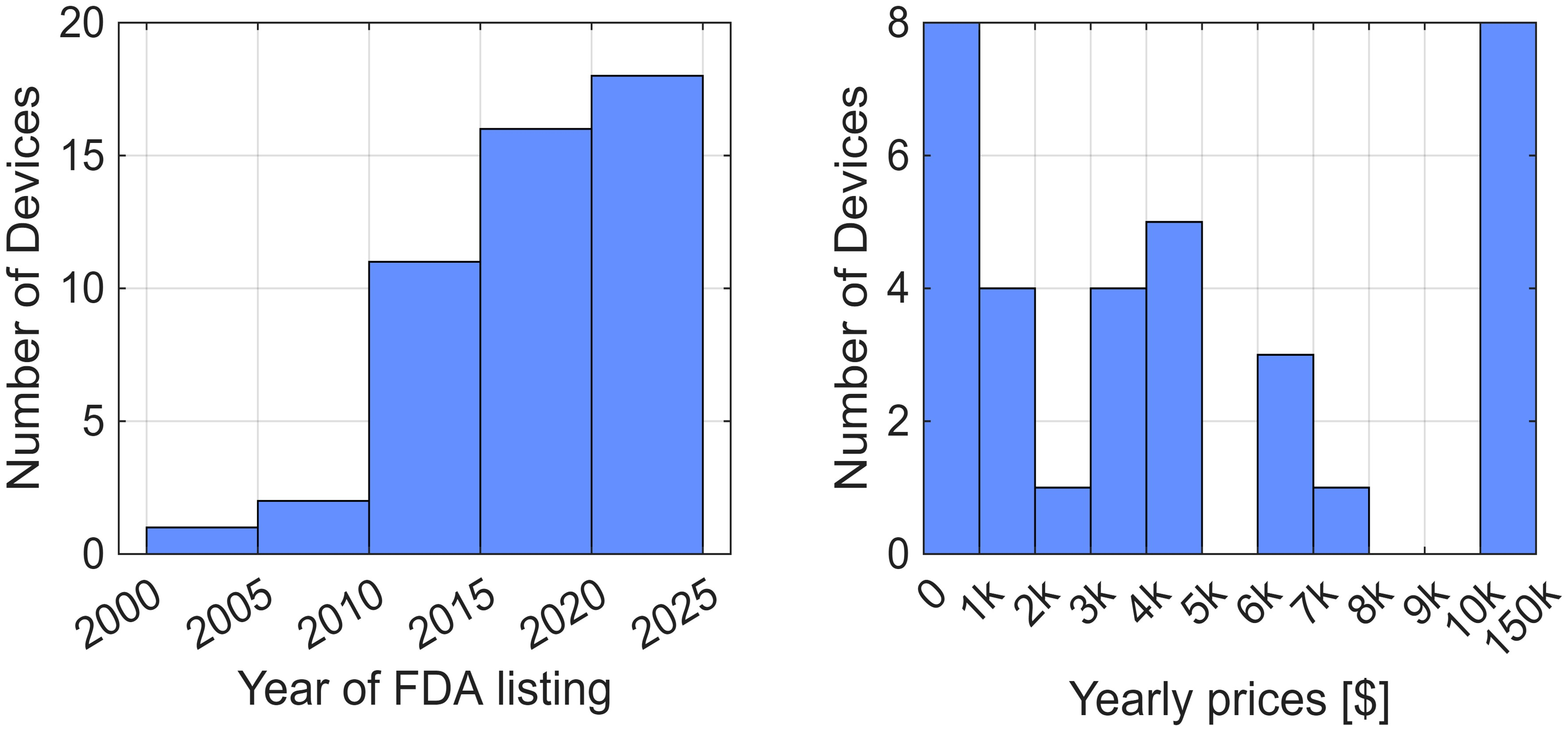
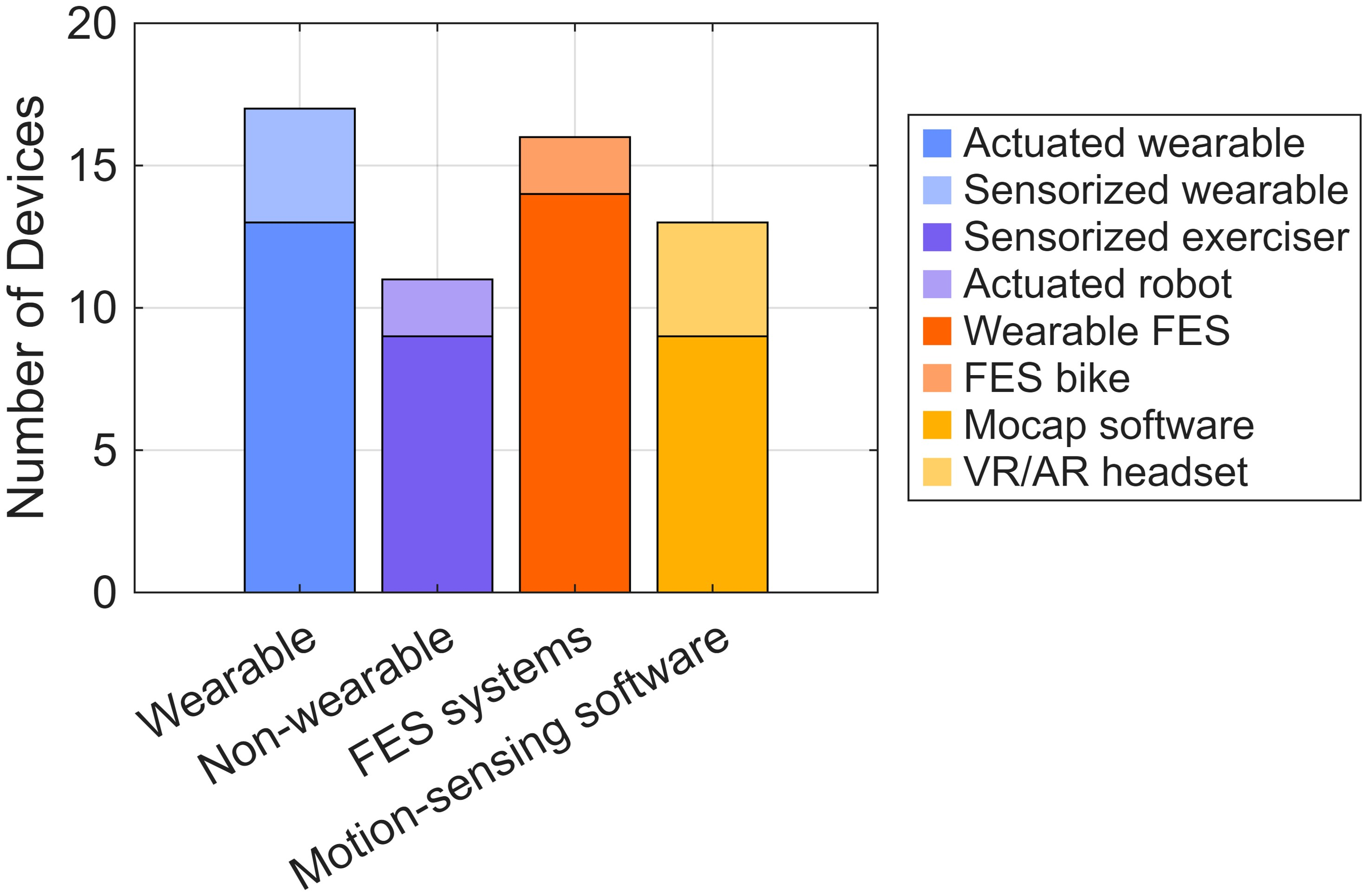
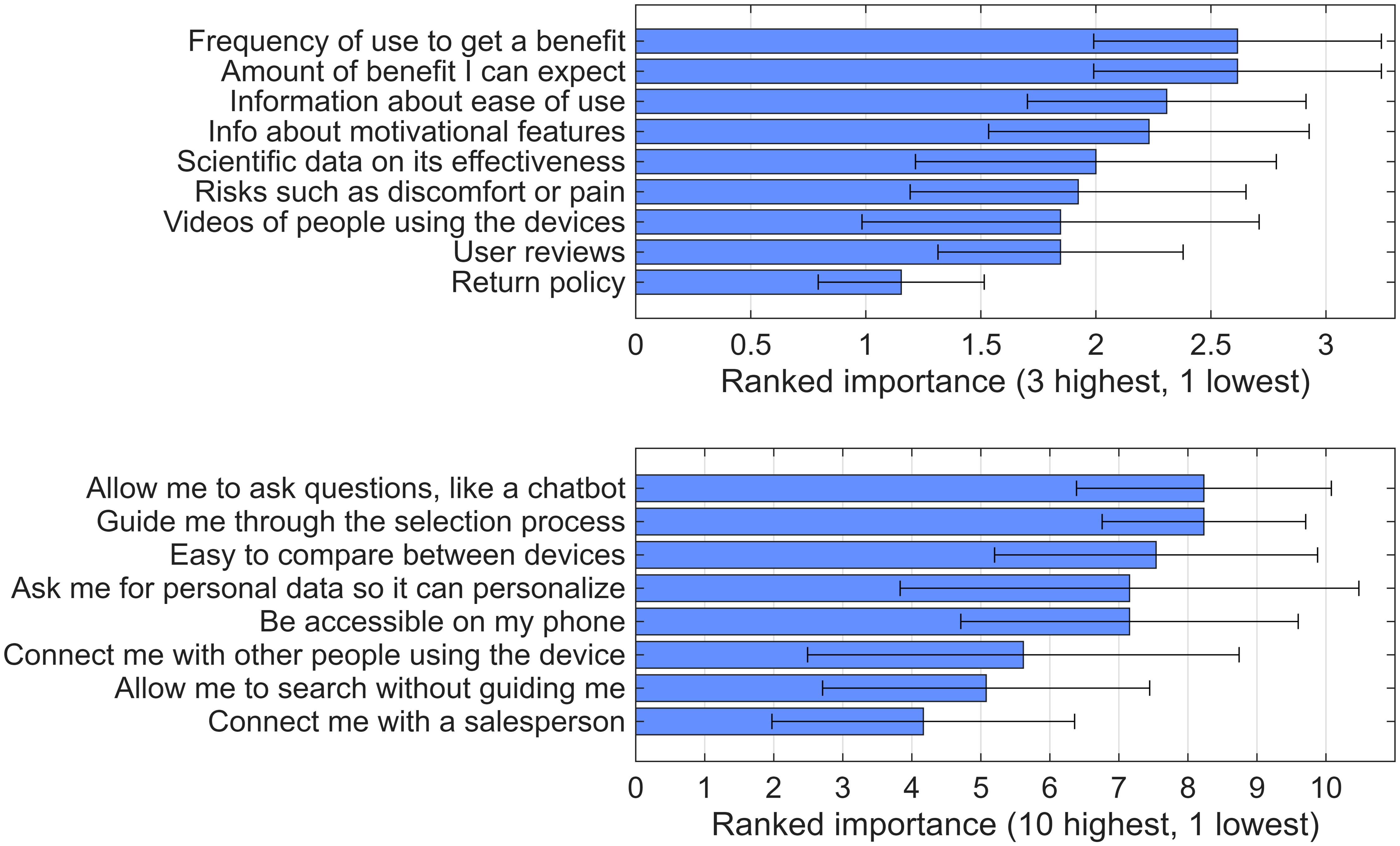
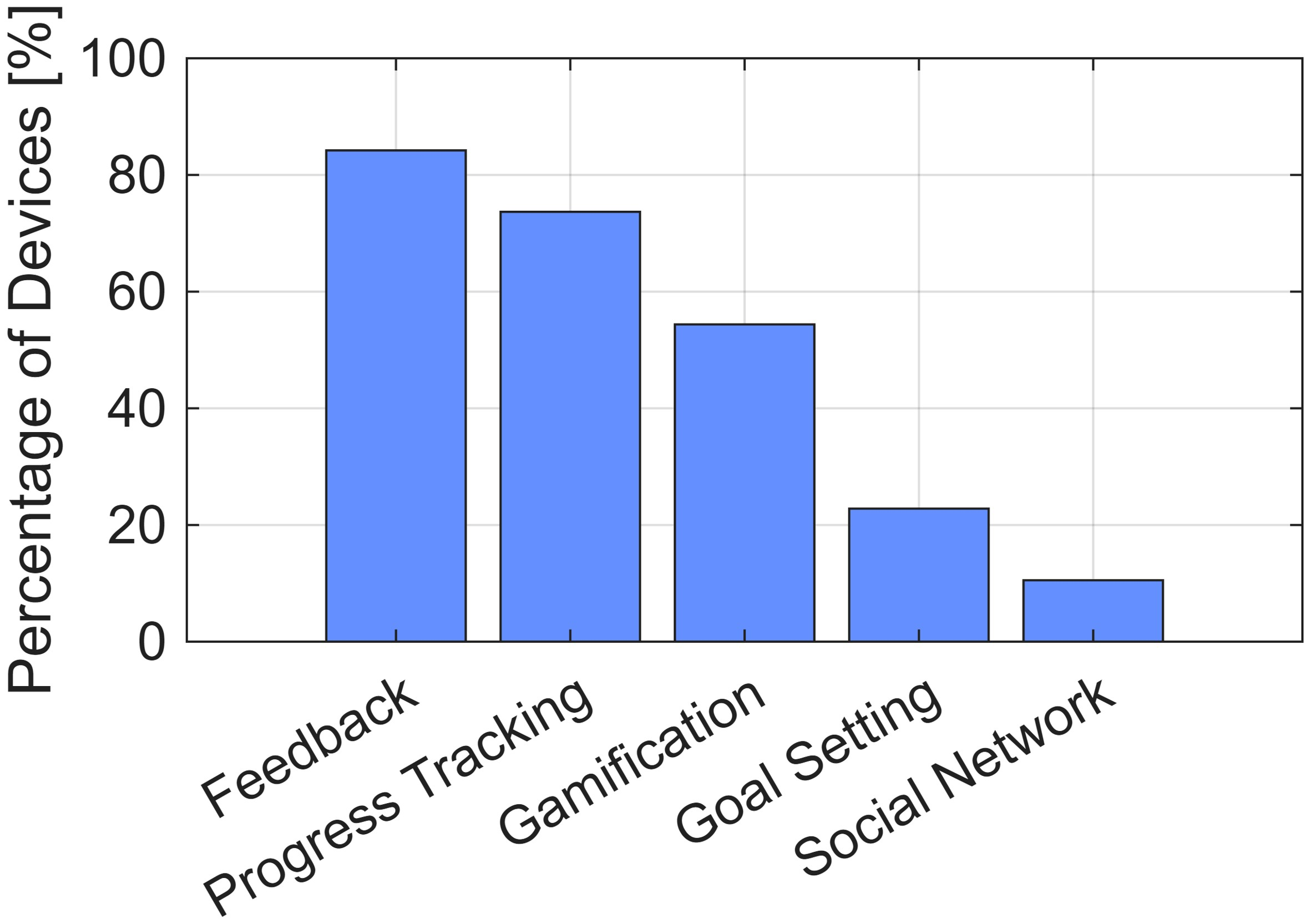
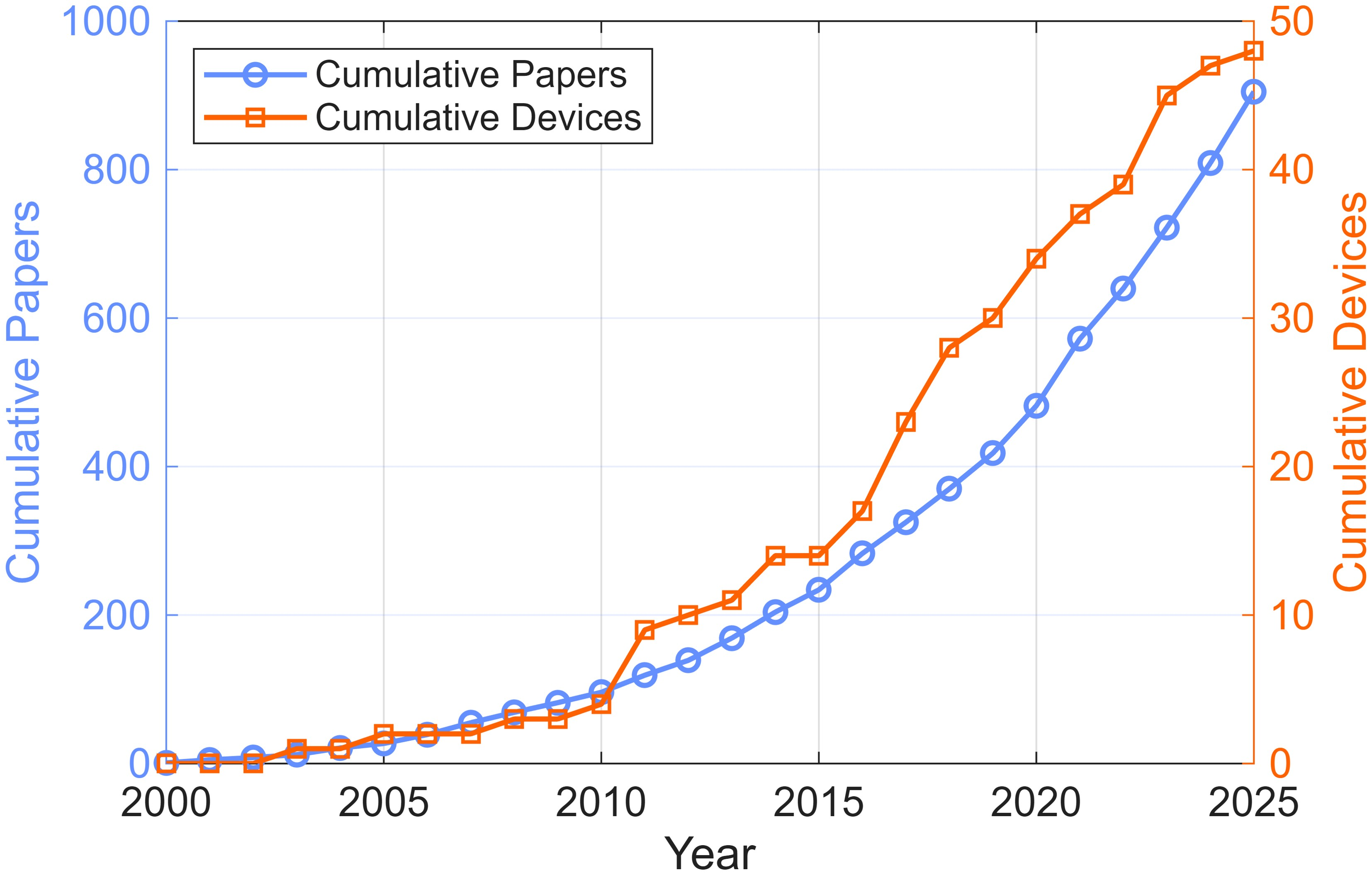
Technologies for home movement rehabilitation after stroke are rapidly expanding. However, for consumers, the number and nature of available products are unclear, and the information provided by device manufacturers varies widely. To understand this landscape, we conducted a mixed-methods, descriptive study in which we used the U.S. Food and Drug Administration (FDA) database to identify interactive devices for stroke rehabilitation suitable for home use. We then surveyed 13 individuals with stroke to determine what information they most wanted about home-based rehabilitation devices and contacted manufacturers to obtain those details. Thirteen FDA codes were associated with stroke rehabilitation devices, encompassing 57 devices produced by 40 companies. Nearly half were categorized under two codes: QKC (interactive rehabilitation exercise devices) and GZI (neuromuscular stimulators). Among devices for which information was available, 71% were listed after 2015, and 23% cost under $1000. The top information priorities for individuals with stroke were required usage to achieve therapeutic benefit, expected benefit, ease of use, and motivational features. Despite repeated outreach, only 45% of companies responded to our queries; among those that did, details were vague and variable. These results confirm that a large and growing number of FDA-listed devices are now available for home-based post-stroke motor rehabilitation. We further identify a need to establish industry standards for reporting ease of use, motivational effectiveness, and dose–response characteristics to help the intended consumers select appropriate technologies. The curated dataset generated in this study is provided as a resource for future work and may support the development of accurate Artificial Intelligence-based interfaces for identifying and comparing rehabilitation devices.
More at link.

Thursday, April 17, 2025

Home Exercise Program Adherence in Stroke Rehabilitation: Analyzing Barriers and Evaluating the Efficacy of Problem-Solving Consultations


My conclusion is you don't understand ONE GODDAMN THING ABOUT SURVIVOR MOTIVATION/ENGAGEMENT, DO YOU? You create EXACT 100% recovery protocols, and your survivor will be motivated to do the millions of reps needed because they are looking forward to 100% recovery. GET THERE!

Home Exercise Program Adherence in Stroke Rehabilitation: Analyzing Barriers and Evaluating the Efficacy of Problem-Solving Consultations

Document Type

Presentation

Publication Date

Spring 4-10-2025

Faculty Mentor

Na Jin Seo

Abstract

In post-stroke rehabilitation, the high number of task practice repetitions needed for neural plastic recovery cannot be achieved within standard therapy sessions alone. Home exercise programs (HEP) are prescribed to augment the needed repetitions. However, adherence is often poor, leading to suboptimal functional recovery. Our long-term goal is to develop tools to assist with HEP adherence. Toward this goal, the objective of our study is to investigate: (1) common barriers to HEP adherence, (2) problem-solving solutions, and (3) the impact of these solutions on adherence levels. Participants received standardized upper extremity rehabilitation therapy along with HEP for 6 weeks. Barriers to HEP adherence reported by patients, problem-solving solutions provided by therapists, and HEP adherence logs were obtained at each therapy visit. Common barriers were identified as: exercise too hard, fatigue, pain, impatient/frustrated, forgot, time, not in daily routine, and assistance needed. Common solutions were identified as: adapt HEP exercises, education on proper technique, reminders, encourage HEP, and caregiver education. HEP adherence levels tended to improve in response to the provided solutions. The impact of this study is that identification of common barriers and efficacy of solutions to HEP adherence will provide the groundwork to improve HEP adherence and maximize functional recovery post-stroke.

Tuesday, February 4, 2025

Effects of home-based virtual reality upper extremity rehabilitation in persons with chronic stroke: a randomized controlled trial

 NOT GOOD ENOUGH! You didn't write a protocol on how to get this done for chronic survivors! How to get the VR needed and exercise repetitions needed.

If you can't EXACTLY explain how to get the devices needed and the repetitions needed, you don't belong in stroke research! The only goal of stroke research is to get survivors recovered! This did almost NOTHING towards that! I'd fire all of you!

Effects of home-based virtual reality upper extremity rehabilitation in persons with chronic stroke: a randomized controlled trial

Abstract

Background

Upper extremity rehabilitation in persons with stroke should be dose-dependent and task-oriented. Virtual reality (VR) has the potential to be used safely and effectively in home-based rehabilitation. This study aimed to investigate the effects of home-based virtual reality upper extremity rehabilitation in persons with chronic stroke.

Methods

This was a single-blind, randomized, controlled trial conducted at two centers. The subjects were 14 outpatients with chronic stroke more than 6 months after the onset of the stroke. The participants were randomly divided into two groups. The intervention group (n = 7) performed a home rehabilitation program for the paretic hand (30 min/day, five days/week) using a VR device (RAPAEL Smart Glove™; NEOFECT Co., Yung-in, Korea) for four weeks. The control group (n = 7) participated in a conventional home rehabilitation program at the same frequency. All participants received outpatient occupational therapy once a week during the study period. The outcome measures included the Fugl-Meyer Assessment of upper extremity motor function (FMA-UE), Motor Activity Log-14 (MAL), Jebsen-Taylor Hand Function Test (JTT), and Box and Block Test (BBT) scores.

Results

All 14 participants completed the study. Compared to the control group, the intervention group showed more significant improvements in FMA-UE (p = 0.027), MAL (p = 0.014), JTT (p = 0.002), and BBT (p = 0.014). No adverse events were observed during or after the intervention.

Conclusion

Compared to a conventional home program, combining a task-oriented virtual reality home program and outpatient occupational therapy might lead to greater improvements in upper extremity function and the frequency of use of the paretic hand.

Trial registration: This study was registered in the University Hospital Medical Information Network (UMIN) Clinical Trial Registry in Japan (Unique Identifier: UMIN000038469) on November 1, 2019; https://center6.umin.ac.jp/cgi-open-bin/ctr/ctr_view.cgi?recptno=R000043836.

Monday, January 27, 2025

Strategies and interventions incorporating the environment in stroke rehabilitation post hospital discharge: A secondary analysis of a scoping review and review of national stroke rehabilitation guidelines


If your need this it means your hospital HAS COMPLETELY FAILED AT GETTING YOU 100% RECOVERED!

Strategies and interventions incorporating the environment in stroke rehabilitation post hospital discharge: A secondary analysis of a scoping review and review of national stroke rehabilitation guidelines

M Kylén, L Norin, M Elf, L Meijering, R Suhonen, M Zingmark
2025osf.io
Background
The home environment is crucial in stroke rehabilitation as it has a fundamental impact on daily life. Despite this, interventions and strategies that include the environment in the rehabilitation process after hospital discharge are scarce.
Objectives
The aim of this study was to understand the extent to which current stroke research and national stroke rehabilitation guidelines identify rehabilitation strategies and interventions, which include the environment in home stroke rehabilitation to support community reintegration.
Methods
A secondary analysis of a scoping review (Registration DOI https://doi. org/10.17605/OSF. IO/UQAXP) of articles published between 2013 and 2024 and a review of policy documents relevant to stroke rehabilitation. Articles in the original scoping review addressed home and public space features that support life after a stroke. The secondary analysis focuses on strategies and interventions that include the environment in the rehabilitation process.
Conclusion
The findings will provide policymakers and practitioners with examples of rehabilitation strategies and interventions that include the environment to support community reintegration post stroke.

Wednesday, October 23, 2024

Home-based guidance training system with interactive visual feedback using kinect on stroke survivors with moderate to severe motor impairment


I see nothing here that suggests that protocols were written and placed in a public database that survivors can find and access so this can be presented to their stroke medical 'professionals' to implement. Top down research dissemination does not work, bottom up will work because survivors will demand it be delivered to them.

Home-based guidance training system with interactive visual feedback using kinect on stroke survivors with moderate to severe motor impairment

Abstract

The home-based training approach benefits stroke survivors by providing them with an increased amount of training time and greater feasibility in terms of their training schedule, particularly for those with severe motor impairment. Computer-guided training systems provide visual feedback with correct movement patterns during home-based training. This study aimed to investigate the improvement in motor performance among stroke survivors with moderate to severe motor impairment after 800 min of training using a home-based guidance training system with interactive visual feedback. Twelve patients with moderate to severe stroke underwent home-based training, totaling 800 min (20–40 min per session, with a frequency of 3 sessions per week). The home-based guidance training system uses Kinect to reconstruct the 3D human body skeletal model and provides real-time motor feedback during training. The training exercises consisted of six core exercises and eleven optional exercises, including joint exercises, balance control, and coordination. Pre-training and post-training assessments were conducted using the Fugl-Meyer Assessment-Upper Limb (FMA-UE), Fugl-Meyer Assessment-Lower Limb (FMA-LE), Functional Ambulation Categories (FAC), Berg Balance Scale (BBS), Barthel Index (BI), Modified Ashworth Scale (MAS), as well as kinematic data of joint angles and center of mass (COM). The results indicated that motor training led to the attainment of the upper limit of functional range of motion (FROM) in hip abduction, shoulder flexion, and shoulder abduction. However, there was no improvement in the active range of motion (AROM) in the upper extremity (U/E) and lower extremity (L/E) joints, reaching the level of the older healthy population. Significant improvements were observed in both left/right and superior/inferior displacements, as well as body sway in the mediolateral axis of the COM, after 800 min of training. In conclusion, the home-based guidance system using Kinect aids in improving joint kinematics performance at the level of FROM and balance control, accompanied by increased mediolateral body sway of the COM for stroke survivors with moderate to severe stroke. Additionally, spasticity was reduced in both the upper and lower extremities after 800 min of home-based training.

Introduction

Existing home-based training systems use games as the primary trend to enhance the level of motivation [1,2,3,4,5]. In addition, the training efficiency, in terms of repetitions, may be lower when utilizing the home-based training system without feedback [6]. If the fun environment is enriched and the correct movement is guided by visual feedback during training exercises, this approach would be a feasible training approach. Cloud computing technology has advanced recently, cloud-based networks can easily connect the training from home to the center, and therapists can adjust the training protocol remotely and access the training data. Two markerless systems for motion tracking 3D depth sensor technique and RGB camera system. 3D depth-sensing cameras, employing technologies such as stereo vision, time of flight, or structured light, are now capable of identifying 3D body segments. Notable examples include Kinect [7,8,9,10,11], ZED [12, 13], Intel RealSense [14]. Another type of system using markerless’s AI-driven motion capture technology with RGB cameras (e.g., Theia3D) [15] to construct the 3D skeletal models for tracking joint movements and balance control. In this work, we raise the following questions: Is it possible to have an interactive guidance system for home-based users during training, and what is the effectiveness of motor recovery after 800 min of home-based training using computer-guided visual feedback?

The home-based training approach [16,17,18] provides training for chronic stroke and benefits stroke survivors with an increased amount of training time and more feasibility in the training schedule, especially in patients with severe levels. The depth sensor-based training systems (i.e., UINCARE Home + (UINCARE Corp., South Korea) [19, 20], MindMotion® GO (Switzerland) [21], EvolvRehab (Spain) [22], LongGood TeleRehabilitation System (Taiwan) [23]) provide the visual feedback with specific symbols or targets to guide the user in achieving the tasks. However, these training approaches display virtual objects in a video game or demonstration videos without providing feedback on the user’s real-time motions. In this study, we developed a home-based guidance training system for stroke survivors, enabling to provide the RGB-depth sensor to capture 25 artificial anatomical landmarks to reconstruct the body skeleton and real-time visual feedback on users' body segment movements and joint angles during training.

The purpose of this study was to investigate the improvement in motor performance for stroke survivors with moderate to severe motor impairment after 800 min of training using the home-based guidance training system with interactive visual feedback. With the technology of depth sensors, home-based training with computer-guided motion guidance in real-time may help users improve motor performance with minimal therapist assistance, which can greatly enhance the flexibility to facilitate their training time schedule.

Wednesday, August 14, 2024

The influence of scaffolding on intrinsic motivation and autonomous adherence to a game-based, sparsely supervised home rehabilitation program for people with upper extremity hemiparesis due to stroke. A randomized controlled trial

 No clue what this is, so ask your competent? doctor if this will get you recovered.

Do you prefer your  doctor and hospital  incompetence NOT KNOWING? OR NOT DOING?

The influence of scaffolding on intrinsic motivation and autonomous adherence to a game-based, sparsely supervised home rehabilitation program for people with upper extremity hemiparesis due to stroke. A randomized controlled trial

Abstract

Background

This parallel, randomized controlled trial examined intrinsic motivation, adherence and motor function improvement demonstrated by two groups of subjects that performed a 12-week, home-based upper extremity rehabilitation program. Seventeen subjects played scaffolded games, presenting eight to twelve discrete levels of increasing difficulty. Sixteen subjects performed the same activities controlled by success algorithms that modify game difficulty incrementally.

Methods

33 persons 20–80 years of age, at least 6 months post stroke with moderate to mild hemiparesis were randomized using a random number generator into the two groups. They were tested using the Action Research Arm Test, Upper Extremity Fugl Meyer Assessment, Stroke Impact Scale and Intrinsic Motivation Inventory pre and post training. Adherence was measured using timestamps generated by the gaming system. Subjects had the Home Virtual Rehabilitation System (Qiu in J Neuroeng Rehabil 17: 1–10, 2020) placed in their homes and were taught to perform rehabilitation games using it. Subjects were instructed to train twenty minutes per day but were allowed to train as much as they chose. Subjects trained for 12 weeks without appointments and received intermittent support from study staff. Group outcomes were compared using ANOVA. Correlations between subject demographics and adherence, as well as motor outcome, were evaluated using Pearson Correlation Coefficients.

Results

There were 5 dropouts and no adverse events. The main effect of time was statistically significant for four of the five clinical outcome measures. There were no significant training group by time interactions. Measures of adherence did not differ significantly between groups. The combined groups improved their UEFMA scores on average by 5.85 (95% CI 4.73–6.98). 21 subjects from both groups demonstrating improvements in UEFMA scores of at least 5 points, exceeding the minimal clinically important difference of 4.25. IMI scores were stable pre to post training.

Conclusions

Scaffolding challenges during game based rehabilitation did not elicit higher levels of adherence when compared to algorithm control of game difficulty. Both sparsely supervised programs of game-based treatment in the home were sufficient to elicit statistically significant, clinically meaningful improvements in motor function and activities of daily living.

Trial registration: Clinical Trials.gov—NCT03985761, Registered June 14, 2019.

Introduction

Despite decades of research attempting to remediate upper extremity impairments following stroke, a rehabilitation approach that elicits substantial improvements in function that do not decay over time has not been developed [2]. This points to a need for opportunities for persons with residual impairments following stroke to work on their arm and hand function away from the clinical environment with relative independence [3]. The use of traditional and technology-supported home-based rehabilitation programs has increased steadily in the last two decades and was further accelerated by the COVID–19 pandemic [4]. Short term and directly supervised telerehabilitation programs produce outcomes comparable to those of clinic-based treatments [5, 6]. Longer programs and sparsely supervised programs have not been studied as well, and outcomes are less consistent. In general, adherence to programs of activity designed to improve or maintain motor function following a stroke is relatively low [7]. Multiple barriers to consistent performance of motor function training activities exist, including low motivation as well as a lack of interest in, or enjoyment of, training activities [8]. Multiple authors have proposed that game-based rehabilitation activities may help overcome these barriers and provide a solution to low adherence to home based rehabilitation programs [9,10,11]. This said, the published evidence presents a range of adherence rates to gamified, home based rehabilitation, suggesting that simply presenting a rehabilitation activity as a game might not result in across the board improvements in adherence [9, 12,13,14,15,16,17]. Multiple factors have been identified as possible causes for varied adherence to technology supported rehabilitation interventions in the home [9, 18, 19].

The gaming industry utilizes a wide variety of gaming mechanics, processes that govern the way a game flows, information is presented, and player success or failure is communicated. This influences the frequency with which players pick up a game and play it, as well as the amount of time they play a game after initiating [20]. This study focused on scaffolding, a very common gaming mechanism that presents a relatively easy version of a game, followed by gradually ascending levels of difficulty as a participant succeeds [21]. This affords the participant immediate initial feelings of self-efficacy and then proceeds to challenge them. Appropriate levels of challenge [22] and feelings of self-efficacy [23] are both associated with higher levels of motivation, as is the clear knowledge of results feedback [22] a participant receives when they are presented with a new challenge after they succeed or they are required to repeat a level if they fail.

This study utilized a parallel randomized clinical trial to examine the adherence levels of subjects with stroke performing a 12-week, home-based upper extremity rehabilitation program incorporating simulations that used scaffolding to that of a control group of subjects that performed the same activities controlled by success algorithms that increase and decrease game difficulty incrementally and undetectably [24, 25]. Our overall study question focused on autonomous adherence to the training program by setting the subjects up with the system and having them perform their training without direct supervision or appointments. The primary analysis focused on the impact of scaffolding on adherence, by tracking total treatment time using system-collected measurement of actual game play frequency. Secondary analyses examined (1) the effect of scaffolding on motivation by analyzing pre and post training Intrinsic Motivation Inventory scores and (2) the effectiveness of the training programs using clinical measures of upper extremity function and self-reported measures of hand function and activities of daily living.

More at link.