Changing stroke rehab and research worldwide now.Time is Brain! trillions and trillions of neurons that DIE each day because there are NO effective hyperacute therapies besides tPA(only 12% effective). I have 523 posts on hyperacute therapy, enough for researchers to spend decades proving them out. These are my personal ideas and blog on stroke rehabilitation and stroke research. Do not attempt any of these without checking with your medical provider. Unless you join me in agitating, when you need these therapies they won't be there.

What this blog is for:

My blog is not to help survivors recover, it is to have the 10 million yearly stroke survivors light fires underneath their doctors, stroke hospitals and stroke researchers to get stroke solved. 100% recovery. The stroke medical world is completely failing at that goal, they don't even have it as a goal. Shortly after getting out of the hospital and getting NO information on the process or protocols of stroke rehabilitation and recovery I started searching on the internet and found that no other survivor received useful information. This is an attempt to cover all stroke rehabilitation information that should be readily available to survivors so they can talk with informed knowledge to their medical staff. It lays out what needs to be done to get stroke survivors closer to 100% recovery. It's quite disgusting that this information is not available from every stroke association and doctors group.

Showing posts with label Experiential. Show all posts

Saturday, November 29, 2025

Can Personality Protect Against Cognitive Decline in Aging? A 25 year Longitudinal Study of Experiential Openness, Neuroplasticity and Cognitive Aging David J Sperbeck North Star Behavioral Health Hospital, 2530 Debarr Road, Anchorage, Alaska 99508, US

I'm very good at all of this. It's probably why I flourished after moving to Michigan knowing nobody there.


Experiential openness, or "Openness to Experience," is a personality trait defined by a person's willingness to embrace new experiences, explore new ideas, and be curious about the unknown. This trait is characterized by creativity, imagination, intellectual curiosity, and a tolerance for ambiguity, and it is one of the five core traits in the widely recognized Five-Factor Model of personality (OCEAN). People with high experiential openness are often innovative, adaptable, and flexible, while those with low scores prefer familiarity and routine.

 Can Personality Protect Against Cognitive Decline in Aging? 

 ABSTRACT 
 Studies of neurocognition across the lifespan have demonstrated gradual declines among healthy adults in the domains of memory, problem-solving, sensory processing, executive functioning, and processing speed. However, recent advances in the field of personality neuroscience have discovered significant differences between and within individuals’ capacity to compensate for these differences, ultimately altering the degree and magnitude of neurocognitive decline in the aging process. Experiential Openness (EO), first proposed by Costa and McCrae in their five-factor model of personality has been found to be positively related to preserved autobiographical memory recall and reminiscing activity. Additionally, Ihle, Zuber, Gouveia, et. al. found that EO adults engaged in more leisure time activities which served to mediate smaller cognitive declines in executive functioning relative to their Experientially Closed (EC) counterparts. The current study recruited an initial cohort of 220 well-educated and physically healthy adults aged 55-57 who volunteered to complete a total of six one-hour neurocognitive testing sessions (i.e.once every five years) over a 25-year period. Participants initially completed the NEO Personality Inventory. Cognitive testing included standardized measures of immediate and incidental memory as well as executive functioning. Results reflected that EO participants demonstrated better preservation of executive functioning, incidental memory, and immediate memory functions into late adulthood over their EC counterparts. Furthermore, although both personality groups eventually displayed cognitive decline into their late 70’s and 80’s, EC personalities displayed steeper rates of decline (i.e. slope gradients) at younger ages. T hese findings mirror prior longitudinal and cross-sectional studies which employed a variety of different cognitive measures across varying testing ages and lend support to the notion that personality differences may account for preserved differentiation and differential preservation of neurocognition among non-demented persons. These findings suggest that personality traits which promote active and novel sensory engagement may necessarily stimulate hippocampal neurogenesis in older adults through the formation of new neuronal pathways. Understanding and recognizing these individual differences in critical areas of cognitive processing may prove essential to improving the functional capacities and quality of life for older persons. 
 *Corresponding author David J Sperbeck, Ph.D. Fellow, National Academy of Neuropsychology, North Star Behavioral Health Hospital, 2530 Debarr Road, Anchorage,

Sunday, August 24, 2025

Using an Interprofessional Learning Simulation to Support Integrated Stroke Care Transitions


This is the whole problem in stroke enumerated in one word; 'care'; NOT RECOVERY!

If your hospital is touting 'care' it means they are a failure because they are delivering 'care'; NOT RECOVERY! I would never go to a failed hospital!

YOU have to get involved and change this failure mindset of 'care' to 100% RECOVERY! Survivors want RECOVERY, NOT 'CARE'!

I see nothing here that states going for 100% recovery! You need to create EXACT PROTOCOLS FOR THAT!

ASK SURVIVORS WHAT THEY WANT, THEY'LL NEVER RESPOND 'CARE'! This tyranny of low expectations has to be completely rooted out of any stroke conversation! I wouldn't go there because of such incompetency as not having 100% recovery protocols!

RECOVERY IS THE ONLY GOAL IN STROKE! 

GET THERE!'

Using an Interprofessional Learning Simulation to Support Integrated Stroke Care Transitions


Background: 

Older adults living with stroke and other comorbidities often experience care(NOT RECOVERY!) transitions across multiple health sectors. Managing stroke in addition to other comorbidities requires the expertise of an interprofessional stroke-specific team. A learning simulation tool can develop competencies for interprofessional integrated stroke care(NOT RECOVERY!) to supportcare(NOT RECOVERY!) quality and patient safety. Findings from this work are relevant to faculty/educators in health professions education programs and for clinicians in stroke care(NOT RECOVERY!)settings. The simulation tool is freely accessible and can be adapted to the educational context for use with interprofessional stroke teams or to use as an interprofessional education activity. 

Approach: 

Guided by the INACSL Standards of Best Practice for simulation development, researchers and expert stroke clinicians co-designed the simulation scenario. We engaged a team of researchers and interprofessional front-line stroke clinicians from an academic teaching hospital in designing the simulation case scenarios to ensure the relevancy to current practice. This included developing the script for the video scenes which included an actor patient role. The case incorporated both stroke patient and family caregiver perspectives.Learning objectives were informed by experiential and reflective learning theories, and the Canadian Patient Safety Institute (CPSI) Safety Competencies. Multiple types of fidelity (e.g., physical environment, conceptual, psychological) were incorporated to create a realistic case scenario representing current best practices for stroke and care(NOT RECOVERY!) transitions. The simulation is intentionally focused on managing an older stroke survivor complex trajectory through two formal integrated care(NOT RECOVERY!) transitions from hospital to home in the community.The simulation incorporates concepts related to current system-level changes and existing integrated models of stroke care(NOT RECOVERY!) in Ontario, Canada. Integrated care(NOT RECOVERY!) models are people-centered approaches to address fragmented care(NOT RECOVERY!) systems to improve quality of care(NOT RECOVERY!), through the coordination of people care(NOT RECOVERY!) needs across services, providers, andsettings. The simulation promotes active learning, problem-solving, and critical thinking skills. The content incorporates Canadian Best Practices for Stroke care(NOT RECOVERY!), CPSI Safety Competencies for Health Professionals, the International Foundation of Integrated care(NOT RECOVERY!) Pillars, and the Model for Improvement quality framework. 

Results: 

This innovative open-access simulation features two video-recorded scenes featuring an interprofessional integrated approach to stroke care(NOT RECOVERY!) across two care(NOT RECOVERY!) transitions from ) acute care(NOT RECOVERY!) to a rehabilitation hospital, and 2) a rehabilitation hospital back to the patient home in the community. The simulation profiles the specific knowledge and skills of the interprofessional team members roles for stroke care(NOT RECOVERY!). Further, the simulation intentionally highlights how the patient is actively engaged as a member of the interprofessional integrated stroke team. The video simulation has been used in the context of undergraduate/graduate courses with further uptake that can be considered in practice contexts such as stroke rehabilitation programs to enhance safe, quality integrated care(NOT RECOVERY!) transitions. Results from the in-class evaluation of the video simulation focusing on the student experiences of the debrief discussions will be presented. Implications: This simulation can be used in a variety of contexts to support learning about interprofessional integrated stroke care(NOT RECOVERY!) in both academic and practice settings. The series of debriefing questions can be adapted for use within specific contexts. To date, there has been some uptake in hospital stroke teams. 

Next Steps: 

We are currently building on this simulation to co-design and experiential learning initiative to inform further content on community-based integrated stroke care(NOT RECOVERY!). In this work we are engaging stroke community members including health and social care(NOT RECOVERY!) providers, stroke patients, family caregivers, undergraduate and graduate students in co-developing the content and pedagogical approaches.

Thursday, June 5, 2025

Editorial: Exploring Evidence for Neurorehabilitation Advancements

 In the 15 years I've been writing this blog; I HAVE SEEN NOTHING THAT REMOTELY GETS TO 100% RECOVERY! The only goal in stroke! You're trying to make it sound like progress. THERE HAS BEEN NO PROGRESS FOR WHAT SURVIVORS WANT; 100% RECOVERY!

Editorial: Exploring Evidence for Neurorehabilitation Advancements

Provisionally accepted
  • 1Graduate School of Health Sciences, Kyoto Tachibana University, Kyoto, Japan
  • 2Faculty of Rehabilitation, Shijonawate Gakuen University, Daito, Japan
  • 3Faculty of Rehabilitation, Kawasaki University of Medical Welfare, Kurashiki, Japan

The final, formatted version of the article will be published soon.

    Neurorehabilitation is an important field dedicated to the restoration of function following nervous system injuries such as stroke or spinal cord injury. However, evidence regarding its efficacy and optimal approaches remains in the developmental stage, and many challenges persist. This Research Topic, titled "Exploring Evidence for Neurorehabilitation Advancements," compiles the latest research findings in the field of neurorehabilitation and provides a comprehensive examination of a wide range of themes including physical therapy, occupational therapy, neuromodulation technology, virtual reality, nutrition, and assessment methodologies. In this Editorial, we provide an overview of the key contributions of the 25 papers included in this Research Topic and discuss the latest advances in neurorehabilitation, their academic and clinical significance, and future challenges and prospects. By synthesizing the findings from each study, we aimed to clarify the current state of the neurorehabilitation field and offer guidance for future research and clinical applications. This Research Topic includes a diverse array of contributions, from systematic reviews and metaanalyses to clinical trials, study protocols, and theoretical proposals, each focusing on a different aspect of neurorehabilitation. First, this Research Topic contains several systematic reviews and meta-analyses evaluating the effects of rehabilitation interventions. One notable example is a meta-analysis that quantitatively examined the effects of physiotherapy on degenerative cerebellar ataxia (Matsugi et al., 2024), which demonstrated significant improvements in gait ability and coordinated movement with physiotherapy interventions, supporting the utility of rehabilitation interventions for progressive diseases. In addition, a review by Lou et al. assessing the safety and efficacy of initiating very early rehabilitation in patients with acute stroke reported that early intervention may improve functional outcomes (Lou et al., 2024). Furthermore, Jiang et al. performed a comprehensive analysis of the effects of bodyweight-supported treadmill training on balance and walking function in patients with stroke and found that rehabilitation interventions using assistive devices, such as body weight support systems, can contribute to improvements in balance and walking speed (Jiang et al., 2024). However, a systematic review by Sánchez-González et al., which critically reevaluated the evidence for Vojta therapy, pointed out a lack of high-quality evidence regarding the clinical efficacy of the Vojta method for developmental and neurological disorders, highlighting the need for more rigorous validation (Sánchez-González et al., 2024). Additionally, a systematic review and meta-analysis of the effects of fully immersive virtual reality training in patients with mild cognitive impairment (MCI) showed that VR-based interventions led to significant improvements in the cognitive function of patients with MCI, supporting the effectiveness of rehabilitation approaches that leverage digital technology (Yu et al., 2024).This Research Topic also focused on noninvasive and invasive neuromodulation techniques. Regarding vagus nerve stimulation (VNS), an extensive literature review Korupolu et al. summarized strategies combining VNS with rehabilitation and reported its potential effects on motor recovery after stroke (Korupolu et al., 2024). In addition, a bibliometric study by Li et al., which analyzed research trends in transcranial magnetic stimulation (TMS) over the past 30 years, showed that the application of repetitive TMS (rTMS) for disorders such as aphasia and dysphagia has recently become a hot topic; however, further evidence is required for clinical implementation (Li et al., 2024). Similarly, in another bibliometric analysis, Liu et al. examined global research trends in theta burst stimulation (TBS) and reported the recent increase in publications and major researcher networks (Liu et al., 2024). These reviews provide insights into the research trends for novel technologies and inform the planning of future research strategies. This Research Topic also included a study that analyzes research trends in neurorehabilitation using bibliometric methods. Zhang et al. analyzed the literature trends in exercise therapy research for neurological diseases from 2000 to 2024 and reported a remarkable increase in the number of related publications and an expansion of collaborative relationships among major countries (Zhang and Zhu, 2024). Similarly, Hu et al. identified research hotspots in the field of microRNA studies for spinal cord injury, demonstrating that this field is gaining international attention for research on the molecular mechanisms of neural regeneration (Hu et al., 2024). Through these bibliometric analyses, the current global expansion of the evidence base in the field of neurorehabilitation and the directions of emerging research questions have been clarified.Several original research studies have evaluated the effectiveness of novel rehabilitation approaches. For example, a randomized controlled trial by Sassmann et al. investigating electrical stimulation therapy for chemotherapy-induced peripheral neuropathy demonstrated a significant reduction in sensory impairment and pain, suggesting the potential of rehabilitation interventions to improve the quality of life of cancer survivors (Sassmann et al., 2024). Furthermore, in a primate model, Yan et al. implemented a novel approach aimed at upper limb functional recovery by applying epineural stimulation to the distal brachial plexus and showed that placing an electrode through a single axillary incision allowed selective activation of a broad range of muscles from the fingers to the upper arm (Yan et al., 2025). This finding suggests new possibilities for the application of invasive neuromodulation in the rehabilitation of severe paralysis. In another study, Sawai et al. compared the effects of different attentional foci (internal vs. external focus) on postural control in young and older adults and found that the predominant attentional focus significantly influenced standing balance in older adults, highlighting the importance of attentional focus in rehabilitation in this population (Sawai et al., 2024). In a study by Valladares et al. investigating rehabilitation outcomes and related factors in stroke survivors, upper limb dexterity and motor impairment were assessed longitudinally, showing that improvements in fine motor skills either preceded or were strongly correlated with overall motor recovery (Valladares et al., 2024). Furthermore, a prospective study by Řasová et al. observed that in patients with subacute stroke, intensive and comprehensive rehabilitation led to significant improvements in upper extremity muscle strength, dexterity, and independence in activities of daily living, with these effects particularly pronounced when intervention was initiated within a few weeks post-stroke (Řasová et al., 2024).Rehabilitation for COVID-19 sequelae has been addressed as a new challenge. Jöbges et al. evaluated the effects of inpatient rehabilitation in patients with post-COVID conditions (long COVID) (the PoCoRe study) and reported improvements in cognitive function and psychiatric symptoms, suggesting that comprehensive rehabilitation may be effective in alleviating long-term COVID symptoms (Jöbges et al., 2024). Demonstrating the role of rehabilitation in managing persistent symptoms of such emerging infectious diseases is important for meeting post-pandemic healthcare needs.A review of the assessment methods for rehabilitation is also included. Wu et al. conducted a systematic review of various scales for evaluating post-stroke fatigue in accordance with the COSMIN guidelines, comparing the reliability and validity of current measures and summarizing their strengths and weaknesses for clinical use (Wu and Jin, 2024). Similarly, a scoping review by Chen et al. on the impact of nutritional status on rehabilitation outcomes in patients with stroke indicated that patients with malnutrition tended to experience delayed functional recovery, underscoring the importance of nutritional management along with rehabilitation interventions (Chen et al., 2025). Furthermore, Guo et al. developed a novel nomogram to predict functional outcomes at 6 months post-intervention in patients with aneurysmal subarachnoid hemorrhage and reported high predictive accuracy (Guo et al., 2024). This prognostic tool is expected to provide clinicians with valuable information for early risk assessment and the planning of more effective rehabilitation strategies.This Research Topic also included multiple protocol papers for future clinical trials, introducing efforts aimed at generating new evidence. For example, the study protocol by Wang et al., which outlines a large-scale trial using transcutaneous auricular vagus nerve stimulation (taVNS) in patients with disorders of consciousness, planned a multicenter double-blind randomized controlled trial with 382 participants and raised expectations for evaluating a novel treatment for severe disorders of consciousness (Wang et al., 2024). Additionally, Lee et al. presented a multicenter RCT protocol introducing personalized repetitive transcranial magnetic stimulation (rTMS) to enhance upper limb function in patients with stroke, an innovative attempt to verify whether an optimized stimulation protocol tailored to each patient can augment rehabilitation outcomes (Lee et al., 2024). Furthermore, a crossover trial protocol proposed by Xu et al. examined the effects of deep brain stimulation (DBS) in the mesencephalic locomotor region on gait function in patients with post-stroke hemiplegia, exploring the potential of a new therapy that combines surgical intervention with rehabilitation (Xu et al., 2024). Other protocols include a study by Xiao et al. that aimed to improve post-stroke upper limb paresis using a closed-loop taVNS device (Xiao et al., 2024) and a protocol by Reeder et al. that evaluated the implementation process of a comprehensive program integrating discharge planning and rehabilitation (the HOME Rehab program) (Reeder et al., 2024). These forward-looking studies on advanced rehabilitation techniques and their feasibility indicate that the field of neurorehabilitation is still in the process of building an evidence base and that deeper knowledge is being pursued through high-quality clinical research.Finally, an intriguing study offered a novel theoretical proposal. Nakano et al. focused on the developmental mechanisms of interhemispheric interactions in the motor cortex of healthy individuals and proposed a theoretical model in which a new bimanual coordination training program leveraged these mechanisms to improve the paretic hand function (Nakano et al., 2024). This study provides an innovative perspective by harnessing cerebral plasticity and developmental principles in stroke rehabilitation that may influence future research directions.In summary, the 25 papers gathered on this Research Topic provide a broad spectrum of insights into neurorehabilitation, from basic science to applied clinical practice. Although each study addresses different target areas or intervention methods, they collectively contribute to the common goal of advancing evidence-based neurorehabilitation practices.Among the recent advances highlighted in relation to this Research Topic, improvements in both the quality and quantity of evidence are foremost. The growing collection of systematic reviews and meta-analyses integrated evidence of intervention effects not apparent in individual studies, thereby establishing a foundation for clinicians to select treatments based on scientific evidence (Jiang et al., 2024;Matsugi et al., 2024). For instance, providing quantitative evidence for the effectiveness of rehabilitation for cerebellar ataxia and the efficacy of body-weight-supported treadmill training offers clear support in areas that previously tended to rely on experience. In addition, progress has been made in elucidating the factors that influence rehabilitation outcomes, such as post-stroke fatigue and nutritional status (Wu and Jin, 2024;Chen et al., 2025), thereby leading to renewed recognition of the importance of holistic approaches.On the technological front, the application of neurotechnology in rehabilitation has become a prominent trend in recent years. Clinical studies on noninvasive brain stimulation (e.g., TMS/TBS) and vagus nerve stimulation (VNS) are increasing annually (Li et al., 2024;Liu et al., 2024), and multiple related papers have been published on this Research Topic. In particular, with regard to VNS, both a synthesis of existing studies (Korupolu et al., 2024) and new efforts in device development and stimulation optimization (Xiao et al., 2024) indicate that the use of neuromodulation technologies in rehabilitation is accelerating. Such cutting-edge technologies open new possibilities for addressing challenges such as severe paralysis and disorders of consciousness that were previously difficult to treat (Wang et al., 2024;Xu et al., 2024), and they serve to expand the horizons of neurorehabilitation.Furthermore, the personalization and precision of rehabilitation medicine represents an important advancement. As seen in the protocol by Lee et al., the concept of individualized interventions, such as adjusting brain stimulation parameters for each patient, is emerging (Lee et al., 2024). This approach seeks to tailor rehabilitation strategies to each patient's specific brain network state rather than using one-size-fits-all interventions. It can potentially achieve greater efficacy and reduce side effects, thereby leading to more efficient training regimens.Clinically, the effectiveness of comprehensive and intensive approaches has been reaffirmed (Řasová et al., 2024;Jöbges et al., 2024). Intensive rehabilitation by a multidisciplinary team and integrated programs during inpatient stays promote the recovery of upper limb function and activities of daily living and are beneficial even for patients with complex sequelae affecting cognitive, physical, and mental functions. These findings highlight the importance of rehabilitation delivery systems and support the appropriateness of early intensive interventions (Lou et al., 2024).Finally, bibliometric studies have underscored the global expansion of neurorehabilitation research and the importance of international collaborations (Hu et al., 2024;Li et al., 2024;Liu et al., 2024;Zhang and Zhu, 2024). Analyses of highly productive countries and research networks provide a foundation for invigorating future international collaborations and information sharing. Moreover, tracking the evolution of hot topics can inform strategic planning to allocate research resources to address emerging questions (e.g., application of rTMS for aphasia or dysphagia).As described above, the recent advances presented in papers on this Research Topic hold multifaceted significance. They include the enhancement of the scientific evidence base, introduction of cutting-edge technologies, personalization of treatments, value of comprehensive interventions, and promotion of research from an international perspective. Neurorehabilitation was once a field heavily reliant on experiential knowledge. However, a key message gleaned from this Research Topic is that it is steadily transitioning toward evidence-based practices.The findings highlight remaining challenges. First, as noted in several review articles, high-quality evidence is lacking in several areas. For example, even if an intervention is reported to be effective, it is often supported by a limited number of RCTs or studies in small samples. A review addressing Vojta therapy demonstrated the fragility of its evidence base (Sánchez-González et al., 2024), and further large-scale trials are required for the application of VNS in rehabilitation as well (Korupolu et al., 2024). Therefore, it is necessary to reinforce these weak evidence areas through large multicenter trials and meta-analyses.Second, in terms of technological development, the challenge lies in conducting clinical studies to verify the safety and efficacy of the new devices and stimulation methods. Promising concepts, such as closed-loop taVNS devices, have been proposed (Xiao et al., 2024); however, whether they can improve clinical outcomes remains unclear. Similarly, although approaches such as personalized rTMS (Lee et al., 2024) and novel DBS applications (Xu et al., 2024) are intriguing, there are methodological challenges in the field of rehabilitation such as setting up placebo-controlled trials for device-based interventions. It is important to devise study designs that incorporate ethical and technical innovations to enable RCTs using cutting-edge methods.Third, given that neurorehabilitation inherently addresses multifaceted functional recovery, implementing an integrated outcome assessment is challenging. In the PoCoRe study, a comprehensive evaluation, including cognitive and psychological aspects, was conducted (Jöbges et al., 2024), but many studies have focused only on physical function metrics. Future research should enhance outcome assessment frameworks by including holistic outcomes such as patients' degree of community reintegration, quality of life, and psychological health (Wu and Jin, 2024). For example, it is important to take a multifaceted perspective on rehabilitation effects, examining, for instance, the extent to which improvements in dexterity or muscle strength ultimately increase independence in daily living, or whether they have ripple effects on cognitive function or motivation. Furthermore, bridging the gap in clinical applications requires implementation research, i.e., research on methods to put evidence into practice. Even when an intervention is shown to be effective, there is insufficient insight on techniques to incorporate it into real-world rehabilitation programs in terms of training frequency and duration, staff education, and cost-effectiveness. It is hoped that more studies will include process evaluations of intervention implementation as seen in the HOME rehabilitation protocol in this Research Topic (Reeder et al., 2024). As rehabilitation is highly context-dependent, comprehensive consideration, including environmental adjustments and organizational support, is required for translating research findings into practice.Finally, human resource development and interdisciplinary collaboration are long-term issues. The utilization of cutting-edge technology and the promotion of personalized medicine require collaboration among rehabilitation professionals, engineers, neuroscientists, data scientists, and others (Li et al., 2024;Liu et al., 2024). Although studies on this Research Topic were conducted by multidisciplinary teams, further advancement through the establishment of interdisciplinary research centers and promotion of international collaborative projects is expected to accelerate innovation across the entire neurorehabilitation field.The findings compiled in this Research Topic, titled "Exploring Evidence for Neurorehabilitation Advancements," demonstrate that the field of neurorehabilitation is steadily accumulating scientific evidence and forging new frontiers in both therapeutic technologies and strategies. Rehabilitation, which often relies on experience and intuition, is now transforming into an optimized approach for each patient based on precise assessment and evidence. The insights from each paper pertain to specific disorders or interventions in isolation; however, collectively, they form part of a larger movement toward the ultimate goal of neurorehabilitation: maximizing patients' functional recovery and improving their quality of life.Certainly, many challenges must be overcome before the best possible rehabilitation, which is truly supported by evidence, can be realized. However, the types of efforts highlighted in this Research Topic, i.e., meticulous reviews to assess the current state, bold applications of new technology, intervention designs based on patient-centered thinking, and research pursued with an international outlook, will help resolving each of these challenges. Neurorehabilitation is a field supported by the hope afforded by the plasticity of the human brain and nervous system. To ensure concrete outcomes, continued collaboration between researchers and clinicians and the pursuit of innovative research are required.The insights presented in this Research Topic offer valuable guidance for future research and clinical practice. By using these findings as a starting point and by continuously exploring new questions and accumulating evidence, neurorehabilitation will further develop. We are confident that this will ultimately lead to a future in which individuals with disabilities can fully realize their abilities and lead fulfilled lives. Through this Editorial, we hope that readers will, in their own capacities, contribute to the advancement of neurorehabilitation and share this vision for the future.The authors declare that the research was conducted in the absence of any commercial or financial relationships that could be construed as a potential conflict of interest.Writing-original draft preparation: HN. Writing-review and editing: All authors. All authors have made a substantial contribution to the work and approved it for publication.Chen, H., Fu, C., Fang, W., Wang, Z., Zhang, D., and Zhang, H. (2025). Influence of nutritional status on rehabilitation efficacy of patients after stroke-a scoping review. Front. Neurol. 16, 1502772.

    Keywords: Rehabilitation, Neuroscience, neural plasticity, brain function, motor recovery

    Received: 27 May 2025; Accepted: 04 Jun 2025.

    Copyright: © 2025 Nakano, Matsugi, Ito, Oku and Sakita. This is an open-access article distributed under the terms of the Creative Commons Attribution License (CC BY). The use, distribution or reproduction in other forums is permitted, provided the original author(s) or licensor are credited and that the original publication in this journal is cited, in accordance with accepted academic practice. No use, distribution or reproduction is permitted which does not comply with these terms. 

    Wednesday, March 12, 2025

    YORK UNIVERSITY Neurorehabilitation course offers students real-world insights

     I bet they learn noting about the complete failure of everything in stroke!

    YORK UNIVERSITY
    Neurorehabilitation course offers students real-world insights 

    Students in Professor George Mochizuki's Principles of Neurorehabilitation course get an up-close view of the work of neurorehabilitation physiotherapists by interviewing, via Zoom, a clinician and their patient.(You don't interview the clinician at the same time as the patient, you won't get factual answers from the patient about how fucking bad recovery is and the fact that their stroke medical 'professionals' KNOW NOTHING CONCRETE ABOUT GETTING RECOVERED!)
     

    Mochizuki, an associate professor in the School of Kinesiology & Health Science in York University's Faculty of Health, developed the fourth-year undergraduate course in 2022 to provide practical insights into the challenges and successes of neurorehabilitation.


    George Mochizuki

    Neurorehabilitation is the process that helps people recover and learn anew how to perform daily activities following neurological injuries, such as stroke, concussion and spinal cord injuries, or while living with diseases, such as multiple sclerosis or Parkinson's disease.  

    Mochizuki says occupational therapy and physiotherapy training used to be an undergraduate program, but about 25 years ago, training was moved to the master's degree level. He decided to develop an opportunity for undergraduate students who are contemplating a career in occupational therapy (OT) or physiotherapy (PT) to learn what their training - and what the reality of working in those careers - would be like.  

    His course's structure includes a workshop on professionalism and interview skills, a group presentation and a final reflection exercise. The highlight of the course, however, is the 90-minute session small groups of students have with clinicians and their patients who are guests in the course, as it highlights the value of field experiences that can complement and challenge classroom theory. 

    "Students get to hear first-hand about the benefits, challenges and barriers people are experiencing in real life," Mochizuki says. "Students hear about limitations of time or perspectives on situations in which better access to care can result in a better recovery. It's not just, here's the definition of a stroke and this is how the typical stroke recovery pattern looks.' The activity focuses on the interaction between the clinician and client and how the personalized plan contributes to rehabilitation for that individual."  

    Students will often tell Mochizuki that what they hear in their sessions with the clinician and patient is different from what they have discussed in class.  

    "We talk about how people of the same age, same sex, same socioeconomic background, same location of injury and same type of injury experience differences in how the injury impacts them," Mochizuki says. "This real-life variability doesn't always align with information in textbooks."  

    That reality calls for a personalized, holistic approach to treatment. That's what drew Emily D'Alessandro to occupational therapy studies after taking Mochizuki's class, and seeing how a stroke patient's life was changed through neurorehabilitation.  

    "I saw the impact that the physio had on the client's life and how the client lit up and how happy they were to be able to do things. And that's when I knew: this is the path I have to take," says D'Alessandro, who is enrolled in the University of Toronto's occupational therapy master's program after earning a BSc in neuroscience at York. 

    Occupational therapy focuses on upper limb rehabilitation and developing fine motor skills, while physical therapy tends to focus on lower limb rehab. "We help people get back to the activities that are important to them. It could be going back to work, going back to school, even just getting dressed in the morning or typing on your computer," she says. "Physio will help you walk, but OT will help you get dressed so that you can go out and do what you have to do."  

    D'Alessandro credits the experiential education element of Mochizuki's class for helping her find her career path.  

    "Not a lot of professors teach courses like this," she says, "with experiential learning aspects that actually get us integrated into the real world and show us how we can apply our information."

    This story was originally featured in YFile, York University's community newsletter.


    Monday, January 27, 2025

    Students use virtual reality to transform stroke recovery

     And we have students doing better work that all the stroke medical 'professionals' out there!

    And here is proof of your doctor's incompetence!
  1. motor imagery (81 posts to January 2013)
  2. Send me hate mail on this: oc1dean@gmail.com. I'll print your complete statement with your name and my response in my blog. Or are you afraid to engage with my stroke-addled mind? No excuses are allowed! You're medically trained; it should be simple to precisely refute all my points with NO EXCUSES!! And what is your definition of competence in stroke? Swearing at me is allowed, I'll return the favor. Don't even attempt to use the excuse that brain research is hard.

    Students use virtual reality to transform stroke recovery

    Psychology, computer science students incorporate VR, AR into brain injury rehabilitation

    January 27, 2025

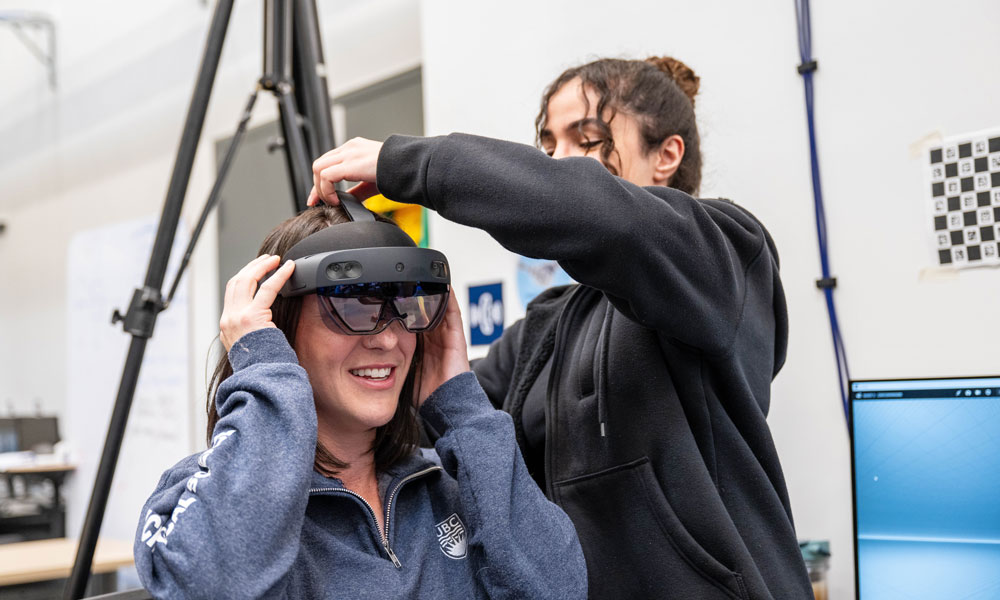
    One female student wears a VR headset while another observes

    Celine Balay and Ghazaleh Shahin collaborate in the Human-Computer Interaction Lab, where psychology meets computer science.

    Your virtual reality (VR) headset powers on, and the lab dissolves into a simulated landscape.

    You’re holding a golf club, and a ball sits on a putting green. The scene responds to your every step and turn.

    Not since your stroke have you gripped with your left hand, but thanks to students at UBC Okanagan, VR or augmented reality (AR) could shape your recovery.

    “Using AR and VR in our research allows us to create changing environments where patients can complete tasks that simulate real-world challenges, like golf,” says Celine Balay, a master’s student in psychology.

    “These methods can boost traditional rehab by providing immediate feedback tailored to your needs. It also taps into the brain’s neuroplasticity—its ability to change—and may speed up recovery.”

    UBC Okanagan’s commitment to interdisciplinary, experiential learning made connecting psychology and computer science possible.

    A woman adjusts a VR headset on another woman's head

    Using virtual reality, UBC Okanagan students are pioneering stroke recovery techniques that engage the brain’s neuroplasticity.

    Balay is part of the Neuroplasticity, Imagery and Motor Behaviour Lab (NIMBL) at UBC Okanagan, where she studies brain injuries. She works alongside Ghazaleh Shahin, herself a master’s student in computer science, in the Human-Computer Interaction (HCI) Lab.

    Psychology imagines while computer science adds reality.

    “Celine said that just thinking about a task for five days could improve your results(Of course your competent? doctor has you already using motor imagery, right?). I had no idea motor imagery could be that powerful. But then I started reading more about it, and the project sounded fascinating,” Shahin says.

    “We’ve started by focusing on a simple task like putting a golf ball. If the feedback we provide significantly influences outcomes, the possibilities for rehabilitation are immense.”

    New technology for brain injuries

    VR and AR tools like glasses, headsets and cameras can provide immediate, customized feedback by creating immersive environments to aid recovery.

    Users with limited mobility can practise and visualize tasks. Their tools can simulate realistic sensory feedback that mimics physical movements, helping the brain’s ability to relearn skills after an injury.

    The camera focuses on a hand wearing a black glove with dots all over it

    “The research looks into an intriguing disconnect in the brain between perception and action,” says Balay. “When we practise physical movements, our hands and eyes give us sensory feedback; they shape our learning.

    “Motor imagery relies purely on internal representations—what you imagine or rehearse in your mind. We’re exploring how VR could provide even greater context for anyone recovering after a stroke or brain injury.”

    Advanced machine learning and data visualization refine the results. Mental imagery exercises can become even more effective by improving the strength or clarity of the images through interactive graphics and 3D views.

    “By overlaying digital elements onto the real world, we can offer patients a unique, interactive experience that could significantly improve their rehabilitation,” Shahin says.

    Since these initial developments, the team has been strengthened by the addition of another Master of Science student, Rishav Banerjee, who brings complementary expertise in simulation techniques.

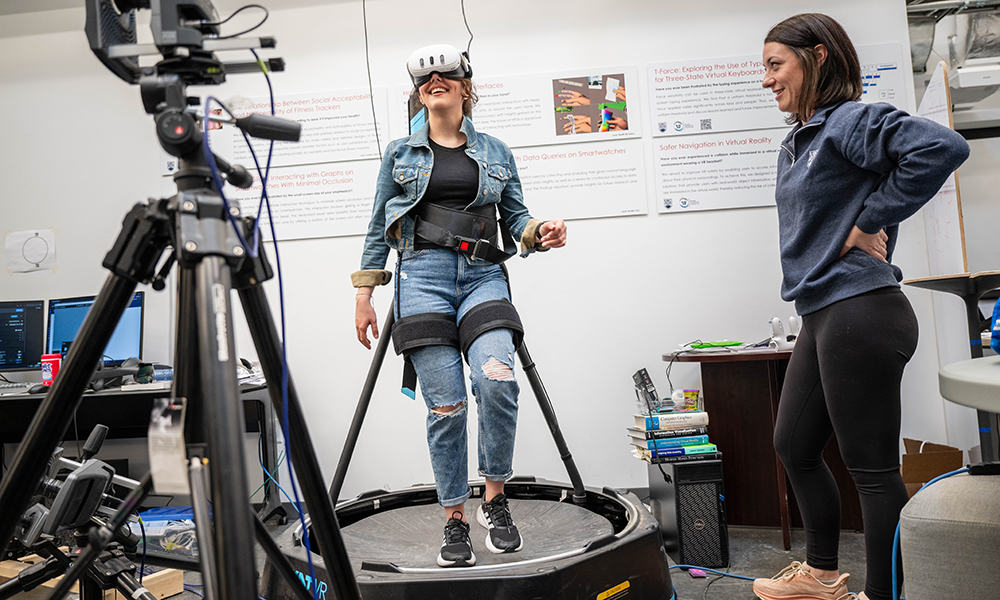
    A woman wears a VR headset and laughs alongside two other people

    The Neuroplasticity, Imagery and Motor Behaviour Lab brings together students from across disciplines like psychology and computer science.

    Interdisciplinary education

    A casual, on-campus meeting between computer science researcher Dr. Pourang Irani and psychology professor Dr. Sarah Kraeutner led to the partnership. They realized quickly that their students could learn from and help each other’s work.

    The approach supports the idea that interdisciplinary collaboration—where researchers share unique skills and knowledge—can be more effective and responsive than working in silos or depending excessively on outside resources, says Dr. Irani, who heads the HCI lab.

    “We paired these students to get our collaboration off the ground,” he says. “We’ve been discussing this for a while but find it easier when students work across the aisle rather than in isolation.

    “In broad terms, Celine is the domain expert while Ghazaleh is the tech expert, and ideally, they will co-design the research experience.”

    Dr. Kraeutner, Balay’s thesis supervisor and director of NIMBL, said the women have a shared vision for their work to have tangible, real-world outcomes.

    A woman stands on a mini trampoline wearing a VR headset

    Ghazaleh Shahin, a computer science master’s student, showcases augmented reality technology designed to enhance rehabilitation therapies.

    “Their unique partnership bridges the disciplines of psychology, rehabilitation and computer science, creating a complementary dynamic,” Dr. Kraeutner says. “Each brings expertise from their respective fields while eagerly learning and integrating knowledge from the other domain, enhancing their combined efforts.”

    Creating your education

    The student researchers say they’ve come to appreciate UBC Okanagan’s willingness to let them explore outside their fields.

    Shahin is researching data visualization and how artificial intelligence can create short videos that help people understand information. She wants to look for ways to blend creativity and science.

    “During my undergrad in computer science, I realized I also loved graphic design and art. I was looking for a field that combined design and coding, and that’s how I found HCI,” she says.

    “I’m on the computer science side, focusing on the technical implementation, but there’s room for creative problem-solving. My father is an artist who makes woodcrafts and is always looking for new ideas and possibilities. I think I inherited that from him.”

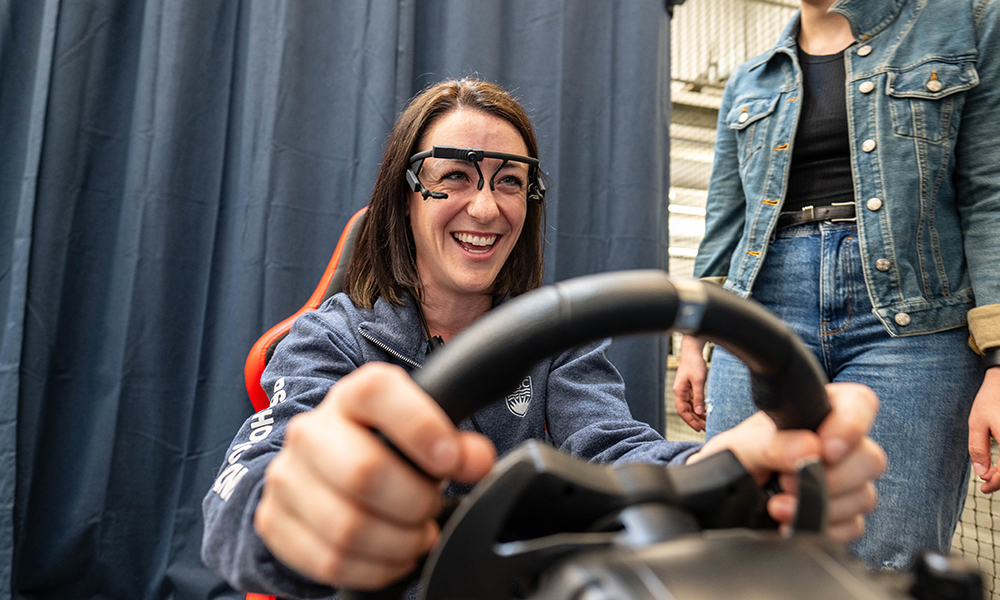
    A woman smiles while driving a video game car

    Psychology master’s student Celine Balay demonstrates how fun virtual reality tools can be.

    Balay is a first-generation university student who remained committed to education despite personal challenges. She’s always pursued opportunities to shape her education on her terms, including the VR-AR project.

    “We’re giving patients simulated feedback during motor-imagery sessions, trying to involve the brain’s capabilities to enhance learning,” Balay says. “I’m also exploring how observing others execute a task could enhance practice. This research could unlock valuable new methods for rehabilitation and skill development.”

    Stroke research obstacles

    Of course, striking such a partnership presents some unique challenges. The students admit it was daunting trying to understand the intricacies of each other’s fields.

    “Ghazaleh thoroughly explained the complexities of AR and VR to me. Navigating the technical aspects is daunting,” Balay says. “But collaborating with Ghazaleh helped my understanding and highlighted the immense potential of integrating these tools into the research.”

    Shahin was fascinated by the initial idea, which shaped her view of the potential for good.

    “As we continue to break new ground with VR and AR, the future holds such wonderful opportunities,” she says.

    “Imagine a world where customized feedback accelerates recovery and transforms it. We’re not just working on recovery; we’re redefining it, making it faster, more effective and tailored to individual needs. This is more than innovation—it’s transforming how we approach physical rehabilitation.”

    Saturday, November 30, 2024

    Exploring Music-Based Interventions for Executive Functioning and Emotional Well-Being in Stroke Rehabilitation: A Scoping Review

     You blithering idiots need to create a protocol based on all previous music research, rather than this useless crapola review. I'd have you all fired!

    Exploring Music-Based Interventions for Executive Functioning and Emotional Well-Being in Stroke Rehabilitation: A Scoping Review 

                                     by 1,2,*, 3, 3, 3, 4, 5, 6, 7, 8 and 9
    1
    Music Therapy Department, ArtEZ Academy of Music, ArtEZ University of the Arts, PN7511 Enschede, The Netherlands
    2
    Facultad de Humanidades, Ciencias Sociales y Empresariales, Universidad Maimónides, Buenos Aires C1405, Argentina
    3
    Music Therapy, Boyer College of Music and Dance, Temple University, Philadelphia, PA 19122, USA
    4
    Music and Health Science Research Collaboratory, Faculty of Music, University of Toronto, Toronto, ON M5S 1K6, Canada
    5
    Hospital Universitario Austral, Pilar B1629, Buenos Aires, Argentina
    6
    Servicio Neurología Cognitiva, Neuropsicología y Neuropsiquiatría, Centro de Rehabilitación, CR, Departamento de Rehabilitación, Fleni, Buenos Aires C1428AQK, Argentina
    7
    Servicio de Rehabilitación y Cuidados Continuos, Centro Hirsch, Buenos Aires B1663FDC, Argentina
    8
    Independent Researcher, Buenos Aires C1428, Argentina
    9
    Instituto de Neurociencias (INEU) Fleni Consejo Nacional de Investigaciones en Científicas y Técnicas (CONICET), Buenos Aires C1060AAF, Argentina
    *
    Author to whom correspondence should be addressed.
    NeuroSci 2024, 5(4), 565-599; https://doi.org/10.3390/neurosci5040041
    Submission received: 16 October 2024 / Revised: 8 November 2024 / Accepted: 13 November 2024 / Published: 27 November 2024

    Abstract

    Purpose: 

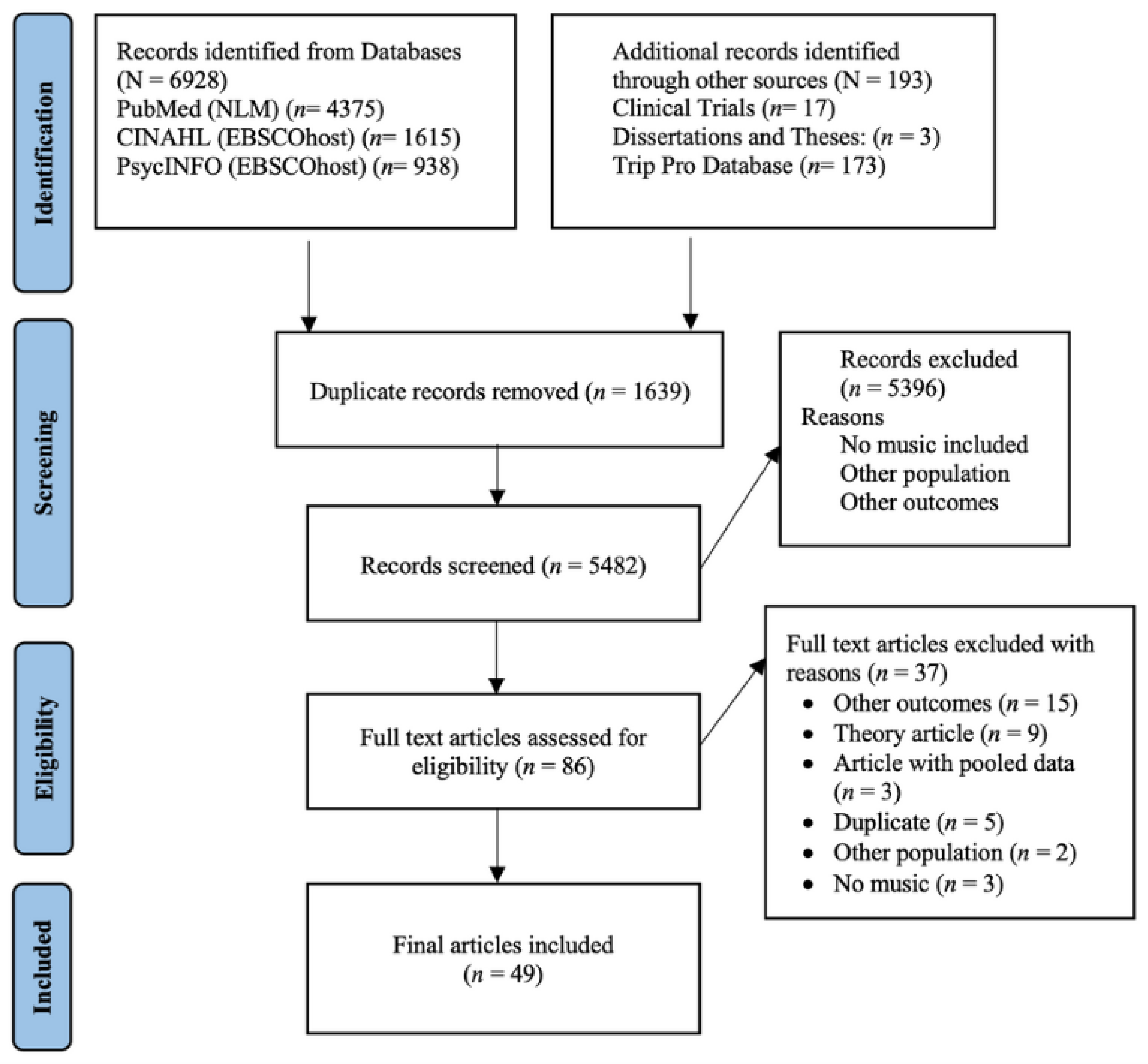
    Stroke is one of the leading causes of disability with life-long implications requiring assessment and treatment of several functional domains. This review identifies the results from research into music-based interventions (MBIs), including music therapy (MT), for executive functions (EFs) and emotional well-being (EWB) in adults with stroke and highlights opportunities for clinical practice and future research. Methods: APA PsycInfo (EBSCOhost), and CINAHL (EBSCOhost) were searched, in addition to grey literature. 

    Results: 

    A total of 49 studies were included and encompassed experimental, analytic, and descriptive observational studies, and case reports, involving a total of 1663 participants. In total, 32 studies included MT interventions, and 17 were MBIs. EFs were an outcome in 20.41%, and EWB in 61.22% of studies, for which active interventions were the most utilized. Overall, 73.47% of the studies reported positive results. 

    Conclusions: 

    This scoping review indicates that music interventions can be beneficial for the improvement of different aspects of EFs and EWB at different stages of stroke recovery. Further research may benefit clinical practice by including standardized protocols,(AND WHY THE FUCK DIDN'T YOU CREATE THESE PROTOCOLS? LAZINESS? NOT MY JOB?) outcome and self-reported measures, and brain imaging data to determine the effects of interventions and support evidence-based decisions for treatment policies for stroke survivors.

    1. Introduction

    Stroke is a major health concern with a high incidence worldwide, affecting millions of people annually [1]. Stroke is clinically defined as a vascular injury of the central nervous system that can be caused by a wide range of risk factors and disease processes. It can impact any brain region to different extents and its sequelae will depend, among other factors, on the size and location of the vascular lesion [2]. As one of the leading causes of death and disability around the world, it commonly causes cognitive, motor, sensory, and mood dysfunctions that can be either transient or permanent [2,3]. Current evidence suggests that cognitive impairments are prevalent after stroke and often remain present over time [4,5]. Specifically, executive functions (EFs) play an important role in functional recovery as they encompass a set of interrelated cognitive processes of learning and applying knowledge to behavior, which involve attention control, planning, working memory, cognitive flexibility, problem-solving, decision-making, and goal-oriented behavior. These processes often work interdependently with one another to accomplish goal-driven tasks, concentrate, or solve unexpected challenges [6,7,8]. Behaviors characterized as “dysexecutive” are common to stroke and can entail diminished mental flexibility, speed of processing, attention control, and a lack of inhibition control that can potentially lead to risky decisions in harmful situations [4,9]. Early treatment is necessary to prevent these behaviors from becoming chronic [3,10]. Together with post-stroke depression, executive functioning is a strong predictor of a person’s functional status after rehabilitation [11] and can seriously compromise their return to independent work and social life. As executive and emotional disorders frequently co-occur in stroke survivors [12,13], there are some indications that cognitive functioning is influenced by the person’s emotional state [14].
    Emotional well-being (EWB) encompasses a variety of components and is broader than the relative absence of negative emotional states such as depressive or anxious feelings. EWB entails the perception of positive functioning, life satisfaction, positive social relationships, a feeling of life balance, and a sense of purpose [15]. According to the working definition developed by the National Institute of Health (NIH), EWB is a multidimensional construct that describes “how positive an individual feels generally and about life overall. It includes both experiential features (emotional quality …) and reflective features (judgments about life satisfaction, sense of meaning, and ability to pursue goals …). These features occur in the context of culture, life circumstances, resources, and life course” [16], p. 16. EWB is also linked to psychopathology and health outcomes with a consensus that they are on a continuum; a positive perception of EWB has been shown to reduce the risk of death by nearly 20% [17]. Stroke survivors commonly face some type of emotional and mood disorders (e.g., fatigue, depression, lack of initiative, emotional incontinence, anxiety, feelings of loneliness, apathy) and experience a diminished quality of life [18,19,20,21,22,23]. This implies that after a stroke, people may have limited opportunities for experiencing EWB. Consequently, rehabilitation treatment continues seeking effective and meaningful interventions that contribute to functional and emotional recovery.
    Music has long been applied in different forms to treat stroke sequelae, for instance, through music listening, group singing, exercising with pre-recorded music, or longer music therapeutic processes [24,25,26]. Overall, music holds a high potential for promoting health [27,28]. MT utilizes evidence-based interventions that aim to accomplish personalized goals and are carried out by credentialed music therapy professionals [29]. MT is usually a process that includes assessment, treatment, and evaluation of the client’s progress over time [30]. Other MBIs are protocols that study the therapeutic effects of music, which can be delivered by other caregivers, do not take place in a therapeutic relationship typical for MT, and may be prescribed or delivered in a single contact without evaluation or follow-up [30,31]. Accordingly, this review utilized the term music therapy for studies in which music therapists were involved in the delivery of the intervention, and music-based interventions for those in which no music therapists were involved. The latest Cochrane review on MBIs for persons with acquired brain injuries found that music interventions are beneficial to motor recovery, communication, and quality of life in stroke survivors. However, no strong evidence could be found on the benefits of music on cognitive and emotional outcomes and further research was recommended [27]. A growing body of studies investigated the effects of music interventions on cognitive and emotional rehabilitation after stroke and reported positive results specifically on mood, depressive syndromes, and quality of life [26,32].
    Despite the rapid advances in the field, there remain, however, some limitations in the literature that this scoping review seeks to address. Our objective is to synthesize comprehensive knowledge of the current literature available on MBIs, including MT, in stroke rehabilitation targeting EF and EWB. The review seeks to identify the types of interventions used to address these domains, the outcome measures utilized, and how gained data can be translated into opportunities that will guide clinical practice and future research. Given the specificity of the topic, a limited number of sources was expected; therefore, a broader scope on the two main outcomes was taken by considering factors that influence EWB and EFs, such as mood disorders, quality of life, and cognitive functions interdependent with EFs, such as attention and memory. A scoping review was considered the most accurate approach to obtaining a comprehensive understanding of the applications of music-based and music therapy interventions in stroke rehabilitation [33,34].

    More at link.