Changing stroke rehab and research worldwide now.Time is Brain! trillions and trillions of neurons that DIE each day because there are NO effective hyperacute therapies besides tPA(only 12% effective). I have 523 posts on hyperacute therapy, enough for researchers to spend decades proving them out. These are my personal ideas and blog on stroke rehabilitation and stroke research. Do not attempt any of these without checking with your medical provider. Unless you join me in agitating, when you need these therapies they won't be there.

What this blog is for:

My blog is not to help survivors recover, it is to have the 10 million yearly stroke survivors light fires underneath their doctors, stroke hospitals and stroke researchers to get stroke solved. 100% recovery. The stroke medical world is completely failing at that goal, they don't even have it as a goal. Shortly after getting out of the hospital and getting NO information on the process or protocols of stroke rehabilitation and recovery I started searching on the internet and found that no other survivor received useful information. This is an attempt to cover all stroke rehabilitation information that should be readily available to survivors so they can talk with informed knowledge to their medical staff. It lays out what needs to be done to get stroke survivors closer to 100% recovery. It's quite disgusting that this information is not available from every stroke association and doctors group.

Showing posts with label Nordic diet. Show all posts

Saturday, August 29, 2026

Scientists find little-known diet boosts longevity, lowers chance of early death

 I won't be doing any of these diets, too much work and planning and NO specifics. Cooking one-handed is dangerous, I'll pass on that risk.

Scientists find little-known diet boosts longevity, lowers chance of early death

Mediterranean diet health benefits abound—from a lower risk of stroke to potentially even lowering stress levels. Now, scientists have found that the popular eating plan’s lesser-known Scandinavian sister, the Nordic diet, may be just as beneficial. In fact, new research indicates that it may even add years to your life.

Meet the experts: Melissa Prest, D.C.N., R.D.N., spokesperson for the Academy of Nutrition and Dietetics; Keri Gans, M.S., R.D.N., C.D.N., author of The Small Change Diet

That’s the takeaway from a recent study published in The Journal of Nutrition, which set out to analyze the association between Nordic dietary guidelines and all-cause mortality. The research included more than 76,000 Swedish men aged 45 to 79 and women aged 48 to 83. The participants regularly reported their diet and lifestyle details via a 96-item food frequency questionnaire starting in 1997, which the researchers compared to reported deaths over the course of the 19-year study.

None of the participants’ self-reporting resulted in a perfect Nordic diet adherence score based on the framework the researchers developed. But by the end of the study period, the researchers found that the participants who most closely followed Nordic nutrition guidelines had a 23% lower risk of death from any cause, including heart disease and cancer. The trend held for both male and female participants, regardless of income level and body weight.

 Related video: MIND diet for brain health (WCNC-TV Charlotte) Having only been officially introduced in 2023, the Nordic diet is less well-known than many other popular eating plans. So what actually is it? “Think of the Nordic diet as the Scandinavian sister of the Mediterranean diet,” says Melissa Prest, D.C.N., R.D.N., spokesperson for the Academy of Nutrition and Dietetics. “Instead of olive oil, it features canola oil. Instead of citrus fruits, it leans into local berries like lingonberries and blueberries. But the foundation is the same: lots of vegetables, whole grains, fish, nuts, and legumes, with less red meat, sugar, and processed food.”

How might the Nordic diet lower all-cause deaths?

 The diet’s numerous science-backed benefits may give it an edge when it comes to longevity. “Research has linked Nordic-style eating to a lower risk of heart disease and stroke, reduced risk of type 2 diabetes, improved cholesterol and blood pressure, and even lower levels of inflammation in the body,” Prest explains. “Clinical trials have also shown it can help with insulin sensitivity and weight management.” The nutrition guidelines were also designed to be environmentally friendly, which Prest finds particularly promising. “This study is one of the first to show that a diet designed to be good for the planet is also good for you,” she says. A large part of the diet’s association with lower all-cause death risk is likely due to its focus on overall eating patterns and lack of restrictive nature, according to Keri Gans, M.S., R.D.N., C.D.N., author of The Small Change Diet. “These findings are important because they emphasize that overall eating habits, rather than individual nutrients, are associated with long-term health… Diets focused on whole, minimally processed foods continue to have strong links to better health outcomes,” she explains. It’s worth pointing out that no single food drove the results, Prest adds. “It was the overall pattern… And when the researchers looked at people who maintained those habits over 20 years, the benefits were even stronger. So it’s not about a short-term diet; it’s about building lasting habits.”

How to try the Nordic diet

 If you haven’t incorporated Nordic nutrition guidelines into your meals already, this is a good sign to start; the data shows you don’t need to overhaul your diet overnight. “Perfection isn’t the goal,” stresses Prest. “Not a single person in this study scored perfectly on the diet, and they didn’t need to. Even modest improvements in eating habits were linked to real, measurable health benefits. That should be freeing for anyone who feels overwhelmed by dietary advice.”

To begin, consider the following small and manageable changes as you plan your meals, per Prest:

  1. Add more color to your plate. Incorporate more fruits, vegetables, and berries at every meal. Root vegetables, cabbage, and leafy greens are great starting points.
  2. Make whole grains your default. Swap refined grains for oats, barley, rye bread, or brown rice.
  3. Eat fish twice a week. Especially fatty fish like salmon, mackerel, and sardines for heart-healthy omega-3s.
  4. Snack on nuts and seeds. Even a small handful makes a difference.
  5. Cut back on processed and red meat. Think of it as a side rather than the centerpiece of a meal.

The bottom line

The results of the research are clear: Making some small tweaks to your diet may boost your overall health and longevity. But there’s still more to consider. Since the research was mostly observational and not carried out in an experimental environment where the researchers could have control over the participants’ food and lifestyle choices, the study “shows a link between eating patterns and living longer, but it can't prove the diet caused people to live longer,” Prest explains.

“Diet is also frequently self-reported,” Gans adds, so there’s no way to know for sure the accuracy of participants’ questionnaire answers. And diet is only one piece of the longevity puzzle. “People who eat well also tend to move more, sleep better, and smoke less, and while the researchers accounted for those factors, it’s hard to separate them completely,” Prest notes. The study’s population of Swedish people who are mostly middle-aged or older could also mean that the results may not apply to everyone.

Still, Prest is hopeful that people and the planet will benefit from adopting the Nordic diet. “This study shows that gradual, consistent shifts in the right direction add up in a meaningful way over time,” she says. “And you get the bonus of knowing those same choices are easier on the planet, too.”

Thursday, May 1, 2025

Diet for Stroke Patients and Stroke Prevention – Why It Matters and What the Research Says About Reducing Your Risk by Flint Rehab

 But nothing even marginally close to an EXACT DIET PROTOCOL! The Mediterranean, Nordic and DASH Diets have nothing specific in them.

You don't want this because you are already at a high risk of depression.

The latest here:

Diet for Stroke Patients and Stroke Prevention – Why It Matters and What the Research Says About Reducing Your Risk

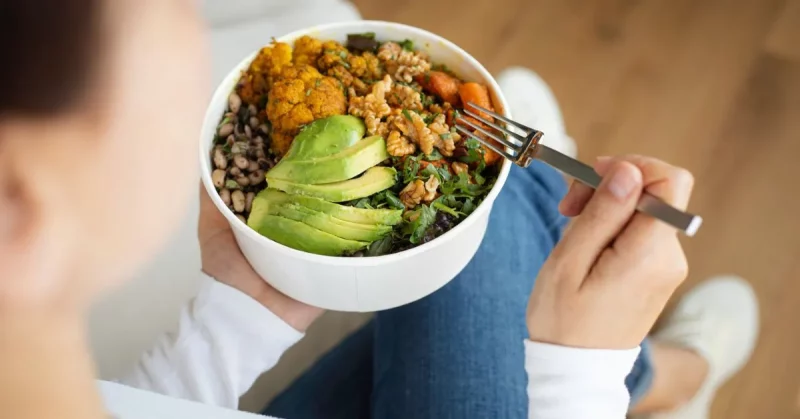
healthy bowl for stroke prevention diet being eaten

Stroke continues to be one of the top causes of death and disability around the world. Over the past 25 years, the number of stroke cases has gone up significantly, especially in developing countries. The good news? Many stroke risk factors are things you can control — and one of the most important pieces of stroke prevention is diet.

If you’re recovering from a stroke or just want to lower your chances of having one, this guide will help you understand how food choices can make a big difference. Let’s explore what the research says, and how you can start eating your way toward better brain health with a diet focused on stroke prevention.

Why Diet Matters So Much for Stroke Prevention

Some stroke risk factors, like age or genetics, are out of your hands. But others — like high blood pressure, diabetes, cholesterol levels, smoking, and physical inactivity — may be very much within your control. Diet plays a huge role in managing all of these risks.

For example, studies have shown that following a diet full of foods like fruits, vegetables, whole grains, legumes, seeds, and nuts can dramatically reduce your risk of stroke. These foods help lower blood pressure, balance blood sugar, and improve cholesterol levels — all critical pieces of the puzzle. While they may not lower the risk of hemorrhagic stroke, plant-based diets can be especially beneficial for decreasing the chances of an ischemic stroke, which accounts for up to 87% of all strokes.

Let’s dive in and take a deeper look at how diet can help manage several major stroke risk factors.

How Diet Helps Manage Stroke Risk Factors

Let’s dive in and take a deeper look at how diet can help manage several major stroke risk factors.

1. Lowering High Blood Pressure

High blood pressure (hypertension) is among the biggest modifiable risk factors for stroke. Luckily, your food choices can help bring your blood pressure down naturally.

  • The DASH diet focuses on fruits, vegetables, and low-fat dairy, while cutting back on saturated fats. Following it has been shown to lower systolic blood pressure by 5.5 mm Hg — enough to cut stroke risk by nearly 27%.
  • The Mediterranean diet (featuring lots of olive oil, nuts, vegetables, and fish) also significantly lowers the chance of major cardiovascular events, including stroke.
  • Nordic and vegetarian diets offer similar benefits, emphasizing natural, whole foods and limiting processed meat.

The takeaway: If you can fill half your plate with veggies and make olive oil your go-to fat, you’re already off to a great start.

2. Managing Diabetes with Better Food Choices

People with diabetes have a much higher risk of stroke. But the good news: diet changes can help you prevent or even manage type 2 diabetes.

The takeaway: Focus your meals around fiber-rich plants and healthy fats. If you already have diabetes, working closely with a dietitian can help personalize your meal plans to lower stroke risk.

3. Improving Cholesterol Levels

While the link between cholesterol and stroke isn’t as clear as it is for heart disease, lowering LDL or bad cholesterol is still crucial.

  • Portfolio Diet: Including foods like soy protein, soluble fiber, nuts, and plant sterols can reduce LDL cholesterol by nearly 20%.
  • Plant-Based Patterns: Mediterranean, DASH, Nordic, and vegetarian diets all help improve lipid profiles, leading to lower stroke risks.

Quick Wins: Limit intake of processed and red meats. Swap out processed meats for foods like hummus, nuts, and avocado to keep your heart and brain healthy.

4. Supporting a Healthy Gut

You might be surprised to learn that gut health impacts stroke risk too.

  • Plant-Based Diets and Gut Health: Diets rich in fiber, fruits, and vegetables promote a diverse and healthy gut microbiome.
  • Avoiding Red Meat: Carnitine from red meat can lead to the production of TMAO, a compound that increases atherosclerosis and stroke risk.

Friendly advice: By eating more fiber and fewer animal products, you can nourish your gut bacteria and lower your risk of stroke at the same time.

Nutritional Building Blocks for Your Stroke Prevention Diet – Quick Wins

1. Cut Back on Salt

When it comes to stroke prevention, sodium is definitely something to watch. Eating too much salt can drive up your blood pressure — and that puts your brain and heart at risk.

Here’s the good news: Cutting back on salt can lower your blood pressure and dramatically reduce your chances of a stroke or heart event.

Some easy tips to remember: 

  • Fresh is best. Fruits and vegetables naturally have very little salt. Stick to fresh, whole foods whenever you can.
  • Try to minimize processed foods. Even “healthy” plant-based products can sneak in extra sodium, so it’s smart to read nutrition labels.

Your easy tip: Flavor your meals with herbs, garlic, lemon, or spices instead of reaching for the salt shaker. Your taste buds (and your arteries) will thank you!

2. Increase Your Fiber

Fiber might not be flashy, but it’s a true superhero when it comes to your health. A fiber-rich diet does it all — from lowering blood pressure to improving cholesterol levels, balancing blood sugar, and even helping with healthy weight management.

Some fiber all-stars include:

  • Beans and lentils
  • Berries
  • Oats
  • Whole grains like brown rice and quinoa

Aim for this: Try to get at least 25–30 grams of fiber each day. Adding a few extra servings of fruits, veggies, or whole grains is an easy way to get there.

3. Make Sure You Get Enough B Vitamins

B vitamins — especially folic acid (B9), B6, and B12 — play a key role in stroke prevention by helping keep homocysteine levels in check. High levels of this chemical in the blood are linked to an increased risk of stroke.

If you’re vegetarian or vegan: Vitamin B12 can be tricky because it’s mostly found in animal foods. You might need to add a supplement to stay fully protected.

Quick Tip: It’s a good idea to ask your doctor about checking your B12 levels, especially if you’re following a mostly plant-based diet. 

4. Utilize Nuts for Snacks and Cravings

Nuts are one of the easiest and tastiest ways to boost your health. Packed with healthy fats, fiber, and essential vitamins and minerals, they’re perfect for stroke prevention. However, one thing to keep in mind is to look for unsalted varieties of nuts.

Some of the best choices for heart and brain health include:

  • Walnuts
  • Almonds
  • Pistachios
  • Pecans

Simple Snack Idea: Grab a small handful of unsalted nuts each day. They make a delicious, heart-smart snack that’s easy to fit into any routine. Beware though, that while nuts are nutritionally dense, they are also very high in calories, so limit yourself to a small handful rather than a larger serving.

What Research Says About Diet, Stroke Prevention, and Reducing Your Risk

Mediterranean Diet Success: A Heart and Brain Protector

One of the most well-known studies linking diet and stroke prevention is the PREDIMED study (Prevención con Dieta Mediterránea). This landmark research followed thousands of participants at high risk for cardiovascular events and found that adopting a Mediterranean diet — especially when supplemented with extra-virgin olive oil or mixed nuts — reduced stroke risk by an impressive 30%.

What makes the Mediterranean diet so powerful?

  • It focuses on high intakes of fruits and vegetables, ensuring a rich supply of antioxidants and fiber.
  • Whole grains are prioritized over refined carbs, supporting healthy blood sugar levels.
  • Olive oil is the primary fat source, replacing saturated fats with heart-healthy monounsaturated fats.
  • Red meat and processed foods are minimized, lowering inflammation and vascular damage.

Plant-Based Diets: The China Study

The China Study is one of the largest epidemiological studies ever conducted. It looked at rural areas of China where diets were naturally high in plant foods and very low in animal products. These areas showed dramatically lower rates of heart disease, stroke, diabetes, and certain cancers compared to Western countries.

In contrast, diets rich in meat, dairy, and salt were closely tied to much higher rates of stroke and heart disease. Researchers concluded that a whole-food, plant-based diet — rich in vegetables, legumes, fruits, and grains — offers strong protection against chronic diseases, including stroke.

The key takeaway from the study: Even modest reductions in animal product consumption, combined with eating more natural, plant-based foods, can have a huge impact on your long-term health.

Strict Vegetarian and Vegan Diets for Stroke Prevention

Several large studies have explored how plant-based eating patterns affect stroke and heart disease — and the results are impressive.

  • The Adventist Health Study found that vegetarians had significantly lower rates of both all-cause mortality and cardiovascular mortality compared to non-vegetarians. In other words, they lived longer and had fewer fatal heart events. However, of note, they did find that stroke related mortality increased among older vegetarians, starting at approximately age 85.
  • A study of Buddhist volunteers offered even more striking results: those following vegetarian diets had nearly 60% lower risk of both ischemic (clot-related) and hemorrhagic (bleeding) strokes compared to their non-vegetarian peers.

Importantly, both groups in the Buddhist study shared similar lifestyles — they didn’t smoke, drank very little alcohol, and were active in their communities. However, the main difference between the low and higher stroke groups? Meat consumption.

Bottom line: Choosing a vegetarian (or even semi-vegetarian) eating style can dramatically lower your stroke risk, especially when paired with other healthy habits.

DASH and Nordic Diets for Stroke Prevention

You don’t necessarily have to be fully vegetarian to protect your brain and heart. Other plant-rich dietary patterns have shown impressive results too.

  • The DASH Diet (Dietary Approaches to Stop Hypertension) is specifically designed to lower blood pressure — one of the biggest risk factors for stroke. Following the DASH diet has been associated with a significant reduction in stroke risk.
  • The Nordic Diet, built around traditional foods like whole grains (especially rye and barley), berries, root vegetables, fish, and low-fat dairy, showed a 14% reduction in total stroke incidence in people with high adherence.

Both diets share common features: they focus heavily on plant foods, whole grains, healthy fats, and moderate portions of animal products — without the heavy meat and processed food consumption seen in typical Western diets.

The takeaway for you: You don’t have to go fully vegan to see benefits. Simply shifting your meals toward more plants, healthy fats, and whole foods — and reducing salt and red meat — can significantly improve vascular health and lower your risk of stroke.

Easy Wins: Stroke Prevention Diet Changes to Get You Started

Not sure where to begin? You don’t have to change everything overnight. Here are some easy wins to help you get started on your stroke prevention diet.

  • Add an extra serving of vegetables to lunch and dinner.
  • Swap red meat for beans, lentils, or tofu a few times a week.
  • Choose whole grains like brown rice, quinoa, and oats.
  • Snack on unsalted nuts instead of chips or cookies.
  • Cook more at home so you can control your salt intake.
  • Drink more water and limit sugary drinks.

Every healthy choice you make is a step closer to better stroke prevention.

Final Thoughts: Your Stroke Prevention Diet is About Consistency

While stroke can be scary, it’s good to know that your daily habits, especially your diet, play a major role in prevention.

By focusing on a plant-rich eating pattern — packed with fruits, vegetables, whole grains, legumes, seeds, and nuts — and cutting back on salt, sweets, and meats, you can dramatically lower your risk of stroke.

Even small, consistent changes can add up to a healthier brain, stronger heart, and better overall well-being. You’ve got the tools — now it’s time to use them!

Flint Rehab is leading the way in neuro-rehabilitation with products that are backed by research and clinically proven to help you recover more effectively from stroke, TBI, and SCI.

Trusted by over 300+ rehab facilities and 10,000+ home customers.

Saturday, June 30, 2018

Nordic diet, Mediterranean diet, and the risk of chronic diseases: The EPIC-Potsdam study

You'll have to ask for specifics on the Nordic diet from your doctor, most likely you'll get nothing useful. You are on your own once again trying to decipher exactly what these diets entail.
There are a couple of tables of food groups at the link. You'll have to guess at the amounts.  
Good luck, hope you guess correctly.
https://bmcmedicine.biomedcentral.com/articles/10.1186/s12916-018-1082-y
  • Cecilia Galbete,
  • Janine Kröger,
  • Franziska Jannasch,
  • Khalid Iqbal,
  • Lukas Schwingshackl,
  • Carolina Schwedhelm,
  • Cornelia Weikert,
  • Heiner Boeing and
  • Matthias B. SchulzeEmail author
BMC Medicine201816:99
Received: 11 August 2017
Accepted: 22 May 2018
Published: 27 June 2018

Abstract

Background

The Mediterranean Diet (MedDiet) has been acknowledged as a healthy diet. However, its relation with risk of major chronic diseases in non-Mediterranean countries is inconclusive. The Nordic diet is proposed as an alternative across Northern Europe, although its associations with the risk of chronic diseases remain controversial. We aimed to investigate the association between the Nordic diet and the MedDiet with the risk of chronic disease (type 2 diabetes (T2D), myocardial infarction (MI), stroke, and cancer) in the EPIC-Potsdam cohort.

Methods

The EPIC-Potsdam cohort recruited 27,548 participants between 1994 and 1998. After exclusion of prevalent cases, we evaluated baseline adherence to a score reflecting the Nordic diet and two MedDiet scores (tMDS, reflecting the traditional MedDiet score, and the MedPyr score, reflecting the MedDiet Pyramid). Cox regression models were applied to examine the association between the diet scores and the incidence of major chronic diseases.

Results

During a follow-up of 10.6 years, 1376 cases of T2D, 312 of MI, 321 of stroke, and 1618 of cancer were identified. The Nordic diet showed a statistically non-significant inverse association with incidence of MI in the overall population and of stroke in men. Adherence to the MedDiet was associated with lower incidence of T2D (HR per 1 SD 0.93, 95% CI 0.88–0.98 for the tMDS score and 0.92, 0.87–0.97 for the MedPyr score). In women, the MedPyr score was also inversely associated with MI. No association was observed for any of the scores with cancer.

Conclusions

In the EPIC-Potsdam cohort, the Nordic diet showed a possible beneficial effect on MI in the overall population and for stroke in men, while both scores reflecting the MedDiet conferred lower risk of T2D in the overall population and of MI in women.

There are a couple of tables of food groups at the link. You'll have to guess at the amounts. 

Thursday, May 21, 2015

Study questions beneficial effects of a Nordic diet on cardiovascular events

What is your post-stroke diet protocol from your doctor? Paleo, Mediterranean, Nordic? Do you even have one? Specifics, not just general crap like eat healthy.
http://www.alphagalileo.org/ViewItem.aspx?ItemId=152951&CultureCode=en
A new study led from Sweden’s Karolinska Institutet shows that although individual components of a healthy so-called Nordic diet previously have been linked to beneficial effects on cardiovascular health, as well as to other health effects, there is no evidence of an association with cardiovascular events in a general population. The study, which was conducted in in over 40,000 Swedish women, is being published in the Journal of Internal Medicine.
Cardiovascular disease, such as heart attack and stroke, is a leading cause of death worldwide, and it has long been known that dietary factors have an important influence on cardiovascular health. Previous studies have shown beneficial effects of a healthy Nordic diet − comprising whole grain bread and oatmeal, fruit (apples/pears), vegetables (root vegetables and cabbage) and fish − on short-term markers of cardiovascular health, for example lower blood pressure and weight loss. Several studies have also showed beneficial effects of individual components included in the Nordic diet on cardiovascular events. However, the current study is the first to investigate the overall, long-term association between a healthy Nordic diet and the incidence of cardiovascular disease in the general population.
The study was conducted in 43,310 middle-aged Swedish women. The participants answered questions in 1991/92 about their food intake, and the incidence of cardiovascular disease was recorded through the Swedish registries over approximately 20 years until the end of 2012. During the follow-up period, nearly 20% of the women developed cardiovascular disease. However, unexpectedly given the results of previous studies, the beneficial effect of a healthy Nordic diet did not register when looking at the incidence of concrete, cardiovascular events in the general population.
“The reason for this for this discrepancy could be that previous studies showing effect of a healthy Nordic diet were intervention trials, which means participants had a very high adherence to this particular diet and also were selected, high-risk persons in relation to developing cardiovascular disease, whereas the present study expected a lesser degree of adherence, and looked and a group of overall healthy women”, says first author Nina Roswall, PhD, at the Department of Medical Epidemiology and Biostatistics, Karolinska Institutet.
An additional goal for the research team was to determine whether any relationship between the healthy Nordic diet and cardiovascular disease is modified by age, weight, alcohol consumption or smoking. Their results show that alcohol intake, weight (BMI) and age did not have any significant affect.
“We did manage to show a beneficial effect of this diet among former smokers”, says Professor Elisabete Weiderpass, PhD, who supervised the study. “However, this may be due to the fact that smoking cessation is associated with dietary changes towards a healthier lifestyle, which may have affected the results. It is also important to point out that further investigation is required to confirm these findings.”
Research organizations involved in this study, other than Karolinska Institutet, were the Danish Cancer Society Research Center, University of Auckland, New Zealand, Harvard School of Public Health, USA, Folkhälsan Research Center, Finland, The Cancer Registry of Norway, The Arctic University of Norway, and University of Tromsö, also in Norway. The investigation was supported by a grant from the Swedish Research Council.
Karolinska Institutet − a medical university: ki.se/english