Showing posts with label neurogenesis. Show all posts
Showing posts with label neurogenesis. Show all posts
Wednesday, August 5, 2026


Wednesday, July 8, 2026
Inflammation Forces Brain Stem Cells to Halt Neurogenesis
How EXACTLY will your competent? doctor prevent this inflammation? You need neurogenesis to recover according to your doctor; SO THERE BETTER BE A SOLUTION!
Inflammation Forces Brain Stem Cells to Halt Neurogenesis
Summary: A new study demonstrated that introducing inflammatory signaling molecules directly into human hippocampal stem cells brings new neuron production to a dead stop. Instead of simply dying or becoming damaged, the brain’s neural stem cells actively abandon their regenerative responsibilities, transforming into an “immune alert” state that actively fuels localized neuroinflammation.
Key Facts
- The Cytokine Intrusion: The team analyzed the behavior of cytokines, specialized chemical signaling proteins released by the body during immune threats, such as severe viral infections. While transient cytokine spikes help clear out acute sickness, sustained high levels are a classic hallmark of devastating chronic inflammation.
- The TNF-α Standstill: When researchers exposed human hippocampal stem cells to a specific pro-inflammatory cytokine called Tumor Necrosis Factor alpha (TNF-α), the cellular birth pipeline froze. The stem cells completely ceased differentiating into mature, functional neurons.
- The “Immune Alert” Takeover: To the shock of the investigators, the stem cells weren’t merely passive casualties of chemical stress. Instead, they actively assumed a hostile, immune-supportive behavior, pumping out high-alert chemical signals designed to recruit inflammatory T cells straight into the brain’s delicate learning centers.

- The Type I Interferon Accidental Route: By mapping the molecular cascade, the team identified a highly unexpected signaling pathway driving this cellular hijack: Type I Interferons. These molecules are traditionally recognized as the body’s first-line defensive shield against viral replication, but here they inadvertently act as the executioner of neurogenesis.
- Reversing the Damage: In a major therapeutic triumph, the KCL team introduced an existing therapeutic antibody designed to block Type I Interferon signaling. The intervention successfully reversed the damage, shutting down the recruitment of inflammatory T cells and completely restoring the stem cells’ capacity to regenerate fresh, healthy neurons.
- A Diagnostic Bridge for Long-Syndromes: This discovery provides an invaluable clinical explanation for the persistent cognitive impairments, “brain fog,” and mood disorders reported by patients recovering from aggressive viral infections, navigating major depressive disorders, or entering the early stages of Alzheimer’s disease.
Source: King’s College London
The King’s College London study, published in Nature Communications, offers insight into how long-term inflammation may contribute to cognitive decline in disorders such as Alzheimer’s disease, ageing, depression, and the lingering neurological effects of viral infections.
The scientists discovered that adding a molecule, that is involved in the inflammatory response, to stem cells from the hippocampus prevents the development of new neurons. The formation of new neurons in this region, known as hippocampal neurogenesis, is essential for learning, memory and mood regulation. It is one of the few parts of the human brain where new neurons are made in adults. Altered adult hippocampal neurogenesis is associated with ageing, neurodegeneration, and mood disorders such as depression.
Friday, May 1, 2026
NeuroGenesis: A Self-Evolving Compiler That Learns Its Own Optimization Law
Ask your competent? doctor EXACTLY HOW TO COMPILE YOUR BROKEN BRAIN INTO FUNCTIOING EXECUTABLE CODE FOR FULL RECOVERY.
And why the hell doesn't your doctor know how to do that? No training in medical school or was skipping that class the problem. And your failure to recover is directly the result of your doctors' failure!
NeuroGenesis: A Self-Evolving Compiler That LearnsIts Own Optimization Law
Dhadi Sai Praneeth Reddya,∗, M Jithender Reddyb
aAI Research, Atlas AI Labs, Hyderabad, India
bDepartment of Computer Science and Engineering, Vasavi College of Engineering,
Hyderabad, India
Abstract
Compiler optimization has traditionally relied on static heuristics and man
ually designed transformation rules, limiting adaptability to evolving work
loads. We introduce NeuroGenesis, a self-evolving compiler that formulates optimization as a continual learning process. Instead of executing fixed
passes, the system autonomously discovers and refines optimization rules
through interaction with program executions.
NeuroGenesis combines sequence modeling over intermediate representa
tions, structural feature extraction, pattern mining, and reinforcement learn
ing to learn dynamic optimization policies. A rule formalization module
converts recurring patterns into interpretable transformation rules with as
sociated confidence and applicability constraints, while an execution-driven
feedback loop enables self-improvement without manual heuristics.
Experiments across synthetic and structured benchmarks show consistent
gains in efficiency, adaptability, and generalization over static baselines. Ab
lation studies further demonstrate the necessity of learning, feedback, and
rule formalization components.
This work establishes a new paradigm for compiler design, moving from
static pipelines toward autonomous, self-improving optimization systems.
Keywords: Self-evolving systems, Compiler optimization, Reinforcement
learning, Meta-learning, Autonomous systems, AI compiler
Sunday, April 5, 2026
A sound link: Hearing, neurogenesis, and cognition
With your risk of dementia post stroke your competent? doctor knew enough to get your hearing tested and hearing aids acquired to reduce that risk of dementia!
Your risk of dementia, has your doctor
told you of this? Your doctor is responsible for preventing this! Is
s/he willing to prevent this?
1. A documented 33% dementia chance post-stroke from an Australian study? May 2012.
2. Then this study came out and seems to have a range from 17-66%. December 2013.`
3. A 20% chance in this research. July 2013.
4. Dementia Risk Doubled in Patients Following Stroke September 2018
Do you prefer your doctor, hospital and board of director's incompetence NOT KNOWING? OR NOT DOING? Your choice; let them be incompetent or demand action!
OH NO! your doctor KNOWS NOTHING AND DOES NOTHING!
A sound link: Hearing, neurogenesis, and cognition
Abstract
Hearing loss has been considered one of the key risk factors for cognitive decline and dementia. Liu et al.1 establish a causal link between hearing activity, hippocampal neurogenesis, and cognitive function and identify the locus coeruleus-norepinephrine system as the mediator.
Saturday, April 4, 2026
γ-Oryzanol, a unique ingredient specific to brown rice, effectively restores mild cognitive impairment (MCI) in obese aged mice by ameliorating microglial inflammation and promoting neurogenesis in hippocampus: Novel therapeutic insight into obesity-associated MCI
Ask your competent? doctor and hospital when research will determine if this also applies to humans and non-obese persons and stroke survivors with their higher risk of dementia?
Do you prefer your doctor, hospital and board of director's incompetence NOT KNOWING? OR NOT DOING? Your choice; let them be incompetent or demand action!
γ-Oryzanol, a unique ingredient specific to brown rice, effectively restores mild cognitive impairment (MCI) in obese aged mice by ameliorating microglial inflammation and promoting neurogenesis in hippocampus: Novel therapeutic insight into obesity-associated MCI
Shiki Okamotoa,b , Ikumi Nomuraa, Ayano Kinjoc, Yuko Murayamaa, Chie Horiguchia,
Chisayo Kozukad , Taiki Teruyaa, Tsugumi Uemaa
Michio Shimabukuroe
, Tomoko Nagaic,
, Chitoshi Takayamaf
Masayuki Matsushitag, Keiko Abeh
,
and Hiroaki Masuzakia*
aDivision of Endocrinology, Diabetes and Metabolism, Hematology and Rheumatology, Second Department of Internal Medicine, Gradu
ate School of Medicine, University of the Ryukyus, Okinawa 901-2720, Japan
bLaboratory of Veterinary Physiology and Biochemistry, Yamaguchi University Joint Graduate School of Veterinary Medicine, Yamaguchi
753-8515, Japan
cSENTAN Pharma Inc., R&D Department, Fukuoka 812-0027, Japan
dLaboratory for Epigenome Inheritance, RIKEN Center for Integrative Medical Sciences, Kanagawa 230-0045, Japan
eDepartment of Diabetes, Endocrinology and Metabolism, School of Medicine, Fukushima Medical University, Fukushima 960-1295, Japan
fDepartment of Molecular Anatomy, School of Medicine, University of the Ryukyus, Okinawa 901-2720, Japan
gDepartment of Molecular and Cellular Physiology, Graduate School of Medicine, University of the Ryukyus, Okinawa 901-2720, Japan
hDepartment of Applied Biological Chemistry, Graduate School of Agricultural and Life Sciences, University of Tokyo, Tokyo 113-8657, Japan
*Corresponding author: Hiroaki Masuzaki, Division of Endocrinology, Diabetes and Metabolism, Hematology and Rheumatology, Second
Department of Internal Medicine, Graduate School of Medicine, University of the Ryukyus, Okinawa, 901-2720, Japan. E-mail: hiroaki@
cs.u-ryukyu.ac.jp
DOI: 10.26599/JFB.20xx.000xx
Received: January 17, 2026; Revised received & accepted: February 06, 2026
Abbreviations: CI, cognitive impairment; Orz, γ-oryzanol; Nano-Orz, nanoparticulated γ-oryzanol; FITC, fluorescein isothiocyanate; LCD,
lab chow diet; HFD, high-fat diet; PO, per os
Citation: Okamoto, S., Nomura, I., Kinjo, A., Murayama, Y., Horiguchi, C., Kozuka, C., Teruya, T., Uema, T., Nagai, T., Shimabukuro, M.,
Takayama, C., Matsushita, M., Abe, K., and Masuzaki, H. (2026). γ-Oryzanol, a unique ingredient specific to brown rice, effectively restores
mild cognitive impairment (MCI) in obese aged mice by ameliorating microglial inflammation and promoting neurogenesis in hippocampus:
Novel therapeutic insight into obesity-associated MCI. J. Food Bioact. 000: 000–000.
Abstract
Obesity-diabetes syndrome poses a considerable risk for mild cognitive impairment (MCI). Our study was designed
to explore therapeutic potential of γ-oryzanol (Orz), a brown rice-specific oil composed of ferulic acid ester with
several phytosterols, on MCI in high-fat diet (HFD) induced obese aged mice. After being housed on an HFD for 4
months, regular Orz or the nanoparticulated form of Orz (Nano-Orz), which markedly enhances its intestinal absorption, was administered to aged mice. Mice treated with regular Orz for 4 months exhibited significant improvement
in spatial cognitive function. Impressively, mice treated with Nano-Orz demonstrated cognitive improvement as
early as 1 month, with substantial recovery by 3 months. In the hippocampus, treatment with both regular Orz and
Nano-Orz upregulated genes associated with neurogenesis and stem cell function accompanied by a significant
increase in gene expressions of anti-inflammatory cytokines. Our data highlight a therapeutic potential of Orz for
obesity-associated MCI. 1. Introduction
Mild cognitive impairment (MCI) stems from a variety of factors,
including aging, chronic inflammation, and beta-amyloid accumu
lation in the hippocampus. Of note, obesity has recently been rec
ognized as a considerable risk for MCI, highlighting that chronic
over-ingestion of a high-fat diet (HFD) substantially impairs hip
pocampus-dependent memory in both rodents and humans (Ka
noski and Davidson, 2010; Kanoski et al., 2007; Nyaradi et al.,
2014; Sharma, 2021). γ-Oryzanol (Orz), a brown rice-specific oil
composed of ferulic acid ester with several phytosterols, is known
to act preferentially on lipophilic organs and tissues (Masuzaki et
al., 2019). A line of our studies showed that orally administered
Orz accumulated considerably in the brain and pancreas, thereby
reducing exaggerated endoplasmic reticulum (ER) stress by sup
pressing mRNA expression of ER stress-associated genes (Chop,
ERdj4, Xβp1) in both hypothalamus and pancreatic β-cells in
HFD-induced obese diabetic mice (Kozuka et al., 2015; Kozuka,
Shimizu-Okabe, et al., 2017). We also demonstrated in mouse ex
periments that Orz potently inhibited DNA methyltransferases,
thereby reducing animal fat preference via epigenetic modulation
of dopamine receptor gene in brain reward system (Kozuka, Kan
ame, et al., 2017). Moreover, a rat model of streptozotocin-induced
sporadic Alzheimer’s disease showed that Orz was potent to delay
the onset of MCI (Jha and Panchal, 2017).
To date, detailed molecular mechanisms whereby Orz would
improve MCI have been poorly elucidated. Furthermore, due to
extremely poor solubility in water of Orz, oral administration of
Orz in mice provided a weak impact on some effects (Kozuka et
al., 2013). To overcome such a hazard, we previously reported
that oral administration of nanoparticulated γ-oryzanol (Nano
Orz) in mice markedly enhanced absorption efficiency from
intestine by more than 1,000-fold (Kozuka, Shimizu-Okabe, et
al., 2017). In this context, we here provide evidence that oral
administration of Nano-Orz potently mitigates hippocampal dys
function via novel mechanisms, thereby improving MCI in obese
aged mice.
More at link.
Wednesday, March 18, 2026
The Secret of Superagers’ Cognitive Longevity Revealed?
Will your competent? doctor create protocols out of this, especially the BDNF part which your doctor has known of for well over a decade?
- BDNF
(202 posts to April 2011)
Do you prefer your doctor, hospital and board of director's incompetence NOT KNOWING? OR NOT DOING? Your choice; let them be incompetent or demand action!
The Secret of Superagers’ Cognitive Longevity Revealed?
The brains of superagers — octogenarians with a memory capacity that rivals that of younger adults — generate more than twice as many new neurons as typical older adults and 2.5 times as many as those with Alzheimer’s disease (AD), a new study shows.
The findings, drawn from an analysis of postmortem hippocampal tissue, could explain superagers’ cognitive preservation and answer one of the most contentious questions in neuroscience: Can the adult brain produce new neurons?
Investigators said the neurogenesis they identified in superagers may be a ‘resilience signature’ of exceptional cognitive aging.
The study was published online on February 25 in Nature.
A Long-Contested Question
Whether the adult human brain generates new neurons has been a longtime topic of debate. Animal research has established that the hippocampus produces fresh neurons throughout life in rodents and that this process supports learning and memory, but efforts to confirm the same phenomenon in humans have yielded conflicting results.
Suggested for you
Recent studies have begun to tip the balance, confirming the presence of immature neurons in the adult human hippocampus and showing that their numbers decline in people with AD.
The epigenetic mechanisms governing that process and their relationship to cognitive function have remained poorly understood. To address that gap, researchers analyzed postmortem hippocampal tissue from 38 individuals using paired single-nucleus RNA sequencing and chromatin accessibility profiling on nearly 356,000 neuronal cells.
Patients were divided into five groups, including cognitively healthy young and older adults, superagers, individuals with mild or early dementia, and patients with diagnosed AD.
The analysis revealed that superagers had roughly 2.5 times more immature neurons than individuals with AD and approximately twice as many as healthy older adults. While the comparison between superagers and healthy older adults did not reach statistical significance, superagers possessed significantly more neuroblasts than the AD group (q = 0.0002).
In contrast, people with AD had markedly fewer neuroblasts and immature neurons than either young or healthy older adults (P < .05). Instead, they showed a significant accumulation of neural stem cells (P < .05) that were unable to differentiate and become mature neurons. That accumulation has a negative effect on cognitive function, researchers said.
In superagers, by contrast, the neurogenic pipeline appears intact, with stem cells successfully differentiating into the neuroblasts and immature neurons that support memory formation.

“Neurogenesis is a very profound form of plasticity,” Orly Lazarov, PhD, professor of neuroscience in the Department of Anatomy and Cell Biology at the University of Illinois, Chicago, told Medscape Medical News. “I would expect if it’s connected or somehow associated with cognition in the human brain, it would show greater extent and a distinct profile in the superagers. And it showed both.”
Beyond Neurogenesis
The findings also revealed that most molecular differences across cognitive groups were driven not by changes in gene expression, but by changes in accessibility of chromatin — the structural packaging of DNA that regulates gene expression.
Investigators also identified molecular signals in other hippocampal cell types — particularly CA1 neurons and astrocytes — that distinguished superagers and healthy older adults from those with preclinical pathology and AD.
Superagers shared many of the same gene regulatory network signatures as young adults, including similar transcription factor programs, but also exhibited unique regulatory features not seen in any other group.
Among the key genes upregulated in superager neuroblasts and immature neurons was BDNF, which encodes brain-derived neurotrophic factor, a protein critical for neuronal survival and synaptic plasticity.

“The epigenetics is a long-term picture,” Jalees Rehman, MD, Benjamin J. Goldberg Professor and head of the Department of Biochemistry and Molecular Genetics at the University of Illinois at Chicago, told Medscape Medical News. “And I think that is why, if there were differences between cognitive groups, we would expect them to be more visible consistently in the epigenetic state.”
Reframing Patient Discussions
The findings could reframe how clinicians discuss cognitive aging with patients, Rehman said.
“Knowing that there is a neurogenic process that’s active even in your 80s…that our brain has an amazing regenerative capacity that persists in old age, is a very important piece of information to share with patients,” he said.
The epigenetic landscape of the brain may not be fixed, Rehman noted, adding that it might reflect the cumulative effects of cognitive stimulation, exercise, and other beneficial lifestyle interventions, which is important to share with patients who want to preserve their cognitive function as they age.
Combining targeted therapeutics with lifestyle interventions may ultimately prove more effective than either approach alone, the investigators suggested, adding that larger, prospectively characterized cohort studies are needed.
The researchers acknowledged several important constraints. The study relied on postmortem tissue from a relatively small cohort, with high inter-sample variability in cell-type abundance that limited statistical power.
Causality also has not been established, which investigators said is why they referred to the neurogenesis pattern they identified in superagers as a resilience “signature.”
The next step in their research is to identify upstream cues that activate the transcription factor programs their study mapped. “Can we repurpose existing drugs to activate those signaling pathways?” Rehman said.
Changing the Narrative

The findings provide a much-needed challenge to the “inevitable” narrative of cognitive decline, Amanda Cook Maher, PhD, clinical assistant professor at the University of Michigan, Ann Arbor, Michigan, told Medscape Medical News.
Maher, who was not part of the study, is a core investigator with the Multisite SuperAging Research Initiative.
“Maybe this is sort of a missing link that we haven’t really looked into very much, and what could potentially push the field forward,” she said.
While the small sample size is a limitation, the study’s scope — spanning the entire spectrum from young adults to those with AD and superagers — is a strength.
Regarding the lifestyle factors mentioned by the authors, Maher noted that while factors such as exercise and diet differentiate healthy aging from AD, the unique ‘resilience signature’ found here might help explain superagers’ cognitive longevity.
Overall, the study of superagers brings a necessary sense of “hope and excitement” to a field that often focuses exclusively on what goes wrong in the brain, Maher said.
“The story we’ve sort of been told — that cognitive decline is inevitable, and your brain cannot grow new neurons — maybe isn’t the case,” she said.
The study was supported by the National Institute on Aging. Lazarov, Rehman, and Maher reported no relevant financial relationships.
Monday, March 16, 2026
Do Lactoferrin and Nattokinase Belong in Your Supplement Stack? by Super Age
Don't do anything with this until your competent? doctor chimes in in 50 years.
Let's see how long your doctor has been incompetent! S/he didn't get human testing going on these did they?
Immune cell-related proteins may speed healing after stroke September 2017
Do you prefer your doctor, hospital and board of director's incompetence NOT KNOWING? OR NOT DOING? Your choice; let them be incompetent or demand action!
The latest here:
Do Lactoferrin and Nattokinase Belong in Your Supplement Stack?
Sunday, March 15, 2026
Ginsenoside Rg2 Delays Brain Aging via Inhibiting α-Synuclein Expression and Promoting FoxO-Mediated Neurogenesis in Mice
Will your competent? doctor ensure human testing occurs to recover your 5 lost years of brain cognition due to your stroke? Oh, your doctor doesn't consider that part of the job! Why hasn't that doctor been fired yet?
Ginsenoside Rg2 Delays Brain Aging via Inhibiting α-Synuclein Expression and Promoting FoxO-Mediated Neurogenesis in Mice

Tuesday, March 10, 2026
Researchers reveal why SuperAgers retain youthful brain cell signatures into their 80s
Have your competent? doctor analyze this and PROVIDE EXACT PROTOCOLS TO IMPLEMENT!
Researchers reveal why SuperAgers retain youthful brain cell signatures into their 80s
A multiomic atlas of the aging human hippocampus uncovers how epigenetic regulation of neural stem cells and immature neurons may shape cognitive decline or resilience in later life.
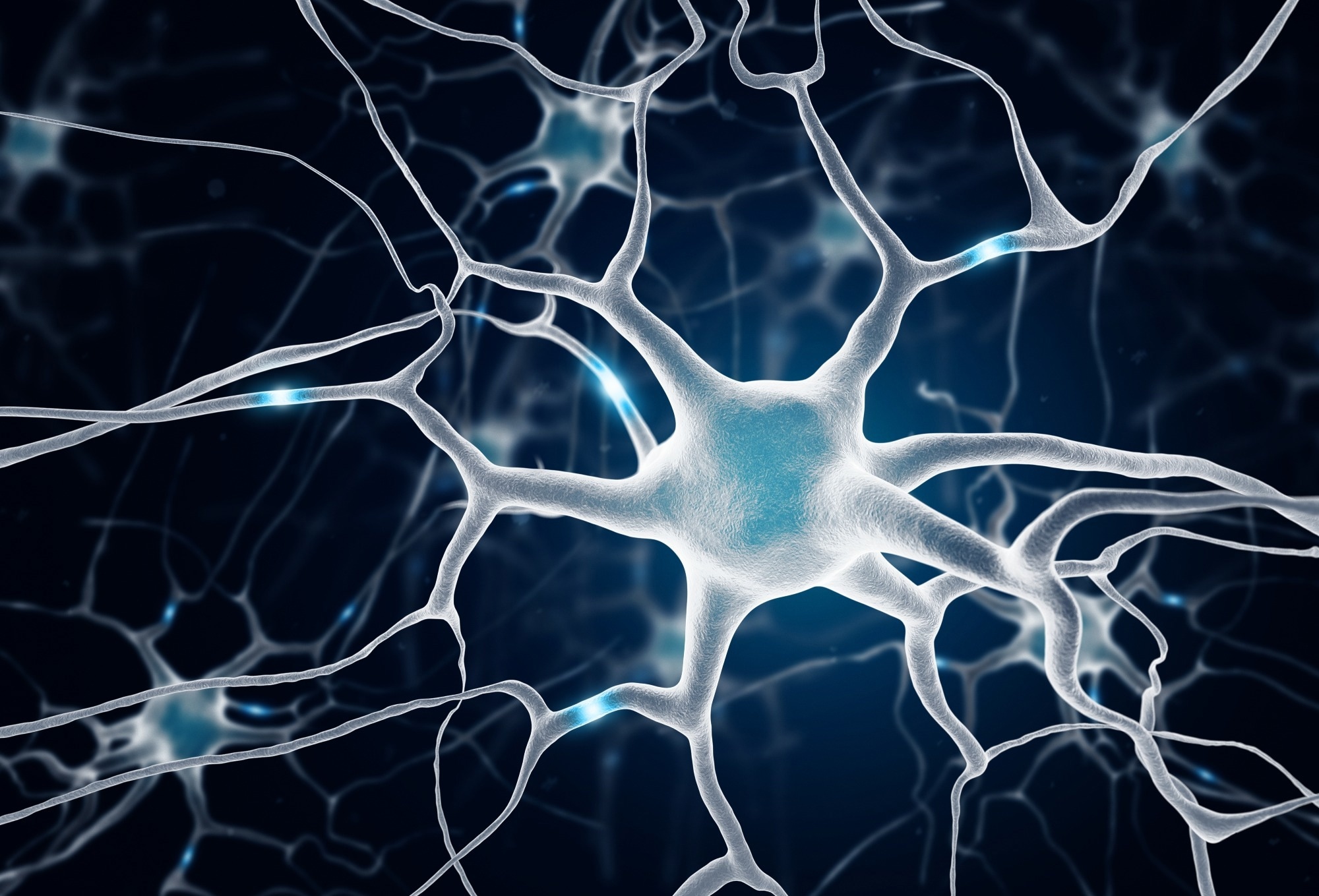
Study: Human hippocampal neurogenesis in adulthood, ageing and Alzheimer’s disease. Image Credit: MP Art / Shutterstock
In a recent study published in the journal Nature, researchers delineated neurogenesis in the human hippocampus across adulthood, aging, and Alzheimer’s disease (AD), while noting that the functional relevance of these processes for human cognition remains incompletely understood.
Humans
The epigenetic and transcriptional mechanisms underlying the generation of neurons from neural stem cells (NSCs) are well established in rodents. Hippocampal neurogenesis plays a vital role in memory and learning by recruiting immature neurons into memory circuits and promoting memory formation. Neurogenesis decreases with age and is impaired in mouse AD models.
In contrast, the fate of neurogenesis in humans is poorly defined. The occurrence of neurogenesis in the adult hippocampus has been debated. The presence of immature neurons has been confirmed in the adult human brain and in AD. A subset of progenitor cells shows signs of ongoing proliferation in the adult human brain; nonetheless, key knowledge gaps remain, particularly regarding how these molecular signatures translate to functional cognitive outcomes.
Single-Nucleus Multi-Omic Profiling of the Human Hippocampus
Researchers analyzed nuclei isolated from human post-mortem hippocampi using a single-nuclei assay for transposase-accessible chromatin with sequencing (snATAC-seq) and single-nucleus RNA sequencing (snRNA-seq). Sequence profiles from 85,977 nuclei of young adults with intact memory, referred to as the young adult cohort, were analyzed to establish neurogenic regulatory pathways.
Unsupervised clustering of snRNA-seq data identified 12 cell types in the hippocampus, including neuroblasts, astrocytes, immature neurons, mature granule cells, oligodendrocyte progenitor cells, and mature oligodendrocytes. Differential gene expression and pathway analyses identified 169 pathways and 4,166 differentially expressed genes (DEGs), all of which were upregulated in neuroblasts compared to mature oligodendrocytes.
Developmental Trajectories and RNA Velocity Analyses
Latent times of neuroblast, astrocyte, mature granule cell, and immature neuron clusters were examined to identify NSCs and their developmental trajectories using RNA velocity analysis. This showed a directional flow from NSCs to astrocytes and toward neuroblasts to mature granule cells via immature neurons. NSCs expressed low levels of neuronal markers but high levels of stemness proxies compared with immature neurons and neuroblasts.

The snATAC-seq analysis allowed an orthogonal evaluation of stemness via chromatin accessibility. High chromatin accessibility was observed in regions associated with multi-lineage potential in NSCs. In contrast, neuronal maturation proxies showed high levels of open chromatin in immature neurons and neuroblasts. The top differentially accessible regions (DARs) and DEGs in NSCs were downregulated in immature neurons and neuroblasts.
Conversely, the top DARs and DEGs in neuroblasts were downregulated in NSCs. The top DEGs in immature neurons had low expression in NSCs and moderate expression in neuroblasts. Developmental pathways were downregulated in immature neurons and neuroblasts but enriched in NSCs. The top motifs in NSCs included signal transducer and activator of transcription 3 (STAT3), STAT4, STAT5, nuclear factor I B (NFIB), and pleomorphic adenoma gene-like 1 (PLAGL1).
In immature neurons, the top motifs included nuclear factor erythroid 2 (NFE2), PBX homeobox 2 (PBX2), Meis homeobox 2 (MEIS2), and regulatory factor X2 (RFX2). These patterns suggest a shift from transcription factors that promote stem cell proliferation and maintenance in NSCs to those that regulate differentiation and maturation in immature neurons. Researchers then examined the effects of cognitive diagnosis and age on neurogenesis.
Neurogenesis Across Aging, Preclinical Pathology, and Alzheimer’s Disease
Hippocampal nuclei were sequenced from healthy agers without cognitive impairment, adults with AD, and adults with preclinical intermediate pathology. Samples from SuperAgers were also analyzed. These individuals were aged 80 years or older and performed on episodic memory tests at levels comparable to or better than those of individuals aged 50 to 59 years. All cell types detected in the young adult cohort were observed in these groups.
AD and preclinical pathology groups had significantly more NSCs than healthy agers. The AD cohort had significantly fewer immature neurons and neuroblasts than both young adults and healthy agers, and fewer immature neurons than the preclinical pathology group. Most diagnosis- and age-related changes were observed in DAR counts rather than DEG counts, highlighting chromatin accessibility as a stronger discriminator of cognitive trajectories than transcript abundance alone.
A subset of DARs was specifically downregulated in immature neurons and neuroblasts in the preclinical pathology group compared with SuperAgers, healthy agers, and young adults. These DARs were further downregulated in AD. These findings suggest that alterations in chromatin accessibility may contribute to disrupted neurogenic trajectories during cognitive decline. Some of the earliest age-related shifts were detectable in chromatin accessibility at the NSC stage.
Cognitive Resilience Signatures in SuperAgers
The SuperAger cohort exhibited a significantly higher number of immature neurons compared with other groups and more neuroblasts than the AD cohort. This profile was attributable to DAR patterns. The SuperAger cohort had 7,058 and 674 DARs upregulated in immature neurons and neuroblasts, respectively, compared with other cohorts.
Resilience scores were calculated to detect consistent directionality of chromatin and transcriptional effects across cohorts rather than to directly measure cognitive performance. A clear signature was observed in immature neurons and neuroblasts, with most peaks and genes remaining stable in SuperAgers, young adults, and healthy agers, but downregulated in AD.
Additional analyses indicated that preserved excitatory synapse integrity was a hallmark of healthy cognitive aging. Regulatory interactions involving astrocytes and CA1 pyramidal neurons also distinguished successful from pathological aging. The authors note that relatively small cohort sizes and substantial inter-individual variability warrant cautious interpretation.
Conclusions and Therapeutic Implications
The study outlined molecular signatures of neurogenesis in the human hippocampus and their changes across age and cognitive status. Differences in chromatin accessibility across the neurogenic spectrum suggest that epigenetic alterations may be more definitive signatures of aging-associated cognitive trajectories than gene expression changes alone. Delineating these mechanisms and their interaction with broader hippocampal network dynamics may inform targeted therapeutic strategies to preserve cognitive function in aging. However, further research is required to establish causal links between these molecular patterns and cognitive performance.
Journal reference:
- Disouky A, Sanborn MA, Sabitha KR, et al. (2026). Human hippocampal neurogenesis in adulthood, ageing and Alzheimer’s disease. Nature. DOI: 10.1038/s41586-026-10169-4, https://www.nature.com/articles/s41586-026-10169-4
Wednesday, February 25, 2026
Super-Agers’ Brains Have a Special Ability, New Study Suggests
Of course I'm going to get there, Dad died at 91 from Parkinsons and dementia, Mom still living at home alone at 96. Currently 70.
You'll have to ask your competent? doctor EXACTLY HOW TO ENSURE YOUR NEUROGENESIS IS PRODUCING NEW NEURONS! If not known, fire them and find a competent one!
Super-Agers’ Brains Have a Special Ability, New Study Suggests
Tuesday, February 24, 2026
Construction of biomimetic nanomedicine delivery system based on biomedical materials for treating brain diseases: A review
Our researchers can use this whenever they come up with methods to make neuroplasticity and neurogenesis repeatable on demand.
Construction of biomimetic nanomedicine delivery system based on biomedical materials for treating brain diseases: A review
Introduction
As the trend of population aging continues to intensify, the incidence of brain diseases such as Alzheimer's disease (AD), Parkinson's disease (PD), Huntington's disease (HD), cerebral stroke (CVA), encephalitis, and brain tumors have been steadily increasing year by year, making them one of the most significant threats to human health today. Currently, the most effective treatment plan for brain diseases remains chemical drug therapy. However, due to the blood-brain barrier (BBB), it is incredibly challenging to achieve effective drug delivery to the brain via non-invasive methods from peripheral blood. As a semi-permeable membrane biological barrier [1], the BBB blocks almost all macromolecular drugs and 98% of small molecule drugs from entering the brain parenchyma, which makes the drug molecules for treating brain diseases have a low penetration rate through the BBB, seriously hindering the non-invasive drug treatment of the disease [2].
With the development of nanotechnology, the design of nanomedicine delivery systems has emerged as an effective strategy for transporting drugs to diseased areas. An increasing number of delivery carriers, such as polymer carriers, nanogels, liposomes, biological carriers, and inorganic nanomaterials, are being used in nanomedicine delivery. These carriers often play a role in protecting and increasing the drug loading capacity, and can also reduce drug degradation and clearance. However, researchers have also found that, regardless of whether these nano-like particles cross the BBB through passive diffusion or active transport, the overall effect is minimal. Nanoparticles that adopt passive diffusion usually accumulate and release drugs at the pathological site by enhancing permeability and the retention effect (EPR) [3]. However, the passive delivery method is prone to off-target effects, resulting in toxic side effects caused by drug accumulation in other organs and tissues in the body. Additionally, these nanoparticles in the blood are readily cleared by phagocytic cells, resulting in a relatively small amount of drug reaching the target site [4]. Moreover, the active delivery method locates and binds to diseased cells or their surrounding microenvironment via specific ligand functionalization or self-targeting carriers (Fig. 1). However, issues regarding the safety, stability, and biocompatibility of the functionalized nanomedicine delivery systems remain limiting factors for effective drug delivery. They may even trigger unnecessary immune responses [5]. Therefore, to achieve drug delivery for brain diseases, more advanced drug delivery systems need to be developed.
The biomimetic nanomedicine delivery system has attracted increasing attention in recent years due to its excellent biocompatibility and its inherent multi-functional integration capability. This type of system can simulate the structure or function of living organisms and has strategies for delivering drugs used to treat brain diseases. They are mainly divided into two types: one is a design scheme based on artificially synthesized biomimetic materials with functions, such as hydrogels with excellent mechanical strength. The other is a design scheme based on natural biomaterials, such as immune cells loaded with nanomedicines and transported via chemical or biological binding. A biomimetic nanomedicine delivery system based on biomaterials is one created from the structure and function of natural biological organisms. These biomimetic carriers can retain or mimic the natural characteristics of cells, viruses, and endogenous substances [6]. Compared to other nanomedicine delivery systems, biomaterials can endow nanomedicines with unique biological activity, thereby improving biocompatibility and reducing immunogenicity. These endogenous carriers are not readily cleared by the body's endothelial reticular network, allowing nanoparticles to circulate for extended periods and exhibit good in vivo degradability. Many biomimetic carriers based on biomaterials have natural targeting properties for the target without modification, for example, immune cells themselves can cross the BBB and tend to the brain inflammation and tumor areas (Scheme 1). Compared with drug delivery systems based on other materials, the biomimetic nanomedicine delivery system based on biological materials not only serves as a drug-loading platform for the target site, but also retains the inherent active components and characteristics of the biological source, resulting in lower in vivo toxicity. It can carry therapeutic drugs across the BBB (Scheme 2) and adopt a synergistic method to treat brain diseases [7]. For example, researchers can adopt Trojan horse [8], hitchhiking [9], and backpack strategies [10] based on cells and their derivatives to expand the drug loading capacity and the surface modifiable area, creating a vast design space for surface modification, functionalization modification, regulation of biological activity, extension of in vivo circulation time, and improvement of biocompatibility. This article, based on different biomimetic carriers as the framework, systematically discusses the latest research progress of delivery systems using cell membranes, living cells, bacteria, exosomes, viruses, albumin, and lipoprotein carriers for treating brain diseases. Starting from the design ideas of drug loading and delivery systems, it critically discusses the advantages and disadvantages of these biomimetic carriers in constructing delivery systems. The innovation and replicability of these brain-targeted delivery and disease visualization strategies are summarized. By integrating insights from materials science and clinical medicine, this review aims to guide the research and development of biomimetic nanomedicine delivery systems based on biological materials for treating brain diseases.
Access through your organization
Subscribe to:
Posts (Atom)