



Since the 2005 American Stroke Association’s recommendation to establish stroke systems of care, the US has made substantial strides in improving stroke care(NOT RESULTS OR RECOVERY!). The goal of the stroke systems of care framework is to optimize care delivery across the prehospital, emergency department (ED), inpatient, rehabilitation, and postdischarge settings. These improvements include the expansion of telestroke networks, growth in stroke center certification, and increased use of reperfusion.
Showing posts with label press releases. Show all posts
Showing posts with label press releases. Show all posts
Wednesday, May 6, 2026
Saturday, May 2, 2026
AHA calls for lifelong brain health strategy to prevent cognitive decline
If you were actually a useful organization you would have built 100% stroke recovery protocols by your ASA division; but no, useless fucking press releases! Just another fucking failure of a stroke association! I'd fire everyone there and have it run by survivors; that would ensure excellence!
You can contact me at OC1dean@gmail.com and I can give you a strategy to follow!
AHA calls for lifelong brain health strategy to prevent cognitive decline
From childhood stress and pollution to sleep, inflammation, and the gut microbiome, the AHA’s new framework shows why protecting brain health must begin long before old age.
Study: Brain Health Across the Life Span: A Framework for Future Studies: A Scientific Statement From the American Heart Association. Image Credit: Anton Vierietin / Shutterstock
In a recent American Heart Association scientific statement published in the journal Stroke, researchers outline the rationale for expanding brain health beyond vascular risk factors to a holistic, lifelong framework. The modernized framework emphasizes optimal cognitive, emotional, and behavioral functioning throughout the life course.The comprehensive scientific statement highlights that, with the global population of adults aged 65 and older expected to exceed 2 billion by 2050, identifying modifiable vascular and nonvascular contributors to brain health, cognitive decline, and neurodegeneration is a clinical priority.
It subsequently synthesizes current evidence on chronic inflammation, environmental toxicants, mental health disorders, and socioeconomic status (SES), while also addressing sleep, gut microbiome dysbiosis, early-life infection, and chronic medical conditions, describing their potential roles in shaping brain health and resilience and identifying strategies to mitigate their effects and enhance neural resilience.
Life Span Brain Health Background
Research on brain health and cognitive resilience, typically defined as the capacity for the brain to recover following an insult, is thought to be increasingly critical as records emphasize that global aging is driving the prevalence of late-life mental illness, illicit substance use, neurologic disorders, and cognitive decline.
While previous paradigms in the field focused heavily on the "neurovasculome," targeting stroke prevention and vascular dementia via the management of hypertension and diabetes, emergent research indicates that vascular factors do not typically emerge as primary drivers of overt stroke until young adulthood.
Consequently, the American Heart Association (AHA) 's 2021 agenda identified modifiable risk factors but documented that a more granular understanding of nonvascular contributions was urgently needed.
AHA Brain Health Statement Scope
This 2026 AHA scientific statement builds on the AHA's earlier brain health agenda by exploring how early-life exposures experienced during brain maturation can prime the central nervous system (CNS) for neurodegeneration and cognitive decline in older adults.
This scientific statement is a comprehensive synthesis of years of transdisciplinary research that bridges neurology, psychiatry, and geroscience. Rather than reporting a single new analytical dataset, it reviews evidence from multiple scientific literatures, including:
• Large-scale longitudinal cohorts: Data from 6 European population-based birth cohorts (n = 9,482 children) were reviewed to assess the impact of prenatal air pollution on psychomotor development.
• Neuroimaging and molecular studies: Human neuroimaging and postmortem studies provided data on intracellular signaling, gene expression, and neuronal atrophy in the medial prefrontal cortex (mPFC) and hippocampus.
• Clinical meta-analyses: Evaluation of hazard ratios associated with ambient air pollutants and dementia risk across 14 distinct studies.
The statement also discusses evidence across preclinical, epidemiologic, clinical, and mechanistic studies, including brain-derived neurotrophic factor (BDNF) expression, beta-amyloid and tau pathology, gray matter volume, and the functional integrity of the blood-brain barrier.
Nonvascular Brain Health Risk Factors
The scientific statement identified several modifiable domains with varying strengths of supporting evidence that exert significant pressure on brain homeostasis: 1. Environmental toxicants, 2. Stress, depression, and anxiety, 3. Social determinants and toxic stress, 4. Gut microbiome and systemic inflammation, 5. Poor sleep quality, and 6. Early-life infection and chronic medical conditions.
Chronic exposure to PM2.5 (particulate matter with a diameter ≤ 2.5 µm) is now considered an important environmental factor associated with dementia risk. These findings draw from meta-analyses, which reported an overall hazard ratio per 2 µg/m3 of PM2.5 at 1.04 (95% confidence interval, 0.99–1.09).
Furthermore, prenatal NO2 (nitrogen dioxide) exposure was shown to be associated with a decrease of 0.68 points (95% confidence interval, −1.25 to −0.11) in global psychomotor development scores per 10 µg/m3 increase. Notably, approximately 26% of disability associated with ischemic stroke in adults is linked to air pollution.
The present data link depression and anxiety with biological pathways that may accelerate biological aging. Early-life depressive symptoms were found to correlate with a 2-fold or greater increase in dementia risk.
The biological mechanism driving this process may involve chronic stress, which induces sustained decreases in BDNF signaling, fostering synaptic loss, particularly in the mPFC and hippocampus. Unfortunately, current single-modality treatment remission rates for these conditions remain modest, ranging from 30% to 50%.
Adverse childhood experiences (ACEs) are now considered a prevalent condition, with 17.3% of US adults reporting ≥ 4 ACEs. Studies have shown that these experiences can trigger a "toxic stress response," leading to prolonged activation of the hypothalamic-pituitary-adrenal (HPA) axis and allostatic overload.
Finally, dysbiosis of the gut-brain axis has been associated with Alzheimer's disease (AD) and Parkinson's disease (PD), with evidence suggesting bidirectional gut-brain involvement rather than a fully established causal relationship in humans. The AHA emphasizes that high-fiber diets support the production of short-chain fatty acids (SCFAs), which modulate blood-brain barrier integrity and microglial activation and may support microbial diversity, reduce inflammation, and promote brain and cardiometabolic health.
Poor sleep quality was also highlighted as a life-course influence on brain health. Sleep supports brain maturation, memory consolidation, synaptic regulation, and glymphatic clearance of proteins, while inadequate sleep and obstructive sleep apnea are associated with cognitive decline, dementia risk, beta-amyloid and tau accumulation, and altered cerebral blood flow.
The statement further notes that early-life infections and chronic pediatric medical conditions, including congenital heart disease, sickle cell anemia, moyamoya, obesity, and infection-related stroke risks, can influence brain development, cognition, and mental health through vascular, inflammatory, metabolic, and psychosocial pathways.
Holistic Brain Health Prevention Strategies
The statement concludes that brain health must be managed through a holistic, life span approach that prioritizes early detection and personalized intervention. The AHA calls for individual, clinical, public health, and policy-level strategies, including regular physical activity, sleep hygiene to facilitate glymphatic clearance of beta-amyloid, and a polyphenol-rich or Mediterranean-style diet to reduce systemic inflammation.
Future research must focus on personalized, culturally responsive practices and the identification of CNS-specific biomarkers to extend cognitive longevity across all communities.
Journal reference:
- Marsh, E. B., et al. (2026). Brain Health Across the Life Span: A Framework for Future Studies: A Scientific Statement From the American Heart Association. Stroke. DOI – 10.1161/str.0000000000000518, https://www.ahajournals.org/doi/10.1161/STR.0000000000000518
Climate Change Is Making Strokes More Frequent And Deadly, Warns World Stroke Organization
If you were actually a useful organization you would have built 100% recovery protocols; but no, useless fucking press releases! Just another fucking failure of stroke associations! I'd fire everyone there and have it run by survivors; that would ensure excellence!
Climate Change Is Making Strokes More Frequent And Deadly, Warns World Stroke Organization
Climate change poses an escalating threat to brain health, with extreme heat, rapid humidity shifts and exposure to dust and sandstorms increasing the risk of having a stroke, according to a scientific statement by experts from the World Stroke Organization.(Experts solve problems, novices put out press releases!)
New Delhi:Climate change poses an escalating threat to brain health, with extreme heat, rapid humidity shifts and exposure to dust and sandstorms increasing the risk of having a stroke, according to a scientific statement by experts from the World Stroke Organization.
Published in the International Journal of Stroke, the statement summarises the latest evidence on the association between stroke and the environmental factors exacerbated by climate change, including extreme temperatures, temperature variability, humidity, dust and sandstorms, among others.
Senior lead author Anna Ranta, professor from the University of Otago's department of medicine, New Zealand, and a member of the World Stroke Organization's board of directors, said an unstable climate increases the risk both of having a stroke and of patients dying as a result.
"Temperature extremes and rapid swings in temperature, humidity and air pressure have a physiological effect on the human body. Hot temperatures can cause dehydration, 'thickening' the blood and raising the risk of blocked blood vessels, while humidity and air pressure changes can increase blood pressure, an important cause of stroke," Ranta said.
"Absolute changes in temperature and variations in temperature, barometric pressure and humidity -- patterns that are intensifying as a result of climate change -- all have an impact on stroke risk," the author said. Researchers reviewed previously published studies that assessed associations between stroke and environmental variables, including extreme temperatures and compound weather events. They found older adults, workers frequently exposed to the weather, and those in low and middle-income countries to be at a higher risk of stroke from environmental factors. Compound weather events, such as when extreme heat and drought, or cold, humidity and wind come together, were found to have an additive effect, increasing the risk of stroke and mortality even further, Ranta said. The senior lead author added, "Air pollution is another big factor in increasing the risk of stroke, with more than 20 per cent of strokes globally attributed to air pollution." Ranta said that while transport and industrial emissions are primarily a cause, rather than an effect of climate change, increases in frequency and severity of wildfires, sand and dust storms have been directly linked to climate change."The particulate matter of the 'air pollutants' enter the blood stream via the lungs and cause damage to blood vessel walls. This can result in blocked and ruptured brain arteries and cause a stroke," the author said.
The statement reads, "Cold exposure, temperature variability, and extreme thermal events were most consistently associated with increased stroke risk." It said that while effects due to cold were generally stronger than those due to heat, heat effects have been increasing over time.
The statement recommended stepping up efforts to cut carbon emissions by promoting clean energy, plant-rich diets and educating patients about how the weather can impact health.
Hospital electronic health records and public messaging should include temperature and other climate-related alerts, the authors said.
Meteorological agencies, environmental scientists, urban planners and emergency services should work together to develop coordinated policies for preparedness, early warnings, and responses to climate-related stroke hazards, the team said.
(Except for the headline, this story has not been edited by NDTV staff and is published from a syndicated feed.)
Wednesday, October 22, 2025
WHO warns of lack of resources to treat neurological disorders
Don't worry, our fucking failures of stroke associations are DOING NOTHING TO SOLVE THIS!
All they are capable of doing is press releases!
WHO warns of lack of resources to treat neurological disorders
(NewsNation) — More than 1 in 3 people are living with a neurological condition, the World Health Organization found, and countries aren’t prepared to deal with it.
The WHO’s Global status report on neurology found 40% of the global population is affected by neurological conditions.
That amounts to more than 3 billion people and results in 11 million deaths globally each year.
The top neurological conditions that led to death and disability in 2021 were stroke, neonatal encephalopathy, migraine, Alzheimer’s disease and dementia, diabetic neuropathy, meningitis, epilepsy, neurological complications from preterm birth, autism spectrum disorders and cancers affecting the nervous system.
Despite the number of neurological disorders, the WHO found that low-income countries have more than 80 times fewer neurologists compared to high-income nations.
“With more than 1 in 3 people in the world living with conditions affecting their brain, we must do all we can to improve the health care they need,” said Dr Jeremy Farrar, WHO assistant director-general. “Many of these neurological conditions can be prevented or effectively treated, yet services remain out of reach for most – especially in rural and underserved areas — where people too often face stigma, social exclusion and financial hardship.”
Only 63 member countries have a national policy addressing neurological disorders, and just 34 reported dedicated funding for addressing neurological conditions.
The report found that essential services are out of reach for the majority of people, with just 49 countries including neurological disorders in their universal health coverage.
The WHO also found services such as stroke units, pediatric neurology, neurological rehab and palliative care were lacking or largely unavailable in urban areas. It also found a lack of qualified health professionals.
The report also found a shortage of carer services, which are often a lifelong need with neurological conditions. Without those services, the burden of caring for neurological patients falls on informal caregivers, who are predominantly women and are left with little support.
The organization issued recommendations, including expanding access to neurological care, creating policy around neurological disorders and promoting brain health.
Saturday, January 20, 2024
Revolutionizing Stroke Care with AI: The University of Kentucky’s Innovative Approach
NO, NO, NO! Survivors don't want 'care'; they want recovery and results.
Anytime I see 'care' in any stroke press release I know the stroke medical world is not willing to disclose actual results because they are so fucking bad, it wouldn't look good, so misdirection is used. Don't fall for that misdirection!
Revolutionizing Stroke Care with AI: The University of Kentucky’s Innovative Approach
Healthcare is undergoing a significant shift with the integration of artificial intelligence (AI) into various facets of patient care. An inspiring example of this is the University of Kentucky College of Medicine, where AI technology is being utilized to revolutionize stroke care. At the helm of this innovation is Dr. Justin Fraser and his team, who are using an AI-powered app, Viz.ai, to improve both the efficiency and accuracy of stroke diagnosis and treatment.
The Role of AI in Stroke Care
The Viz.ai application is designed to allow immediate review of stroke scans, facilitating rapid decision-making for further treatments such as thrombectomy. This AI technology’s ability to quickly analyze and interpret medical scans can potentially save valuable time in critical situations, especially when dealing with urgent needs like stroke. Consequently, it has the potential to significantly improve patient outcomes.
Moreover, the University is also working on integrating AI into treatment planning and rehabilitation for stroke patients. This advanced system uses AI to analyze brain images and identify areas affected by stroke, leading to faster and more accurate diagnoses. The potential of such technology in the healthcare sector is immense, and its adoption reflects a promising trend in using data tracking to enhance patient care.
Dr. Larry Goldstein’s Contribution to Stroke Care
In addition to the pioneering work of Dr. Fraser and his team, Dr. Larry Goldstein, chair of the University of Kentucky Department of Neurology, has been selected to co-lead The Kentucky Heart Disease and Stroke Prevention Task Force. This task force, working in partnership with the Kentucky Department for Public Health’s Heart Disease and Stroke Prevention Program, aims to improve cardiovascular and cerebrovascular health across the state.
Dr. Goldstein is committed to addressing both heart disease and stroke issues. The task force is comprised of a diverse group of stakeholders, all dedicated to improving Kentuckians’ health. Dr. Goldstein’s leadership role in this task force, combined with his expertise in neurology, is sure to contribute significantly to the state’s efforts to combat heart disease and stroke.
Final Thoughts
In conclusion, the University of Kentucky College of Medicine is a trailblazer in incorporating AI into healthcare. Their innovative use of AI in stroke care, particularly in rapid diagnosis and treatment planning, is a testament to the transformative potential of technology in healthcare. Furthermore, the leadership of professionals like Dr. Goldstein in statewide initiatives to prevent heart disease and stroke reinforces the commitment to improving patient outcomes across Kentucky.
This innovative approach to stroke care, combining advanced technology with committed medical professionals, paints a promising picture for the future of healthcare. It is a testament to the potential of AI technology to revolutionize patient care, setting a benchmark for other healthcare institutions around the world.
Sunday, September 17, 2023
Changing Health Care Markets Have the Potential to Undermine Stroke Systems of Care
Survivors don't care about 'care' THEY WANT RESULTS AND RECOVERY YOU BLITHERING IDIOTS!
Anytime I see 'care' in any stroke press release I know the organization is not willing to disclose actual results because they are so fucking bad, it wouldn't look good, so misdirection is used. Don't fall for that misdirection!
Changing Health Care Markets Have the Potential to Undermine Stroke Systems of Care
Tuesday, June 28, 2022
Using Primseq to Simplify the Complexities of Rehabilitation Intervention Dosing: Heidi Schambra, MD
All this tool does is count reps, does nothing for actually getting survivors recovered. Doesn't anyone know how to write press releases that don't lie?
Using Primseq to Simplify the Complexities of Rehabilitation Intervention Dosing: Heidi Schambra, MD
The associate professor in the Department of Rehabilitation Medicine at NYU Langone discussed the current methods of prescribing rehabilitation and why a new digital tool can improve them going forward. [WATCH TIME: 3 minutes]
WATCH TIME: 3 minutes
"The
typical major approaches have been time in therapy to measure dose or
to measure intensity, which we know is not precise. The flip side of
that is just sitting there and counting the repetitions, or using video
analysis afterwards, but it’s just incredibly laborious and cost
personnel time, personnel costs, and the feedback is slow."
Quantifying outcomes for rehabilitation methods such as physical exercise has been a challenge for clinicians, mainly because the frequencies and intensities of such interventions can have different effects based on the patient. The literature has shown inconsistent results as to personalizing these interventions for patients with neurological disorders, including those with stroke. One new method using a novel digital tool called Primseq, was shown to aid patients’ recovery from stroke by accurately tracking movement intensity during their rehabilitation therapy.
In recently published data, the sensor-equipped computer program was 77% effective in identifying and counting arm motions prescribed to patients as part of their stroke rehabilitation exercises.1,2 The results beg to question whether this program has capabilities in unweaving some of the complexities clinicians face when trying to prescribe an effective rehabilitation regimen. To learn more about how it may improve this aspect, NeurologyLive® sat down with lead investigator Heidi Schambra, MD.
Schambra, associate professor in the Department of Neurology and Department of Rehabilitation Medicine at NYU Langone, believes that optimization of training intensity can only come if clinicians are able to measure particular movements and record quantitative data. She discussed the current complexities of stroke rehabilitation dosing and the steps needed to improve personalized treatment regimens going forward.
REFERENCES
1. Computer tool
can track stroke rehabilitation to boost recovery. News release. NYU
Langone Health. June 16, 2022. Accessed June 23, 2022.
https://www.prnewswire.com/news-releases/computer-tool-can-track-stroke-rehabilitation-to-boost-recovery-301567501.html
2. Parnandi A, Kaku A, Venkatesan A, et al. PrimSeq: A deep learning-based pipeline to quantitate rehabilitation training. PLOS Digital Health. Published online June 16, 2022. doi:10.1371/journal.pdig.0000044
Sunday, January 9, 2022
4 steps for recovery and daily living after a stroke
This whitewashed press release pretty much lies about everything associated with stroke. ABSOLUTELY EVERYTHING IN STROKE IS A FAILURE!
In my opinion stroke care is a complete fucking failure. Here are the major failure points:
1. Only 10% of patients get to full recovery.
2. tPA only fully works to reverse the stroke 12% of the time. Known since 1996.
3. No protocols to prevent your 33% dementia chance post-stroke from an Australian study.
4. Nothing to alleviate your fatigue.
5. Nothing that will cure your spasticity.
6. Nothing on cognitive training unless you find this yourself.
7. No published stroke protocols.
8. No way to compare your stroke hospital results vs. other stroke hospitals.
The latest lies by omission here:
4 steps for recovery and daily living after a stroke
In the weeks and months immediately following a stroke, an early rehabilitation program offers the best possible recovery outcomes. While each patient’s journey may be different, starting the path toward rehabilitation as soon as it’s medically safe allows stroke survivors to mitigate the lasting effects.
According to the American Stroke Association, a division of the American Heart Association, each year, approximately 800,000 people in the United States have a stroke.
About 4 in 5 people who suffer a stroke will survive, but the majority have some degree of physical impairment or disability.
Early intervention
The first three months after a stroke are especially critical. Although recovery may continue for years after a stroke, this golden time in the immediate aftermath of a stroke is when the brain is most able to adjust to the damage done by the stroke so the survivor can learn new ways to do things.
“There is a critical period of neuroplasticity, which is the brain’s ability to create new connections where there has been damage from a stroke,” said Elissa Charbonneau, M.S., D.O., chief medical officer of Encompass Health and an American Stroke Association volunteer. “The early period after a stroke is crucial for helping the brain to establish those connections again.”
Customized rehabilitation
Once a stroke survivor’s medical condition is stabilized and he or she is ready to leave the hospital, post-stroke rehabilitation can help restore function and teach new ways to complete everyday tasks. Rehabilitation may take place in an inpatient facility, skilled nursing facility, long-term acute care facility or nursing home. Outpatient clinics and home health agencies can also provide rehabilitative care in certain circumstances.
One patient’s rehab journey might include therapy to improve balance, strength or mobility, while another might need speech or other therapies. A rehabilitation designed for the individual is critical.
Support for your journey
Following a stroke, your medical team will likely help connect you with a local rehabilitation center where you can find experts to guide your rehabilitation and recovery. Other resources, including the American Stroke Association, provide resources for stroke rehab and recovery including step-by-step videos for stroke survivors and caregivers.
These tools help answer your questions, explain what to expect and address practical concerns like how to approach daily living tasks such as grocery shopping, doing laundry and meal preparation.
Preventing a recurrence
After a first stroke, 1 in 4 survivors will have another. Although some risk factors, like age, gender and family history, are beyond control, survivors have the power to reduce that risk by working with a doctor.
Simple habits like eating healthfully, moving more and taking medications as prescribed can help your brain and reduce your risk of a repeat stroke. Controlling conditions like high blood pressure, diabetes and sleep apnea also reduce your risk of having another stroke.
Saturday, September 5, 2020
WSO Stroke Prevention Strategy
THIS is what is so fucking bad about the WSO. They don't give a shit about doing anything for survivors. They have zero survivor outreach, NO REHAB PROTOCOLS, no database on stroke research, NO STRATEGY TO SOLVE STROKE. They are completely fucking useless for survivors. But they do do press releases very well.
I look forward to an explicit rebuttal from the president of the WSO, curious as to what excuses will be used.

Michael Brainin
WSO Stroke Prevention Strategy
A wake up call for Global Stroke Prevention!
-Welcome and overview of the WSO Prevention Strategy. - Prof Michael Brainin
- Why current approaches to stroke prevention need an overhaul: the case for population-based approaches. - Prof Valery Feigin
- Accelerating progress on prevention where it matters most: lessons from LMICs. - Prof Jeyaraj Pandian
- Implementation of cut stroke in half in Brazil. - Prof Sheila Martins
-Close of the session/World Stroke Campaign #1in4. - Prof Sheila Martins
- Q&A session
Time and date: Tue, September 1, 7 AM Brazil/ 12 PM CET/ 3.30 PM India/ 10 PM New Zealand
Wednesday, August 26, 2020
WSO Stroke Prevention Strategy - Join the WSO webinar series in occasion of the launch of the World Stroke Campaign 2020!
You have got to be fucking kidding me. THERE IS ABSOLUTELY NOTHING IN THE WSO FOR SURVIVOR RECOVERY. THEY ARE COMPLETELY USELESS; no survivor contact, no rehab protocols, no strategy to solve stroke; NOTHING!
But lazy press release prevention crapola exists. WHOOPEE!
WSO Stroke Prevention Strategy - Join the WSO webinar series in occasion of the launch of the World Stroke Campaign 2020!
A wake up call for Global Stroke Prevention!
-Welcome and overview of the WSO Prevention Strategy. - Prof Michael Brainin
- Why current approaches to stroke prevention need an overhaul: the case for population-based approaches. - Prof Valery Feigin
- Accelerating progress on prevention where it matters most: lessons from LMICs. - Prof Jeyaraj Pandian
- Implementation of cut stroke in half in Brazil. - Prof Sheila Martins
-Close of the session/World Stroke Campaign #1in4. - Prof Sheila Martins
- Q&A session
Time and date: Tue, September 1, 7 AM Brazil/ 12 PM CET/ 3.30 PM India/ 10 PM New Zealand
Sunday, August 23, 2020
Traumatic brain injury neuroelectrochemical monitoring: behind-the-ear micro-instrument and cloud application
Our fucking failures of stroke associations should jump at the chance to use this in stroke and create protocols for its use. But nothing will occur because they don't give a shit about survivors. Look at their sites, NOTHING USEFUL FOR SURVIVORS. Just crappy guidelines, press releases about prevention, and F.A.S.T.
Traumatic brain injury neuroelectrochemical monitoring: behind-the-ear micro-instrument and cloud application
Journal of NeuroEngineering and Rehabilitation volume 17, Article number: 114 (2020)
Abstract
Background
Traumatic Brain Injury (TBI) is a leading cause of fatality and disability worldwide, partly due to the occurrence of secondary injury and late interventions. Correct diagnosis and timely monitoring ensure effective medical intervention aimed at improving clinical outcome. However, due to the limitations in size and cost of current ambulatory bioinstruments, they cannot be used to monitor patients who may still be at risk of secondary injury outside the ICU.
Methods
We propose a complete system consisting of a wearable wireless bioinstrument and a cloud-based application for real-time TBI monitoring. The bioinstrument can simultaneously record up to ten channels including both ECoG biopotential and neurochemicals (e.g. potassium, glucose and lactate), and supports various electrochemical methods including potentiometry, amperometry and cyclic voltammetry. All channels support variable gain programming to automatically tune the input dynamic range and address biosensors’ falling sensitivity. The instrument is flexible and can be folded to occupy a small space behind the ear. A Bluetooth Low-Energy (BLE) receiver is used to wirelessly connect the instrument to a cloud application where the recorded data is stored, processed and visualised in real-time. Bench testing has been used to validate device performance.
Results
The instrument successfully monitored spreading depolarisations (SDs) - reproduced using a signal generator - with an SNR of 29.07 dB and NF of 0.26 dB. The potentiostat generates a wide voltage range from -1.65V to +1.65V with a resolution of 0.8mV and the sensitivity of the amperometric AFE was verified by recording 5 pA currents. Different potassium, glucose and lactate concentrations prepared in lab were accurately measured and their respective working curves were constructed. Finally,the instrument achieved a maximum sampling rate of 1.25 ksps/channel with a throughput of 105 kbps. All measurements were successfully received at the cloud.
Conclusion
The proposed instrument uniquely positions itself by presenting an aggressive optimisation of size and cost while maintaining high measurement accuracy. The system can effectively extend neuroelectrochemical monitoring to all TBI patients including those who are mobile and those who are outside the ICU. Finally, data recorded in the cloud application could be used to help diagnosis and guide rehabilitation.
Background
Traumatic brain injury (TBI) is a non-degenerative, non-congenital condition; it could be defined as a set of perceptible and non-perceptible brain insults due to an external impact on the head. Such insults include brain herniation, haemorrhage and contusion [1, 2]. In addition to the primary injury that occurs at the moment of impact, secondary injuries are likely to develop especially in mild and severe TBI injuries [3]. These secondary injuries may take hours or even days to manifest and can lead to reduction in life expectancy, altered level of consciousness, post-traumatic disorder and neurological disorders, along with other cognitive and psychological/psychiatric impairments [3]. Hence, TBI should not be viewed as a single event but rather as a sustained condition calling for monitoring, supervision and rehabilitation [4].
TBI is characterised by a complex pathway where patients could relapse after surgery, while in the intensive care unit (ICU), the high dependency unit (HDU) or in normal hospital wards, and may require additional invasive interventions. The motivation for neuroelectrochemical monitoring of TBI patients stems from the need for timely neurological intervention and prevention of adverse effects. However, currently, TBI neuroelectrochemical monitoring is limited to fully sedated patients in the ICU who have undergone craniotomy neurosurgery as a result of sustaining a severe TBI and/or showing acute brain insults [5, 6].
A closely monitored event in TBI is the onset of spreading depolarisations (SDs), also referred to as “brain tsunamis”. These are slow changing mass depolarization waves that originate from the lesion foci and spread out to neighbouring tissues at risk of secondary injury [7]. SDs are strongly associated with poor outcome in TBI patients and are measured by means of electrocorticography (ECoG). Subdural strip electrodes are traditionally used to monitor SD events, however, they require the patient to undergo craniotomy. Recently, intraparenchymal electrodes were used to accurately monitor these events; these electrodes are inserted via burr hole which is a minimally-invasive procedure [8].
Chemical monitoring of the injured brain can give an indication of tissue health and metabolism [9]. In 2014, a consensus statement from the International Microdialysis Collaborative Group identified glucose and the lactate/pyruvate (L/P) ratio as the most relevant neurochemical biomarkers in TBI monitoring [10]. Glucose concentration reflects local metabolism, hence, poor outcomes have a direct link to low glucose concentrations (< 0.8 mM at 0.3 l/min in tissue interstitial space) [11–15]. Likewise, the association of abnormally high glucose concentrations with poor outcome has also been reported [16, 17] reflecting failure of glucose metabolism due to local tissue death. Absolute concentrations of lactate and pyruvate, in conjunction with the L/P ratio provide information about the cellular redox state in the area of interest. Relatively high concentrations of lactate can be due to both ischemic and non-inshemic (e.g. mitochondrial dysfunction) causes [18, 19]. Continuous on-line microdialysis (co-MD) is used for sampling brain extracellular fluid to measure neurochemical biomarker concentrations and changes [6]. A single microdialysis probe perfused with a physiological solution is inserted into the monitored region either during craniotomy or through cranial bolt in such a way as to cause minimum tissue disruption. Intraparenchymal ECoG electrodes can be inserted through the same bolt as the microdialysis probe which leads to minimally-invasive monitoring [8]. Potassium measurement should also be included in order to enable a spatiotemporal correlation between the chemical and electrical measurements: potassium measurements can chemically denote the onset of SDs [20].
In summary, the device has to measure the biopotential ECoG signals with a resolution sufficient to identify the SDs and make inference on the depolarization of the injured brain [6]. It also has to support amperometry to measure glucose and lactate, as well as potentiometry to measure potassium. This article presents a complete system for monitoring TBI that consists of a wearable bioinstrument (Fig. 1) and a cloud application for data visualisation and analysis.
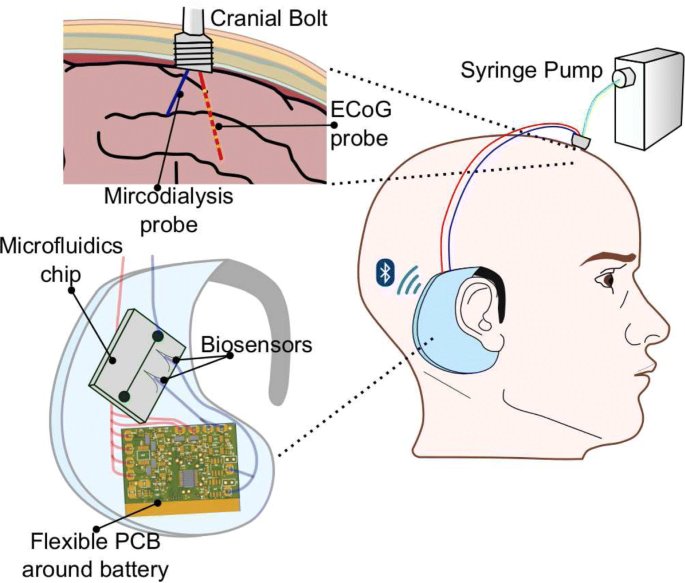
The setup of the proposed behind-the-ear wearable device. The solution consists of: the micro-instrument (flexible PCB), microfluidic chip and biosensors. The device connects to a minimally-invasive cranial bolt, which is fixed on the patient’s head where the injury is. The bolt has two lumens, one for an ECoG probe and the other for the microdialysis probe. The latter requires a syringe pump to perfuse the probe membrane. The device is wireless and supports bluetooth low-energy (BLE) protocol
The lack of an affordable, wearable, relatively non-invasive instrument is the major barrier for real-time neuroelectrochemical monitoring of patients that are mobile and in risk of secondary injuries; or patients in low-income countries, military and “curb-medicine” settings. Several studies have reported instruments for brain monitoring. An integrated chip for wireless neurochemical measurement was proposed by Roham et al. (2008) [21]. The chip offered both amperometry and fast-scan cyclic voltammetry, However, it had a limited number of channels and a reduced resolution at high sampling rate. In the same vein, Kasasbeh et al. (2013) presented a device that is also limited to neurochemical measurements. Additionally, it is not wearable and is instead designed to be attached to neurosurgical stereotactic frames [22]. In contrast, Piangerelli et al. (2014) proposed an invasive instrument restricted to cortical/electrical signals [23]. Other studies in the literature focused on the design of probes aimed at improving the usability and wearablity of TBI instruments [24].
Pivoting to instruments particularly designed for TBI or neuroelectrochemical monitoring, Papadimitriou et al. (2016) developed a high-performance two board solution. The boards, one for biopotential recording and the other for chemical biomarker measurement, were designed to realise an ambulatory bedside equipment, thus it employed a wired connection to a data collection system and occupied an area of around 400 cm2 per board [5]. In Zafeiropoulos, Papadimitriou et al. (2018), PANACEA, an integrated instrument for cortical and neurochemical signals was developed. Most notably, the instrument could be connected to a receiver either through a wired connection or wirelessly via IEEE 802.15.4 (Zigbee) protocol. The latter employing an external antenna had a sampling rate up to 1 ksps/channel and traded power for performance [25]. Again, the instrument, though portable, was not designed as a wearable solution and remained somewhat too large (around 80 cm2) to be wearable.
In comparison to ambulatory bed-side instruments, a wearable instrument would allow shorter connection tubes between the patient and the analysis system. This would also facilitate real-time monitoring and enhance temporal resolution because sampled chemical biomarkers would reach the instrument faster. Pagkalos’s “LENBIC” (Low-power Electrical and Neurochemical Biosensor Interfacing Chip) is a high-performance application specific integrated circuit for TBI [26]. LENBIC offers dramatic footprint reduction (7.5 mm2), high accuracy and ultra-low power performance. However, the chip - being an analog front-end (AFE) - requires additional peripherals, such as embedded controller and integrated wireless transceivers, which increase the device footprint and cost.
What we present here is a wearable micro-instrument specific for full neuroelectrochemical TBI monitoring that trades off performance for an optimal balance between size and cost. This is done while keeping the performance high enough to accurately and sufficiently monitor TBI related biomarkers and events. This trade-off is depicted in Fig. 2 with respect to the other instruments described above. In this article, the performance of the prototype has been validated using bench testing.
Saturday, July 25, 2020
Faye Mitchell shares her inspiring story of stroke recovery
W should never have to hear of inspiring stories of stroke recovery. It should be standard news that stroke survivors fully recover. Until that occurs our doctors and stroke hospitals are cesspools of incompetence in getting survivors to 100% recovery. The current acceptance of the tyranny of low expectations on recovery is the reason survivors don't commonly recover. LEADERSHIP CAN CHANGE THAT FAILURE MINDSET. But we have no stroke leadership. Whatever is out there is just going thru the motions of press releases and other lazy crapola.
Looking forward to rebuttals, bring it on. Excuses will not be tolerated.
Faye Mitchell shares her inspiring story of stroke recovery

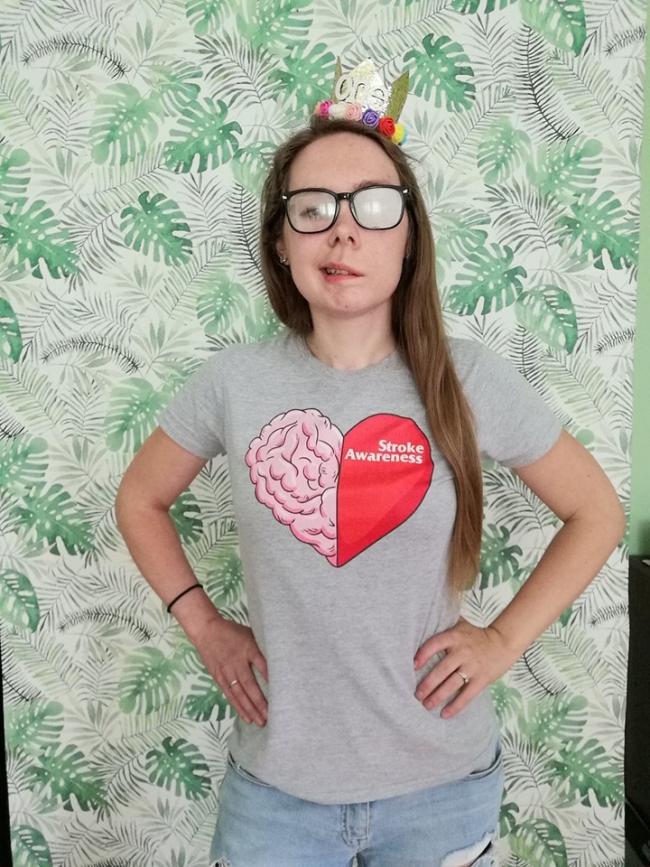
Brave - Faye Mitchell wearing a crown to celebrate one year since stroke
A BRAVE and determined stroke survivor has given a message of hope to others: “You are not alone”.
Exactly a year ago today Faye Mitchell thought she had heat stroke
when she became ill on what was the hottest day of the year.
As temperatures topped 30C, Faye remembers feeling sick, with a terrible migraine and she could not cool down.
She called her mum Jacquie Mansfield for help.
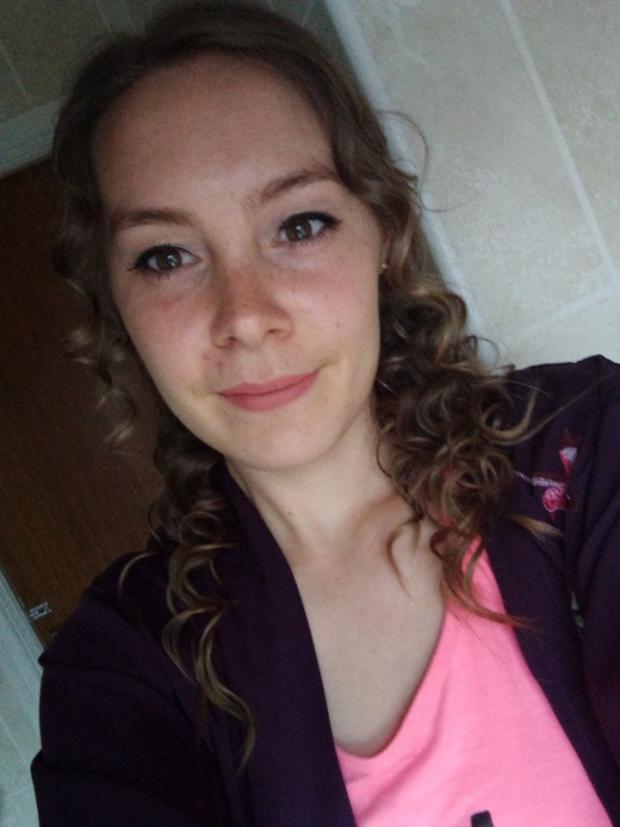 Before - Faye as a bridesmaid for her brother's wedding, 11 days before the stroke
Faye said: “Last thing I remember was walking to a chair and falling onto it.
“My husband just came home from work, hugged me and I don’t remember anything else.”
It was the beginning an unimaginable journey for Faye, 28.
She said: “No-one knew what was wrong with me as the first scan didn’t show any signs of stroke.
“It wasn’t until a couple of days later that I had an MRI scan, which showed the clots on my brain stem, but they still didn’t know the reason.
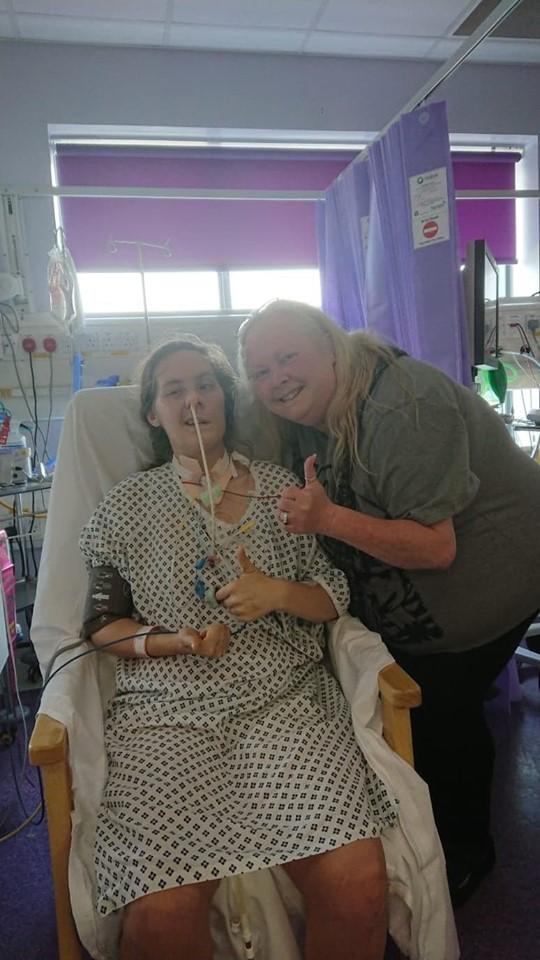 Hospital - Faye and her mum Jacquie in intensive care
She said she was in intensive care for almost six weeks before being transferred to the stroke unit at Colchester Hospital for three weeks and she spent two and a half months at the Northwick Park Regional Hyperacute Rehabilitation Unit in London.
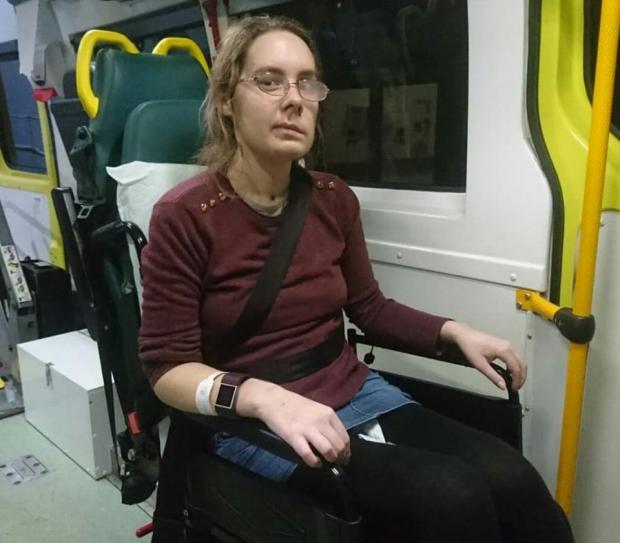 Journey - Faye On her way to Northwick Park rehab centre
Faye, a former shop assistant from Dovercourt, added she was well looked after and described the care she received as perfect.
“I had the best care and I couldn’t ask for more,” Faye added.
“When I came out of hospital, I had a good support system.”
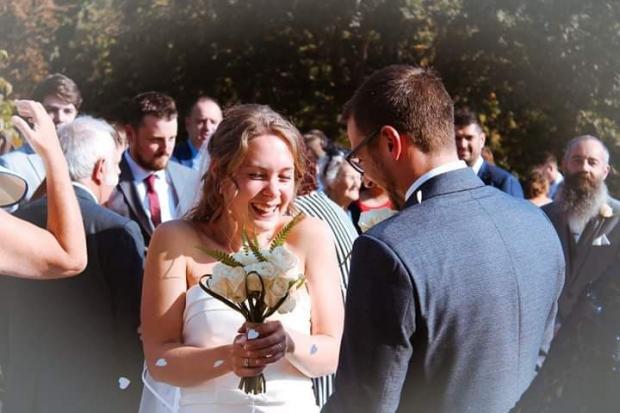 Happy - Faye on her wedding day
Faye said her husband, 29, was an amazing support and she added her mum gave up her job when she became ill to offer help and support.
Faye had to learn everything again, including how to eat, walk, talk, write and perform simple tasks, such as making a cup of tea.
However, despite the great family support Faye said the first thing she struggled with when she came out of hospital was feeling alone.
She said because she could not find many young people online who had had a stroke, she started an Instagram page where she talks about her struggles and daily life to help other young people.
She called her mum Jacquie Mansfield for help.
Before - Faye as a bridesmaid for her brother's wedding, 11 days before the stroke
Faye said: “Last thing I remember was walking to a chair and falling onto it.
“My husband just came home from work, hugged me and I don’t remember anything else.”
It was the beginning an unimaginable journey for Faye, 28.
She said: “No-one knew what was wrong with me as the first scan didn’t show any signs of stroke.
“It wasn’t until a couple of days later that I had an MRI scan, which showed the clots on my brain stem, but they still didn’t know the reason.
“Doctors think it was a virus which attacked my heart and when my heart started to fail, it sent clots to my brain.”The young stroke survivor marked her 28th birthday and her first wedding anniversary in intensive care and she was hospitalised for four and a half months in total.
Hospital - Faye and her mum Jacquie in intensive care
She said she was in intensive care for almost six weeks before being transferred to the stroke unit at Colchester Hospital for three weeks and she spent two and a half months at the Northwick Park Regional Hyperacute Rehabilitation Unit in London.
Journey - Faye On her way to Northwick Park rehab centre
Faye, a former shop assistant from Dovercourt, added she was well looked after and described the care she received as perfect.
“I had the best care and I couldn’t ask for more,” Faye added.
“I was so young and because I was a rare case, I got the best care I could.“They had a lot of promise and hope that I could get better, so they put lot into me.
“When I came out of hospital, I had a good support system.”
Happy - Faye on her wedding day
Faye said her husband, 29, was an amazing support and she added her mum gave up her job when she became ill to offer help and support.
Faye had to learn everything again, including how to eat, walk, talk, write and perform simple tasks, such as making a cup of tea.
However, despite the great family support Faye said the first thing she struggled with when she came out of hospital was feeling alone.
She said because she could not find many young people online who had had a stroke, she started an Instagram page where she talks about her struggles and daily life to help other young people.
She added: “Before my stroke, I didn’t know anyone can have a stroke, I thought it was just older people, but through my journey I met a lot of people who are my age and younger.“It can happen to anyone and it’s not always the typical symptoms - a severe headache can also be a sign.
Subscribe to:
Posts (Atom)