Changing stroke rehab and research worldwide now.Time is Brain! trillions and trillions of neurons that DIE each day because there are NO effective hyperacute therapies besides tPA(only 12% effective). I have 523 posts on hyperacute therapy, enough for researchers to spend decades proving them out. These are my personal ideas and blog on stroke rehabilitation and stroke research. Do not attempt any of these without checking with your medical provider. Unless you join me in agitating, when you need these therapies they won't be there.

What this blog is for:

My blog is not to help survivors recover, it is to have the 10 million yearly stroke survivors light fires underneath their doctors, stroke hospitals and stroke researchers to get stroke solved. 100% recovery. The stroke medical world is completely failing at that goal, they don't even have it as a goal. Shortly after getting out of the hospital and getting NO information on the process or protocols of stroke rehabilitation and recovery I started searching on the internet and found that no other survivor received useful information. This is an attempt to cover all stroke rehabilitation information that should be readily available to survivors so they can talk with informed knowledge to their medical staff. It lays out what needs to be done to get stroke survivors closer to 100% recovery. It's quite disgusting that this information is not available from every stroke association and doctors group.

Showing posts with label doctor incompetence?. Show all posts

Thursday, August 13, 2026

6 surprising habits that are aging you faster—and how to break them

 I'm good at these.

6 surprising habits that are aging you faster—and how to break them

Key Takeaways

  • Everyday habits like doom-scrolling, negative self-talk, and chronic worry can impact your physical and mental health, increasing risks like heart disease and unhealthy coping behaviors.
  • Oral hygiene and how you breathe may seem minor, but both play a big role in systemic health and sleep quality.
  • Recognizing and tracking unhealthy habits is the first step toward lasting change, especially when those habits feel familiar.

Living a long, healthy life is a goal many people share, but good genes are just part of the equation. The everyday habits we stick to play a big role in how we age. Letting worry build up, forgetting to floss, or skipping plans for alone time may seem small, but they can quietly chip away at longevity. Here are some common habits that could be working against your health, and simple ways to replace them with routines that support a stronger, longer life.

Negative Self-Talk

Never do this.

Negative self-talk can take a toll on your mood, often reinforcing unhealthy core beliefs or fundamental thought patterns that shape how you feel and behave each day. “Over time, negative self-talk, with its impact on an anxious or depressed mood, can increase the risk of unhealthy coping behaviors, like excessive alcohol or cannabis usage, lack of exercise or nutritious diet, and anxiety and depressive disorders,” says Dr. Ashwini Nadkarni, MD, assistant professor of psychiatry at Harvard Medical School.

Instead of spiraling into harsh self-criticism, she suggests a different approach. “One can provide acknowledgement of what’s not working, and engage in self-compassion, which can provide increased motivation to engage in problem solving.”

02 of 06

Scrolling to Lift Your Mood

Never do this.

Doom-scrolling can drag down your mood, ramp up stress, and reduce overall life satisfaction in the long run. “In addition to anxiety and depression, doom-scrolling can worsen existing mental health conditions such as PTSD or cause problems with sleep and cognition,” says Ashwini. Instead of automatically reaching for your phone to scroll, she recommends trying something different. “Take a walk outside. Or instead of toggling to social media or your browser, consider hitting ‘play’ on your playlist for relaxing music instead." Related video: The daily habits research says can add ten years to your life (Talking With Docs)

03 of 06

Constantly Worrying

Never do this, worry has never solved a problem.

Whether it’s work, school, or relationships, persistent and uncontrolled worry can negatively impact both your mental and physical health. “For instance, headaches, sleep disturbance, and gastrointestinal disorders such as irritable bowel syndrome are all associated with excessive worrying,” says Ashwini.

Instead of getting stuck in thought loops that bring you down, try shifting toward thoughts that prompt action and ask yourself what part of your worry you can actually control. “Then move forward with actions that reflect that control,” says Ashwini. “Another idea is to engage in physical activity. Refocusing your attention on exercise is a simple way to reduce stress.”

Tip

To combat the effects of chronic worry, try incorporating mindfulness exercises into your daily routine. Practicing meditation or deep-breathing exercises for just a few minutes a day can help calm your mind and reduce anxiety, leading to improved overall mental health.

04 of 06

Not Socializing Enough

(Sunday is music at Red Cedar, Tuesday is music at Moriarties, Thursday is trivia at Moriarties; all are bars, so alcohol is involved, there will be no condemnations of that.) All part of my plan to exponentially expand my social connections to prevent dementia. 

Did your incompetent? doctor fail to get you recovered enough to easily initiate these again?

Not spending enough time with others can lead to loneliness, a sense of disconnection tied to feeling unsatisfied with the quality of your relationships. Beyond its links to depression and dementia, loneliness has also been tied to serious health issues like heart disease, stroke, diabetes, and even premature death, says Ashwini.

“Individuals who find themselves struggling with socializing can benefit from involving themselves in more social situations, even if these don’t directly require conversation. For instance, taking a new class involving other people or joining a community volunteer effort,” she says.

05 of 06

Not Flossing

Skipping flossing doesn’t just put you at risk for cavities, it also increases your chances of gum disease, a chronic infection that your immune system has to constantly battle. “That low-grade inflammation, and the bacteria in your mouth, have been linked to serious systemic conditions, including heart disease and diabetes,” says Jeremy Manuele, DMD, orthodontist and dentofacial orthopedist.

Gum disease has been connected to a higher risk of heart attacks, trouble with blood sugar control, and even pneumonia, as harmful bacteria from your mouth can enter your bloodstream and trigger inflammation throughout your body. "Floss daily.” says Dr. J. “It’s the most effective way to remove bacteria and plaque from between your teeth in the areas your toothbrush just can’t reach."

06 of 06

Mouth Breathing

Your competent? doctor instructed breathing through your nose per 'Breath' by James Nestor. NO? SO PURE FUCKING INCOMPETENCE!

Mouth breathing is often a culprit behind nasal congestion and sinus inflammation. “When you breathe through your mouth, the air bypasses the nose and all the important things the nose does: humidifying the air, warming it, and adding nitric oxide, which naturally reduces inflammation and increases blood flow,” says Dr. J.

Chronic mouth breathing can disrupt your sleep, which is associated with major health issues like high blood pressure, heart disease, and acid reflux, all of which are also tied to obstructive sleep apnea. To help, Dr. J suggests using nasal strips if nose breathing is difficult.

How to Break a Harmful Habit

Habits become automatic over time, reflexive and often unconscious, which can make it difficult to recognize when they start to negatively impact daily life. From a mental health perspective, Ashwini says a key sign that a habit may be harmful is when it disrupts a person’s ability to manage personal responsibilities, perform at work, or maintain social connections.

To begin breaking away from harmful but familiar habits, she recommends tracking them. “This means engaging in some self-monitoring on what triggers the habit and how the habit impacts one’s mood and thoughts. Finally, reframing negative thoughts to replace the habit with more positive coping strategies is critical.”

Read the original article on Real Simple

Aging Is an Energy Story: What the Science Says You Can Do About It by Super Age

 what is your doctor's EXACT MITCHRONDIA PROTOCOL?  Doesn't have one and doesn't know of the need! PURE INCOMPETENCE!

How long your doctor has been incompetent! And your board of directors is so incompetent they don't recognize incompetence in their hospital!

mitochondria (23 posts to December 2015)

Aging Is an Energy Story: What the Science Says You Can Do About It

The Brain-Healthy Workout You Probably Aren't Doing Enough Of by mindbodygreen

 Did your doctor SHOW ANY COMPETENCE AT ALL in getting you recovered enough to do swimming without drowning?

The Brain-Healthy Workout You Probably Aren't Doing Enough Of

Mayo Clinic Study Highlights Benefits of Animal-Assisted Treatment in Stroke Rehabilitation


Is your doctor suggesting either cats or dogs or horses for rehab? Why not? Incompetence in not following research?

Mayo Clinic Study Highlights Benefits of Animal-Assisted Treatment in Stroke Rehabilitation

Newswise — ROCHESTER, Minn. — A visit from a therapy animal may do more than lift spirits. A new study in Mayo Clinic Proceedings highlights how animal-assisted treatment can support inpatient stroke rehabilitation. Patients who interacted with therapy animals showed greater engagement in their treatment, increased physical activity and longer mobility compared with those who did not.

The findings suggest a promising approach to addressing common barriers patients face with stroke recovery, including limited motivation, reduced energy, lack of companionship and decreased interest in therapy activities. By incorporating trained therapy dog-handler teams into rehabilitation care, patients can do a variety of activities including walking, playing fetch, and petting or brushing the dog.

"The presence of a therapy dog can change the entire dynamic of a rehabilitation session," says Whitney Romine, manager of animal-assisted services at Mayo Clinic. "Patients often share that they feel more grounded, safe and empowered to engage in therapy activities, which can make a meaningful difference in their recovery experience."

The paper, "The Impact of Animal-Assisted Treatment on Inpatient Stroke Rehabilitation," shows how patient care could be improved using a clinical care delivery model that includes qualified animal handler teams. The study also explores how these changes could be applied across a variety of medical specialties and patient populations.

"Stroke recovery can be challenging, particularly when patients face barriers such as low motivation or limited energy," says Brent Bauer, M.D., a physician in internal medicine at Mayo Clinic. "This research demonstrates that animal-assisted treatment may offer a practical and effective way to enhance engagement and support better rehabilitation outcomes."

Watch: Dr. Brent Bauer discusses the benefits of therapy dogs

Journalists: Sound bites and broll with Dr. Bauer are available on the Mayo Clinic News Network.

This research was conducted in collaboration with Nestlé Purina PetCare. For a complete list of authors, disclosures and funding, review the study.


Scientists just discovered a new brain phase between 50 and 75. It may help explain cognitive decline

 Have your competent? doctor and hospital get further research going that creates protocols to address this problem! Can't do that? PURE INCOMPETENCE!

Scientists just discovered a new brain phase between 50 and 75. It may help explain cognitive decline

A single-cell study of the hippocampus suggests brain aging is not a steady decline, but a coordinated immune, vascular, and neuronal overhaul.

Scientists at the University of California, San Diego School of Medicine just discovered a new brain phase.

A single-cell study identified a new biological phase the brain may enter between 50 and 75. The research offers new, important insights about brain aging and cognitive decline.

Between the ages of 50 and 75, the cellular landscape of the hippocampus, the brain’s memory region, begins to change. Immune cells get replaced, the genome’s physical structure loosens, and gene regulation is reshaped across multiple cell types. 

The study’s findings, which were published in the peer-reviewed journal Science, suggest that aging is not so much a gradual decline than an active biological overhaul—one that may eventually be a target for treatment.

The researchers looked at individual cells from human hippocampal tissue collected at various points across the adult lifespan. They then mapped gene regulation and three-dimensional genome architecture to produce what Sci Tech Daily called “one of the most detailed accounts yet of how these features change as the human brain ages.”

A changing immune system

One of the most significant shifts the scientists discovered appeared in the microglia—the immune cells that help maintain and protect that brain. In midlife, between the ages of 50 and 75, the microglia that formed during embryonic development declined sharply. The researchers found that cells with similar traits to blood immune cells replaced the missing microglia cells.

Related video: Study identifies protein that could help protect memory as we age (WKYC-TV Cleveland)

Those replacements carried stronger inflammatory signatures, raising the possibility that they help drive the persistent inflammation tied to brain aging. At the same time, cell populations that maintain the blood-brain barrier dropped off substantially.

“Microglia are critical for maintaining brain homeostasis,” Bing Ren, PhD, a corresponding author of the study and scientific director and CEO of the New York Genome Center told Sci Tech Daily. “When these cells fail to perform their housekeeping duties, toxic materials accumulate that can trigger inflammatory processes that may contribute to neurodegenerative diseases.”

Nathan Zemke, PhD, lead author and a principal investigator at the UC San Diego Center for Epigenomics, told Inc. that the immune system shift is directly connected to memory. 

“Between roughly ages 50 and 80, many of the brain’s original immune cells appear to be replaced by immune cells that enter from the bloodstream,” he told Inc. 

Those cells are important for clearing debris and protecting the brain, he added, but the incoming ones carry stronger inflammatory signals, which may contribute to the chronic brain inflammation commonly associated with cognitive decline.

Across several brain cell types, the genome’s three-dimensional structure grew progressively less organized with age. DNA folds into a precise architecture that helps determine which genes a cell can use. As that folding erodes, so does the cell’s control over its own machinery. The researchers suggest it may be a basic feature of brain aging.

That breakdown is what makes the structural changes matter for the mind, Zemke said. “Every type of brain cell relies on a carefully organized set of genetic instructions to perform its specialized role,” he told Inc. “As we age, that organization begins to break down, which may disrupt the genes needed to maintain healthy brain function and cognition.”

Notably, the immune, vascular, and neuronal systems appeared to change together, in a coordinated way. 

“Importantly, this study reveals that aging is not simply a gradual decline, but involves coordinated and dynamic remodeling of immune, vascular, and neuronal systems,” said Xiangmin Xu, PhD, a co-corresponding author and director of the Center for Neural Circuit Mapping at UC Irvine told Sci Tech Daily.”These findings open the door to identifying new therapeutic targets aimed at preserving circuit integrity and brain function across the lifespan.”

Implications for the future of aging research

The findings should also change how professionals think about aging itself, Zemke told Inc. “Many biological changes associated with aging appear to accelerate around age 50, including increased inflammation and reduced cellular energy production,” he said. “However, the timing varies greatly from person to person. Understanding what drives that variation could help explain why some people age more successfully than others.”

The immune-cell shift may carry the greatest significance for Alzheimer’s research. The replacement of the brain’s original immune cells by blood-derived ones occurs during the same window when Alzheimer’s-related changes are thought to begin, Zemke said. The incoming cells show inflammatory features associated with the disease, suggesting the transition could be an important contributor to Alzheimer’s risk.

This post originally appeared at inc.com.

“Click here to subscribe to the Inc. newsletter: inc.com/newsletters"

Study of Brain Immune Cells Reveals New Clues to Alzheimer’s Disease Progression

 Have your competent? doctor and hospital create protocols from this. Can't do that: PURE INCOMPETENCE!

 You'll need them because of this;

Your risk of dementia, has your doctor told you of this?  Your doctor is responsible for preventing this! Is s/he willing to prevent this?

1. A documented 33% dementia chance post-stroke from an Australian study?   May 2012.

2. Then this study came out and seems to have a range from 17-66%. December 2013.`    

3. A 20% chance in this research.   July 2013.

4. Dementia Risk Doubled in Patients Following Stroke September 2018 

The latest here: 

Study of Brain Immune Cells Reveals New Clues to Alzheimer’s Disease Progression

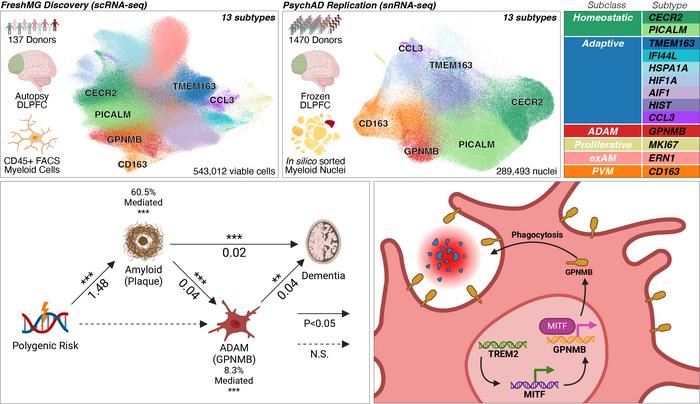
Summary: Researchers have mapped over 830,000 brain immune cells, discovering a protective subtype of microglia that expands as Alzheimer’s disease progresses. Driven by the TREM2 molecular pathway, these cells actively help clear harmful material from the brain. The findings provide a new roadmap for developing therapies focused on strengthening the brain’s natural immune defenses rather than targeting amyloid plaques alone.

Key Facts:

  • Unprecedented Scale: The study analyzed over 830,000 myeloid-origin immune cells from 1,607 donors, providing the most detailed reference to date of immune cell changes across aging and disease.
  • Protective Microglia Subtype: A specific, disease-associated subtype of microglia becomes more abundant as Alzheimer’s advances, acting to protect the brain by engulfing and clearing harmful material.
  • Crucial Molecular Pathway: The beneficial, protective effects of these immune cells rely entirely on a molecular signaling pathway involving the proteins TREM2, MITF, and GPNMB.

Source: Mount Sinai Hospital / Mount Sinai School of Medicine

The brain’s immune cells are increasingly recognized as key players in Alzheimer’s disease, but exactly how they change as the disease develops has remained unclear. Now, a groundbreaking study published in Nature Genetics provides the most comprehensive map to date of these cells.

Researchers from the Icahn School of Medicine at Mount Sinai have identified a protective subtype of brain immune cell that expands as Alzheimer’s disease progresses, uncovering the molecular pathway that enables these cells to help defend the brain. The findings offer new insights that could inform future Alzheimer’s therapies.

Led by Donghoon Lee, PhD, and Panos Roussos, MD, PhD, the team analyzed more than 830,000 myeloid-origin immune cells of the brain. This included microglia—the brain’s resident immune cells—and perivascular macrophages, which are crucial for modulating immune responses. The cells were sourced from the prefrontal cortex of 1,607 donors spanning a wide range of ages and Alzheimer’s disease pathology stages.Donghoon Lee graphical abstract.

Graphical abstract of the work. Credit Mount Sinai Health System.

By profiling brain tissue at this unprecedented scale, the team identified six subclasses comprising 13 distinct subtypes of myeloid cells, characterizing how these populations adapt during aging and disease progression.

Crucially, the researchers identified a disease-associated subtype of microglia that becomes increasingly abundant as Alzheimer’s disease advances. Rather than contributing to neurodegeneration, these cells appear to play a protective role by increasing their ability to engulf and clear harmful material from the brain.

The study further identified a molecular pathway involving the proteins TREM2, MITF, and GPNMB that is required to maintain this protective microglial state. Experiments in both human tissue and mouse models demonstrated that the beneficial effects of these cells depend strictly on TREM2 signaling.

“Our study provides the clearest picture yet of how the brain’s immune cells adapt during aging and Alzheimer’s disease,” said Donghoon Lee, PhD, Assistant Professor of Genetics and Genomic Sciences and Psychiatry at Mount Sinai, and first and corresponding author of the paper.

“By identifying the specific immune cells that appear to protect the brain—and the molecular signals they rely on—we have uncovered potential new targets for therapies aimed at slowing Alzheimer’s disease progression.”

Beyond identifying this protective microglial population, the study helps explain why genetic variants in immune-related genes such as TREM2 and APOE increase Alzheimer’s risk. Ultimately, the findings provide a roadmap for developing therapies that strengthen the brain’s natural immune defenses.

Editorial Notes:

  • This article was edited by a Neuroscience News editor.
  • Journal paper reviewed in full.
  • Additional context added by our staff.

About this Alzheimer’s disease research news

Author: Elizabeth Dowling (Media Contact)
Source: The Mount Sinai Hospital / Mount Sinai School of Medicine
Contact: Elizabeth Dowling – The Mount Sinai Hospital / Mount Sinai School of Medicine
Image: Graphical abstract credit goes to Mount Sinai Health System

Original Research: Peer-Reviewed Publication “Plasticity of human microglia and brain perivascular macrophages in aging and Alzheimer’s disease” by Donghoon Lee, Panos Roussos, et al. Nature Genetics

DOI: 10.1038/s41588-026-02716-6

Wednesday, August 12, 2026

7 Best Supplements For A Longer, Healthier Life

 Any competent? doctor will have EXACT PROTOCOLS; ANYTHING LESS IS FUCKING INCOMPETENCE!

7 Best Supplements For A Longer, Healthier Life

1. Calcium

We probably don't have to tell you twice that calcium promotes healthy bones—if your parents ever urged you to drink your milk, you've heard that one before. And Emily Fultz, owner of Fit With Food, is here to tell us again: "Research has shown that adequate calcium intake can reduce the risk of fractures, osteoporosis, and diabetes," she says. Of course, reducing these risks is one great way to live your longest life. However, no matter how often you hear about the benefits, calcium may not remain a priority in your diet, and it can be especially hard if you eat vegan or dairy-free. While you can also up your intake of fortified plant-based milks and cereals, along with leafy green vegetables, a calcium supplement is probably your best bet.

2. Vitamin D

One of the best supplements to pair alongside calcium is Vitamin D, which Futlz says "helps aid the absorption of calcium and maximizes bone health." A Vitamin D deficiency can also lead to many different health complications, and Fultz cites increased risk of dementia and stroke as two of the biggest ones. For this reason, she stresses the importance of making sure you get enough of this vitamin every day. "Aging women should meet their recommended needs [of Vitamin D] to improve brain health," she tells us. If you want to prioritize Vitamin D-rich foods, you can opt for fatty fish like salmon and mackerel, cheese, egg yolk, beef liver, and fortified foods and beverages. Adding these ingredients to your plate and taking a Vitamin D supplement (along with the other supplements on this list) will put on the right track towards a longer life.

3. Omega 3 Fatty Acids

You might want to reconsider: Are Omega-3 Supplements Actually Good for Your Brain? 

Few supplements offer as many benefits as powerful Omega-3s. As Fultz notes, "studies have shown that Omega 3's play a vital role in preventing mental health conditions, heart disease, inflammation, and other chronic diseases." There are several ways to fit healthy Omega-3 fats into your daily diet. Fish like salmon, for example, offers both EPA and DHA acids. Fultz explains that these varieties "are the most biologically active" kinds of Omega-3s. You can also find a type called ALA in plant sources like walnuts, flaxseeds, brussels sprouts, and spinach. However, to be sure you're getting enough in your diet to reap all of the life-enhancing health benefits, an Omega-3 supplement is the best way to go.

4. Probiotics

Additionally, nurse practitioner Caitlin Policastro shares that probiotics can enhance a healthy gut. She explains, "One of the best things to do to enhance gut function and eliminate toxins and infections properly is to take a good quality pro and prebiotic. This will enhance the 'good' bacteria in your gut that allows your GI system to defend itself properly."

5. Caprylic Acid

No clue on this.

Taking caprylic acid supplements is another way you can restore your gut and live a longer, healthier life. The Canada Diet reports that "it can help to support the health of your digestive system through its anti-inflammatory and anti-fungal effects." Coconut, coconut oil, and palm kernel oil are some examples of foods that are rich in caprylic acid. Good to know!

6. Magnesium

Magnesium is essential for hundreds of processes in the body, including muscle function, nerve signaling, and energy production. Research has also linked magnesium to improved sleep, reduced stress, and better blood sugar balance. Despite its importance, many adults fall short of their daily magnesium needs, making supplementation a smart option. You can also boost intake naturally with foods like almonds, spinach, pumpkin seeds, and avocados.

7. Coenzyme Q10 (CoQ10)

CoQ10 is a naturally occurring compound that helps your body produce energy at the cellular level and protects against oxidative stress. Levels of CoQ10 decline with age, which may impact heart health and energy levels. Studies suggest supplementing with CoQ10 can support cardiovascular health, reduce fatigue, and promote overall vitality. While small amounts can be found in fatty fish, organ meats, and whole grains, supplements are often the most reliable way to maintain optimal levels.

Biological aging may be slowed by this food - salmon

 I'm sure you never had salmon in the hospital, which means doctor incompetence!

 As proven by ignoring earlier research!

Biological aging may be slowed by this food

Key Points

  • Salmon provides omega-3s, protein and vitamin D, which are important nutrients for supporting healthy aging.
  • Chronic inflammation and shorter telomeres are associated with age-related diseases.
  • Grilling, canned and smoked options are easy ways to incorporate more salmon at every meal.

Age is just a number; however, biological age is a bit more involved than how many birthdays you have had. “Chronological age measures time, but biological age reflects the accumulation of cellular and molecular damage that builds up over the lifespan and gradually affects how the body functions,” explains Jennifer Pallian, RD.

“Healthy aging is not just about adding years to life,” says Pallian. “It is about maintaining strength, independence and quality of life as we get older.” Diet plays an important role in healthy aging. Eating patterns rich in nutrient-dense foods like fruits, vegetables, nuts and omega-3-rich foods contribute to a more favorable biological age. Your overall eating patterns are more important than any one food you eat, but consuming more salmon is associated with additional benefits that may influence biological factors that impact aging, like chronic inflammation, muscle mass and cognitive health. We chatted with registered dietitians and dug into the science behind why this food is so powerful.

Why Salmon Helps Biological Aging

Has Anti-Inflammatory Properties

Chronic inflammation has such an impact on biological age that it has its own name—inflammaging. Inflammaging is linked with frailty, chronic disease and even death. Omega-3 fatty acids like those found in salmon have anti-inflammatory properties and help reduce the release of pro-inflammatory cytokines. “Chronic inflammation is one of the drivers of biological aging, so foods rich in omega-3s can play an important protective role,” explains Laura Pensiero, RDN.

Oxidative stress, an imbalance of free radicals that can perpetuate chronic inflammation, increases as you get older. It can contribute to the development of conditions such as neurodegenerative diseases, arthritis, cancer and cardiovascular disease. Because omega-3 fatty acids have anti-inflammatory properties, they may help reduce oxidative stress and influence disease development. The anti-inflammatory impact of omega-3s can also be beneficial for immunity. Omega-3s are associated with reduced disease activity in certain autoimmune disorders. As you age, omega-3s may even help reduce inflammation in the retina, which could help slow or prevent age-related macular degeneration.

Researchers have also explored whether omega-3 fatty acids can help protect telomeres. “Some epidemiological studies have found that higher blood levels of omega-3s are associated with slower telomere shortening. Since altered telomere biology has been linked with age-related conditions such as cardiovascular disease, type 2 diabetes and neurodegenerative diseases, omega-3s have become a focus of interest in aging research,” adds Pallian.

Supports Brain Health

As you age, changes occur in the brain that can impact memory and cognitive function. Healthy lifestyle habits, like staying active and following a Mediterranean-style diet, can help keep your brain sharp and lower your risk of developing Alzheimer’s disease. But a form of omega-3s found in salmon, called DHA (docosahexaenoic acid), can be particularly helpful for supporting brain health. “In the brain, DHA is a major structural fatty acid in neural membranes, yet brain DHA levels tend to decline with age. Lower omega-3 status has been linked with a higher risk of cognitive decline, while higher omega-3 levels have been associated with reduced risk of dementia in observational studies,” says Pallian.

Helps Maintain Muscle and Bone Health

Salmon is often touted for its healthy fats, but it’s also a protein powerhouse, providing 21 grams in just one 3-ounce portion. “Protein plays an important role in healthy aging by helping preserve muscle mass and strength, which naturally decline with age,” shares Jacqueline Gomes, RD, M.B.A. “Adequate protein intake helps prevent sarcopenia (age-related muscle loss) and also supports immune function, tissue repair and metabolic health, including insulin sensitivity.”

Prioritizing getting enough protein as you age is crucial because it helps to maintain skeletal muscle, which in turn keeps our bones strong. Sarcopenia, the loss of muscle mass in older adults, is associated with increased fracture risk and low bone mineral density. Frail bones can threaten health and quality of life, leading to osteoporosis and limited mobility.

Delivers Vitamin D

In addition to its protein and omega-3 content, “Salmon is also one of the best natural food sources of vitamin D, which supports bone health, immune function and muscle strength—areas that become increasingly important with aging,” shares Pensiero.

Vitamin D helps keep bones and muscles strong and may help reduce your risk of other age-related chronic conditions. “The active form of vitamin D binds to receptors in muscle tissue and helps stimulate protein synthesis and muscle growth. This is particularly relevant during aging because vitamin D receptor expression in muscle declines over time, contributing to age-related loss of muscle mass and function,” adds Pallian. She shares that vitamin D supports aging because it’s linked with longer telomeres, which help protect our cells and prevent damage to chromosomes. Short telomeres are linked with age-related diseases such as heart disease and dementia.

How to Enjoy More Salmon

There are so many delicious ways to eat more salmon. Gomes enjoys it pan-seared, poached, chilled, in a salad and with a garlicky mustard topping. Here are some other ideas to get more salmon in your diet.

  • Enjoy it for breakfast. For an omega-3 boost in the morning, top a whole-grain English muffin or bagel with a little bit of cream cheese, smoked salmon, capers and thinly sliced red onion.
  • Open up a can. Canned salmon provides an often-overlooked, inexpensive way to get all the same nutrients in. Pallian recommends making salmon patties with canned salmon. “They cook up crispy on the outside while staying tender inside, and come together in just minutes. I like serving them with lemon wedges and a fresh salad for an easy weeknight dinner.”
  • Throw it on the grill. Pensiero likes grilling her salmon for a simple meal. “I love it grilled with olive oil and lemon,” she says, adding that she appreciates how easy it is to use in different ways, too, like roasted in the oven or served over grain bowls.

Our Expert Take

One food alone won’t slow down biological aging, but including salmon as part of an overall healthy diet and lifestyle can help you slow down your biological age and feel good as you get older, thanks to its omega-3 fatty acids, protein and vitamin D. These nutrients play a role in a variety of conditions that impact aging, such as oxidative stress, brain, bone and muscle health. Salmon is a delicious and versatile food that can be enjoyed any time of day as a part of a nutrient-dense meal or snack.

Read the original article on EatingWell

I'm a Longevity Researcher. These 5 Common Habits Are Hurting Your Long-Term Health

 What is your competent? doctors EXACT PLAN to get you to be a super ager? Doesn't have one; PURE INCOMPETENCE! Fire them! These are just guidelines, you want EXACT PROTOCOLS that guarantee longevity!

I'm a Longevity Researcher. These 5 Common Habits Are Hurting Your Long-Term Health

There's no "secret" to longevity, but there are lifestyle habits that can increase the odds you live a longer, healthier life. What we eat, how we move, and even the way we socialize can all impact our health as we age.

Longevity isn't just about staying alive for as long as possible. Experts are increasingly focused on "healthspan," or the number of years spent living in good health.

Research shows about 80% of adults over 65 in the U.S. are living with two or more chronic conditions, such as cardiovascular disease, Type 2 diabetes and cancer.

So the real goal of interventions should be to increase how long we live healthfully, Emily Johnston, Ph.D., a research professor at NYU Langone specializing in healthy aging, tells TODAY.com.

Fortunately, there are everyday choices we can make to extend our healthspan well into the golden years.

And it's never too early or late to start building healthy aging habits, cardiologist and longevity scientist Dr. Eric Topol told TODAY.com previously. These include strength training, eating a nutritious diet and managing stress.

to avoid and what to do instead to promote healthy aging.

Sitting Still for Too Long

Daily movement is one of the most important habits to protect our physical and mental health as we age, according to Johnston.

As we get older, we tend to spend more time sitting around. If you already work a desk job or spend your free time "bed rotting," the hours add up.

A sedentary lifestyle has long been associated with health issues, from back pain and "dead butt" syndrome to obesity and inflammation. It can increase the risk of heart disease, hypertension, high cholesterol, cancer and premature death.

If you find yourself sitting for long periods, try to get up every hour or so to move your body. Work manageable bits of physical activity into your routine when you can, like taking the stairs, walking to work, cleaning dishes or doing laundry.

“In terms of physical activity, many people associate that with being in the gym or the treadmill. But it could be walking. It could be dancing,” Johnston says.

Most adults should aim to get 150 minutes of moderate aerobic activity per week, strength train two to three times per week, and stretch for 5-10 minutes per day, TODAY.com reported previously.

Eating Ultraprocessed Meats Regularly

A diet rich in plant foods like fruits, vegetables and whole grains (i.e. the Mediterranean diet) is one of the best eating patterns for healthy aging, research shows. What you don’t eat also matters.

If you want to extend your healthspan, eating less ultraprocessed food is a great start, says Johnston. Some ultraprocessed foods are worse for health than others.

“Try to have very limited, if ever, processed meats,” says Johnston.

This includes sausages, hot dogs, bacon and canned meats. These have been significantly modified using industrial ingredients and often contain high amounts of sodium, saturated fats and preservatives, Johnston says. Eating these regularly is linked with an increased risk of heart diabetes and heart disease.

The World Health Organization considers processed meats a group 1 carcinogen, meaning there is sufficient evidence that they can cause cancer, namely colorectal cancer.

If you love processed meat products, consider healthier substitutes, like lean cuts of beef, chicken or seafood.

“I know some people really love hot dogs, for example. I’ll tell them (to) have one at a baseball game, one on your birthday, but try to limit it to that at the most,” says Johnston.

Isolating Yourself Too Much

As people age, they tend to spend more time alone — and sure, being alone isn’t always lonely. But humans are social animals.

Spending too much time alone can increase the risk of social isolation and loneliness, which are associated with depression, cognitive decline, heart disease, early death and more, according to the National Institutes of Health.

"The importance of keeping a social circle and being involved in your community, you really can’t overstate the benefits" for healthy aging, Johnston says. In addition to promoting mental fitness, staying connected can help reduce stress and foster a sense of purpose.

While connecting with people online is convenient, Johnston recommends spending face-to-face time with friends, family, colleagues or neighbors when possible.

Ignoring Sleep Problems

Our sleep patterns change as we age. Many people find it becomes harder to fall or stay asleep as they get older, per the NIH.

Sleep problems like snoring, restless leg syndrome and sleep apnea also become more common as we get older, and they often go untreated, which can seriously impact long-term health, says Johnston.

“Some people don’t either recognize that they have them, or they perhaps don’t bring it up to their physician because they don’t think that it’s a medical issue," Johnston adds.

But being a "bad sleeper" isn't a personality trait.

Over time, sleep disorders can significantly decrease sleep quality, increaing the risk of heart disease, stroke and dementia.

If you can't fall or stay asleep, snore excessively, wake up gasping for air or experience severe daytime sleepiness, don't ignore it.

“Prioritize speaking with your physician and trying to get those managed,” says Johnston. You may be eligible for a sleep study, which can help diagnose the underlying problem so you can work toward sleeping the recommended seven to nine hours.

Skipping Routine Doctors' Visits

Most age-related chronic conditions don't happen overnight. They slowly develop over many years — sometimes without obvious symptoms.

When caught early, they're often more treatable, and you can prevent a smoldering health issue from developing into a serious or deadly disease.

That's why it's crucial get annual physicals and routine screenings, and to have honest conversations with your doctor, Johnston notes. However, millions Americans do not take advantage of preventive care services, research shows.

Getting a picture of your health status can allow you to take proactive measures, from monitoring your blood pressure to starting a cholesterol medication or drinking less alcohol.

Even if you're just struggling to make healthy lifestyle changes, a physician can help tailor your approach, Johnston explains.

"If you have any condition that limits your availability to do these things — sleep well, manage stress, move more, eat well — speak to your doctor," Johnston adds.

This article was originally published on TODAY.com