Changing stroke rehab and research worldwide now.Time is Brain! trillions and trillions of neurons that DIE each day because there are NO effective hyperacute therapies besides tPA(only 12% effective). I have 523 posts on hyperacute therapy, enough for researchers to spend decades proving them out. These are my personal ideas and blog on stroke rehabilitation and stroke research. Do not attempt any of these without checking with your medical provider. Unless you join me in agitating, when you need these therapies they won't be there.

What this blog is for:

My blog is not to help survivors recover, it is to have the 10 million yearly stroke survivors light fires underneath their doctors, stroke hospitals and stroke researchers to get stroke solved. 100% recovery. The stroke medical world is completely failing at that goal, they don't even have it as a goal. Shortly after getting out of the hospital and getting NO information on the process or protocols of stroke rehabilitation and recovery I started searching on the internet and found that no other survivor received useful information. This is an attempt to cover all stroke rehabilitation information that should be readily available to survivors so they can talk with informed knowledge to their medical staff. It lays out what needs to be done to get stroke survivors closer to 100% recovery. It's quite disgusting that this information is not available from every stroke association and doctors group.

Showing posts with label probiotics. Show all posts

Wednesday, August 12, 2026

7 Best Supplements For A Longer, Healthier Life

 Any competent? doctor will have EXACT PROTOCOLS; ANYTHING LESS IS FUCKING INCOMPETENCE!

7 Best Supplements For A Longer, Healthier Life

1. Calcium

We probably don't have to tell you twice that calcium promotes healthy bones—if your parents ever urged you to drink your milk, you've heard that one before. And Emily Fultz, owner of Fit With Food, is here to tell us again: "Research has shown that adequate calcium intake can reduce the risk of fractures, osteoporosis, and diabetes," she says. Of course, reducing these risks is one great way to live your longest life. However, no matter how often you hear about the benefits, calcium may not remain a priority in your diet, and it can be especially hard if you eat vegan or dairy-free. While you can also up your intake of fortified plant-based milks and cereals, along with leafy green vegetables, a calcium supplement is probably your best bet.

2. Vitamin D

One of the best supplements to pair alongside calcium is Vitamin D, which Futlz says "helps aid the absorption of calcium and maximizes bone health." A Vitamin D deficiency can also lead to many different health complications, and Fultz cites increased risk of dementia and stroke as two of the biggest ones. For this reason, she stresses the importance of making sure you get enough of this vitamin every day. "Aging women should meet their recommended needs [of Vitamin D] to improve brain health," she tells us. If you want to prioritize Vitamin D-rich foods, you can opt for fatty fish like salmon and mackerel, cheese, egg yolk, beef liver, and fortified foods and beverages. Adding these ingredients to your plate and taking a Vitamin D supplement (along with the other supplements on this list) will put on the right track towards a longer life.

3. Omega 3 Fatty Acids

You might want to reconsider: Are Omega-3 Supplements Actually Good for Your Brain? 

Few supplements offer as many benefits as powerful Omega-3s. As Fultz notes, "studies have shown that Omega 3's play a vital role in preventing mental health conditions, heart disease, inflammation, and other chronic diseases." There are several ways to fit healthy Omega-3 fats into your daily diet. Fish like salmon, for example, offers both EPA and DHA acids. Fultz explains that these varieties "are the most biologically active" kinds of Omega-3s. You can also find a type called ALA in plant sources like walnuts, flaxseeds, brussels sprouts, and spinach. However, to be sure you're getting enough in your diet to reap all of the life-enhancing health benefits, an Omega-3 supplement is the best way to go.

4. Probiotics

Additionally, nurse practitioner Caitlin Policastro shares that probiotics can enhance a healthy gut. She explains, "One of the best things to do to enhance gut function and eliminate toxins and infections properly is to take a good quality pro and prebiotic. This will enhance the 'good' bacteria in your gut that allows your GI system to defend itself properly."

5. Caprylic Acid

No clue on this.

Taking caprylic acid supplements is another way you can restore your gut and live a longer, healthier life. The Canada Diet reports that "it can help to support the health of your digestive system through its anti-inflammatory and anti-fungal effects." Coconut, coconut oil, and palm kernel oil are some examples of foods that are rich in caprylic acid. Good to know!

6. Magnesium

Magnesium is essential for hundreds of processes in the body, including muscle function, nerve signaling, and energy production. Research has also linked magnesium to improved sleep, reduced stress, and better blood sugar balance. Despite its importance, many adults fall short of their daily magnesium needs, making supplementation a smart option. You can also boost intake naturally with foods like almonds, spinach, pumpkin seeds, and avocados.

7. Coenzyme Q10 (CoQ10)

CoQ10 is a naturally occurring compound that helps your body produce energy at the cellular level and protects against oxidative stress. Levels of CoQ10 decline with age, which may impact heart health and energy levels. Studies suggest supplementing with CoQ10 can support cardiovascular health, reduce fatigue, and promote overall vitality. While small amounts can be found in fatty fish, organ meats, and whole grains, supplements are often the most reliable way to maintain optimal levels.

Saturday, July 11, 2026

This Probiotic Combination Was Linked To Better Mood & Higher BDNF Levels by mindbodygreen

 Of course your competent? doctor already has EXACT PROTOCOLS that deliver all the BDNF you need. And has been for over a decade, right? But your doctor incompetently knew nothing and did nothing, right? Which means your board of directors is so incompetent they can't recognize incompetence in their staff!

  • BDNF (208 posts to April 2011)

This Probiotic Combination Was Linked To Better Mood & Higher BDNF Levels

Monday, July 6, 2026

This supplement may have bonus benefits for your brain, new study says

 Ask your competent? doctor for an EXACT PRESCRIPTION FOR THIS! Can't do that; PURE INCOMPETENCE! And your board of directors is so fucking incompetent, they don't know how to run a hospital!

This supplement may have bonus benefits for your brain, new study says

As it turns out, your probiotic could pack a bigger punch than you realize.

Reviewed by Dietitian Madeline Peck, RDN, CDN

Key Points

  • Probiotics were linked to modest improvements in depressive symptoms in adults.
  • Benefits were strongest when probiotics were used alongside antidepressants.
  • Probiotics did not significantly reduce inflammation markers tied to depression.

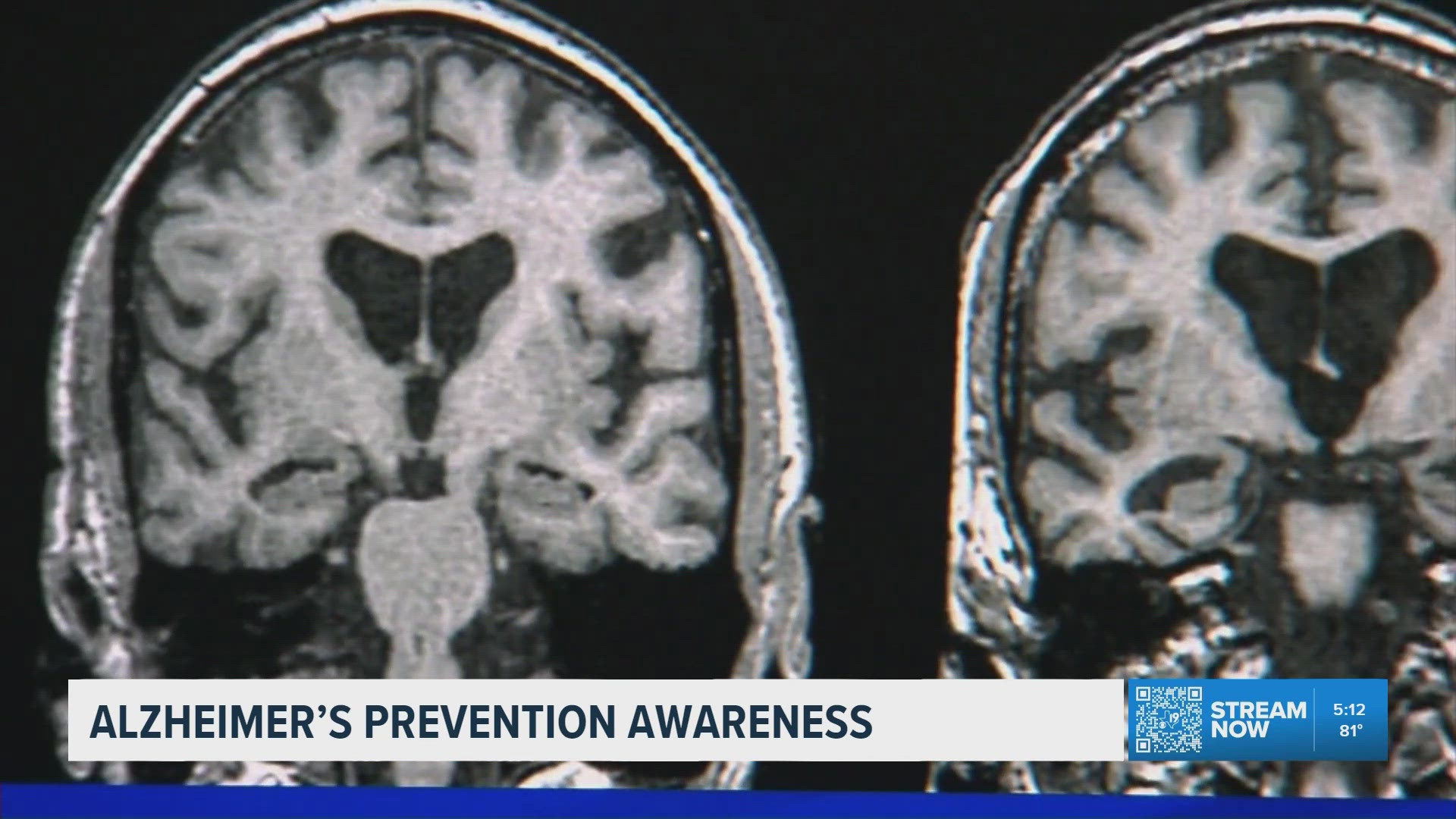
If you're one of the millions of people who take a daily probiotic for digestive health, you may be getting an unexpected bonus: support for your mental health. The gut-brain connection has been a hot topic in health research, and scientists are increasingly finding that the trillions of microorganisms living in your digestive tract do far more than help you break down food. They may also influence your mood.

Depression affects more than 280 million people worldwide, according to the World Health Organization, making it one of the leading causes of disability globally. While conventional treatments like therapy and medication remain the cornerstone of depression care, researchers have been exploring complementary approaches that could enhance treatment outcomes. One promising avenue: targeting the gut microbiome with probiotics.

Your gut microbiota communicates with your brain through what scientists call the gut-brain axis—a bidirectional communication system involving the vagus nerve, immune signaling and the production of neurotransmitters like serotonin. In fact, about 95% of your body's serotonin is produced in the gut. When the balance of gut bacteria is disrupted, it may contribute to mood disorders. Research has shown that people with depression often have less diversity in their gut microbiota compared to those without depression.

To better understand whether probiotics could help manage depressive symptoms, researchers from Spain recently conducted a systematic review and meta-analysis, pooling data from multiple clinical trials. Their findings, published in Clinical Nutrition, offer encouraging news for anyone curious about the mood-boosting potential of these beneficial bacteria.

How Was This Study Conducted?

To investigate the connection between probiotics and depression, researchers combed through multiple scientific databases looking for randomized controlled trials—the gold standard in clinical research. They specifically sought studies that examined probiotic supplements containing Lactobacillus and Bifidobacterium strains in adults diagnosed with depression.

After screening nearly 1,500 articles and applying strict eligibility criteria, the researchers included 13 studies in their systematic review and seven studies in the meta-analysis. In total, 938 participants were involved across all the studies, with the majority (62%) having been diagnosed with major depressive disorder. The remaining participants had other forms of depressive disorders.

The probiotic interventions lasted an average of about 6.5 weeks, ranging from 28 days to eight weeks. The supplements came in various forms, including capsules, powders, fermented milk and tablets. The researchers measured changes in depressive symptoms using validated clinical scales and also looked at inflammatory markers in the blood—specifically interleukin-6 (IL-6) and tumor necrosis factor-alpha (TNF-α)—since inflammation has been linked to depression.

What Did the Study Find?

Probiotic supplementation was significantly associated with improvements in depressive symptoms. Of the 13 studies reviewed, seven found that probiotics containing Lactobacillus and Bifidobacterium strains improved depression in patients with the condition.

Interestingly, several studies found that probiotics worked particularly well when used alongside conventional treatments. For example, one study found significant improvements in women with depression who were already taking selective serotonin reuptake inhibitors (SSRIs)—a common class of antidepressants. This suggests that probiotics may be most effective as an add-on therapy rather than a standalone treatment.

However, the news was not all positive. When researchers looked at inflammatory markers, they did not find significant changes. Neither IL-6 nor TNF-α levels decreased meaningfully with probiotic supplementation. This was somewhat surprising, given that inflammation is thought to be one pathway through which gut bacteria might influence mood. The researchers suggest that the effects of probiotics on inflammation may depend on factors like the specific strains used and an individual's baseline inflammatory status.

There are some limitations to keep in mind. The studies varied in the probiotic strains, dosages and treatment durations used, which makes direct comparisons tricky. Most studies also had relatively small sample sizes, and about 60% of participants were taking antidepressants, which may have influenced the results. Additionally, the researchers couldn't determine which specific probiotic strains were most effective for depression.

How Does This Apply to Real Life?

While this research is promising, it's important to understand what it means for your daily life. Probiotics appear to be a safe and potentially beneficial addition to depression management, but they're not a replacement for proven treatments like therapy and medication. If you're experiencing symptoms of depression, working with a mental health professional should be your first step.

That said, if you're interested in supporting both your gut and mental health, here are some practical steps to consider:

  • Look for supplements with specific strains. Some of the probiotics most studied for mood benefits include Lactobacillus acidophilus, Lactobacillus casei, Lactobacillus helveticus, Bifidobacterium longum and Bifidobacterium bifidum. Check the label to see which strains are included.
  • Give it time. In the studies reviewed, people took probiotics for at least four weeks before seeing benefits. Consistency matters, so don't expect overnight results.
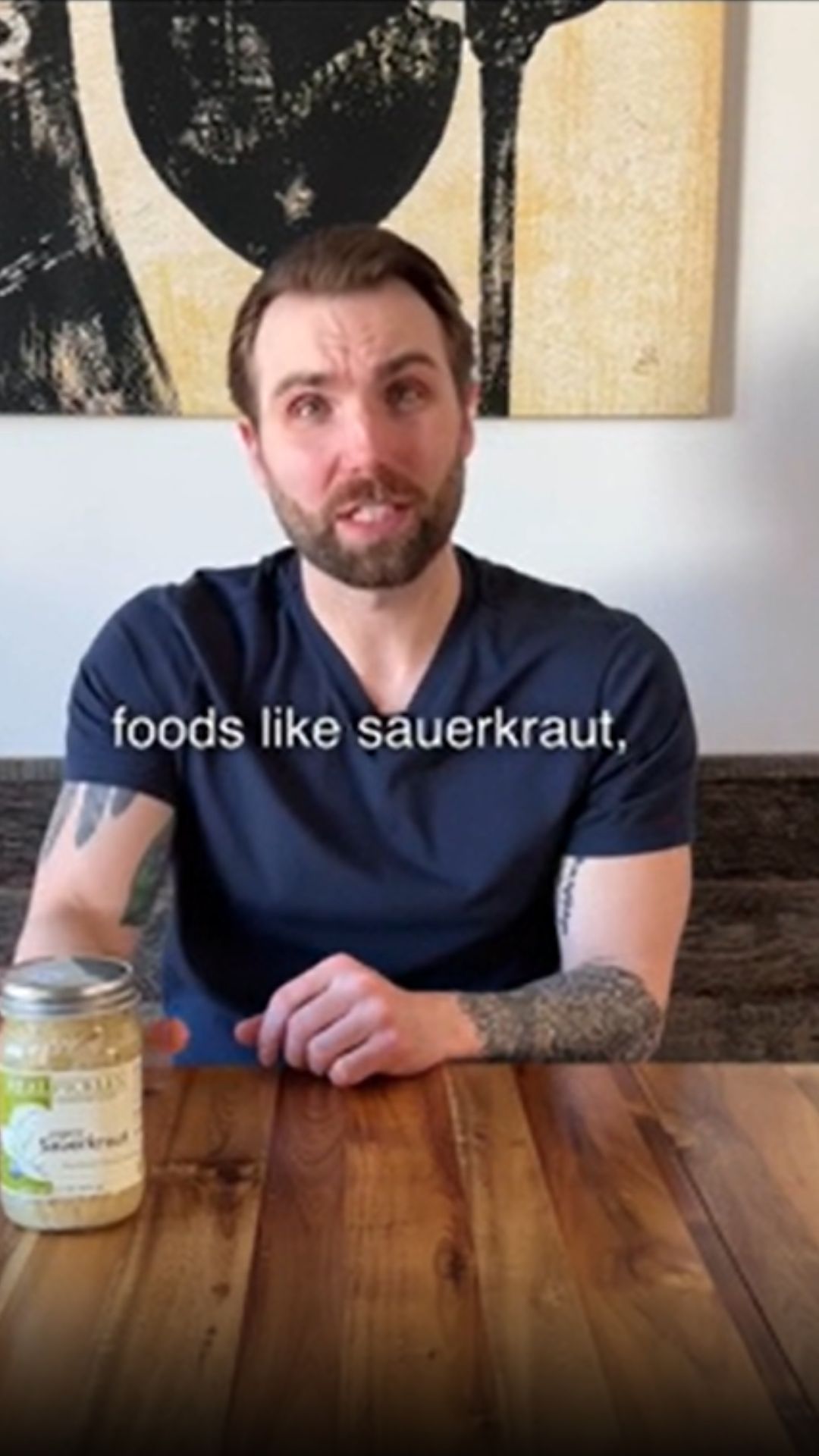
  • Support your gut with food too. Fermented foods like yogurt, kefir, sauerkraut, kimchi and kombucha naturally contain probiotics. Prebiotic foods like garlic, onions, bananas and oats feed the beneficial bacteria already in your gut.
  • Talk to a healthcare provider. If you're considering adding probiotics to your routine—especially if you're managing depression—discuss it with your health care provider. They can help you determine whether it's appropriate for your situation.
  • Do not stop your current treatment. If you're taking medication or attending therapy for depression, continue with your prescribed treatment plan. Probiotics should be viewed as a potential complement, not a substitute.

Our Expert Take

A new meta-analysis published in Clinical Nutrition suggests that probiotic supplements—particularly those containing Lactobacillus and Bifidobacterium strains—may help alleviate depressive symptoms. While the research is promising, probiotics didn't significantly impact inflammatory markers, and more studies are needed to understand exactly how they influence mood. For now, probiotics appear to be a safe, low-risk option that may provide added benefits when used alongside conventional depression treatments. If you're interested in exploring probiotics for mood support, talk to your health care provider about whether they're right for you.

Read the original article on EatingWell

Monday, June 29, 2026

The effect of probiotic supplements on cognitive outcomes and neuroplasticity in elderly ischemic stroke survivors

 How soon will your competent? doctor and dietician update your diet protocols? Oh NO, you don't have any, do you?

The effect of probiotic supplements on cognitive outcomes and neuroplasticity in elderly ischemic stroke survivors


  • 1. Department of Neurology, The Second Affiliated Hospital of Shantou University Medical College, Shantou, Guangdong, China

  • 2. Department of General Affairs, The Second Affiliated Hospital of Shantou University Medical College, Shantou, Guangdong, China

Abstract

Background: 

This retrospective cohort study investigates the effects of probiotic supplementation on the nutritional, cognitive, and motor functions of elderly survivors recovering from ischemic stroke. Given the high prevalence of nutritional deficits and cognitive impairments in this population, exploring adjunct therapies such as probiotics could provide improved outcomes.

Methods: 

The study included 223 elderly ischemic stroke survivors treated between March 2021 and February 2024, divided into two groups based on treatment modalities: the Conventional Group (n = 117) receiving standard enteral nutrition, and the Supplement Group (n = 106) receiving similar nutrition plus probiotics. Data collected included NIH Stroke Scale (NIHSS), nutritional indicators, cognitive assessments (MMSE, HDS, CDR, SES), and motor evaluations (STREAM, mRS, MBI).

Results: 

Baseline comparisons showed no significant differences between groups. Post-treatment outcomes demonstrated significant improvements in the Supplement Group across several measures. Neurotrophic and nutritional parameters, including BDNF, hemoglobin, albumin, and prealbumin levels, significantly increased (p ≤ 0.011). Cognitive function also improved, with higher MMSE and HDS scores and reduced CDR scores (p < 0.003). Motor function, evaluated by STREAM, showed enhanced upper and lower limb mobility and basic activities (p ≤ 0.014). Further, participants in the Supplement Group experienced better functional recovery with decreased mRS scores and increased MBI scores (p < 0.004). The incidence of gastrointestinal adverse events was significantly reduced in the Supplement Group (p < 0.001), and correlation analysis underscored positive associations between probiotics and improved outcomes (p ≤ 0.003).

Conclusion: 

Probiotic supplementation as part of nutritional therapy significantly enhances nutritional, cognitive, and motor function recovery in elderly ischemic stroke survivors, while also reducing gastrointestinal adverse events. These findings suggest that incorporating probiotics into recovery protocols post-stroke may facilitate better health outcomes and provide a well-tolerated therapeutic adjunct.


More at link.

Wednesday, June 3, 2026

This Food Is A Probiotic Powerhouse & It's Hiding In Your Cheese Drawer by mindbodygreen

 I highly doubt your competent? doctor has enough pull or brains to get artisan cheese into your food supply.

This Food Is A Probiotic Powerhouse & It's Hiding In Your Cheese Drawer

The effect of probiotic supplements on cognitive outcomes and neuroplasticity in elderly ischemic stroke survivors


 Is your doctor competent enough to get the dietician to incorporate these into the diet protocol at the hospital and your take home diet protocol ? NO? So, your doctor failed at that task! What are YOU going to do about that incompetence? Let it pass? Or pay it forward and get someone competent in the hospital for the next stroke survivor?

The effect of probiotic supplements on cognitive outcomes and neuroplasticity in elderly ischemic stroke survivors


  • Second Affiliated Hospital of Shantou University Medical College, Shantou, China

The final, formatted version of the article will be published soon.

    Abstract

    Background: 

    This retrospective cohort study investigates the effects of probiotic supplementation on the nutritional, cognitive, and motor functions of elderly survivors recovering from ischemic stroke. Given the high prevalence of nutritional deficits and cognitive impairments in this population, exploring adjunct therapies such as probiotics could provide improved outcomes. 

    Methods: 

    The study included 223 elderly ischemic stroke survivors treated between March 2021 and February 2024, divided into two groups based on treatment modalities: the Conventional Group (n = 117) receiving standard enteral nutrition, and the Supplement Group (n = 106) receiving similar nutrition plus probiotics. Data collected included NIH Stroke Scale (NIHSS), nutritional indicators, cognitive assessments (MMSE, HDS, CDR, SES), and motor evaluations (STREAM, mRS, MBI). 

    Results: 

    Baseline comparisons showed no significant differences between groups. Post-treatment outcomes demonstrated significant improvements in the Supplement Group across several measures. Neurotrophic and nutritional parameters, including BDNF, hemoglobin, albumin, and prealbumin levels, significantly increased (P ≤ 0.011). Cognitive function also improved, with higher MMSE and HDS scores and reduced CDR scores (P < 0.003). Motor function, evaluated by STREAM, showed enhanced upper and lower limb mobility and basic activities (P ≤0.014). Further, participants in the Supplement Group experienced better functional recovery with decreased mRS scores and increased MBI scores (P < 0.004). The incidence of gastrointestinal adverse events was significantly reduced in the Supplement Group (P < 0.001), and correlation analysis underscored positive associations between probiotics and improved outcomes (P ≤0.003). 

    Conclusion: Probiotic supplementation as part of nutritional therapy significantly enhances nutritional, cognitive, and motor function recovery in elderly ischemic stroke survivors, while also reducing gastrointestinal adverse events. These findings suggest that incorporating probiotics into recovery protocols post-stroke may facilitate better health outcomes and provide a well-tolerated therapeutic adjunct.