Showing posts with label garlic. Show all posts
Showing posts with label garlic. Show all posts
Wednesday, December 10, 2025


Wednesday, August 7, 2024
Garlic as a potent weapon against atherosclerosis
You'll have to ask your competent? doctor the amounts for this. You do have a functioning doctor don't you?
But then your competent? doctor has been prescribing garlic for over ten years now, right?
Garlic intake is an independent predictor of endothelial function in patients with ischemic stroke April 2013
The latest here:
Garlic as a potent weapon against atherosclerosis

In a recent study published in the journal Frontiers in Pharmacology, researchers in China identified and analyzed garlic's active components and their targets in atherosclerosis while investigating the underlying pharmacological mechanisms. They found that garlic lowers the expression of ferroptosis-related genes, indicating its potential application in treating atherosclerosis by regulating ferroptosis and reducing lipid peroxidation.
 Study: Garlic
ameliorates atherosclerosis by regulating ferroptosis pathway: an
integrated strategy of network pharmacology, bioinformatic and
experimental verification. Image Credit: greanggrai hommalai / Shutterstock
Study: Garlic
ameliorates atherosclerosis by regulating ferroptosis pathway: an
integrated strategy of network pharmacology, bioinformatic and
experimental verification. Image Credit: greanggrai hommalai / Shutterstock
Background
Atherosclerosis is a leading cause of cardiovascular diseases (CVDs) like ischemic heart disease and stroke, with abnormal carotid intimal thickening affecting over a billion people globally. The disease stems from lipid metabolism disorders, leading to plaque formation and potential artery occlusion due to plaque rupture. Emerging evidence sheds light on the role of ferroptosis, a form of regulated cell death linked to lipid peroxidation, in atherosclerosis and other CVDs. While lipid-lowering drugs exist, they carry risks like liver and kidney damage, emphasizing the need for safer treatments.
Garlic, a widely used herbal supplement, is noted for its cardiovascular benefits, particularly in reducing oxidative stress and inflammation, which are critical in atherosclerosis. Its active components, such as allicin, may inhibit lipid peroxidation and ferroptosis. Despite its known benefits, the precise mechanisms of garlic's effects on atherosclerosis remain unclear. Network pharmacology and molecular docking analyses can be employed to investigate garlic's multi-target mechanisms, aiming to develop new, effective drugs for atherosclerosis prevention and treatment. In the present study, researchers investigated the mechanisms by which garlic improves atherosclerosis using a combination of network pharmacology, bioinformatics, molecular docking, and experimental validation.
About the study
The primary pharmacological targets and active components of garlic, together called the garlic-associated drug targets, were obtained from three databases: Traditional Chinese Medicine Systems Pharmacology Database (TCMSP), Traditional Chinese Medicine Information Database (TCM-ID), and Encyclopedia of Traditional Chinese Medicine (ETCM). Potential atherosclerosis gene targets were obtained from the following databases: DisGeNET, GeneCards, and DiGSeE. An intersection analysis of these data was performed to identify potential target genes of garlic for treating atherosclerosis. Gene Ontology (GO) and Kyoto Encyclopedia of Genes and Genomes (KEGG) pathway enrichment analyses of these genes were performed. An interaction network was created among garlic components, therapeutic targets, and major signaling pathways. Gene expression differences in arteries between healthy individuals and those with atherosclerosis were analyzed using various databases. Additionally, molecular docking of garlic's active components with key genes was performed.
Experimental verification involved cell experiments with mouse cells for cytotoxicity, biochemical assays, Oil red O staining, and Western blotting. Reverse transcription-quantitative polymerase chain reaction (RT-qPCR) was conducted to measure gene expression levels. Further, mouse models were divided into four groups: sham operation group, model group, allicin treatment group, and negative control group. Biochemical assays were performed on serum samples, and histological changes were observed.
Results and discussion
A total of 16 active garlic components and 503 potential targets were identified. Additionally, 3,033 key targets for atherosclerosis were found. By intersecting garlic's targets with atherosclerosis targets, 230 potential therapeutic targets were identified. Pathway enrichment analyses revealed 2017 biological processes, 78 cellular components, and 200 molecular functions. Significant processes included response to oxidative stress and inflammation. Potential targets were found to be enriched in lipid metabolism and atherosclerosis pathways.
Molecular docking studies demonstrated that garlic components like sobrol A, benzaldoxime, allicin, and (+)-L-alliin interact strongly with ferroptosis-related proteins such as GPX4 (glutathione peroxidase), DPP4 (dipeptidyl peptidase 4), and ALOX5 (arachidonate 5-lipoxygenase). In animal models, specifically, apolipoprotein E knockout and C57BL/6 mice, allicin was shown to significantly reduce plaque formation and lipid deposition in the carotid artery. Allicin was also found to improve lipid profiles, given by the lower concentrations of low-density lipoprotein cholesterol (LDL-C), total cholesterol, and triglycerides in the treated group as compared to the untreated group. Allicin was found to mitigate lipid peroxidation and iron death, as shown by reduced levels of malondialdehyde and increased GPX4 in the serum.
In in vitro experiments, Allicin was found to decrease oxidative damage caused by ox-LDL. The protein expression of ferroptosis-related genes DPP4 and ALOX5 was found to reduce with allicin treatment, while GPX4 expression was found to increase. Additionally, allicin was found to lower ALOX5 messenger ribonucleic acid (mRNA) levels and increased GPX4 mRNA levels compared to the ox-LDL group. These findings suggest that garlic, especially allicin, may improve atherosclerosis by regulating ferroptosis, highlighting its potential therapeutic value in CVD management.
Conclusion
In conclusion, the study highlights the potential of garlic and its active compounds, such as sobrol A, allicin, (+)-L-alliin, and benzaldoxime, in treating atherosclerosis by targeting ferroptosis-related mechanisms. The specific gene targets identified in the study provide a basis for designing targeted therapies that could enhance treatment outcomes in the future. The findings warrant further research into garlic-based therapies, which could potentially lead to more effective, natural treatment options for CVDs.
Journal reference:
- Garlic ameliorates atherosclerosis by regulating ferroptosis pathway: an integrated strategy of network pharmacology, bioinformatic and experimental verification. Gao T. et al., Frontiers in Pharmacology, 15 (2024), DOI: 10.3389/fphar.2024.1388540, https://www.frontiersin.org/journals/pharmacology/articles/10.3389/fphar.2024.1388540/full
Thursday, December 21, 2023
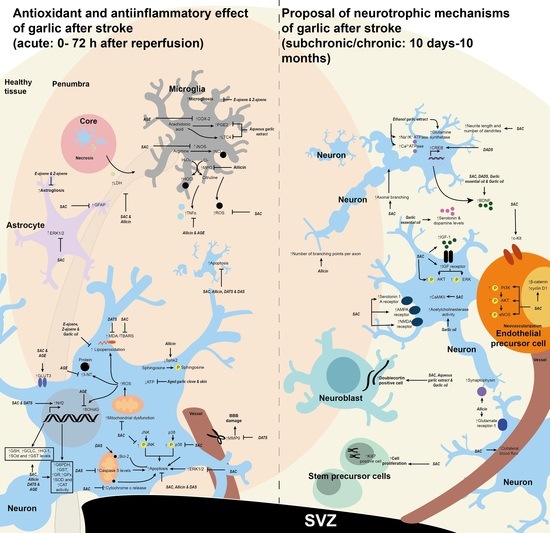
Antioxidant and Anti-Inflammatory Effects of Garlic in Ischemic Stroke: Proposal of a New Mechanism of Protection through Regulation of Neuroplasticity
You'll have to ask your competent doctor the amounts for this. You do have a competent doctor don't you?
But then your competent doctor has been prescribing garlic for over ten years now, right?
Garlic intake is an independent predictor of endothelial function in patients with ischemic stroke April 2013
The latest here:
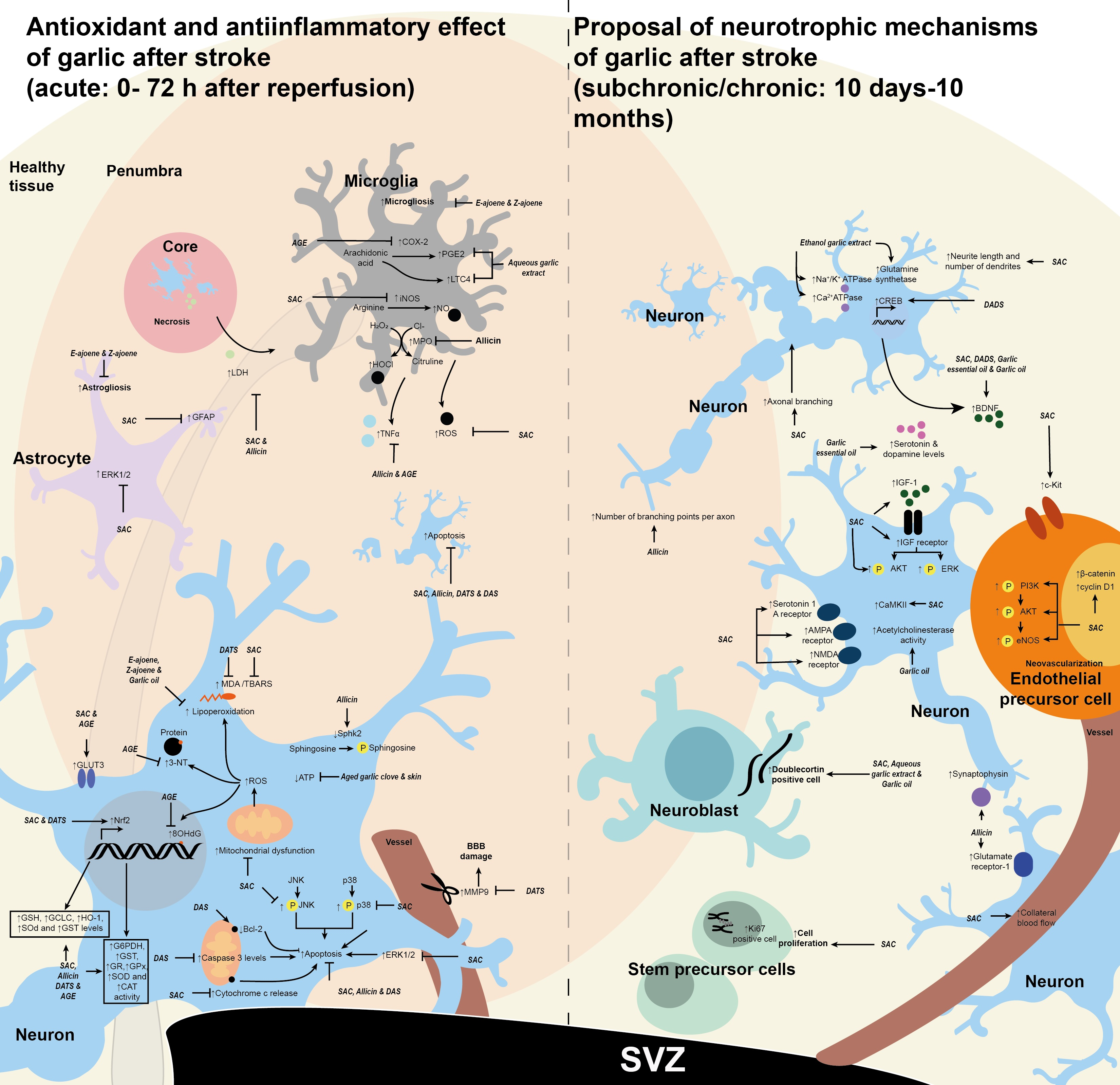
Antioxidant and Anti-Inflammatory Effects of Garlic in Ischemic Stroke: Proposal of a New Mechanism of Protection through Regulation of Neuroplasticity
2, 2,3 , 1,4, 1 and 1,2,*
 , 1,4, 1 and 1,2,*
1
Departamento de Farmacología, Facultad de Medicina, Universidad Nacional Autónoma de México, Mexico City 04510, Mexico
2
Laboratorio de Patología Vascular
Cerebral, Instituto Nacional de Neurología y Neurocirugía Manuel Velasco
Suárez, Mexico City 14269, Mexico
3
Servicio de Cirugía General, Hospital General de Zona #30, Instituto Mexicano del Seguro Social, Mexico City 08300, Mexico
4
Departamento Cirugía General, Hospital Central Militar, Mexico City 11600, Mexico
*
Author to whom correspondence should be addressed.
Antioxidants 2023, 12(12), 2126; https://doi.org/10.3390/antiox12122126
Submission received: 26 October 2023
/
Revised: 2 December 2023
/
Accepted: 14 December 2023
/
Published: 16 December 2023
(This article belongs to the Special Issue Oxidative Stress and Pathophysiology of Stroke)
Abstract
Stroke represents one of the main causes of death
and disability in the world; despite this, pharmacological therapies
against stroke remain insufficient. Ischemic stroke is the leading
etiology of stroke. Different molecular mechanisms, such as
excitotoxicity, oxidative stress, and inflammation, participate in cell
death and tissue damage. At a preclinical level, different garlic
compounds have been evaluated against these mechanisms. Additionally,
there is evidence supporting the participation of garlic compounds in
other mechanisms that contribute to brain tissue recovery, such as
neuroplasticity. After ischemia, neuroplasticity is activated to recover
cognitive and motor function. Some garlic-derived compounds and
preparations have shown the ability to promote neuroplasticity under
physiological conditions and, more importantly, in cerebral damage
models. This work describes damage/repair mechanisms and the importance
of garlic as a source of antioxidant and anti-inflammatory agents
against damage. Moreover, we examine the less-explored neurotrophic
properties of garlic, culminating in proposals and observations based on
our review of the available information. The aim of the present study
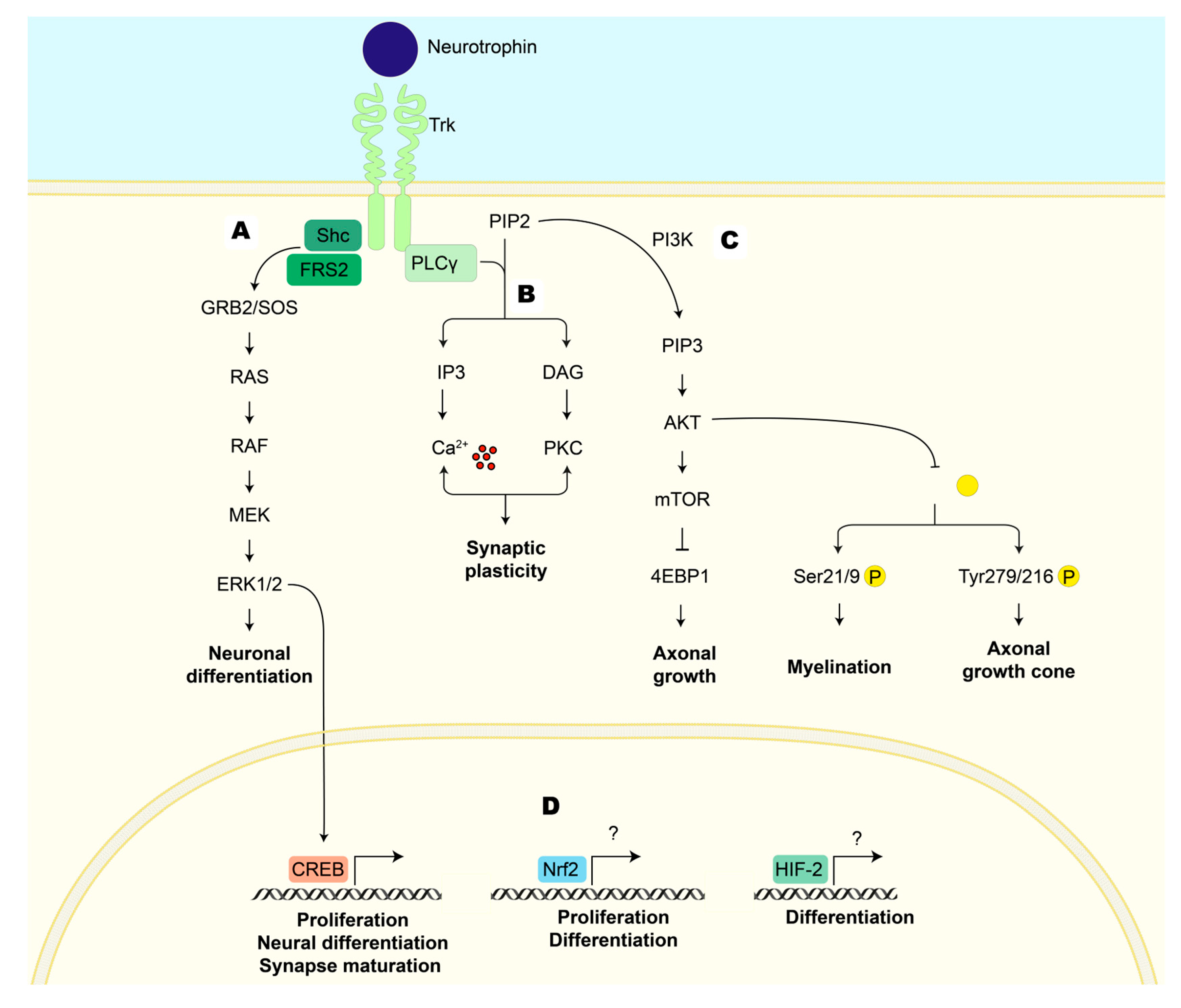
is to propose that garlic compounds and preparations could contribute to
the treatment of ischemic stroke through their neurotrophic effects.
1. Introduction
Stroke
significantly impacts a large segment of the population and stands as
one of the leading causes of death and disability. Currently,
fibrinolytics and endovascular therapies that induce reperfusion are the
only treatments available, yet they are often insufficient and can even
result in further brain damage. Consequently, research is focused on
identifying new therapeutic targets and protective molecules. Key
mechanisms implicated in ischemic stroke-related injury include
excitotoxicity, oxidative stress, and inflammation. Numerous molecules
demonstrate potent antioxidant and anti-inflammatory properties;
however, they frequently fail in clinical trials as effective stroke
treatments. On the other hand, there are repair mechanisms such as
neuroplasticity that are potential targets for ischemic stroke
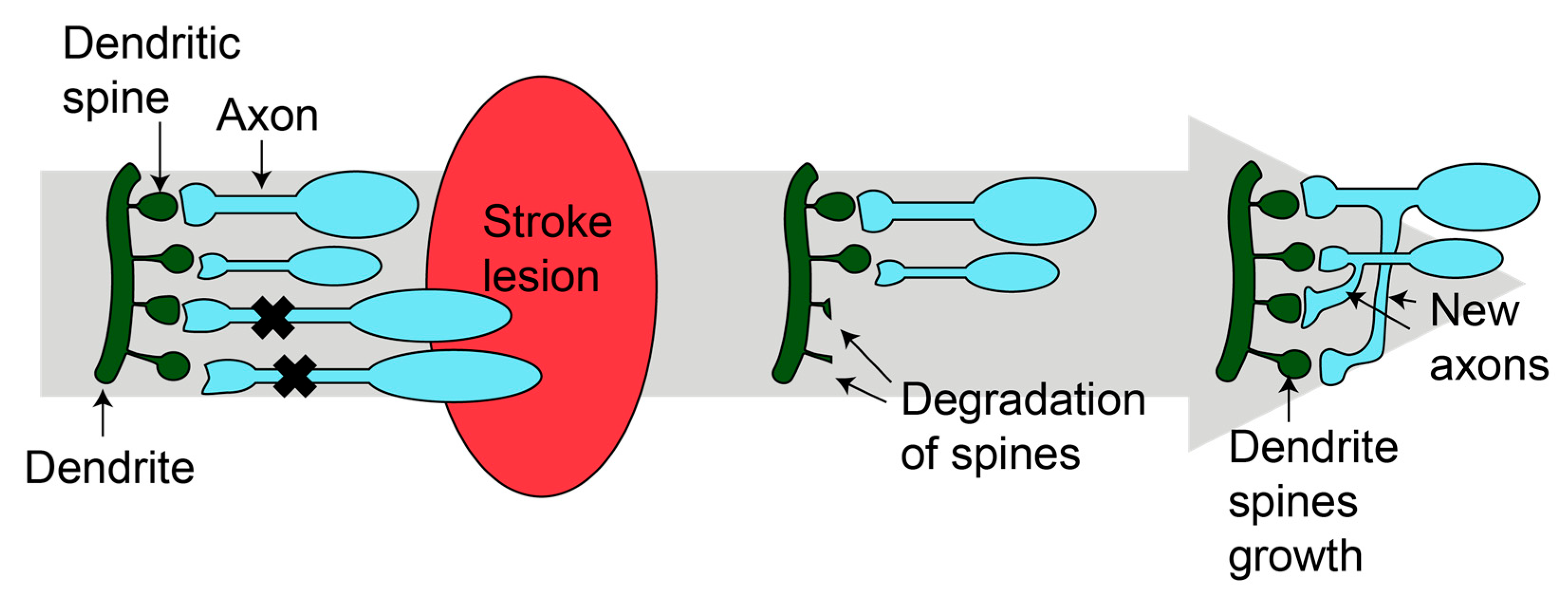
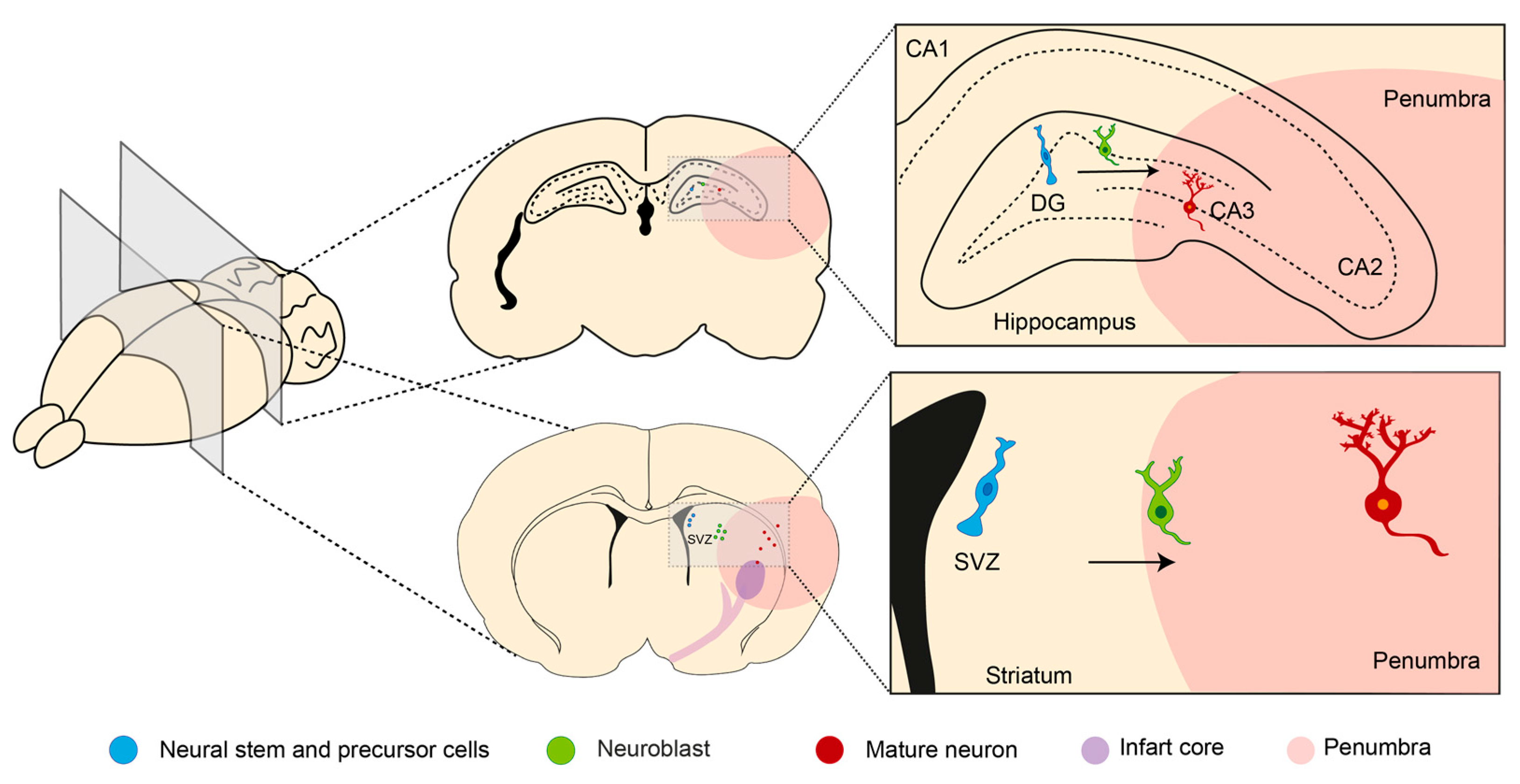
treatment. Neuroplasticity is a repair mechanism that comprises changes
that generate new cells and synaptic connections. Thus, the discovery of
novel mechanisms related to recovery in therapeutic stroke research is
essential. Garlic and its preparations are a source of antioxidant,
anti-inflammatory, and neurotrophic molecules. Hence, the aim of this
review is to analyze the neurotrophic properties of garlic compounds and
preparations as a possible management method for ischemic stroke.
2. Stroke
2.1. Stroke Epidemiology and Risk Factors
Amongst neurological diseases, stroke represents one of the leading causes of death and disability worldwide [1].
Furthermore, people affected by stroke require temporary or lifelong
assistance, resulting in a huge burden at the human and economic cost
levels [2,3].
Stroke
is classified into ischemic and hemorrhagic, with a higher prevalence
of the ischemic condition. Ischemic stroke occurs when the blood supply
decreases under the tissue demand requirements for normal function,
resulting in deficiencies in oxygen, glucose, and other molecules
required for brain metabolism [4].
Despite
the heterogeneity of this disease, some non-modifiable risk factors
such as age and gender contribute importantly to the incidence of
ischemic stroke. Aging is the strongest non-modifiable risk factor;
three quarters of all strokes occur in persons aged >65 years, and
the risk doubles every 10 years after the age of 55 [5,6,7].
Moreover, aged patients with stroke have higher mortality and morbidity
rates and present poorer functional recovery than their young
counterparts [5,6,7].
It is estimated that the increase in the size of the aged population
represents an important factor that will contribute to the increase in
ischemic stroke cases in the future [8].
Additionally, gender also is an important factor contributing to the
incidence, mortality, and after-effects associated with stroke [9]. After the age of 65, the risk of suffering a stroke is increased in women compared with men of the same age [9,10,11].
Other clinical studies observed that older women experience more severe
strokes, longer periods of hospitalization, more severe sequelae, and
lower quality of life relative to men of similar ages [10,11].
More at link.
Thursday, December 3, 2020
Blood pressure woes
I'm currently taking 60 mg. Nifediprine, it seems to control it pretty well, 140/80 on most of my blood donations. My last doctor visit it was 157/80 so she increased the dose to 90 mg. To use up my old bottle I started splitting tablets. On the second day of the new dose I went for my normal 1-2 hour walk in the woods. At the farthest point I sat down on a log to rest. Upon standing up and walking 10 yards my head started swimming. Luckily I staggered my way back to the log to sit down. That lasted a couple minutes until it was either lay down on my own or fall off the log. I chose laying down, spent about 20 minutes down there until my head cleared and walked the 25 minutes home. Upon discussions with a friend of mine we decided I was dehyrated and the increased dose caused my blood pressure to not be enough to move my blood into my brain sufficiently. If I do have such thick blood that would explain why twice while donating blood they had to stop because I plugged up the needle. So now a couple of glasses of water in the morning. Sometime in the past 14 years with all the testing and doctors seen I should have been told of this problem.
And maybe some of these, but not until you talk to your doctor. I won't but that is just me.
Blood-thinning foods, drinks, and supplements
People have long used the golden spice known as turmeric for culinary and medicinal purposes. The active ingredient in turmeric is curcumin that has anti-inflammatory and blood-thinning or anticoagulant properties.
A study published in 2012 suggests that taking a daily dose of turmeric spice may help people maintain the anticoagulant status of their blood.
People can add turmeric to curries and soups or mix it with hot water to make a comforting tea.
Ginger is another anti-inflammatory spice that may stop blood clotting. It contains a natural acid called salicylate. Aspirin (acetylsalicylic acid) is a synthetic derivative of salicylate and a potent blood thinner.
To get the anticoagulant effects of natural salicylates, people may want to use fresh or dried ginger regularly in baking, cooking, and juices.
It is unlikely, however, that natural salicylates are as effective as blood-thinning medications.
A 2015 analysis of 10 studies also suggests that ginger’s effects on blood clotting are unclear. It indicates that more research is needed to understand the potential blood-thinning properties of ginger fully.
Cayenne peppers are also high in salicylates and can act as powerful blood-thinning agents.
Cayenne pepper is quite spicy, however, and many people can only tolerate it in small amounts.
Capsules containing cayenne pepper are available in health food stores and online. Other benefits of this spice include lowering blood pressure, increasing circulation, and reducing pain sensations.
Vitamin E reduces blood clotting in a few different ways. These effects depend on the amount of vitamin E that a person takes. The National Institutes of Health’s Office of Dietary Supplements suggest that people who are taking blood-thinning drugs should avoid taking large doses of vitamin E.
It is unclear how much vitamin E thins the blood, although it is likely that people would need to take more than 400 International Units (IU) per day. Taking high doses of vitamin E supplements, for example, above 1,500 IU daily, on a long-term basis, may have negative effects.
It may be safer to get vitamin E from foods rather than supplements. Foods that contain vitamin E include:
- almonds
- safflower oil
- sunflower oil
- sunflower seeds
- wheat germ oil
- whole grains
Besides its often desirable taste in food and cooking, garlic has natural antibiotic and antimicrobial properties.
Some research reports that odorless garlic powder demonstrates antithrombotic activities. An antithrombotic agent is a substance that reduces blood clot formation.
Another review of several studies on garlic suggests that it may thin the blood, although the effects are small and short-lived.
The American Academy of Family Physicians nonetheless recommend that people stop taking high doses of garlic 7 to 10 days before a planned surgery because of its antithrombotic properties.
Cinnamon contains coumarin, a powerful blood-thinning agent. Warfarin, the most commonly used blood-thinning drug, is derived from coumarin.
Chinese cassia cinnamon contains a much higher coumarin content than Ceylon cinnamon. Taking coumarin-rich cinnamon on a long-term basis can, however, cause liver damage.
It may be best to stick to small amounts of cinnamon in the diet in addition to using other natural blood thinners.
Practitioners of traditional Chinese medicine have used leaves from the Ginkgo biloba tree for thousands of years. Ginkgo is also a very popular herbal supplement in the United States and Europe. People take it for blood disorders, memory problems, and low energy.
Gingko thins the blood and has fibrinolytic effects, according to some sources. This means it may dissolve blood clots. One study reports that ginkgo extract has similar effects to streptokinase, a drug used to treat blood clots.
The research was, however, done in a laboratory, and not carried out on people or animals. Further research is necessary to see if gingko has the same effects in the human body.
There is some evidence to suggest that grape seed extract may have potential benefits for several heart and blood conditions.
It contains antioxidants that may protect the blood vessels and prevent high blood pressure.
Grape seed extract may also act as a natural blood thinner. Because of these effects, the National Center for Complementary and Integrative Health suggest that people with blood disorders, those taking blood-thinning medications, and people about to have an operation should not take grape seed extract.
Dong quai, also known as female ginseng, is another traditional Chinese herb that may reduce blood clotting.
Studies on animals report that dong quai significantly increases the length of time it takes blood to clot (prothrombin time).
This effect may result from dong quai’s coumarin content, the same substance that makes cinnamon such a potent anticoagulant.
Dong quai is taken orally, and can be consumed as part of a herbal tea or soup.
Feverfew is a medicinal herb that comes from the same family as daisies or the Asteraceae family.
People take feverfew for migraines, some digestive disorders, and fever.
Feverfew may also act as a blood thinner by inhibiting the activity of platelets and preventing blood clotting. Feverfew is available in capsule or liquid form.
Bromelain is an enzyme that people extract from pineapples. It may be an effective remedy for cardiovascular diseases and high blood pressure.
Research suggests that bromelain can thin the blood, break down blood clots, and reduce clot formation. The enzyme also has anti-inflammatory properties.
Bromelain is available in supplement form from health stores and drug stores.
Many natural substances may reduce clotting to some degree. But natural remedies are unlikely to be as effective as blood-thinning drugs and people at risk of blood clots should not use them instead of prescription medications.
Government authorities do not monitor herbs and supplements as closely as food and drugs. People should research the different brands carefully before buying to ensure they are known for quality and purity.
People taking prescription blood thinners should not use natural remedies without talking to their doctor first.
Even though they are natural, some substances and foods may thin the blood too much, especially when taken in conjunction with medications. This can increase the risk of bleeding.
While people can usually consume foods with potential blood-thinning properties safely in reasonable amounts, it is essential to speak to a doctor before trying herbal remedies, such as dong quai and grape seed extract.
Some of the natural blood thinners listed in this article are available for purchase online.
Some of these products should not be taken alongside blood thinning medication.
Friday, November 13, 2020
The Seasoning That Prevents Memory Problems
I can't find the research to back this up so you will have to completely guess which is standard fare for everything in stroke.
The Seasoning That Prevents Memory Problems
With age, people’s gut becomes less healthy and this is linked to memory problems and Alzheimer’s.
Garlic could help prevent age-related memory problems by improving gut health, research suggests.
Typically, with age, people’s gut becomes less healthy and this is linked to memory problems and Alzheimer’s.
However, a compound in garlic called allyl sulfide may help support the healthy bacteria in the gut.
It restored both long- and short-term memory in the study of aging rodents.
Dr Jyotirmaya Behera, the study’s first author, said:
“Our findings suggest that dietary administration of garlic containing allyl sulfide could help maintain healthy gut microorganisms and improve cognitive health in the elderly.”
Recent research has shown that gut health affects brain health.
Dr Neetu Tyagi, study co-author, said:
“The diversity of the gut microbiota is diminished in elderly people, a life stage when neurodegenerative diseases such as Alzheimer’s and Parkinson’s develop and memory and cognitive abilities can decline.
We want to better understand how changes in the gut microbiota relate to aging-associated cognitive decline.”
The study included mice who were two-years-old, which is the mouse-equivalent of people in their 60s.
Some were fed the allyl sulfide supplement and others not.
The results showed that the garlic constituent helped restore the cognitive abilities of the senior mice.
Both their long- and short-term memory was restored by the supplement.
It is possible that garlic could be used as a treatment for memory problems linked to aging.
The study was presented at the American Physiological Society’s annual meeting (Behera et al., 2019).
Friday, January 3, 2020
Bioactive components from garlic on brain resiliency against neuroinflammation and neurodegeneration (Review)
Useless, no amounts given. So start guessing, although you can't do this dangerous activity on your own. Your doctor needs to prescribe this but since nothing is in protocol format your doctor will do nothing. Hope you are ok with that.
Bioactive components from garlic on brain resiliency against neuroinflammation and neurodegeneration (Review)
Authors:
Hailong Song Jiankun Cui Valeri V. Mossine C. Michael Greenlief Kevin Fritsche Grace Y. Sun Zezong Gu
View Affiliations
Published online on: December 27, 2019 https://doi.org/10.3892/etm.2019.8389
Pages: 1554-1559
Copyright: © Song et al. This is an open access article distributed under the terms of Creative Commons Attribution License.
Metrics: Total Views: 133 (Spandidos Publications: 133 | PMC Statistics: 0 )
Total PDF Downloads: 38 (Spandidos Publications: 38 | PMC Statistics: 0 )
Cited By (CrossRef): 0 citations
Article has an altmetric score of 1
See more details
Tweeted by 1
Abstract
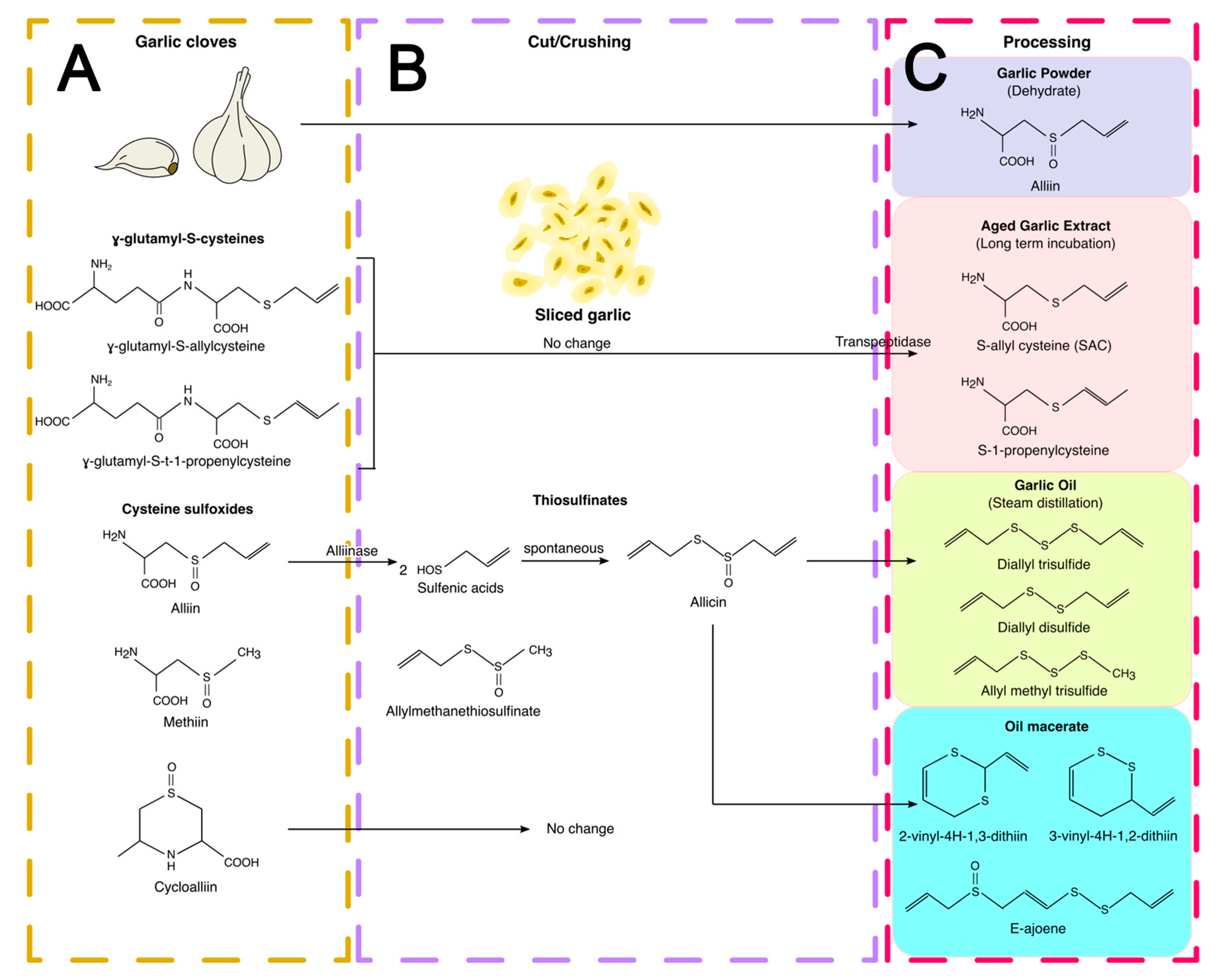
Garlic (Allium sativum) has been widely used for culinary and medicinal purposes. Aged garlic extract (AGE) and sulfur‑containing compounds, including S‑allylcysteine (SAC) are well documented botanical active components of garlic. AGE is prepared by the prolonged extraction of fresh garlic with aqueous ethanol and is considered a nutritional supplement with potential to promote human health. SAC is a water‑soluble organosulfur compound and the most abundant component of AGE. Studies have demonstrated that both AGE and SAC can exert neuroprotective effects against neuroinflammation and neurodegeneration. Another bioactive component in AGE is N‑α‑(1‑deoxy‑D‑fructos‑1‑yl)‑L‑arginine (FruArg) although less is known about the metabolic activity of this compound. The main aim of this review was to provide an undated overview of the neuroprotective perspectives of these active garlic components (AGE, SAC and FruArg). Of interest, our studies and those of others indicate that both AGE and FruArg are involved in the regulation of gene transcription and protein expression. AGE has been shown to reverse 67% of the transcriptome alteration induced by endotoxins‑lipopolysaccharide (LPS), and FruArg has been shown to account for the protective effects by reversing 55% of genes altered in a cell‑based neuroinflammation paradigm stimulated by LPS in murine BV‑2 microglial cells. AGE and FruArg can alleviate neuroinflammatory responses through a variety of signaling pathways, such as Toll‑like receptor and interleukin (IL)‑6 signaling, as well as by upregulating the nuclear factor erythroid 2‑related factor 2 (Nrf2)‑mediated oxidative stress pathways known to promote microglial resiliency against neuroinflammation and neurodegeneration. The capability of FruArg to pass through the blood‑brain barrier further supports its potential as a therapeutic compound. In summary, these experimental results provide new insight into the understanding of the neuroprotective effects of garlic components in promoting brain resiliency for health benefits.
8 ordinary foods that may help you live longer
Useless, no amounts given. If your doctor gives you this laugh in their face and ask for EXACT amounts.
8 ordinary foods that may help you live longer
Everybody knows that it's important to pay attention to what you eat. In this article, you will find out which everyday products are the best longevity helpers.#1
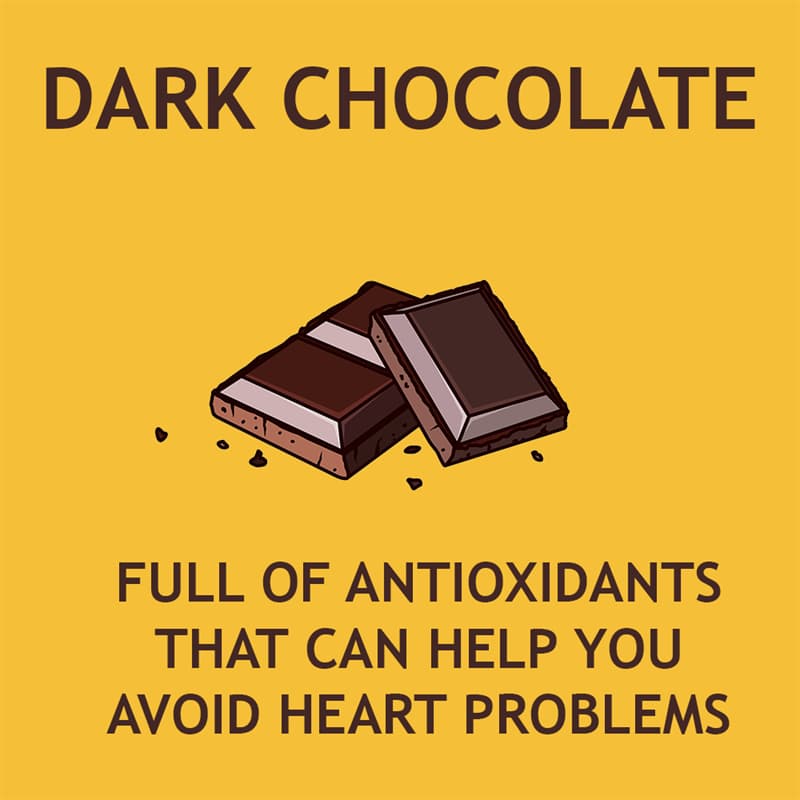
Remember: dark chocolate can benefit your health only if you consume it in moderation. One square a day is usually enough.
#2
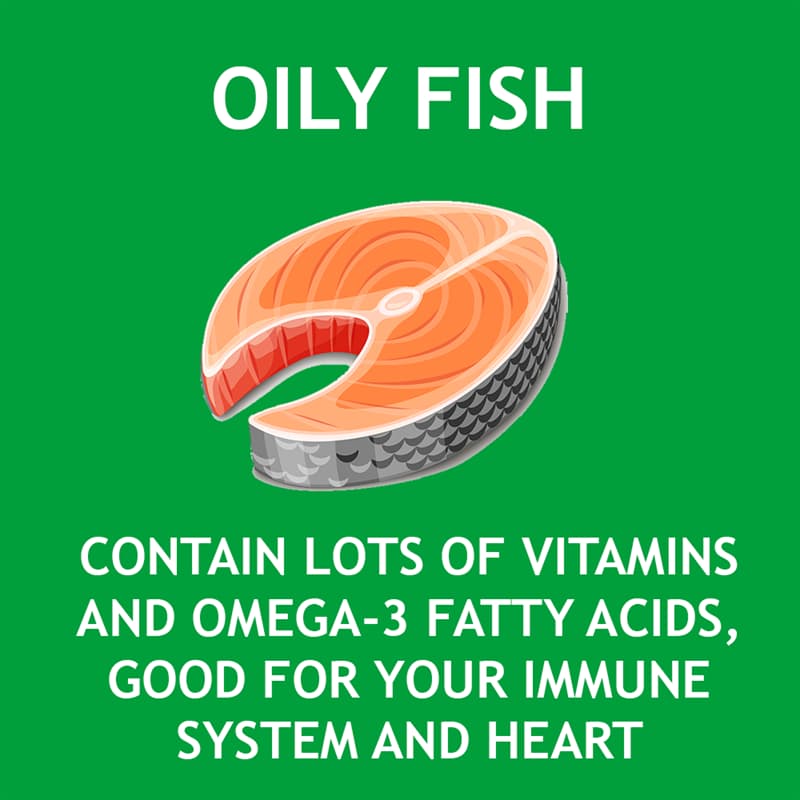
Top fish for you to eat regularly are
herring, mackerel, salmon, anchovies and sardines. All the fish
considered fatty are extremely beneficial to health.
#3
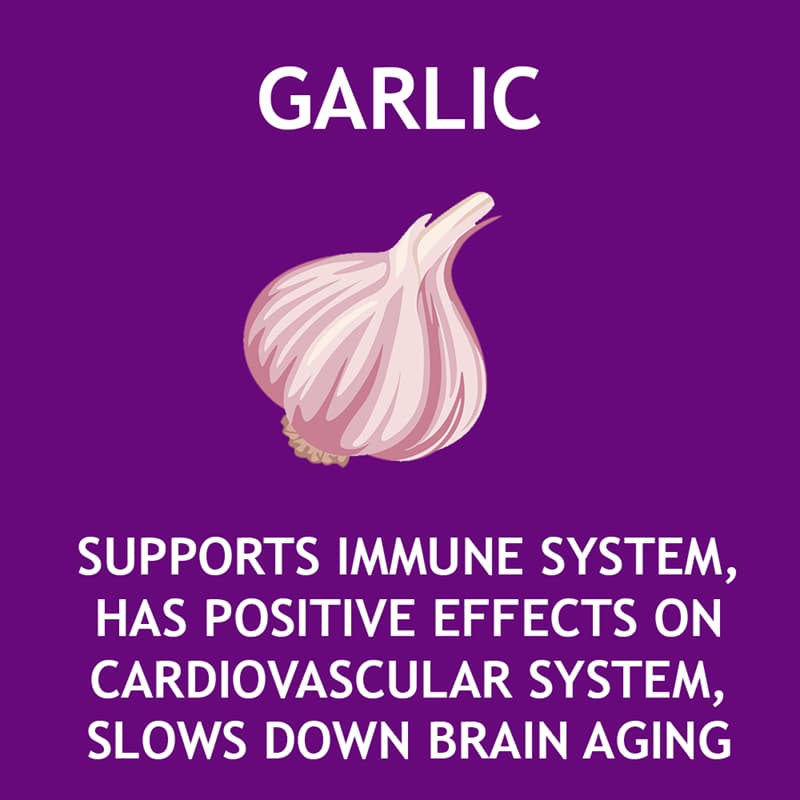
Garlic is very nutritious but low in calories. It contains compounds with amazing medicinal properties.
#4
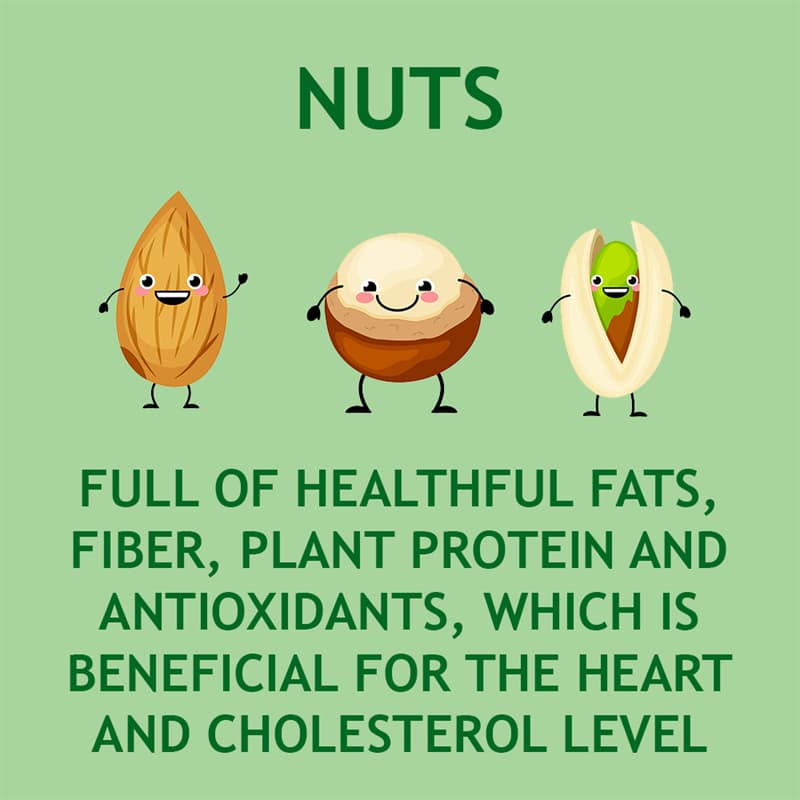
The healthiest nuts are peanuts, almonds, pistachios and cashews. Eat nuts in moderation, as they contain a lot of calories.
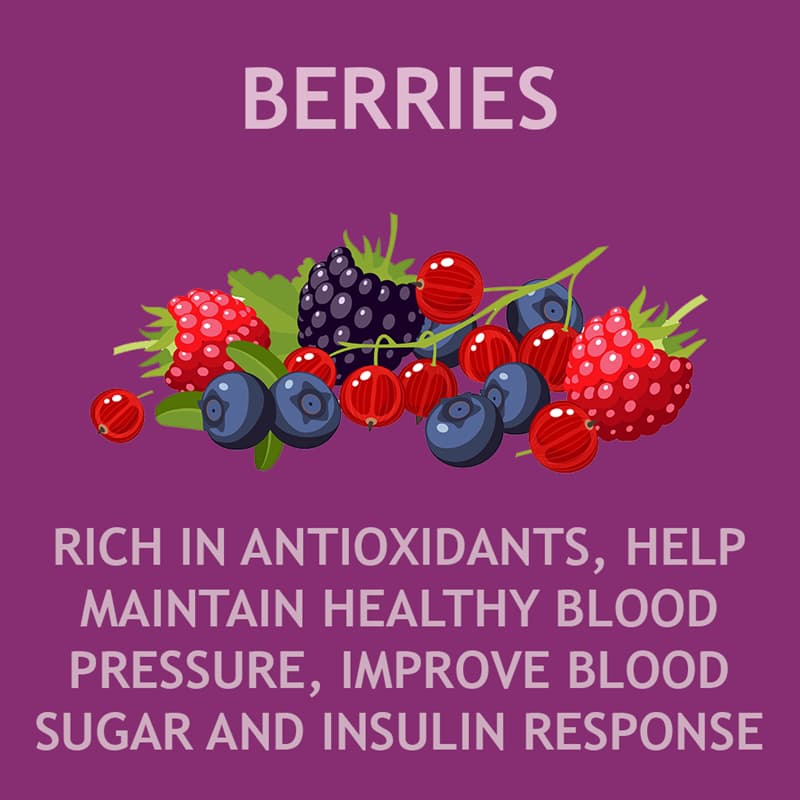
#6

They're also full of fiber, which makes them a perfect option for a plant-based diet.
(But what about magic mushrooms?)
#7
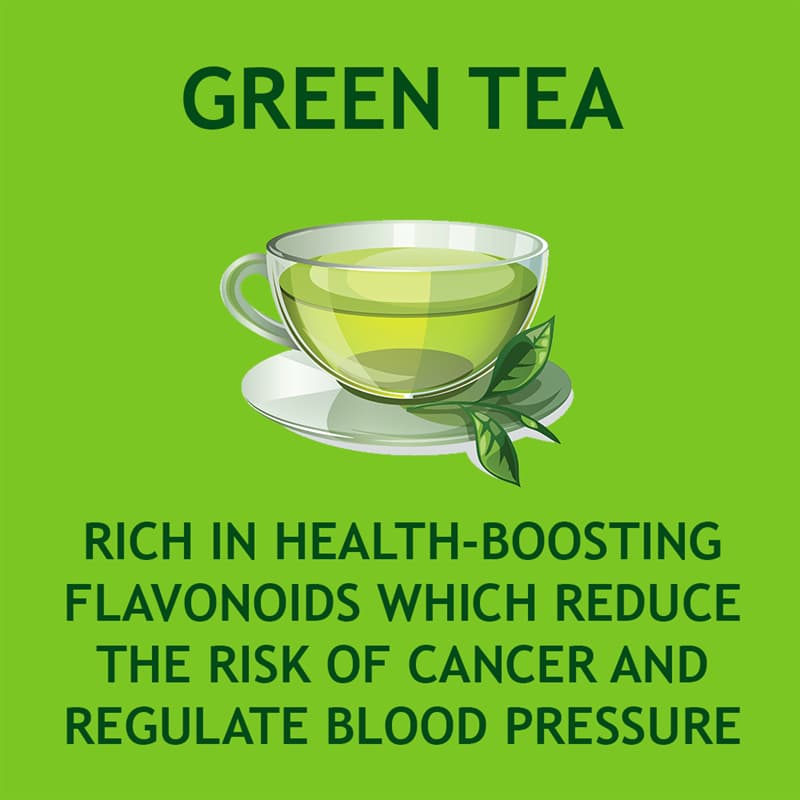
According to the scientists, green tea
also improves brain function, physical performance and increases fat
burning. It also lowers the risk of Alzheimer's and Parkinson's.
#8
Tuesday, August 15, 2017
Potential of garlic (Allium sativum) in lowering high blood pressure: Mechanisms of action and clinical relevance
Describing something but NO solution provided.
Potential of garlic (Allium sativum) in lowering high blood pressure: Mechanisms of action and clinical relevance
Integrated Blood Pressure Control
Ried K, et al.
The goal of this study was to
describe biologically plausible mechanisms of garlic's blood pressure
(BP)–lowering impact. Data reported a stimulating impact of
garlic–derived polysulfides on the production of the vascular
gasotransmitter hydrogen sulfide (H2S), with enhancing the
regulation of endothelial nitric oxide (NO), resulting in smooth muscle
cell relaxation, vasodilation, and BP reduction. Furthermore, data was
indicative of a possible role of sulfur deficiency in the etiology of
hypertension and plausible alleviation with supplementation of
organosulfur compounds derived from garlic.
Sunday, May 21, 2017
Top 10 Spices for a Healthy Brain
Will your doctor and stroke hospital do one fucking thing with this information? Or is it time once again to bury their brains/heads up their asses? Up to you how to respond, take it lying down or agitate. Nothing will get better for your children and grandchildren unless lots of people step forward and call out their stroke medical 'professionals' for doing nothing for future survivor recovery. With no research references for this you will have to depend on your doctor for advice.
https://psychcentral.com/blog/archives/2017/02/24/top-10-spices-for-a-healthy-brain/
Consider adding these 10 spices below to your current diet, or better yet cook with them to improve overall brain health, and help prevent, or at the very least stave off future cognitive decline. These top spices have been studied extensively by world renowned psychiatrist Dr. Daniel Amen, and is widely discussed in many of his journal publications and books, including one of his latest Change Your Brain, Change Your Life. He recommends the 10 spices below to be incorporated into your every diet to have a happier and healthier brain.
Turmeric
Found in curry, turmeric contains a chemical that has been shown to decrease plaques and tangles in the brain thought to be responsible for the onset of Alzheimer’s disease.
Saffron
In 3 specific studies that Dr. Amen conducted, a saffron extract was found to be as effective as antidepressant medication in treating people with major depression, and various anxiety disorders.
Sage
There is strong scientific evidence that sage helps to improve and strengthen the hippocampus of our brains, which is responsible for memory.
Cinnamon has been shown to help regulate attention, and focus. Additionally, it helps to regulate blood sugar, which decreases the hunger hormone Ghrelin, while boosting Leptin, the satiety hormone responsible for fullness.
Basil, a common antioxidant pizza topper is responsible for improving blood flow to the heart and brain, and has additional anti inflammatory properties that offer protection from Alzheimer’s disease, and other forms of dementia.
Thyme is responsible for increasing the amount of DHA, an essential fatty acid in the brain. DHA is responsible for playing a central role in brain health. In fact, an optimal intake of DHA is especially essential for pregnant and nursing mothers to endure adequate brain development in their children.
Oregano, especially dried oregano has between 30-40 times the brain healing antioxidant power of raw blueberries, 46 times more than Quercetin that’s found in the skin of apples, and 56 times as much as strawberries, making it one of the most powerful brain cell protectors on the planet.
Garlic promotes better blood flow to the brain, and actually works by stopping/killing brain cancer cells in a 2007 study.
Ginger can potentially make you smarter. A study that combined ginger with ginkgo biloba suggests that it does, and further studies aiming to replicate those earlier findings are currently underway. Ginger root extract may also be beneficial in the treatment of Parkinson’s disease, and for those who suffer from migraine/ tension/cluster headaches.
Rosemary
A recent study highlighted the beneficial effects of rosemary in diminishing cognitive decline in people with dementia. Fresh or dried will do the trick.
Despite our genetic blueprint, a lot of things regarding our overall health are really in our hands, and specifically found in nature. Take advantage of the power you personally have by incorporating these healing spices into your diet and you will be rewarded with a happier and healthier brain in the long run.
https://psychcentral.com/blog/archives/2017/02/24/top-10-spices-for-a-healthy-brain/
Consider adding these 10 spices below to your current diet, or better yet cook with them to improve overall brain health, and help prevent, or at the very least stave off future cognitive decline. These top spices have been studied extensively by world renowned psychiatrist Dr. Daniel Amen, and is widely discussed in many of his journal publications and books, including one of his latest Change Your Brain, Change Your Life. He recommends the 10 spices below to be incorporated into your every diet to have a happier and healthier brain.
Turmeric
Found in curry, turmeric contains a chemical that has been shown to decrease plaques and tangles in the brain thought to be responsible for the onset of Alzheimer’s disease.
Saffron
In 3 specific studies that Dr. Amen conducted, a saffron extract was found to be as effective as antidepressant medication in treating people with major depression, and various anxiety disorders.
Sage
There is strong scientific evidence that sage helps to improve and strengthen the hippocampus of our brains, which is responsible for memory.
Cinnamon has been shown to help regulate attention, and focus. Additionally, it helps to regulate blood sugar, which decreases the hunger hormone Ghrelin, while boosting Leptin, the satiety hormone responsible for fullness.
Basil, a common antioxidant pizza topper is responsible for improving blood flow to the heart and brain, and has additional anti inflammatory properties that offer protection from Alzheimer’s disease, and other forms of dementia.
Thyme is responsible for increasing the amount of DHA, an essential fatty acid in the brain. DHA is responsible for playing a central role in brain health. In fact, an optimal intake of DHA is especially essential for pregnant and nursing mothers to endure adequate brain development in their children.
Oregano, especially dried oregano has between 30-40 times the brain healing antioxidant power of raw blueberries, 46 times more than Quercetin that’s found in the skin of apples, and 56 times as much as strawberries, making it one of the most powerful brain cell protectors on the planet.
Garlic promotes better blood flow to the brain, and actually works by stopping/killing brain cancer cells in a 2007 study.
Ginger can potentially make you smarter. A study that combined ginger with ginkgo biloba suggests that it does, and further studies aiming to replicate those earlier findings are currently underway. Ginger root extract may also be beneficial in the treatment of Parkinson’s disease, and for those who suffer from migraine/ tension/cluster headaches.
Rosemary
A recent study highlighted the beneficial effects of rosemary in diminishing cognitive decline in people with dementia. Fresh or dried will do the trick.
Despite our genetic blueprint, a lot of things regarding our overall health are really in our hands, and specifically found in nature. Take advantage of the power you personally have by incorporating these healing spices into your diet and you will be rewarded with a happier and healthier brain in the long run.
Friday, September 26, 2014
8 Foods That Could Help Unclog Your Arteries
You can read this but they missed a big one.
Watermelon juice reverses hardening of the arteries
http://www.onegreenplanet.org/natural-health/foods-that-could-help-unclog-your-arteries/?
1. Garlic
2. Pomegranate
3. Turmeric
4. Chia Seeds
5. Cinnamon
6. Apples
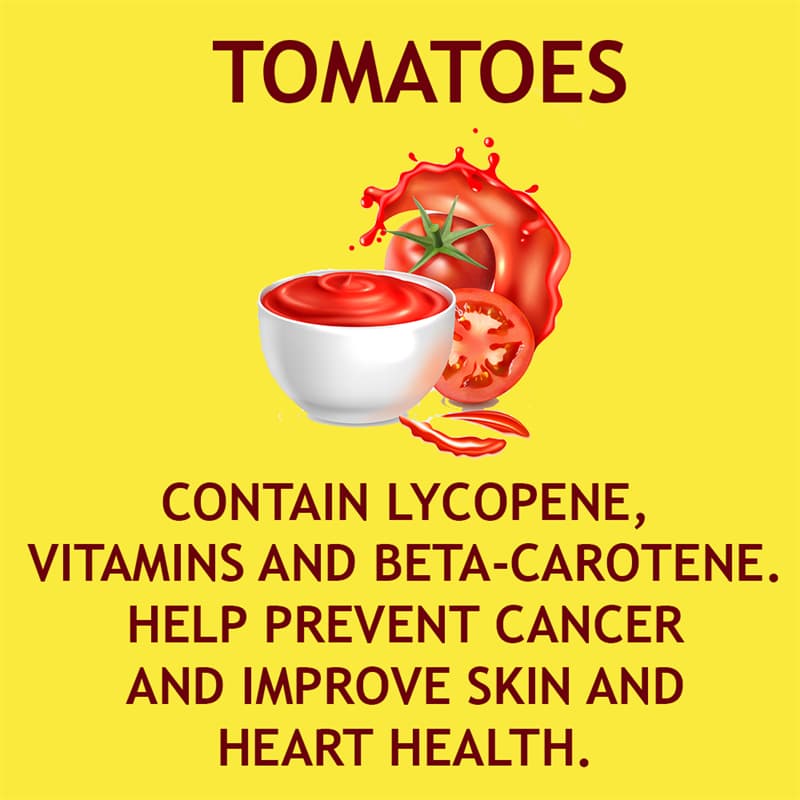
7. Tomatoes
8. Greens
Subscribe to:
Posts (Atom)