Changing stroke rehab and research worldwide now.Time is Brain! trillions and trillions of neurons that DIE each day because there are NO effective hyperacute therapies besides tPA(only 12% effective). I have 523 posts on hyperacute therapy, enough for researchers to spend decades proving them out. These are my personal ideas and blog on stroke rehabilitation and stroke research. Do not attempt any of these without checking with your medical provider. Unless you join me in agitating, when you need these therapies they won't be there.

What this blog is for:

My blog is not to help survivors recover, it is to have the 10 million yearly stroke survivors light fires underneath their doctors, stroke hospitals and stroke researchers to get stroke solved. 100% recovery. The stroke medical world is completely failing at that goal, they don't even have it as a goal. Shortly after getting out of the hospital and getting NO information on the process or protocols of stroke rehabilitation and recovery I started searching on the internet and found that no other survivor received useful information. This is an attempt to cover all stroke rehabilitation information that should be readily available to survivors so they can talk with informed knowledge to their medical staff. It lays out what needs to be done to get stroke survivors closer to 100% recovery. It's quite disgusting that this information is not available from every stroke association and doctors group.

Showing posts with label dexborneol. Show all posts

Monday, October 6, 2025

Efficacy and safety of edaravone dexborneol in acute ischemic stroke: systematic review and meta-analysis

You'll have to ask your competent? doctor why the hell edaravone is approved in Japan since 2001 but not the US. If your doctor doesn't know this off the top of the head; you DON'T have a functioning stroke doctor!

Has your stroke hospital done anything with edaravone in the last decade?


edaravone (20 posts to November 2011)

The latest here:

 Efficacy and safety of edaravone dexborneol in acute ischemic stroke: systematic review and meta-analysis


Khaled Moghib,Khaled Moghib1,2Mahmoud Tarek HefnawyMahmoud Tarek Hefnawy3Shehab M. MoawadShehab M. Moawad1Izere Salomon
&#x;Izere Salomon4*Ahmed HamdiAhmed Hamdi1Olivier UwishemaOlivier Uwishema5Mostafa MeshrefMostafa Meshref6
  • 1Faculty of Medicine, Kasr Al-Ainy Cairo University, Cairo, Egypt
  • 2Medical Research Group of Egypt, Negida Academy, Arlington, MA, United States
  • 3Faculty of Medicine, Zagazig University, Zagazig, Egypt
  • 4University of Rwanda College of Medicine and Health Sciences, Kigali, Rwanda
  • 5Department of Research and Education, Oli Health Magazine Organization, Kigali, Rwanda
  • 6Department of Neurology, Faculty of Medicine, Al-Azhar University, Cairo, Egypt

Background: Edaravone dexborneol represents a novel neuroprotective agent utilized in the treatment of acute ischemic stroke (AIS). Preliminary studies indicate that this combination exhibits enhanced therapeutic effects when compared to the use of edaravone alone. The objective of this study was to assess the efficacy and safety of edaravone dexborneol in the management of AIS.

Method: This systematic review and meta-analysis were conducted following the Preferred Reporting Items for Systematic Reviews and Meta-analyses (PRISMA) statement guidelines. A comprehensive search of the PubMed, Cochrane Central, Scopus, and Web of Science databases was performed on December 30, 2024. Subsequently, we screened articles for eligibility, relevant data were extracted, and the risk of bias was assessed utilizing the Cochrane Collaboration Tool 2. The primary outcome evaluated was the efficacy of edaravone dexborneol in the management of AIS, as measured by the National Institutes of Health Stroke Scale (NIHSS) and the modified Rankin Scale (mRS). Secondary outcomes encompassed improvements in activities of daily living (ADL), reductions in post-stroke depression, inflammation, and hemorrhagic transformation, as well as enhancements in cognitive function, as indicated by Montreal Cognitive Assessment (MoCA) scores. Extracted data from pertinent Randomized Controlled Trials (RCTs) were analyzed using R programming for Windows. All procedures outlined in this study were pre-specified, and the protocol has been registered with PROSPERO under the unique identifier CRD42024626320.

Results: A total of six randomized controlled trials (RCTs) and one cohort study, all conducted in China and involving 2,942 patients with ischemic stroke (65.6% male), were included. Treatment regimens consisted of intravenous or sublingual edaravone dexborneol administered for 10–14 days. The pooled analysis of functional outcomes at 90 days, based on five studies, demonstrated a significant benefit, with a 39.5% higher likelihood of achieving favorable mRS scores (OR = 1.40, 95% CI: 1.18–1.65, p = 0.0001), without evidence of heterogeneity (I2 = 0%). In contrast, pooled analysis of NIHSS outcomes across seven studies using a random-effects model was not significant (SMD = −0.113, 95% CI: −0.333 to 0.107, p = 0.314), with substantial heterogeneity (I2 = 72.7%). However, under the common-effect model, a small but statistically significant benefit was observed (SMD = −0.083, 95% CI: −0.159 to −0.008, p = 0.030). Sensitivity analyses indicated that several studies (Fu 2024, Hu 2023, Xu 2019, Xu 2024) attenuated the pooled effect, while exclusion of Li 2024 and Hu 2023 reduced heterogeneity to 40.7% but resulted in only borderline significance. Secondary endpoints consistently demonstrated favorable effects, including improved activities of daily living, enhanced cognitive function (MoCA scores), and reduced rates of post-stroke depression, inflammation, and hemorrhagic transformation. Safety analyses revealed that adverse events were generally mild and comparable to controls, with some evidence suggesting a reduction in serious complications such as hemorrhagic transformation.

Conclusion: Edaravone dexborneol exhibits considerable potential as a neuroprotective agent in the context of AIS, providing both functional and cognitive advantages, alongside a favorable safety profile. The promising efficacy of this compound underscores the necessity for further comprehensive global studies aimed at optimizing its application and enhancing its relevance across diverse populations.

Systematic review registration: https://www.crd.york.ac.uk/prospero/, identifier CRD42024626320.

Wednesday, December 4, 2024

China NMPA approves Simcere’s Sanbexin® sublingual tablets for the treatment of Acute Ischemic Stroke


You'll have to ask your competent? doctor why the hell edaravone is approved in Japan since 2001 but not the US.

Has your stroke hospital done anything with edaravone in the last decade?


The latest here:

China NMPA approves Simcere’s Sanbexin® sublingual tablets for the treatment of Acute Ischemic Stroke

NANJING, China, Dec. 4, 2024 /PRNewswire/ -- On November 2, 2024, Simcere Pharmaceutical announced that Sanbexin® sublingual tablets (generic name: edaravone and dexborneol sublingual tablets), an innovative drug for stroke, has been approved for marketing by the National Medical Products Administration. This product is indicated for the improvement of neurological symptoms, daily activities, and functional impairment due to acute ischemic stroke.

Sanbexin® sublingual tablets is a dual-target brain cytoprotective agent composed of edaravone and dexborneol. These two active ingredients exert synergistic anti-oxidant and anti-inflammatory effects, which can significantly reduce brain cell damage caused by acute ischemic stroke.

The sublingual tablets are designed for quick disintegration once in contact with saliva under the tongue. This facilitates the active ingredients’ rapid absorption into the blood and brain through the sublingual venous plexus. Compared to conventional oral formulations, sublingual tablets bypass the first-pass hepatic metabolism, which is conducive to higher drug bioavailability and faster onset of action.

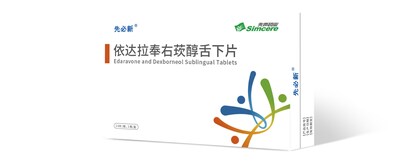
Packaging of Sanbexin® sublingual tablets

Previously, Sanbexin® injection was approved for marketing in China in 2020. As the world’s only innovative drug approved for stroke since 2015, it has helped over 3 million patients in the past 4 years.

The phase III clinical trial led by Professor Fan Dongsheng of Peking University Third Hospital showed that the patients in the Sanbexin® sublingual tablets group after 14 consecutive days of drug administration, obtained a significantly higher proportion of functional independence outcome at 90 days post-treatment than those in the placebo group (64.4% vs. 54.7%,). The latest data was published in JAMA Neurology on February 19, 2024.

Professor Fan Dongsheng, Principal Investigator of TASTE-SL and Professor at Peking University Third Hospital mentioned:“Sanbexin® sublingual tablets has shown significant effects and good safety in improving recovery of cerebral cells and independent living ability during the acute phase in patients with acute ischemic stroke. The more convenient administration allows for sequential therapy with Sanbexin® injection, facilitating stroke patients to receive a complete course of brain cytoprotection in and outside of the hospital during the acute phase of stroke.”

Professor Wang Yongjun, Director of Beijing Tiantan Hospital, Capital Medical University “The average length of hospital stay for stroke patients in China is about one week, while clinical studies suggest that brain cytoprotective drugs need to be used for 14 consecutive days. Sanbexin® sublingual tablets is easy to take, allowing patients to receive treatment at home. This can better reduce disability among patients and is also expected to lower medical costs.”

In August 2024, Sanbexin® sublingual tablets was granted Breakthrough Therapy Designation by the U.S. Food and Drug Administration (FDA) for AIS, making it the world’s first innovative drug in the field of stroke treatment to have received such acknowledgment. Currently, a global multi-centered clinical trial of Sanbexin® sublingual tablets is under preparation.

“The approval of Sanbexin® sublingual tablets in China is believed to significantly reduce the number of stroke-related disabilities in China.”

Professor Gregory W. Albers, Director of the Stroke Center and the Medical Center at Stanford University commented, ” We are planning to conduct a large-scale Phase III clinical trial of Sanbexin® sublingual tablets in the United States, hoping to replicate the success of the trial in China and help reduce the global burden of stroke-related disabilities.”

Dr. Marc Fisher, former President of the World Stroke Organization and Professor at Harvard Medical School, commented on this new approval:“Sanbexin® has gradually gained popularity in China and is now available in a sublingual tablets formulation, with clinical data confirming its safety and efficacy. We are hoping to see trials of Sanbexin® sublingual tablets conducted outside China. If the trial results are positive and it receives approval in other countries, such as the U.S., it will have a huge impact globally on the treatment of acute ischemic stroke.”

The Sanbexin® sublingual tablets, with its convenient delivery method, will make stroke prevention and treatment more comprehensive and accessible. Its therapeutic area is expected to be expanded to pre-hospital emergency treatment for the acute phase of stroke, as well as to the treatment for the sub-acute and chronic phases of cerebrovascular diseases, to further promote the recovery of neurological functions and to improve the functional prognosis of stroke patients.

Cision View original content to download multimedia:https://www.prnewswire.com/news-releases/china-nmpa-approves-simceres-sanbexin-sublingual-tablets-for-the-treatment-of-acute-ischemic-stroke-302322300.html

SOURCE Simcere Pharmaceutical Group Limited

Monday, December 2, 2024

Drug Combo Tied to Functional Improvement After Stroke

 Ask your competent doctor to evaluate this previous trial to this new one.

FYI, make sure you read the caveats.

Sublingual Acute Stroke Neuroprotectant Dazzles in Phase III Trial

You'll have to ask your competent? doctor why the hell edaravone is approved in Japan since 2001 but not the US.

Has your stroke hospital done anything with edaravone in the last decade?


The latest here:

Drug Combo Tied to Functional Improvement After Stroke

Abu Dhabi, UAE — In the latest multicenter randomized trial testing a combination of edaravone and dexborneol for the treatment of acute stroke, the proportion of patients with complete or near complete function at 90 days was improved significantly relative to placebo. 

The third in a series, this trial, like the previous two, showed that participants who received the experimental treatment “were more likely to achieve functional independence at 90 days without increased safety concerns,” said study investigator Chun-Juan Wang, MD, PhD, Department of Neurology, Beijing Tiantan Hospital, Capital Medical University, Beijing, China.

The results of TASTE-2 were presented in a late-breaking session on October 24 at the 16th World Stroke Congress (WSC) 2024

Data From Three Key Trials

For the study, 1362 patients were randomly assigned to receive edaravone dexborneol or placebo within 24 hours of an acute stroke at 106 participating centers. The primary outcome assessed at 90 days was functional independence as defined by a modified Rankin Scale (mRS) score of 0 to 2.

Unlike in the previous two trials, all patients underwent endovascular thrombectomy (EVT). All three multicenter studies were conducted in China.

The primary endpoint was reached by 55.0% of participants in active treatment arm vs 49.6% of those in the placebo group, producing a 24% improvement in the odds ratio (OR) of achieving a functional recovery (OR, 1.24; P < .047). 

Edaravone, which is an antioxidant but might have other neuroprotective activity, is currently approved for the treatment of amyotrophic lateral sclerosis. Borneol, the active ingredient of dexborneol, has been shown to downregulate anti-inflammatory factors in the experimental setting and might also have other neuroprotective properties. 

The combination of these active drugs in a single infusion was first evaluated in the TASTE-1 trial, which was published in 2021. In that phase 3 double-blind study, 1165 acute stroke patients were randomly assigned to receive edaravone dexborneol or edaravone alone within 48 hours of an acute stroke. The primary endpoint of mRS score ≤ 1 was achieved by 67.18% of those in the combination therapy arm vs 58.9% of those receiving dexborneol alone (OR, 1.42; P < .001). 

A second large randomized trial, called TASTE-SL, was published in JAMA Neurology earlier this year. In this multicenter study, 914 acute stroke patients were assigned in a 1:1 fashion to sublingual edaravone dexborneol or matching placebo within 48 hours of symptom onset. The primary endpoint of mRS score ≤ 1 was achieved by 64.4% of those assigned to receive the combination therapy vs 54.7% of those receiving placebo (OR, 1.50; P = .003). 

TASTE-1 enrolled acute stroke patients with a median baseline National Institutes of Health Stroke Scale (NIHSS) score of 6. They did not receive reperfusion therapy. TASTE-SL enrolled patients with a median NIHSS score of 7 who did not undergo EVT. In TASTE-2, the median NIHSS score was 15, and EVT was an inclusion criterion.

When patients were stratified by specific functional mRS scores, there was a numerically higher proportion of patients achieving mRS score of 0 (22.1% vs 20.9%) and 1 (18.1% vs 17.4%) but the greatest between-group difference was seen for an mRS score of 2 (14.8% vs 11.3%). 

The advantage of edaravone dexborneol moved in the same direction across almost all subgroups evaluated. There were trends for greater benefit among those treated within 6 hours relative to later and in those who had hypertension, coronary artery disease, or a high NIHSS score (≥ 15) relative to those who did not.

The proportion of patients with adverse events (33.0% vs 32.3%) or serious adverse events (27.2% vs 25.7%) was slightly higher in the active treatment arm, but none of these adverse events were considered to be treatment related. 

The proportion of patients with intracranial hemorrhage within 36 hours was numerically lower in the active treatment arm (5.3% vs 6.5%). The all-cause mortality at 90 days was the same in both groups (16.5%). 

The effect size of edaravone dexborneol was smaller than that anticipated in the design of the trial, but Chun-Juan Wang, who presented these data along with the senior investigator, Yongjun Wang, MD, chief physician at her institution, said that the positive results from three randomized trials are mutually reinforcing. Conducted in a population with a higher NIHSS score, TASTE-2 supports broader application.

On the basis of these data, “edaravone dexborneol may serve as a concomitant agent with EVT or with intravenous thrombolysis,” Chun-Juan Wang said.

Additional Therapeutic Evidence 

By itself, edaravone has demonstrated a therapeutic effect in acute stroke in numerous trials, according to Mariana Fidalgo, MD, Centro Hospitalar de Vila Nova de Gaia/Espinho, Vila Nova De Gaia, Portugal. In a systemic review and meta-analysis that she published 2 years ago, based on 19 randomized controlled trials, the likelihood of a good (OR, 1.31; 95% CI, 1.06-1.67) or excellent (OR, 1.26, 95% CI, 1.04-1.54) outcome at 90 days was increased significantly.

“Edaravone was also associated with a lower risk of death compared to placebo or no therapy,” Fidalgo said, noting that these studies, like the TASTE trials, did not associate edaravone with an increased risk for intracranial hemorrhage or other serious adverse events.

Despite these data, edaravone with or without dexborneol has not received regulatory approval for the treatment of acute stroke, but Fidalgo, who was not involved in the TASTE trials, called an edaravone-based therapy given shortly after the onset of stroke “promising” for increasing the odds of functional recovery.

Marc Fisher, MD, professor of neurology at Beth Israel Deaconess Medical Center, Harvard Medical School, Boston, noted that edaravone dexborneol has now demonstrated a statistically significant benefit for acute stroke in three large blinded multicenter trials. 

Fisher, who was the senior author on a review article published 2 years ago that suggested cytoprotective therapies are showing promise as adjuncts to acute stroke reperfusion therapies, acknowledged that the relative benefit of edaravone dexborneol has been modest across the three trials in which it was studied, but these data are “clinically meaningful for a drug that is safe.”

The study received funding from Simcere Pharmaceutical Group Limited. Chun-Juan Wang, Yongjun Wang, and Fidalgo report no relevant financial relationships. Fisher reports that he has been a consultant for Simcere.

Wednesday, February 21, 2024

Sublingual Acute Stroke Neuroprotectant Dazzles in Phase III Trial

 FYI, make sure you read the caveats.

Sublingual Acute Stroke Neuroprotectant Dazzles in Phase III Trial

Experts raise concerns about analysis and reporting in Chinese study

 A computer rendering of a brain with a dark spot on the side

For acute ischemic stroke within 48 hours of onset, the novel sublingual combination of edaravone (Radicava) with dexborneol appeared to dramatically improve functional outcomes in the phase III TASTE-SL trial from China.

The chance of a good functional outcome as marked by a modified Rankin Scale (mRS) score of 0-1 on day 90 was 50% improved with the neuroprotectant compared with placebo (64.4% vs 54.7%, OR 1.50, 95% CI 1.15-1.95, P=0.003), reported Dongsheng Fan, MD, of Peking University Third Hospital in Beijing, and colleagues in JAMA Neurologyopens in a new tab or window.

Adverse events (AEs) occurred in most patients in both groups; serious AEs were uncommon and balanced between the two.

"This is a remarkable result, and given that edaravone dexborneol is low cost, simple to administer (even in patients who are unconscious, disabled, or dysphagic), and readily available in China, it has major potential practice implications," said Craig S. Anderson, PhD, and Lili Song, MD, PhD, both of the George Institute for Global Health in Sydney.

In an accompanying editorial, they acknowledged the "litany of failed neuroprotection trials in acute ischemic stroke" over after several decades of considerable investment but noted a "clear rationale" for adjuvant stroke treatment in the endovascular treatment era.

"Many patients have poor access to reperfusion therapy and, even when they do have it, do not have a satisfactory recovery despite achieving a good technical result of recanalization of an occluded vessel. Moreover, in showing the benefits of endovascular therapy within a 6- to 24-hour onset-to-treatment time window in patients with a large ischemic lesion, recent trials have also challenged understanding about how viable vs dead neuronal tissue is defined on brain imaging," they wrote.

Edaravone is a low-molecular-weight drug that appears to protect neurons, glia, and vascular endothelial cells against oxidative stress and inflammation. It is FDA approved for amyotrophic lateral sclerosis. The combination with dexborneol, a component of proprietary Chinese medicine, "is believed to offer a synergistic action," the editorialists noted.

However, they pointed out some serious concerns with the results: "To begin with, the size of the observed treatment effect ... is much higher than would be expected of a neuroprotective agent. Because approximately half of the patients commenced the treatment at 24 hours or longer after symptom onset, this size of benefit is equivalent to that seen with intravenous thrombolysis initiated within the first few hours of an acute ischemic stroke. Therefore, the results challenge our understanding of the 'time is brain' concept of the evolving ischemic penumbra and are contrary to the neutral results of the ESCAPE-NA1 trial, and most recently ESCAPE-NEXT ... which evaluated nerinetide, a highly promising drug that attenuates excitotoxic cell death."

The editorialists suggested chance could be at play in TASTE-SL, which was powered at 80% rather than a more conventional 90% and did not show benefits of edaravone dexborneol in any secondary endpoints, including early neurological impairment in NIH Stroke Scale (NIHSS) scores between baseline and 14 and 30 days.

"It is unfortunate that no ancillary measures of health-related quality of life were collected during follow-up to allow a broader appraisal of the recovery of patients," Anderson and Song lamented.

The researchers, though, chalked the nonsignificant secondary endpoint results up to the substantial number of mild strokes in the trial, with an average NIHSS score of 7.

The trial included 914 patients, ages 18-80 years, who had an NIHSS score of 6-20; a total motor deficit score of the upper and lower limbs of 2 or greater; clinically diagnosed acute ischemic stroke symptoms within 48 hours; and a pre-stroke mRS score of 1 or less.

They were randomly assigned to sublingual edaravone dexborneol (30 and 6 mg, respectively) or placebo comprised of inert dexborneol (60 μg, to simulate the taste of the active drug) twice daily for 14 days.

Limitations included exclusion of a patient who got endovascular thrombectomy and enrollment of only persons of Chinese ethnicity.

The editorialists also pointed to another limitation: "Just before being unblinded to the data toward the end of the study, the steering committee made the decision to use a complex approach to addressing missing primary outcome data in the primary analysis rather than a more conventional complete case analysis of the primary outcome. This included using the last observation carried forward or assigning a worse-case variable (6 for death) in patients with a missing outcome. Given that missingness (loss to follow-up) is invariably not lost at random, this could have influenced the result. Inevitably, this did not occur as they were readily confirmed in secondary imputation, covariate-adjusted, and subsequent complete case analyses."

They also raised the specter of conflicts of interest, as the study authors included employees of three pharmaceutical companies, "including the one that sponsored the study and would naturally have an interest in the trial outcome."

Furthermore, Anderson and Song added to the call for replication of the results in other regions of the world.

"Because maximizing access to reperfusion treatment is at the forefront of modern stroke services, and disease and social reasons for delayed presentation after symptom onset differ across regions, the TASTE-SL results are promising but less relevant to contemporary clinical practice outside of China," they wrote. "However, they provide a clear justification for further evaluations of edaravone dexborneol in other populations, and for individual patient data meta-analysis to be undertaken to determine the totality of the evidence."

"The performance bar is set high, but the benefits offered by safe treatments with only modest effects in reducing the burden of acute ischemic stroke worldwide are considerable," Anderson and Song stated.

Disclosures

The trial was sponsored and funded by grants from Simcere Pharmaceutical and the National Key R&D Program of China.

Fan dislcosed no relationships with industry. Four co-authors are employees of Simcere Pharmaceutical Group. Two co-authors are employees of Neurodawn Pharmaceutical.

Anderson disclosed being principal investigator for the INTERACT3 trial, which was funded by research grants from the Medical Research Council of the U.K., Takeda China, and Hasten Pharma, and receiving fellowship grant support from the National Health and Medical Research Council of Australia.

Song disclosed no relationships with industry.

Primary Source

JAMA Neurology

Source Reference: Fu Y, et al "Sublingual edaravone dexborneol for the treatment of acute ischemic stroke: The TASTE-SL randomized clinical trial" JAMA Neurol 2024; DOI: 10.1001/jamaneurol.2023.5716.

Secondary Source

JAMA Neurology

Source Reference: Anderson CS and Song L "Promising efforts to define a novel approach to neuroprotection for acute ischemic stroke" JAMA Neurol 2024; DOI: 10.1001/jamaneurol.2023.5727.