Changing stroke rehab and research worldwide now.Time is Brain! trillions and trillions of neurons that DIE each day because there are NO effective hyperacute therapies besides tPA(only 12% effective). I have 523 posts on hyperacute therapy, enough for researchers to spend decades proving them out. These are my personal ideas and blog on stroke rehabilitation and stroke research. Do not attempt any of these without checking with your medical provider. Unless you join me in agitating, when you need these therapies they won't be there.

What this blog is for:

My blog is not to help survivors recover, it is to have the 10 million yearly stroke survivors light fires underneath their doctors, stroke hospitals and stroke researchers to get stroke solved. 100% recovery. The stroke medical world is completely failing at that goal, they don't even have it as a goal. Shortly after getting out of the hospital and getting NO information on the process or protocols of stroke rehabilitation and recovery I started searching on the internet and found that no other survivor received useful information. This is an attempt to cover all stroke rehabilitation information that should be readily available to survivors so they can talk with informed knowledge to their medical staff. It lays out what needs to be done to get stroke survivors closer to 100% recovery. It's quite disgusting that this information is not available from every stroke association and doctors group.

Showing posts with label psychosocial. Show all posts

Tuesday, December 20, 2022

Risk of Acute Stroke Linked to Psychosocial Stress

Post stroke, already a major stress event, then getting fired, moving a couple of states away, getting divorced. All which should have left me a blubbering pile of Jello. Yet, the stroke was the best thing to happen to me, it got me divorced. I'm happy now. I won't be having another stroke or dementia.

Why my stroke was the best thing to ever happen to me

The latest here:

Risk of Acute Stroke Linked to Psychosocial Stress

National University of Ireland Galway

Psychosocial stress is associated with an increased risk of stroke, according to new University of Galway led research published in the Journal of the American Medical Association Network Open (JAMA Network Open).

The research found that the occurrence of any stressful life event increased the risk of stroke by 17%, with the occurrence of two or more stressful life events increasing the risk of stroke by 31%.

The research was led by Dr Catriona Reddin, at University of Galway’s College of Medicine, Nursing and Health Sciences. It looked at levels of stress in more than 26,000 people in Europe, Asia, North and South America, the Middle East and Africa.

The research found that increased stress at home, stress at work, and recent stressful life events (e.g. marital separation/divorce, major intra-family conflict) were associated with an increased risk of ischaemic stroke (a stroke due to a clot) and haemorrhagic stroke (a stroke due to bleeding within the brain tissue).

Those who reported severe work stress were over twice as likely to have an ischaemic stroke, and over five times as likely to have a haemorrhagic stroke compared to those who reported no work stress.

The increased risk was lower in individuals who reported feeling more in control.

Dr Reddin said: “Approximately 7,500 Irish people have a stroke, an estimated 30,000 people are living in Ireland with disabilities as a result of a stroke and annually about 2,000 Irish people die as a result of stroke. In this latest INTERSTROKE study we looked at self-reported stress.

“In people who reported severe home stress, the increase in stroke risk was lower in those who felt that what happens in life is determined by factors within their control.

“Similarly, in individuals who reported severe work stress, the increase in stroke risk was lower in people who felt that they had control over what happens in work, in most situations, compared to people who felt that they had little control over their work life.”

Professor Martin O’Donnell, Professor of Neurovascular Medicine at University of Galway and Consultant Stroke Physician at Galway University Hospitals, co-led the international INTERSTROKE study in partnership with Professor Salim Yusuf from the Population Health Research Institute at McMaster University, Canada.

Professor O’Donnell said: “Stroke is the most common cause of adult disability globally. Stroke prevention is crucial and the more we understand about the disease the better equipped physicians and the public can be to mitigate the risks.

“The INTERSTROKE study is giving us a better understanding of the importance of conventional and emerging risk factors of stroke in different regions and ethnic groups globally, which are required to help prevention. We know that the best ways to prevent stroke are to eat a healthy diet, exercise regularly, and avoid smoking and drinking too much alcohol.

“In this latest study we got deeper insights into how work and life related stresses can contribute to stroke. The findings suggest that higher locus of control is associated with lower risk of stroke and may be an important effect modifier of the risk associated with psychosocial stress.”

INTERSTROKE study is one of the largest international studies of risk factors for stroke. It has been analysing data from 26,000 people in 27 countries since 2007.

A series of findings have been released from INTERSTROKE including:

Alcohol risk factors for acute stroke

Anger, emotional upset and heavy physical exertion may trigger stroke

/Public Release. This material from the originating organization/author(s) may be of a point-in-time nature, edited for clarity, style and length. The views and opinions expressed are those of the author(s).View in full here.

Saturday, September 18, 2021

Psychosocial Factors Related to Stroke Patients’ Rehabilitation Motivation: A Scoping Review and Meta-Analysis Focused on South Korea

 You're going after the wrong people to motivate your doctor needs motivation to solve stroke by getting 100% recovery protocols created.

Psychosocial Factors Related to Stroke Patients’ Rehabilitation Motivation: A Scoping Review and Meta-Analysis Focused on South Korea

1
Rare Diseases Integrative Treatment Research Institute, Wonkwang University, Jangheung Integrative Medical Hospital, 121 Lohas-ro, Anyang-myeon 59338, Korea
2
Department of Medical History, College of Korean Medicine, Wonkwang University, Iksan 54538, Korea
3
Neuroscience Research Center, Department of Neuropsychiatry of Korean Medicine & Inam Neuroscience Research Center, Wonkwang University Sanbon Hospital, Iksan 15865, Korea
*
Author to whom correspondence should be addressed.
Academic Editor: Tadashi Ito
Healthcare 2021, 9(9), 1211; https://doi.org/10.3390/healthcare9091211
Received: 26 July 2021 / Revised: 2 September 2021 / Accepted: 9 September 2021 / Published: 14 September 2021
(This article belongs to the Special Issue Comprehensive Clinical Physiotherapy and Rehabilitation: Version II)
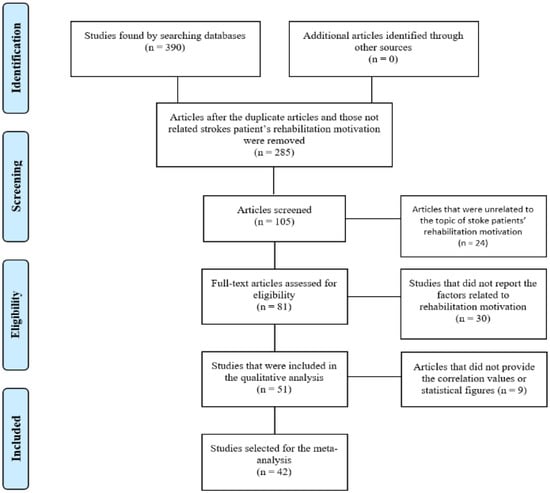
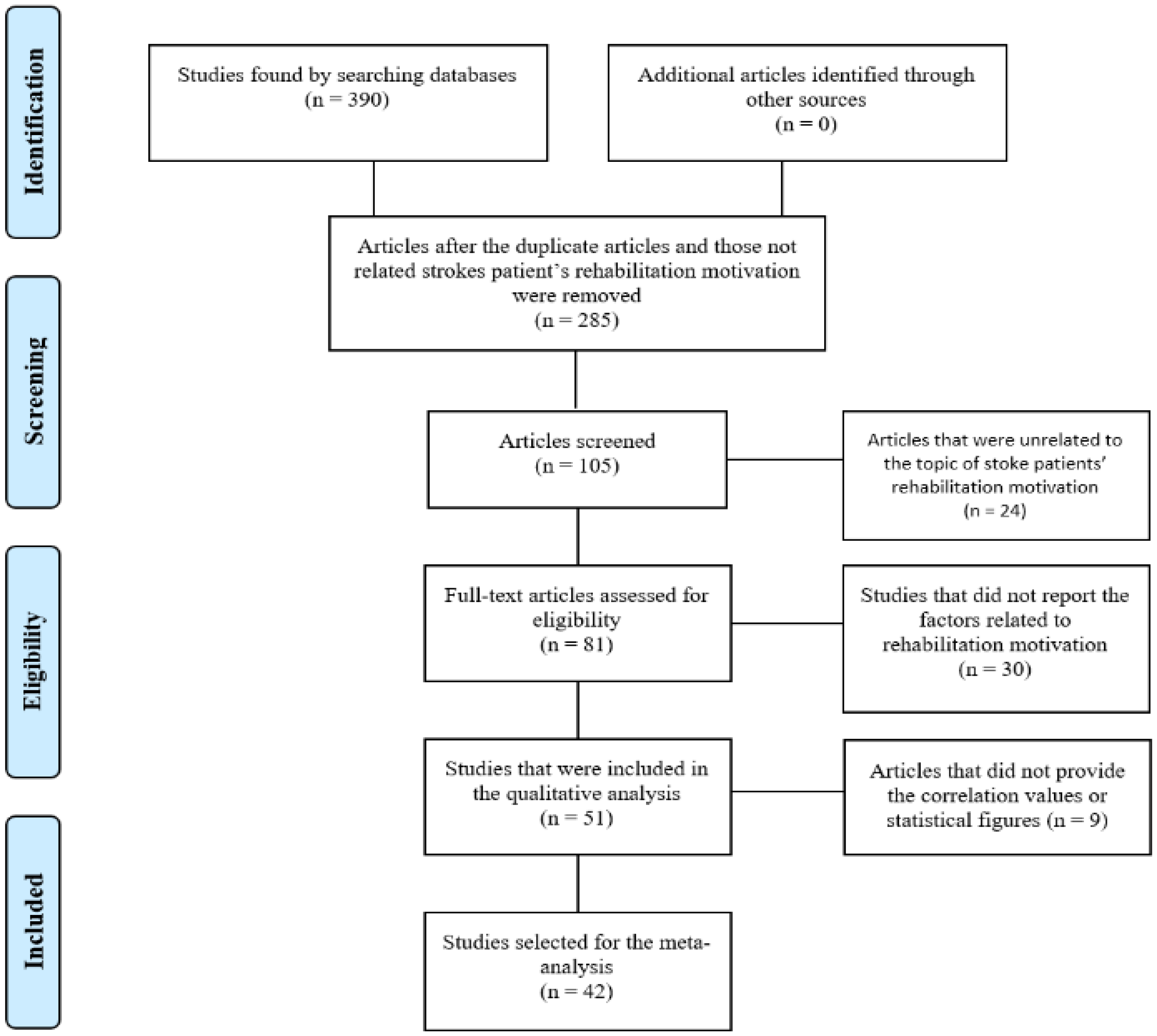
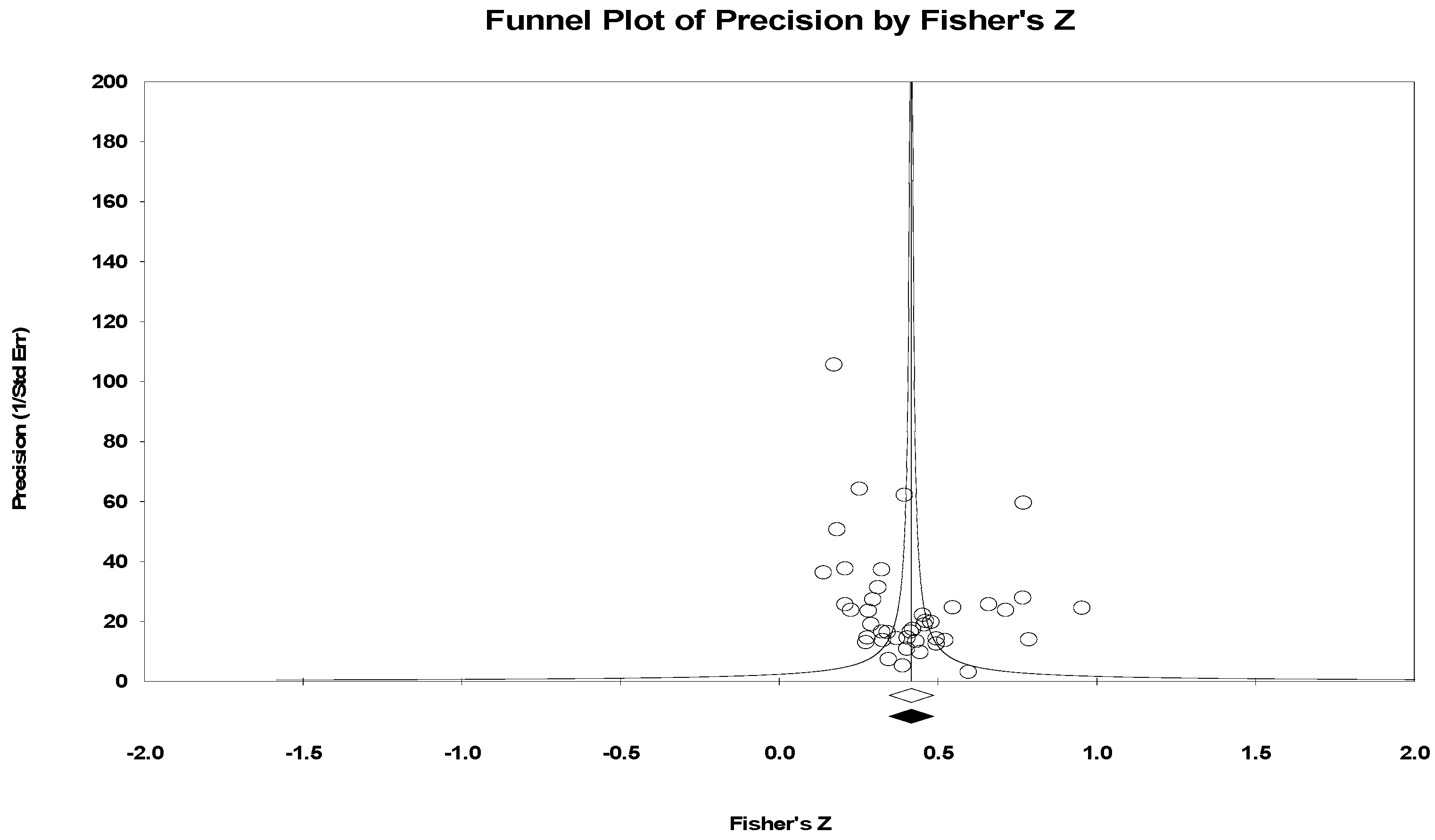
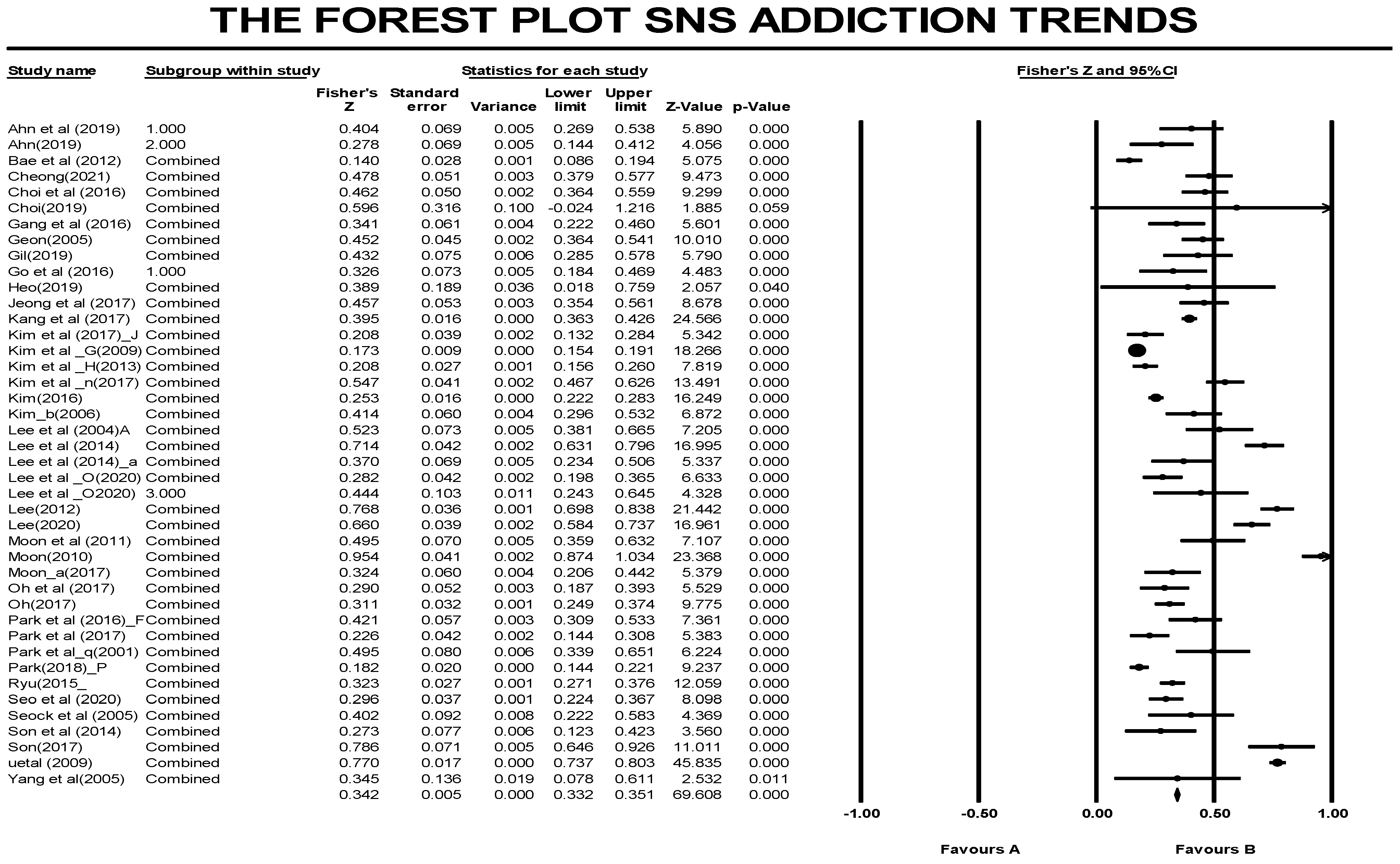
The incidence of strokes in individuals in their 30–40 s—who have responsibilities towards their families—has increased. Additionally, many stroke patients suffer from post-stroke disabilities and require rehabilitation. However, especially in younger stroke patients, factors such as financial burden and the inability to be productive lead to depression and thereby, the lack of rehabilitation motivation—which affects their therapeutic outcomes. Therefore, medical interventions alone are not sufficient. This study aimed to identify the psychosocial factors that affect stroke patients’ rehabilitation motivation. Hence, a scoping review was conducted to analyze the research trends across South Korean academic papers and theses, followed by a comprehensive meta-analysis to identify the correlations among the variables.  . The internal factors were depression, cognition, self-efficacy, self-esteem, disability acceptance, volition, communication, resilience, empowerment, and uncertainty.(You got this all wrong, the reason for lack of motivation is no 100% recovery protocols, your last word only; uncertainty.) The external factors included sleep pattern, quality of life, activities of daily living, physical function, social support, financial burden, disease-related characteristi,cs, and rehabilitation environment. Based on these findings, an intervention model should be developed to provide social support to stroke patients. Moreover, psychological interventions should be developed to enhance the self-efficacy of stroke patients who are undergoing rehabilitation. View Full-Text
▼ Show Figures

Figure 1


Monday, April 19, 2021

A Qualitative Study Investigating Stroke Survivors' Perceptions of their Psychosocial Needs Being Met During Rehabilitation

 You wouldn't have to solve this secondary problem if you got the primary problem solved; 100% recovery. Do you not understand how stroke recovery should work? Solve the root cause problem first.

A Qualitative Study Investigating Stroke Survivors' Perceptions of their Psychosocial Needs Being Met During Rehabilitation

Robin A. Wenzel
Midwestern University – USA, rwenzel67@midwestern.edu
Emily A. Zgoda
Midwestern University – USA, ezgoda96@gmail.com
Mia C. St. Clair
Midwestern University – USA, miastclair@gmail.com
Lisa J. Knecht-Sabres
Midwestern University – USA, lknech@midwestern.edu
Follow this and additional works at: https://scholarworks.wmich.edu/ojot
Part of the Mental and Social Health Commons, and the Occupational Therapy Commons
Recommended Citation
Wenzel, R. A., Zgoda, E. A., St. Clair, M. C., & Knecht-Sabres, L. J. (2021). A Qualitative Study Investigating
Stroke Survivors’ Perceptions of their Psychosocial Needs Being Met During Rehabilitation. The Open
Journal of Occupational Therapy, 9(2), 1-16. https://doi.org/10.15453/2168-6408.1691

Abstract


Background: 

Depression and anxiety can negatively impact one’s recovery, outcomes, and quality of life. Even though therapists consider the mental health needs of their clients to be a priority, they are dissatisfied with their ability to completely address these needs. The purpose of this study was to examine the client’s perspective regarding the extent to which health care professionals addressed their psychosocial needs after a stroke.
Method: 

A phenomenological research design was used to collect data from six participants. Interviews and focus group were audiotaped, transcribed verbatim, and thematically analyzed. Member checks, peerreview, multiple coders, triangulation, and expert examination were used to increase trustworthiness of findings.
Results:  

Five themes emerged. People with strokes: (a) experience an array of emotions, (b) are not likely to initiate disclosure of their state of mental health, (c) feel their psychosocial needs are not being addressed by health care professionals, (d) grieve the loss of prior roles post stroke and work hard to establish a new normal routine and purpose in life, and (e) have suggestions for improved care.
Conclusion: 

These findings reinforce the importance of addressing the mental health needs of individuals post stroke and the importance of identifying methods to enhance the ability to effectively address the psychosocial needs of clients post stroke.

Friday, May 1, 2020

Psychosocial Stressors (PSS) of the Stroke Survivor

My comment to this: We'll see if he responds.  Comment was not published and he did not respond.

The biggest stressor stroke survivors have is that no one knows anything concrete about recovery. There are no protocols that doctors and therapists can point to; i.e.(This is your starting point, do this x times and you will get this result.) All you have are guidelines which are not definitive. All those unknowns leads to; PTSD- 23% chance; anxiety - 20% chance; depression - 33% chance. The solution to all these problems is to create protocols that lead to 100% recovery. Even if one of those protocols says to do this 10 million times survivors would be motivated to start counting and do the work. Guidelines offer nothing like certainty. Yes this is a BHAG(Big Hairy Assed Goal) but leaders tackle such goals. The problems you are referring to are all secondary problems because the survivor did not get fully recovered, solve the primary problem of 100% recovery and you don't even need to work on these problems.  

Psychosocial Stressors (PSS) of the Stroke Survivor

Written By: Dr. Ron Sheppard, OTD, OTR/L, C/NDT, FABDA
There are approximately 795,000 individuals having a stroke each year just in the United States alone, and it is classified as the fifth leading cause of death in the country.
As an Occupational Therapist with a certification in Neuro Developmental Treatment C/NDT, I don’t only address the physical effects caused by stroke, but also, the psychological. I would like to provide you with a noted, universal characteristic that is very important to address before the survivor can gain maximum improvement: I call this characteristic, Psychosocial Stressors (PSS).
What is PSS?  They are the psychological reactions that a stroke survivor experiences following their stroke. They experience stressful situations and demands that extend well beyond their coping skills,  such as financial difficulties due to medical bills from their caregiver and managing responsibilities with jobs, children, grandchildren, aging parents etc. Stroke survivors, and possibly their caregivers, are now unable to continue these responsibilities. The result is – additional stress being added to the debilitating effects of the stroke.  Thus, their rehabilitation potential suffers.
As a new therapist 31 years ago, most of my clients with a diagnosis of stroke were retired, on fixed incomes with their homes paid off, no car payments, and their children out of the home etc.
Today, it is much different. Survivors are much younger. Every decade after age 55 the number doubles.  In simple terms, that translates to the trend that 25%, or 198,750, of the 795,000 is now 65 and younger.
Younger patients with late effects of stroke, have different PSS than the older adult. My younger clients are concerned about paying for their children’s education, car payments, paying for their children’s marriages, returning to work, paying their mortgages, etc.
The stroke survivor doesn’t care what kind of wheelchair or walker you recommend to them, or if they can use other assistive devices, they are worried about paying their bills and maintaining family responsibilities, which I identify as PSS.
I realized early in my career that if I did not address my patient’s PSS during treatments, I noticed that my patients weren’t progressing to their fullest potential. PSS takes away their focus from successful rehabilitation and inhibits them from being motivated to do their Home Exercise Programs (HEP’s). It also increases feelings of giving up and depression sets in etc. Therefore, along with providing treatments consisting of strengthening, range of motion exercises (ROM), mobility/balance training, as well as the provision of assistive device training (i.e. tub chairs, wheelchairs, and walkers), I had to address the PSS that were preventing my patients from directing their total focus on recovery.
Regardless of your discipline or setting, all therapists involved in recovery can learn how to address PSS following stroke. Also, therapists can learn to keep the stroke survivor motivated and focus on their rehabilitation.
Here are a few ways I address my patient’s PSS: I asked if they attend a local church, and if they do, I will contact their church. Many church members will assist a stroke survivor free of charge. Some can become sitters, provide meals, do light housework, and even drive patients to doctor’s appointments. Also, some large churches have a medical staff, such as nurses, who can visit and assist with them with their medications, take vitals, etc. I would also find and identify a list of social workers in the area, as they are a great resource to assist with financial issues and educate those without insurance. Social workers have many connections with local and state agencies that can and will assist with those in distressed financial situations. People are also learning about how to create GoFundMe accounts to assist with the pressure of mounting medical bills. I have had many past patients with long-term disabilities create these accounts and have been successful with assistance. Also, social media accounts such as Facebook and Instagram can help survivors to reach out after posting a message to just let friends know about their current situation and progression of their PSS. If your friends and extended family aren’t aware of your needs, how can they assist?
As a stroke survivor, they have more to worry about than paying medical bills. They need less PSS so they can focus on their recovery.
Regardless of your discipline or setting, you can learn how I address PSS in my course, Evidence-Based Assessment and Treatment for Stroke Recovery. In this course, you will learn how to identify/address your clients’ specific PSS following Stroke while keeping them motivated and focusing on their rehabilitation.
About Ron: 
Dr. Sheppard is an Occupational Therapist with 31 years of experience and developed 2 outpatient OT clinics specializing is adult/pediatric neurological disorders and orthopedic conditions. Dr. Sheppard has a certification in Neuro-Developmental Treatment C/NDT and teaches Evidence-Based Assessment and Stroke Recovery for Summit. He recently took a full time faculty position as a Clinical Associate Professor at Emory & Henry College of Health Sciences.  Dr. Sheppard continues seeing private patients along with his college and Summit schedules.

Tuesday, March 8, 2016

What makes stroke rehabilitation patients complex? Clinician perspectives and the role of discharge pressure

Patients wouldn't be so complex if the damage from the neuronal cascade of death was prevented.
My 31 ideas on this are here, but since I'm not medically trained these are completely worthless.
The psychosocial issues could be handled if our doctors had protocols to get you 100% recovered. 

What makes stroke rehabilitation patients complex? Clinician perspectives and the role of discharge pressure


Michelle L.A. Nelson, Elizabeth Hanna, Stephen Hall, Michael Calvert

Abstract


Background: Approximately 80% of people who survive a stroke have on average five other conditions and a wide range of psychosocial issues. Attention to biopsychosocial issues has led to the identification of ‘complex patients’. No single definition of ‘patient complexity’ exists, therefore applied health researchers seek to understand ‘patient complexity’ as it relates to a specific clinical context.  
Objective: To understand how ‘patient complexity’ is conceptualized by clinicians, and to position the findings within the existing literature on patient complexity. 
Methods: A qualitative descriptive approach was utilized. Twenty-three rehabilitation clinicians participated in four focus groups.  
Results: Five elements of patient complexity were identified:  medical/functional issues, social determinant factors, social/family support, personal characteristics, and health system factors. Using biopsychosocial factors to identify complexity results in all patients being complex; operationalization of the definition led to the identification of systemic elements. A disconnect between acute, inpatient rehabilitation and community services was identified as a trigger for increased complexity.  
Conclusions: Patient complexity is not a dichotomous state. If applying existing complexity definitions, all patients are complex. This study extends the understanding by suggesting a structural element of complexity from manageable to less manageable complexity based on ability to discharge.
Journal of Comorbidity 2016;6(2):35–41