Changing stroke rehab and research worldwide now.Time is Brain! trillions and trillions of neurons that DIE each day because there are NO effective hyperacute therapies besides tPA(only 12% effective). I have 523 posts on hyperacute therapy, enough for researchers to spend decades proving them out. These are my personal ideas and blog on stroke rehabilitation and stroke research. Do not attempt any of these without checking with your medical provider. Unless you join me in agitating, when you need these therapies they won't be there.

What this blog is for:

My blog is not to help survivors recover, it is to have the 10 million yearly stroke survivors light fires underneath their doctors, stroke hospitals and stroke researchers to get stroke solved. 100% recovery. The stroke medical world is completely failing at that goal, they don't even have it as a goal. Shortly after getting out of the hospital and getting NO information on the process or protocols of stroke rehabilitation and recovery I started searching on the internet and found that no other survivor received useful information. This is an attempt to cover all stroke rehabilitation information that should be readily available to survivors so they can talk with informed knowledge to their medical staff. It lays out what needs to be done to get stroke survivors closer to 100% recovery. It's quite disgusting that this information is not available from every stroke association and doctors group.

Showing posts with label lying. Show all posts

Monday, January 8, 2024

International Stroke Recovery and Rehabilitation Roundtable Consensus Statements Are Driving Growth and Progress in Our Field

REALLY?  I see nothing closer to 100% recovery! You need your mouths washed out with soap for lying! I'd have you all fired for incompetence in getting to 100% recovery!

International Stroke Recovery and Rehabilitation Roundtable Consensus Statements Are Driving Growth and Progress in Our Field

Stroke recovery and rehabilitation research has grown exponentially over recent decades.1 Yet, several barriers continued to hamper rapid progress and clinical impact. The International Stroke Recovery and Rehabilitation Roundtables (SRRR) commenced their work in 2015 with the goal to provide consensus recommendations, which if implemented, could impact the trajectory of stroke recovery and rehabilitation research and clinical outcomes. Three roundtables (outputs published in 2017, 2019, and 2023) have delivered 13 consensus statements that provide recommendations related to specific taskforce topics based on research and clinical need (see Table 1). The roundtable agenda is now encompassed within the operations of the International Stroke Recovery and Rehabilitation Alliance.2 The third roundtable effort (SRRR3) is the focus of this edition of Neurorehabilitation and Neural Repair. This editorial aims to bring together all roundtable efforts to highlight where they are having impact and future goals to enhance their impact in the field, as well as highlight key SRRR3 taskforce outputs.
Table 1. Topics for Which Consensus Recommendations Were Established in the First, Second, and Third Stroke Recovery and Rehabilitation Roundtable efforts.
Taskforce topicProvides consensus recommendations for
SRRR1
 Timeline definitions3Common language and definitions for stroke recovery and rehabilitation field and an agreed vision for accelerating progress in stroke recovery research.
 Biomarkers4Biomarkers that were considered ready to be included in clinical trials, and others that were promising and represent a developmental priority.
 Standardized measurement of sensorimotor recovery5Core measurement standards and patient characteristics that should be collected in all future stroke recovery trials to help build our understanding of the trajectory of stroke recovery and aid discovery of new and more targeted treatments.
 Preclinical and clinical alignment6Appropriate preclinical stroke recovery research and to align preclinical to clinical stroke recovery studies to avoid past mistakes and maximize clinical translation.
 Monitoring and reporting of stroke recovery research7Issues identified as limiting stroke rehabilitation research in the areas of developing, monitoring, and reporting stroke rehabilitation interventions
SRRR2
 Preclinical and clinical trial development8Key knowledge units to develop stroke recovery treatment trials that can be addressed within a framework that defines GO and NO-GO decision pathways to guide selection of the most appropriate trial (including phase) given current knowledge.
 Cognition9Cognitive assessments to be integrated into stroke recovery studies generally and defined priorities for ongoing and future research for stroke recovery and rehabilitation.
 Translation into practice10Research evidence to be prioritized for implementation into stroke rehabilitation practice to have maximal impact.
 Standardized measurement of quality of movement11Kinematic and kinetic movement quantification for standardized measurements of sensorimotor recovery in stroke trials.
SRRR3
 Control comparator trial design12Challenges that impact control comparator design that can be addressed with a tool produced to guide control comparator selection, description, and reporting of preclinical and clinical trials in stroke recovery and rehabilitation.
 Fatigue13Definition, clinical screening tools, and outcome measurement for fatigue after stroke and provided a roadmap for future research.
 Non-invasive brain stimulation14Outstanding barriers for the translation of preclinical and clinical research using the non-invasive brain stimulation techniques, transcranial magnetic stimulation, and transcranial direct current stimulation and provided a roadmap for the integration of these techniques into clinical practice.
 Standardized measurement of balance and mobility15Standardized outcome instruments for measuring balance and mobility recovery after stroke to optimize the quality of stroke rehabilitation and recovery studies and to enable data synthesis across trials.
Across all roundtable recommendations, a common theme has been harmonization of terminology, definitions, and outcomes. Addressing the core of our work, we argued that “rehabilitation” as a blanket term for all therapy-based interventions post stroke was problematic, vague, and an impediment to progress.3 Rehabilitation reflects a process of care, while recovery reflects the extent to which body structure and functions, as well as activities, have returned to their pre-stroke state.3 The term “recovery” can be represented as both change (mostly improvement) on a given outcome achieved between 2 (or more) timepoints, and mechanism(s) underlying any observed change (improvement or decline).3 We have established a timeline and associated terminology of stroke recovery phases3 that harmonized what was meant by “acute,” “sub-acute,” and “chronic”. This work placed emphasis on the integration of knowledge about the biology of recovery3 when discussing time course. We have established consensus definitions for a stroke recovery biomarker,4 post stroke fatigue,13 and active and inactive ingredients of stroke recovery interventions.12 Concerning outcomes, consensus recommendations are available for stroke details, patient characteristics, and sensorimotor outcomes5,11,15; cognition9; fatigue13; and control group types.12 Since the beginning, an important cross-cutting theme of SRRR consensus statements has been preclinical-clinical alignment, with many roundtables integrating their knowledge and skills to deliver recommendations that are relevant across the translational continuum. Together, this work is elevating the standard of stroke recovery research, increasing the collaborative nature of our work, and pushing our field closer to impactful clinical outcomes.
The implementation of harmonized terminology, definitions, and outcomes is beginning to be observed across evidence sources and demonstrates the impact of SRRR within our field and beyond. Within our field, collaborative groups such as ENIGMA Stroke Recovery and the European Stroke Organization (ESO) motor rehabilitation after stroke consensus-based definition and guiding framework16 are adhering to sensorimotor outcomes,17 and along with systematic reviews, for example, Hayward et al18 and Stinear et al19, are integrating harmonized terminology of stroke recovery phases. We have seen non-government stroke organization funding calls encourage people to adhere to SRRR consensus statements and use these statements to inform gap analyses.20 However, we still need adherence to the consensus recommendations to continue to grow, especially across federal agencies responsible for funding large scale national and international programs of stroke research. Outside our field, consensus recommendations are becoming increasingly common, with recommendations now available for other neurological conditions including Multiple Sclerosis.21
Turning our attention to the latest round of consensus statements, SRRR3 addressed control comparator trial design,12 fatigue,13 non-invasive brain stimulation techniques,14 and standardized measurement of balance and mobility.15 Consistent with prior roundtable efforts, SRRR3 applied innovative methods that integrate discussion, ranking, and prioritization to deliver consensus recommendations. Along with producing consensus statements for the field, SRRR3 efforts, like prior roundtables, were global—including over 50 experts from more than 20 countries. All groups had an early career member/s who supported the activities of the group, and were exposed to the consensus work of SRRR and an internationally collaborative group. Highlights from SRRR3 taskforces are summarized. Firstly, the control comparator trial design taskforce developed a decision support tool (CONtrol DeSIGN [CONSIGN], freely available https://www.redcap.link/SRRR-CONSIGN) to address common control design challenges faced by trialists. This taskforce also defined each type of control and when it is useful. The fatigue taskforce produced a roadmap for future research and tackled 4 priority areas: (1) best measurement tools for research, (2) clinical identification of fatigue and potentially modifiable causes, (3) promising interventions and recommendations for future trials, and (4) possible biological mechanisms of fatigue. In a second paper from this taskforce, they expanded on biological mechanisms which has been published alongside the taskforce papers in this edition.22 The brain stimulation taskforce identified outstanding translational bench-bedside barriers to provide a roadmap for use of transcranial magnetic stimulation and transcranial Direct Current Stimulation for stroke recovery and rehabilitation. To facilitate the implementation of their recommendations, a new SRRR3 Unified Non-Invasive Brain Stimulation Research Checklist was developed. Finally, the measurement of balance and mobility group established a standardized set of clinical measurement instruments for investigating lower limb motor function, sitting- and standing-balance, and mobility, along with kinetic and kinematic metrics, including their equipment, to monitor recovery of quality of movement during standing and walking post-stroke. Testing protocols were included in the output from this taskforce to ensure clinical tests are implemented consistently.
The international SRRR recommendations highlight novel approaches and research targets to accelerate progress toward new treatments for recovery post stroke. Ultimately, the collection of SRRR consensus recommendations should be seen as an important stride forward to improve the comparability between stroke recovery and rehabilitation studies, enable the creation of “big data” to help us better predict and manage heterogeneity in recovery post stroke, and improve development and testing of augmented treatment models across the different cross-cultural care systems in high-, middle-, and low-income counties. We urge readers to adopt them and work collaboratively to continue to shape the discourse in our field and the approach taken to address important recovery and rehabilitation research and clinical priorities.
 
More useless shit at link!

Saturday, February 18, 2023

Researchers’ At-Home Rehab System Changes Game for Stroke Patients

NO IT DOESN'T; YOU'RE LYING! You give NO efficacy rating or a protocol to go with it. You're just feeding on survivor hopes that something might work. 

Researchers’ At-Home Rehab System Changes Game for Stroke Patients

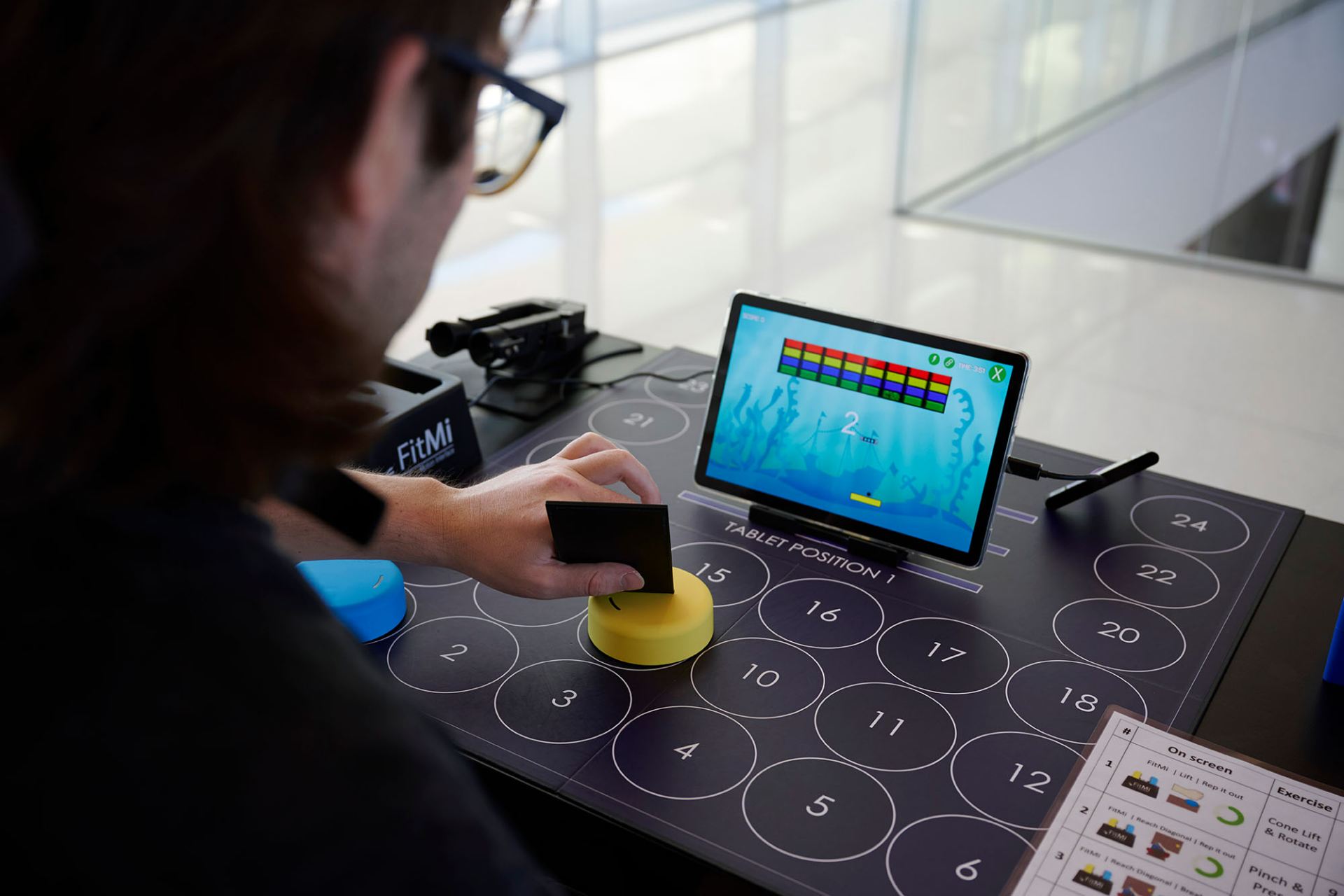
A stroke rehabilitation patient plays a brick-breaking game as part of the RePlay system for motor skills rehabilitation. The hand-held device uses an integrated accelerometer, gyrometer and force sensor to measure the players’ movements, recording statistics to track progress.

Researchers in The University of Texas at Dallas’ Texas Biomedical Device Center (TxBDC) have developed an at-home physical rehabilitation system that could give stroke patients an improved ability to recover upper-limb function while removing transportation and other barriers.

In an article published online Oct. 31, 2022, and in the February print issue of Games for Health Journal, the researchers describe a small feasibility study of RePlay, a video-game-like system that patients can use independently to complete the appropriate exercises to regain as much function as possible.

About 800,000 Americans experience strokes each year, and many of them lose significant upper-limb function. They need rehabilitation, which can be a long, expensive and arduous process. The availability of unsupervised, at-home rehab could remove several barriers to optimal recovery, said Dr. Michael Kilgard, interim executive director and chief science officer of TxBDC, and senior author of the study.

RePlay uses a variety of controllers to test various abilities of stroke rehab patients, including grip strength. Check out a short video demonstration on YouTube.

“People don’t get enough physical therapy of any form,” said Kilgard, the Margaret Fonde Jonsson Professor of neuroscience in the School of Behavioral and Brain Sciences (BBS). “It costs too much. It takes too long. Not everyone is willing or able to go to as many sessions as are needed.”

RePlay creates a gameplay environment for rehab exercises in which patients complete games on an Android tablet using a wireless hand-held device or keyboard, or by swiping with their fingers. The equipment measures force and movement of arms and fingers so that therapists can customize instructions and quantify work and progress. Hand movements are monitored as patients play seven different games.

“For neurorehabilitation after stroke or spinal cord injury, the goal is to make new neural connections — you have to get people really engaged,” Kilgard said. “In rehab, patients are asked to do a small amount of targeted work every day, ramping up slowly. We wanted to find a way to make it less tedious and something people actually finish.”

RePlay records exhaustive data on patient progress, providing clinicians with a clear perspective on a patient’s recovery compared to occasional rehab facility visits. The games become more challenging as the patient improves.

Kilgard emphasized the importance of having measures of both physical progress and time spent on the device.

“Clinicians can see how many minutes were spent on each game, and that matters a lot,” he said. “Physical therapy struggles with the definition of a ‘dose’ of rehab — how much therapy does a patient need? Are we counting in days or hours or sessions? This documents minutes of active engagement. Bringing that data into physical and occupational therapy is significant to us.”

“Our participants with stroke and spinal cord injury have now played 19,000 of these games — hundreds upon hundreds of hours — demonstrating that people can use RePlay effectively with only a short learning period and little to no supervision.”

Dr. Michael Kilgard, interim executive director and chief science officer of the Texas Biomedical Device Center

Corresponding author David Pruitt MS’14, PhD’16, a former research biomedical engineer at TxBDC and now a senior research engineer for Vulintus, said the study demonstrated the potential benefits of RePlay in both supervised and unsupervised settings. Sixteen patients used the system during an initial one-hour office visit, and four of them took the system home.

Participants produced on average 698 discrete movements during the in-office visit, while those who used the system at home produced 1,593 discrete movements per day. The researchers’ baseline expectation was 100 repetitive movements per day.

VNS Therapy Clinical Trials

Researchers from the Texas Biomedical Device Center and Baylor Scott & White Institute for Rehabilitation have teamed up to assess if implanted vagus nerve stimulation coupled with rehabilitation is able to improve arm function after a stroke or in people living with a spinal cord injury. Therapy will take place over six weeks, and follow-ups will occur at one, three and six months post-therapy. Participants will be compensated for their time. Please visit these links for eligibility requirements for the stroke and spinal cord injury trials.

“When we sent the RePlay system home with a subset of the participants, we did not give them any extra help beyond an occasional phone or Zoom call to see how things were going,” Pruitt said. “Every day, each participant used the system consistently, following their plan without supervision.”

Upon completion of the at-home phase, all of the participants reported that they would be willing to use the system again in the future.

“As you get stronger, the game raises the difficulty, or you can adjust it yourself. If you can’t do the next level, it backs off next time,” Kilgard said. “Our participants with stroke and spinal cord injury have now played 19,000 of these games — hundreds upon hundreds of hours — demonstrating that people can use RePlay effectively with only a short learning period and little to no supervision.”

In future studies, the research team plans to test RePlay in tandem with vagus nerve stimulation (VNS). The pairing of VNS with conventional stroke rehab regimens was created at UT Dallas to help rewire the circuitry of the brain and accelerate the recovery of arm function. It was approved by the Food and Drug Administration in August 2021.

“Adding the recovery-accelerating power of VNS to RePlay’s engaging, convenient therapy could vastly improve the physical rehabilitation experience for stroke and spinal cord injury patients,” Kilgard said. “We hope RePlay makes rehabilitation much less cost-prohibitive. Along with time and travel, we believe this system addresses the biggest barriers to achieving the best possible results.”

Development of the RePlay platform was funded by two grants (R01NS094384, R01NS103803) from the National Institute of Neurological Disorders and Stroke.

Other UT Dallas faculty who are authors of the paper include neuroscience professor Dr. Robert Rennaker, associate director and chief technology officer of TxBDC and the Texas Instruments Distinguished Chair in Bioengineering; and Dr. Seth Hays, director of preclinical research for TxBDC, associate professor of bioengineering in the Erik Jonsson School of Engineering and Computer Science, and Fellow, Eugene McDermott Professor.

Current and former UT Dallas students who are among the authors include Eric Meyers PhD’17, now a principal biomedical engineer at Battelle; cognition and neuroscience doctoral student Rachael Affenit Hudson; biomedical engineering doctoral student Joseph Epperson; and TxBDC biomedical engineer Joel Wright BS’20. Dr. Jane Wigginton, associate professor of emergency medicine at UT Southwestern Medical Center, also was an author of the study.

To learn more about how UT Dallas is enhancing lives through transformative research, explore New Dimensions: The Campaign for UT Dallas.

Media Contact: Stephen Fontenot, UT Dallas, 972-883-4405, stephen.fontenot@utdallas.edu, or the Office of Media Relations, UT Dallas, (972) 883-2155, newscenter@utdallas.edu.

Monday, May 18, 2020

Mechanical thrombectomy practices in France: exhaustive survey of centers and individual operators

There is absolutely nothing impressive about this. You are lying by omission of the survivors that got 100% recovered and the death rate. Your bar of excellence is so low it is buried underground. Seeing the questions would tell us how biased the survey was.

Mechanical thrombectomy practices in France: exhaustive survey of centers and individual operators


Abstract

Background and purpose: 
Mechanical thrombectomy (MT) has dramatically changed the landscape of stroke care as well as stroke care organization. Public health institutions are faced with the challenge of swiftly providing equal access to this high technical level procedure with rapidly broadening indications, and constantly developing techniques. The aim of this study was to present a current nationwide overview of technical MT practices in France as well as local organizations. (Survivors don't fucking care about practices, they want to know your results, this told us nothing.)
Materials and methods: 
Thrombectomy capable French stroke centers, and physicians performing MT were invited to participate to a nationwide survey, disseminated through an existing trainee-led research network (the JENI-RC) under the aegis of the French Society of Neuroradiology. The survey was composed of 64 questions to collect both individual practices and general center-based information.
Results: 
All French centers (100 %) answered the survey, and 74% (110/148) of active interventional neuroradiologists (INR) performing MT completed individual questionnaires. The mean number of INR per center performing MT was 3.7±1.85, and 85% of the centers were organized for 24/7 continuity of care. MRI was the most commonly used imaging modality for stroke diagnosis and patients’ selection, and perfusion imaging was routinely available in 85% of the centers. Half of centers performed yearly between 100 and 200 MT. Anesthesiologic, and technical considerations are also developed in the manuscript.
Conclusions: 
This nationwide survey highlights the impressive response to the challenge of reorganization of stroke care with regards to mechanical thrombectomy in France. Technical and management disparities remain. Most centers remain understaffed to properly function in the long term, but the inflow of INT trainees is substantial.

Thursday, May 2, 2019

Cilostazol, Isosorbide Mononitrate Show Promise for Lacunar Stroke


April 25, 2019
Cilostazol and isosorbide mononitrate (ISMN) are well-tolerated and dose escalation is feasible in patients with lacunar stroke, according to a study published in EClinicalMedicine.
“We are delighted that the results of this trial show promise for treating a common cause of stroke and the [most common] cause of vascular dementia, since currently there are no effective treatments,” said Joanna Wardlaw, MD, University of Edinburgh, Edinburgh, Scotland.
For the LACunar Intervention-1 (LACI-1) study, Gordon W. Blair, University of Edinburgh, and colleagues enrolled 57 patients (32% female, median age 66 years) with clinically confirmed lacunar ischaemic stroke without cognitive impairment. Patients were randomised 1:1:1 to receive masked ISMN 25 mg twice daily, cilostazol 100 mg twice daily, both ISMN and cilostazol started immediately, or both with start delayed. Doses were escalated to target over 2 weeks, and sustained for 8 weeks.
The study found that both drugs affected systemic haemodynamic function, and may improve vasoreactivity in white matter, reduce white matter lesions, and improve cognitive performance.
Most patients achieved full (64%) or over half (87%) dose, with no difference between cilostazol versus ISMN or single versus dual drugs.
Headache and palpitations increased initially then declined similarly with dual versus single drugs.
There was no between-group differences in blood pressure, pulse-wave velocity, haemoglobin, or platelet function, but pulse rate and platelet count were higher and white matter hyperintensities reduced more with cilostazol versus no cilostazol.
The findings pave the way for larger studies to check if the treatments can prevent brain damage and reduce the risk of stroke and vascular dementia, the researchers said.
“There has not been a new drug for dementia for 15 years, so finding evidence that these cheap existing drugs could prevent dementia after a stroke would be a huge breakthrough,” concluded James Pickett, PhD, Alzheimer’s Society, London, United Kingdom. “It is promising to see that these 2 drugs are safe to use and we will be excited to see the results of the next stage of testing in a couple of years, which will show whether these drugs can be an effective treatment.”
Reference: https://doi.org/10.1016/j.eclinm.2019.04.001
SOURCE: University of Edinburgh

Tuesday, April 9, 2019

Check out the latest global data on #stroke. @WorldStrokeOrg Global Stroke Factsheet evidences the urgent need for action on prevention, treatment and support.

You mean stroke isn't treatable? 

Why did you lie with this meme from several years ago?

I see absolutely nothing in here that even suggests you are trying to solve all the

problems in stroke and get everyone to 100% recovery. 

WHY THE FUCK IS STROKE IN YOUR NAME ANYWAY?

Check out the latest global data on #stroke @WorldStrokeOrg Global Stroke Factsheet evidences the urgent need for action on prevention, treatment and support.

Your WSO Executive Committee is a total joke if this is all you are doing for stroke. Let survivors run your organization, even brain damaged as we are we would at least attempt to solve stroke.   

Monday, April 8, 2019

Junior Agogo reveals he is unable to write after suffering stroke - Ghana soccer/football star

This is what needs to be shouted from the rooftops. All the fucking failures in stroke. No way to get 100% recovered. As compared to this lying meme from World Stroke Day a few years ago.  

What a bald faced lie

Junior Agogo reveals he is unable to write after suffering stroke - Ghana soccer/football star

Former Ghana international Manuel "Junior" Agogo has revealed that he can no longer write with his right hand after suffering a stroke over four years ago.

The former Nottingham Forest and Zamalek striker in a video post on social media said he has difficulty moving and controlling his right hand.

"It's (right hand) better but it ain't like before," Agogo said in a slurred speech (below).

He said he spent two months in the hospital after suffering the debilitating illness on December 8, 2014. He suffered the illness just two years after ending his football career and has been praised for his impressive recovery.

In 2017, Agogo told the BBC Four documentary titled Speechless that he had troubles with speech following the illness which he says has left him lacking confidence and socially isolated.

According to the BBC, two years after his stroke when just 35 years old, Agogo is still visiting the Neuro Rehab Unit of the National Hospital for Neurology and Neurosurgery in London's Queen Square as he battles to find his way in the world with depleted language.

The forward began his career with the Owls, playing three games for the then Premier League side between 1997 and 2000.


He went on to score over 100 career goals, his most notable spell coming with Bristol Rovers, for whom Agogo scored 45 goals in 140 games between 2003 and 2006.

He also helped Nottingham Forest to promotion from League One in 2007/2008, finishing as the club’s top goalscorer as they finished runners-up in the division.

Agogo enjoyed a cult following during his 27-game stint with the Black Stars of Ghana scoring 12 goals.

The producers of the documentary, Speechless describe it as a "fascinating and moving, upsetting and uplifting in its depiction of the isolating and estranging condition, aphasia".

Tuesday, February 12, 2019

In the Fight Against Stroke, You’re the Cure! National Stroke Association

I wish you would stop lying. You are not trying to cure stroke, you're being fucking lazy and just putting out prevention press releases. If you were curing stroke you would list these problems in stroke you are working on.  

 These minor problems still need solving. 

1. 30% get spasticity NOTHING THAT WILL CURE IT.

2. At least half of all stroke survivors experience fatigue Or is it 70%?

Or is it 40%?

NOTHING THAT WILL CURE IT.

3. Over half of stroke patients have attention problems.

NOTHING THAT WILL CURE IT.

4.  The incidence of constipation was 48%.

NO PROTOCOLS THAT WILL CURE IT.

5. No EXACT stroke protocols that address any of your muscle limitations.

6. Poststroke depression(33% chance)

NO PROTOCOLS THAT WILL ADDRESS IT. 

7.  Poststroke anxiety(20% chance) NO PROTOCOLS THAT WILL ADDRESS IT. 

8. Posttraumatic stress disorder(23% chance)  NO PROTOCOLS THAT WILL ADDRESS IT.

  9.  12% tPA efficacy for full recovery NO ONE IS WORKING ON SOMETHING BETTER.

10.  10% seizures post stroke NO PROTOCOLS THAT WILL ADDRESS IT. 

11. 21% of patients had developed cachexia NO PROTOCOLS THAT WILL ADDRESS IT. 


12. You lost 5 cognitive years from your stroke  NO PROTOCOLS THAT WILL ADDRESS IT.

13.  33% dementia chance post-stroke from an Australian study?

       Or is it 17-66%?

       Or is it 20% chance in this research?

NO PROTOCOLS THAT WILL ADDRESS THIS

In the Fight Against Stroke, You’re the Cure! - National Stroke Association


AHA_YTC_LOGO.jpg

In the Fight Against Stroke,
You’re the Cure!

As a member of the National Stroke Association (NSA) your efforts have helped to reduce the occurrence and impact of stroke. As you have likely heard by now, the NSA’s board of directors has decided to fold its efforts into those of the American Stroke Association (ASA) division of the American Heart Association (AHA). As part of that transition, I want to invite you to join the AHA/ASA’s You’re the Cure advocacy network.
You will be in good company, as you join a grassroots network of stroke and heart disease survivors, caregivers, medical providers and researchers- all working together to create healthier communities. Your voice will be a powerful and important addition as we contact lawmakers and regulatory bodies about the role they can play in our goal of finding a cure for and preventing future heart disease and stroke.
While we all celebrated the passage of the Furthering Access to Stroke Telemedicine (FAST) Act and the repeal of Medicare’s caps on outpatient therapy services in 2018, there is still much to do. We will need your help. Please sign up to be a You’re the Cure advocate today.
In addition to stroke policy, You’re the Cure advocates are fighting for medical research funding, smoke-free public places, strong emergency and healthcare systems, and so much more, all with the goal of eradicating stroke and heart disease.
I look forward to all we’ll accomplish together! And remember, in the fight against stroke and heart disease, You're the Cure!
Amy Shope Manzi
Director, Grassroots Advocacy
American Heart Association

Thursday, December 20, 2018

One in four people will have a stroke

Used to be 1 in 6. Well, even with more people having strokes you are still completely screwed because there are NO protocols in stroke rehab to get you anywhere close to 100% recovery. The non-existent stroke leadership has done nothing for decades. They don't even acknowledge that there is a problem. This meme on World Stroke Day a couple of years ago proves how fucking incompetent they are. Yet all they talk about is prevention. Are they too fucking lazy or incompetent to tackle the

BHAGs(Big Hairy Audacious Goals) of 100% recovery for all survivors?

What a bald faced lie

 These minor problems still need solving. 

1. Only 10% of patients get to full recovery.
2. tPA only fully works to reverse the stroke 12% of the time. Known since 1996.
3. No protocols to prevent your 33% dementia chance post-stroke from an Australian study.
4. Nothing to alleviate your fatigue.
5. Nothing that will cure your spasticity.
6. Nothing on cognitive training unless you find this yourself.
7. No published stroke protocols.
8. No way to compare your stroke hospital results vs. other stroke hospitals.


One in four people will have a stroke

Alarming new research, published in the New England Journal of Medicine today, has revealed stroke is on the increase with one in four people globally to experience stroke in their lifetime.

Data released in 2006 had this estimate at one in six people. Research leading author Professor Valery Feigin said the sharp surge in stroke’s impact was due, in part, to an increasingly unhealthy lifestyle.

“The increase in stroke incidence globally comes down to more than an ageing and growing population. We know people are now experiencing strokes at younger ages,” Professor Feigin said.

“A total of 58 percent of all strokes now happen to people 70 years and under – and our modern lifestyle is to blame.

“We are spending our time scrolling throughout smart phones instead of walking outside. We are eating convenience foods instead of cooking for ourselves. We are stressed, we are not sleeping well. We are not looking after ourselves and we are suffering the consequences.”

Stroke attacks the brain, the human control centre, changing the lives of those impacted and their loved ones in an instant.

This year alone an estimated 56,000 strokes will be experienced by Australians – that is one stroke every nine minutes. Frighteningly, the country is on track for the number of strokes to more than double to 132,000 annually by 2050 – one stroke every four minutes.

Stroke Foundation Chief Executive Officer Sharon McGowan said this runaway train can and must be stopped immediately.

“We are at risk of leaving the next generation with a shorter life expectancy than our own unless decisive action is taken to reduce the burden of stroke,” Ms McGowan said.

“Stroke kills more men than prostate cancer, more women than breast cancer and leaves thousands with ongoing disabilities each year, yet 80 percent of strokes can be prevented. 

“Federal and State governments must act now, coming together to lead the way with targeted prevention programs to help people identify their stroke risk and do something about it.

“We must do more to support healthier communities.

“An investment in prevention is just that, an investment, the return is lives saved and a reduction in stroke’s burden on our community and health system.”

Ms McGowan also encouraged people to visit their General Practitioner (GP), ask for a health check and take steps to control their stroke risk. GPs can help people identify and manage key risk factors like blood pressure, cholesterol and atrial fibrillation (irregular heart beat). They can also offer advice on a healthy diet, exercise routine and on how to quit smoking and reduce alcohol intake.


Wednesday, December 19, 2018

BOLD Infrastructure for Alzheimer's Act passes Congress

According to this meme, no need for something like this for stroke. Don't you know stroke is treatable and since you have been treated for stroke you must be all better.

What a bald faced lie

This meme from a couple of years ago just proves how out of touch stroke leadership is. They all need to be removed from power.  

And since there are NO problems in stroke to solve we can fire all those stroke researchers and use that money to hire PAs for 10 million survivors a year.And so we don't need legislation to work on stroke. There are NO problems in stroke to solve. Leaderships tells me so and they are fucking liars.

BOLD Infrastructure for Alzheimer's Act passes Congress


Alzheimer’s is an urgent public health crisis impacting our nation’s health care infrastructure. Investing in a nationwide public health response to this crisis will improve quality of life for those living with the disease and their caregivers, and reduce associated costs for individuals and the government. The Building Our Largest Dementia (BOLD) Infrastructure for Alzheimer’s Act (S. 2076/H.R. 4256) would combat this crisis and create an Alzheimer’s public health infrastructure to address Alzheimer’s.
Thank your members of Congress for passing this critical legislation.

Monday, December 17, 2018

How is the audit of therapy intensity influencing rehabilitation in inpatient stroke units in the UK? An ethnographic study

Useless since these are guidelines with NO effective rehab protocols supporting them. Damn it all, start demanding results, NOT just guidelines, processes or targets. RESULTS! 

How is the audit of therapy intensity influencing rehabilitation in inpatient stroke units in the UK? An ethnographic study

  1. Elizabeth Taylor1,
  2. Fiona Jones1,
  3. Christopher McKevitt2

Author affiliations

  1. Faculty of Health, Social Care and Education, Department of Rehabilitation Sciences, Kingston University and St George’s University of London, London, UK
  2. School of Population Health and Environmental Sciences, King’s College London, London, UK
  1. Correspondence to Dr Elizabeth Taylor; elizabeth.taylor@sgul.kingston.ac.uk

Abstract

Objectives Occupational therapy, physiotherapy and speech and language therapy are central to rehabilitation after a stroke. The UK has introduced an audited performance target: that 45 min of each therapy(So the doctor involved does absolutely nothing and is totally useless?) should be provided to patients deemed appropriate. We sought to understand how this has influenced delivery of stroke unit therapy.
Design Ethnographic study, including observation and interviews. The theoretical framework drew on the work of Lipsky and Power, framing therapists as ‘street level bureaucrats’ in an ‘audit society’.
Setting Stroke units in three English hospitals.
Participants Forty-three participants were interviewed, including patients, therapists and other staff.
Results There was wide variation in how therapy time was recorded and in decision-making regarding which patients were ‘appropriate for therapy’(I expect 100% recovery for all, don't cherry pick the less disabled patients. How would you feel if I told you were not good enough to get rehab? Or do you conveniently lie by omission?) or auditable. Therapists interpreted their roles differently in each stroke unit. Therapists doubted the validity of the audit results and did not believe their results reflected the quality of services they provided. Some assumed their audit results would inform commissioning decisions. Senior therapy leaders shaped priorities and practices in each therapy team. Patients were inactive outside therapy sessions. Patients differed regarding the quantity of therapy they felt they needed but consistently wanted to be more involved in decisions and treated as individuals.
This is an open access article distributed in accordance with the Creative Commons Attribution Non Commercial (CC BY-NC 4.0) license, which permits others to distribute, remix, adapt, build upon this work non-commercially, and license their derivative works on different terms, provided the original work is properly cited, appropriate credit is given, any changes made indicated, and the use is non-commercial. See: http://creativecommons.org/licenses/by-nc/4.0/.

Monday, December 10, 2018

Weeks after stroke, editor Bob Gabordi: 'I just want to be who I was. I want to go home'

So your doctor is not being honest with you about your 10% chance of full recovery. Or not telling you there are NO stroke rehab protocols. Lying by omission? 

Weeks after stroke, editor Bob Gabordi: 'I just want to be who I was. I want to go home'

One day, during physical therapy, I noticed a small Christmas tree. It wasn’t much of a tree, really. But it had my attention, like a mirage in the desert.
I’m rehabilitating from a Nov. 9 stroke at Sea Pines Rehabilitation Hospital in Palm Bay, after lifesaving stops at Viera Hospital and Cape Canaveral Hospital.
Sea Pines is an amazing, wonderful place that restores the “people-ness” to people with broken bodies like mine. Honestly, so many have it worse — face more difficult obstacles — than me.
Some days are better than others. My problem is that I judge my progress and potential based on my latest therapy session. Some days I’m way ahead of everyone’s expectations — except mine, of course. Everyone says I should give myself some credit, or a break. But I don’t want either. I just want to be who I was before the stroke, and I want to go home.

Tuesday, December 4, 2018

Why patients lie to their doctors

I'm much more concerned why doctors lie to their patients. Mainly by omission. Has your doctor ever told you? 'All strokes are different, all stroke recoveries are different.' Were you told of these stroke issues?

1. Only 10% of patients get to full recovery.
2. tPA only fully works to reverse the stroke 12% of the time. Known since 1996.
3. No protocols to prevent your 33% dementia chance post-stroke from an Australian study.
4. Nothing to alleviate your fatigue.
5. Nothing that will cure your spasticity.
6. Nothing on cognitive training unless you find this yourself.
7. No published stroke protocols.
8. No way to compare your stroke hospital results vs. other stroke hospitals.


Why patients lie to their doctors

Newswise | November 30, 2018
When your doctor asks how often you exercise, do you give her an honest answer? How about when she asks what you’ve been eating lately? If you’ve ever stretched the truth, you’re not alone.
Advertisement
Between 60% and 80% of people surveyed have not been forthcoming with their doctors about information that could be relevant to their health, according to a new study. Besides fibbing about diet and exercise, more than a third of respondents didn’t speak up when they disagreed with their doctor’s recommendation. Another common scenario was failing to admit they didn’t understand their clinician’s instructions.
When respondents explained why they weren’t transparent, most said that they wanted to avoid being judged, and didn’t want to be lectured about how bad certain behaviors were. More than half were simply too embarrassed to tell the truth.
“Most people want their doctor to think highly of them,” says the study’s senior author Angela Fagerlin, PhD, chair of population health sciences at University of Utah Health and a research scientist with the VA Salt Lake City Health System’s Informatics Decision-Enhancement and Analytic Sciences (IDEAS) Center for Innovation.
“They’re worried about being pigeonholed as someone who doesn’t make good decisions,” she adds.
Scientists at U of U Health and Middlesex Community College led the research study in collaboration with colleagues at University of Michigan and University of Iowa. The results will be published online in JAMA Network Open on November 30, 2018.
Insights into the doctor-patient relationship came from a national online survey of two populations. One survey captured responses from 2,011 participants who averaged 36 years old. The second was administered to 2,499 participants who were 61 on average.
Survey-takers were presented with seven common scenarios where a patient might feel inclined to conceal health behaviors from their clinician, and asked to select all that they had ever happened to them. Participants were then asked to recall why they made that choice. The survey was developed with input from physicians, psychologists, researchers and patients, and refined through pilot testing with the general public.
In both surveys, people who identified themselves as female, were younger, and self-reported as being in poor health were more likely to report having failed to disclose medically relevant information to their clinician.
“I’m surprised that such a substantial number of people chose to withhold relatively benign information, and that they would admit to it,” says the study’s first author Andrea Gurmankin Levy, Ph.D., MBe, an associate professor in social sciences at Middlesex Community College in Middletown, Connecticut. “We also have to consider the interesting limitation that survey participants might have withheld information about what they withheld, which would mean that our study has underestimated how prevalent this phenomenon is.”
The trouble with a patient’s dishonesty is that doctors can’t offer accurate medical advice when they don’t have all the facts.
“If patients are withholding information about what they’re eating, or whether they are taking their medication, it can have significant implications for their health. Especially if they have a chronic illness,” says Levy.
Understanding the issue more in-depth could point toward ways to fix the problem. Levy and Fagerlin hope to repeat the study and talk with patients immediately after clinical appointments, while the experience is still fresh in their minds. Person-to-person interviews could help identify other factors that influence clinician-patient interactions. For instance, are patients more open with doctors they’ve known for years?
The possibility suggests that patients may not be the only ones to blame, says Fagerlin. “How providers are communicating in certain situations may cause patients to be hesitant to open up,” she says. “This raises the question, is there a way to train clinicians to help their patients feel more comfortable?” After all, a healthy conversation is a two-way street.
To read more, click here.

Tuesday, November 27, 2018

The importance of rehabilitation after stroke

What a pack of lies by omission. Reading this you would think stroke recovery is not bad.  They missed telling you these 8 facts.

1. Only 10% of patients get to full recovery.
2. tPA only fully works to reverse the stroke 12% of the time. Known since 1996.
3. No protocols to prevent your 33% dementia chance post-stroke from an Australian study.
4. Nothing to alleviate your fatigue.
5. Nothing that will cure your spasticity.
6. Nothing on cognitive training unless you find this yourself.
7. No published stroke protocols.
8. No way to compare your stroke hospital results vs. other stroke hospitals.

The importance of rehabilitation after stroke


The American Heart Association/American Stroke Association, the world’s leading voluntary health organization devoted to fighting cardiovascular disease and stroke, wants stroke survivors to know that while life may be different after a stroke, rehabilitation can help them regain some independence, decrease chances of another stroke and provide new goals to work toward.
Worldwide, stroke is the second leading cause of death and is a leading cause of long-term disability. Stroke is more disabling than it is fatal. However, stroke is largely beatable through high-quality rehabilitation and patient support and implementation of the Association’s Rehabilitation Guidelines.
“Rehabilitation is key to recovery after stroke,” Olajide Williams, M.D., chief of staff of Neurology, associate professor of Clinical Neurology Columbia University Medical Center and an American Stroke Association volunteer, said. “But up to a third of people who have a stroke do not participate in a rehab program.”
Stroke rehabilitation can help patients build their strength, capabilities and confidence, potentially regaining skills and returning to independent living. Rehab can also help patients better manage other conditions they have, which may affect daily living or their risk for a second stroke.
“Stroke recovery begins the moment you suspect a stroke,” Williams said. “The sooner a person can be treated for stroke, the more likely they are to have a successful outcome.” (tPA is only fully successful 12% of the time)
He advises everyone to be ready to respond F.A.S.T. if they suspect a stroke. The acronym F.A.S.T. represents the most common stroke warning signs and stands for:
  • Face Drooping – does one side of the face droop or is it numb? Ask the person to smile. Is the person's smile uneven?
  • Arm Weakness – is one arm weak or numb? Ask the person to raise both arms. Does one arm drift downward?
  • Speech Difficulty – is speech slurred? Is the person unable to speak or hard to understand? Ask the person to repeat a simple sentence, like "The sky is blue."
  • Time to Call 9-1-1 – if someone shows any of these symptoms, even if the symptoms go away, call 9-1-1 and get to a hospital immediately. (Tip: Check the time so you'll know when the first symptoms appeared.)
Education about F.A.S.T is a part of the American Stroke Association’s Together to End Stroke initiative, nationally sponsored by Medtronic. Together, the two organizations aim to help people to easily recognize the most common stroke warning signs to improve stroke outcomes.
The American Heart Association/American Stroke Association’s Together to End Stroke™ initiative, nationally sponsored by Kindred Rehabilitation Services, raises awareness that stroke is largely beatable through high-quality rehabilitation, patient support and implementation of the AHA/ASA’s Stroke Rehabilitation and Recovery Guidelines.
For more information and a full list of the stroke warning signs, visit the Stroke Association's website.

Thursday, August 23, 2018

5 ways to tell when your patient is lying to you

Well you will have to repurpose this for your stroke doctor.
https://www.mdlinx.com/internal-medicine/article/2490/ZZ3559DFF1FDFD43F3965FF05AF76C7B18/?
John Murphy, MDLinx | August 22, 2018
On average, people lie about 8 times a day. Can you believe it? If you did, then you just swallowed a lie. People typically average 2 lies a day, although the majority of lies are told by a minority of people. Truth is, you’re probably not very good at detecting lies. Indeed, most people are able to detect a lie only slightly better than chance (54%), according to one meta-analysis. And physicians have a “truth bias,” meaning that they expect people to tell them the truth.
Commonly “known” physical cues of lying—looking away, fidgeting, or excessive hand gestures—aren’t actually good indicators of lying. Story cues—what the patient is actually saying—are better indicators of deception.
For physicians, getting the truth out of patients is not just a matter of principle, it can have serious consequences. Patients who withhold the truth or tell outright lies put themselves in danger. Think you can handle the truth? Read the following 5 tips to find it out.
1. You can’t hide your lying eyes
Perhaps the most widespread belief about deceptive behavior, which is found across cultures, is that people look away when lying (gaze aversion). One survey found that 71% of people worldwide believe that liars avoid eye contact. But researchers have found that neither gaze aversion nor “shifty eyes” provides any indication that someone is lying. In fact, the opposite may be true. (See “You ain’t nothing but a hound dog,” below.)
2. You ain’t nothing but a hound dog
Have you ever come home to a torn-up couch or a missing plate of food, and your dog is hiding under the table from guilt? Some dogs (but not all) know when they’ve done something bad. They may show the canine equivalent to a human “minus face”—a lowered chin, averted eyes, and pinched brows. People who don’t often lie (truth tellers) may show the same characteristics when they lie (or even when they tell an uncomfortable truth). But liars may demonstrate the opposite aspect by raising their chins. A raised chin expresses a level of confidence or certainty, and it’s a component of a “plus face,” which also includes direct eye contact and medially raised eyebrows. When a patient puts on a “plus face,” it doesn’t necessarily mean they’re lying—but it should raise your index of suspicion.

3. If your lips are moving, then you're lyin’, lyin’, lyin’
One stereotypical physical cue that does seem to hold true: Liars sound more uncertain than truth tellers (as measured by subjective impressions). When telling a lie on the spot, liars may be slower to respond, with more pauses and briefer responses than truth tellers. Another cue: Liars may speak in a higher pitch.
4. I want a new drug
One type of liar that physicians may commonly encounter is a patient with a drug problem who’s seeking more drugs. These patients demonstrate several characteristic actions or traits you can recognize: multiple dose escalations, noncompliance with therapy despite warnings, multiple episodes of “losing” prescriptions, seeking prescriptions from multiple sources, and functional deterioration. Behaviors that patients may exhibit that are less suggestive of a drug problem (particularly in a chronic pain patient) include aggressive complaining about the need for more drugs, drug hoarding during periods of reduced symptoms, requesting specific drugs, and occasionally escalating doses on their own accord.
5. Say it isn’t so
Besides avoiding eye contact, widely held assumptions indicative of lying include other physical cues, such as fidgeting or shifting posture, covering the mouth, and excessive arm movements or hand gestures. However, none of these cues actually correlate with lying. So, what can you go on? Listen to what the patient is actually saying. In a study of experienced police interviewers, those who were good at detecting lies focused on story cues over physical cues. In another study, police officers who read only transcripts of interviews (and were therefore compelled to focus on story cues) were better at detecting lies than officers who saw the actual interviewees.
In short, if you want to get to the truth, ignore what a patient may be showing you, but listen carefully to what they’re telling you.