Changing stroke rehab and research worldwide now.Time is Brain! trillions and trillions of neurons that DIE each day because there are NO effective hyperacute therapies besides tPA(only 12% effective). I have 523 posts on hyperacute therapy, enough for researchers to spend decades proving them out. These are my personal ideas and blog on stroke rehabilitation and stroke research. Do not attempt any of these without checking with your medical provider. Unless you join me in agitating, when you need these therapies they won't be there.

What this blog is for:

My blog is not to help survivors recover, it is to have the 10 million yearly stroke survivors light fires underneath their doctors, stroke hospitals and stroke researchers to get stroke solved. 100% recovery. The stroke medical world is completely failing at that goal, they don't even have it as a goal. Shortly after getting out of the hospital and getting NO information on the process or protocols of stroke rehabilitation and recovery I started searching on the internet and found that no other survivor received useful information. This is an attempt to cover all stroke rehabilitation information that should be readily available to survivors so they can talk with informed knowledge to their medical staff. It lays out what needs to be done to get stroke survivors closer to 100% recovery. It's quite disgusting that this information is not available from every stroke association and doctors group.

Showing posts with label rPMS. Show all posts

Monday, April 7, 2025

Efficacy of repeated peripheral magnetic stimulation on upper limb motor function after stroke: a systematic review and meta-analysis of randomized controlled trials


 Didn't your competent? doctor start using this a decade ago? Oh, I guess you don't have a functioning stroke doctor or therapists, do you? Why haven't they been fired yet?

  • rPMS (9 posts to December 2013)

Efficacy of repeated peripheral magnetic stimulation on upper limb motor function after stroke: a systematic review and meta-analysis of randomized controlled trials

Defu LiaoDefu Liao1Ziyan HeZiyan He1Shichang YanShichang Yan1Qipei JiQipei Ji1Yuanlin LiYuanlin Li1Yuyuan TuYuyuan Tu1Zihao ZhouZihao Zhou1Shuangchun Ai
Shuangchun Ai2*
  • 1School of Health and Rehabilitation, Chengdu University of Traditional Chinese Medicine, Chengdu, China
  • 2Department of Rehabilitation, Mianyang Hospital of Traditional Chinese Medicine, Mianyang, China

Background: Post-stroke patients with upper motor neuron lesions have limited motor function in the upper limbs, and spasticity occurs in the limbs, thus affecting functional recovery and activities of daily living. Repetitive peripheral magnetic stimulation (rPMS) is a non-invasive treatment often used in clinical rehabilitation. Recent studies have shown that it can reduce spasticity and improve motor function in patients.

Objective: This study aimed to evaluate the effectiveness of rPMS on upper limb motor function and spasticity in stroke patients by meta-analysis.

Materials and methods: Randomized controlled trials (RCTs) of rPMS in post-stroke patients were searched in PubMed, Embase, Cochrane Library, Web of Science, and Clinical Trials. Databases from the date of creation to 25 August 2024 were evaluated using the Cochrane Collaboration tool. Methodological quality was assessed using the Cochrane Collaboration tools, and meta-analyses were performed using RevMan (version 5.4) and Stata (version 14.0).

Results: A total of 8 studies were included. RPMS improved patients’ FMA-UE scores compared with controls (MD = 3.34, 95% CI = [0.53, 6.15], p = 0.02 < 0.05). RPMS also reduced spasticity (MD = −0.66, 95% CI = [−1.16, −0.15], p = 0.01 < 0.05) and increased patients’ ability to live independently (MD = 0.85, 95% CI = [0.19, 1.51], p = 0.01 < 0.05). Subgroup analyses showed that the efficacy of treatment frequency ≤ 20 Hz was better than that of frequency > 20 Hz; the treatment time using 15–20 min was more effective than using 30 min; and the application of round coil treatment was more effective than other types of coils.

Conclusion: The results suggest that if rPMS is used in post-stroke patients, their upper limb motor function and spasticity may improve.(NOT GOOD ENOUGH! Survivors want full recovery! Since this didn't do that it was a failure!) However, the number of studies is small, and further research is needed to extend the current analysis results.

Systematic review registration: https://www.crd.york.ac.uk/prospero/, CRD42024584040.

1 Introduction

Stroke, being one of the more prevalent diseases globally, causes severe distress to patients and their families in terms of quality of life, finances, and man-hours. Globally, stroke is the second leading cause of death, accounting for 11.6% of all deaths (1). At the same time, the incidence of stroke is getting younger, which may be related to modern advanced neuroimaging or the dietary and work habits of young people (2). A range of complications can exist after stroke, including dysphagia, impaired consciousness, upper limb motor dysfunction, and cognitive dysfunction (3). If not treated effectively, upper limb motor dysfunction will seriously affect the patient’s daily life activities and cause inconvenience.

The treatment of upper limb motor dysfunction after stroke is based on adaptation or plasticity of the brain after the injury through the practice of specific tasks, medications, robotic trainers, and other methods of enhancing motor learning (4). Improvements in motor function can be achieved using Constraint Induced Movement Therapy (CIMT), which is an operant approach to progressively shape functionally more useful movements using a set of standardized tasks for reaching, grasping, and pinching (5) or by injecting Botulinum Toxin Type A (BoNT-A) to reduce spasticity in the patient’s limbs (6). In recent years, non-invasive stimulation (neuromuscular electrical stimulation, transcranial direct current stimulation, repetitive transcranial magnetic stimulation, and transcutaneous electrical nerve stimulation) has been applied to improve motor function after stroke (7, 8). However, we found that the use of repeated peripheral magnetic stimulation (rPMS) was rare due to unknown parameters and uncertainty about the stimulation site (9).

RPMS is the use of time-varying pulsed magnetic fields of a certain intensity to stimulate excitable tissues, thereby generating induced currents within the tissues, which pass through the nerve cell membranes and enter the axons, resulting in a change in cell membrane potential (10). When the intensity of the stimulus exceeds the cellular threshold, it causes the cell to depolarise to generate an action potential, which in turn causes the muscle to contract (11). Different parameters are applied to reduce pain or promote sensorimotor recovery (12, 13). Impairment of proprioceptive inputs may lead to slower recovery of motor function after stroke (14), one way to restore motor function in patients seems to be to enhance their proprioceptive stimulation. RPMS activates the remodeling of neural tissue in the brain by stimulating proprioceptive inputs, which in turn improves motor function (15). RPMS provides proprioceptive input to the CNS (central nervous system) in two different ways (16), one is direct activation: direct activation of sensorimotor nerve fibers through cis and transduction. The other is indirect activation: indirect activation through mechanoreceptors (class Ia, Ib, and II muscle fibers) during muscle contraction and relaxation. However, the preferential recruitment of cutaneous and proprioceptive afferents over nerves and muscles by rPMS remains controversial (9). There is evidence that the use of rPMS reduces spasticity on the affected side and increases sensory function on the hemiplegic side of the patient (17, 18). RPMS is a painless, non-invasive treatment that has negligible side effects. Suzuki et al. (19) applied rPMS to a male Wistar rat animal model and found that the use of rPMS may not produce damage to the muscles at the application site. Meanwhile, compared with conventional electrical stimulation, rPMS has the advantages of deeper depth and stronger stimulation force.

Although a meta-analysis by Momosaki et al. (20) showed improvement in upper limb spasticity in patients treated with rPMS, there was no statistically significant improvement in upper limb motor function in patients. This meta-analysis aimed to derive the feasibility of rPMS to improve upper limb motor function by analyzing the improvement of upper limb motor function in patients treated with rPMS as well as subgroup analyses at different frequencies, with different coil models, time of stimulation use, and length of post-stroke disease cycle, and to conclude on potentially appropriate therapeutic parameters.

More at link.

Sunday, December 15, 2024

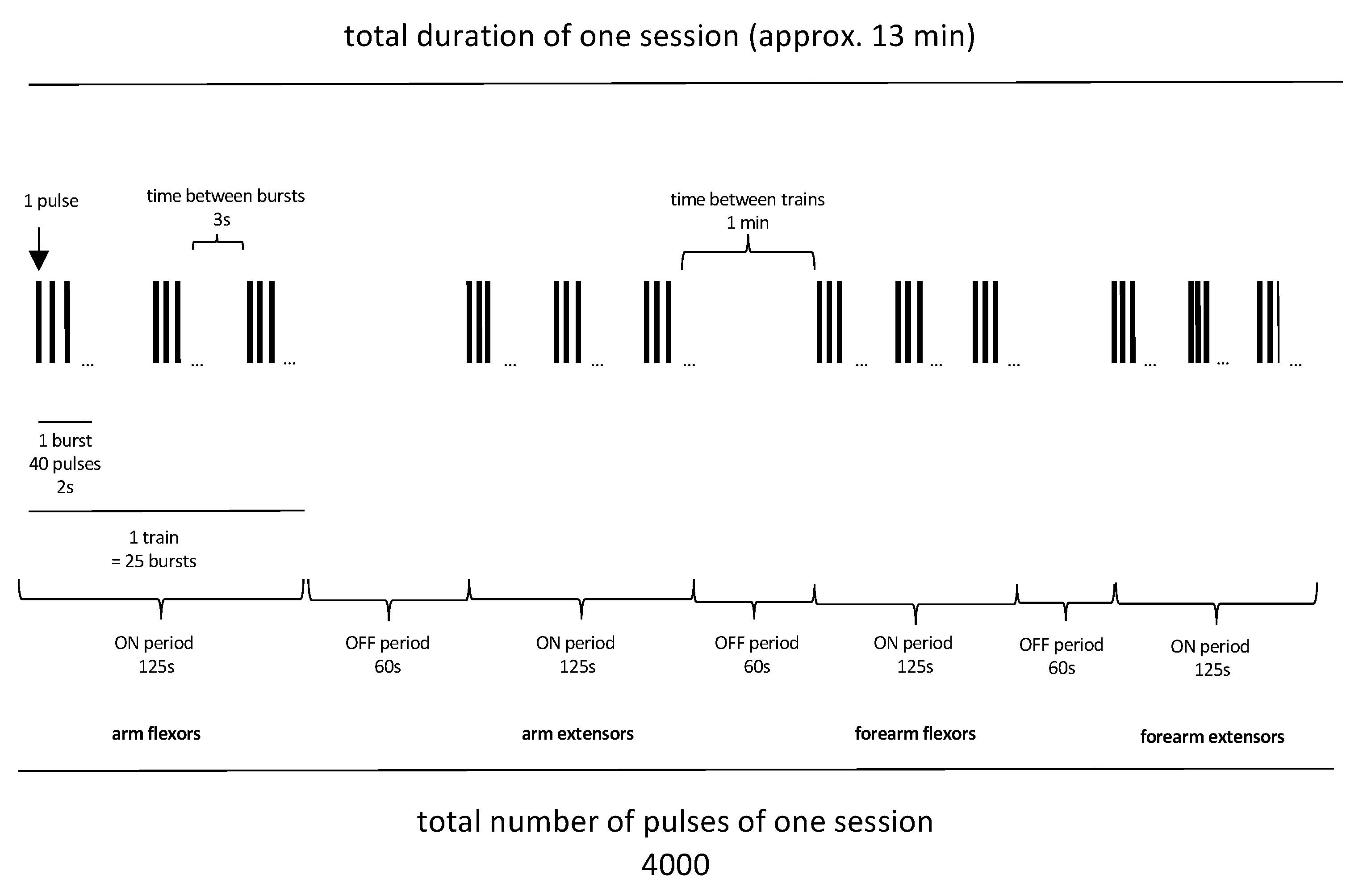
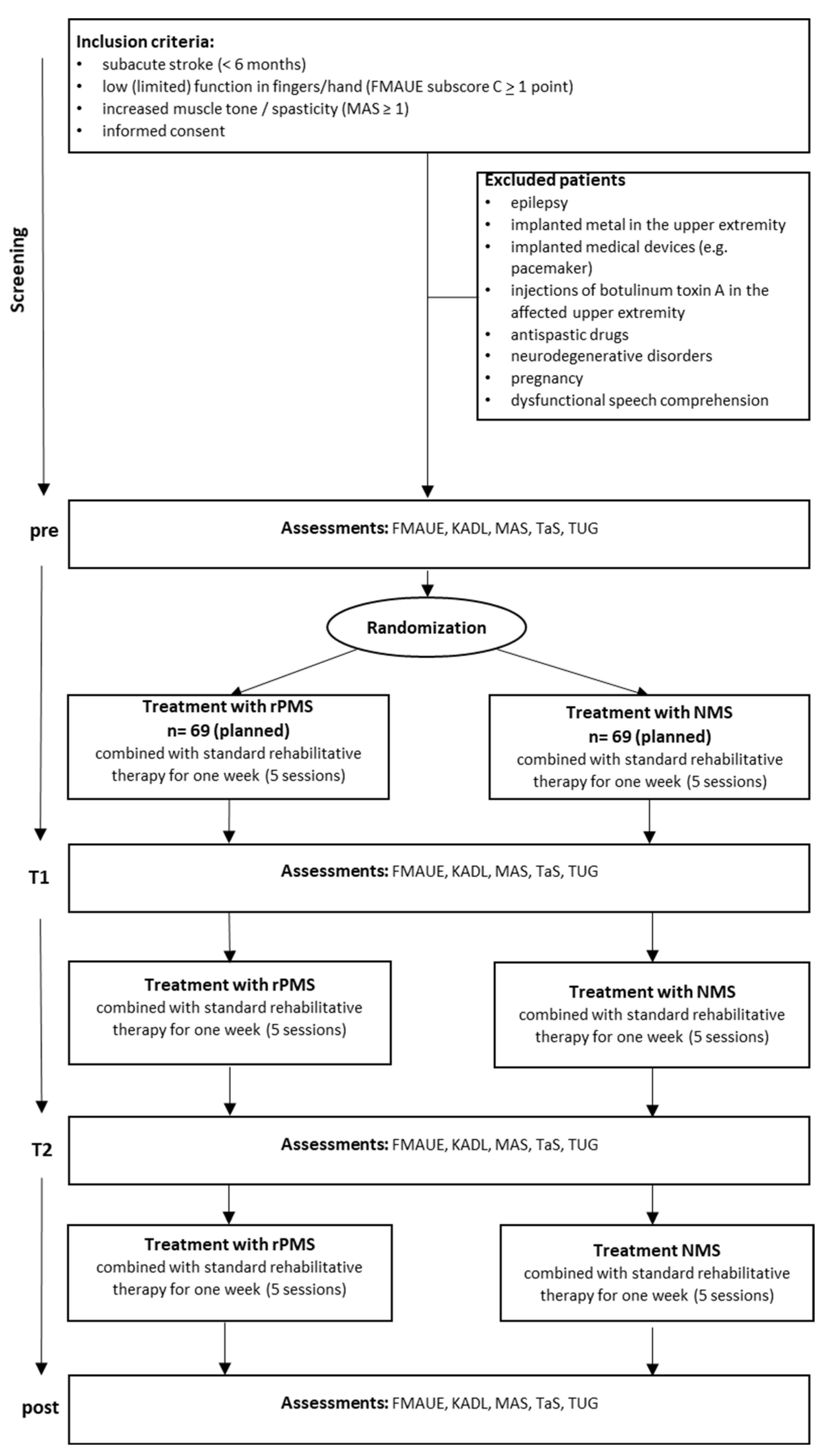
A Randomized Controlled Trial to Test the Effects of Repetitive Peripheral Magnetic Stimulation Versus Neuromuscular Electrical Stimulation in Patients with Spastic Hemiparesis After Stroke (REPMAST): Study Protocol

 Will this cure spasticity? That is the only endpoint for spasticity research! NOTHING LESS!

A Randomized Controlled Trial to Test the Effects of Repetitive Peripheral Magnetic Stimulation Versus Neuromuscular Electrical Stimulation in Patients with Spastic Hemiparesis After Stroke (REPMAST): Study Protocol           

Kristin Loreen Pohl 

 2, 2, 1 and 1,2,*
1
Section of Neurological Rehabilitation, Clinic of Neurology, Jena University Hospital, 07747 Jena, Germany
2
Department of Neurology, Gräfliche Kliniken Moritz Klinik GmbH, 07639 Bad Klosterlausnitz, Germany
*
Author to whom correspondence should be addressed.
Brain Sci. 2024, 14(12), 1249; https://doi.org/10.3390/brainsci14121249
Submission received: 28 October 2024 / Revised: 3 December 2024 / Accepted: 11 December 2024 / Published: 12 December 2024
(This article belongs to the Special Issue New Studies on Stroke Care and Rehabilitation)

Abstract

Background/Objectives: 

Innovative therapies are needed to reduce disability, facilitate activities of daily living, and improve the quality of life(Survivors want full recovery, NOT JUST IMPROVEMNT; Don't you ever talk to survivors without justifying your failures by parroting the tyranny of low expectations?)in patients with stroke. Non-invasive methods of stimulating the peripheral and central nervous system are increasingly being used to enhance the effects of existing therapies in stroke rehabilitation. One potentially relevant method for achieving greater improvement is repetitive peripheral magnetic stimulation (rPMS). This randomized controlled trial (RCT), the Peripheral MAgnetic stimulation in patients with spastic hemiparesis after Stroke Trial (REPMAST), will investigate whether rPMS improves upper extremity function, spasticity, and activities of daily living in patients with stroke compared with neuromuscular stimulation (NMS). 

Methods: 

REPMAST is an interventional, randomized controlled single-blinded study. Patients with subacute stroke are randomized to receive rPMS or NMS five days a week for three weeks in addition to standard rehabilitation therapy. The primary outcome is the change in the Fugl–Meyer Assessment for Upper Extremity between the beginning and end of the stimulation sessions. Secondary outcomes include changes in the Katz Index of Independence in Activities of Daily Living, the Timed Up and Go Test, the Modified Ashworth Scale, and the Tardieu Scale. A total sample size of 138 patients (69 in each group) is required to investigate the superiority of rPMS compared with NMS. 

Conclusions: 

The aim of this RCT is to provide evidence for an effective(Effective to a survivor is curing spasticty! Will this do that?) peripheral stimulation treatment for stroke recovery.

1. Introduction

Stroke is the third leading cause of death and disability combined worldwide [1]. Innovative therapies are needed to reduce disability, facilitate activities of daily living (ADL), and improve quality of life [2].
In recent years, in addition to physiotherapy and occupational therapy, non-invasive brain stimulation methods such as transcranial direct current stimulation and repetitive transcranial magnetic stimulation (rTMS) have been increasingly used to modulate brain function in order to improve functional deficits after stroke.
Another possibility to modulate brain function is through peripheral application, such as peripheral electrical stimulation [3,4] or with the use of repetitive peripheral magnetic stimulation (rPMS) [5,6]. Repetitive peripheral magnetic stimulation (rPMS) is a painless stimulation method that uses rapidly changing magnetic fields to stimulate peripheral nerves and trigger repeated contractions of the skeletal muscles. Using rPMS is simple compared with other NIBS approaches. The stimulation coil is placed directly on the skin in the area of the target muscle to be stimulated. The magnetic field penetrates the tissue and causes depolarization due to the electric field that builds up, resulting in the induction of an action potential, which clinically leads to muscle contraction. The rPMS method has also been used to stimulate peripheral nerves or spinal nerve roots, with the stimulation coil placed paravertebrally or over the corresponding nerve [7,8,9,10]. The exact mechanism of how rPMS interacts with the central and peripheral nervous systems is not yet fully understood. Struppler and colleagues suggested that rPMS causes increased proprioceptive input to the brain by activating mechanoreceptors of the contracted muscle [11]. Another type of input has been suggested to come directly from the nerve fibers. Consequently, rPMS increases sensory input from the affected limb to the brain, initiating neuroplastic processes and leading to improved sensorimotor performance in patients.
In the 1990s, the first studies by Struppler and colleagues reported improvements in perception, spasticity, and paresis after stroke and in patients with multiple sclerosis following the use of rPMS [12,13,14]. Over the past decade, the number of studies using rPMS has increased significantly [15]. Recent meta-analyses have reported that rPMS induces a better Fugl–Meyer Assessment for Upper Extremity (FMAUE) compared with control groups [16,17]. However, it has also been criticized that there is a lack of rPMS studies conducted as RCTs with large sample sizes [18,19,20]. Therefore, the current randomized controlled trial, the Repetitive Peripheral Magnetic stimulation in patients with spastic hemiparesis after Stroke Trial (REPMAST), will investigate the effect of rPMS compared to neuromuscular stimulation (NMS) in a large sample of patients with stroke. Because of the sensory influence of rPMS on the brain, the effect of rPMS in REPMAST will be compared with that of a control group that receives neuromuscular stimulation (NMS).
Previous reports have compared the advantages and disadvantages of rPMS and NMS [5,6,21]. It is important to note that although both interventions stimulate some common peripheral structures [6], they nevertheless activate different networks. Repetitive PMS has been found to increase activation of the ipsilesional superior posterior parietal and premotor cortex [11]. By contrast, NMS has been described to increase activity in the ipsilesional sensorimotor cortex [22]. Recent clinical studies have compared rPMS over muscles with sham [23], standard care [21], conventional physiotherapy [24], or its combination with low-frequency rTMS [10]. REPMAST is a randomized controlled comparative interventional trial that aims to investigate the efficacy (superiority) of rPMS compared with NMS in a large number of patients with subacute stroke, as there is no direct comparison between rPMS and NMS.
There are conflicting results regarding the effectiveness of rPMS in improving spasticity [14,16,18,19,20,23]. Therefore, this study will also analyze the effect of rPMS on spasticity.

More at link.

Thursday, October 17, 2024

Repetitive peripheral magnetic stimulation alone or in combination with repetitive transcranial magnetic stimulation in poststroke rehabilitation: a systematic review and meta-analysis

 Instead of doing lazy crapola review research like this, WHY THE FUCK AREN'T YOU PROVIDING RESEARCH THAT GETS SURVIVORS RECOVERED? Are your mentors and senior researchers that fucking incompetent? 

Send me hate mail on this: oc1dean@gmail.com. I'll print your complete statement with your name and my response in my blog. Or are you afraid to engage with my stroke-addled mind? I would like to know why you aren't creating research that gets survivors recovered!

You'll want 100% recovery when you become the 1 in 4 per WHO that has a stroke!). I'd suggest you start working on that now!

Repetitive peripheral magnetic stimulation alone or in combination with repetitive transcranial magnetic stimulation in poststroke rehabilitation: a systematic review and meta-analysis

Abstract

Objective

This study aimed to comprehensively review the effects of repetitive peripheral magnetic stimulation (rPMS) alone or in combination with repetitive transcranial magnetic stimulation (rTMS) on improving upper limb motor functions and activities of daily living (ADL) in patients with stroke, and to explore possible efficacy-related modulators.

Methods

A literature search from 1st January 2004 to 1st June 2024 was performed to identified studies that investigated the effects of rPMS on upper limb motor functions and ADL in poststroke patients.

Results

Seventeen studies were included. Compared with the control, both rPMS alone or rPMS in combination with rTMS significantly improved upper limb motor function (rPMS: Hedge’s g = 0.703, p = 0.015; rPMS + rTMS: Hedge’s g = 0.892, p < 0.001) and ADL (rPMS: Hedge’s g = 0.923, p = 0.013; rPMS + rTMS: Hedge’s g = 0.923, p < 0.001). However, rPMS combined with rTMS was not superior to rTMS alone on improving poststroke upper limb motor function and ADL (Hedge’s g = 0.273, p = 0.123). Meta-regression revealed that the total pulses (p = 0.003) and the number of pulses per session of rPMS (p < 0.001) correlated with the effect sizes of ADL.

Conclusions

Using rPMS alone or in combination with rTMS appears to effectively improve upper extremity functional recovery and activity independence in patients after stroke. However, a simple combination of these two interventions may not produce additive benefits than the use of rTMS alone. Optimization of rPMS protocols, such as applying appropriate dosage, may lead to a more favourable recovery outcome in poststroke rehabilitation.

Introduction

Repetitive peripheral magnetic stimulation (rPMS) is a non-invasive therapeutic approach for facilitating motor recovery following neurological diseases, which was first proposed for the purpose of neurological rehabilitation in 1996 [1]. The rPMS technique employs focused magnetic pulses over various peripheral targets (e.g., muscles, nerves, or spinal roots) [2], and this technique induces repetitive contraction-relaxation cycles by depolarizing neurons [3] and then provides proprioceptive inputs to afferent fibers [4,5,6,7], therefore modulating sensorimotor plasticity. In the literature, rPMS is considered a unique, promising neuromodulation technique due to its advantage of providing more deeply penetrating, focused, painless stimulation than conventional electrical stimulation provides [5, 8, 9].

In 2023, rPMS was delivered using a transcranial magnetic stimulator, which was originally used for repetitive transcranial magnetic stimulation (rTMS), and has been approved by the US Food and Drug Administration for relieving chronic pain [10]. In poststroke rehabilitation, rPMS is different from rTMS in the neural mechanism - rTMS has been extensively used to facilitate motor recovery by modulating cortical plasticity in a top-down approach [11] whereas rPMS is adopting a bottom-up approach through recruitment of proprioceptive afferents thus up-regulate the excitability of the sensorimotor areas via the ascending pathway [2, 6]. Therefore, combining central and peripheral magnetic stimulation may produce a synergistic effect on the facilitation of motor recovery after stroke [12].

The effects of rPMS for motor function of the hemiplegic upper extremity or ADL after stroke have been reviewed in previous systematic reviews, which generally have reported positive effects of rPMS [2, 8, 13,14,15,16,17,18]. However, these reviews are not free from methodological limitations. Firstly, a few reviews did not perform meta-analysis to quantitively evaluate the treatment effects [2, 14, 18]. Secondly, in the previous meta-analytic reviews, no detailed subgroup analysis or meta-regression was performed to identify the influence of different stimulation protocols, patient demographics, or patients’ clinical profiles on the treatment effect sizes [8, 13, 15, 16]. Thirdly, some reviews covered a wide range of neurological disease conditions, so the specific effect of rPMS in stroke rehabilitation was still not conclusive [2, 17]. Lastly, these reviews did not systematically investigate the effect of rPMS alone or in combination with rTMS to elaborate the possible synergistic effect of the combined interventions [2, 8, 13,14,15,16,17,18].

Therefore, a comprehensive understanding of clinical effectiveness as well as neural mechanisms underlying the therapeutic benefits of using rPMS alone or in combination with rTMS in poststroke rehabilitation is needed. Here, our review aimed to: (1) investigate the effects of these two interventional methods (using rPMS alone or in combination with rTMS) on upper limb motor function and ADL in poststroke patients, using meta-analysis; (2) identify any significant relationship between various rPMS parameters, patient demographics, clinical characteristics, and effect sizes using subgroup analyses and meta-regression; and (3) clarify the mechanisms underlying the therapeutic effects of rPMS by qualitatively assessing rPMS studies using neuroimaging and/or neurophysiological outcomes.

Tuesday, April 9, 2024

Synergistic efficacy of repetitive peripheral magnetic stimulation on central intermittent theta burst stimulation for upper limb function in patients with stroke: a double-blinded, randomized controlled trial

 You try explaining this in simple words that you want this intervention to your hospital! Does your hospital even have any of this equipment?

Synergistic efficacy of repetitive peripheral magnetic stimulation on central intermittent theta burst stimulation for upper limb function in patients with stroke: a double-blinded, randomized controlled trial

Abstract

Background

Non-invasive techniques such as central intermittent theta burst stimulation (iTBS) and repetitive peripheral magnetic stimulation (rPMS) have shown promise in improving motor function for patients with stroke. However, the combined efficacy of rPMS and central iTBS has not been extensively studied. This randomized controlled trial aimed to investigate the synergistic effects of rPMS and central iTBS in patients with stroke.

Method

In this study, 28 stroke patients were randomly allocated to receive either 1200 pulses of real or sham rPMS on the radial nerve of the affected limb, followed by 1200 pulses of central iTBS on the ipsilesional hemisphere. The patients received the intervention for 10 sessions over two weeks. The primary outcome measures were the Fugl-Meyer Assessment-Upper Extremity (FMA-UE) and the Action Research Arm Test (ARAT). Secondary outcomes for activities and participation included the Functional Independence Measure-Selfcare (FIM-Selfcare) and the Stroke Impact Scale (SIS). The outcome measures were assessed before and after the intervention.

Results

Both groups showed significant improvement(But how close to 100% recovery? If you didn't measure that your research completely failed!) in FMA-UE and FIM-Selfcare after the intervention (p < 0.05). Only the rPMS + iTBS group had significant improvement in ARAT-Grasp and SIS-Strength and activity of daily living (p < 0.05). However, the change scores in all outcome measures did not differ between two groups.

Conclusions

Overall, the study’s findings suggest that rPMS may have a synergistic effect on central iTBS to improve grasp function and participation. In conclusion, these findings highlight the potential of rPMS as an adjuvant therapy for central iTBS in stroke rehabilitation. Further large-scale studies are needed to fully explore the synergistic effects of rPMS on central iTBS.

Trial registration

This trial was registered under ClinicalTrials.gov ID No.NCT04265365, retrospectively registered, on February 11, 2020.

Background

Stroke is a leading cause of death and disability worldwide, with impaired upper limb motor function being a common outcome for stroke survivors. According to the Global Burden of stroke 2019, stroke had become the second most common causes of death (11.6% of all deaths [95% uncertainty interval, 10.8–12.2%]) and the third most common causes of disability (5.7% of disability-adjusted life years from all causes [95% uncertainty interval, 5.1–6.2]) in the world [1]. Among people experiencing stroke episodes, impaired motor function of upper extremities often had adverse effects on the daily activities [2] and participation [3]. In 70% of stroke patients, upper limb involvement was responsible for long-term impairment of daily function and activities [4, 5].

Even with traditional neurorehabilitation programs, approximately 50–60% of stroke patients still experience chronic motor limitations [6]. To address this, non-invasive brain stimulation such as central theta burst stimulation (TBS), a novel form of repetitive transcranial magnetic stimulation (rTMS), have been used to treat these patients [7]. Central TBS has been found to have persistent effects on motor evoked potentials (MEPs) [8, 9]. The bimodal balance-recovery model has been proposed as the underlying mechanism for central rTMS [10]. This model combined the concepts of interhemispheric competition and vicariation effects of the intact hemisphere in patients with stroke [10]. The hypothesis posited that there was a reduction in cortical excitability within the impaired hemisphere, accompanied by an increase in transcallosal inhibitory signaling originating from the intact hemisphere [10]. To facilitate cortical excitability in the impaired hemisphere, intermittent TBS (iTBS) is applied, while continuous TBS (cTBS) is utilized to reduce transcallosal inhibitory signals in the intact hemisphere [11]. A recent meta-analysis has shown that iTBS outperforms cTBS in terms of promoting upper limb motor recovery in stroke patients [12]. Therefore, iTBS was selected for this study.

Repetitive peripheral magnetic stimulation (rPMS) is another non-invasive brain stimulation technique that targets the peripheral motor nerve through both direct and indirect activation [13,14,15]. The transmission of direct activation occurred through the sensorimotor nerve, whereas indirect activation was facilitated by the mechanoreceptor nerve [13,14,15]. It has been hypothesized that rPMS could induce neuroplasticity and cortical reorganization [13,14,15]. Prior research has demonstrated increased motor evoked potential (MEP) amplitudes in the upper limb following rPMS application [16,17,18,19]. One study demonstrated the potential of rPMS to enhance distal motor function [20], and another showed its effectiveness in improving proximal muscle strength in early subacute stroke patients [21]. Recent studies further underscore the positive impact of rPMS on upper motor function assessed by Fugl-Meyer Assessment (FMA) during the subacute and acute phases of stroke [21, 22]. Furthermore, FMA-Upper Extremity (FMA-UE) includes proximal and distal domain [23, 24]. Considering that most patients with stroke suffered from flexor spasticity in the upper limb, which limited their ability to open hands for object manipulation. Thus, we chose the radial nerve for the delivery of rPMS, which is essential for the recovery of skilled hand prehension [25].

To date, the majority of studies have focused on the effects of integrating rPMS with rehabilitation programs [20,21,22] for patients with stroke. Currently, one study showed that central rTMS combined with rPMS altered cerebellar and frontoparietal cortical activity via functional magnetic images [26]. One study combined rTMS with rPMS to improved patient’s spasticity and motor function [27]. While the individual benefits of central rTMS and rPMS have been documented in previous studies [26, 27], our rationale for combining them is based on emerging evidence that rPMS can modulate motor cortical excitability in the central nervous system [13,14,15]. Furthermore, the iTBS was proved to have more enduring effects than the conventional rTMS [2, 28]. This concept is still relatively novel, and no studies have explored the synergistic effects of central iTBS when combined with peripheral rPMS. Therefore, we hypothesized that applying rPMS to the radial nerve might enhance the effectiveness of central iTBS over the primary motor cortex, leading to improvement in motor function, activities, and participation. This is the first randomized controlled trial investigating the synergistic efficacy of rPMS on central iTBS in treating upper limb dysfunction in patients with stroke.

More at link.