Showing posts with label marriage. Show all posts
Showing posts with label marriage. Show all posts
Monday, August 31, 2026
Men Are Onto Something. Quitting Is Great.
Mine was orange juice, besides the fact she said she should have left me to die on the bedroom floor.


Wednesday, July 8, 2026
If you're over 65 and can still do these 12 things with ease, you're aging wonderfully
If you're over 65 and can still do these 12 things with ease, you're aging wonderfully
Being able to walk for several minutes without feeling unsteady is one of the strongest signs of healthy aging. Good balance reduces the risk of falls and helps you remain independent when carrying out everyday activities such as shopping, taking walks, or visiting family and friends. Walking also strengthens your muscles, joints, and cardiovascular system.
If you are over 65 and can comfortably walk several blocks without needing frequent breaks, your physical condition is likely in very good shape. This ability also reflects strong coordination between your muscles, vision, and nervous system, all of which are essential for maintaining an active lifestyle for years to come.
You can climb stairs without much effort
easy! And because I just bought a 4-level condo with 7 steps to each floor I'll have enough practice doing steps, I'll still be doing them at age 100(currently 70). One level living means you didn't plan early enough to keep doing steps. Which means you can't travel to Europe since most bar/restaurant bathrooms are in the basement with no railings.)
Climbing stairs requires muscular strength, cardiovascular endurance, and good coordination. When an older adult can do this without experiencing excessive fatigue, it is often a sign that they have maintained good physical fitness and mobility for daily life.
Although it is perfectly normal to move at a slower pace as you age, preserving this ability shows that your legs, heart, and lungs are still working efficiently. Continuing to perform strength-building exercises can help maintain this important skill over time.
Remembering appointments, names, recent conversations, or daily tasks is part of having a healthy memory. Occasional forgetfulness is completely normal, but maintaining the ability to organize and recall information suggests that your brain continues to function efficiently.
Reading, solving puzzles, learning new activities, and having regular conversations all help stimulate cognitive function. These habits support memory while promoting mental sharpness as the years go by.
Standing up from a chair without relying heavily on your arms reflects good strength in your legs and core muscles. Although it seems like a simple movement, healthcare professionals often use it as an indicator of mobility and independence in older adults.
Maintaining this ability makes many daily activities easier, from getting out of bed to using public transportation. Regular strength-training exercises can help preserve this skill while reducing the likelihood of future mobility limitations.
Spending time with family, friends, or participating in community activities supports both emotional and cognitive well-being. Social connections help reduce isolation while stimulating memory, communication skills, and self-confidence.
Women who maintain meaningful social relationships often cope better with the natural changes that come with aging. Conversations, group classes, volunteer work, and recreational activities all contribute to improved emotional well-being and a greater sense of fulfillment.
The ability to learn does not disappear with age. Whether you're learning how to use new technology, taking a class, or developing a new hobby, your willingness to learn demonstrates that your brain continues to adapt and grow.
Besides stimulating cognitive function, learning new skills boosts confidence and keeps curiosity alive. It also encourages the formation of new neural connections that help support long-term brain health.
You have good coordination
It's pretty good for not having a useable left hand
Being able to perform tasks that require precise movements, such as cooking, sewing, writing, or handling small objects, shows that communication between your brain and muscles remains strong. This ability is essential for maintaining independence.
Practicing balance and coordination exercises helps preserve these important skills. Maintaining manual dexterity also allows you to continue enjoying hobbies and everyday activities that require precision and focus.
Getting seven to eight hours of quality sleep each night helps your body and mind recover properly. Good sleep supports your immune system, improves memory, and helps maintain steady energy levels throughout the day.
Although sleep patterns often change with age, consistently getting restorative sleep remains an excellent indicator of overall health. Keeping a regular bedtime routine can improve sleep quality and overall well-being
The ability to adapt to change and approach difficult situations with optimism is an important sign of emotional well-being. Resilient people often find solutions more easily and maintain a positive outlook despite everyday challenges
Developing hobbies, practicing relaxation techniques, and maintaining healthy relationships all contribute to emotional balance. This positive mindset supports a better quality of life and helps make the aging process more enjoyable.
Cooking, cleaning, organizing your home, and running errands require coordination, strength, endurance, and planning. Being able to complete these activities independently reflects a healthy combination of physical and cognitive abilities.
Beyond preserving independence, household chores also provide regular physical activity. These everyday movements help maintain mobility while strengthening multiple muscle groups.
Preparing nutritious meals and making healthy food choices demonstrate a commitment to your long-term well-being. A diet rich in fruits, vegetables, lean proteins, and whole grains supports your body's functions throughout every stage of life.
Staying properly hydrated and limiting highly processed foods are equally important. These healthy habits help preserve energy, strengthen bones, and support a well-functioning immune system.
Being able to manage your daily activities, organize your schedule, and make decisions confidently is one of the strongest indicators of healthy aging. Independence supports self-esteem and allows you to continue participating actively in everyday life.
Maintaining independence does not mean doing everything alone; it means having the confidence and ability to take care of yourself while knowing when to ask for help if needed. This balance between self-reliance and well-being is one of the clearest signs of a high quality of life after age 65.
Thursday, December 4, 2025
Strong Marriages May Rewire Brain–Gut Signals
I'm happier than hell that I'm out of mine.
My story: I would still be leading a life of quiet desperation if still married.
Well, at age 50 I had my stroke and the result of that is making me happy for the rest of my life. Got divorced at age 58, fired at age 56. All leading to moving to Michigan and finding lots of new friendships.
(Life is
definitely better as I age, I got divorced enhancing my happiness
immeasurably. I'm retired and comfortably well off. And healthy as I can
be post stroke. I'm going to live a long time yet.)
Strong Marriages May Rewire Brain–Gut Signals
Summary: Strong emotional support within marriage may help protect against obesity by altering how the brain and gut communicate. People in highly supportive marriages showed better control of food cravings, healthier gut metabolism, and higher levels of oxytocin, a hormone linked to bonding and appetite regulation.
These biological changes were not seen in unmarried individuals or in marriages with low emotional support. The findings suggest that relationship quality may be a powerful, overlooked factor in long-term weight regulation.
Key Facts
- Brain Control: Supportive marriages were linked to stronger activity in brain regions that regulate cravings.
- Gut Metabolism: Emotional support was associated with healthier tryptophan-related gut metabolites tied to serotonin and energy balance.
- Oxytocin Link: Higher oxytocin levels appeared to coordinate both appetite control and gut metabolic health.
Source: UCLA

Wednesday, March 26, 2025
Surprising Findings From New Research About Dementia and Marriage
I
can't see getting married again, it would severely limit my traveling and
social connections. I'll take my chances considering how much fun I'm having being single.
Marriage linked to lower risk for dementia, mild cognitive impairment (But see below)
Not in my case, getting divorced was the best thing.
Marriage May Help Stave Off Dementia (But see below)
I doubt I will go down that route. The Tao of Dating suggests dating three people at a time which would seem to offer massive amounts of social connections and require great cognitive memory.
Marriage makes men live longer, new study finds Not for me.
The latest here:
Surprising Findings From New Research About Dementia and Marriage
U.S. study could challenge the belief that marriage protects against cognitive decline

Key Takeaways
- Unmarried people in a U.S. study had a lower risk of dementia than married people.
- The study followed 24,000 older adults through the National Alzheimer's Coordinating Center.
- Findings were similar for men and women.
Unmarried people had a lower risk of dementia than those who were married, data from an 18-year cohort study of 24,000 older adults suggested.
In models adjusted for age and sex, never-married (HR 0.60, 95% CI 0.52-0.71), divorced (HR 0.66, 95% CI 0.59-0.73), and widowed older adults (HR 0.73, 95% CI 0.67-0.79) had less dementia risk than married adults, reported Selin Karakose, PhD, of the Florida State University College of Medicine in Tallahassee, and co-authors.
All unmarried groups also had a lower risk of progression from mild cognitive impairment to dementia, the researchers wrote in Alzheimer's & Dementia Findings were similar for men and women and were significant for Alzheimer's disease and Lewy body dementia.
Participants had annual evaluations at specialized dementia clinics. The study findings may indicate delayed diagnoses among unmarried people or could question the assumption that marriage protects against dementia.
"Contrary to expectations and challenging the commonly held belief that marriage is protective against cognitive decline and dementia, this study found that married older adults exhibited a higher risk of dementia compared to those never married, divorced, and widowed," Karakose said. (I would postulate that unmarried people have to work harder at social connections and that is preventative.)
"This finding can change the way we understand the connection between marital status and risk of dementia," she told MedPage Today. "Previous work has emphasized the benefits of marriage. However, married individuals may have a smaller social network, tend to be less self-reliant, and may experience stressful conditions such as caregiving, which could contribute to the risk of dementia."
One of the first analyses to evaluate dementia by marital status in the U.S. used data from the Health and Retirement Study from 2000 to 2014. That study showed that unmarried individuals had significantly higher odds of developing dementia than their married counterparts.
The current study evaluated data from the National Alzheimer's Coordinating Center (NACC), an ongoing longitudinal study of participants recruited from Alzheimer's Disease Research Centers throughout the U.S. At each annual visit, clinicians assessed cognitive status using neuropsychological tests and clinical examinations. Dementia diagnoses were based on the Clinical Dementia Rating scale.
The analysis included data up to June 2024 and was based on 24,107 individuals without dementia at baseline. Mean age was 71.79 years, 59.6% were female, and 79.9% were white.
Participants were classified as married (15,409 people), widowed (3,939 people), divorced (3,360 people), or never married (1,339 people). Due to small numbers, those who were separated were included in the divorced group, and those living with a domestic partner were included in the married group.
Over a median of 3.97 years, 4,853 participants developed dementia: 3,729 had Alzheimer's disease, 341 had Lewy body dementia, 246 had vascular dementia, and 184 had frontotemporal dementia.
Of the four marital status groups, widowed participants had an older baseline age (mean age 78.32) compared with married (mean age 70.73), divorced (mean age 70.11), and never married (mean age 69.14) individuals. Relationships between marital status and dementia were attenuated but remained significant in fully adjusted models for divorced (HR 0.83, 95% CI 0.72-0.96) and never married (HR 0.76, 95% CI 0.62-0.93) individuals, but not for widowed (HR 0.90, 95% CI 0.79-1.03) participants.
A supplemental analysis that examined participants whose relationships changed over the course of the study found that those who experienced widowhood during the follow-up period had a lower risk of dementia than those who remained continuously married.
The study had several limitations, Karakose and colleagues said. It included voluntary NACC participants who may not represent the U.S. population; most of the sample was white and married. Factors like financial stress and social connections may have played a role and were not accounted for in the analysis.
In addition, "examining the association through duration of post-marital life, including transitions to divorce, with the role of relationship factors (e.g., marital quality, relationship duration) may provide a more nuanced understanding than a simple binary effect," the researchers pointed out.
Disclosures
The National Alzheimer's Coordinating Center (NACC) database is funded by the National Institute on Aging (NIA). NACC data are contributed by the NIA-funded Alzheimer's Disease Research Centers.
Karakose and co-authors reported no disclosures.
Primary Source
Alzheimer's & Dementia
Source Reference: Karakose S, et al "Marital status and risk of dementia over 18 years: surprising findings from the National Alzheimer's Coordinating Center" Alzheimer's Dement 2025; DOI: 10.1002/alz.70072.
Thursday, September 26, 2024
Marriage makes men live longer, new study finds
I
can't see getting married, it would severely limit my traveling and
social connections. I'll take my chances considering how much fun I'm having being single.
Marriage linked to lower risk for dementia, mild cognitive impairment
Not in my case, getting divorced was the best thing.
Marriage May Help Stave Off Dementia
I doubt I will go down that route. The Tao of Dating suggests dating three people at a time which would seem to offer massive amounts of social connections and require great cognitive memory.
Marriage makes men live longer, new study finds
Married men were less likely to die from heart failure as they had someone close to them keeping tabs on their health, the University of Colorado study finds

Your support helps us to tell the story
Bachelors are twice as likely than their married male counterparts to die from heart failure, a new study has found.
The research – conducted by the University of Colorado - compiled data from 6800 American adults, comparing survival rates for heart failure with marital status. The results? Married men were less likely to die as they had someone close to them keeping tabs on their health, whilst bachelors typically did not.
Bachelors remained the cohort at greater risk of death, with men who had previously been married and had either been widowed, divorced or separated still impacted by the protective impact of marriage.
However, the study did not identify this trend amongst married women, who are interpreted by experts as being more capable of looking after their health than their male counterparts. Here, there was no link between marital status and death from heart failure.
In the UK, the prevalence of heart failure slowly increases with age, accelerating more rapidly after the age of 65. British Heart Foundation reports that heart and circulatory diseases cause a quarter of all deaths in the UK, with more than 160,000 deaths each year.
The National Institute for Health and Care Excellence estimates that 1 in 35 people between 65 and 74 years of age are impacted, compared to 1 in 15 people between 75 and 84 years of age. Over the age of 85, this statistic is just 1 in 7.
As such, The University of Colorado study advised doctors to check marital status when treating patients with heart failure. Dr Katarina Leyba, the study’s lead author, said: “Lifelong bachelor status is a significant predictor of death in men but not women.
“As clinicians, we need to think about our patients not just in terms of their medical risk factors, but also the context of their life. There is a relationship between a person’s relationship status and their clinical prognosis with heart failure”, Dr Leyba added.
Elsewhere, in analysing data from 199 countries across a 200-year period, one August 2022 study concluded that men are more likely to outlive women if they marry and go to university.
Though historically, research has found that women have longer survival rates and lower death rates than men, this study found that men who had completed higher education and got married were likely to live longer than women who had not.
In 2019, the average difference in life expectancy was 4.4 years worldwide.
Monday, December 25, 2023
If You Relate To These 13 Things, You're More Than Happy To Stay Single
This is mostly me.
I can't see getting married, it would severely limit my traveling and social connections.
Marriage linked to lower risk for dementia, mild cognitive impairment
Not in my case, getting divorced was the best thing.
Marriage May Help Stave Off Dementia
I doubt I will go down that route. The Tao of Dating suggests dating three people at a time which would seem to offer massive amounts of social connections and require great cognitive memory.
If You Relate To These 13 Things, You're More Than Happy To Stay Single
In a world that’s constantly pushing everyone to couple up, some of us are perfectly happy to stay single for a while (if not forever). We’re the ones who love our independence, our freedom, and our own company. And if you relate to these 13 things, you’re definitely one of us.1. You Relish Your Alone Time.
Do you find yourself absolutely loving those quiet evenings alone? Maybe it’s curling up with a good book, binge-watching your favorite series, or just enjoying the peace and quiet. If this sounds like heaven to you, and you’re not itching to fill every silent moment with company, then you’re probably totally cool with flying solo. Enjoying your own company is a big sign that you’re comfortable in your skin and don’t need a partner to feel complete.
2. You’re the Master of Your Own Schedule.
Are you the type who loves having complete control over your schedule? Whether it’s impromptu trips, deciding on a whim to try out a new hobby, or just enjoying the freedom of doing what you want, when you want – if that’s your jam, then being single is likely suiting you just fine. There’s something empowering about not having to coordinate plans with someone else, right?
3. You Cherish Your Personal Space.
If having your own personal haven is something you value deeply, then the single life might be your ideal setup. It’s not about being a loner; it’s about loving that uncluttered, personal space where you can be 100% yourself.
4. You’re Pursuing Personal Goals.
Are you all about chasing your dreams and goals right now? Maybe it’s climbing the career ladder, getting fit, or learning a new skill. If you’re finding fulfillment in pursuing these personal aspirations without the need to factor in a partner’s plans, then staying single could be your sweet spot. It’s about channeling your energy into your personal growth and loving every bit of it.
5. You Enjoy Your Social Circle Just the Way It Is.
If you’re not feeling any void and love the dynamic of your current social circle, then being single might just be your happy place. It's about enjoying the platonic relationships you have without feeling the need to add a romantic one into the mix.
6. Decision Making on Your Own Is Your Preference.
Love making decisions without having to consult anyone else? Whether it’s choosing the next travel destination or deciding what’s for dinner, if you find joy and simplicity in calling the shots on your own, then being single might be right up your alley. It’s about the freedom and independence that comes with steering your own ship.
7. You’re Not Looking for Someone to ‘Complete’ You.
If you’re not on the lookout for someone to fill a void because, well, there isn’t one, then you’re likely very content with singlehood. It’s about recognizing that you’re enough all by yourself, and a partner would be a bonus, not a necessity.
8. You’ve Got a Full Plate and Love It.
Are you the kind of person with a to-do list that’s always packed? From work projects to hobbies, personal projects to social commitments – if your life is full and fulfilling just the way it is, then being single probably feels just right. It’s about loving that go-getter life where your time and priorities are entirely your own.
9. You Thrive on Spontaneity.
If the idea of spontaneous road trips or impulsive adventures excites you more than scares you, and you love not having to check in with someone else first, then you’re likely quite happy being single. It’s all about embracing the freedom to be unpredictable.
10. You're Investing in Self-Discovery.
Maybe you’re exploring new aspects of your personality, trying out new interests, or just doing some deep self-reflection. If this journey of self-discovery is your current focus and you’re loving the journey, then singlehood is probably working out great for you. It’s about giving yourself the space to grow and evolve without compromise.
11. You Relish Making Your Space Uniquely Yours.
Love having your living space exactly the way you want it? Whether it’s about decorating choices, cleanliness standards, or just the general vibe, if having your space tailored to your taste without anyone else’s input is important to you, then you’re probably quite content with singlehood. It’s about creating your own sanctuary that reflects your personality to a T.
12. You Value Deep Connections Beyond Romance.
Do you find deep, meaningful connections in friendships or family relationships that fulfill you emotionally? If you’re not feeling any lack because your platonic relationships are strong and satisfying, then being single might be just fine for you. It’s about appreciating the love and support you have in your life, outside of romantic entanglements.
13. You’re Not Rushed About Life Milestones.
If you’re more about letting life unfold at its own pace and not stressing about ‘keeping up’, then the single life might be your best life. It's about enjoying where you are right now, without pressure to conform to the ‘married by…’ or ‘kids by…’ timelines.
14. You Find Joy in Solo Adventures.
Love the idea of solo travel or trying new things on your own? If the thought of a solo trip, dining alone at a new restaurant, or joining a class without a buddy sounds exciting rather than daunting, then you’re probably loving the single life. It’s about embracing independence and finding joy in your own company and adventures.
The post If You Relate To These 13 Things, You’re More Than Happy To Stay Single appeared first on Bolde.
Monday, April 24, 2023
Marital Transition and Risk of Stroke
My transition to unmarried probably vastly increased my chances of a long life.
My story; I would still be leading a life of quiet desperation.
Why my stroke was the best thing to ever happen to me
I've been living alone now for 10+ years. I can't see getting married, it would severely limit my traveling and social connections. But there are quite a few old college roommates which could work.
Martha Gellhorn on her relationship with Ernest Hemingway
I do very well without marriage
I'd rather sin respectably any day of the week
Ernest thinks, of course, that marriage saves you a lot of trouble and he is all for it,
I think sin is very clean, there are no strings attached to it
The latest here:
Marital Transition and Risk of Stroke
How Living Arrangement and Employment Status Modify Associations
Abstract
Background and Purpose—
There have been consistent findings reported that marital transition (ie, change in marital status during a given time period) is associated with risk of cardiovascular disease; however, few studies have been conducted on stroke risk, particularly stroke subtypes. Moreover, no studies have examined the moderating effect of living arrangement and employment status on the association between marital transition and stroke risk.
Methods—
We examined sex-specific associations between marital transition and stroke risk using data from Japan Public Health Center–based Prospective Study. We included 24 162 men and 25 626 women who were married at prebaseline (5 years before baseline). Marital transition was determined by marital status at baseline. Weighted hazard ratios of stroke risk were estimated by Cox proportional regression analysis with inverse probability of weighting using a propensity score.
Results—
An increased risk of stroke, particularly hemorrhagic stroke, was observed among men and women with marital transition (ie, married to unmarried); weighted hazard ratios (95% confidence interval [CI]) for men and women were 1.26 (1.13–1.41) and 1.26 (1.09–1.45), respectively. Participants with marital transition and lived with children had increased stroke risk. Living with parents buffered the increased stroke risk owing to marital transition among men; however, no such effect was identified among women. Elevated stroke risk owing to marital transition was magnified among women if they were unemployed; weighted hazard ratio=2.98 (95% CI, 1.66–5.33).
Conclusions—
Living arrangement and employment status modified the positive associations between marital transition and stroke risk, which differed by sex.
Introduction
Marital status is viewed as an important determinant of health.1 Married people have been consistently reported to be healthier than unmarried people, with more profound effects among men.2–7 These associations can be attributed to both marital selection (ie, healthier people are more likely to be married) and marital protection (refers to the benefits of marital ties on health).8–11
Consistent findings have been reported from research investigating marital transition (ie, a change in marital status during a given time period).5 Men and women who experience marital transition by death or divorce have prospectively increased risk of associated onset and progression of cardiovascular disease.12–14 The hypothesized mechanisms underlying the association between marital transition and cardiovascular risk include preexisting health conditions,5 change to unhealthy profiles of health behavior,15–17 poorer psychological state2 stemming from the loss of financial stability,18,19 and reduced social support and social networks11,20 owing to loss of the spouse. However, few studies have been conducted to address stroke risk,17,21 particularly stroke subtypes,22 in this population. In addition, no such studies have been conducted in Asia.
Sociocultural differences could be a potential moderator for the health effect of marital transition.5 A prospective study of middle-aged men and women in Japan showed that marital dissolution significantly increased the risk of cardiovascular mortality among men, but no such impact was identified among women.6 Another prospective study of Japanese elderly adults showed no evidence of increased all-cause mortality risk among widowed men and women; in fact, decreased mortality risk was found among widowed women.7 These inconsistent results could be because the social roles of men and women in Japanese society are different, with strong gender role norms (ie, the male breadwinner model). Under such social norms, women are generally more likely to adopt the role of providing emotional support to their spouse. Therefore, widowed women might feel relieved of their duty to care for their spouse emotionally, which might in turn lower their mortality risk.
Marital transition often changes people’s living arrangement and economic situation. Living alone is a well-known health risk factor.23–26 In addition, a previous study conducted in Japan showed that who people live with was important for increased risk of coronary heart disease incidence and mortality.26 Thus, the magnitude of stroke risk could vary by living arrangement.
In the same way that marital transition affects economic status (ie, through loss of the breadwinner or reduced sources of household income), the impact on employment status must also be considered. However, to our knowledge, no studies have examined the moderating effect of living arrangement and employment status on the association between marital transition and stroke risk.
In this study, we sought to examine the sex-specific associations between marital transition and incidence of total stroke and stroke subtypes, as well as modification of the identified associations, according to living arrangement and employment status, in a large prospective cohort in Japan.
More at link.
Wednesday, March 29, 2023
What role does marital status play in dementia risk?
Well I disagree, it is much easier to have vast social connections while single, and that is what is going to prevent my dementia.
What role does marital status play in dementia risk?
In a recent study published in the Journal of Aging and Health, researchers in Norway and the USA examined the association between trajectories of marital status in midlife and the prevalence of mild cognitive impairment and dementia. The study focused on patients aged 70 and above through a large population-based study in Norway.
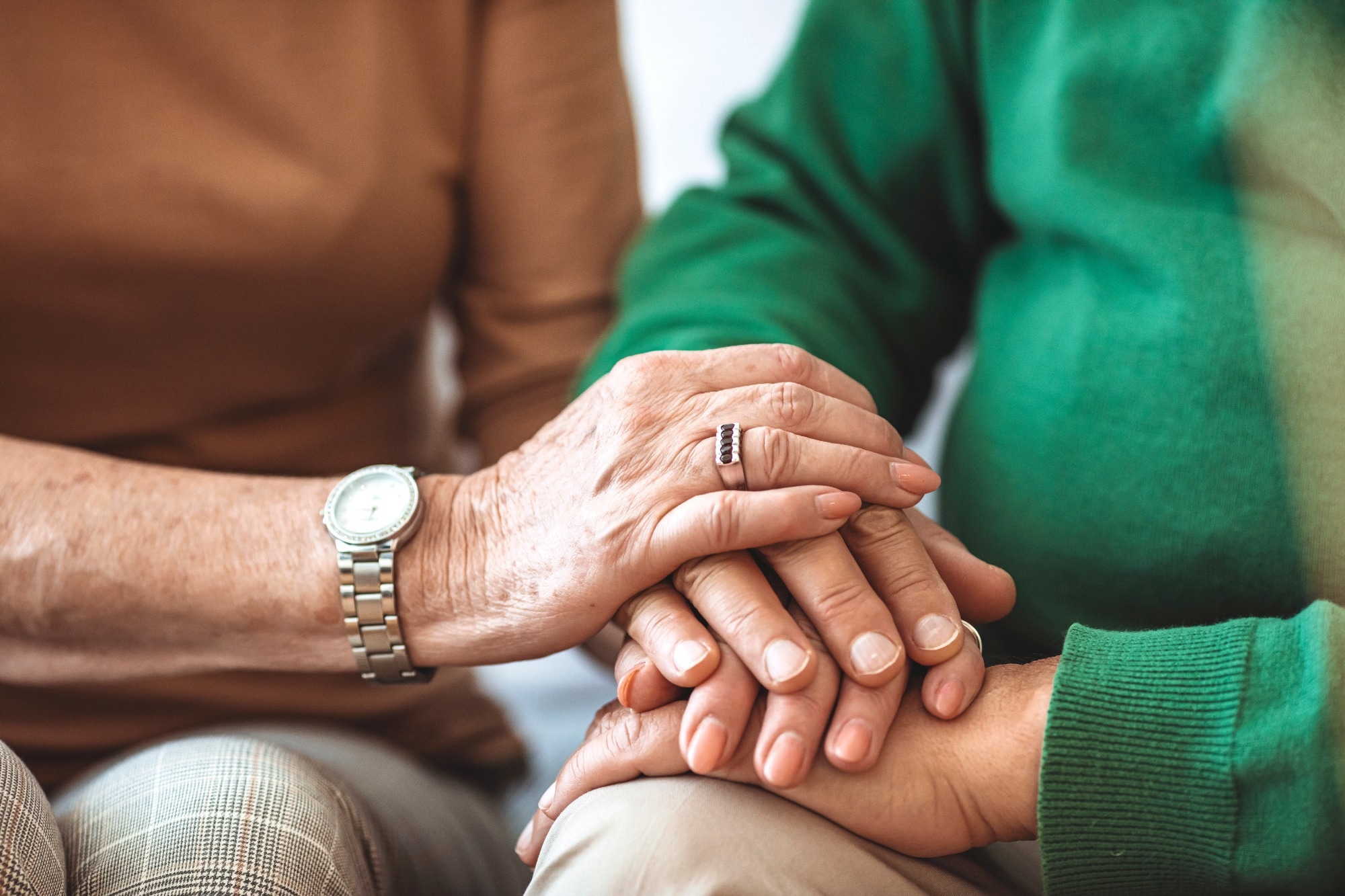 Study: Marital Histories and Associations With Later-Life Dementia and Mild Cognitive Impairment Risk in the HUNT4 70+ Study in Norway. Image Credit: Dragana Gordic / Shutterstock
Background
A significant portion of the older population is affected by dementia, and the numbers are expected to increase significantly by 2050 due to the expanding aging population. With limited pharmacological treatments available for dementia, recent research focuses on the effectiveness of reducing social and health-related risk factors in preventing or delaying dementia or mild cognitive impairment.
Among the factors linked to reduced dementia risk in older age is marital status in later life, where marriage protects against dementia in old age, and single status increases dementia risk with aging.
The recent decades have seen a significant shift in social norms, such as living arrangements and partnerships, with increased divorce, cohabitation, and the number of single individuals. This highlights a need to better understand the association between marriage and dementia risk.
About the study
In the present study, the researchers used information from a Norwegian longitudinal survey to formulate marital history measures and analyze the association of these measures with diagnoses of dementia and mild cognitive impairment in the later stages of life.
Since studies have indicated that the dementia-related health benefits of marriage are not evident in midlife, the researchers used the longitudinal dataset obtained from an ongoing, large-scale population survey in Norway. Researchers examined the association between midlife marital status and the risk of mild cognitive impairment and dementia in old age.
The researchers hypothesized that compared to those who have been widowed or divorced or are unmarried, those who have been married for an extended period would have a lower risk of dementia. While mild cognitive impairment could progress to dementia, it is often not seen to decline and has been observed to revert to normal conditions in some cases. Therefore, the association between marital status and mild cognitive impairment was hypothesized to be similar to that predicted for dementia but with weaker associations.
Based on previous studies, the researchers also hypothesized that the beneficial effects of marriage in reducing the risk of dementia would be more for men than women. Furthermore, the study also aimed to determine if factors such as the number of children, risk factors such as obesity, hypertension, diabetes, smoking behavior, psychological stress, and lack of socializing could explain the association between marital status in midlife and the risk of dementia in old age.
Results
The results reported that the prevalence of dementia was the lowest among those who were continuously married, and was the highest for those who were unmarried, followed by those who were continuously divorced and intermittently divorced.
The association between mild cognitive impairment and marital status was weaker than for dementia. No association between sex and the beneficial effects of marriage on dementia risk was observed.
Those widowed or intermittently married (predominant status was married, albeit intermittent) had a similar risk of mild cognitive impairment and dementia as those who were continuously married. The risk of mild cognitive impairment was high only for the unmarried group compared to the continuously married group, after adjusting for sex, age, and education.
Compared to those who were continuously married, the unmarried and continuously divorced groups had a 43% and 66% increase in the risk of dementia, respectively, after adjusting for education levels, age, and sex. A sensitivity analysis with a different age window for marital status did not result in a significant difference in dementia risk for the various groups.
Furthermore, the findings suggested that 60% of the dementia risk for the unmarried group was associated with not having children, while the remaining 40% was attributed to factors not including diabetes, smoking, hypertension, obesity, mental stress, physical inactivity, and not having friends.
Conclusions
Overall, the findings reported that being continuously married in midlife was linked to a lower risk of dementia in old age, and being unmarried or intermittently or continuously divorced could increase the risk of dementia in the later stages of life.
The authors believe that while they cannot identify causal effects, these results highlight the possible mediating roles of social factors, having children, and marital status in improved cognitive health in later life. Furthermore, given the changing social situations and increased rate of divorces, these results could imply a higher healthcare burden related to dementia in the future.
Journal reference:
- Skirbekk, V., Bowen, C. E., Håberg, A., Jugessur, A., Engdahl, B., Bratsberg, B., Zotcheva, E., Selbæk, G., Kohler, H.-P., Weiss, J., Harris, J. R., Tom, S. E., Krokstad, S., Stern, Y., & Strand, B. H. (2022). Marital Histories and Associations With Later-Life Dementia and Mild Cognitive Impairment Risk in the HUNT4 70+ Study in Norway. Journal of Aging and Health, 0(0). https://doi.org/10.1177/08982643221131926, https://journals.sagepub.com/doi/10.1177/08982643221131926
Friday, January 27, 2023
Marriage linked to lower risk for dementia, mild cognitive impairment
Not in my case, getting divorced was the best thing.
Marriage linked to lower risk for dementia, mild cognitive impairment
Marriage was associated with a lower risk for dementia and mild cognitive impairment in later life, researchers reported in the Journal of Aging and Health.
“Earlier studies suggest that being married in later life protects against dementia, and that being single in old age increases the risk of dementia. We examine midlife marital status trajectories and their association with dementia and mild cognitive impairment,” Vegard Skirbekk, PhD, of the Norwegian Institute of Public Health, and colleagues wrote.

Skirbekk and colleagues evaluated six different marriage trajectories – unmarried, continuously divorced, intermittently divorced, widowed, continuously married and intermittently married – using multinomial logistic regression. They said they looked at marital status in the 4th to 6th decades of life “as opposed to a one-time ‘snapshot’ of marital status” as well as clinical dementia and mild cognitive impairment status after age 70 years.
Study participants were garnered through a general population sample that was linked to population registries (n = 8,706). The authors estimated relative risk ratios (RRR) and then used mediation analyses, which were adjusted for education, number of children, smoking, hypertension, obesity, physical inactivity, diabetes, mental distress, as well as having no friends in midlife.
According to the authors, 11.6% of all subjects were diagnosed with dementia, while 35.3% were diagnosed with mild cognitive impairment. They found the highest prevalence of dementia among the unmarried (14.1%) and the lowest among the continuously married (11.2%).
In addition, dementia prevalence was higher for those unmarried (RRR = 1.73; 95% CI, 1.24-2.4), continuously divorced (RRR = 1.66; 95% CI, 1.14-2.43) and intermittently divorced (RRR = 1.5; 95% CI, 1.09-2.06), compared with those who were continuously married, the researchers wrote.
According to a counterfactual scenario the authors created, in which all participants had the same risk of receiving a dementia diagnosis as those who were continuously married, there would be 6% fewer dementia cases overall, they wrote.
“Our study draws further attention to marital histories as a predictor of later-life cognitive impairment and the potential mediating roles of having children, health and social risk factors,” Skirbekk and colleagues wrote. “Information on the link between marital status and later-life cognition could be useful for individuals as they consider the benefits and costs of different family forms, although we highlight that our results do not allow us to identify causal effects.”
Sunday, November 27, 2022
As Gen X and Boomers Age, They Confront Living Alone
I've been living alone now for 10 years. I can't see getting married, it would severely limit my traveling and social connections. But there are quite a few old college roommates which could work.
Martha Gellhorn on her relationship with Ernest Hemingway
I do very well without marriage
I'd rather sin respectably any day of the week
Ernest thinks, of course, that marriage saves you a lot of trouble and he is all for it,
I think sin is very clean, there are no strings attached to it
As Gen X and Boomers Age, They Confront Living Alone
Jay Miles has lived his 52 years without marriage or children, which has suited his creative ambitions as a videographer in Connecticut and, he said, his mix of “independence and stubbornness.” But he worries about who will take care of him as he gets older.
Donna Selman, a 55-year-old college professor in Illinois, is mostly grateful to be single, she said, because her mother and aunts never had the financial and emotional autonomy that she enjoys.
Mary Felder, 65, raised her children, now grown, in her row house in Philadelphia. Her home has plenty of space for one person, but upkeep is expensive on the century-old house.
Sign up for The Morning newsletter from the New York Times
Felder, Miles and Selman are members of one of the country’s fastest-growing demographic groups: people 50 and older who live alone.
In 1960, just 13% of American households had a single occupant. But that figure has risen steadily, and today it is approaching 30%. For households headed by someone 50 or older, that figure is 36%.
Nearly 26 million Americans 50 or older now live alone, up from 15 million in 2000. Older people have always been more likely than others to live by themselves, and now that age group — baby boomers and Gen Xers — makes up a bigger share of the population than at any time in the nation’s history.
The trend has also been driven by deep changes in attitudes surrounding gender and marriage. People 50-plus today are more likely than earlier generations to be divorced, separated or never married.
Women in this category have had opportunities for professional advancement, homeownership and financial independence that were all but out of reach for previous generations of older women. More than 60% of older adults living by themselves are female.
“There is this huge, kind of explosive social and demographic change happening,” said Markus Schafer, a sociologist at Baylor University who studies older populations.
In interviews, many older adults said they feel positively about their lives.
But while many people in their 50s and 60s thrive living solo, research is unequivocal that people aging alone experience worse physical and mental health outcomes and shorter life spans.
And even with an active social and family life, people in this group are generally more lonely than those who live with others, according to Schafer’s research.
In many ways, the nation’s housing stock has grown out of sync with these shifting demographics. Many solo adults live in homes with at least three bedrooms, census data shows, but find that downsizing is not easy because of a shortage of smaller homes in their towns and neighborhoods.
Compounding the challenge of living solo, a growing share of older adults — about 1 in 6 Americans 55 and older — do not have children, raising questions about how elder care will be managed in the coming decades.
“What will happen to this cohort?” Schafer asked. “Can they continue to find other supports that compensate for living alone?”
Planning for the Future
For many solo adults, the pandemic highlighted the challenges of aging.
Selman, the 55-year-old professor, lived in Terre Haute, Indiana, when COVID-19 hit. Divorced for 17 years, she said she used the enforced isolation to establish new routines to stave off loneliness and depression. She quit drinking and began regularly calling a group of female friends.
This year, she got a new job and moved to Normal, Illinois, in part because she wanted to live in a state that better reflected her progressive politics. She has met new friends at a farmers’ market, she said, and is happier than she was before the pandemic, even though she occasionally wishes she had a romantic partner to take motorcycle rides with her or just to help carry laundry up and down the stairs of her three-bedroom home.
She regularly drives 12 hours round trip to care for her parents near Detroit, an obligation that has persuaded her to put away her retirement fantasy of living near the beach, and move someday closer to her daughter and grandson, who live in Louisville, Kentucky.
“I don’t want my daughter to stress out about me,” she said.
Watching their own parents age seems to have had a profound effect on many members of Gen X, born between 1965 and 1980, who say they doubt that they can lean on the same supports that their parents did: long marriages, pensions, homes that sometimes skyrocketed in value.
When his mother died two years ago, Miles, the videographer, took comfort in moving some of her furniture into his house in New Haven, Connecticut.
“It was a coming home psychologically,” he said, allowing him to feel rooted after decades of cross-country moves and peripatetic career explorations, shifting from the music business to high school teaching to producing films for nonprofits and companies.
“I still feel pretty indestructible, foolishly or not,” he said.
Still, caring for his divorced mother made him think about his own future. She had a government pension, security he lacks. Nor does he have children.
“I can’t call my kid,” he added, “the way I used to go to my mom’s house to change light bulbs.”
His options for maintaining independence are “all terrible,” he said. “I’m totally freaked out by it.”
Several Gen X solo dwellers said they had begun exploring options to live communally as they age, inspired, in part, by living arrangements they had enjoyed in college years and young adulthood.
“I’ve been talking to friends about end-of-life issues and how we might want to get together,” said Patrick McComb, 56, of Riverview, Michigan, a graphic artist. “Being alone till the end would not be the worst thing in the world. But I would prefer to be with people.”
With Space to Spare
Katy Mattingly, 52, an executive secretary, bought a house in Ypsilanti, Michigan, three years ago. It is small but offers plenty of space, with three bedrooms.
The question for her, and many other single homeowners, is whether they can cash in when they get older.
Mattingly said she did not think she would ever be able to pay down the mortgage and build wealth.
“It’s implausible that I’ll ever be able to retire,” she said.
Living solo in homes with three or more bedrooms sounds like a luxury but, experts said, it is a trend driven less by personal choice than by the nation’s limited housing supply. Because of zoning and construction limitations in many cities and towns, there is a nationwide shortage of homes below 1,400 square feet, which has driven up the cost of the smaller units, according to research from Freddie Mac.
Forty years ago, units of less than 1,400 square feet made up about 40% of all new home construction; today, just 7% of new builds are smaller homes, despite the fact that the number of single-person households has surged.
This has made it more difficult for older Americans to downsize, as a large, aging house can often command less than what a single adult needs to establish a new, smaller home and pay for their living and health care expenses in retirement.
People in this group often face the reality that “it’s more expensive to get a smaller condo than the single family you’re selling — and that presumes the condo exists, which may not be the case,” said Jennifer Molinsky, director of the Housing an Aging Society Program at Harvard University.
And when they hold onto family-size houses well into retirement, there are fewer spacious homes placed on the market for young families, who in turn squeeze into smaller units or withstand long commutes in a search for affordable housing.
“Both ends of the age distribution are getting squeezed,” said Jenny Schuetz, an expert on housing and urban economics at the Brookings Institution.
The constraints are especially severe for many older Black Americans, for whom the legacy of redlining and segregation has meant that homeownership has not generated as much wealth. The percentage of people living alone in large houses is highest in many low-income, historically Black neighborhoods. In those areas, many homes are owned by single, older women.
One of them is Felder of Strawberry Mansion, a neighborhood in Philadelphia. She and her ex-husband bought their two-story brick row house in the mid-1990s for a song after it was damaged in a fire.
While raising three children, Felder worked a series of jobs, including retail, hotel housekeeping and airport security. She retired in 2008 and has lived by herself for more than a decade, although her sisters, children and grandchildren live nearby.
Maintaining her home is a challenge. In rainstorms, she sometimes had to use every piece of fabric in the house to sop up water pouring down a kitchen wall. And she worries about her safety.
At times, she dreams about relocating to small-town South Carolina, where she was born and raised.
She imagines a small home there, perhaps even a trailer.
But the median value of a home in her neighborhood was $59,000, according to recent census data. Felder thinks she could sell her house and net about $40,000.
“That’s not enough” to retire down south, she said, sighing, sitting in her living room filled with plants.
Felder is a fixture in her neighborhood, keeping watch over it, and has received help from Habitat for Humanity to repair her roof.
But in September, living alone became harder.
While she was cleaning the trash out of a nearby alley with neighbors, a masked gunman looked her in the eyes and shot her twice in the legs.
Felder had no clue who shot her, and there has been no arrest. She recovered at her daughter’s home across town, where the ground floor has a bedroom and bathroom, unlike in her own house.
By late November, she was feeling much better — physically, if not mentally, she said. But she had not stayed overnight in her own home. She is still a little afraid.
“But I’m working on it,” she said. “I really love my house.”
© 2022 The New York Times Company
Subscribe to:
Posts (Atom)