Changing stroke rehab and research worldwide now.Time is Brain! trillions and trillions of neurons that DIE each day because there are NO effective hyperacute therapies besides tPA(only 12% effective). I have 523 posts on hyperacute therapy, enough for researchers to spend decades proving them out. These are my personal ideas and blog on stroke rehabilitation and stroke research. Do not attempt any of these without checking with your medical provider. Unless you join me in agitating, when you need these therapies they won't be there.

What this blog is for:

My blog is not to help survivors recover, it is to have the 10 million yearly stroke survivors light fires underneath their doctors, stroke hospitals and stroke researchers to get stroke solved. 100% recovery. The stroke medical world is completely failing at that goal, they don't even have it as a goal. Shortly after getting out of the hospital and getting NO information on the process or protocols of stroke rehabilitation and recovery I started searching on the internet and found that no other survivor received useful information. This is an attempt to cover all stroke rehabilitation information that should be readily available to survivors so they can talk with informed knowledge to their medical staff. It lays out what needs to be done to get stroke survivors closer to 100% recovery. It's quite disgusting that this information is not available from every stroke association and doctors group.

Showing posts with label overweight. Show all posts

Wednesday, July 8, 2026

6 bad foods you should eat to lose visceral fat, according to dietitians

 Because my doctors and therapists WERE COMPLETE FUCKING FAILURES ON MY RECOVERY, I gained weight and obviously now some is visceral!

6 bad foods you should eat to lose visceral fat, according to dietitians

Key Points

  • Foods often labeled “bad,” like pasta and nuts, can support visceral fat loss goals.
  • Fiber-rich options like fruit, popcorn and whole grains help promote satiety and gut health.
  • A balanced eating pattern, plus sleep, movement and stress management can support visceral fat loss.

When it comes to fat loss, one thing is for certain: what you eat matters. However, many people wrongly believe that some nutritious foods are “bad”—pasta, nuts and even fruit are often demonized. But should you actually cut them out of your diet?

First, it’s important to note that there are two types of body fat: subcutaneous and visceral. Subcutaneous fat lies right below the skin, but the more significant health effects come from the visceral fat that’s not visible. While some fat is necessary for health, excess visceral fat can cause long-term health problems. “Visceral fat lies behind your abdominal muscles, and wraps around organs like the stomach, liver and intestines,” says Lainey Younkin, M.S., RD. “Too much visceral fat has been linked to high cholesterol, insulin resistance and high blood pressure, as well as increased risk for heart disease, stroke and type 2 diabetes.”

So if you’re trying to reduce visceral fat, remember, no single food or beverage can reduce it alone, and there’s no reason to eliminate certain foods to meet your health goals. Here are six “bad” foods dietitians agree can help you reach your health goals. 

1. Avocados

Avocados contain unsaturated fats which may be beneficial for visceral fat loss. One small study found that women who ate one avocado per day saw reductions in visceral fat, but a different study found no change in visceral fat in those who ate an avocado daily.

Still, Anna Rosell, RD, recommends foods that contain mono- and polyunsaturated fats, such as olive oil, avocados, nuts, seeds and fatty fish, due to the other health benefits they can provide beyond just fat loss. “Studies have found that including unsaturated fats in your diet not only positively influences blood cholesterol and risk of heart disease, but also body fat distribution,” she says.

2. Full-Fat Dairy

Dairy is one of the more controversial food groups when it comes to weight loss, but you may be surprised to learn that full-fat dairy can be part of a balanced diet that promotes healthy weight maintenance and fat loss. Dietary fat plays an important role in satiety, and full-fat dairy can be a significant fat source in the diet.

Some studies have shown an association between a diet that incorporates full-fat dairy and a lower risk for abdominal obesity, a measure of visceral fat. As an added bonus, some full-fat dairy sources like yogurt are also high in protein—another nutrient that’s important for satiety and essential in a healthy diet, especially when looking to lose weight.

3. Nuts

“Many people trying to lose weight shy away from nuts in general due to their high calorie content, but those calories are also full of nutrients,” says Julie Stevens, M.P.H., RDN, CPT. The amounts of fiber and protein vary depending on the type of nut, but all varieties offer essential nutrients that are important for a balanced diet.

Some research has found an association between a fiber-rich diet that includes walnuts and a reduction in visceral fat. Other studies have found that when study participants ate tree nuts in place of carbohydrate-rich snacks such as pretzels, graham crackers or animal crackers, they experienced a reduction in waist circumference.

“Almonds in particular are high in magnesium, vitamin E and fiber,” says Stevens. “They are also high in heart-healthy unsaturated fat. A great addition to a healthy snack or sprinkled on a salad.”

4. Popcorn

Popcorn may not be top of mind when considering foods that aid in visceral fat loss, but compared to other popular snacks, popcorn can be an excellent choice. “One serving (about 3 cups) of plain popcorn contains approximately 4 grams of fiber, 22 grams of carbohydrates and 110 calories,” says Danielle Townsend, RDN. “Compare that to 3 cups of potato chips (approximately 30 chips) which contain 1 gram of fiber, 23 grams of carbohydrates and 225 calories.”

These nutrient differences can have a significant impact when following an eating plan for weight and fat loss. “Foods lower in carbs and higher in fiber are associated with healthy weight loss and reduction of visceral and subcutaneous fat,” says Townsend. Popcorn is both higher in fiber and lower in calories than potato chips, making it a good choice if you’re looking for a crunchy snack.

5. Pasta

Pasta is often one of the first foods many people avoid when attempting to lose weight or change their body composition. However, pasta and grains in general (specifically whole grains) can be an important source of fiber in the diet, which helps to increase satiety after meals.

Daria Zajac, RD, LDN, recommends choosing a type of pasta that’s higher in fiber. “Opt to choose whole-grain or legume-based pastas to increase your fiber intake to support a healthy gut and to stay fuller longer,” she says. “The key is to choose heart-healthy carbs like whole grains, nonstarchy vegetables and fruits to promote health and long-term weight loss.”

6. Fruit

Some fruits are naturally higher in sugar than others, leading many to believe that they should be avoided if weight loss is a goal. However, this is a myth. “All fruits are packed with vitamins, minerals and fiber, which support healthy weight maintenance and weight loss,” Sheri Gaw, RDN, CDCES, says.

Many studies have found an association between increased fruit and vegetable intake and reductions in visceral fat. Considering most Americans don’t consume enough fiber, adding more fruit to the diet could benefit many people. Incorporating a variety of fruits can help you increase your intake of fiber, vitamins and other nutrients.

Our Expert Take

The foods you eat play an important role in helping you lose visceral fat. Even those traditionally considered to be “bad”—like full-fat dairy, fruit and popcorn—can aid in fat loss. That said, the most important thing is having an eating pattern that is balanced and meets your calorie needs.

In addition, looking at the full picture of health is important for fat loss. “Along with dietary changes, getting enough sleep, reducing stress and exercising can help reduce visceral fat,” says Younkin. “Just remember, you can’t spot-reduce fat, so doing a bunch of sit-ups won’t rid you of visceral fat. To burn fat, you need to eat in a slight calorie deficit, increase daily movement like walking and do a mix of cardio and strength-training workouts throughout the week.”

Read the original article on EatingWell

Tuesday, April 30, 2024

Brown Fat’s “Off Switch” Discovery Combats Obesity


I was at exactly 25 BMI prior to stroke, then gained 30 pounds because my doctor knew nothing and did nothing to get me recovered enough to continue with all the activities that kept me in shape. And told me nothing about slowing metabolism after age 50.

Brown Fat’s “Off Switch” Discovery Combats Obesity

Summary: Researchers have made significant discoveries about brown adipose tissue (BAT), which is known for its calorie-burning capabilities. Their study identifies a protein, AC3-AT, that acts as an “off switch” for BAT activation, limiting its effectiveness in combating obesity.

By potentially blocking this switch, the researchers believe they can enhance brown fat’s activity, offering a new avenue for treating obesity and related metabolic disorders. The findings, which also showed that mice without AC3-AT were protected from obesity and had increased metabolic rates, suggest promising strategies for human weight management.

Key Facts:

  1. Brown Fat Activation Limitation: The discovery of the AC3-AT protein explains why the calorie-burning effects of brown fat are typically short-lived, providing a target for prolonging its activation.
  2. Protective Effects in Mice: Mice lacking the AC3-AT protein demonstrated resistance to obesity, less fat accumulation, and higher metabolic rates, indicating the protein’s crucial role in energy balance.
  3. Implications for Human Obesity: Given that AC3-AT is also present in humans, these findings open up potential therapeutic applications to enhance brown fat activity and support weight loss in humans.

Source: University of Southern Denmark

Brown fat, also known as brown adipose tissue (BAT), is a type of fat in our bodies that’s different from the white fat around our belly and thighs that we are more familiar with.

Brown fat has a special job—it helps to burn calories from the foods that we eat into heat, which can be helpful, especially when we’re exposed to cold temperatures like during winter swimming or cryotherapy.

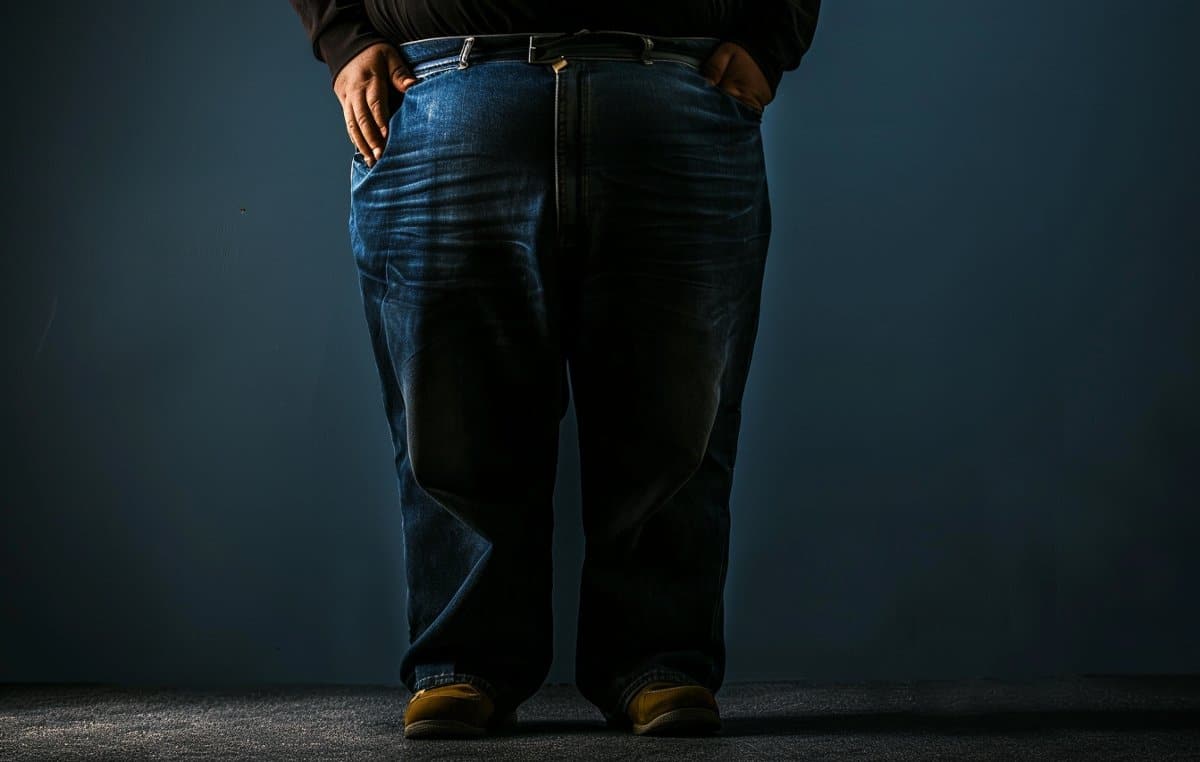
This shows an overweight person.
Intriguingly, this study not only identified AC3-AT, which is a shorter, previously unknown form of the AC3protein. Credit: Neuroscience News

For a long time, scientists thought that only small animals like mice and newborns had brown fat. But new research shows that a certain number of adults maintain their brown fat throughout life. Because brown fat is so good at burning calories, scientists are trying to find ways to activate it safely using drugs that boost its heat-producing abilities.

A new study from the research groups of Prof. Jan-Wilhelm Kornfeld from the University of Southern Denmark/the Novo Nordisk Center for Adipocyte Signaling (Adiposign) and Dagmar Wachten from the University Hospital Bonn and the University of Bonn (Germany) has found that brown fat has a previously unknown built-in mechanism that switches it off shortly after being activated.

This limits its effectiveness as treatment against obesity. According to first author of the study, Hande Topel, who is a Senior Postdoc at the University of Southern Denmark and the Novo Nordisk Center for Adipocyte Signaling (Adiposign), the team has now discovered a protein responsible for this switching-off process. It is called ‘AC3-AT’.

Blocking the “off switch” opens up a new strategy

“Looking ahead, we think that finding ways to block AC3-AT could be a promising strategy for safely activating brown fat and tackling obesity and related health problems”, Hande Topel says.

The research team found the switch-off protein using advanced technology predicting unknown proteins.

Hande Topel explains: “When we investigated mice that genetically didn’t have AC3-AT, we found that they were protected from becoming obese, partly because their bodies were simply better at burning off calories and were able to increase their metabolic rates through activating brown fat”.

Two groups of mice were fed a high-fat diet for 15 weeks, which rendered them obese. The group that had their AC3-AT protein removed, gained less weight than the control group and were metabolically healthier.

“The mice that have no AC3-AT protein, also accumulated less fat in their body and increased their lean mass when compared to the control mice”, says co-author, Ronja Kardinal, who is a PhD student at the University of Bonn in the lab of Dagmar Wachten at UKB, continuing: “As AC3-AT is found not only in mice but also in humans and other species, there are direct therapeutic implications for humans”.

Hope for strategies that support weight loss

Although the prevalence of brown fat decreases as humans age, and despite grown-ups not having as much brown fat as newborns, it can still be activated, for instance by cold exposure. When it gets activated, it enhances the rate of metabolism of these individuals, which again may help to stabilize weight loss in conditions where calorie intake is (too) high.

Intriguingly, this study not only identified AC3-AT, which is a shorter, previously unknown form of the AC3protein. The researchers also identified other unknown protein/gene versions, that respond to cold exposure, similar to AC3-AT.

“However, further research is needed to elucidate the therapeutic impact of these alternative gene products and their regulatory mechanisms during BAT activation”, says co-corresponding author Prof. Dagmar Wachten, Co-Director of the Institute of Innate Immunity at the UKB and member of the Cluster of Excellence ImmunoSensation2 and the Transdisciplinary Research Areas (TRA) “Modelling” and “Life & Health” at the University of Bonn.

“Understanding these kinds of molecular mechanisms not only sheds light on the regulation of brown fat but also holds promise for unraveling similar mechanisms in other cellular pathways.

“This knowledge can be instrumental in advancing our understanding of various diseases and in the development of novel treatments”, says co-corresponding author Prof. Jan-Wilhelm Kornfeld, University of Southern Denmark.

This study was conducted in the context of the DFG Collaborative Research Center Transregio-SFB 333 “Brown and Beige Fat – Organ Interactions, Signaling Pathways and Energy Balance (BATenergy)”, which is pursuing a better understanding of the different types of adipose tissue and their role in metabolic diseases and the Novo Nordisk Foundation Center for Adipocyte Signaling (Adiposign) at University of Southern Denmark that aims to understand fat cell dysfunction in model organisms and obese patients.

About this obesity and neuroscience research news

Author: Birgitte Svennevig
Source: University of Southern Denmark
Contact: Birgitte Svennevig – University of Southern Denmark
Image: The image is credited to Neuroscience News

Original Research: Closed access.
“Cold-induced expression of a truncated Adenylyl Cyclase 3 acts as rheostat to brown fat function” by Jan-Wilhelm Kornfeld et al. Nature Metabolism

Thursday, September 7, 2023

Abdominal Fat Linked to Lower Brain Volume in Midlife

I was at exactly 25 BMI prior to stroke, then gained 30 pounds because my doctor knew nothing and did nothing to get me recovered enough to continue with all the activities that kept me in shape. 17 years later and I'm still fighting to get rid of the 'Dad' bod.  I see nothing that indicates my cognitive function has declined.


Abdominal Fat Linked to Lower Brain Volume in Midlife

New research provides strong evidence of an association between abdominal fat and reduced brain volumes, particularly those involved with cognitive function.

In large study of healthy middle-aged adults, greater visceral and subcutaneous abdominal fat on abdominal MRI predicted brain atrophy on imaging, especially in women.

"The study shows that excess fat is bad for the brain and worse in women, including in Alzheimer's disease risk regions," lead author Cyrus Raji, MD, PhD, with the Mallinckrodt Institute of Radiology, Washington University, St. Louis, Missouri, told Medscape Medical News.

The study was published online August 28 in the journal Aging and Disease.

Modifiable Risk Factor

Multiple studies have suggested a connection between body fat accumulation and increased dementia risk. But few have examined the relationship between types of fat (visceral and subcutaneous) and brain volume.

For the new study, 10,000 healthy adults aged 20-80 years (mean age, 52.9 years; 53% men) underwent a short whole-body MRI protocol. Regression analyses of abdominal fat types and normalized brain volumes were evaluated, controlling for age and sex.

The research team found that higher amounts of both visceral and subcutaneous abdominal fat predicted lower total gray and white matter volume, as well as lower volume in the hippocampus, frontal cortex, and temporal, parietal, and occipital lobes.

"The findings are quite dramatic," Raji told Medscape Medical News. "Overall, we found that both subcutaneous and visceral fat has similar levels of negative relationships with brain volumes."

Women had a higher burden of brain atrophy with increased visceral fat than men. However, it's difficult to place the sex differences in context due to the lack of prior work specifically investigating visceral fat, brain volume loss, and sex differences, the researchers caution.

They also note that while statistically significant relationships were observed between visceral fat levels and gray matter volume changes, their effect sizes were generally small. 

"Thus, the statistical significance of this work is influenced by the large sample size and less so by large effect size in any given set of regions," the investigators write.

Other limitations include the cross-sectional nature of the study, which precludes conclusions about causality. The analysis also did not account for other lifestyle factors such as physical activity, diet, and genetic variables.

The researchers call for further investigation "to better elucidate underlying mechanisms and discover possible interventions targeting abdominal fat reduction as a strategy to maintain brain health."

"Helpful Addition to the Literature"

Commenting on this research for Medscape Medical News, Claire Sexton, DPhil, Alzheimer's Association senior director of scientific programs and outreach, noted that "previous studies have linked obesity with cognitive decline and increased risk of dementia. Rather than using BMI as a proxy for body fat, the current study examined visceral and subcutaneous fat directly using imaging techniques."

Sexton, who was not associated with this study, said the finding that increased body fat was associated with reduced brain volumes suggests "a possible mechanism to explain the previously reported associations between obesity and cognition."

"Though some degree of atrophy and brain shrinkage is common with old age, awareness of this association is important because reduced brain volume may be associated with problems with thinking, memory, and performing everyday tasks, and because rates of obesity continue to rise in the United States, along with obesity-related conditions including heart disease, stroke, type 2 diabetes and certain types of cancer," she added.

"While a helpful addition to the literature, the study does have important limitations. As an observational study, it cannot establish whether higher levels of body fat directly causes reduced brain volumes," Sexton cautioned.

In addition, the study did not take into account important related factors like physical activity and diet, which may influence any relationship between body fat and brain volumes, she noted. "Overall, it is not just one factor that is important to consider when considering risk for cognitive decline and dementia, but multiple factors.

"Obesity and the location of body fat must be considered in combination with one's total lived experience and habits, including physical activity, education, head injury, sleep, mental health, and the health of your heart/cardiovascular system and other key bodily systems," Sexton said.

The Alzheimer's Association is leading a 2-year clinical trial known U.S. POINTER to see whether combining physical activity, healthy nutrition, social and intellectual challenges, and improved self-management of medical conditions can protect cognitive function in older adults who are at increased risk for cognitive decline.

This work was supported in part by Providence St. Joseph Health, Seattle, Washington; Saint John's Health Center Foundation; Pacific Neuroscience Institute and Foundation; Will and Cary Singleton; and the McLoughlin family.  Raji is a consultant for Brainreader ApS, Apollo Health, Voxelwise LLC, Neurevolution LLC, Pacific Neuroscience Institute Foundation, and Icometrix. Sexton reports no relevant financial relationships.

Aging Dis. Published online August 28, 2023. Full text


Monday, April 26, 2021

Association between abnormal body weight and stroke outcome: A meta‐analysis and systematic review

 Maybe you want your doctor to verify that you being overweight/obese should be accomplished before your next stroke, not after. I was at exactly 25 BMI prior to stroke, then gained 30 pounds because my doctor knew nothing and did nothing to get me recovered enough to continue with all the activities that kept me in shape.

Association between abnormal body weight and stroke outcome: A meta‐analysis and systematic review

First published: 25 April 2021

This article has been accepted for publication and undergone full peer review but has not been through the copyediting, typesetting, pagination and proofreading process, which may lead to differences between this version and the Version of Record. Please cite this article as doi:10.1111/ene.14881

Abstract

Background

To test the hypothesis that “obesity paradox” exists in stroke patients, we conducted a meta‐analysis and systematic review on the association between abnormal body weight (obesity, overweight, or underweight) and the outcome of different types of stroke.

Methods

This meta‐analysis and systematic review was performed in conformity to the PRISMA guidelines. Studies investigating the association between abnormal body weight and the outcome of different types of stroke were searched in PubMed and Embase databases from their inception to March 20, 2021.

Results

33 articles including 84,660 patients were included in this study. Obesity and overweight were associated with longer survival in mixed‐stroke patients (acute ischemic stroke [AIS] combined with one or more other stroke subtypes) than was normal weight, while underweight was related to shorter survival; the pooled hazard ratios (HRs) of mortality were 0.77 (95% confidence interval [CI]: 0.71 to 0.83) for obesity, 0.76 (95% CI: 0.72‐0.80) for overweight, and 1.71 (95% CI: 1.56‐1.87) for underweight. However, only obesity was associated with longer survival in AIS patients compared with normal weight, and underweight was related to shorter survival; the pooled HR of mortality was 0.75 (95% CI: 0.64‐0.88) for obesity and 1.53 (95% CI: 1.27‐1.85) for underweight. After merging mixed‐stroke and AIS patients, we got similar results as in mixed‐stroke patients.

Conclusions

Our results suggested that in patients with mixed‐stroke or AIS, obesity was associated with a longer survival time than normal weight, while underweight was associated with a shorter survival time.


Monday, August 12, 2019

Study Of 14,000 Nonagenarians Says Alcohol, Java Drinkers, Those Overweight In Their 70s Live Longer

I'm sure your doctor will never tell you about this study and you didn't hear it from me. A little birdie told you. 

Study Of 14,000 Nonagenarians Says Alcohol, Java Drinkers, Those Overweight In Their 70s Live Longer

“What allows people to live to age 90 and beyond?” Researchers at the University of California Irvine Institute for Memory Impairments and Neurological Disorders (UCI MIND) have been asking nonagenarians that very question for the last 15 years. And the results may surprise you.
uncaptioned
Getty
For more than 30 years, researchers at UCI MIND—the University’s center for aging and dementia research—have attempted to understand the causes leading to neurological disorders such as Alzheimer’s disease, frontotemporal dementia, Lewy body dementia and Huntington’s disease. Also home to one of 30 NIH-funded Alzheimer’s Disease Research Centers in the United States, UCI MIND researches genetic, clinical and lifestyle factors that promote successful brain aging.
In an ongoing study,  researchers, including co-principal investigators, Claudia Kawas, MD and Maria Corrada, ScD, have studied more than 1,600 of the oldest-old, the fastest growing age group in the United States. They initiated the 90+ Study in 2003, and it remains one of the largest studies of the oldest-old in the world. “Because little is known about people who achieve this milestone,” say researchers, “the remarkable increase in the number of oldest-old presents a public health priority to promote the quality as well as the quantity of life.”

Initial participants in The 90+ Study were also once members of The Leisure World Cohort Study (LWCS), which was started in 1981.  Researchers in this study mailed surveys to every resident of Leisure World, a large retirement community in Orange County, California (now incorporated as the city of Laguna Woods).
Examining the impact of physical activity on survival beyond age 75, researchers in the LWCS found that time spent being active, even ½ hour/day, resulted in significantly lower mortality risks compared with no time in physical activities and concluded that participation in leisure-time activities is an important health promoter in aging populations.

Monday, February 25, 2019

Brain structure and obesity

This means your doctor has to get you recovered enough to be able to exercise enough not to get obese/overweight. You don't want brain atrophy on top of your stroke.  I gained 35 lbs. and went into the overweight category because I wasn't able to return to my normal physical activities; canoeing, xc skiing, biking, hiking. 

Brain structure and obesity

Abstract

Obesity is associated with increased risk for cardiovascular health problems including diabetes, hypertension, and stroke. These cardiovascular afflictions increase risk for cognitive decline and dementia, but it is unknown whether these factors, specifically obesity and Type II diabetes, are associated with specific patterns of brain atrophy. We used tensor-based morphometry (TBM) to examine gray matter (GM) and white matter (WM) volume differences in 94 elderly subjects who remained cognitively normal for at least 5 years after their scan. Bivariate analyses with corrections for multiple comparisons strongly linked body mass index (BMI), fasting plasma insulin (FPI) levels, and Type II Diabetes Mellitus (DM2) with atrophy in frontal, temporal, and subcortical brain regions. A multiple regression model, also correcting for multiple comparisons, revealed that BMI was still negatively correlated with brain atrophy (FDR <5%), while DM2 and FPI were no longer associated with any volume differences. In an Analysis of Covariance (ANCOVA) model controlling for age, gender, and race, obese subjects with a high BMI (BMI > 30) showed atrophy in the frontal lobes, anterior cingulate gyrus, hippocampus, and thalamus compared with individuals with a normal BMI (18.5-25). Overweight subjects (BMI: 25-30) had atrophy in the basal ganglia and corona radiata of the WM. Overall brain volume did not differ between overweight and obese persons. Higher BMI was associated with lower brain volumes in overweight and obese elderly subjects. Obesity is therefore associated with detectable brain volume deficits in cognitively normal elderly subjects.
PMID:
19662657
PMCID:
PMC2826530
DOI:
10.1002/hbm.20870
[Indexed for MEDLINE]
Free PMC Article

Monday, January 14, 2019

Association of body mass index and waist-to-hip ratio with brain structure

So not only does your doctor need to recover your lost 5 cognitive years from your stroke but needs to make sure you have the ability to exercise so as not to put on extra weight around your middle. Hell my doctor did nothing, ended up gaining 35 lbs. post stroke which took me 2 years to get rid of 20 lbs. of that by walking 10,000 steps per day. My gait is still fucked up due to spasticity, doctor did nothing to solve that.  You don't want a smaller brain, you need the maximum volume of neurons because YOU need to research how you are going to recover. Your doctor and therapists are of little help since there are no stroke protocols to get you anywhere close to 100% recovery. Everything in stroke is a failure, that's why we need survivors in charge.

Association of body mass index and waist-to-hip ratio with brain structure


Mark Hamer, G. David Batty

Abstract

Objective To examine the association of body mass index (BMI) and waist-to-hip ratio (WHR) with brain volume.
Methods We used cross-sectional data from the UK Biobank study (n = 9,652, age 55.4 ± 7.5 years, 47.9% men). Measures included BMI, WHR, and total fat mass as ascertained from bioimpedance. Brain images were produced with structural MRI.
Results After adjustment for a range of covariates, higher levels of all obesity measures were related to lower gray matter volume: BMI per 1 SD (β coefficient −4,113, 95% confidence interval [CI] −4,862 to −3,364), WHR (β coefficient −4,272, 95% CI −5,280 to −3,264), and fat mass (β coefficient −4,590, 95% CI −5,386 to −3,793). The combination of overall obesity (BMI ≥30 kg/m2) and central obesity (WHR >0.85 for women, >0.90 for men) was associated with the lowest gray matter compared with that in lean adults. In hypothesis-free testing with a Bonferroni correction, obesity was also related to various regional brain volumes, including caudate, putamen, pallidum, and nucleus accumbens. No associations between obesity and white matter were apparent.
Conclusion The combination of heightened BMI and WHR may be an important risk factor for gray matter atrophy.

Friday, December 1, 2017

Fat People Get Less Dementia

You'll have to ask your doctor, 'Is it ok to be fat?'.
http://www.alzheimersweekly.com/2015/04/fat-people-get-less-dementia.html
2 MILLION BRITONS (in the biggest study in history) astonished researchers with surprising results. Obese people had 29% less dementia risk than normal-weight people. Underweight people had an ever bigger risk. See what doctors say about these unexpected results.


Very obese people (BMI greater than 40 kg/m2) are 29% less likely to get dementia than people in the normal weight range. The unexpected results are according to new research published in The Lancet Diabetes & Endocrinology journal.

Largest Ever Study

The findings, which come from the largest ever study to examine the statistical association between BMI and dementia risk, also show that middle-aged obese people (BMI greater than 30 kg/m2) are nearly 30% less likely to develop dementia than people of a healthy weight, contradicting findings from some previous research, which suggested that obesity leads to an increased risk of dementia.

Researchers based at the London School of Hygiene & Tropical Medicine, and OXON Epidemiology, both in London, UK, analysed data from the Clinical Practice Research Datalink (CPRD), a large database of patient information recorded during routine general practice over nearly 20 years, representing around 9% of the UK population. 

2 Million People's Medical Records

The researchers analysed the medical records of nearly two million (1,958,191) people with an average (median) age of 55 years at the start of the study period, and an average (median) BMI of 26.5 kg/m2, just within the range usually classed as overweight.  During an average (median) of nine years follow-up, nearly fifty thousand (45,507) people were diagnosed with dementia.

People who were underweight in middle age were a third (34%) more likely to be diagnosed with dementia than those of a healthy weight, and this increased risk of dementia persisted even 15 years after the underweight was recorded.

Increase in BMI -> Decrease in Dementia

As participants’ BMI at middle age increased, the risk of dementia reduced, with very obese people (BMI greater than 40 kg/m2) 29% less likely to get dementia than people in the normal weight range.  An increase in BMI was associated with a substantial steadily decreasing risk of dementia for BMI of up to 25 kg/m² (classed as a healthy weight).  Above a BMI of 25 kg/m² (classed as overweight or obese), dementia risk decreased more gradually, and this trend continued up to a BMI of 35 kg/m² or higher.

The association between BMI and dementia risk wasn’t affected by the decade in which the participants were born, nor by their age at diagnosis. Adjusting for confounding factors known to increase the risk of dementia, such as alcohol use or smoking, made little difference to the results.

Need to Re-Think

According to study author Professor Stuart Pocock from the London School of Hygiene & Tropical Medicine, “Our results suggest that doctors, public health scientists, and policy makers need to re-think how to best identify who is at high risk of dementia.  We also need to pay attention to the causes and public health consequences of the link between underweight and increased dementia risk which our research has established.  However, our results also open up an intriguing new avenue in the search for protective factors for dementia – if we can understand why people with a high BMI have a reduced risk of dementia, it’s possible that further down the line, researchers might be able to use these insights to develop new treatments for dementia.” [2]

Protective?

“The reasons why a high BMI might be associated with a reduced risk of dementia aren’t clear, and further work is needed to understand why this might be the case,” adds Dr Nawab Qizilbash from OXON Epidemiology in London, UK and Madrid, Spain, the study’s lead author.  “If increased weight in mid-life is protective against dementia, the reasons for this inverse association are unclear at present. Many different issues related to diet, exercise, frailty, genetic factors, and weight change could play a part.” [2]

Writing in a linked Comment, Professor Deborah Gustafson from SUNY Downstate Medical Center in New York, USA, says, “The published literature about BMI and dementia is equivocal. Some studies report a positive association between high mid-life BMI and dementia, whereas others do not… Many considerations are needed in the assessment of the epidemiology of the association between BMI and late-onset dementia, as is the case for many recorded associations involving late-life disorders. To understand the association between BMI and late-onset dementia should sober us as to the complexity of identifying risk and protective factors for dementia. The report by Qizilbash and colleagues is not the final word on this controversial topic.”

Continued below ad...

Print Friendly Version of this pagePrint Get a PDF version of this webpagePDF


FOOTNOTES:
  1. Although a BMI less than 18.5 kg/m2 is usually classed as underweight, a slightly higher threshold (20 kg/m2) was used in this study to enable comparison with earlier studies, which had taken BMI lower than 20 kg/m2 as the threshold.
  2. Quotes direct from authors and cannot be found in text of Article
REFERENCE:
  • http://www.thelancet.com/journals/landia/article/PIIS2213-8587(15)00033-9/abstract

  • Full bibliographic information:
    BMI and risk of dementia in two million people over two decades: a retrospective cohort study. Nawab Qizilbash, John Gregson, Michelle E Johnson, Neil Pearce, Ian Douglas, Kevin Wing, Stephen J W Evans, Stuart J Pocock. Lancet Diabetes Endocrinol 2015, Published Online April 10, 2015. http://dx.doi.org/10.1016/S2213-8587(15)00033-9

Saturday, November 12, 2016

Kefir drink causes a significant yet similar improvement in serum lipid profile, compared with low-fat milk, in a dairy-rich diet in overweight or obese premenopausal women: A randomized controlled trial

Notice the very limited category this was tested on.
https://www.mdlinx.com/internal-medicine/medical-news-article/2016/11/11/dairy-products-kefir-milk-lipoproteins-obesity/6939210/?
Journal of Clinical Lipidology, 11/11/2016
For this study, researchers evaluate and think about the potential lipid–lowering impacts of kefir drink with low–fat milk in a dairy–rich diet in overweight or obese premenopausal women. Kefir drink causes a significant yet similar improvement in serum lipid profile, contrasted and low–fat milk, in a dairy–rich diet in overweight or obese premenopausal women.

Methods

  • In this study researchers conducted a 8–week, single–center, multi–arm, parallel–group, outpatient, randomized controlled trial.
  • A sum of 75 eligible Iranian women aged 25–45 y were randomly allocated to kefir, milk, or control groups.They don't mention eligibility criteria.
  • Women in the control group got a weight–maintenance diet containing 2 servings/d of low–fat dairy products, while subjects in the milk and kefir groups got a similar diet containing 2 additional servings/d (a total of 4 servings/d) of dairy products from low–fat milk or kefir drink, respectively.
  • At baseline and study endpoint, serum levels/ratios of total cholesterol (TC), low– and high–density lipoprotein cholesterol (LDLC and HDLC), triglyceride (TG), Non–HDLC, TC/HDLC, LDLC/HDLC, and TG/LDLC were measured as outcome measures.

Results

  • In this study after 8 weeks, subjects in the kefir group had altogether lower serum levels/ratios of lipoproteins contrasted with those in the control group (mean between group differences were –10.4 mg/dL, –9.7 mg/dL, –11.5 mg/dL, –0.4, and –0.3 for TC, LDLC, Non–HDLC, TC/HDLC, and LDLC/HDLC, respectively; all p<0.05).
  • In the milk group comparable results were seen in this study.
  • In any case, no such noteworthy contrasts were found between the kefir and milk groups.
Go to Abstract Print Article Summary Cat 2 CME Report

Monday, September 19, 2016

Is It Okay To Be A Little Bit Fat? A New Study Offers An Answer

Well at BMI of  29 I am overweight, still working on that, 10,000 steps a day allows me to continue my social dinners and wine parties and not gain weight at least.
http://www.forbes.com/sites/stevensalzberg/2016/09/19/is-it-okay-to-be-a-little-bit-fat-a-new-study-offers-an-answer/#66f43b595005
Everyone knows that being obese is very bad for your health. But how overweight do you have to be before you should worry? A new study covering millions of people attempts to answer this question.
The short answer: being a little bit fat isn’t so bad, especially if you’re already a senior citizen, but the fatter you are, the shorter your life expectancy. Let’s dive into the details.
Also on Forbes:
The new study, published in The Lancet, is a combined evaluation (a meta-analysis) of 239 studies that included over 10 million people from four continents: Asia, Australia, Europe and North America. All the studies followed their subjects for a long time, averaging nearly 14 years of observation. The authors (a large consortium called “The Global BMI Mortality Collaboration”) wanted to exclude people who might have already been sick, so their study only looked at people who (a) had never smoked, and (b) who lived at least five years after the study began.


This left them with nearly 4 million people, of whom 385,879 died at some time during the course of the study. From this large data set, the researchers computed the risk of death as a function of body mass index (BMI).
[Aside: BMI is a simple function of your height and weight. For example, someone who stands 5'11" and weights 170 has a BMI of 23.7. A height of 5'6" and weight of 150 gets you a BMI of 24.2. You can calculate your own BMI using this calculator.]
Recommended by Forbes
The study divided people into six groups:
  • underweight, BMI 15–18.5
  • normal, BMI 18.5–24.9
  • overweight, BMI 25–29.9
  • obesity grade 1, BMI 30–34.9
  • obesity grade 2, BMI 35–39.9
  • obesity grade 3, BMI 40 or above
The main outcome that they studied was mortality (death) from any cause. Of course, one can argue that this is too simplistic, since if someone dies from, say, an auto accident, it probably wasn’t due to their weight. But the results were consistent across all four continents, which argues that the study design was probably good. Here are the main findings for each group:
  • BMI 15–18.5: 47% increased risk of death
  • BMI 18.5–24.9: no increase (normal)
  • BMI 25–29.9: 11% increased risk of death
  • BMI 30–34.9: 44% increased risk of death
  • BMI 35–39.9: 92% increased risk of death
  • BMI 40 or above: 171% increased risk of death

Another way to describe these hazard ratios is this: with a BMI above 40, people are 2.71 times as likely to die during any particular time period as people with a normal BMI.
If these numbers seem scary, keep in mind that this is relative risk, not absolute risk. So an 11% increase in risk might mean that your chance of dying increases from 1% to 1.11%; it certainly doesn’t mean you have an 11% risk of dying.

Thursday, September 8, 2016

Excess Weight in Women Has Different Effects on Different Types of Stroke

Regardless of which type of stroke you have you are screwed because your doctors have NO protocols to get you to 100% recovery. That is the only goal that your doctor should be talking about. Anything less and you should demand the president of the hospital fire them and get someone in who will solve the problem of getting to 100% recovery.
Would this change your mind?

Underweight seniors may have an additional risk of developing Alzheimer’s disease


http://dgnews.docguide.com/excess-weight-women-has-different-effects-different-types-stroke?
Women who are overweight or obese may have an increased risk of iscahemic stroke, but a decreased risk of haemorrhagic stroke, according to a study published in the September 7, 2016, online issue of the journal Neurology.
“We found that the risk of ischaemic stroke, which is associated with a blockage of blood flow to the brain and is the most common stroke subtype, is increased in overweight and obese women,” said Gillian Reeves, PhD, University of Oxford, Oxford, United Kingdom. “By contrast, the risk of haemorrhagic stroke, which is associated with bleeding into the brain, is decreased in overweight and obese women.”
In an accompanying editorial, Kathryn Rexrode, MD, Brigham and Women’s Hospital, Boston, Massachusetts, noted that the lower risk of haemorrhagic stroke did not mean that overweight and obese women had a reduced risk of stroke overall.
“Higher body mass index [BMI] was associated with increased risk of total stroke in every category and the number of ischaemic strokes was higher than the number of haemorrhagic stroke in every category,” she said. “So, higher BMI was not associated with protection or reduced risk of total stroke. Obesity is a substantial stroke risk factor for all ages and even more alarming for young adults.”
For the study, 1.3 million women in the United Kingdom with an average age of 57 years were followed for 12 years, during which time 20,549 had a stroke.
Among the 344,534 women with a healthy weight (BMI, 22.5-25), 0.7% (n = 2,253) had an ischaemic stroke and 0.5% (n = 1,583) had a haemorrhagic stroke. Of the 228,274 obese women (BMI ≥30), 1.0% (n = 2,393) had an ischaemic stroke and 0.4% (n = 910) had a haemorrhagic stroke.
For every 5-unit increase in BMI the risk of ischaemic stroke increased by 21%. For haemorrhagic stroke, every 5-unit increase in BMI was associated with a 12% decrease in risk.
SOURCE: American Academy of Neurology

Monday, June 1, 2015

Flab is Fine – The Advantages of Being Overweight

But they don't give a number or percentage or BMI so I can't tell if the extra weight I'm currently carrying around is an advantage or not. Ask your doctor what those fat cells are telling your brain.
http://brainblogger.com/2015/05/31/flab-is-fine-the-advantages-of-being-overweight/
Yes, you read right. Flab is not always bad. Scientists have discovered that being a little overweight comes with quite a few benefits.
According to several studies, the much-maligned fat cells, the ones that many people jog, sprint, swim, and walk to melt away, boost our energy levels. These fat cells crosstalk with the brain, as was discovered in experiments on laboratory mice. Scientists also indicate that the presence of an optimum number of fat cells in the body enhances longevity and keeps away several age-related symptoms and disorders.

More at link with references.

Saturday, May 9, 2015

How being slightly overweight is GOOD for your health: Fat tissue 'boosts brain's energy levels and affects metabolism and ageing'

You'll have to have your doctor analyze this. I am somewhat overweight right now so I would need a definition of what slightly means. I did manage to lose 3 lbs. while on the cruise.
http://www.dailymail.co.uk/health/article-3067515/How-slightly-overweight-GOOD-health-Fat-tissue-boosts-brain-s-energy-levels-affects-metabolism-ageing.html#ixzz3ZOal8j7q
We are inundated with messages from health professionals urging us to slim down.
But a new study has revealed being slightly overweight may, in fact, boost a person's health.  
An enzyme secrete by the body's fat tissue controls energy levels in the brain and its response to a lack of food, researchers discovered.
They concluded there may be an optimal amount of body fat for maximising health and longevity.
'We showed that fat tissue controls brain function in a really interesting way,' said senior author Professor Shin-ichiro Imai, of Washington University School of Medicine in St Louis.
'The results suggest that there is an optimal amount of fat tissue that maximizes the function of the control centre of ageing and longevity in the brain.

More at link.

Tuesday, February 11, 2014

The Effect of Body Mass Index on Stroke Rehabilitation

Interesting conclusion that overweight patients made better progress. Or is that just the Hawthorne Effect of being under observation?
http://www.sciencedirect.com/science/article/pii/S0003999314000896
Choose an option to locate/access this article:
Check if you have access through your login credentials or your institution
Check access

Abstract

Objective

To investigate the association between body mass index and the functional progress of patients with stroke, admitted to a rehabilitation hospital.

Design

this retrospective cohort study included all patients admitted to the stroke unit of a rehabilitation hospital.

Setting

the setting was a freestanding University rehabilitation Hospital stroke unit.

Participants

Participants (N=819) included all patients admitted to the stroke unit of the rehabilitation Hospital during the study.

Interventions

not applicable

Main Outcome Measures

the primary study outcome measure was the functional Independence measure (FIM) efficiency of patients by body mass index category.

Results

For the 819 patients admitted during the observation period, BMI was compared with FIM score changes per day (FIM efficiency). After adjusting for age, and sex, the FIM efficiency differed by BMI. The underweight group had the lowest FIM efficiency followed by the obese and normal weight subgroups. The overweight group had the highest FIM efficiency (p = 0.05) when compared to the obese subgroup.

Conclusion

This study found that among patients admitted to an acute rehabilitation hospital for stroke rehabilitation, overweight patients had better functional progress than did patients in the other weight categories.