Changing stroke rehab and research worldwide now.Time is Brain! trillions and trillions of neurons that DIE each day because there are NO effective hyperacute therapies besides tPA(only 12% effective). I have 523 posts on hyperacute therapy, enough for researchers to spend decades proving them out. These are my personal ideas and blog on stroke rehabilitation and stroke research. Do not attempt any of these without checking with your medical provider. Unless you join me in agitating, when you need these therapies they won't be there.

What this blog is for:

My blog is not to help survivors recover, it is to have the 10 million yearly stroke survivors light fires underneath their doctors, stroke hospitals and stroke researchers to get stroke solved. 100% recovery. The stroke medical world is completely failing at that goal, they don't even have it as a goal. Shortly after getting out of the hospital and getting NO information on the process or protocols of stroke rehabilitation and recovery I started searching on the internet and found that no other survivor received useful information. This is an attempt to cover all stroke rehabilitation information that should be readily available to survivors so they can talk with informed knowledge to their medical staff. It lays out what needs to be done to get stroke survivors closer to 100% recovery. It's quite disgusting that this information is not available from every stroke association and doctors group.

Showing posts with label 'happy talk'. Show all posts

Friday, March 2, 2018

Abstracts for the 11th World Stroke Congress, 17-20 October, 2018

I saw absolutely nothing that came out of the 10th World Stroke Congress that helped survivors. Maybe your doctor got something so ask them, I expect nothing from this one either. It is just 'happy talk' among 'stroke professionals'.  They all need to be read the riot act.

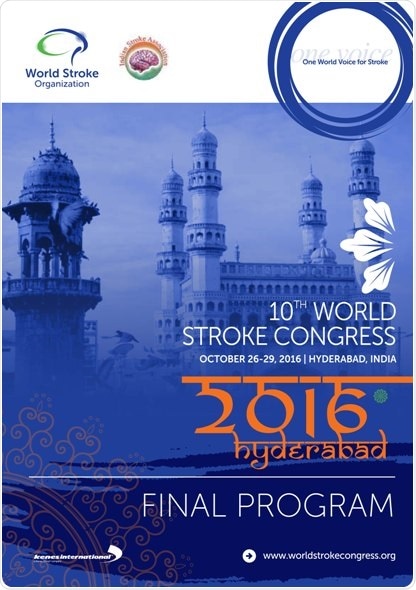
Experts meet at Hyderabad for four-day 10th World Stroke Congress


Abstracts for the 10th World Stroke Congress, 2016


Abstracts for the 10th World Stroke Congress, 2016International ...


Abstracts for the 11th World Stroke Congress, 17-20 October, 2018

Abstract Submission Topics(NOT a single one on protocols, results, hyperacute interventions or tPA replacement)


1.     Acute Neuroimaging  
2.     Acute Reperfusion Treatment  
3.     Acute Stroke Management 
4.     Acute Stroke: New Treatments Concepts  
5.     Aneurysm, Subarachnoid Haemorrhage and Vascular Malformations  
6.     Cerebrovascular Occlusive Disease 
7.     Complementary and Alternative Stroke Care
8.     Diagnosis 
9.     Epidemiology of Stroke  
10.   Experimental and Translational Neuroscience  
11.   Genetics  
12.   Heart and Brain
13.   Intracerebral Haemorrhage 
14.   Infections Diseases and Stroke 
15.   Randomized Clinical Trials  
16.   Multidisciplinary Clinical Rehabilitation
17.   Neurocritical Management
18.   Nursing
19.   On-going Clinical Trials
20.   Outcomes and Quality of Care
21.   Palliative Care/End of Life Care
22.   Paediatric Stroke
23.   Prevention of Stroke 
24.   Public Awareness/Advocacy 
25.   SSO – Stroke Support Organizations
26.   Stroke and Social Media
27.   Stroke Care Systems
28.   Stroke in the Region
29.   Stroke Registers and Audits
30.   Embolic Stroke of unknown Source
31.   Systematic Review and Meta-analysis
32.   Technology Innovations in Stroke
33.   TIA and Minor Stroke
34.   Uncommon Stroke Disorders / Difficult Cases
35.   Vascular Cognitive Impairment/ Vascular Dementia 
36.   Venous Diseases

Tuesday, February 28, 2017

Access to stroke care, treatment is limited for 90% of world's population

And for those 10% that have access to stroke care it is still a complete fucking failure. 'Happy talk' abounds because even these stroke experts are waiting for SOMEONE ELSE TO SOLVE THE PROBLEM.
Get cracking on these solutions because you are completely on your own to solve everything in stroke. With NO strategy and NO leadership nothing will get done for decades.
1. Only 10% of patients get to full recovery.
2. tPA only fully works to reverse the stroke 12% of the time.
3. No protocols to prevent your 33% dementia chance post-stroke from an Australian study.
4. Nothing to alleviate your fatigue.
5. Nothing that will cure your spasticity.
6. Nothing on cognitive training unless you find this yourself.
7. No published stroke protocols.
8. No way to compare your stroke hospital results vs. other stroke hospitals.

Access to stroke care, treatment is limited for 90% of world's population


Stroke experts gathered at the International Stroke Conference in Houston Feb. 23 to discuss how many parts of the world have limited access to technologies and treatments for stroke.
About 90 percent of the world’s population has no access or very limited access to stroke resources that have emerged in the last 20 years, according to Werner Hacke, MD, PhD, a senior professor of neurology at the University of Heidelberg in Germany and the president of the World Stroke Organization.
“Advances in stroke treatment and prevention are often expensive and available only to people living in special areas in high-income regions,” he said in a statement from the American Heart Association.
Many areas where stroke treatment and prevention are limited are communities with limited healthcare access in general. Some don’t even have access to CT scanners. Additionally, many people living in those areas are not educated on what stroke symptoms look like and what they should do in the event of stroke.
The physicians who met at the conference shared their ideas and strategies for developing stroke care protocols across economic spectrums. One area where incidence of strokes is increasing is Eastern Europe.
“Stroke is a rapidly advancing field, but it leaves many people behind,” Hacke said. “This session addresses these challenges in stroke care, as well as progress around the world. It will be valuable to practitioners, policymakers, nurses and anybody interested in improving the treatment of acute stroke.”

Workflow in Acute Stroke: What Is the 90th Percentile?

If you were told that tPA administration gives you a 31-54% better chance of recovery vs. that tPA fails to get you fully recovered 88% of the time, which one makes you feel better since both are true? This is where the stroke medical world is lying by omission and thus not truly showing how bad the problems in stroke are. All this 'happy talk' means there is no reason to solve any of the fucking problems in stroke. 

Workflow in Acute Stroke: What Is the 90th Percentile?


Jessalyn K. Holodinsky, Noreen Kamal, Alexis T. Wilson, Michael D. Hill, Mayank Goyal

This article requires a subscription to view the full text. If you have a subscription you may use the login form below to view the article. Access to this article can also be purchased.


Introduction

The manner in which information is presented can profoundly affect the interpretation of that information and, consequently, any action taken. As an illustrative example, let us assume that swimming pools across the country have to report the time it takes to rescue a child who is drowning. As a parent, would you be satisfied if the median time to rescue a drowning child was 30 seconds? Knowing that a lifeguard could reach your child in only half a minute may be comforting. However, this comfort likely would not last if you were then informed that the 90th percentile is 6 minutes, a time which is likely life-threatening. We argue here that acute ischemic stroke treatment faces a similar reporting issue and that we should be doing more to acknowledge and improve the 90th percentile for stroke patients.
We recommend that investigators report interval times with the 90th percentile, in addition to median and interquartile range, in their primary results on paper and at presentation. In the long run, this change would allow us to focus on ensuring that the majority of patients are treated within an acceptable time frame, rather than only 50% of patients. Additionally, efforts tailored to improving the 90th percentile would result in improved systems of care and stroke outcomes.
Based on data from recent endovascular trials, it is absolutely clear that when it comes to stroke treatment, time is brain.15 The longer the time from onset to reperfusion, the lower the likelihood of good outcome.6 The effect of time delay is even more pronounced when one considers onset to randomization times in endovascular trials.15 This is not because of physiological factors; rather, it is the result of these trials overtly selecting patients based on favorable imaging.(cherry picking) In all of …
View Full Text

Tuesday, January 24, 2017

Alzheimer’s: Every Minute Counts

What should be occurring with stroke if it had hit the tipping point where all news about stroke is breathlessly reported. Failure on a massive scale from our stroke associations.
Someone in the United States has a stroke every 40 seconds, more often than Alzheimers yet no reporting is done on that because our fucking failures of stroke associations seem to only put out 'happy talk'.
https://danablog.org/2017/01/24/alzheimers-every-minute-counts/
In the United States, someone is diagnosed with Alzheimer’s disease every minute; around the world, it’s every four seconds. “It is the biggest epidemic we have in this country,” says Harvard University’s Rudolph Tanzi, “I’m shocked that people aren’t panicked about what this disease is going to do to the country or to their families.”
This Wednesday (January 25) at 10 pm ET, PBS is premiering “Alzheimer’s: Every Minute Counts,” an urgent wake-up call about the national threat posed by the disease. The documentary includes interviews with doctors, caregivers, and longtime researchers of the disease, such as Dana Alliance member Tanzi.
With the number of people finding they have Alzheimer’s rapidly escalating as the baby boom generation reaches 65 and older, researchers estimate that by 2050, the rate of diagnosis won’t be every minute but every 33 seconds. Scientists and drug-makers have yet to find a cure; they cite a dire need of federal funding for further research. No lifestyle activity is guaranteed to prevent the disease, Tanzi says, but there are measures we can take, based on various epidemiology studies and trials, that can reduce risk.
Among those things, he recommends:
  1. Stay active. Exercise, which can help remove the pathology and stop inflammation (considered by many a key part of Alzheimer’s disease).
  2. Get enough sleep. Scientists have found that during the deepest part of sleep (slow-wave sleep) is the only time the brain doesn’t make the amyloid proteins responsible for creating the plaques associated with the disease. Tanzi recommends a minimum of seven to eight hours a night to ensure the brain has time to “clean itself.”
  3. Adopt a healthy diet. The Mediterranean diet has shown to be most effective in reducing risk; it includes more fiber, olive oil, fruits, nuts, more fish, vegetables, and less red meat.
  4. “Keep moving” physically, socially, and intellectually. Every time you learn something new, your brain creates new connections between synapses and strengthens the ones already there. In Alzheimer’s, what correlates most with the degree of dementia is loss of synapses.
To watch the full, four-minute video of Tanzi’s tips on keeping our brains as healthy as possible, click here.

Wednesday, January 18, 2017

New knowledge, technologies yield drastic changes in cardiology over 20 years

I would have to say that for stroke the last 20 years were not very good. tPA was introduced in 1996 and was immediately a failure with only a 12% full recovery rate. We have never addressed that failure, just kept pushing for faster ways to deliver that failure and expand the timeframe that failure can be delivered in. Complete failure in action and NOONE is acknowledging that failure. 'Happy talk' abounds, and if you listen to that there is absolutely nothing wrong with stroke.
http://www.healio.com/cardiology/vascular-medicine/news/print/cardiology-today/%7B7ecfeb0f-dfd9-4f12-b70a-f752fba617d3%7D/new-knowledge-technologies-yield-drastic-changes-in-cardiology-over-20-years?
Since Cardiology Today was launched 20 years ago in 1997, not only has the prognosis for patients with heart disease vastly changed, but so has the practice of cardiology.

Back then, cardiologist involvement occurred mainly when patients were seriously ill, often if they needed CABG or other heart surgery, if they needed PCI with or without bare-metal stenting, or if they had MI, or cardiac arrest. Another difference between then and now was that stroke was often the focus of only neurologists. The prognosis for most patients with HF was grim. Fewer people visited cardiologists for diagnostic testing or preventive strategies.
“The focus in the late ’90s when we launched the Cardiology Today print publication was totally dominated by acute MI, principally STEMI,” Cardiology Today Chief Medical Editor Carl J. Pepine, MD, MACC, eminent scholar emeritus and professor in the division of cardiovascular medicine at University of Florida, Gainesville, said in an interview. “Now, due to advances, patients with STEMI are in a far minority, and I would say that the field is dominated by HF. I like to think that’s a result of our success: We have kept people from dying of heart disease, so now they’re living with heart disease.”
Over the course of 20 years, CVD and CV mortality rates have declined in the United States and many other countries, minimally invasive technologies have enabled more patients to be treated for heart problems successfully, new drugs and better understanding of old drugs have enabled patients to live longer before an intervention is required, and physicians and patients have a stronger knowledge of what it means to be heart-healthy.


A common thread among all the changes is “an increasing reliance on doing something rather than watchful waiting,” Eduardo Marbán, MD, PhD, director of the Cedars-Sinai Heart Institute, told Cardiology Today.

The landscape in 1997

One major difference between then and now, Pepine said, is that cardiology did not have nearly as many subspecialties. One could specialize in electrophysiology/arrhythmias or intervention, but many of today’s other subspecialties within cardiology were embryonic or nonexistent.
“Back then, I was an interventionalist and we were concerned mostly with ... diagnostics and early intervention: plain old balloon angioplasty and BMS,” Pepine said. “By the late ’90s and early 2000s, that all changed. We didn’t have a HF subspecialty at the time, but we’ve since had an explosion of HF specialists and an American Board of Internal Medicine certification in advanced HF and transplant cardiology. Now there are specialists with focus in topics such as cardio-oncology, cardiometabolic and cardio-renal.”
The catheter laboratory then doubled as the physiology laboratory, but that is no longer the case, as the latter has generally shifted to the echocardiography, MR and nuclear labs, he said.
For diagnostics, “we had conventional stress testing, such as echocardiography and nuclear testing, and invasive angiography,” Pamela S. Douglas, MD, who holds the Ursula Geller professorship for research in cardiovascular diseases at Duke Clinical Research Institute, Duke University School of Medicine, told Cardiology Today. “We had no noninvasive angiography or calcium scoring. CT was nonexistent as a cardiac test.”


Moreover, there was not nearly the intensity of focus on evidence-based medicine that is seen today, Nanette K. Wenger, MD, FAHA, MACC, emeritus professor of medicine in the division of cardiology at Emory University School of Medicine, consultant at Emory Heart and Vascular Center, and director of the Cardiac Clinics at Grady Memorial Hospital, Atlanta, said in an interview.
“In general, there was more consensus and less evidence base,” Wenger, a member of the Cardiology Today Editorial Board, said. “We were just beginning to get into the very careful exploration of evidence, at a point of transition between consensus — people sitting around a table and making recommendations — and a very precise exploration of the data.”

Friday, January 6, 2017

Top 20 Neuroscience News Articles of 2016

I guess stroke has absolutely no importance in neuroscience news. I blame our fucking failures of stroke associations not getting stroke to the tipping point where every stroke news article is awaited with breathless anticipation.  All because they just do the 'happy talk', never discussing all the fucking problems in stroke.
http://neurosciencenews.com/top-2016-neuroscience-articles-5842/

We have selected these articles based on stories that received the most views from our readers, as well as the most shares and likes from Reddit, Facebook, Twitter, Google+ and our other social networks.
This list is based on popularity among Neuroscience News audiences and is not based on importance of research directly.
Thanks to all of our readers and social media fans for reading and sharing our news throughout 2016.
In no particular order, here are some of the most popular Neuroscience News articles of 2016.
Happy New Year!

Depression Is Not Just a Mental Illness, It Affects the Whole Organism
1 – Depression Is Not Just a Mental Illness, It Affects the Whole Organism

Read the full article.

Researchers Identify Virus and Two Types of Bacteria as Major Causes of Alzheimer’s
2 – Researchers Identify Virus and Two Types of Bacteria as Major Causes of Alzheimer’s
.Read the full article.

Chronic Fatigue Syndrome Is Not in Your Head, It’s in Your Gut
3 – Chronic Fatigue Syndrome Is Not in Your Head, It’s in Your Gut

Read the full article.

Heavy Cannabis Use Associated With Reduced Dopamine Release
4 – Heavy Cannabis Use Associated With Reduced Dopamine Release

Read the full article.

Cognitive Offloading: How the Internet is Increasingly Taking Over Human Memory
5 – Cognitive Offloading: How the Internet is Increasingly Taking Over Human Memory

Read the full article.

Human Behavior Study Identifies Four Basic Personality Types
6 – Human Behavior Study Identifies Four Basic Personality Types

Read the full article.

Head Impacts Lead to Brain Changes in High School Football Players
7 – Head Impacts Lead to Brain Changes in High School Football Players

Read the full article.

This is Your Brain on LSD
8 – This is Your Brain on LSD

Read the full article.

Eating Fish While Pregnant Improves Baby’s Brain Development
9 – Eating Fish While Pregnant Improves Baby’s Brain Development

Read the full article.

Dietary Supplement May Prevent and Reverse Damage to Aging Brain
10 – Dietary Supplement May Prevent and Reverse Damage to Aging Brain

Read the full article.

Manipulation of Specific Neurons Helps to Erase Bad Memories and Enhance Good Ones
11 – Manipulation of Specific Neurons Helps to Erase Bad Memories and Enhance Good Ones

Read the full article.

Single Species of Gut Bacteria Can Reverse Autism Related Social Behavior: Mouse Study
12 – Single Species of Gut Bacteria Can Reverse Autism Related Social Behavior: Mouse Study

Read the full article.

Rhythm of Breathing Affects Memory and Fear
13 – Rhythm of Breathing Affects Memory and Fear
Perhaps our top story of the year was published in early December and comes from a team of researchers from Northwestern University.
Researchers have been able to link breathing rhythm to emotional judgement and enhanced memory recall.
There is a ‘dramatic difference’ in neural activity in both the hippocampus and amygdala depending on whether you are inhaling or exhaling, the researchers report. This can affect how you perceive stimuli and your ability to recall memories.
Read the full article.

How LSD Affects Language
14 – How LSD Affects Language
During 2016, we seemed to report fairly often on the neurobiological effects of LSD. Back in August, a new study was released that looked at the effect LSD had on language processing and skills.
Researchers reported that, when people under the influence of LSD were asked to name specific objects, their reaction times did not change, but they were more likely to mistakenly call objects by different names. For example, when presented with an image of a car, people who had taken LSD would instead name the stimuli as a ‘bus’ or other vehicle.
Based on their findings, the researchers believe that LSD could allow ‘quicker access to far away concepts stored in the brain’ (Neiloufar Family) and could help in the treatment of psychiatric illnesses.
Read the full article.

Broca and Wernicke Are Dead – It’s Time to Rewrite the Neurobiology of Language
15 – Broca and Wernicke Are Dead – It’s Time to Rewrite the Neurobiology of Language
One of the most influential news stories of the year was released in early November and could have implications for the way researchers consider the neurological basis of language function.
A new paper published by the BPS argued that the ‘Classic Model’ of language function in the brain is obsolete and the continued use could be hampering progress when it comes to researching language production. The researchers call for a new approach that considers how much of language function is overlaid on the cognitive system.
Read the full article.

Brain Structure That Tracks Negative Events Backfires in Depression
16 – Brain Structure That Tracks Negative Events Backfires in Depression
Back in May, we reported on a significant new finding which relates to the neurobiology of depression.
Researchers from University College London discovered people with depression had hyperactive habenula function. Surprisingly, when faced with an adverse event, habenula activity decreased in depressed people. The findings suggest that this brain area functions in a much different way in people with this psychiatric condition.
Read the full article.


How Neurons Talk to Each Other
17 – How Neurons Talk to Each Other
While not so much of a breaking news story, one of our most popular articles of the year provided a comprehensive breakdown of the process of neurotransmission. The article received a great deal of attention via our social network accounts and became quite a hit with educational communities and groups online.
Read the full article.

Our Brains Have a Basic Algorithm That Enables Our Intelligence
18 – Our Brains Have a Basic Algorithm That Enables Our Intelligence
Back in November, we reported on a groundbreaking piece of research that demonstrated our complex brain computations and intelligence are reliant upon a fairly basic algorithm. However, the researcher noted exceptions to the math rule in areas such as the reward system.
Read the full article.

Religious Beliefs Activate Neural Reward Circuits in Same Way As Sex and Drugs
19 – Religious Beliefs Activate Neural Reward Circuits in Same Way As Sex and Drugs
One of our favorite stories of the year was published back in late November and came to us from researchers at the University Of Utah School Of Medicine.
A new neurotheology study looked at the neural networks that are involved in feelings of spirituality.
Through neuroimaging technology, researchers identified activation in the nucleus accumbens, an area of the brain associated with reward, when powerful spiritual feelings are encountered. Interestingly, similar brain activation occurs when people are exposed to pleasurable stimuli such as sex, drugs, music and gambling.
Read the full article.

How the Hippocampus Influences Future Thinking
20 – How the Hippocampus Influences Future Thinking
To conclude our review of the top NeuroscienceNews stories to hit our pages in 2016, we’ll take you back to a fairly recent article.

Thursday, December 22, 2016

2016's Top 5 Advances in Neurology

NOTHING IN STROKE.  That must be because there are NO problems in stroke and thus no research needed to solve anything.  We can thank our fucking failures of stroke associations for promoting such 'happy talk'.
http://www.medpagetoday.com/Neurology/GeneralNeurology/62195?http://www.medpagetoday.com/Neurology/GeneralNeurology/62195?
MedPage Today asked specialists in neurology around the country to tell us what they thought were the most important clinical developments in 2016. These were the five most commonly mentioned.

1. Ocrelizumab for Primary Progressive MS

2. Solanezumab: Down but Not Out

3. Cannabidiol for Refractory Epilepsy

4. Is Amyloid an Antibiotic?

5. Dementia on the Decline


Saturday, December 17, 2016

Year in Review: Neurology

Absolutely nothing on stroke. It must not be important in the neurology world to solve any of the problems in stroke. I blame our fucking failures of stroke associations for just putting out 'happy talk' rather than working to solve all the real life failures in stroke.  With NO strategy nothing will ever get fixed.
http://www.medpagetoday.com/Neurology/GeneralNeurology/62121?xid=nl_mpt_DHE_2016-12-17&

The neurology community may be ending the year on a low note, with the failed phase III trial of solanezumab in mild Alzheimer's disease. On the other hand, many are hopeful that there will be a new treatment for primary progressive multiple sclerosis before the year is out, as ocrelizumab (Ocrevus) is poised to become the first treatment for PPMS -- as long as the FDA approves that indication, as its benefits in relapsing MS have been clearer.
In the case of solanezumab, the drug failed to meet its primary endpoint in EXPEDITION3, results from which were presented at the Clinical Trials in Alzheimer's Disease (CTAD) meeting in San Diego. There was an 11% slower decline in disease progression for those on the drug compared with placebo, but the difference on the ADAS-Cog14 wasn't significant at 80 weeks. Some secondary endpoints favored solanezumab, but given the lack of an effect on the primary cognitive endpoint, Lilly decided not to pursue an indication in mild to moderate disease.
Many in the field were concerned that the findings would spell the end for the amyloid hypothesis, but that's not how lead researcher Paul Aisen, MD, of the University of Southern California in Los Angeles, saw it.
"This is not a refutation of the amyloid hypothesis," Aisen said at the meeting. "I think this is a confirmation of the amyloid hypothesis. I think it is the strongest confirmation to date."
Not everyone agreed with him. "I don't think [the findings] dispute it, and I don't think they necessarily affirm it either," Anton Porsteinsson, MD, of the University of Rochester in Rochester, N.Y., told MedPage Today at the CTAD meeting.
One other finding presented at the CTAD meeting came as a boon to the amyloid hypothesis. Biogen presented positive data on its anti-amyloid candidate aducanumab. Following concerns about ARIA, Biogen added a titration arm to the phase Ib PRIME study, and this group had less ARIA and good efficacy when compared with a steady higher dose of the drug.
While solanezumab targets insoluble amyloid fibrils, aducanumab scavenges soluble forms of the protein -- so the difference in mechanism may account for the better results. Yet, researchers are cautious, as a lot can change between phase I and phase III.
In short, the field isn't ready to let go of the amyloid hypothesis just yet.
Good News for PPMS?
Experts in MS are banking on a randomized controlled trial that showed a 24% lower risk of progression with ocrelizumab over placebo to win FDA approval for an indication in progressive disease. This would be the first drug ever approved for this more aggressive form of the disease, and clinicians are eager to have something official to offer their patients.
In the meantime, some are looking to a very similar drug to ocrelizumab to treat this population. Rituximab (Rituxan) is also an anti-CD20 monoclonal antibody, and it's made by the same company that developed ocrelizumab (Roche-Genentech). It will be a cheaper alternative to its on-patent cousin, and some centers, including one in Denver and another in Sweden, are already using it regularly for their progressive MS patients.
Controversy, Cannabidiol, CARA
The controversial approval of eteplirsen for Duchenne muscular dystrophy also dominated headlines in neurology in 2016. The decision revealed infighting within the FDA, which was under enormous public pressure to approve the drug, given vocal outcries from patient advocacy groups.
Although Janet Woodcock, MD, director of the FDA's Center for Drug Evaluation and Research, was in favor of approval, many within the agency felt the data just weren't strong enough to support that conclusion. An FDA advisory panel earlier in the year was similarly split on its conclusions about eteplirsen.
In other news, eyes are on a pharmaceutical-grade cannabidiol product that appears to have efficacy in two rare seizure disorders. Drugmaker GW Pharmaceuticals presented positive findings from a trial in Lennox-Gastaut, and another in Dravet Syndrome, at the American Epilepsy Society meeting. The company says it hopes to submit a new drug application (NDA) to the FDA in mid-2017.
And for yet another year, the opioid crisis continued to make headlines, with a new law -- the Comprehensive Addiction and Recovery Act (CARA) -- that expanded medication-assisted treatment and access to treatment programs. There were also new opioid guidelines from the CDC; an opioid "action plan" from the FDA; a landmark report on addiction from the U.S. Surgeon General; and an increase in the number of patients a doctor can treat with buprenorphine (the U.S. Department of Health and Human Services bumped the cap from 100 to 275).
Here are more of this year's top headlines:
Aisen: Negative Study Confirms Amyloid Hypothesis
Cannabidiol Works in Dravet, Lennox-Gastaut
More Evidence of Dementia Decline
Brain Implant Helps Locked-In Patient Communicate
Amyloid Scans Change Dementia Diagnoses
FAAH Trial Neurologic Effects Detailed
Second Thoughts About Memory Complaints
Surgeon General: Addiction Not a 'Moral Failing'
FDA Splits on Naloxone Dose
Siponimod May Slow Worsening in SPMS
Opioid Bill Overwhelmingly Approved by Senate
Eteplirsen OK'd for Muscular Dystrophy
Novel Agent Works in Primary Progressive MS
First Amyloid, Then Tau, Then Dementia
FDA Says Yes to Focused Ultrasound for Tremor
Blast TBI May Do Distinct Damage in Brain
Biogen's Monthly MS Injection Wins Approval
FDA Okays Pimavanserin for Hallucinations in Parkinson's
HHS Awards $53 Million to Fight Opioid Abuse Epidemic
FDA Chief Criticizes Industry for Inaction on Opioids
HHS Eases Buprenorphine Prescribing
Implant for Opioid Addiction Wins FDA Approval
CDC Comes Down Hard on Opioids for Chronic Pain

Tuesday, December 6, 2016

World class stroke care is achievable: Latest quarterly Sentinel Stroke National Audit Programme (SSNAP) results

What a pile of shit. Who gives a crap about care? Survivors want results you fucking idiots. Do the right thing or get out of the way. More fucking 'happy talk'. Your aspirational target should be 100% recovery. Contact Jessica Smith, Jessica.Smith@rcplondon.ac.uk and ask when the hell they will start measuring results instead of this stupid care and services metric. Do not be polite.
http://www.hqip.org.uk/news-events/news/latest-quarterly-sentinel-stroke-national-audit-programme-ssnap-results/
The thirteenth report from the Sentinel Stroke National Audit Programme (SSNAP) reveals today that 25 stroke services scored an overall ‘A’ score for the quality of care they provide for patients, demonstrating that a world class service is achievable.
It is evident that services are maintaining the improvements made in recent quarters as 26 services achieved this outstanding grade in the corresponding quarter last year. Achieving an ‘A’ score is a considerable accomplishment and these latest results show that, although the audit sets the bar high to attain a top grade, it is possible. The improvements in SSNAP results over the past number of quarters indicates the continued efforts made by clinicians to use SSNAP data as a tool for continuous quality improvement.
Though SSNAP has set stringent, aspirational targets, latest audit results reinforce our belief that the top score is achievable and sustainable over time. These standards have been set to encourage hospitals to both identify where improvements are needed and drive change. These changes reflect the continued efforts of providers to improve stroke care for patients in England, Wales, and Northern Ireland.
Professor Pippa Tyrrell, Associate Director of the RCP Stroke Programme, said:
"Measuring the quality of care is an essential component for quality improvement. The SSNAP provides very high quality information that can help professionals, patients, and commissioners use and develop their services for the future."  (Bullshit, you measure results not quality of care, which done correctly can lead to quality improvement) 
The report published today relates to patients admitted between January and March 2016 and includes named hospital results for the entire inpatient care pathway. The results are available online at the SSNAP Results Portal
As in the 12th report, it is encouraging to see key improvements in the national results for stroke care both in the first 72 hours of care and in post-acute care processes.
Participation in the audit continues to be an unprecedented success. In the latest quarter, 20,991 patient records were submitted for analysis within the 72 hour results – this is over 100% of the expected stroke cases for this period – while the majority of stroke services are now achieving the highest case ascertainment band. This is testament to the honest self-reporting of SSNAP teams and their hard work in entering all stroke records to SSNAP ahead of each quarterly deadline. The genuine commitment to submitting timely and complete data, and acting on audit results to improve patient care, should be celebrated.
The power of SSNAP data is huge and has enabled a much stronger case to be made for improvements to stroke services, which is allowing commissioners and clinicians alike to offer the best possible care to patients.
However, there still remains unacceptable variation across the country. SSNAP uses an absolute measurement of results which means that all teams are capable of showing improvement.
SSNAP is commissioned by the Healthcare Quality Improvement Partnership (HQIP)*, as part of the National Clinical Audit Programme (NCA). The audit is led by the Royal College of Physicians, Clinical Effectiveness and Evaluation Unit on behalf of the Intercollegiate Stroke Working Party.
For more information, please contact Jessica Smith, Care Quality Improvement Department, Communications Advisor on 020 3075 1354 or email Jessica.Smith@rcplondon.ac.uk
Further information on the report can be found on the RCP website

Tuesday, November 29, 2016

What is life like after a stroke? Rehabilitation and recovery following a stroke

I hate these 'happy talk' articles. Obviously with everything working perfectly in stroke there is no need for any further research to help stroke survivors.
https://lasvegassun.com/native/sunrise/2016/nov/28/what-is-life-like-after-a-stroke-rehabilitation-an/
According to the Centers for Disease Control and Prevention, every year more than 795,000 people in the United States suffer strokes, and nearly 130,000 of them die. Strokes also are a leading cause of serious, long-term disability with an array of short-term and long-term effects. These include speech problems, difficulty swallowing and mobility issues.
However, it’s important to remember that prevention efforts and rehabilitation can help lessen the impact of strokes.
“An important aspect to remember about strokes is that there often is improvement. In general, 50 percent of whatever deficits are present at the time of the initial stroke are resolved within one year,” said Phaniraj Iyengar, MD, Vascular Neurologist and Stroke Medical Director at Sunrise Hospital and Medical Center’s Nevada Neurosciences Institute.
While the aftereffects of a stroke can present many challenges for both patients and their families, recovery is possible for hundreds of thousands of stroke victims.
Common aftereffects of a stroke
“In general, the deficits from a stroke could be described similarly as a real estate transaction. Location and square footage determine the price of the property. For a stroke, it is the location in the brain and the size of the brain damage that determine the aftereffects,” Iyengar said. The American Stoke Association breaks down the possible aftereffects based on the location of the stroke.
For some people, the physical damage suffered after a stroke can be reversed over time. For others, the damage may be permanent.
“Strokes can be devastating. The patient may not be able to function independently and may need to live in an assisted-living residence for the rest of his or her life,” Iyengar said.
He also noted that the patient, regardless of the severity of his or her stroke, may experience an ongoing sense of emotional discomfort even after physical symptoms have ceased.
“There are two ways to look at the effects of a stroke: One is what is obvious to others, such as paralysis, and the other is felt only by the patient suffering from it. Sometimes, outwardly a person may seem completely normal, but they can have a sense that something is different or missing,” Iyengar said.
Because our brains control our behavior and emotion, the patient may feel unexpectedly different afterward. The emotional and behavioral effects of a stroke can include forgetfulness, carelessness, irritability, confusion, anger, anxiety and depression.
A stroke on the brain’s right side can cause...
• Paralysis on the left side of the body
• Vision problems
• Quick, inquisitive behavioral changes
• Memory loss
A stroke on the brain’s left side can cause...
• Paralysis on the right side of the body
• Speech/language problems
• Slow, cautious behavior changes
• Memory loss
The brain stem
Depending on the severity of the injury caused by a stroke located in the brain stem, it can affect both sides of the body and leave the patient in a “locked-in” state, which is when a patient is unable to speak or move anywhere below the neck.
Recovering from a stroke
Because the effects of a stroke vary greatly between individuals, there are multiple avenues of recovery.
“All patients need to be monitored in a specialized stroke center that can evaluate and treat complications. This is especially important because the patient may continue to deteriorate in the first three days before he or she stabilizes,” Iyengar said.
Once the patient stabilizes, an aftercare treatment plan can be made. “Aftercare treatment comes under the broad umbrella of rehabilitation services, including speech, physical and occupational therapies,” Iyengar said.
The goal of any rehabilitation service is to get the patient back to leading a normal and independent life, which can mean getting the patient comfortable with a new normal.
Rehab therapies can help reteach patients how to perform tasks and/or teach them different ways of doing things considering their new limitations. Ongoing medication, counseling and support groups also may be necessary to help the patient cope emotionally.
Prevention and recognition
Strokes can often be prevented by leading a healthy lifestyle. “A significant number of strokes are caused by modifiable risk factors, so addressing those risk factors can go a long way toward preventing a stroke,” Iyengar said.
Modifiable risk factors include management of treatable diseases such as hypertension, diabetes, high cholesterol, heart disease, smoking and substance abuse.
Furthermore, recognizing a stroke and acting quickly to receive medical treatment can help save the life of the patient and lessen the extent of the brain damage.
Because the majority of strokes that occur are first-time strokes, it’s especially important to be able to identify the symptoms for yourself or loved ones, even if you don’t think there’s a risk.
Learn to identify stroke symptoms
BE FAST is an acronym to help identify a stroke as it occurs.
B: Balance — Does the person have a sudden loss of balance or dizziness?
E: Eyes — Has the person suddenly lost vision in one or both eyes?
F: Face — Does one side of the face suddenly droop?
A: Arms — Does one arm suddenly drift downward when both arms are raised?
S: Speech — Is the person suddenly slurring his or her words, or seem confused? Can he or she repeat a sentence correctly?

My reply:
 This is all just 'happy talk'. No discussion on all the problems/failures in stroke.
1. 12% full tPA efficacy is a failure.
2.  10% full recovery is a failure.
3. No publicly available stroke protocols with efficacy is a failure.
4. Nothing to cure spasticity is a failure.
5. Nothing to cure fatigue is a failure.
6. Nothing to stop the neuronal cascade of death in the first week is a failure.
7. Not able to objectively and accurately identify stroke in the ER is a failure.
8. Nothing to prevent dementia is a failure.

Wednesday, November 23, 2016

Advanced Endovascular Therapy for Acute Stroke: The Evidence Is In

'Happy talk', 'happy talk'. But still nothing on all the neurons dying during the first week because nothing will be done to stop all the disability occurring by the neuronal cascade of death by these 5 causes in the first week. The incompetence shown by the stroke medical world is incredible. Fucking bastards with their heads so far up their asses they will never solve all these problems in stroke.
https://consultqd.clevelandclinic.org/2015/09/advanced-endovascular-therapy-for-acute-stroke-the-evidence-is-in/?
A longtime hypothesis has now been confirmed with Level I, Class A evidence: Endovascular therapy can be highly beneficial in patients with acute ischemic stroke compared with IV t-PA alone.
That’s the resounding message out of this year’s International Stroke Conference, where results of five randomized clinical trials — MR CLEAN, EXTEND-IA, ESCAPE, SWIFT PRIME and REVASCAT — were presented. The studies consistently showed that, compared with IV t-PA alone, endovascular therapy within six to eight hours after stroke onset:
  • Yielded superior recanalization rates
  • Produced higher rates of functional independence at 90 days
  • Was safe, with no significant increase in symptomatic brain hemorrhage or mortality

‘Turning a historic corner’ in acute stroke

The five studies are now published in the New England Journal of Medicine and represent the “turning of a historic corner” in acute stroke therapy, according to a statement from the National Institute of Neurological Disorders and Stroke.
The studies compared interventional therapy using new-generation mechanical thrombectomy devices (“stent retrievers” such as Medtronic’s Solitaire™ FR and Stryker’s Trevo®) vs. best medical management for acute ischemic stroke caused by large vessel occlusion, which represents a large subset of ischemic stroke cases.

Benefits from better stent-retriever devices

The new studies put to rest lingering uncertainties about the efficacy of endovascular stroke therapy that arose from results of three trials released in 2013 that showed no advantage over IV t-PA alone. One of the key reasons for the shift in results since then appears to be related to the introduction of stent-retriever technology.
The new-generation catheter-based devices used in the latest studies deploy a metal mesh within the clot, in contrast to earlier devices that acquired control of the clot proximally or distally. The moment the mesh is deployed, a channel is opened to permit blood flow to starved brain tissue. The mesh expands to become one with the clot, allowing clot and mesh to be retrieved as a unit. The result is faster, more complete recanalization. But still not fast enough to stop the neuronal cascade of death.

Monday, November 21, 2016

How to recognise a stroke and what you should know about their treatment

What a fucking joke of an article. A great stroke association president would make sure articles like these are factually correct, rather than this 'happy talk' and lies.  You only have a 10% chance of getting to full recovery. For the miniscule percentage of stroke patients that actually get tPA it only fully works to reverse the stroke 12% of the time. It likely can save your life, it did save mine, but does little to nothing to stop the neuronal cascade of death  ,
http://medicalxpress.com/news/2016-11-recognise-treatment.html
One in every six people will experience a stroke during their lifetime. And by the time you have read this article, it's likely that someone in Australia will have experienced one. Stroke kills more women than breast cancer and more men than prostate cancer yet you're unlikely to read much about it.
There are lots of common misconceptions in the community of what a stroke actually is, how to recognise if someone is having one, and the treatments that improve ' outcomes.
There are new treatments available for stroke(REALLY?); however these are time dependant. So it's important for the person having a stroke to get to hospital quickly. These time critical therapies often heavily rely on people recognising stroke quickly, and acting quickly to get emergency medical care. (They also barely work-12% full tPA efficacy is a failure.)
What is stroke?
A stroke can be simply described as an attack on the brain. There are two main types. "Ischaemic" and "haemmorhagic" stroke. Ischaemic stroke is often caused by a blockage in one of the vessels that supplies the brain with oxygenated blood, which eventually causes cell death in the area of brain affected.
Haemmorrhagic is a bleed into the brain. This is often caused by high blood pressure, which causes a weakening of the end of the vessel wall, causing this to burst and bleeding to occur into the brain.
Why does it happen?
There are a number of reasons stroke occurs and a number of well established risk factors. Some of these you can change (modifiable), and others you can't (non-modifiable).
Stroke is more common in men than women and as you get older your risk of stroke increases. While stroke is not hereditary, having a family history of stroke increases your risk. These are known as non-modifiable risks.
There are a range of medical conditions that increase a person's risk. These include atrial fibrillation (the most common heart rhythm disorder), high blood pressure, diabetes, a previous stroke or , and high cholesterol.


Wednesday, November 16, 2016

Canadian Partnership for Stroke Recovery - Stroke Program in Neurorecovery brings promising research into focus

If Canadian you should apply for membership in the Trainee Association as a stroke survivor willing to give these trainees the real information on all the problems in stroke. Once again using mainly 'happy talk'  about stroke rather than the fucking failure that it is.
http://www.canadianstroke.ca/en/news/stroke-program-in-neurorecovery-brings-promising-research-into-focus/
Fifty-five stroke recovery research trainees gathered in Vancouver from Oct. 23 to 25 to listen to prominent researchers, visit labs and facilities, hear stroke patients talk about their personal challenges, and network with other young investigators.
The three-day workshop was a major success with 97% of attendees surveyed reporting they learned something new, 86% reporting they had strengthened their networks, and 85% reporting they planned to apply again next year and would recommend the workshop to other trainees. (Read some of their comments, below)
The Stroke Program in Neurorecovery (SPiN) drew participants from across Canada, as well as several new investigators from labs in the United States. Among highlights were:
  • meeting the trainees, who introduced their diverse research areas. Their backgrounds included research into the effects of exercise on the brain, the stroke-dementia connection, the impact of video gaming and virtual reality on recovery, the emerging field of optogenetics, the effect of diabetes on recovery, the use of brain stimulation to help children with perinatal stroke regain hand function, the role of robotics in recovery, the use of exoskeletons to improve walking, the role of a high-fat diet in worsening stroke outcomes, the promise of stem cells to boost recovery, and more.
  • UBC’s Dr. Tim Murphy delivered an engaging lecture on his basic research involving mice that uses imaging, brain stimulation technologies that activate or inhibit neurons, and cranial windows to provide insight into brain plasticity after stroke. Dr. Murphy described how the brain changes not only in damaged areas but also in areas seemingly unaffected by stroke. “When we think about stroke we need to think about the whole network,” he said. “You throw one monkey wrench into the brain’s computer and everything goes down.” The goal of his research is to look for new routes of recovery.
  • Researchers at G.F. Strong Rehabilitation Centre ran workshops into some fascinating new areas of study including the role of mindfulness and meditation on improved mental health outcomes, balance, and physical changes in the brain after stroke (and participants even learned to meditate); the cognitive and neural factors that influence adherence to exercise programs; the role of sleep in recovery to improve cognitive function, memory and healing the brain. Better sleep quality is associated with a reduced risk of stroke, diabetes, dementia and more.
  • CPSR Scientific Director Dr. Dale Corbett highlighted the critical importance of having basic and clinical investigators work together to answer key clinical questions. He described the increased need to focus on recovery because stroke is survivable and has become a disease of chronic disability. He lectured on his research into behavioural testing, the role of enriched environments, and the value of combination approaches to optimize rehabilitation.  
  • Four stroke survivors shared their personal stories with trainees and talked about how they benefited from participating in CPSR-funded trials such as DOSE, which looks at the timing and intensity of rehabilitation.
  • Dr. Sean Dukelow of the University of Calgary provided an insightful overview of the role of robotics and transcranial magnetic stimulation (TMS) in measuring post-stroke deficits and enhancing recovery.
  • UBC’s Dr. Janice Eng provided trainees with a step-by-step description of how clinical trials are designed and the work that takes place at each stage.
  • UBC’s Dr. Lara Boyd shared her research into how white matter changes in the brain and covert lesions predict recovery from stroke; the use of repetitive TMS to stimulate motor learning; and the need for individual and highly-tailored treatments for stroke because there is so much variability in recovery.
Learn more about the CPSR National Trainee Association and how to get involved HERE.

Wednesday, November 2, 2016

'Experts' meet at Hyderabad for four-day World Stroke Congress

From what I've seem so far there are no 'experts' at the World Stroke Congress, only blithering idiots doing the 'happy talk'. I'd have everyone at the WSO fired for incompetence! They're DOING NOTHING FOR SURVIVORS!

'Experts' meet at Hyderabad for four-day World Stroke Congress

Stroke is devastating. Everyone can have a stroke.  For many people, the stroke happens suddenly and without warning. According to Stroke Association, when it happens, there is a little time to prepare. It can affect how one moves, feels and thinks.
Hyderabad is the host to World Stoke Congress.  Nearly 2200 stroke experts descended on the city to participate in a four-day conference.  The meeting begins just a few days before World Stroke Day, to be observed on October 29 every year.
What is a stroke? According to Dr. Jeyaraj Pandian, Co-Chair of the World Stoke Congress and a top stroke neurologist in India, a stroke is a brain attack.  It happens when the blood supply to part of the brain cuts off.
Blood carries essential nutrients and oxygen to the brain.  Without blood, brain cells can't work because of the damage.  They won't be able to perform their tasks.
The brain is a critical part of the body. It controls the entire body. A stroke can affect the way body functions.
The brain also controls how one thinks, learns, feels and communicates.
The blood flow to the brain can be cut off by two ways—due to Blockage or a Bleeding.  Because of which strokes occur, which are of two types—01. Blockage and 02. Bleeding.
In 85 per cent cases stroke happens by a Blockage and reaming 15 per cent cases by Bleeding.
According to Stroke Association, some of the things that increase the risk of stroke cannot be changed are Gender(in people under 75, Men have more strokes than women); Age(you are more likely to have a stroke if you are over the age of 65). Family History (If a close relative has had an attack, risk is likely to be higher) and Ethnic Background(South Asian or African-Caribbean origin are at an increased risk).
BP, High Cholesterol, Type 2 Diabetes, Atrial Fibrillation(irregular beating of the heart), Heart disease, Smoking are some of the medical problems that can increase a risk of having a stroke.
Smokers are twice as likely to have a stroke, and this risk will increase more with more smoking. Stopping smoking will reduce the danger of a stroke.
Drinking too much alcohol raises blood pressure, which in turn causes a stoke.
The common effects of stroke are weakness or paralysis; speech and language problems, unsteadiness, difficulty with swallowing, suffer from extreme tiredness, may have a problem with sensation and much more such problems.
According to experts at the ongoing World Stroke Congress, many strokes can be prevented.
The food that will help you save from stroke are fresh fruits, vegetables, and dried fruits and avoid junk food. But you don't give us a diet protocol you lazy fucking idiots.
Choose low-fat proteins.  Eat plenty of fiber such as cereals, porridge, brown rice, whole wheat bread and pasta or grains such as couscous.  Cut down on the intake of salt. Watch your weight.
Keep active.  Do exercises. Warm up before and after exercise.  Find someone to exercise with you.
Stroke is the leading cause of disability and the second leading cause of death globally.
Stroke devastates lives around the world.  Over 17 million people around the world suffer a stroke every year and 6.5 million deaths happen.  5 million are permanently disabled.  Nearly 26 million inhabitants survive a stroke??? every year. Doesn't anyone vet your statistics?
In India alone, 1.7 million new stroke cases occur every year. Stroke affects young people in India during their productive period of life.  The reasons for this are due to unorganized lifestyles and poor food habits. After stroke care significantly reduces the risk of death.
According to Dr, Jayaraj Pandian, the prevalence of the problem is 350 to 400 people per lakh population in India.
In Ludhiana, more youth are getting the stroke. Nearly 23 percent of the youth population is suffering from a stroke. That is due to unhealthy eating habits, stressful life.  Also, it is because today we have more youth population.
Stroke care infrastructure is developed mainly in private hospitals, but the vast majority of public hospitals are ill-equipped to treat stroke patients. The treatment expenses are borne by the patients and relatives and hence there is a huge economic burden on the family. The neighboring countries in South Asia also face a similar problem of a huge burden of stroke with an inadequate infrastructure to tackle the situation stated Dr. Jeyaraj Pandian the Congress Co-Chair from India.
Dr. C. Laxma Reddy, Minister for Health, Government of Telangana, while addressing the inauguration of World Stoke Congress, said TS Govt has established ICUs exclusively for stroke patients in all govt hospitals across Telangana state. We want government hospitals in the state to be stroke-ready hospitals he said.
The right care makes a difference, but many people are not getting the stroke treatment they need. According to World Stroke Campaign by the World Stroke Organisation, there are six key facts about stroke treatment
1.Early recognition makes a big difference.  Knowing the signs of stroke and getting treatment saves lives and improves recovery.
2.  1 in 10 people makes an excellent recovery when cared for in a specialized stroke unit.
90% failure of full recovery is totally appalling, and nothing about the 10% has anything to do with the specialized stroke unit.
3. Clot-busting drugs (tPA or thrombolysis) increase the chance of a good outcome by  30%.
But tPA only fully works 12% of the time. Don't promote that as a good outcome, that is complete failure. Clot-busting drugs break up blood clots. This treatment can be administered up to 4.5 hours of symptom onset in many patients with ischaemic stroke. The earlier it is given, the greater the effect.
4. Clot retrieval treatment increases the chance of a good outcome by more than 50%.  Clot retrieval treatment (mechanical thrombectomy) involves removing a blood clot  and can improve survival rates and reduce disability
5. Recovery is a critical step in the treatment process. Rehabilitation starts in the hospital as soon as possible following a stroke.
6. One in four survivors will have another stroke. Treatments that prevent another stroke include drugs to lower blood pressure and cholesterol, antiplatelet therapies, anticoagulation for atrial fibrillation, surgery or stenting for selected patients with severe carotid artery narrowing.
Lifestyle changes can also substantially reduce the risk of another stroke. Changes include eating well, being physically active, being tobacco-free, managing stress, and limiting alcohol consumption.
Stroke is treatable(Bullshit, quit lying!).  One must gain more awareness to save from devastating stroke effect.

Monday, October 31, 2016

Experts meet at Hyderabad for four-day World Stroke Congress

From what I've seem so far there are no 'experts' at the World Stroke Congress, only blithering idiots doing the 'happy talk'. I'd have everyone at the WSO fired for incompetence! They're DOING NOTHING FOR SURVIVORS!

'Experts' meet at Hyderabad for four-day World Stroke Congress

Stroke is devastating. Everyone can have a stroke.  For many people, the stroke happens suddenly and without warning. According to Stroke Association, when it happens, there is a little time to prepare. It can affect how one moves, feels and thinks.
Hyderabad is the host to World Stoke Congress.  Nearly 2200 stroke experts descended on the city to participate in a four-day conference.  The meeting begins just a few days before World Stroke Day, to be observed on October 29 every year.
What is a stroke? According to Dr. Jeyaraj Pandian, Co-Chair of the World Stoke Congress and a top stroke neurologist in India, a stroke is a brain attack.  It happens when the blood supply to part of the brain cuts off.
Blood carries essential nutrients and oxygen to the brain.  Without blood, brain cells can't work because of the damage.  They won't be able to perform their tasks.
The brain is a critical part of the body. It controls the entire body. A stroke can affect the way body functions.
The brain also controls how one thinks, learns, feels and communicates.
The blood flow to the brain can be cut off by two ways—due to Blockage or a Bleeding.  Because of which strokes occur, which are of two types—01. Blockage and 02. Bleeding.
In 85 per cent cases stroke happens by a Blockage and reaming 15 per cent cases by Bleeding.
According to Stroke Association, some of the things that increase the risk of stroke cannot be changed are Gender(in people under 75, Men have more strokes than women); Age(you are more likely to have a stroke if you are over the age of 65). Family History (If a close relative has had an attack, risk is likely to be higher) and Ethnic Background(South Asian or African-Caribbean origin are at an increased risk).
BP, High Cholesterol, Type 2 Diabetes, Atrial Fibrillation(irregular beating of the heart), Heart disease, Smoking are some of the medical problems that can increase a risk of having a stroke.
Smokers are twice as likely to have a stroke, and this risk will increase more with more smoking. Stopping smoking will reduce the danger of a stroke.
Drinking too much alcohol raises blood pressure, which in turn causes a stoke.
The common effects of stroke are weakness or paralysis; speech and language problems, unsteadiness, difficulty with swallowing, suffer from extreme tiredness, may have a problem with sensation and much more such problems.
According to experts at the ongoing World Stroke Congress, many strokes can be prevented.
The food that will help you save from stroke are fresh fruits, vegetables, and dried fruits and avoid junk food. But you don't list a food protocol, just generalities.
Choose low-fat proteins.  Eat plenty of fiber such as cereals, porridge, brown rice, whole wheat bread and pasta or grains such as couscous.  Cut down on the intake of salt. Watch your weight.
Keep active.  Do exercises. Warm up before and after exercise.  Find someone to exercise with you.
Stroke is the leading cause of disability and the second leading cause of death globally.
Stroke devastates lives around the world.  Over 17 million people around the world suffer a stroke every year and 6.5 million deaths happen.  5 million are permanently disabled.  Nearly 26 million inhabitants survive a stroke every year. Doesn't anyone vet these numbers?
In India alone, 1.7 million new stroke cases occur every year. Stroke affects young people in India during their productive period of life.  The reasons for this are due to unorganized lifestyles and poor food habits. After stroke care significantly reduces the risk of death.
According to Dr, Jayaraj Pandian, the prevalence of the problem is 350 to 400 people per lakh population in India.
In Ludhiana, more youth are getting the stroke. Nearly 23 percent of the youth population is suffering from a stroke. That is due to unhealthy eating habits, stressful life.  Also, it is because today we have more youth population.
Stroke care infrastructure is developed mainly in private hospitals, but the vast majority of public hospitals are ill-equipped to treat stroke patients. The treatment expenses are borne by the patients and relatives and hence there is a huge economic burden on the family. The neighboring countries in South Asia also face a similar problem of a huge burden of stroke with an inadequate infrastructure to tackle the situation stated Dr. Jeyaraj Pandian the Congress Co-Chair from India.
Dr. C. Laxma Reddy, Minister for Health, Government of Telangana, while addressing the inauguration of World Stoke Congress, said TS Govt has established ICUs exclusively for stroke patients in all govt hospitals across Telangana state. We want government hospitals in the state to be stroke-ready hospitals he said.
The right care makes a difference, but many people are not getting the stroke treatment they need. According to World Stroke Campaign by the World Stroke Organisation, there are six key facts about stroke treatment
1.Early recognition makes a big difference.  Knowing the signs of stroke and getting treatment saves lives and improves recovery.
2.  1 in 10 people makes an excellent recovery when cared for in a specialized stroke unit. That is an incredible failure rate - 90% failure, it has nothing to do with the specialized stroke unit at all.
3. Clot-busting drugs (tPA or thrombolysis) increase the chance of a good outcome by  30%. (Bullshit, tPA only fully works 12% of the time)Clot-busting drugs break up blood clots. This treatment can be administered up to 4.5 hours of symptom onset in many patients with ischaemic stroke. The earlier it is given, the greater the effect.
4. Clot retrieval treatment increases the chance of a good outcome by more than 50%.  Clot retrieval treatment (mechanical thrombectomy) involves removing a blood clot  and can improve survival rates and reduce disability. Notice they never talk about results, just better chance.
5. Recovery is a critical step in the treatment process. Rehabilitation starts in the hospital as soon as possible following a stroke.
6. One in four survivors will have another stroke. Treatments that prevent another stroke include drugs to lower blood pressure and cholesterol, antiplatelet therapies, anticoagulation for atrial fibrillation, surgery or stenting for selected patients with severe carotid artery narrowing.
Lifestyle changes can also substantially reduce the risk of another stroke. Changes include eating well, being physically active, being tobacco-free, managing stress, and limiting alcohol consumption.
Stroke is treatable.  One must gain more awareness to save from devastating stroke effect.