Use the labels in the right column to find what you want. Or you can go thru them one by one, there are only 33,831 posts. Searching is done in the search box in upper left corner. I blog on anything to do with stroke. DO NOT DO ANYTHING SUGGESTED HERE AS I AM NOT MEDICALLY TRAINED, YOUR DOCTOR IS, LISTEN TO THEM. BUT I BET THEY DON'T KNOW HOW TO GET YOU 100% RECOVERED. I DON'T EITHER BUT HAVE PLENTY OF QUESTIONS FOR YOUR DOCTOR TO ANSWER.
What this blog is for:
My blog is not to help survivors recover, it is to have the 10 million yearly stroke survivors light fires underneath their doctors, stroke hospitals and stroke researchers to get stroke solved. 100% recovery. The stroke medical world is completely failing at that goal, they don't even have it as a goal. Shortly after getting out of the hospital and getting NO information on the process or protocols of stroke rehabilitation and recovery I started searching on the internet and found that no other survivor received useful information. This is an attempt to cover all stroke rehabilitation information that should be readily available to survivors so they can talk with informed knowledge to their medical staff. It lays out what needs to be done to get stroke survivors closer to 100% recovery. It's quite disgusting that this information is not available from every stroke association and doctors group.
Tuesday, March 11, 2025
Saturday, June 15, 2024
Beer Spas Raise A Glass To Health
Your competent? doctor has you doing saunas already and informed you of the benefits of cold showers, based on cold and hot shock proteins? NO? What about the benefits of beer? Not that either? So you don't have a functioning stroke doctor that gives you EXACT PROTOCOLS TO RECOVER? What the fuck is your doctor doing to get you recovered?
heat shock proteins (1 post to April 2013)
Shock Proteins (1 post to October 2023)
hops (1 post to March 2020)
beer (63 posts to October 2010)
sauna (14 posts to January 2015)
Beer Spas Raise A Glass To Health
Friday, May 10, 2024
9 Healthy Reasons You Should Be Drinking Bourbon
I'm sure your doctor won't prescribe bourbon to reduce your stress from your doctor having NOTHING TO GET YOU 100% RECOVERED! Or to better your cognitive performance. Take this with a grain of salt, it's from a distillery and no research listed. Have fun with these.
But this:
Wine is only alcoholic drink that benefits health, study finds
And these:
Does Alcohol Consumption Reduce the Risk of Parkinson's Disease?
People who moderately consume beer may reduce their risk of developing Parkinson’s disease by 27%, compared with nondrinkers.
The healing powers of beer
Beer, Wine, and Chocolate Are Key to Living a Long Life, Study Says October 2018
7 lucky reasons why beer is good for your health March 2018
Guinness could really be good for you November 2003
Happiness from beer? October 2017
Don't do anything with this, I'm not medically trained, maybe your doctor is.
The latest here:
9 Healthy Reasons You Should Be Drinking Bourbon
If you’re going to drink, make sure to make it a whiskey neat. Surprisingly, drinking a moderate amount of bourbon may have a positive impact on your health.
Raise your glass to these nine health benefits of enjoying a glass of bourbon.
Weight Loss
While drinking whiskey should not substitute a healthy diet and exercise, studies have shown that it can help with weight loss. Bourbon, compared to other alcohol choices, has a much lower calorie count, little sugar, no carbs and only 100 calories.
However, to reap the weight loss benefits make sure you are not adding unnecessary mixers.
Reduces Stress
It comes as no surprise that drinking a swig of bourbon is known to calm nerves and reduce stress by slowing activity. After a long hard day, we would say you deserve a relaxing drink.
Controls Diabetes
In a study done by Harvard, it was found that Bourbon can help defend against type-2 diabetes. The study found a 30% reduced risk of type-2 diabetes in those who drank Bourbon moderately.
As whiskey is aged in wooden barrels, it produces ellagic acid (potent antioxidant) which regulates your insulin levels and the levels of glucose your liver releases – helping to keep your blood sugar in check.
Promotes Healthy Cholesterol Levels
There is good and bad cholesterol, and both must be monitored. The good cholesterol, or high-density lipoprotein (HDL), increases when you consume whiskey. It also prevents the build-up of bad cholesterol which, if left unchecked, can develop into atherosclerosis.
Prevents Heart Disease
Drinking a moderate amount of bourbon per week lowers the risk of cardiovascular disease in men and women. It applies to those who do not have heart disease as well as those who are currently at risk of developing cardiovascular disease.
The antioxidants present in whiskey supply a needed boost while also absorbing damaging phenolic compounds present in your body.
Reduces Risk of Cancer
The ellagic acid in bourbon helps prevent our DNA from connecting with cancer-causing compounds, such as nitrosamines. Ellagic acid is a potent antioxidant that develops as the bourbon ages in wooden barrels. This antioxidant does more than fight the free radicals present in our bodies; they also prevent these radicals from forming. In fact, whiskey has more ellagic acid than wine.
Boosts Immune Function
You may have heard the old wives’ tale that a shot of whiskey or drinking a Hot Toddy helps with colds. However, unlike other questionable home remedies, this one has some truth to it. Bourbon dilates the blood vessels acting as a decongestant, while the rest of the ingredients have properties that help alleviate cold symptoms. Plus, the antioxidants present in the whiskey help give your immune system a much-needed boost.
Boosts Cognitive Performance
A 2003 study published by the NIH (National Institutes of Health) shows that the antioxidants in whiskey increases cognitive performance while simultaneously lowering the risk of developing Alzheimer’s or Dementia. The study further showed that non-drinkers and heavy drinkers are more likely to develop dementia than adults who drink between 1-6 portions of Bourbon per week.
Reduced Hangover Symptoms
While all spirits will leave you with a hangover if you over-indulge,
Bourbon will leave you with a milder hangover than most. Studies have
shown that whisky drinkers reported the least amount of hangover
symptoms and recover quicker than alcohol drinkers who prefer other
spirits.
Saturday, December 16, 2023
Beer Goggles Myth Busted: Alcohol Doesn’t Alter Attraction
I included this for the fun of it. But these other reasons for beer your doctor won't tell you about'
And then there is this paragraph from here:
Does Alcohol Consumption Reduce the Risk of Parkinson's Disease?
People who moderately consume beer may reduce their risk of developing Parkinson’s disease by 27%, compared with nondrinkers.
The healing powers of beer
Beer, Wine, and Chocolate Are Key to Living a Long Life, Study Says October 2018
7 lucky reasons why beer is good for your health March 2018
Guinness could really be good for you November 2003
Happiness from beer? October 2017
Don't do anything with this, I'm not medically trained, maybe your doctor is.
Beer Goggles Myth Busted: Alcohol Doesn’t Alter Attraction
Summary: Researchers have debunked the “beer goggles” myth, suggesting that alcohol doesn’t necessarily make people appear more attractive due to facial symmetry. In their study, participants, including intoxicated individuals, rated natural faces as more attractive than asymmetrical ones.
While alcohol impaired the ability to detect facial symmetry, it didn’t influence attractiveness judgments. This challenges the long-held belief that alcohol blurs the perception of facial attractiveness, indicating that other factors besides symmetry play significant roles in perceived appeal.
Key Facts:
- The study found alcohol impairs symmetry detection but doesn’t affect attractiveness judgments.
- Participants consistently rated natural faces as more attractive, regardless of their intoxication level.
- The research suggests attractiveness is influenced by factors beyond facial symmetry, countering the traditional “beer goggles” theory.
Source: University of Portsmouth
If you thought blurry eyes were to blame for the “beer goggles” phenomenon, think again.
Scientists from the University of Portsmouth have tested the popular theory that people are more likely to find someone attractive while drunk, because their faces appear more symmetrical.
The term “beer goggles” has been used for decades to describe when a person finds themselves sexually attracted to someone while intoxicated, but not sober.
One possible explanation for the effect is that alcohol impairs the drinker’s ability to detect facial asymmetry, thus making potential partners more visually appealing.
Existing research has shown that a part of what makes people attractive to others is how well both sides of their face match. The thinking goes, the more symmetry the better the gene pool. But when alcohol is introduced, it’s thought a person is less likely to notice if the faces around them are non-symmetrical.
However, a new experiment found that while alcohol did impair face symmetry detection, it had no influence on facial attractiveness judgements.
Dr Alistair Harvey from the University of Portsmouth’s Department of Psychology, said: “Alcohol is a strong predictor of sexual behaviour, often consumed before or during dates.
“There are a range of possible reasons why alcohol drinkers are more inclined to engage in sex, including a lack of inhibition, heightened expectations, personality traits, and the beer goggles effect.
“Due to the limited research on this topic, we ran a field experiment to help determine why people often experience unexpected – and regretted – sexual escapades after having one too many.”
To gather the results, the team visited a local pub in the Portsmouth area. 99 men and women volunteered for the study, ranging in age from 18 to 62 years old.
They were asked to rate 18 individual faces for attractiveness and symmetry. Each type of rating was given twice, once for faces showing an enhanced asymmetry, and again for the same faces in their natural form. Participants then judged which of two same-face versions (one normal, the other perfectly symmetrised) was more attractive and, in the final task, more symmetrical.
The study used a robust procedure, taking ratings of individual faces in addition to the usual binary approach where participants select the more attractive or symmetrical face in a pair.
As predicted, heavily intoxicated individuals were less able to distinguish natural from perfectly symmetrised faces than more sober drinkers. But the more drunk viewers did not rate the faces as being any more attractive.
As expected, both male and female participants rated natural faces as being more attractive than the ones which were doctored to look wonky. But, surprisingly, this bias was stronger among women.
The paper, published in the Journal of Psychopharmacology, says one possible explanation to the findings could be that attractiveness depends on many factors that simply swamp the small effects of face symmetry.
“We don’t deny the existence of a “beer goggles” effect”, added Dr Harvey.
“But we suspect it would be more easily detectable when using live models for an experiment, instead of static photographs. Images conceal a range of important visual criteria for attractiveness, including build, body shape, height, expression, and clothing.
“Therefore, further research is needed to find the missing piece to the puzzle.”
About this psychology, alcohol, and attraction research news
Author: Robyn Montague
Source: University of Portsmouth
Contact: Robyn Montague – University of Portsmouth
Image: The image is credited to Neuroscience News
Original Research: Open access.
“Impaired face symmetry detection under alcohol, but no ‘beer goggles’ effect” by Alistair Harvey et al. Journal of Psychopharmacology
Abstract
Impaired face symmetry detection under alcohol, but no ‘beer goggles’ effect
Background:
The ‘beer goggles’ phenomenon describes sexual attraction to individuals when alcohol intoxicated whom we would not desire when sober. One possible explanation of the effect is that alcohol impairs the detection of facial asymmetry, thus lowering the drinker’s threshold for physical attraction.
Aims:
We therefore tested the hypotheses that higher breath alcohol drinkers would award more generous ratings of attractiveness to asymmetrical faces, and be poorer at discriminating bilateral facial asymmetry than less intoxicated counterparts.
Methods:
Ninety-nine male and female bar patrons rated 18 individual faces for attractiveness and symmetry. Each type of rating was given twice, once per face with an enhanced asymmetry and once again for each face in its natural form. Participants then judged which of two same-face versions (one normal, the other perfectly symmetrised) was more attractive and, in the final task, more symmetrical.
Results:
Alcohol had no influence on attractiveness judgements but higher blood alcohol concentrations were associated with higher symmetry ratings. Furthermore, as predicted, heavily intoxicated individuals were less able to distinguish natural from perfectly symmetrised face versions than more sober drinkers.
Conclusions:
Findings therefore suggest alcohol impairs face asymmetry detection, but it seems that this perceptual distortion does not contribute to the ‘beer goggles’ phenomenon.
Friday, June 24, 2022
June 23, the U.S. celebrates National Hydration Day.
Well I can't do it today. A water main broke and we are under a boil advisory for a couple of days. But not to worry, tonight was our weekly wine tasting Zoom meeting, so I'm staying well hydrated.
Which alcohol is most dehydrating?
How much does 1 glass of wine dehydrate you?
For reference, a standard drink—12 ounces of beer, 5 ounces of wine, 1.5 ounces of liquor—has 14 grams of alcohol, according to the National Institute on Alcohol Abuse and Alcoholism [3]. In other words, the alcohol alone in one standard drink can make your body produce a little less than half a cup of pee
So to calculate; a standard 5 ounce glass of wine produces less than 4 ounces of pee. That doesn't sound like dehydration. Beer would make even better sense.
June 23, the U.S. celebrates National Hydration Day
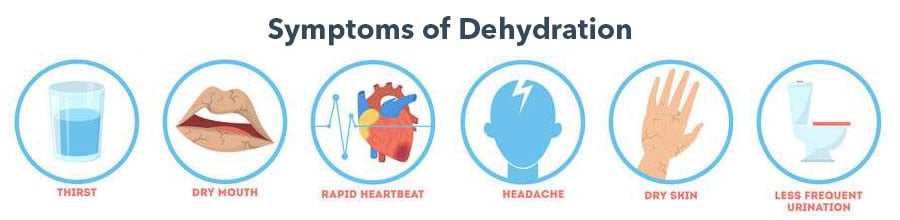
Every June 23, the U.S. celebrates National Hydration Day. Cardiometabolic Health Congress (CMHC) knows that proper hydration is vital to living a healthy life, but it’s often overlooked by patients. Some common symptoms of dehydration can be confused with cardiometabolic conditions or medication side effects. Dry mouth, muscle cramps, excessive thirst, rapid heartbeat, and headache are all common signs that the body needs hydration - but shouldn't be confused with more serious problems.
Whether your patients are professional athletes, casual exercisers, people who enjoy spending time in the sun, or just in need of a friendly reminder, make sure to point out that drinking water is key to avoiding heat stroke, dehydration, and other dangerous complications this summer. Celebrating National Hydration Day is a great way to raise awareness!
Saturday, April 4, 2020
Alcohol intake and Parkinson disease risk in the Million Women Study
You need to worry about Parkinsons because of this:
Parkinson’s Disease May Have Link to Stroke March 2017
You can't drink alcohol unless your doctor prescribes it. You do remember the EXACT PRESCRIPTIONS you got from your doctor for 100% recovery? Or did your doctor completely fail you by writing E.T.(evaluate and treat) prescriptions? Meaning your doctor KNOWS ABSOLUTELY NOTHING ABOUT STROKE RECOVERY?
And then there is this paragraph from here:
Does Alcohol Consumption Reduce the Risk of Parkinson's Disease?
People who moderately consume beer may reduce their risk of developing Parkinson’s disease by 27%, compared with nondrinkers.
SAN DIEGO—Moderate consumption(Ask your doctor what is moderate, can you substitute wine for the resveratrol and ellgaic acid?) of beer is associated with a lower risk for Parkinson’s disease, while greater consumption of liquor is linked with a higher risk, according to a study presented at the 136th Annual Meeting of the American Neurological Association. Total alcohol consumption, however, was not associated with a risk for Parkinson’s disease, researchers reported.
The latest here:
Alcohol intake and Parkinson disease risk in the Million Women Study
Sunday, March 22, 2020
The healing powers of beer
Don't do this. There are 2 ounces of hops in 5 gallons of beer, so practically useless. Anything using TCM for proof is almost pure quackery. (appeal to antiquity is not a valid proof of efficacy)
But your doctor will use this to tell you no alcohol. You could get your doctor going by quoting this.
Safest level of alcohol consumption is none, worldwide study shows
I prefer this;
Alcohol for these 12 reasons.
The healing powers of beer
Beer has a rich history rooted in herbal medicine, revered for its nutritional content and health benefits.
Medicinal roots
Traditional Chinese medicine (TCM) is a thousand-year old practice that uses mind and body practices (eg, acupuncture and tai chi) and herbal products to manage and treat health ailments, according to the National Center for Complementary and Integrative Health. Without the convenience of modern-day drugstores, people following TCM used certain herbs for their medicinal properties, sometimes combining them with alcohol, including beer.Tinctures, a medicinal fusion of dissolved herbs and alcohol, are a staple of TCM. Alcohol is used to activate and promote the circulation of healthy qi in the body. But, beer isn’t just used as a chaser for these herbal formulas; it’s also used for the nutritional content and health benefits that its ingredients like hops and malts can offer.
Nutritional benefits
Despite what some may believe, beer does, in fact, contain nutrients. Although the brew is composed of 90% water, it also contains soluble fiber and calcium, iron, magnesium, phosphorus, potassium, sodium, zinc, copper, manganese, selenium, fluoride, and silicon in trace amounts."Beer also has a unique antioxidant profile, with a majority coming from the malt and the remainder from the hops," Joy Dubost, a registered dietitian in the District of Columbia and a beer steward with the Master Brewers Association of the Americas, told U.S. News & World Report.
Bone health
Dietary silicon, one of the nutrients found in beer, has been shown to proffer bone-protecting effects.“Beer has high silicon content due to the processing of barley and hops,” noted the authors of one review on silicon’s role in the prevention and treatment of postmenopausal osteoporosis. “While there are numerous factors that contribute to bone health and to therapy for postmenopausal osteoporosis, silicon is also a mineral that is increasingly recognized as an essential nutrient for bone formation and maintenance.”
For instance, in one study published in Osteoporosis International, moderate beer-drinkers had a 20% lower risk of hip fractures than non-drinkers. In another study, in which researchers investigated the link between alcohol consumption (including beer) and osteoporotic fracture and bone density, they found that 0.5 to 1 drink per day was associated with a lower risk of hip fractures. The authors cautioned that ≥ 2 drinks per day was associated with increased hip fracture risk.
Digestive health
Bitter acids found in alcohol can help improve digestion. But, it all depends on the ethanol content. According to the authors of one article, “Alcoholic beverages with low ethanol content (beer and wine) are strong stimulants of gastric acid secretion and gastrin release, the effect of beer being equal to the maximal acid output… The powerful stimulants of gastric acid secretion present in beer, which are yet to be identified, are thermostable and anionic polar substances.” Gastric acid is essential for digesting food and regulating healthy gut bacteria.The authors noted, however, that drinks “with a higher ethanol content (whisky, gin, cognac) do not stimulate gastric acid secretion or release of gastrin.”
These findings were supported in a more recent study published in the Journal of Agricultural and Food Chemistry, in which researchers assessed five types of German and Austrian beer. They found that each brew stimulated gastric acid secretion, and the more bitter acids a beer contained, the greater the response.
Sleep hygiene
While some researchers warn against tossing back a nightcap, there is evidence to suggest that nonalcoholic beer with hops could actually help you sleep better. Hops have been shown to exert sedative effects. In one study, researchers found that women who drank nonalcoholic beer with hops, paired with dinner, had decreased anxiety levels and better sleep quality.Results from another study corroborated the soporific effects of beer hops. These researchers, who followed 30 university students for 14 days, found that non-alcoholic beer consumption at dinner time improved the quality of sleep at night in the sample.
Skin health
According to some researchers, beer could help protect our largest and most vulnerable organ: the skin.
“Beer, as well as hops, can be great ingredients for skin care. Hops have anti-anxiety properties, as well as anti-inflammatory properties, which is why we use hop extracts in skin care,” Cindy Jones, PhD, a cosmetic biochemist at Colorado Aromatics, told Healthline.
“Malt found in beer exfoliates, stabilizes collagen and elastin, improves microcirculation, and prevents premature aging skin. The yeast found in beer is rich in B vitamins, which help moisturize the skin,” she added.
It’s important to note that clinical support for these claims is limited. Noted the authors of one article published in the Journal of the European Academy of Dermatology and Venereology:
“[H]ops contain an abundance of polyphenols…These compounds have been shown to possess various anti‐bacterial, anti‐inflammatory, anti‐oxidative, anti‐angiogenic, anti‐melanogenic, anti‐osteoporotic and anti‐carcinogenic effects. Epidemiological studies on the association between beer drinking and skin disease are limited while direct evidence of beer compounds in clinical application is lacking. Potential uses of these substances in dermatology may include treatment of atopic eczema, contact dermatitis, pigmentary disorders, skin infections, skin ageing, skin cancers and photoprotections…Further studies are needed to determine the bioavailability of these compounds and their possible beneficial health effects when taken by moderate beer consumption.”
The dose makes the poison
If you’re using beer in the context of herbal medicine, remember to use it for what it is: a treatment. That means sticking to the recommended consumption guidelines of no more than 1 drink (12 oz) daily for women and for men over age 65, and no more than 2 drinks daily for men age 65 and youngerThursday, June 27, 2019
Stroke rehab at Moriarties live jazz night
Don't do this, I'm not medically trained. These are my ADLs, I expect answers.
-
I open my left hand and place it on my left thigh. It lasts about 5 minutes before spasticity sets in and pulls it off. I expect that every stroke therapist in the world should know the exact amount of time(hours, days, years) I need to practice that to cure that spasticity.
- I passively flex my four fingers thousands of times. I need to know exactly how many times I need to do this to cure that spasticity. Should I be doing each finger separately? What about my thumb?
- Walking to the bathroom through crowded tables after a couple of beers is excellent balance therapy. I've done this dozens of times. My doctor should know exactly how many beers or wine I should have to make this balance therapy as effective as possible as fast as possible.
- Clapping is totally impossible. What is the stroke protocol that will fix that?
- Beer glass sweating recovery.
A major problem which my therapists did not cover. Napkins stick to the
bottom of the glass and you look extremely silly drinking beer with a
napkin dangling in front of you. There is no way I can get my left
arm/hand to stay on the table, much less place it in position to hold
the napkin down. So the pinky finger gets the call to separate itself
from hand and peel the napkin off. The cardboard coasters do not have
this problem since I can usually hit the stuck coaster against another
friends glass to knock it off.
There is an appalling lack of protocols to address this issue. It is
impacting my social connections and thus ruining my stroke recovery.
- I can't carry my beer glass and food to another table in one trip.
There is an appalling lack of protocols to address this issue. It is impacting my social connections and thus ruining my stroke recovery.
Saturday, May 25, 2019
Beer before wine? Wine before beer?
And since your doctor will never suggest any type of alcohol, this is a public service announcement for those who ignore their doctors. I'm not suggesting you ignore your doctor, but does your doctor have ANY GOOD AT ALL on getting you 100% recovered? From Harvard Medical School.
Beer before wine? Wine before beer?
Faculty Editor, Harvard Health Publishing
Researchers enrolled 90 adults between the ages of 19 and 40, randomly assigning them to one of three groups:
- Group 1 drank beer until their breath alcohol level was at least .05%, then drank wine until it was at least .11%. That’s well over the limit of what can get you charged with drunk driving in the US.
- Group 2 drank wine until their breath alcohol level was at least .05%, then drank beer until it was at least .11%
- Group 3 was allowed to drink either only wine or only beer until their breath alcohol level was at least .11%
The groups were similar with respect to gender, body size, drinking habits, and frequency of hangovers. Hangover symptoms were assessed after each drinking session.
What did the researchers expect to find?
According to a commonly quoted saying, “beer before wine and you’ll feel fine.” There are a number of theories about why this should be true: one popular one is that if you start with wine and then drink beer, the carbonation in beer makes you more easily or quickly absorb alcohol from the wine. In theory, this leads to greater inebriation and a worse hangover.The big reveal: beer before wine or wine before beer?
By conventional wisdom, beer-before-wine drinkers should have been in better shape than wine-before-beer drinkers. But that’s not what this new research found. There was no correlation between hangover symptoms and whether subjects drank only wine, only beer, or switched between them in either order. Perhaps the least surprising findings? The best predictors of a bad hangover were how drunk the subjects felt or whether they vomited after drinking.And it makes sense: alcohol is absorbed rather well and rather quickly, regardless of its source.
Was this really necessary?
When you hear about this research, you may wonder, as I did, whether it was really a priority. Probably not. And despite the results, some will quibble about the choice of beer (a “premium Pilsner lager recipe from 1847 by Carlsberg, with an alcohol content of 5%, served cold”) or wine (“a 2015 Edelgräfler quality white wine, Chasselas blanc/Johanniter, Zähringer Winery, with an alcohol content of 11.1%, served cold at the same temperature as the beer”), or the source of funding (Carlsberg provided free beer).But I do think it’s worth putting to the test assumptions we have about diet, health, and yes, drinking.
The bottom line
File this one under “medical myths debunked.” It probably matters little whether you drink wine then beer or the reverse. Regardless of your drinks of choice or the order in which you drink them, what matters most is drinking responsibly, never driving under the influence, and knowing when to quit.Follow me on Twitter @RobShmerling
Monday, October 1, 2018
Beer, Wine, and Chocolate Are Key to Living a Long Life, Study Says
https://vinepair.com/booze-news/beer-wine-health-benefits/?
Produced by Tim McKirdy / @timmckirdy
Updated on 2018-09-17
The study, led by Warsaw University’s Professor Joanna Kaluza, was recently published in the Journal of Internal Medicine, Metro reports.
Working with more than 68,000 participants, Kaluza and a team of scientists found that those with diets rich in fruit and vegetables, as well as beer, wine, and chocolate, which have anti-inflammatory properties, were up to 20 percent less likely to die prematurely than those who ate a lot of red meat, sugary sodas, and processed foods.
“It is known that fruits, vegetables, tea, coffee, red wine, beer, and chocolate are rich in antioxidants,” Kaluza told Metro.
Interestingly, smokers that stuck to the anti-inflammatory diet experienced even greater benefits, and were around 33 percent less likely to die in the next 16 years than smokers who did not.
“Adherence to a diet with high anti-inflammatory potential may reduce all-cause, cardiovascular and cancer mortality and prolong survival time, especially among current and former smokers,” Kaluza said.
While it should be stressed that these findings are in accordance with a healthy, balanced diet, this could be the best excuse yet to allow yourself that chocolate, beer, or glass of red tonight.
Wednesday, May 30, 2018
Beer glass sweating stroke protocol
A major problem which my therapists did not cover. Napkins stick to the bottom of the glass and you look extremely silly drinking beer with a napkin dangling in front of you. There is no way I can get my left arm/hand to stay on the table, much less place it in position to hold the napkin down. So the pinky finger gets the call to separate itself from hand and peel the napkin off. The cardboard coasters do not have this problem since I can usually hit the stuck coaster against another friends glass to knock it off.
There is an appalling lack of protocols to address this issue. It is impacting my social connections and thus ruining my stroke recovery.
![]() |
| Smithwicks tall |
Thursday, May 17, 2018
Fermented foods for better gut health
Beer is fermented grains;
Wine is fermented grapes;
Sake is fermented rice.
https://www.health.harvard.edu/blog/fermented-foods-for-better-gut-health-2018051613841
Posted May 16, 2018, 10:30 am
Fermented foods are preserved using an age-old process that not only boosts the food’s shelf life and nutritional value, but can give your body a dose of healthy probiotics, which are live microorganisms crucial to healthy digestion, says Dr. David S. Ludwig, a professor of nutrition at the Harvard School of Public Health.
Not all fermented foods are created equal
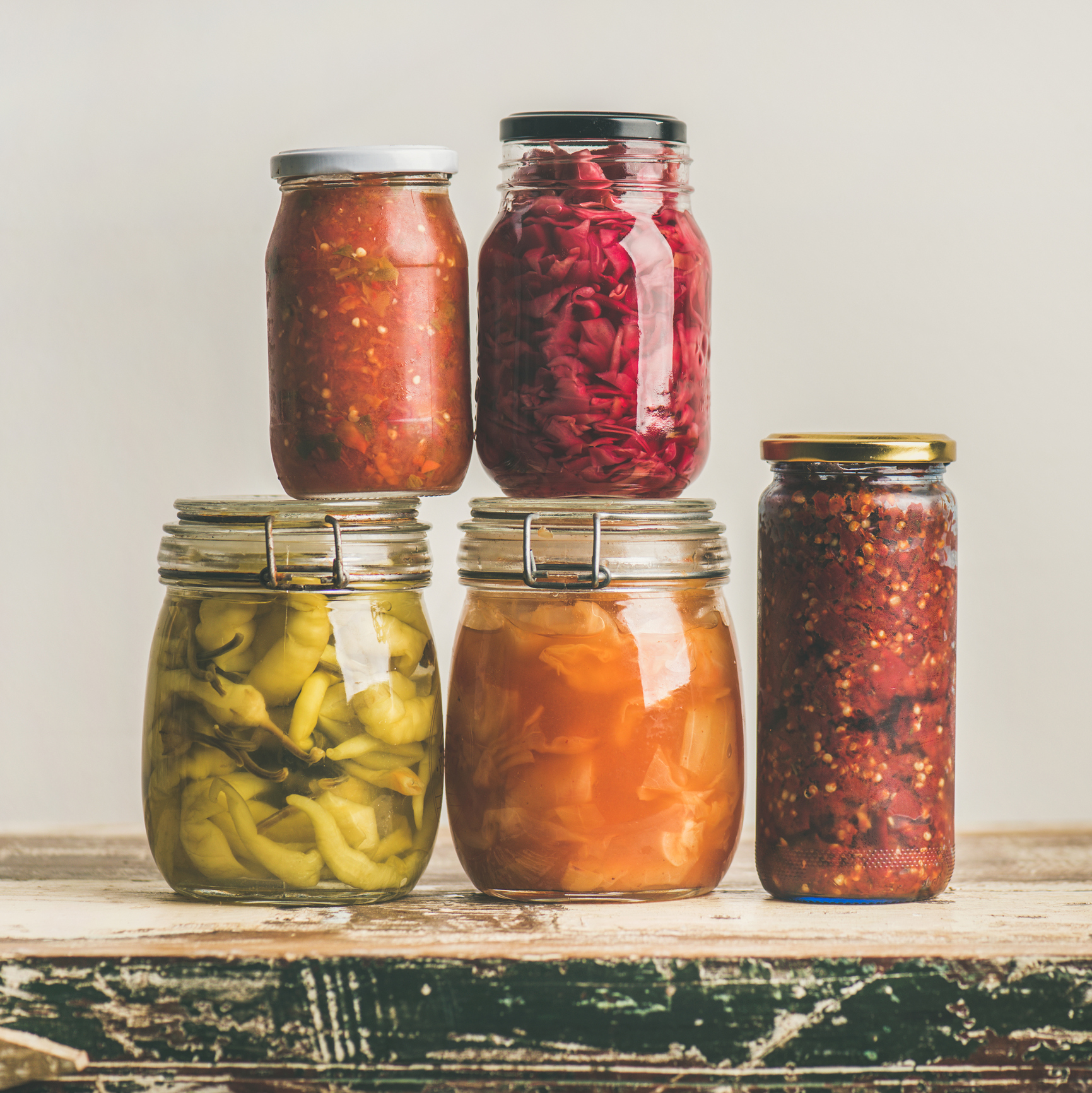
The foods that give your body beneficial probiotics are those fermented using natural processes and containing probiotics. Live cultures are found in not only yogurt and a yogurt-like drink called kefir, but also in Korean pickled vegetables called kimchi, sauerkraut, and in some pickles. The jars of pickles you can buy off the shelf at the supermarket are sometimes pickled using vinegar and not the natural fermentation process using live organisms, which means they don’t contain probiotics. To ensure the fermented foods you choose do contain probiotics, look for the words “naturally fermented” on the label, and when you open the jar look for telltale bubbles in the liquid, which signal that live organisms are inside the jar, says Dr. Ludwig.Try making your own naturally fermented foods
Below is a recipe from the book Always Delicious by Dr. Ludwig and Dawn Ludwig that can help get you started.Spicy pickled vegetables (escabeche)
These spicy pickles are reminiscent of the Mediterranean and Latin American culinary technique known as escabeche. This recipe leaves out the sugar. Traditionally, the larger vegetables would be lightly cooked before pickling, but we prefer to use a quick fermentation method and leave the vegetables a bit crisp instead.
- 2 cups filtered water
- 1 to 1-1/4 tablespoons sea salt
- 2 tablespoons apple cider vinegar
- 1 jalapeño or a few small hot chiles (or to taste), sliced
- 1 large carrot cut into 1/4-inch-thick rounds or diagonal slices
- 1 to 2 cups chopped cauliflower or small cauliflower florets
- 3 small stalks celery (use only small inner stalks from the heart), cut into 1-inch-long sticks
- 1 bay leaf
- 1 cabbage leaf, rinsed
Set a quart-size canning jar in the sink and fill it with boiling water to sterilize. Empty the jar and tightly pack the vegetables and bay leaf inside to within 1 to 2 inches from the top of the jar. Pour the brine over the vegetables to fill the jar to within 1 inch from the top. Wedge the cabbage leaf over the top of the vegetables and tuck it around the edges to hold the vegetables beneath the liquid.
Set jar on the counter and cover with a fermentation lid. (Alternatively, use a standard lid and loosen it a bit each day for the first few days, then every other day, to allow gasses to escape.) Let pickle for three to five days, depending on the indoor temperature. Check the taste after a couple of days, using clean utensils. Vegetables will pickle faster in warmer climates. Make sure the vegetables stay packed beneath the level of the liquid and add salted water (2 teaspoons sea salt dissolved in 1 cup warm filtered water) as needed.
When the vegetables are pickled to your liking, seal the jar with a regular lid and refrigerate. Vegetables will continue to slowly pickle in the refrigerator. They will keep for about one month. Taste for saltiness before serving and, if desired, rinse gently to remove excess salt.
Calories: 1 (per 1 tablespoon)
Carbohydrate: 0 g
Protein: 0 g
Fat: 0 g
Excerpted from the book Always Delicious by David S. Ludwig, MD, PhD, and Dawn Ludwig. Copyright © 2018 by David S. Ludwig, MD, PhD, and Dawn Ludwig. Recipe reprinted with permission of Grand Central Life & Style. All rights reserved.
Monday, March 19, 2018
7 lucky reasons why beer is good for your health
You'll never hear this from your doctor.They also don't mention a Guinness replacing your aspirin, #3 hints at it but doesn't explicitly say that.
Guinness could really be good for you
7 lucky reasons why beer is good for your health
To your health!
Tuesday, November 21, 2017
Bubbles clustering while pouring stout beers?
Six healthy reasons to drink more beer
Drinking beer may be good for heart health
A beer a day helps prevent stroke and heart disease, new study suggests
Effects of moderate beer consumption on health and disease: A consensus document
Guinness could really be good for you
Dark beer is good for you, in moderation
Bubbles clustering while pouring stout beers?
- Under embargo until 20 November 2017 13:00 GMT
The texture of a stout beer and why it appears to descend as it’s poured into a glass has now been explored by fluid dynamists, revealing what has, until now, been a bit of a mystery.
During the 70th annual meeting of the American Physical Society’s Division of Fluid Dynamics, being held Nov. 19-21, 2017, in Denver, Colorado, researchers from Osaka University will present their work exploring the fluid dynamics behind this type of bubble clustering in stout and nitrogenized stout beers and carbonated drinks.
The researchers studied how long it took to develop the “void fraction,” which is the fraction of the channel volume occupied by the gas phase, while also tracking the velocity of the bubbles. They were particularly interested in the propagation of the number density distribution, which describes the degree of concentration, of the bubbles and their texture near the inclined wall of a pint glass.
“Our velocity measurements are based on optical visualizations,” said Kazuyasu Sugiyama, a professor at Osaka University. “We measured the velocity of each bubble, descending wave of texture, and the liquid velocity.”
They used a microscope to zero in on the individual movement of bubbles. Then, using the brightness of the images, the researchers were able to use a method called “particle-tracking velocimetry” to measure the velocity of each bubble.
“There is a velocity difference between bubbles and the texture of bubble distribution, and our findings suggest that there is some hydrodynamic instability that results in wave formation," Sugiyama said. “We can observe the texture of bubbles for just 119.5 seconds after the pouring. This iconic texture is also called a ‘cascade.’”
Intriguingly, the group’s measurements revealed that the local void fraction and individual movement of the bubbles’ velocity increase and decrease repeatedly with a time delay, according to Sugiyama. This implies that the texture pattern is composed of a viscous (thick) fluid that contains fewer bubbles, which causes thrust and suction. The bubble cascade splashes back and forth within the interior of its container (pint glass) and ends up forming in front of and behind the viscous fluid with fewer bubbles.
These findings may help “control multiphase flows for both general industries and beer production, such as those in fermenting vessels, mixing of colloids, and aeration in chamber,” Sugiyama said.
http://meetings.aps.org/Meeting/DFD17/Session/G7.9
- Full bibliographic informationAbstract: G7.00009: “Bubble clustering in a glass of stout beer," by Fumiya Iwatsubo, Tomoaki Watamura and Kazuyasu Sugiyama, is at 12:19-12:32 p.m. MST, Nov. 20, 2017, in Room 407 in the Colorado Convention Center. http://meetings.aps.org/Meeting/DFD17/Session/G7.9
Sunday, October 8, 2017
Happiness from beer?
Six healthy reasons to drink more beer
Drinking beer may be good for heart health
A beer a day helps prevent stroke and heart disease, new study suggests
Effects of moderate beer consumption on health and disease: A consensus document
Guinness could really be good for you
If you're over 60, drink up: Alcohol associated with better memory
Dark beer is good for you, in moderation
Maybe this for your happiness protocol since I can guarantee that your doctor has none.Beer really DOES make you happier! Key molecule boosts brain’s reward centre
Drinking Beer Makes You Really Happy, Confirms Awesome New Study
Wednesday, June 14, 2017
Very Popular Drink Linked To Brain Damage
More negative results on alcohol, while I look at all these positives. But listen to your negative Nellie doctor instead of me.
Alcohol for these 12 reasons.
A little daily alcohol may cut stroke risk
An occasional drink doesn't hurt coronary arteries
Six healthy reasons to drink more beer Red wine benefits are in this one also.
10 Health Benefits of Whiskey
Negative here:
Very Popular Drink Linked To Brain Damage
Moderate alcohol intake means around 14 to 21 units per week.
The study also found no support for the idea that low levels of alcohol intake are beneficial for the brain.
The conclusions come from a British study of 550 healthy men and women followed over 30 years.
At the start of the study, people’s average age was 43 and none had alcohol problems.
All participants had regular brain function tests and an MRI scan at the end.
The researchers adjusted for many factors that could have been influential, such as age, sex, education, exercise levels and medical history.
They found that people who drank more over 30 years had increasing shrinkage of the hippocampus.
The hippocampus is a brain structure crucial for memory and other functions.
People who drank moderate amounts (14 – 21 units per week) had more shrinkage in their hippocampus than those who abstained.
For those who drank over 30 units per week, the situation was even worse.
Up to 7 drinks per week was not linked to any beneficial effect, as some other studies have reported.
The UK has recently reduced its alcohol guidance limits to 14 units for men and women.
The US, however, recommends a maximum of 24.5 units per week.
The study’s authors write:
“Our findings support the recent reduction in UK safe limits and call into question the current US guidelines, which suggest that up to 24.5 units a week is safe for men, as we found increased odds of hippocampal atrophy at just 14-21 units a week, and we found no support for a protective effect of light consumption on brain structure.”Dr Killian Welch, writing in a linked editorial, said:
“We all use rationalisations to justify persistence with behaviours not in our long term interest.
With publication of this paper, justification of “moderate” drinking on the grounds of brain health becomes a little harder.”
Wednesday, May 24, 2017
Scientists Question Benefit of Moderate Drinking
Alcohol for these 12 reasons.
A little daily alcohol may cut stroke risk
An occasional drink doesn't hurt coronary arteries
Six healthy reasons to drink more beer Red wine benefits are in this one also.
10 Health Benefits of Whiskey
The negative article here:
Scientists Question Benefit of Moderate Drinking
Researchers from Penn State have examined the drinking habits of middle-aged adults and found that the widely reported benefits of moderate alcohol may be overstated because they appear in a vacuum and did not factor in other health risks.
“Evidence continues to grow that alcohol has many health risks, including for cancer,” Jennifer Maggs, professor of human development and family studies at Penn State and one of the study's authors, said in a statement. “Therefore, it is dangerous to report only benefits of moderate alcohol consumption.
“Drinking habits are also shaped by our education, health earlier in life and related lifestyle factors including smoking,” she added. “These other influences may be the real factors underlying the connection between drinking and midlife health.”
After analyzing information of about 9,000 people in England, Scotland and Wales born in 1958 the researchers linked changes to mental and physical health to an individual’s drinking and cigarette smoking habits from age 23 to 55.
According to the study, about one-third of participants who reported drinking at the light-to-moderate level—adults who consumed no more than 14 units of alcohol per week—were very unlikely to smoke and enjoyed the best health and quality of life in middle age.
However, those who drank lightly to moderately but also smoked experienced more health problems, as did those who both drank heavily and smoked and those who either refrained from alcohol or reduced their drinking over time.
Moderate drinking has long been considered to have some heart benefits but the researchers believe these reports failed to take into account other risk factors like smoking or a lack of exercise or obesity.
“This study provides yet more evidence that any benefits associated with drinking alcohol are smaller than previously thought,” Sir Ian Gilmore, chair of the Alcohol Health Alliance in the U.K., said in a statement. “The most effective ways to reduce harms associated with alcohol consumption are to introduce pricing measures linked to alcohol sales, and enable more informed choices through public education efforts and mandatory labeling of alcohol products.”
The researchers also explained that adults who abstain from alcohol are not necessarily healthier than light-to-moderate drinkers.
“Alcohol abstainers are a diverse group,” Jeremy Staff, professor of criminology and sociology at Penn State and the study’s lead author, said in a statement. “They include former heavy drinkers who quit due to problems with alcohol, as well as those who quit drinking due to poor health, and not just lifetime abstainers.
“Medical professionals and public health officials should be wary of drawing conclusions about the so-called 'dangers' of never drinking without more robust evidence,” he added.
Thursday, April 13, 2017
Glass of Wine, Beer Might Be Good for Heart
http://www.newsmax.com/Health/Health-News/glass-wine-beer-heart/2017/03/24/id/780573/?
But don't bend that elbow too often: drinking to excess can increase your risk for a variety of heart problems, the study also showed.
Researchers tracked more than 1.9 million healthy British adults and found that having the occasional drink was tied to reductions in the risk of heart attack, sudden heart death, heart failure and stroke, compared to non-drinkers.
In the study, "moderate" drinking was defined as 7 pints of regular beer or 1.5 bottles of wine in one week, researchers said in background notes.
Drinking more than that increased the risk of many heart health problems, researchers found. Those included sudden heart death, heart failure, cardiac arrest and stroke.
Despite these results, non-drinkers shouldn't feel pressure to pick up a bottle for their heart health, even though the study showed some potential benefit from casual drinking, Bell said.
"There are safer and more effective ways of reducing cardiovascular risk, such as increasing levels of physical activity, maintaining a healthy diet and quitting smoking, which do not incur increased risks of harm such as alcohol dependence, liver disease and certain types of cancer," Bell said.
For this study, researchers at the University of Cambridge and University College London investigated the potential link between alcohol consumption and 12 cardiovascular diseases by analyzing electronic health records for nearly 2 million adults with good heart health.
But people who went over the line into heavy drinking wound up with increased heart health risks, including a 21 percent higher risk of sudden heart death, a 22 percent higher risk of heart failure, a 50 percent increased risk of cardiac arrest, a 33 percent increased risk of ischemic stroke and a 37 percent increased risk of bleeding in the brain.
The new study is consistent with earlier results that have indicated a potential heart health benefit from an occasional drink, but it amplifies the message since it involved millions of patients, said Dr. Allan Stewart, director of aortic surgery at Mount Sinai Hospital in New York City.
"With this degree of power in the study, it's pretty good evidence you are benefitting your health by having a few drinks a week, or a drink or two a day," said Stewart, who wasn't involved in the study.
There are several potential ways that casual drinking might benefit heart health, although none have been proven, Bell and Stewart said.
Alcohol consumption has been linked to increases in "good" HDL cholesterol and properties in blood that reduce clotting, Bell said. It's also possible that moderate drinking helps reduce your stress levels, Stewart said.
However, the results indicate that U.S. guidelines for healthy drinking appear to be on the right track, said Dr. Kenneth Mukamal, an associate professor at Harvard Medical School.
"The guidelines basically say if you're a man, never have more than two drinks in a day, and if you're a woman, never have more than one drink a day," said Mukamal, who wrote an editorial accompanying the new study. "That's a simple message, and yet more Americans don't follow it than do."
U.S. guidelines consider a drink to be 12 ounces of beer, 5 ounces of wine or 1.5 ounces of liquor, according to the U.S. Centers for Disease Control and Prevention.