Changing stroke rehab and research worldwide now.Time is Brain! trillions and trillions of neurons that DIE each day because there are NO effective hyperacute therapies besides tPA(only 12% effective). I have 523 posts on hyperacute therapy, enough for researchers to spend decades proving them out. These are my personal ideas and blog on stroke rehabilitation and stroke research. Do not attempt any of these without checking with your medical provider. Unless you join me in agitating, when you need these therapies they won't be there.

What this blog is for:

My blog is not to help survivors recover, it is to have the 10 million yearly stroke survivors light fires underneath their doctors, stroke hospitals and stroke researchers to get stroke solved. 100% recovery. The stroke medical world is completely failing at that goal, they don't even have it as a goal. Shortly after getting out of the hospital and getting NO information on the process or protocols of stroke rehabilitation and recovery I started searching on the internet and found that no other survivor received useful information. This is an attempt to cover all stroke rehabilitation information that should be readily available to survivors so they can talk with informed knowledge to their medical staff. It lays out what needs to be done to get stroke survivors closer to 100% recovery. It's quite disgusting that this information is not available from every stroke association and doctors group.

Showing posts with label pros and cons. Show all posts

Wednesday, January 29, 2025

Yes, physicians warn, cannabis is bad for the heart

But you don't tell us if this is smoked or gummies. What about the benefits for stroke recovery? Do the pros outrank the cons? 

Earlier research was positive on marijuana, did your competent? doctor take notice and prescribe it?

 I'm doing it after my next stroke.

My 13 reasons for marijuana use post-stroke.  

Don't follow me, I'm not medically trained and I don't have a Dr. in front of my name.

This: 

Pot Smoking Baby Boomers Are On The Rise, Why Are Scientists So Happy For Them? Hint: Benefits For The Aging Brain

And this:

The Experiments Revealing How Marijuana Could Treat Dementia

The latest here:

Yes, physicians warn, cannabis is bad for the heart

Cannabis use is on the rise throughout the United States, but it is not as harmless as some people may believe. In fact, according to a new in-depth analysis in Nature Reviews Cardiology, regular cannabis use increases a person’s risk of multiple adverse cardiovascular outcomes, including myocardial infarction, arrhythmias and cardiomyopathy.[1]

The study’s authors, a group of researchers with the Stanford Cardiovascular Institute, explored a wide variety of topics, including ongoing policy trends related to cannabis and the science behind why it appears to make such a significant impact on the cardiovascular system. The group also emphasized that it will be important to learn more about the long-term impact of cannabis use as time goes on. 

“Cannabis is emerging as a risk factor for adverse cardiovascular health,” wrote first author Mark Chandy, MD, PhD, who is now an assistant professor at Western University in Ontario, Canada, and colleagues. “With changing public perceptions and an overall decline in tobacco use, cannabis is poised to replace tobacco as a legal drug of choice. Previous restrictions are ending with the widespread decriminalization and legalization of cannabis, boosting use of the drug. A public perception that cannabis is harmless and therapeutically beneficial persists, despite mounting evidence from preclinical and clinical studies showing that cannabis use can harm the cardiovascular system and pose other serious health problems, not unlike tobacco.”

Exploring the link between cannabis use and cardiovascular disease

Chandy et al. noted that “robust evidence from basic science and clinical studies” has already linked cannabis use to an increased likelihood of developing cardiovascular disease. These risks appear to become more severe depending on how often the drug is used. 

Another key takeaway from the group’s assessment was the evidence that cannabis use can increase the risk of new-onset arrhythmias such as atrial fibrillation (AFib) and atrial flutter. 

“Cannabis use disorder, defined as an inability to stop using marijuana despite adverse health effects or social problems, is associated with increased occurrence of AFib, hospital admissions for uncontrolled AFib and thromboembolic events,” the authors wrote. “Moreover, cannabis use disorder and associated arrhythmias are more common in younger patients. After cannabis exposure, heart rate transiently increases due to increased sympathetic tone and decreased parasympathetic tone. The chronic use of cannabis results in bradycardia due to reversal of autonomic tone. Moreover, the burden of cannabis-related arrhythmic events is exacerbated in individuals with ischemic heart disease compared with those without.”

The regular use of cannabis also appears to increase a person’s risk of developing cardiomyopathy, and some studies have linked it to an increased heart failure risk. 

Synthetic cannabis: a cause for concern?

The authors also warned that there are now synthetic marijuana strands that “exert strong depressant effects when combined with alcohol” and are “far more potent” than traditional cannabis. 

“Clinical reports and case studies provide insight into the acute adverse effects and potential complications associated with the recreational use of synthetic cannabinoids, including respiratory depression, cardiovascular events, neuropsychiatric symptoms and death,” the authors wrote. “The use synthetic cannabinoids has also been linked to myocardial infarction, myocardial ischemia and other cardiovascular complications, particularly in pediatric patients.” 

Consuming tobacco and cannabis together could lead to even greater risks

The review also examined the fact that more and more people are now using cannabis and tobacco together, creating the potential for even worse patient outcomes. At this point, little is known about the long-term effects of combining these two substances, but the short-term evidence we have so far all points to “harmful health outcomes.”

Click here to read the full review, which covers decade of research and includes nearly 150 references.

Tuesday, July 4, 2023

Study links menopausal hormone therapy to increased risk of dementia and Alzheimer's

 For the women out there. But as least you don't seem to have to worry about stroke. So ask your doctor about pros and cons of which you are most at risk of.

Hormone therapy in the menopause transition does not increase risk of stroke November 2017

The latest here:

Study links menopausal hormone therapy to increased risk of dementia and Alzheimer's

A study of Danish women aged 50 – 60 reveals that continuous and cyclic menopausal hormone therapy can increase the risk of dementia and Alzheimer’s disease.

The study is published in the British Medical Journal (BMJ).

Study: Menopausal hormone therapy and dementia: nationwide, nested case-control study. Image Credit: Image Point Fr / ShutterstockStudy: Menopausal hormone therapy and dementia: nationwide, nested case-control study. Image Credit: Image Point Fr / Shutterstock

Background

Dementia refers to a group of symptoms affecting memory, thinking, and social abilities. It affects women more than men globally. Alzheimer’s disease is the most common form of dementia.

Estrogen is a steroid hormone responsible for the development and functioning of the female reproductive system. This hormone has both neuroprotective and neuro-damaging properties. Synthetic estrogen is commonly used as hormone replacement therapy for managing menopause-related symptoms.

Studies investigating the effect of menopausal hormone therapy on dementia risk have produced contradicting results. While some studies have shown a positive association between estrogen hormone therapy and the risk of dementia, some have reported no such association.

In this nationwide study, scientists have explored the association between continuous and cycling estrogen-progestin therapy and the risk of dementia in Danish women aged 50 – 60.

Study design

The study included 5,589 incident cases of all-cause dementia and 55,890 age-matched, dementia-free controls. The participants were identified between January 2000 and December 2018 from a nationwide population of all Danish women. The study participants had no history of dementia or contraindications for the use of menopausal hormone therapy at baseline.

The data on first-time dementia diagnosis or first-time prescription of dementia-specific medications were collected from National Registries to identify cases with all-cause dementia.

The analysis of menopausal hormone therapy included type of therapy (continuous or cyclic), duration of therapy, and age at usage.

Important observations

Among participants with all-cause dementia, about 79% had late-onset dementia, and 26% had Alzheimer’s disease. The median age of participants at diagnosis was 70 years. Compared to dementia-free participants, participants with all-cause dementia were more likely to have low educational background and family income. Dementia patients were more likely to live alone and have hypertension, diabetes, and thyroid disease.

Before the first diagnosis of dementia, about 32% of cases and 29% of controls had received combined estrogen-progestin hormone therapy. About 66% of them had treatment cessation more than 8 years before dementia diagnosis. About 8.7% of them were still undergoing treatment at the time of diagnosis.

The median age of treatment initiation was 53 years for both incident cases and controls. The median duration of treatment was 3.8 years and 3.6 years for cases and controls, respectively.

Among cases with estrogen-progestin therapy, about 25% and 39% had received continuous and cyclic progestin therapy, respectively, and 30% had received both continuous and cyclic estrogen-progestin therapy before the first dementia diagnosis. Similar proportions were noticed for dementia-free control participants.

Association between hormone therapy and risk of dementia

A higher risk of developing all-cause dementia was observed among participants who had received menopausal estrogen-progestin therapy compared to those who had never received hormone therapy. A similar association was observed for participants with late-onset dementia or Alzheimer’s disease.

The participants with longer treatment duration had a higher risk of all-cause dementia compared to those with shorter treatment duration. However, both continuous and cyclic treatment regimens had a similar impact on dementia risk.

The association between hormone therapy and dementia risk persisted for participants who only received menopausal estrogen-progestin therapy at the age of 55 years or younger. No association was observed between progestin-only therapy or vaginal estrogen-only therapy and the risk of all-cause dementia, late-onset dementia, and Alzheimer’s disease. 

Study significance

The study establishes a positive association between menopausal estrogen-progestin hormone therapy and the risk of all-cause dementia, late-onset dementia, and Alzheimer’s disease. This association persists for short-term users who receive the therapy only at the age of 55 years or younger.

As mentioned by the scientists, women receiving hormone therapy may have a predisposition to both menopause-related symptoms and dementia. With an observational study design, such residual bias cannot be excluded. Thus, further studies are required to establish a causal link between menopausal hormone therapy and the risk of dementia.   

Journal reference:

Monday, October 11, 2021

Long-Term Recreational Cannabis Use Is Associated With Lower Executive Function and Processing Speed in a Pilot Sample of Older Adults

Don't bother asking your doctor the pros vs. the cons of marijuana, they will be completely biased against it. You'll have to research on your own. 

My 13 reasons for marijuana use post-stroke.  

Don't follow me, I'm not medically trained and I don't have a Dr. in front of my name.

The latest here:

Long-Term Recreational Cannabis Use Is Associated With Lower Executive Function and Processing Speed in a Pilot Sample of Older Adults

 
  First Published September 28, 2021 Research Article 

More older adults are using cannabis for recreational and/or medical purposes, but most studies examining cognitive function and cannabis use do not include older adults. The current small pilot study sought to compare cognitive function and emotional functioning among adults age 60 and older who were regular, primarily recreational cannabis users (n = 28) and nonusers (n = 10). A bimodal distribution was observed among cannabis users such that they had either initiated regular use more recently (“short-term” users; ≤7 years, n = 13) or earlier in life (“long-term” users; ≥19 years, n = 15). Nonusers, short-term, and long-term users were not different in depression, anxiety, or emotion regulation, or alcohol use. Nonusers scored significantly higher than long-term users in executive function. Short-term users scored significantly higher than long-term users in executive function, processing speed, and general cognition. Additionally, greater recent cannabis use frequency was negatively associated with working memory. The current findings suggest that short-term recreational cannabis use does not result in differences in cognitive performance compared to nonusers, which may indicate that short-term use is relatively benign in older adults. However, longer duration of use is associated with poorer processing speed and executive functioning, and more recent cannabis use is associated with poorer working memory, which may impact older adults’ overall cognitive functioning.

Saturday, January 18, 2020

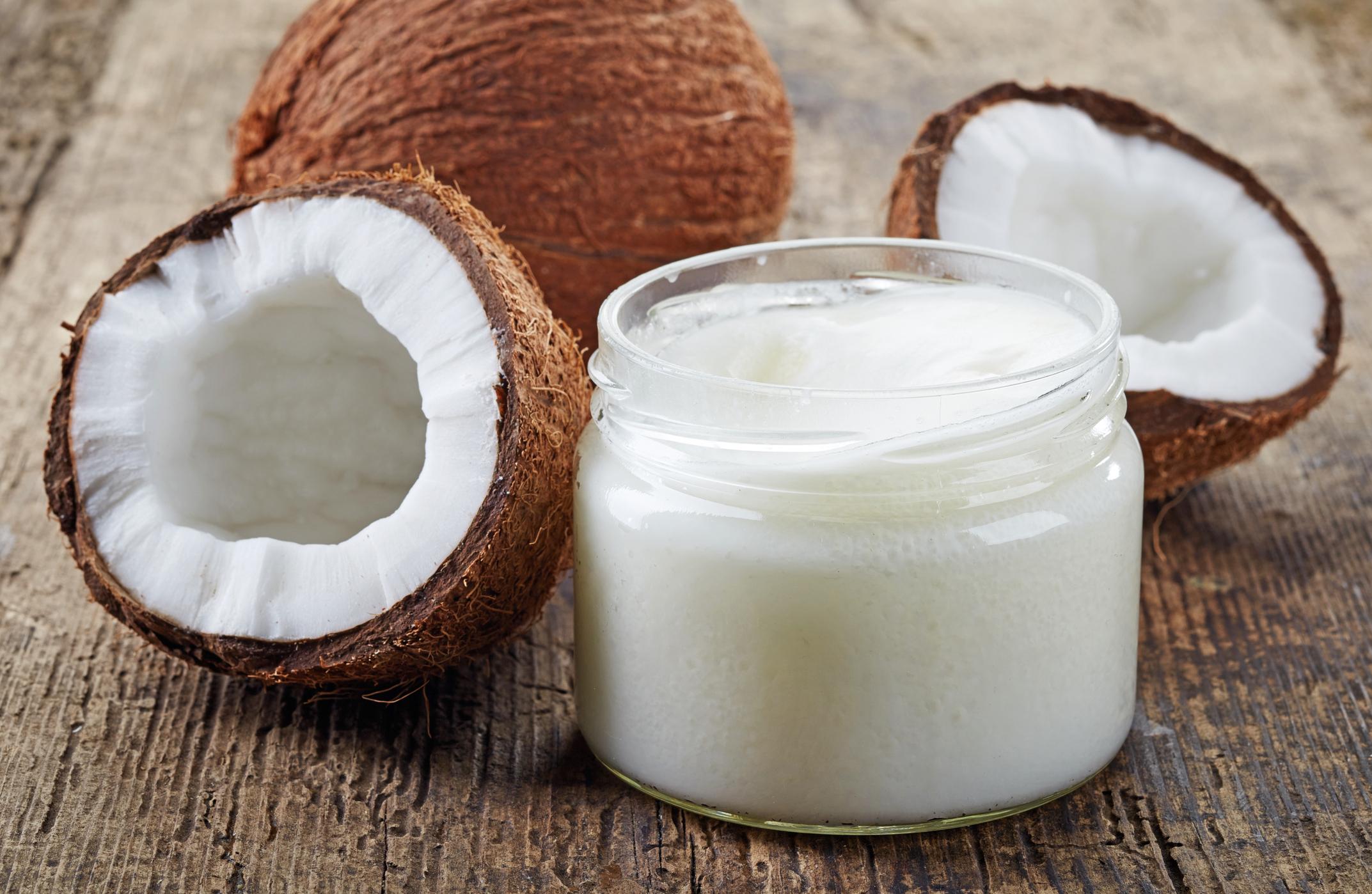
Potential of coconut oil and medium chain triglycerides in the prevention and treatment of Alzheimer’s disease

Your doctor is responsible for elucidating the pros of coconut oil for this prevention/treatment.  VS. this!

The bad?

Coconut Oil and Heart Health: Fact or Fiction?

The good?

Potential of coconut oil and medium chain triglycerides in the prevention and treatment of Alzheimer’s disease

Author links open overlay panelPratishthaChatterjeeab MalikaFernandocBinoshaFenandobCintia BDiasadTejalShahabeRenukaSilvacShehanWilliamseStevePedrinibHeidiHillebrandtaKathrynGoozeeabfghEdwardBariniHamid RSohrabiabjManoharGargdStephenCunnanekRalph NMartinsabfhj


Highlights

Brain glucose hypometabolism is a major early hallmark of AD.
CO is a rich source of MCT, and ketone bodies arise from MCT metabolism.
Ketone bodies serve as an alternative energy source for the glucose-deficient brain.
CO, MCT and their derivatives show evidence of neuroprotective properties.
CO, MCT and their derivatives show evidence of influencing AD related risk factors.

Abstract

Alzheimer’s disease (AD) is the most common form of dementia. Currently, there is no effective medication for the prevention or treatment of AD. This has led to the search for alternative therapeutic strategies. Coconut oil(CO) has a unique fatty acid composition that is rich in medium chain fatty acids(MCFA), a major portion of which directly reaches the liver via the portal vein, thereby bypassing the lymphatic system. Given that brain glucose hypometabolism is a major early hallmark of AD, detectable well before the onset of symptoms, ketone bodies from MCFA metabolism can potentially serve as an alternative energy source to compensate for lack of glucose utilisation in the brain. Additionally, neuroprotective antioxidant properties of CO have been attributed to its polyphenolic content. This review discusses how the metabolism of CO and MCFA may aid in compensating the glucose hypometabolism observed in the AD brain. Furthermore, we present the current evidence of the neuroprotective properties of CO on cognition, amyloid-β pathogenicity, inflammation and oxidative stress. The current review addresses the influence of CO/MCFA on other chronic disorders that are risk factors for AD, and addresses existing gaps in the literature regarding the use of CO/MCFA as a potential treatment for AD.

Keywords

Medium chain triglycerides
coconut oil
Alzheimer’s disease
cerebral glucose hypometabolism
amyloid-β
View full text

Coconut Oil and Heart Health: Fact or Fiction?

I've got all these posts on coconut oil if you want to decide for yourself. Or you can trust your doctor to have read all these and more. I'm doing some, way too many pros vs. cons for me. But I'm not medically trained like that professor that called it pure poison with no research to back up her opinion.

  • coconut oil (58)


Coconut Oil and Heart Health: Fact or Fiction?

Frank M. Sacks, MD Departments of Nutrition and Molecular Metabolism, Harvard T.H. Chan School of Public Health, Boston, MA Address for Correspondence: Frank M. Sacks, MD Nutrition Department Harvard T.H. Chan School of Public Health 677 Huntington Avenue, Boston, MA 02115 Tel: 617-432-1420 Fax: 617-432-3101 Email: fsacks@hsph.harvard.edu That coconut oil contributes to cardiovascular disease would appear non-controversial because its saturated fat content increases plasma LDL-cholesterol concentration.1 Cholesterol-rich LDL is a major cause of atherosclerosis because it delivers its cholesterol load to the arterial wall and causes obstruction and inflammation. Nonetheless, coconut oil has been accorded much attention in the popular media as a potentially beneficial food product. In fact a survey in 2016 found that 72% of Americans viewed coconut oil as a “healthy food”. 2 This represents a remarkable success in marketing by the coconut oil and related industries calling coconut oil a natural, healthful product, despite its known action to increase LDL-cholesterol, an established cause of  atherosclerosis and cardiovascular events. A systematic review, published in 2016, identified 7 trials that tested the effect of coconut oil on LDL-cholesterol. In these trials, coconut oil was compared to oils that had high content of unsaturated fats.3 Significant detrimental effects were found in six of them. The present study by Neelakantan, Seah, and van Dam is an important advance over this systematic review in that it includes  a total of 17 published trials, takes a quantitative rather than a descriptive approach, and includes a range of outcomes relevant to assessing cardiovascular and metabolic health.4 This meta-analysis found that coconut oil significantly increased plasma LDL-cholesterol and HDL cholesterol, and had no effect on triglycerides, body weight, body fat, and markers of glycemia and inflammation as compared with non-tropical vegetable oils. Overall, this meta-analysis is rigorously conducted and reported, putting the results in the context of CVD prevention.  Coconut oil is composed mainly of the saturated fatty acid, lauric acid (12 carbon atoms), but also of other long-chain saturated fatty acids, myristic (14 carbon atoms), and palmitic acids (16 carbon atoms).5  Mensink carried out a comprehensive systematic review with meta regression of each of these fatty acids on plasma LDL-cholesterol and other lipoproteins.1 3 Mensink’s review considered all sources of lauric, myristic and palmitic acids, not only from coconut oil, but in other foods such as dairy fat, palm kernel and palm oil. All of these saturated fatty acids increased LDL-cholesterol. Lauric acid, the most prevalent fatty acid in coconut oil, had a significant linear effect on LDL-cholesterol. Mensink used carbohydrate as the direct comparator nutrient for the fatty acids.  His approach found even more of an effect on LDL cholesterol of these saturated fatty acids compared against mono- and polyunsaturated fatty acids, combining the two estimates (coconut oil minus carbohydrate) + (carbohydrate minus unsaturated fats). This is a practical way to illustrate the dietary application of the present meta analysis since unsaturated oils like soybean, corn, olive or peanut oils are practical replacements for coconut oil.  Lauric acid is often classified as a medium-chain fatty acid, lumped with shorter chain fatty acids that have 6, 8 or 10 carbons.6 However, lauric acid, with its 12 carbon atoms,  acts biologically like a long-chain fatty acid absorbed by packaging into chylomicrons. This mechanism increases LDL-cholesterol. True medium-chain fatty acids are absorbed directly into the portal circulation, and do not affect LDL-C. Coconut oil is not an oil that acts as if its main components are medium-chain fatty acids. Coconut oil has about 13% true medium-chain fatty acids having 6, 8 or 10 carbon atoms. Thus, classifying lauric acid as a medium-chain fatty acid is a misnomer, going against its biological action as a long-chain fatty acid. Neelakantan and colleagues wrote a well-reasoned section in the introduction that rebuts this argument, and stands by the well established absorption of lauric acid to form chylomicrons, like other long-chain saturated fatty acids. The database includes small numbers of trials that could be used in analyses of effects on LDL-cholesterol of specific dietary comparisons, such as coconut oil vs. butter, or coconut oil vs. individual nontropical vegetable oils. Although not the primary aim of the present study, these comparisons could be used to form a hierarchy of health effects of cooking oils. However, the effect on LDL-cholesterol of additional dietary comparisons may be estimated well by the meta regression analysis on the component fatty acids. While coconut oil increases plasma HDL-cholesterol, it is impossible to know if this is a beneficial mechanism in cardiovascular disease. 7  Although HDL-cholesterol is a robust risk marker for cardiovascular disease, genetic studies and HDL-raising drugs have not so far supported a causal relationship between HDL-cholesterol and cardiovascular disease. HDL, the lipoprotein, is composed of a huge array of subparticles that may have adverse or beneficial actions. 7,8  It is unknown which, if any, foods or nutrients that raise HDL-cholesterol do so in a way that reduces atherosclerosis and coronary events. Thus, effects on cardiovascular disease of foods or nutrients cannot be judged from changes in HDL-cholesterol. There is no randomized clinical trial that determined the effect of coconut oil on cardiovascular events such as myocardial infarction, heart failure, or stroke.  Such a trial is unlikely to be attempted due to high cost of hundreds of millions of dollars, large numbers of participants, and many years of treatment with coconut oil and an appropriate control fat. The inevitable rise in LDL-cholesterol sustained over years in those assigned to coconut oil will create an ethical concern of harm, and may stop the trial before a definitive result is obtained. This situation is relevant to much of nutrition research. This limitation can be countered with evidence from effects of foods on established cardiovascular risk factors, such as LDL cholesterol, and on incident cardiovascular events in large prospective, observational cohorts.  Advertisements give the impression that purportedly beneficial constituents other than saturated fat compensate for its adverse effects on LDL-cholesterol. Yet, controlled trials in humans are not available that support beneficial actions of components of coconut oil on cardiovascular disease risk factors or mechanisms.  Coconut oil may be viewed as one of the most deleterious cooking oils that increases risk for cardiovascular disease. Even in comparison with palm oil, another tropical oil with high saturated fat content, coconut oil increased LDL-cholesterol. Replacing coconut oil with nontropical unsaturated vegetable oils, especially those rich in polyunsaturated fat, will have a health benefit. We believe that the results from the present meta-analysis can inform the development of nutrition recommendations and USDA dietary guidelines. In culinary practice, coconut oil should not be used as a regular cooking oil although it can be used sparingly for flavor or texture.

Sunday, September 29, 2019

Carotid artery imaging is more strongly associated with the 10-year atherosclerotic cardiovascular disease score than coronary artery imaging

Your doctor can discuss the pros and cons of each. My carotid arteries were scanned by ultrasound while I did the stress test with angiogram for the coronary. My right carotid was fully blocked but now it seems collaterals have opened around it.  I guess two small coronaries at the back of the heart are 30% blocked, doctor doesn't seem concerned.

This seems to be coming soon:

Noninvasive Imaging in Coronary Artery Disease


Carotid artery imaging is more strongly associated with the 10-year atherosclerotic cardiovascular disease score than coronary artery imaging 

Journal of Computer Assisted TomographyLi Ying, Zhu G, Ding V, et al. | September 24, 2019

Researchers compared coronary with carotid artery imaging, and determined which one demonstrates the strongest association with atherosclerotic cardiovascular disease (ASCVD) score. They included two separate series patients (n = 110 in each group) who completed either coronary computed tomography angiography (CTA) or carotid CTA, and they recorded the ASCVD scores and evaluated the CTA imaging. Two-thirds were used to develop predictive models, and one-third generated predicted ASCVD scores. The investigators used Bland-Altman analysis to analyze the concordance. Overall, there were no significant differences between clinical characteristics. Three imaging variables were included in the carotid model, and two coronary models (presence of calcium or Agatston score) were created. The bias between true and predicted ASCVD scores was 0.37 ± 5.72% on the carotid model, and 2.07 ± 7.18% and 2.47 ± 7.82% on coronary artery models, respectively. According to findings, carotid and coronary artery imaging features may predict ASCVD score. However, the carotid artery was more strongly associated with the ASCVD score than the coronary artery.
Read the full article on Journal of Computer Assisted Tomography

Tuesday, September 10, 2019

Models to Tailor Brain Stimulation Therapies in Stroke

Every one of the 10 million yearly stroke survivors  knows perfectly well that nobody knows anything exact about recovering from a stroke. Our fucking failures of stroke associations are doing nothing to solve that, rather they would put out press releases and prevention crapola. 

Models to Tailor Brain Stimulation Therapies in Stroke

Neural Plasticity, 2016
A great challenge facing stroke rehabilitation is the lack of information on how to derive targeted therapies. As such, techniques once considered promising, such as brain stimulation, have demonstrated mixed efficacy across heterogeneous samples in clinical studies. Here, we explain reasons, citing its one-type-suits-all approach(Because you never created a damage diagnosis to be able to map effective stroke rehab protocols to damage. Stroke leaders are that fucking stupid) as the primary cause of variable efficacy. We present evidence supporting the role of alternate substrates, which can be targeted instead in patients with greater damage and deficit. Building on this groundwork, this review will also discuss different frameworks on how to tailor brain stimulation therapies. To the best of our knowledge, our report is the first instance that enumerates and compares across theoretical models from upper limb recovery and conditions like aphasia and depression. Here, we explain how different models capture heterogeneity across patients and how they can be used to predict which patients would best respond to what treatments to develop targeted, individualized brain stimulation therapies. Our intent is to weigh pros and cons of testing each type of model so brain stimulation is successfully tailored to maximize upper limb recovery in stroke.(What fucking laziness. We need protocols NOT pros and cons)
Doi: 10.1155/2016/4071620. Epub 2016 Feb 23.

Tuesday, July 30, 2019

Does statin increase the risk of intracerebral hemorrhage in stroke survivors? A meta-analysis and trial sequential analysis

Your responsible doctor will have to do the analysis  on benefits of statins vs. risks since our fucking failures of stroke associations won't do a damn thing and write up a protocol on use.  

Statins.
tested in rats from 2003
http://oc1dean.blogspot.com/2011/09/statins-induce-angiogenesis.html 
http://oc1dean.blogspot.com/2013/02/simvastatin-attenuates-stroke-induced.html
Or,
Simvastatin attenuates axonal injury after experimental traumatic brain injury and promotes neurite outgrowth of primary cortical neurons
tested in humans, March, 2011
http://www.medwirenews.com/39/91658/Stroke/Acute_statin_therapy_improves_survival_after_ischemic_stroke.html


Does statin increase the risk of intracerebral hemorrhage in stroke survivors? A meta-analysis and trial sequential analysis 


First Published July 24, 2019 Research Article
It remains debatable whether statin increases the risk of intracerebral hemorrhage (ICH) in poststroke patients.
We systematically searched PubMed, EMBASE, and CENTRAL for randomized controlled trials. Trial sequential analysis (TSA) was conducted to assess the reliability and conclusiveness of the available evidence in the meta-analysis. To evaluate the overall effectiveness, the net composite endpoints were derived by totaling ischemic stroke, hemorrhagic stroke, transient ischemic attack (TIA), myocardial infarction, and cardiovascular mortality.
A total of 17 trials with 11,576 subjects with previous ischemic stroke, TIA, or ICH were included, in which statin therapy increased the risk of hemorrhagic stroke (risk ratio [RR], 1.42; 95% confidence interval [CI], 1.07–1.87), but reduced the risk of ischemic stroke (RR, 0.85; 95% CI, 0.75–0.95). For the net composite endpoints, statin therapy was associated with a 17% risk reduction (95% CI, 12–21%; number needed to treat = 6). With a control event rate 2% and RR increase 40%, the TSA suggested a conclusive signal of an increased risk of hemorrhagic stroke in stroke survivors taking statin. However, with the sensitivity analysis by changing assumptions, the conclusions about hemorrhagic stroke risk were less robust.
Statin therapy in poststroke patients increased the risk of hemorrhagic stroke but effectively reduced ischemic stroke risk. Weighing the benefits and potential harms, statin has an overall beneficial effect in patients with previous stroke or TIA. However, more studies are required(Wow, way to take no responsibility of your work.) to investigate the conclusiveness of the increased hemorrhagic stroke risk revealed in our study.
Statins can reduce cardiovascular events and mortality among patients with coronary heart disease.1,2 However, in patients with acute or previous history of ischemic stroke and intracerebral hemorrhage (ICH), findings on the use of statins are inconsistent. In a meta-analysis with more than 100,000 patients, statin use in patients with acute stroke was found to be associated with good functional outcomes at 3 months but not at 1 year.3 A few other meta-analyses also found that statins have no significant benefits in patients with acute stroke in reducing recurrent ischemic stroke or ICH, cardiovascular events, and mortality.4,5 Some studies found an inverse relationship between low-density lipoprotein cholesterol (LDL-C) and the risk of ICH, and some found a risk of hemorrhagic transformation in patients using statins.611 However, the Stroke Prevention by Aggressive Reduction in Cholesterol Levels (SPARCL) study found a significant risk of ICH associated with statin use in poststroke patients.6 A meta-analysis of four studies in 2008 investigating statin therapy in patients with cerebrovascular diseases suggested that statins reduced risk of overall and ischemic stroke but increased risk of hemorrhagic stroke.12 However, results of many new studies for stroke survivors were reported after 2008, which provided more information about the effects of statins in poststroke patients.1316
Systematic review and meta-analyses of existing randomized controlled trials (RCTs) can help to summarize the totality of current existing evidence and clarify the conflicting information on the benefits and risks of statin therapy in poststroke patients. However, meta-analysis may result in random errors due to sparse data and repeated significance testing when updating a meta-analysis with new trials. Therefore, trial sequential analysis (TSA) has been developed to reduce the spurious inference from meta-analysis.17 Consequently, we performed an updated systematic review with meta-analysis and TSA of published RCTs to investigate the effect of statin therapy on stroke recurrence (including ischemic stroke and ICH), major adverse cardiovascular events (MACEs), and cardiovascular mortality, and also to evaluate its overall effectiveness in patients with previous ischemic stroke or ICH.
The prespecified protocol for this review was registered with the International Prospective Register of Systematic Reviews (PROSPERO), number CRD 42017079212, and the study report adhered to the Preferred Reporting Items for Systematic Reviews and Meta-analyses (PRISMA) guideline (Table S1).18 All analyses were based on previously published studies, thus no ethical approval and patient consent was required.

More at link. 

Saturday, March 30, 2019

Put a Cork in It: Drinking a Bottle of Wine Per Week Is as Bad as Smoking 10 Cigarettes, Researchers Say

Alcohol, coffee could be key to living longer, study finds

Move over resveratrol: Ellagic acid in red wine exhibits potent effects against lung cancer cells 

Regular daily alcohol intake is best for heart health, study finds August 2018 

Alcohol for these 12 reasons.

Red wine

All the great things studies claim drinking red wine can do:

Ask your doctor if one glass of red wine a day can provide all these benefits

1. Lower the risk of breast cancer.

2. Raise levels of good HDL cholesterol.

3. Be equivalent to an hour of exercise.

3. Give you better sleep quality.

4. Prevent tooth decay.

5. Reduce plaque in your arteries.

6. Make you have fewer colds.

7. Help you lose weight.

8. Give you "gorgeous skin."

10. Aid digestion.

11. Enhance exercise performance.

12. Control Type 2 Diabetes.

13. Help you "chill out."

14. Reduce risk of depression.

15. Give you a longer life.

16. Increase diversity of bacteria in your gut.

17. Fight off cavities.

18. Stop bug bites.


Brittany Shoot 8 hours ago

Monday, January 14, 2019

Is there a place for coconut oil in a healthy diet?

But they are missing all these other benefits. Your doctor should know what to do, but won't. On your own once again. 

I've got all these posts on coconut oil if you want to decide for yourself. Or you can trust your doctor to have read all these and more. I'm doing some, way too many pros vs. cons for me. But I'm not medically trained like that professor that called it pure poison with no research to back up her opinion.

  • coconut oil (54)


Is there a place for coconut oil in a healthy diet?


Vasanti Malik, ScD

Contributor

Coconut oil has seen a surge in popularity in recent years due to many touted health benefits, ranging from reducing belly fat to strengthening the immune system, preventing heart disease, and staving off dementia. These claims are often backed by celebrity endorsements and bolstered by proponents of popular diets such as ketogenic and Paleo, with little support from scientific evidence. On the flip side, and further adding to the confusion, you also may have seen headlines calling out coconut oil as “pure poison,” implying that it shouldn’t be consumed at all. Given these contradictory claims, a question of much public and scientific interest is whether there is room for coconut oil in a healthy diet.

Bad fats, good fats

Coconut oil largely consists of saturated fat (80% to 90% of fat in coconut oil is saturated), making it solid at room temperature. Other sources of saturated fat include animal products such as meat and dairy, and other plant-based tropical oils such as palm oil. Consumption of saturated fat has long been associated with increased risk of cardiovascular disease due to its ability to raise harmful LDL cholesterol levels.
Unlike saturated fats, unsaturated fats are liquid at room temperature. They can improve blood cholesterol levels and reduce inflammation, among other cardiovascular benefits. Unsaturated fats are predominantly found in vegetable oils, nuts, seeds, and fish.

Guidelines advise limiting the type of fat found in coconut oil

The current Dietary Guidelines for Americans recommend consuming no more than 10% of total calories from saturated fat. And last year the American Heart Association (AHA) released a scientific advisory statement recommending the replacement of saturated fats in the diet, including coconut oil, with unsaturated fats. In their statement, the AHA cited and discussed a review of seven randomized controlled trials, in which coconut oil was found to raise LDL cholesterol levels.
The rationale behind the AHA recommendation is that consuming unsaturated fats in place of saturated fat will lower “bad” LDL cholesterol, and improve the ratio of total cholesterol to “good” HDL cholesterol, lowering the risk of heart disease. For those at risk of or who already have heart disease, the AHA advises no more than 6% of total calories from saturated fat, or about 13 grams based on a 2,000-calorie diet. One tablespoon of coconut oil comes close to that limit, with about 12 grams of saturated fat.

Health benefits of coconut oil may be exaggerated

With such salient evidence supporting the replacement of saturated fat, including coconut oil, with unsaturated fat for optimal cardiovascular health, where do the myriad health claims for coconut oil come from?
Many of the health claims for coconut oil are based on studies that used a special formulation of coconut oil made of 100% medium-chain triglycerides (MCTs). This is not the coconut oil available on supermarket shelves. MCTs have a shorter chemical structure than other fats, and are quickly absorbed and metabolized by the body, which is thought to promote a feeling of fullness and prevent fat storage.
However, the coconut oil found on most supermarket shelves contains mostly lauric acid, which is absorbed and metabolized more slowly than MCT. As a result, the health benefits reported from specially constructed MCT coconut oil cannot be applied to regular coconut oil.
Interestingly, lauric acid itself has also been purported to have health benefits. While lauric acid has been shown to increase LDL cholesterol levels, it also raises HDL cholesterol levels, suggesting a potential heart-protective role of coconut oil. However, large epidemiological studies have failed to report protective associations between lauric acid and cardiovascular disease.
Findings from epidemiological studies that report low rates of cardiovascular disease among populations who consume coconut oil as part of their traditional diets (in India, the Philippines, and Polynesia, for example) have also been cited as support for the health benefits of coconut oil. However, in these studies many other characteristics of the participants, including background, dietary habits, and lifestyle, could explain the findings.

Coconut oil: neither superfood nor poison

Based on the current evidence, coconut oil is neither a superfood nor a poison. Rather, its role in the diet falls somewhere in between. Coconut oil has a unique flavor and is best consumed in small amounts, as a periodic alternative to other vegetable oils like olive or canola that are rich in unsaturated fat. This dietary choice should be made in the context of an overall healthy dietary pattern, and within the recommended limits for saturated fat intake.