Use the labels in the right column to find what you want. Or you can go thru them one by one, there are only 33,991 posts. Searching is done in the search box in upper left corner. I blog on anything to do with stroke. DO NOT DO ANYTHING SUGGESTED HERE AS I AM NOT MEDICALLY TRAINED, YOUR DOCTOR IS, LISTEN TO THEM. BUT I BET THEY DON'T KNOW HOW TO GET YOU 100% RECOVERED. I DON'T EITHER BUT HAVE PLENTY OF QUESTIONS FOR YOUR DOCTOR TO ANSWER.
Changing stroke rehab and research worldwide now.Time is Brain!trillions and trillions of neuronsthatDIEeach day because there areNOeffective hyperacute therapies besides tPA(only 12% effective). I have 523 posts on hyperacute therapy, enough for researchers to spend decades proving them out. These are my personal ideas and blog on stroke rehabilitation and stroke research. Do not attempt any of these without checking with your medical provider. Unless you join me in agitating, when you need these therapies they won't be there.
What this blog is for:
My blog is not to help survivors recover, it is to have the 10 million yearly stroke survivors light fires underneath their doctors, stroke hospitals and stroke researchers to get stroke solved. 100% recovery. The stroke medical world is completely failing at that goal, they don't even have it as a goal. Shortly after getting out of the hospital and getting NO information on the process or protocols of stroke rehabilitation and recovery I started searching on the internet and found that no other survivor received useful information. This is an attempt to cover all stroke rehabilitation information that should be readily available to survivors so they can talk with informed knowledge to their medical staff. It lays out what needs to be done to get stroke survivors closer to 100% recovery. It's quite disgusting that this information is not available from every stroke association and doctors group.
You can tell the competence of your doctor and hospital if they
implemented watermelon in their hospitals from way back in November
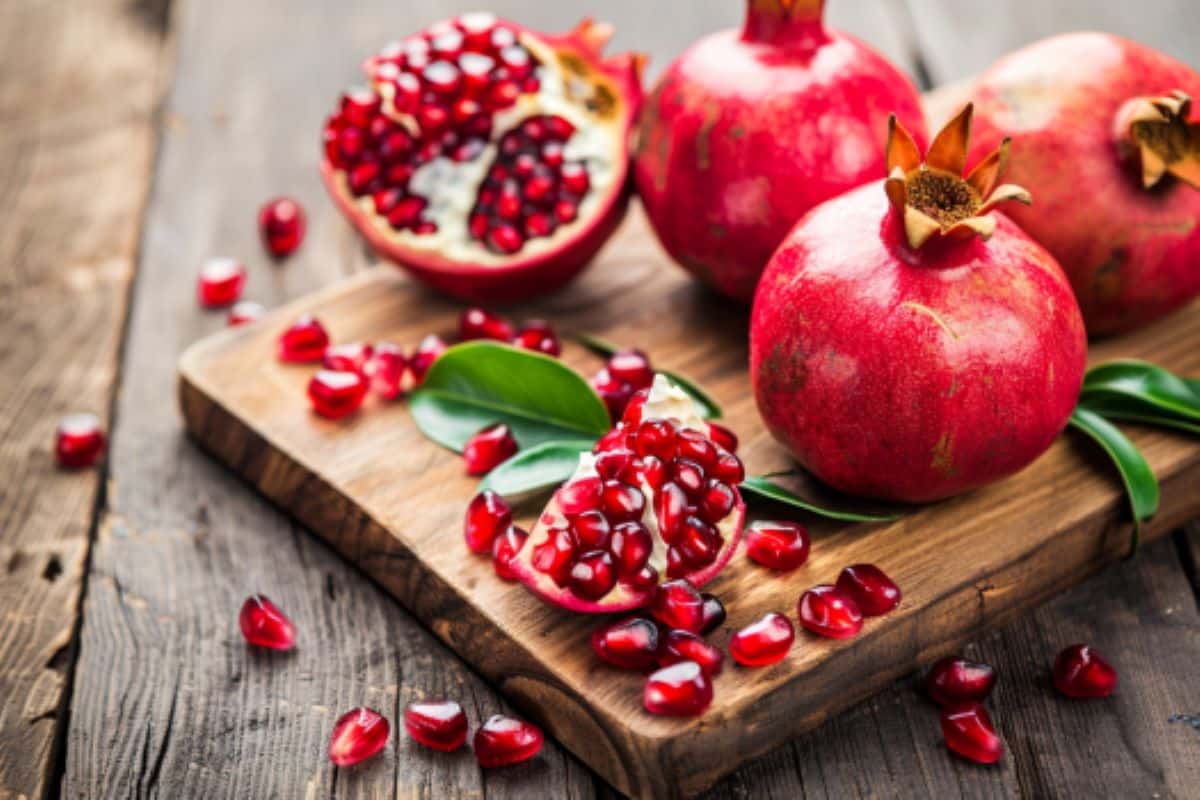
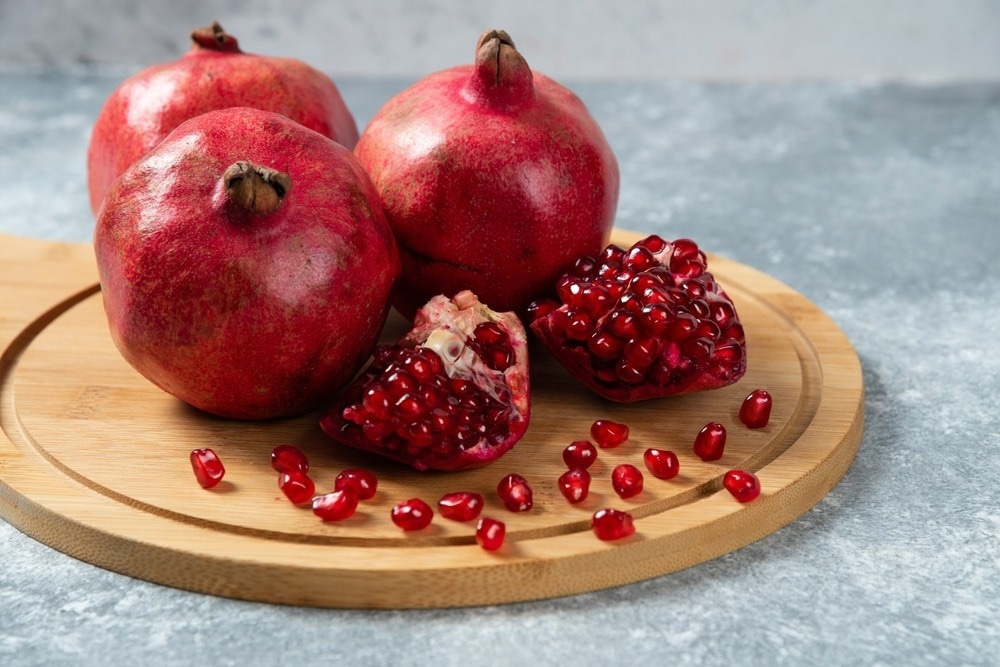
2011. Is watermelon better than pomegrantes? A competent? doctor would know that answer immediately!
Pomegranates have long been considered a heart-healthy food, thanks to their high levels of plant compounds called polyphenols. But the real benefit might not come from the fruit itself. It may come from what your gut bacteria do with it after you eat it. A new study explored how one of these gut-made compounds affects1, with results that could change how we think about diet and heart disease.
About the study
Pomegranates are packed with polyphenols, but your body can't absorb most of them directly because they're too large. Instead, your gut bacteria break them down into smaller molecules called urolithins. Researchers at Cardiff University wanted to figure out which of these compounds actually helps protect arteries. They tested the original pomegranate polyphenol along with several of its breakdown products on human cells in the lab, looking at whether these compounds could reduce cell damage, calm inflammation, and stop cells from absorbing harmful cholesterol. Urolithin A came out on top across the board. So the researchers took the next step: they gave urolithin A to mice that were prone to clogged arteries and fed them a high-fat diet for 12 weeks. Smaller plaques and less inflammation, without changing cholesterol. The mice that received urolithin A had noticeably less buildup in their arteries. Their plaques were smaller, and their arteries were less blocked compared to mice that didn't get the compound. What really stood out was what was happening inside those plaques. The urolithin A group had fewer immune cells, specifically the types that drive inflammation and make plaques more likely to rupture. At the same time, their plaques had more of the stabilizing components (muscle cells and collagen) that help keep them intact and at a lower risk of a dangerous break. None of this had anything to do with cholesterol levels. The mice showed no changes in total cholesterol, LDL, HDL, or triglycerides. The protection came entirely from reduced inflammation and less cell damage, not from lowering fats in the blood.
What this means for humans
This study was done in mice, so we can't say for certain that the same plaque-shrinking effects would happen in people. But there are reasons to be cautiously optimistic The dose the researchers used translates to roughly 4 mg/kg/day in humans, a level that's already being tested in clinical trials for other benefits like muscle health and aging. Human trials have used doses of around 1,000 mg/day for periods ranging from 28 days to four months, showing improvements in muscle function and mitochondrial health. So we know the compound is safe and bioavailable in people; we just don't have human data specifically on artery plaques yet. The mechanisms urolithin A affected (inflammation, oxidative stress, immune cell activity) are the same ones involved in human heart disease. And the fact that protection wasn't dependent on cholesterol changes is actually encouraging: it suggests a different, complementary route to heart protection beyond the standard "lower your cholesterol" approach.
Why your gut bacteria may determine how much you benefit
Urolithin A isn't actually in pomegranates. Your gut bacteria have to make it for you after you eat the fruit's polyphenols. And not everyone's gut does this equally well. Some people have the right bacteria to produce lots of urolithin A; others don't. This might explain why studies on pomegranate and heart health have had mixed results. The same fruit could have very different effects depending on who's eating it.Pomegranates are one of the richest dietary sources of the polyphenols that can be converted into urolithin A. While this study tested the isolated compound rather than whole fruit, the biological pathway is clear: pomegranate polyphenols are broken down by gut bacteria into urolithin A in certain individuals. For those who want a more direct route, urolithin A supplements have been tested in humans for muscle health and mitochondrial function, though not yet specifically for artery health.
The takeaway
This research suggests that pomegranate's heart benefits may depend less on the fruit itself and more on whether your gut can turn it into urolithin A. In mice prone to artery disease, the compound shrank plaques and reduced inflammation without touching cholesterol levels. Human studies on artery health are still needed, but the findings point to an intriguing gut-heart connection worth watching.https://www.mdpi.com/2076-3921/15/4/507
Your competent? doctor already has a pomegranate protocol, right? And a Candarsartan protocol, right? I don't care that this is in rats, doesn't your doctor want to recover stroke survivors regardless of where the research was accomplished? Oh, but I guess your doctor doesn't read research, SO INCOMPETENT THEN!
Rana Awada1,2, Fatima Radi1, Zaher Abdel Baki3, Akram Hijazi1, Wissam H. Joumaa2, Zeinab Ezzeddine6,
Laurent. O. Martinez4,5*, Mohamad Nasser1,2,4,5*
1 Doctoral School of Science and Technology, Research Platform for Environmental Science (PRASE),
Lebanese university, Lebanon;
2Anti-Cancer Therapeutic Approaches Group (ATAC), Rammal Hassan Rammal Research Laboratory Biology
Department, Faculty of Sciences, Lebanese University, Lebanon
3 College of Engineering and Technology, American University of the Middle East, Egaila 54200, Kuwait
4 LiMitAging team, Institute of Metabolic and Cardiovascular Diseases, I2MC, Université de Toulouse,
INSERM, UMR1297, 31000 Toulouse, France
5IHU HealthAge, 31000 Toulouse, France
6 High Council for Scientific Research & Publication (HCSRP), Islamic University of Lebanon (IUL), Khalde
P.O. Box 30014, Lebanon
*Corresponding Authors:
mohamad.nasser@inserm.fr (Mohamad Nasser)
Laurent.martinez@inserm.fr (Laurent Martinez)
Keywords: Aging, Stroke, Chronic Cerebral ischemia, Candesartan, Pomegranate, Neuroprotection,
Sensorimotor function
Abstract
The copyright holder for this
bioRxiv preprint
doi:
https://doi.org/10.64898/2026.02.23.707366
;
this version posted February 24, 2026.
preprint (which was not certified by peer review) is the author/funder. All rights reserved. No reuse allowed without permission.
Background:
Stroke remains a leading cause of mortality worldwide. Ischemic stroke, caused by arterial occlusion,
induces sensorimotor deficits and memory impairments. Excessive activity of the brain angiotensin II type 1 receptor
(AT1R) is associated with hypertension and cerebral ischemia. Candesartan (CN), an AT1R blocker, improves
cerebrovascular blood flow. Pomegranate (Punica granatum) is rich in polyphenolic antioxidants that reduce
oxidative stress and inflammation, suggesting potential neuroprotective effects in cerebral ischemia.
Aim: This study compared the neuroprotective effects of CN administered alone or in combination with pomegranate
(POM) in a rat model of cerebral ischemia induced by chronic unilateral carotid artery ligation.
Methods:
Cerebral ischemia was induced by ligation of the right common carotid artery (RCCA) in adult rats.
Animals were randomly assigned to four groups: sham control, untreated ischemic, ischemic treated with CN, and
ischemic treated with CN + POM. Sensorimotor and cognitive functions were assessed 1–15 days post-surgery using
beam balance (BB), beam walking (BW), modified sticky-tape (MST), novel object recognition (NOR), and the
Morris water maze (MWM) tests.
Results:
RCCA ligation induced marked sensorimotor deficits and memory impairments. Both CN monotherapy and
CN + POM treatment equally restored sensorimotor function to sham-control levels, as demonstrated by BB, BW,
and MST tests. In contrast, CN + POM treatment showed greater efficacy than CN alone in improving short-term
recognition and spatial memory, as demonstrated by NOR and MWM performance.
Conclusion:
CN effectively reverses ischemia-induced sensorimotor deficits, whereas the addition of POM confers
specific and enhanced protection against cognitive impairment, indicating distinct mechanisms underlying
sensorimotor and memory recovery after cerebral ischemia.
What did your competent? doctor do as takeaways from this research? NOTHING, like usual? It has been 8 months; 8 months is a long time to be incompetent!
Alzheimer's disease (AD) remains a significant global health challenge with limited FDA-approved treatments, necessitating the search for novel preventive strategies. Antioxidants that are present in fruits and vegetables have garnered attention due to their potential neuroprotective effects. Among these, pomegranate (Punica granatum L.) has emerged as a promising source of neuroprotective antioxidants as it is rich in polyphenols, flavonoids, and hydrolysable tannins. Pomegranate seed oil (PSO) is a source of bioactive compounds that may modulate key pathological processes of AD. This study investigated the therapeutic potential of PSO in murine neuroblastoma N2a cells treated with lipopolysaccharide (LPS) to simulate AD-like inflammation. The effects of PSO on inflammation and oxidative stress markers, including TNF-α, iNOS, SOD1, and IL1β, were evaluated, along with changes in AD-related biomarkers Aβ42, Aβ40, and p-tau181. Additionally, the study extended its findings to clinical settings by assessing the impact of supervised PSO consumption for 12 months on similar biomarkers in patients with mild cognitive impairment. Results from this integrative approach demonstrated the anti-inflammatory and antioxidant potential of PSO, supporting its role in modulating AD-associated pathophysiology. These findings suggest that PSO may serve as an early-stage intervention to delay or mitigate AD progression, highlighting its therapeutic potential in preclinical and clinical contexts.
Summary: A new study finds that urolithin A, a
substance found in pomegranates, can improve memory and may help treat
Alzheimer’s disease. This natural compound works by removing damaged
mitochondria from the brain, similar to the effects of NAD supplements.
While dosage is still being determined, this discovery offers promising
potential for treating and preventing neurodegenerative diseases.
Key Facts:
Urolithin A, found in pomegranates, improves memory and may alleviate Alzheimer’s symptoms
This substance removes damaged mitochondria from the brain, similar to NAD supplements.
Urolithin A is available in pill form, and researchers are working to determine optimal dosage.
Source: University of Copenhagen
A
substance naturally occurring in i.a. pomegranates, strawberries and
walnuts can improve memory and treatment of Alzheimer’s disease, a new
study conducted at the University of Copenhagen concludes.
Forgetfulness,
difficulty finding words and confusion about time and place. These are
some of the most common symptoms of Alzheimer’s disease.
The
researchers still don’t know how much urolithin A is needed to improve
memory and alleviate symptoms of i.a. Alzheimer’s. Credit: Neuroscience
News
Now researchers at the University of Copenhagen have discovered that an ordinary fruit can help.
“Our
study on mouse models with AD shows that urolithin A, which is a
naturally occurring substance in i.a. pomegranates, can alleviate memory
problems and other consequences of dementia,” says Vilhelm Bohr, who is
Affiliate Professor at the Department of Cellular and Molecular
Medicine at the University of Copenhagen and prevoiusly Department Chair
at the US National Institute on Aging.
This is good news for patients with dementia – a disease that is difficult to treat.
“Even
though the study was conducted on mouse models, the prospects are
positive. So far, research has shown promising results for the substance
in the muscles, and clinical trials on humans are being planned.”
Substance improves brain function
The researchers previously discovered that a specific molecule, nicotinamide riboside (NAD supplement), plays
a key role in neurodegenerative diseases such as Alzheimer’s and
Parkinson’s, as it actively helps remove damaged mitochondria from the
brain.
“Many patients with neurodegenerative diseases experience
mitochondrial dysfunction, also known as mitophagy. This means that the
brain has difficulties removing weak mitochondria, which thus accumulate
and affect brain function.
“If you are able to stimulate the
mitophagy process, removing weak mitochondria, you will see some very
positive results,” Vilhelm Bohr explains.
The results of the new
study show that a substance found in pomegranates, urolithin A, removes
weak mitochondria from the brain just as effectively as NAD supplement.
Possible preventive effect
The researchers still don’t know how much urolithin A is needed to improve memory and alleviate symptoms of i.a. Alzheimer’s.
“We
still cannot say anything conclusive about the dosage. But I imagine
that it is more than a pomegranate a day. However, the substance is
already available in pill form, and we are currently trying to find the
right dosage,” Vilhelm Bohr says.
He also hopes the substance can be used for preventive purposes with no significant side effects.
“The
advantage of working with a natural substance is the reduced risk of
side effects. Several studies so far show that there are no serious side
effects of NAD supplementation.
“Our knowledge of urolithin A is
more limited, but as I mentioned, clinical trials with Urolithin A have
been effective in muscular disease, and now we need to look at
Alzheimers disease. ,” he says and adds:
“If we are going to eat
something in the future to reduce the risk of Alzheimer’s, which we talk
a lot about, we have to make sure there are no significant side
effects.”
About this memory and Alzheimer’s disease research news
Author: Sascha Rasmussen Source: University of Copenhagen Contact: Sascha Rasmussen – University of Copenhagen Image: The image is credited to Neuroscience News
In a recent review published in Nutrients, researchers reviewed existing data on the bio-modulatory effects of pomegranate (Punica granatum l., PG) polyphenols on metabolic disorders.
Pomegranate, a natural nutrient, has long been used to treat
bacterial infections, diabetes, obesity, and other metabolic disorders.
However, there have been concerns expressed concerning the side effects
of pharmacological therapies such as anti-obesity medications and
insulin-sensitizing medicines. Modern research supports the
health-promoting advantages of polyphenol-rich natural products and
diets, including antibacterial, anti-diabetic, anti-obesity, and
atheroprotective qualities.
About the review
In the present review, researchers examined the pharmacokinetic
characteristics, safety, and bioavailability of PG compounds in
preventing metabolic disorders such as type 2 diabetes, obesity,
dyslipidemia, and cardiovascular-related diseases.
Prevention of metabolic disorders by PG consumption
PG is a plant that can reduce insulin resistance, cytokine levels,
redox gene expression, blood pressure increase, vascular damage, and
lipoprotein oxidative alterations. PG-ellagitannins have been
demonstrated in studies to be beneficial in lowering hyperlipidemia,
raising plasma high-density lipoprotein cholesterol (HDL-C), and
improving total cholesterol (TC)/HDL-C and low-density lipoprotein
cholesterol (LDL-C)/HDL-C ratios. Since obesity is reversible,
nutritional interventions can restore metabolic equilibrium and prevent
the development of obesity-related diseases.
In C57Bl/J6 mice, dietary treatment with pomegranate seed oil reduced
fat mass and body weight while enhancing insulin sensitivity in
peripheral tissues. These findings support prior findings of a
considerable decrease in lipid indicators, including plasma TC
concentration, triglyceride content, and total cholesterol/high-density
lipoprotein cholesterol ratio. Lipid metabolism-associated enzymes, such
as carnitine palmitoyltransferase-1 (CPT 1) and acyl-CoA oxidase (AOX),
and nuclear receptors like the peroxisome proliferator-activated
receptor-alpha (PPAR-α) favorably affect PG floral components.
Studies have reported weight reductions after consuming PG extracts
for 30 days. However, contradicting results concerning food intake and
gain in weight have been documented. The reported discrepancies may be
explained by altered physiologic responses to phytochemicals resulting
from genetic variances.
Traditional medicine is considering PG polyphenols for their
anti-diabetic properties. PG may exert its effects via a variety of
mechanisms, including PPAR-γ activity modulation, protein degradation
resistance, adiponectin gene expression, inhibition of β-glucosidase
enzymatic activities, glucose transporter protein type-4 (Glut-4)
messenger ribonucleic acid (mRNA) expression, and β-mass regeneration.
Short-term therapy with PG peel extract can lower α-amylase activity,
blood glucose levels, and lipid peroxidation. Studies have indicated
that PG intake can improve plasma HDL-C concentrations in hyperlipidemia
patients and control lipid parameters in dyslipidemic individuals with
type 2 diabetes.
Pharmacokinetics, pharmacodynamics, and safety of ellagitannin constituents of PG compounds
Punicic acid, a PG compound, has been found to have potential health
advantages. Several factors, including the physicochemical properties of
the molecules and individual-specific factors, including microbiota
makeup and gut pH, regulate the bioavailability and absorption
capacities of the compound. The ability of urolithins to produce and
absorb urolithins varies greatly, with punicalagin being detected at a
maximum concentration (C-max) of 30 g/mL in rats fed a diet containing
six percent punicalagin.
In body tissues, urolithin accumulates in the colon and prostate,
with a restricted ability to reach organs such as the liver and kidney.
The biochemical qualities of organ cells, such as their selective
properties and permeability, the overall structure of the ellagitannins
(ET) molecule, and individual variances in blood transport efficiency,
may all impact the dispersion and deposition capacities of PG
ellagitannins.
Although traditional medicine literature supports the use of PG and
its potential to improve health outcomes, several toxicological studies
have revealed cellular component modification and nuclear damage
following PG administration.
In vitro and in vivo toxicological studies of PG
seed oil, a high source of punicic acid, found that it is neither
mutagenic nor clastogenic. The post-mortem examinations revealed no
cellular abnormalities, and 4.3 g/kg/day of PG intake produced no harm.
The use of PG or pure PG compounds appears safe, with adverse effects
predicted at dosages far higher than those seen in traditional
ethnomedicine treatments and now employed for therapeutic purposes.
Conclusion
Overall, the review findings showed that PG consumption may help
prevent metabolic disorders such as hyperglycemia and hyperlipidemia;
however, clinical and pharmacokinetic studies are inconsistent due to
factors like plant part selection, cultivar, geographical region,
bioclimatic and soil characteristics, plasma bioavailability, organ
accessibility, and nutrigenomics considerations. Irrespective of these
variations, the medicinal efficacy of PG in treating metabolic syndrome components necessitates multifaceted treatment approaches.
Journal reference:
Alami, M.; Boumezough, K.; Khalil, A.; Ramchoun, M.; Boulbaroud, S.;
Fulop, T.; Morvaridzadeh, M.; Berrougui, H. The Modulatory Bioeffects
of Pomegranate (Punica granatum L.) Polyphenols on Metabolic Disorders:
Understanding Their Preventive Role against Metabolic Syndrome, Nutrients, 2023, 15, 4879. doi:https:// doi.org/10.3390/nu15234879https://www.mdpi.com/2072-6643/15/23/4879
The level of diversity of the 'good bacteria' in our digestive systems has been found to be linked to a feature of cardiovascular disease – hardening of the arteries – in new research by experts at the University of Nottingham and King's College London.
The gut microbiome is under increasing scrutiny in medical research as it is known to affect many different aspects of our health, including our metabolism and auto-immune system. A lack of diversity or range of healthy bacteria in the gut has previously been linked to various health problems, including diabetes, obesity and inflammatory stomach and bowel diseases.
Now for the first time, researchers have found a link between gut bacteria and arterial stiffening which suggests that targeting the microbiome through diet, medication and probiotics may be a way to reduce the risk of cardiovascular disease. The British Heart Foundation and MRC-funded research has been published in the European Heart Journal.
The gut microbiome has been implicated in a variety of potential disease mechanisms including inflammation which can predispose people to heart disease. The hardening of the arteries that happens at different rates in different people as we age, is known to be a factor in cardiovascular risk.
The researchers examined medical data from a group of 617 middle-aged female twins from the TwinsUK registry – a national registry of adult twins recruited as volunteers for data-based research. Measurements of arterial stiffening using a gold-standard measure called carotid-femoral pulse-wave velocity (PWV) were analysed alongside data on the composition of the gut microbiomes of the women.
The results of the analysis revealed that there was a significant correlation in all the women between the diversity of the microbes in the gut and the health of the arteries. After adjusting for metabolic variations and blood pressure, the measure of arterial stiffness was higher in women with lower diversity of healthy bacteria in the gut. The research also identified specific microbes which were linked to a lower risk of arterial stiffening. These microbes have also previously been associated with a lower risk of obesity.
Dr. Ana Valdes, from the University of Nottingham's School of Medicine and NIHR Nottingham Biomedical Research Centre, said: "We know that a substantial proportion of serious cardiovascular events like heart attacks are not explained by traditional risk factors such as obesity and smoking, particularly in younger people and in women and that arterial stiffness is related to risk in those groups. So our results reveal the first observation in humans linking the gut microbes and their products to lower arterial stiffness. It is possible that the gut bacteria can be used to detect risk of heart disease and may be altered by diet or drugs to reduce the risk."
Dr. Cristina Menni, from the Department of Twin Research and Genetic Epidemiology at King's College London, said: "There is considerable interest in finding ways to increase the diversity of gut microbes for other conditions such as obesity and diabetes. Our findings now suggest that finding dietary interventions to improve the healthy bacteria in the gut could also be used to reduce the risk of heart disease."
The research concludes that cardiovascular risk that is not explained by the usual risk factors could in the future be enhanced by analysing the health of the gut microbiome. This could be particularly useful in stratifying cardiovascular risk in younger people and in women. The gut microbiome could also be the target for nutrition-based health interventions – for example, a high-fibre diet is known to improve the quantity and diversity of useful microbes in the gut. In fact, the composition of the gut microbiome may contribute to the mechanism whereby dietary fibre intake influences cardiovascular risk, but more research into this mechanism is needed.
More information:
Cristina Menni et al. Gut microbial diversity is associated with lower arterial stiffness in women, European Heart Journal (2018). DOI: 10.1093/eurheartj/ehy226
Your doctor won't know the answer but ask anyway. Which intervention causes the arteries to be the most flexible and what is the protocol to accomplish that? An extremely simple question, why the hell doesn't your doctor know the answer?
Heart disease in all its forms continues to be the top killer of Americans. Following a heart-healthy diet like this one and getting plenty of exercise can help, but health experts continue to search for even more effective treatment—and they may have found one: A new study suggests that an antioxidant can breathe new life into old and stiff arteries.
In the small study—published in the journal Hypertension—researchers from the University of Colorado Boulder gave ten volunteers between the ages of 60 and 79 a daily supplement called MitoQ (it's a refined version of the natural antioxidant coenzyme Q10); another ten got a placebo. After six weeks, the researchers analyzed the health and size of participants' arteries, then switched the supplement group to the placebo while the others began taking MitoQ.
At the conclusion of their testing, researchers noted when volunteers got the supplement, their arteries regained flexibility. Essentially, MitoQ seemed to reverse artery aging by as much as 15 to 20 years. The study's lead author, post-doctoral student Matthew Rossman said in a press release that "An improvement of that magnitude, if sustained, is associated with about a 13 percent reduction in heart disease." (These are the 5 types of heart disease and their warning signs.)
According to Rossman's co-author Doug Seals, PhD, the study "breathes new life into the discredited theory that supplementing the diet with antioxidants can improve health." He went on to note that "it suggests that targeting... mitochondria may be a better way to reduce oxidative stress and improve cardiovascular health with aging."
Both Rossman and Dr. Seals plan to conduct additional follow-up studies to confirm their findings. Dr. Seals noted that physical activity and proper eating habits continue to be the best ways of avoiding heart disease. "At the public health level, not enough people are willing to do that," he said. "We're looking for complementary, evidence-based options to prevent age-related changes that drive disease. These supplements may be among them."