Use the labels in the right column to find what you want. Or you can go thru them one by one, there are only 34,155 posts. Searching is done in the search box in upper left corner. I blog on anything to do with stroke. DO NOT DO ANYTHING SUGGESTED HERE AS I AM NOT MEDICALLY TRAINED, YOUR DOCTOR IS, LISTEN TO THEM. BUT I BET THEY DON'T KNOW HOW TO GET YOU 100% RECOVERED. I DON'T EITHER BUT HAVE PLENTY OF QUESTIONS FOR YOUR DOCTOR TO ANSWER.
What this blog is for:
My blog is not to help survivors recover, it is to have the 10 million yearly stroke survivors light fires underneath their doctors, stroke hospitals and stroke researchers to get stroke solved. 100% recovery. The stroke medical world is completely failing at that goal, they don't even have it as a goal. Shortly after getting out of the hospital and getting NO information on the process or protocols of stroke rehabilitation and recovery I started searching on the internet and found that no other survivor received useful information. This is an attempt to cover all stroke rehabilitation information that should be readily available to survivors so they can talk with informed knowledge to their medical staff. It lays out what needs to be done to get stroke survivors closer to 100% recovery. It's quite disgusting that this information is not available from every stroke association and doctors group.
Wednesday, September 24, 2025
Post-Stroke Dysphagia Linked to Greater Dependency, Inability to Return to Work
Saturday, February 1, 2025
Nutrition management for ischemic stroke patient with hemorrhagic transformation, hemiparesis dextra and dysphagia: A case report
Obviously, there was NO diet protocol available or created for this person. A complete failure of the doctor.
With 50% to 80% Post-stroke dysphagia your doctor has known of this need for years and incompetently has done nothing!
Nutrition management for ischemic stroke patient with hemorrhagic transformation, hemiparesis dextra and dysphagia: A case report
Abstract.
Monday, January 20, 2025
Post-Stroke Dysphagia: Identifying the evidence missing
I see nothing that remotely suggests any protocols are out there or any attempt to create protocols! So useless research; yeah you are getting published, but NOTHING TO HELP STROKE SURVIVORS!
I'd fire all of you!
Dysphagia is a medical term for difficulty swallowing.
Post-Stroke Dysphagia: Identifying the evidence missing
- 1 Shanghai Sunshine Rehabilitation Center, Tongji University School of Medicine, Shanghai Yangzhi Rehabilitation Hospital, Shanghai, China
- 2 Department of Rehabilitation, The First Affiliated Hospital of Shandong First Medical University & Shandong Provincial Qianfoshan Hospital, Jinan, China
- 3 International Healthcare Management Research and Development Center (IHM-RDC), The First Affiliated Hospital of Shandong First Medical University & Shandong Provincial Qianfoshan Hospital, Jinan, Shandong, China, Jinan, Shandong Province, China
- 4 Atlantica Instituto Universitario, Gestao em Saude, Oeiras, Portugal
- 5 Henan Normal University, School of Social Affairs, Henan, China, Xinxiang, Henan Province, China
The final, formatted version of the article will be published soon.
You have multiple emails registered with Frontiers:
Please enter your email address:
If you already have an account, please login
You don't have a Frontiers account ? You can register here
Dysphagia is a high-profile dysfunction that often occurs after a stroke, with a prevalence of 50% to 80%. Post-stroke dysphagia (PSD) often leads to serious complications such as pneumonia and malnutrition, reducing the quality of life and leading to poor prognosis or even death. PSD causes these adverse physical and psychological impairments to patients, which becomes a challenge for both patients and physicians. This review intends to contribute to the international debate on evidence-based options on Stroke Rehabilitation and to better understand the need for further research on PSD and summarizing evidence on some of the most relevant topics and clarifying its clinical practice value for Neurology, stroke rehabilitation experts, rehabilitation and nursing staff, as well as patients. The article identifies and discusses the gaps in knowledge on PSD and elaborates on current evidence concerning the selection of subjects, examination methods, patient data extraction and analysis, classification of stroke lesions, details of dysphagia, significance of results, and neuromodulation of dysphagia, from the perspective of rehabilitation physicians. The review identified a set of ten points and parameters for the international debate on PSD, namely: stroke onset, cognitive impairment, feeding method, contrast medium, swallowing reflex delay, swallowing evaluation form, division of brainstem, multiple stroke sites, basal ganglia lesions and neuromodulation techniques. The article explores available evidence on factors associated with dysphagia and stroke site. Although there is plenty of evidence exploring the correlation between stroke site and swallowing disorders, the pathophysiological mechanisms between the two are complex, and expert interpretations of the evidence and clinical opinions vary on which swallowing abnormalities occur. The study generates evidence on current evidence-based options on Stroke Rehabilitation and a better understanding of the need for further research on Post-Stroke Dysphagia. Taking a patient-centric approach, the ultimate goal is to generate on how can available evidence influence policy or practice or research or clinical education. The article provides a structured discussion clarifying key points on the relationship between stroke lesions and swallowing dysfunctions and contributes to clarifying the gaps in evidence to further improve the quality of life of the patients suffering from Post-Stroke Dysphagia.
Keywords: this work did not receive any funding Acknowledgements: n.a Post-Stroke Dysphagia: Identifying the evidence missing Dysphagia, Stroke, Rehabilitation, Healthcare Management, Geriatrics, Elderly
Received: 11 Sep 2024; Accepted: 20 Jan 2025.
Copyright: © 2025 Wang, Shi and Moreira. This is an open-access article distributed under the terms of the Creative Commons Attribution License (CC BY). The use, distribution or reproduction in other forums is permitted, provided the original author(s) or licensor are credited and that the original publication in this journal is cited, in accordance with accepted academic practice. No use, distribution or reproduction is permitted which does not comply with these terms.
* Correspondence: Paulo Moreira, International Healthcare Management Research and Development Center (IHM-RDC), The First Affiliated Hospital of Shandong First Medical University & Shandong Provincial Qianfoshan Hospital, Jinan, Shandong, China, Jinan, Shandong Province, China
Wednesday, January 17, 2024
New hope for stroke patients: University of Cincinnati trial tests unique tongue exercise device
How long before your competent? hospital reaches out to these researchers to see what the protocol is and where the device can be purchased? Do you even have a functioning stroke hospital? If they don't have a research analyst following and implementing stroke research, then you don't have a useful stroke hospital! They are a dinosaur living in the past waiting for that meteorite to obliterate them.
New hope for stroke patients: University of Cincinnati trial tests unique tongue exercise device
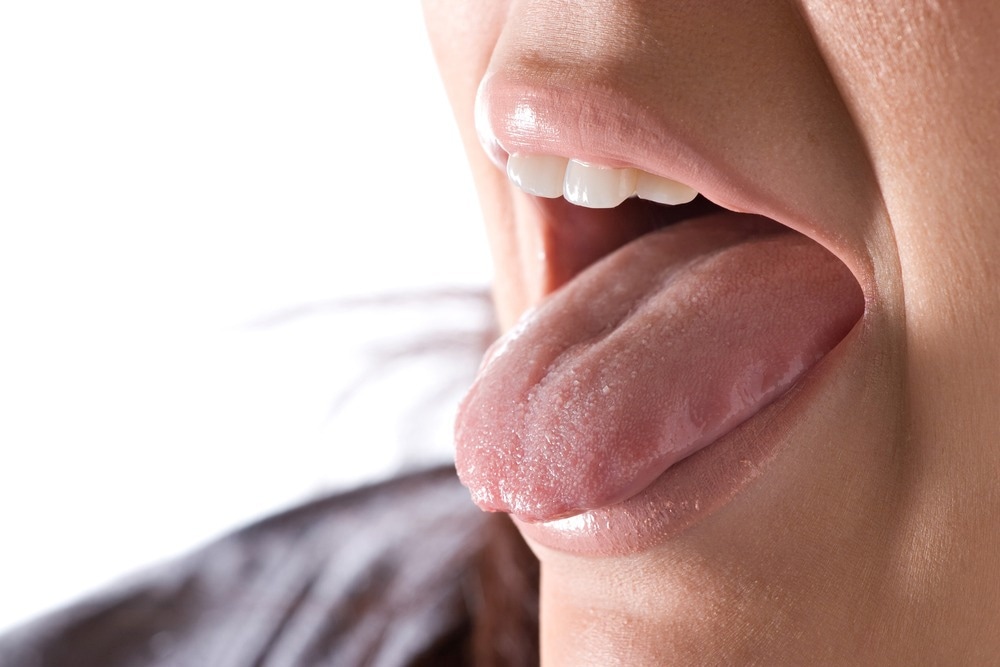
Up to three-quarters of all stroke survivors experience some form of difficulty swallowing (dysphagia). This condition often results in food or liquid entering the lungs, significantly affecting patients' health and quality of life.
Image Credit: ARENA Creative/Shutterstock.com
In extreme cases, dysphagia can lead to an inability to eat or drink or even death from aspiration pneumonia. The social aspect of eating and drinking being hindered, dysphagia can also contribute to depression in patients.
The Gardner Neuroscience Institute, supported by a $660,000 NIH grant, is launching a trial to test an at-home tongue endurance exercise aimed at improving swallowing function in stroke survivors.
Brittany Krekeler, PhD, Speech language pathologist and trial principal investigator, describes swallowing issues as a "hidden" disorder often overshadowed by primary diseases.
Krekeler emphasizes the emotional and physical burden of dysphagia on patients and their families, noting the significance of being able to eat and drink normally.
Historically addressed through feeding tubes, dysphagia research is
now exploring more effective treatments, moving away from a
one-size-fits-all approach to more personalized therapies.(Protocols can be properly written to cover different variations in the problem.)
Treating dysphagia is like an artform, so depending on what therapist you go to, you’ll get a different approach,” Krekeler said. “Current treatment approaches are really a mixed bag depending on what institution you’re at and what therapist you’re seeing.” (So incompetence reigns! No one has written a protocol on recovering from this!)
About the trial
Unlike traditional therapies that emphasize total tongue strength, this trial will concentrate on improving tongue endurance, akin to repetitive, sub-maximal movements during eating.
The study will enroll patients who are 3-6 months post-stroke, a time of heightened neuroplasticity, offering a window for potentially more effective rehabilitation.
Participants will use a Bluetooth-connected device to perform tongue exercises, receiving real-time feedback. The exercises are designed to increase in difficulty over an eight-week period. The trial will also include MRI studies to observe brain changes related to learning the new tongue exercises.
We think that learning how to use the device might actually be part of the therapy, and in our field, we haven’t really looked at the learning curve in terms of using your tongue to do something new,” Krekeler said. “To investigate this potential learning effect, we’re also doing MRIs on a small subset to see what changes occur in the brain with learning how to use a tongue device.”
Potential for wider impact
While the study initially focuses on stroke patients, the insights gained could benefit individuals with swallowing issues due to other conditions like head and neck cancer and Parkinson's disease.
The trial represents a step towards determining the most effective combination of interventions for recovering swallowing function.
Brittany Krekeler received this prestigious grant, indicating her promise as a future independent researcher in the field.
The trial benefits from the mentorship of established researchers in stroke research and biostatistics, providing Krekeler with valuable guidance and support in conducting effective stroke trials.
For information on enrolling in the trial, please contact the trial’s research coordinator, Anna Hopkins, by emailing hopkiak@ucmail.uc.edu.
Friday, November 10, 2023
Research hotspots and trends in post-stroke dysphagia: a bibliometric analysis
FYI.
Research hotspots and trends in post-stroke dysphagia: a bibliometric analysis
- 1The First Clinical Medical School, Anhui University of Chinese Medicine, Hefei, China
- 2Department of Neurology, The Second Affiliated Hospital of Anhui University of Chinese Medicine, Hefei, China
- 3Department of Rehabilitation Medicine, Wuhan Iron and Steel (Group) Second Staff Hospital, Wuhan, China
Background: Dysphagia represents one of the common complications following a stroke, and post-stroke dysphagia (PSD) can lead to aspiration, pneumonia, and malnutrition, thus prolonging hospital stay, escalating medical expenditures, and imposing a substantial economic strain on both patients and society. The utilization of bibliometric analysis offers a quantitative approach for investigating the existing literature and recognizes the current status of the research. However, bibliometric analysis on the subject of PSD remains absent. Consequently, we carried out this study to provide researchers with insights, facilitating their further exploration of PSD.
Methods: Conducting a bibliometric analysis of articles pertaining to PSD retrieved over the past two decades enables us to acquire the research hotspots and trends in this area. The publications concerning PSD were searched from the Core Collection of Web of Science, spanning the period ranging from 2003 to 2023. Articles or reviews published in English were included in this study. Subsequently, we employed CiteSpace and VOSviewer software to visualize the retrieved articles, thereby identifying the cooperative relationships of authors, institutions, and countries, as well as relevant information about journals and references.
Results: This study comprised 866 papers in total, and the number of articles published each year shows an overall growth trend. As for the analysis of the authors, Dziewas R. was the most prolific author with 21 articles. The most frequently published institutions, countries, and journals were the University of Manchester, China, and Dysphagia, with 28, 254, and 75 publications, respectively. And the co-cited authors and journals with the highest counts were Martino R and Stroke. According to the analysis of keywords and references, dysphagia screening and assessment, prevention of pneumonia, rehabilitation approaches, and nutritional management of PSD are considered research hotpots. Additionally, future research may focus on the topics of systematic review and meta-analysis, noninvasive brain stimulation, and lesion location.
Conclusion: Through the bibliometrics analysis of PSD, we can capture the research hotspots and frontiers of PSD, thereby providing inspiration and reference for subsequent studies in this field.
More at link.
Wednesday, June 15, 2022
Bilateral Cerebellar Intermittent Theta Burst Stimulation Combined With Swallowing Speech Therapy for Dysphagia After Stroke: A Randomized, Double-Blind, Sham-Controlled, Clinical Trial
For your doctor to know about and deliver.
Bilateral Cerebellar Intermittent Theta Burst Stimulation Combined With Swallowing Speech Therapy for Dysphagia After Stroke: A Randomized, Double-Blind, Sham-Controlled, Clinical Trial
Abstract
Background:
Previous studies have found that high-frequency repetitive transcranial magnetic stimulation (rTMS) of the cerebellar hemisphere could improve swallowing function, but whether intermittent theta burst stimulation (iTBS), which has similar excitatory effect and higher efficiency, can also improve swallowing function for dysphagia after stroke remains unclear.
Objective:
This trial aimed to explore the efficacy and safety of bilateral cerebellar transcranial magnetic stimulation with iTBS for dysphagia after stroke.
Methods:
Seventy patients with dysphagia after stroke were divided into 2 treatment groups: true bilateral cerebellar iTBS and sham bilateral cerebellar iTBS. The true iTBS group underwent ten 100% resting motor threshold (RMT) iTBS sessions for 2 weeks. In the sham iTBS group, the parameters were the same except that the figure-eight coil was perpendicular to the skull. Both groups received traditional swallowing rehabilitation treatment 5 times a week for 2 weeks. Swallowing function was assessed with the Fiberoptic Endoscopic Dysphagia Severity Scale (FEDSS), Penetration/Aspiration Scale (PAS), Standardized Swallowing Assessment (SSA), and Functional Oral Intake Scale (FOIS) at baseline, 2 weeks after the intervention, and at 4 weeks of follow-up.
Results:
There were significant time and group interaction effects in both multi-factorial adjusted and unadjusted FEDSS, PAS, SSA, and FOIS score (P < .001). In the pairwise comparison of the swallowing parameters among the 2 groups, the FEDSS, PAS, SSA, and FOIS scores at 2 weeks and 4 weeks showed a significantly higher improvement in the iTBS simulation group than sham group (P < .05). In both the true iTBS and sham iTBS stimulation groups, all FEDSS, PAS, SSA, and FOIS scores were significantly improved over time (P < .001).
Conclusions:
The present study suggested that as a more efficient TMS stimulation mode, iTBS could efficiently improve swallowing function by stimulating the bilateral cerebellar hemisphere. In addition, 100% resting motor threshold bilateral cerebellar iTBS is a relatively safe treatment.
Clinical Trial Registration:
Effect analysis of repeated transcranial magnetic stimulation of cerebellar on dysphagia after stroke. www.chictr.org.cn. Identifier: ChiCTR2100042092.
Sunday, February 27, 2022
New research to tackle common hidden disability after stroke
Hopefully she comes up with protocols to solve this. If the grant was written correctly it would require rehab protocols to come out of all research. With survivors in charge that would be the requirement for all stroke research.
New research to tackle common hidden disability after stroke
New research, aimed at reducing the debilitating impact of the condition dysphagia after stroke, is among the recipients of the Stroke Foundation 2022 Research Grants program.
Up to 50 percent of survivors of stroke will experience dysphagia or difficulty swallowing.
University of Sydney researcher Dr Emma Wallace received a $53,402 Seed grant to support her dysphagia tele-rehabilitation program.
Dr Wallace said dysphagia is a hidden disability which has a significant impact on well-being and long-term health for survivors of stroke.
“Dysphagia causes frequent choking, dehydration, malnutrition, and social isolation, but often goes untreated,” said Dr Wallace from the University’s Faculty of Medicine and Health.
“Access to swallowing rehabilitation is limited, especially for those living in rural and remote areas.”
Dr Wallace will examine consumer satisfaction and feasibility of a low-cost tele-rehabilitation program to improve swallowing for survivors of stroke. This information will inform how the swallowing tele-rehabilitation program can be adapted and tailored to accommodate more survivors on a larger scale, ultimately reducing healthcare costs and improving quality of life.
Stroke Foundation Research Advisory Committee Chair Professor Amanda Thrift congratulated Dr Wallace on the grant and said she looks forward to seeing the outcomes of her important work.
“Life can be very difficult with a hidden disability,” Prof Thrift said.
“Our mission is to enhance recovery for survivors of stroke now and into the future. Research like this will help pave the way.”
Three Seed Grants were offered in the Stroke Foundation’s 2022 Research Grant Program for early and early-mid career researchers to help address evidence and implementation gaps in stroke prevention, treatment and recovery. Information on the other grants and the inaugural Lady Marigold Southey Aphasia Research Grant here.
Stroke Foundation has awarded almost $5.6 million to more than 200 researchers since 2008 as part of its research program.
Image: Dr Emma Wallace, recipient of a Stroke Foundation Seed Grant
Sunday, September 5, 2021
Compensatory Effects of Sequential 4-Channel Neuromuscular Electrical Stimulation for the Treatment of Acute, Subacute, and Chronic Dysphagia in a Prospective, Double-Blinded Randomized Clinical Trial
So write this up as a protocol and deliver is to all 10 million yearly stroke survivors
now and into the future.
That would normally be the responsibility of stroke associations but we have fucking failures of stroke associations instead, so the responsibility falls on your researchers.
Compensatory Effects of Sequential 4-Channel Neuromuscular Electrical Stimulation for the Treatment of Acute, Subacute, and Chronic Dysphagia in a Prospective, Double-Blinded Randomized Clinical Trial
Abstract
Background.
The precise mechanism of 2-channel neuromuscular electrical stimulation (NMES) treatment is unknown, and controversy remains over its efficacy. The sequential 4-channel NMES was newly developed based on normal contractile sequences of swallowing-related muscles.
Objective.
To assess the clinical efficacy of sequential 4-channel NMES during swallowing.
Methods.
In this prospective RCT, 52 inpatients with dysphagia (acute, subacute, and chronic state) after stroke, brain tumor, or encephalitis were enrolled. Participants who underwent a videofluoroscopic swallowing study (VFSS) and clinical evaluation were enrolled and were randomly assigned to the 4-channel NMES or sham group. The 4-channel NMES and sham groups swallowed thin and honey-like fluids under NMES (sequential stimulation on suprahyoid and infrahyoid) and sham stimulation, respectively. The procedures were evaluated with the VFSS. Pre- and post-treatment evaluations were performed with the videofluoroscopic dysphagia scale (VDS), penetration–aspiration scale (PAS), Likert scale, and kinematic analysis.
Results.
The 4-channel NMES group showed significantly greater improvements than the sham group with respect to oral VDS, pharyngeal VDS, total VDS, and PAS (P < .05). Furthermore, the Likert scale for satisfaction, easiness, and discomfort for swallowing showed favorable results for the 4-channel NMES group (P < .05). In the kinematic analysis, the peak speed point, distance, and velocity of hyoid movement were significantly greater in the 4-channel NMES group (P < .05).
Conclusions.
Sequential 4-channel NMES activating the suprahyoid, thyrohyoid, and other infrahyoid muscles during swallowing showed significant clinical improvement with respect to VDS, PAS, and kinematic analysis. Therefore, sequential 4-channel NMES is a potential new functional electrical stimulation system for the treatment of dysphagia.
Effect of Transcutaneous Electrical Stimulation in Chronic Poststroke Patients with Oropharyngeal Dysphagia: 1-Year Results of a Randomized Controlled Trial
Is this enough to get written in a protocol and distributed to all stroke hospitals? Or will it fall by the wayside since we have fucking failures of stroke associations doing nothing to get research into the real world? And once again a waste of time and money?
Effect of Transcutaneous Electrical Stimulation in Chronic Poststroke Patients with Oropharyngeal Dysphagia: 1-Year Results of a Randomized Controlled Trial
Abstract
Background.
Chronic poststroke oropharyngeal dysphagia (CPSOD) is associated with impaired oropharyngeal sensory/motor function. We aimed to assess effect of sensory (SES) and motor (NMES) transcutaneous electrical stimulation (TES) on safety of swallow and clinical outcomes in patients with CPSOD in a one-year follow-up randomized controlled trial.
Methods.
Ninety patients (74.1 ± 11.5 y, modified Rankin score 2.6 ± 1.7) with CPSOD and impaired safety of swallow were randomized to (a) compensatory treatment (CT), (b) CT + SES, and (c) CT + NMES. Patients were treated with up to two cycles (6 months apart) of 15 × 1 hour TES sessions over two weeks and followed up with 4-5 clinical and videofluoroscopic assessments during one year.
Key results.
Baseline penetration–aspiration scale (PAS) was 4.61 ± 1.75, delayed time to laryngeal vestibule closure (LVC) 396.4 ± 108.7 ms, and impaired efficacy signs 94.25%. Swallowing parameters significantly improved between baseline and 1-year follow-up in SES and NMES groups for prevalence of patients with a safe swallow (P < .001), mean PAS (P < .001), time to LVC (P < .01), and need for thickening agents (P < .001). Patients in the CT presented a less intense improvement of signs of impaired safety of swallow without significant changes in time to LVC. No differences between groups were observed for 1-year mortality (6.1%), respiratory infections (9.6%), nutritional and functional status, QoL, and hospital readmission rates (27.6%). No significant adverse events related to TES were observed.
Conclusions and inferences.
Transcutaneous electrical stimulation is a safe and effective therapy for older patients with CPSOD. After 1-year follow-up, TES greatly improved the safety of swallow and reduced the need for fluid thickening in these patients.
Thursday, July 1, 2021
Healthcare costs of post-stroke oropharyngeal dysphagia and its complications: malnutrition and respiratory infections
REALLY? You think survivors care about costs rather than recovery? I'd have all involved fired for not working on the only goal in stroke. 100% RECOVERY.
Healthcare costs of post-stroke oropharyngeal dysphagia and its complications: malnutrition and respiratory infections
First published: 27 June 2021
This article has been accepted for publication and
undergone full peer review but has not been through the copyediting,
typesetting, pagination and proofreading process, which may lead to
differences between this version and the Version of Record. Please cite
this article as doi:10.1111/ene.14998
Abstract
Background
The healthcare economic costs of post-stroke
oropharyngeal dysphagia (OD) are not fully understood. The purpose of
this study is to assess the acute, sub-acute and long-term costs related
to post-stroke OD and its main complications (malnutrition and
respiratory infections).
Methods
A cost of illness study of patients admitted to Mataró
Hospital (Catalonia, Spain) from May 2010 to September 2014 with a
stroke diagnosis was performed. OD, malnutrition and respiratory
infections were assessed during hospitalization and follow-up (3 and 12
months). Hospitalization and long-term costs were measured from hospital
and health care system perspectives. Multivariate linear regression
analysis was performed to assess the independent effect of OD,
malnutrition, and respiratory infections on healthcare costs during
hospitalization, and at 3- and 12-month follow-up.
Results
395 patients were included of which 178 had OD at
admission. Patients with OD concurred major total in-hospital costs
(5,357.67±3,391.62 vs. 3,976.30±1,992.58 euros, p<0.0001), 3 months
costs (8,242.0±5,376.0 vs. 5,320.0±4,053.0 euros, p<0.0001) and 12
months costs (11,617.58±12,033.58 vs. 7,242.78±7,402.55 euros,
p<0.0001). OD was independently associated with a cost increase of
789.68 euros (p=0.011) during hospitalization and of 873.5 euros
(p=0.084) at 3 months but not at 12 months. However, patients with OD,
who were at risk of malnutrition or malnourished and suffered
respiratory infections concurred major mean costs compared with those
patients without OD (19,817.58±13,724.83 vs. 7,242.8±7,402.6 euros,
p<0.0004) at 12-months follow-up.
Conclusion
OD causes significant high economic costs during
hospitalization that strongly and significantly increase with the
development of malnutrition and respiratory infections at long-term
follow-up.
This article has been accepted for publication and undergone full peer review but has not been through the copyediting, typesetting, pagination and proofreading process, which may lead to differences between this version and the Version of Record. Please cite this article as doi:10.1111/ene.14998
Abstract
Background
The healthcare economic costs of post-stroke oropharyngeal dysphagia (OD) are not fully understood. The purpose of this study is to assess the acute, sub-acute and long-term costs related to post-stroke OD and its main complications (malnutrition and respiratory infections).
Methods
A cost of illness study of patients admitted to Mataró Hospital (Catalonia, Spain) from May 2010 to September 2014 with a stroke diagnosis was performed. OD, malnutrition and respiratory infections were assessed during hospitalization and follow-up (3 and 12 months). Hospitalization and long-term costs were measured from hospital and health care system perspectives. Multivariate linear regression analysis was performed to assess the independent effect of OD, malnutrition, and respiratory infections on healthcare costs during hospitalization, and at 3- and 12-month follow-up.
Results
395 patients were included of which 178 had OD at admission. Patients with OD concurred major total in-hospital costs (5,357.67±3,391.62 vs. 3,976.30±1,992.58 euros, p<0.0001), 3 months costs (8,242.0±5,376.0 vs. 5,320.0±4,053.0 euros, p<0.0001) and 12 months costs (11,617.58±12,033.58 vs. 7,242.78±7,402.55 euros, p<0.0001). OD was independently associated with a cost increase of 789.68 euros (p=0.011) during hospitalization and of 873.5 euros (p=0.084) at 3 months but not at 12 months. However, patients with OD, who were at risk of malnutrition or malnourished and suffered respiratory infections concurred major mean costs compared with those patients without OD (19,817.58±13,724.83 vs. 7,242.8±7,402.6 euros, p<0.0004) at 12-months follow-up.
Conclusion
OD causes significant high economic costs during hospitalization that strongly and significantly increase with the development of malnutrition and respiratory infections at long-term follow-up.
Tuesday, June 1, 2021
Clinical effectiveness of the sequential 4-channel NMES compared with that of the conventional 2-channel NMES for the treatment of dysphagia in a prospective double-blind randomized controlled study
What is your doctor's protocol to treat dysphagia(swallowing problems)?
Clinical effectiveness of the sequential 4-channel NMES compared with that of the conventional 2-channel NMES for the treatment of dysphagia in a prospective double-blind randomized controlled study
- Kyoung-Ho Seo,
- Joonyoung Jang,
- Eun Gyeong Jang,
- Yulhyun Park,
- So Young Lee,
- Bo Ryun Kim,
- Donghwi Park,
- Sungwon Park,
- Hyeoncheol Hwang,
- Nam Hun Kim,
- Byung-Mo Oh,
- Han Gil Seo,
- Jun Chang Lee &
- Ju Seok Ryu
Journal of NeuroEngineering and Rehabilitation volume 18, Article number: 90 (2021) Cite this article
-
1 Altmetric
Abstract
Background
To date, conventional swallowing therapies and 2-channel neuromuscular electrical stimulation (NMES) are standard treatments for dysphagia. The precise mechanism of 2-channel NMES treatment has not been determined, and there are controversies regarding the efficacy of this therapy. The sequential 4-channel NMES was recently developed and its action is based on the normal contractile sequence of swallowing-related muscles.
Objective
To evaluate and compare the rehabilitative effectiveness of the sequential 4-channel NMES with that of conventional 2-channel NMES.
Methods
In this prospective randomized case–control study, 26 subjects with dysphagia were enrolled. All participants received 2- or 4-channel NMES for 2–3 weeks (minimal session: 7 times, treatment duration: 300–800 min). Twelve subjects in the 4-channel NMES group and eleven subjects in the 2-channel NMES group completed the intervention. Initial and follow-up evaluations were performed using the videofluoroscopic dysphagia scale (VDS), the penetration-aspiration scale (PAS), the MD Anderson dysphagia inventory (MDADI), the functional oral intake scale (FOIS), and the Likert scale.
Results
The sequential 4-channel NMES group experienced significant improvement in their VDS (oral, pharyngeal, and total), PAS, FOIS, and MDADI (emotional, functional, and physical subsets) scores, based on their pretreatment data. VDS (oral, pharyngeal, and total) and MDADI (emotional and physical subsets) scores, but not PAS and FOIS scores, significantly improved in the 2-channel NMES group posttreatment. When the two groups were directly compared, the 4-channel NMES group showed significant improvement in oral and total VDS scores.
Conclusions
The sequential 4-channel NMES, through its activation of the suprahyoid and thyrohyoid muscles, and other infrahyoid muscles mimicking physiological activation, may be a new effective treatment for dysphagia.
Trial registration: clinicaltrial.gov, registration number: NCT03670498, registered 13 September 2018, https://clinicaltrials.gov/ct2/show/NCT03670498?term=NCT03670498&draw=2&rank=1.
Introduction
Dysphagia is a common and serious problem in patients with stroke and its prevalence ranges from 37 to 78% [1]. Decreased laryngeal elevation caused by pharyngeal muscle weakness is the main cause of dysphagia in patients with stroke, and this can result in aspiration and pharyngeal residue during swallowing [2, 3]. To date, diverse methods, such as oropharyngeal exercises, compensatory maneuvers, neuromuscular electrical stimulation (NMES), and diet control, are used for dysphagia treatment.
Most clinical studies regarding NMES evaluated the rehabilitative effects of this therapy, and 2-channel NMES is gaining attention owing to its muscle strengthening effect through motor stimulation and the facilitation of the swallowing reflex by sensory stimulation [4]. Freed et al. and Blumenfeld et al. indicated that transcutaneous electrical stimulation is superior to conventional dysphagia management probably due to the stimulation of the sensory cortex of the cerebrum, the recruitment of more motor units rather than volitional contractions, and increased local blood flow [5, 6]. In a previous study, a 2-channel NMES showed better outcomes than submental stimulation in submental and throat stimulations [7]. However, the precise mechanism of 2-channel NMES treatment has not been determined, and there are controversies regarding the efficacy of this therapy and the method of stimulation [8]. No previous study has provided the basis for the effectiveness of the co-stimulation of the suprahyoid and infrahyoid muscles, and a recent randomized controlled trial failed to prove the efficacy of 2-channel NMES in patients with stroke [7, 9]. Moreover, conventional 2-channel NMES does not stimulate muscles similar to the physiological sequence of muscle activation during swallowing [8, 10].
In our previous study, the suprahyoid muscles are activated about 150–350 ms earlier than the infrahyoid muscles [10]. These sequential contractions of the suprahyoid and infrahyoid muscles induce a circular motion of the hyoid bone during the normal swallowing process, which initially moves forward-upwardly and then moves backward-downwardly [11]. This suggests that simultaneous stimulation of the suprahyoid and infrahyoid muscles could result in the cancellation of positive effects [12,13,14]. However, the 2-channel NMES stimulates swallowing-related muscles simultaneously, which is different from the physiologic process. The stimulation of these muscles via 4-channel NMES may lead to a correction of the abnormal hyoid and laryngeal motion in patients with dysphagia [15].
Therefore, we hypothesized that the sequential 4-channel NMES, which is based on normal physiology, would improve the swallowing function in general. The primary purpose of this study was to compare the rehabilitative effects of the sequential 4-channel NMES to 2-channel NMES and confirm the superiority of the sequential 4-channel NMES over conventional 2-channel NMES using a randomized double-blind clinical trial. The secondary purpose of the study was to calculate the number of subjects required to confirm the superiority of the 4-channel NMES in a future clinical trial.
More at link.
Friday, November 13, 2020
Pharyngeal electrical stimulation for neurogenic dysphagia following stroke, traumatic brain injury or other causes: Main results from the PHADER cohort study
Where the hell is the protocol located so that survivors can easily find it and bring it to their therapists and doctor's attention? Expecting your doctors and therapists to be up-to-date on stroke rehab is a complete exercise in futility.
Pharyngeal electrical stimulation for neurogenic dysphagia following stroke, traumatic brain injury or other causes: Main results from the PHADER cohort study
- et al.
Lin Bai2