Changing stroke rehab and research worldwide now.Time is Brain! trillions and trillions of neurons that DIE each day because there are NO effective hyperacute therapies besides tPA(only 12% effective). I have 523 posts on hyperacute therapy, enough for researchers to spend decades proving them out. These are my personal ideas and blog on stroke rehabilitation and stroke research. Do not attempt any of these without checking with your medical provider. Unless you join me in agitating, when you need these therapies they won't be there.

What this blog is for:

My blog is not to help survivors recover, it is to have the 10 million yearly stroke survivors light fires underneath their doctors, stroke hospitals and stroke researchers to get stroke solved. 100% recovery. The stroke medical world is completely failing at that goal, they don't even have it as a goal. Shortly after getting out of the hospital and getting NO information on the process or protocols of stroke rehabilitation and recovery I started searching on the internet and found that no other survivor received useful information. This is an attempt to cover all stroke rehabilitation information that should be readily available to survivors so they can talk with informed knowledge to their medical staff. It lays out what needs to be done to get stroke survivors closer to 100% recovery. It's quite disgusting that this information is not available from every stroke association and doctors group.

Showing posts with label stroke units. Show all posts

Wednesday, March 19, 2025

Fewer than one-in-ten stroke patients receive support for early hospital discharge - Irish National Audit of Stroke National Report

 The real question is how many are 100% recovered when discharged? THAT IS THE ONLY GOAL IN STROKE, anything less is wasteful! Are these dedicated units competent in getting stroke survivors 100% recovered? That is the news story.

Fewer than one-in-ten stroke patients receive support for early hospital discharge

Audit of services found that almost 2,000 stroke patients were not admitted to a dedicated unit in 2023

Fewer than one-in-ten stroke patients are supported with rehabilitation to leave hospital early, a national audit has found.

The analysis found that early supported discharge took place among just nine per cent of stroke patients here in 2023. This is well below rates seen in the UK, where more than half (52 per cent) have services in place to allow stroke patients to leave hospital earlier.

According to the Irish National Audit of Stroke National Report, a total of 6,461 people were admitted to hospital with a stroke diagnosis in 2023, an increase of eight per cent on the previous year.

However, nearly 2,000 people were not admitted to a dedicated stroke unit. (Are they any good? 100% recovery statistics?) Seven-in-ten stroke patients were admitted to such units in 2023, below the 90 per cent target set in the current National Stroke Strategy.

On a positive note, rates of thrombectomy – a procedure used to treat strokes caused by blood clots – rose to 11.2 per cent, nearly three times the rate reported in the UK.

There were also improvements in care times, with the median time from a patient’s arrival in hospital to their medical review decreasing from 14 minutes in 2022 to nine minutes in 2023.

But psychological assessment was found to be underprovided, with just six per cent of stroke patients receiving an assessment despite high rates of post-stroke depression and anxiety.

“The data show that Ireland continues to make progress in acute stroke care, particularly in areas such as thrombectomy and faster hospital assessment,” said Prof Joe Harbison, clinical lead for the Irish National Audit of Stroke.

“However, gaps remain in key areas, particularly in access to stroke units and post-hospital rehabilitation. We need enhanced public awareness campaigns to encourage rapid recognition of stroke symptoms and emergency response. It is critical that there is full implementation of the National Stroke Strategy to ensure access to high-quality stroke care”.

The audit assessed the performance of 23 hospitals in delivering stroke treatment. It highlighted the need for increased investment in stroke unit capacity, post-discharge rehabilitation, and mental health support for stroke survivors. It also stresses the importance of faster pre-hospital recognition of stroke symptoms to improve eligibility for time-sensitive treatments such as thrombolysis.

On the back of the study’s findings, the Irish National Audit of Stroke has recommended a review of the organisation of stroke services in acute hospitals to identify gaps in service provision which may impact on the ability of a hospital to provide evidence-based care.

The report, published today, includes the personal story of Jennifer, a Cork-based nurse who had a stroke at the age of 46 in December 2016.

“Despite my overall good health and healthy lifestyle, I still had a stroke that was caused by a bleed in the brain and it was devastating for me,” she said.

“I am not sure if there is anything more that I could have done to prevent the stroke, but I know that getting treatment quickly is important and I am lucky that I did get to hospital fast and was treated so quickly.

She outlined how practical brain injury supports from organisations such as Headway Ireland helped her return to her normal life.

“I had a keyworker and she used to continually say, ‘You are able’. That support and encouragement really helped a lot.

“I have problems with my peripheral vision and the Headway staff taught me how to scan a room, which meant I stopped bumping into things and bruising myself. The Headway staff would help me on the bus and give me tips on how to orientate myself.”

She added: “Life after stroke is so hard, but I never knew this. Although I am a nurse I only ever saw the acute side of stroke, but now I know that there is so much to learn.”

Thursday, July 25, 2024

Celebration as Margate stroke rehab unit marks first anniversary

 Nothing here on celebrating 100% recovery! So in my opinion this is a failed stroke unit! You should expect 100% recovery from all stroke hospitals if they are any good at all!

Celebration as Margate stroke rehab unit marks first anniversary

Patients at a specialist stroke rehab unit in Margate have thanked the team which ‘gave them their life back’ as they celebrated the unit’s first anniversary

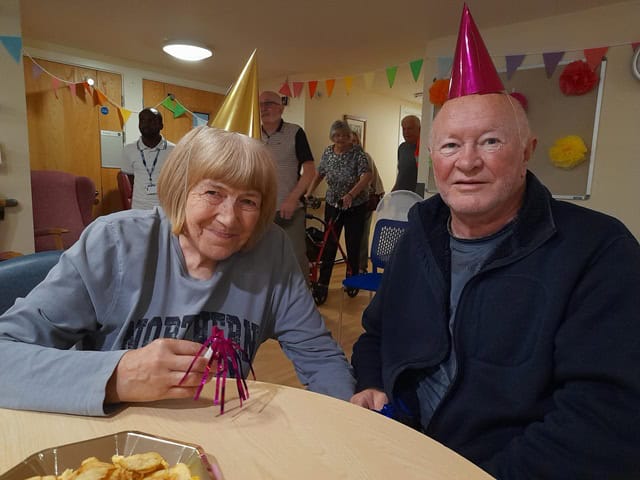
At an afternoon tea party to mark the anniversary, patients spoke about how they had been helped to walk again, become independent and get back to the things they love. They celebrated recoveries and wrote  thank yous and recollections in a memory book.

The unit at Westbrook House, which is run by Kent Community Health NHS Foundation Trust, offers round the clock care and rehabilitation, seven-days-a-week.

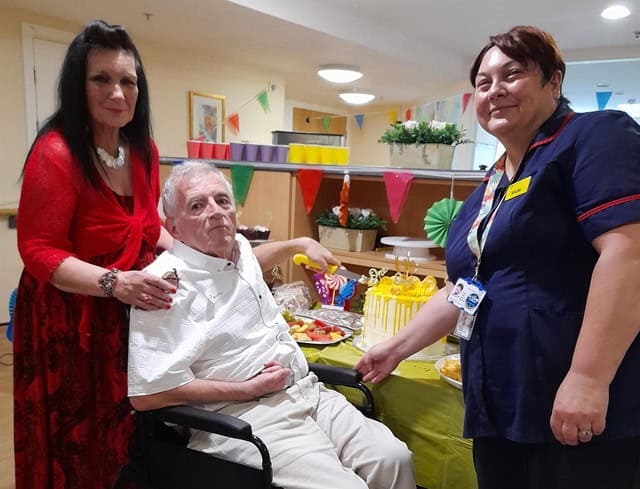
Former stroke patient Paul Robbins, 67, from Sholden, near Deal, cut the cake and gave a heartfelt thank you to the ward team, saying: “To the people who gave me life back… I love you all. The NHS saved my life.”

Paul Robbins, his wife Jacqueline and Stroke Team Therapy Lead Vicki Pout cutting the cake

Therapy and care plans are tailored to what each individual wants to work towards, with exercises and activities that will help them get home and back to doing the things they love.

Therapy Lead Vicki Pout said: “Our first year has been fantastic. It has been a privilege to work with the patients and team over the past year. Our patients have been receptive to the therapy and the team has always been willing to try new things. It is the best place I have ever worked.”

KCHFT’s Deputy Chief Executive Pauline Butterworth was among the guests. She said: “This is a new model of care for us which is very focussed on the patient and their individual needs. It is about patients becoming independent and being confident when they go home. It’s exciting to try something new and it has been very successful.”

Guests included former patients, those currently receiving care on the unit, their families, carers and colleagues.

James Linsley, 76, from Broadstairs, was a patient for six weeks. He said: “They took very good care of me and the physios told me what I needed to do. I came back to see the people who were on the ward with me and the staff. I wanted them to see how well I’m doing. I don’t even use a walking stick now.”

June Finch-Hawkes, 80, from Birchington was at the unit for four weeks, after having a stroke while walking back from a trip to the shops. She said: “Being at the unit gave me a chance to recover. I needed help to walk. I had a lot of physiotherapy and the physiotherapist was lovely.”

Andrew Killian and wife Shirley from Folkestone

Former patient Andrew Killian, 67, from Folkestone, went along with his wife Shirley. He said: “They helped me get back on my feet and to walk again. They got me doing physio and socialising and doing more things for myself. The staff are kind, helpful and go beyond what you would expect.”

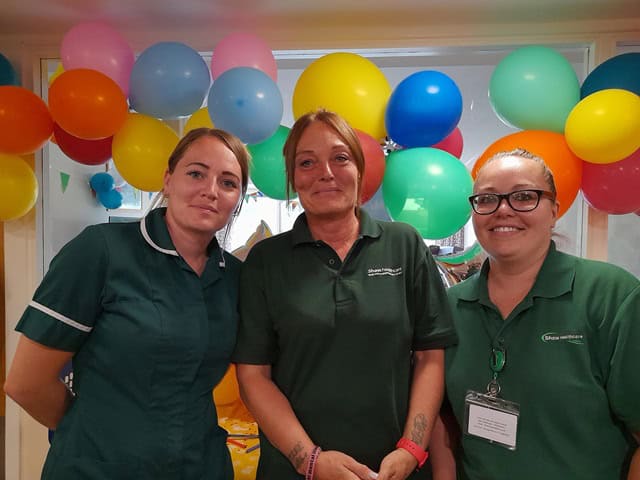
Jessica and Fay Woodward and their mum Linda Broadbridge, who all work on the ward as domestics, enjoyed chatting with former patients at the party. Jessica said: “We tidy patient rooms and sit and talk with them. It’s a rewarding job as we get to be part of their journey and we see the progress they make.”

Sisters Jessica Woodward, left and Fay Woodward right, with mum Linda Broadbridge, centre, from the unit’s domestic team

The ward has a multi-disciplinary team which includes nurses, physiotherapists, occupational therapists and dietitians, helping people to regain their independence after a stroke. Patients arrive at the ward from acute hospitals and the community. Patients eat their meals together and there are group therapy sessions, where they encourage and support each other.

The community made donations towards the party. As well as support from KCHFT’s i care charity, there were also donations from local accountant Ian Broughton, from Gross Margin, Paige Featherstone, from Marvellous Home And Party Glam and Maya’s Community Support Centre.

The unit is raising money for more specialist gym equipment and an interactive motion activated projector, to encourage patients to move more. To give support, visit the Westbrook House Stroke Rehabilitation Unit Just Giving page.

Wednesday, July 28, 2021

Organization and implementation of a stroke center in Panamá

Notice they start from the wrong objective; 'care'. Copying the failed policies of first world stroke units doesn't solve the problem of getting survivors 100% recovered.

Organization and implementation of a stroke center in Panamá

20 Apr 2021 | International Journal of Stroke

In order to coordinate the best possible treatment options for stroke patients a highly organised and streamlined pathway is needed, covering all aspects of stoke care, from initial screening to treatment. Stroke Units are one of the most efficient ways to do this.

In order to coordinate the best possible treatment options for stroke patients a highly organised and streamlined pathway is needed, covering all aspects of stoke care, from initial screening to treatment. Stroke Units are one of the most efficient ways to do this.

Stroke Units are central to stroke care in most high-income countries, but many low- , middle- and emerging-high income countries do not have organised clinical stroke care pathways. In addition, despite there being many guidelines and protocols available for stroke care many of these have been developed in high-income countries and successful implementation of  stroke care pathways in low- , middle- and emerging-high income countries can be challenging.

“While the guidelines are readily available, key barriers to the successful execution of stroke units in emerging high-, middle- and low- income can be: a lack of organised care systems, and a lack of resources and experience.” explains Dr. Urrutia, of The Johns Hopkins Hospital’s Comprehensive Stroke Center.

To overcome some of these barriers, the team at Pacífica Salud in Panamá led by Dr. Novarro-Escudero, came together to design and implement a Stroke Centre for its hospital in collaboration with, and under the mentorship of, The Johns Hopkins Hospital, Baltimore, USA.

In 2016 the process of developing a stroke program began. The collaboration saw the teams adapting guidelines for translating evidence into practice by Pronovost et al1 into 7 steps, which were then used to execute their programme. These were:

  1. Assessment of best practice and guidelines.
  2. Survey to establish current stroke care, resources and staff.
  3. Multidisciplinary stroke task force established across all departments involved in stroke care, to establish policies and procedures.
  4. Education programmes for all staff.
  5. Variables measuring quality of stroke programme established.
  6. Policies and procedures implemented and stroke programme formally launched.
  7. Continuation of multidisciplinary stroke task force. Progress and Quality Improvement was monitored.

“Since the development and implementation of the stroke programme at Pacífica Salud, year over year comparisons have shown an increase in the number of stroke patients treated and the number of acute interventions carried out.” said Dr. Urrutia.

The teams have attributed their success to the excellent collaborative efforts and believe the mentorship programme positively enhanced their accomplishments. “We believe this mentorship model is the way forward” explained Dr. Urrutia “we were able to overcome difficulties with translating evidence into practice through experience, teaching and education”.


References

  1. Pronovost PJ, Berenholtz SM, Needham DM. Translating evidence into practice: A 347 model for large scale knowledge translation. BMJ. 2008;337:a1714
 

Thursday, July 1, 2021

Does the Prevention of Complications Explain the Survival Benefit of Organized Inpatient (Stroke Unit) Care?

I consider stroke units to still be a failure. They aren't even measuring 100% recovery. Survival IS NOT THE GOAL. 100% recovery  is the only goal in stroke. 

Does the Prevention of Complications Explain the Survival Benefit of Organized Inpatient (Stroke Unit) Care?

Further Analysis of a Systematic Review
and for the Stroke Unit Trialists Collaboration
Originally publishedhttps://doi.org/10.1161/STROKEAHA.106.478842Stroke. 2007;38:2536–2540

Abstract

Background and Purpose— Systematic reviews have shown that organized inpatient (stroke unit) care reduces the risk of death after stroke. However, it is unclear how this is achieved. We tested whether stroke unit care could reduce deaths by preventing complications.

Methods— We updated a collaborative systematic review of 31 controlled clinical trials (6936 participants) to include reported interventions and complications during early hospital care plus the certified cause of death during follow up. Each secondary analysis used data from between 7 and 17 studies (1652 to 3327 participants). Complications were grouped as physiological, neurological, cardiovascular, complications of immobility, and others. Bayesian hierarchical models were used to estimate odds ratios for features occurring in stroke units versus conventional care.

Results— Based on the data of 17 trials (3327 participants), organized (stroke unit) care reduced case fatality during scheduled follow up (OR: 0.75; 95% credible intervals: 0.59 to 0.92), in particular deaths certified as attributable to complications of immobility (0.59; 0.41 to 0.86). Stroke unit care was associated with statistically significant increases in the reported use of oxygen (2.39; 1.39 to 4.66), measures to prevent aspiration (2.42; 1.36 to 4.36), and paracetamol (2.80; 1.14 to 4.83) plus a nonsignificant reduction in the use of urinary catheterization. Stroke units were associated with statistically significant reductions in stroke progression/recurrence (0.66; 0.46 to 0.95) and in some complications of immobility: chest infections (0.60; 0.42 to 0.87), other infections (0.56; 0.40 to 0.84), and pressure sores (0.44; 0.22 to 0.85). There were no significant differences in cardiovascular, physiological, or other complications.

Conclusions— Organized inpatient (stroke unit) care appears to reduce the risk of death after stroke through the prevention and treatment of complications, in particular infections.


WSO PRESIDENT'S AWARD FOR SERVICES TO STROKE: THE STROKE UNIT STORY World Stroke Academy. Langhorne P. 10/24/14; 63647

 Behind the paywall, so useless to survivors. You'll never be able to tell if your stroke unit is following proper protocols.

Prof. Peter Langhorne
Login now to access Regular content available to all registered users.

Access to Premium content is currently a membership benefit.

You may also access WSO content "anytime, anywhere" with the FREE World Stroke Academy App for iOS and Android.
 

Sunday, June 27, 2021

Applicability of stroke-unit care to low-income and middle-income countries

You can see here that 9 years ago the availability problem was recognized and yet  they totally ignored the massive die off of neurons even if these stroke units are set up.  I got tPA in 90 minutes causing 177 million neurons to die, yet that is miniscule to the 5.4 billion neurons dying during the neuronal cascade of death  in the first week. So while availability is a problem to be solved the bigger problem is being ignored.

Applicability of stroke-unit care to low-income and middle-income countries

PlumX Metrics

Summary

Stroke units have become established as the central component of modern stroke services. However, most stroke-unit trials and service developments have been done in high-income countries, which raises the question of whether such care is relevant and applicable to low-income and middle-income settings. To address this question, we first need to show that stroke units are likely to provide important health gains to populations. Second, we need to identify those components of stroke units that could be important for a low-technology unit, and to learn from examples of stroke units in low-income and middle-income countries. Finally, we need to understand how barriers to the establishment of stroke units could be overcome. Although substantial challenges are present to the development of stroke units more widely across the world, the potential gains from such developments are substantial.
This article is available free of charge.
Simply log in to access the full article, or register for free if you do not yet have a username and password.
 

Friday, January 22, 2021

Goal Setting with ICF (International Classification of Functioning, Disability and Health) and Multidisciplinary Team Approach in Stroke Rehabilitation

What the hell is this shit? You don't need to know anything other than survivors want 100% recovery.

Goal Setting with ICF (International Classification of Functioning, Disability and Health) and Multidisciplinary Team Approach in Stroke Rehabilitation

    Matilde Leonardi Email author
    Klemens Fheodoroff

    Matilde Leonardi
        1
    Email author
    Klemens Fheodoroff
        2

    1.Fondazione IRCCS Istituto Neurologico Carlo BestaMilanItaly
    2.Gailtal-KlinikHermagorAustria

Abstract

Stroke-associated impairments display a wide variety of clinical signs and symptoms. Therefore, a multidisciplinary team with different experts working closely together is necessary for effective stroke rehabilitation.(Why? What the fuck is your definition of effective? 10% full recovery? If so you need to be fired.)

In rehabilitation of stroke patients, a holistic view on functioning and disability is necessary to establish an individualized and comprehensive treatment program. The WHO International Classification of Functioning, Disability and Health (ICF) provides a common language to describe individual functioning in a given context suitable for a shared documentation system.

Goal setting has become a central component of effective communication and decision-making in rehabilitation practice, both as part of the process and as a person-centred outcome measure for stroke rehabilitation. Nevertheless, agreed standards on goal setting and evaluation still need to be defined.(The only goal in stroke is 100% recovery. If that is not your goal, GET THE HELL OUT OF STROKE.)

Here, we highlight some aspects with relevance for multidisciplinary team building and coordination and for using the ICF in the context of stroke rehabilitation; how to describe individual levels of functioning and disability and to set treatment goals as well as to identify barriers and facilitators to individual functioning and health.

Thursday, November 28, 2019

Stroke Care 2 Stroke rehabilitation


I have seen nothing that supports that multidisciplinary units are doing anything other than taking credit for spontaneous recovery and

the Hawthorne effect.

Other than that this is all generalities, so useless. 


Stroke Care 2 Stroke rehabilitation


Series
www.thelancet.com

Vol 377 May 14, 2011
1693
Lancet
 2011; 377: 1693–702
See
Editorial
page 1625See
World Report
 page 1639This is the second in a
Series
 of two papers about stroke care
Academic Section of Geriatric Medicine, Institute of Cardiovascular and Medical Sciences, University of Glasgow, Royal Infirmary, Glasgow, UK
 (Prof P Langhorne PhD)
; Stroke Division, Florey Neuroscience Institutes, Melbourne, VIC, Australia
(Prof J Bernhardt PhD)
; La Trobe University, Bundoora, VIC, Australia
 (J Bernhardt)
; Department of Rehabilitation Medicine, Research Institute MOVE, VU University Medical Centre, Amsterdam, Netherlands
(G Kwakkel PhD)
; and Rudolf Magnus Institute, University Medical Centre Utrecht, Utrecht, Netherlands
(G Kwakkel)Correspondence to:Prof Peter Langhorne, Academic Section of Geriatric Medicine, Institute of Cardiovascular and Medical Sciences, Level 4, Walton Building, Royal Infirmary, Glasgow G4 0SF, UK
peter.langhorne@glasgow.ac.uk
Stroke Care 2Stroke rehabilitation
Peter Langhorne, Julie Bernhardt, Gert Kwakkel
Stroke is a common, serious, and disabling global health-care problem, and rehabilitation is a major part of patient care. There is evidence to support rehabilitation in well coordinated multidisciplinary stroke units or through provision of early supported provision of discharge teams. Potentially beneficial treatment options for motor recovery of the arm include constraint-induced movement therapy and robotics. Promising interventions that could be beneficial to improve aspects of gait include fitness training, high-intensity therapy, and repetitive-task training. Repetitive-task training might also improve transfer functions. Occupational therapy can improve activities of daily living; however, information about the clinical effect of various strategies of cognitive rehabilitation and strategies for aphasia and dysarthria is scarce. Several large trials of rehabilitation practice and of novel therapies (eg, stem-cell therapy, repetitive transcranial magnetic stimulation, virtual reality, robotic therapies, and drug augmentation) are underway to inform future practice.

Monday, October 23, 2017

Incorporating Nonphysician Stroke Specialists Into the Stroke Team

And they missed the most important needed member, a stroke survivor, needed to decipher the doctors pronouncements and give out positive impressions of stroke recovery. 

Incorporating Nonphysician Stroke Specialists Into the Stroke Team


Emily Anderson, Samuel Fernandez, Adam Ganzman, Eliza C. Miller
This article requires a subscription to view the full text. If you have a subscription you may use the login form below to view the article. Access to this article can also be purchased.

Stroke care is team-based care, but trainees in neurology programs may have little experience in working directly with stroke specialists from other disciplines. Outside of an intensive care unit, nurses and physicians rarely round as a team, and stroke neurologists often have few interactions with prehospital care providers besides a quick handoff in the emergency room. However, nonphysician stroke specialists bring a broad base of expertise which overlaps with and complements the stroke neurologist’s knowledge. Increasingly, integrated stroke care is being provided by multidisciplinary teams. Team structures may vary from hospital to hospital and country to country, but often include integration of emergency medical services (EMS; particularly where mobile stroke treatment units are used); specialized nurses and nurse practitioners (NPs); and specialized therapy teams including speech and language pathologists, occupational therapists, and physical therapists with particular expertise in poststroke care.

Prehospital Care

The stroke chain of survival begins with the 911 call, yet even high-level paramedics receive little formal stroke training outside of standard Advanced Cardiac Life Support protocols. EMS providers are often the first point of contact for the stroke patient and have the opportunity to collect vital information about timing of symptoms and medication use. First responders to stroke 911 calls may be Basic Life Support or Advanced Cardiac Life Support level. EMS providers should be familiar with validated prehospital stroke scales such as the Cincinnati Prehospital Stroke Scale.1
EMS providers who have more experience with stroke, such as paramedics who staff mobile stroke treatment units, find stroke to be an exciting field because of the time-critical nature of the treatment. Therefore, it is imperative that stroke neurologists reach out to EMS providers to offer additional training in stroke care. A basic understanding of stroke syndromes is both fascinating and extremely useful to EMS providers, who are often eager …
View Full Text

Monday, April 17, 2017

PERCEPTION TOWARDS MULTIDISCIPLINARY TEAM APPROACH IN STROKE REHABILITATION: A QUALITATIVE STUDY

Who the fuck cares about perception of stroke medical 'professionals'? Survivors care about 100% recovery. Get them there you blithering idiots. 

PERCEPTION TOWARDS MULTIDISCIPLINARY TEAM APPROACH IN STROKE REHABILITATION: A QUALITATIVE STUDY


  • Source: Pakistan Armed Forces Medical Journal . Feb2017, Vol. 67 Issue 1, p171-175. 5p.
  • Author(s): Babur, Muhammad Naveed; Habib ullah, Shiasta; Farooq, Noureen
  • Abstract: 
  • Objective: To determine perception of rehabilitation professionals working as multidisciplinary team members with stroke patients. Study Design: Qualitative study design. Place and Duration of Study: Isra Institute of Rehabilitation Sciences (IIRS), Isra University, Islamabad Campus from Nov 2015 to Feb 2016. 
  • Material and Methods: This qualitative study utilized focus group discussion with sample of six rehabilitation professionals. These professionals included physiotherapist, rehabilitation specialist, nurses, speech and language therapist, psychologist and occupational therapist with minimum two year work experience in multidisciplinary team. Two focus group were conducted which were audio & video recorded. Data was transcribed and thematic analyzed were drawn manually. Data verification was done with the help of two separate coders. 
  • Results: Attitude of professional was very much important while developing multidisciplinary team approach for quality Care. Team skills of each member of multidisciplinary team must be very much evident. Inter professional and interdepartmental communication and collaboration is needed while developing multidisciplinary team approach. Appropriate resources and procedures. Skill mix in team, Climate of the team, Individual personal characteristics, Clear vision, Quality and outcome of care, Understanding of the roles, proper communication, respect and dignity are the key characteristics emerged from focus group discussion. Conclusion: Attitude of professional was categorized very important while developing multidisciplinary team approach for quality Care. Inter professional and interdepartmental communication and collaboration was highlighted for developing multidisciplinary team approach. Appropriate resources and procedures, Skill mix in team, Climate of the team, Individual personal characteristics, Clear vision, Quality and outcome of care, Understanding of the roles, proper communication and respect and dignity was the key characteristics emerged from focus group discussion.
  • Copyright of Pakistan Armed Forces Medical Journal is the property of Asianet-Pakistan and its content may not be copied or emailed to multiple sites or posted to a listserv without the copyright holder's express written permission. However, users may print, download, or email articles for individual use. This abstract may be abridged. No warranty is given about the accuracy of the copy. Users should refer to the original published version of the material for the full abstract.
For access to this entire article and additional high quality information, please check with your college/university library, local public library, or affiliated institution.

Thursday, March 3, 2016

Nursing at the centre of stroke recovery in the acute setting: prioritising early rehabilitation

Your doctor should be asking for the stroke rehabilitation prescription chart to see what their chart looks like to this one. If they don't do this they have their heads up their asses not wanting to know the best way to do things. 

Nursing at the centre of stroke recovery in the acute setting: prioritising early rehabilitation

Clinical Nurse Educator, Neurosciences and Stroke, Wellington Regional Hospital, New Zealand
Accepted: December 17, 2015
Published Online: February 26, 2016
Early stroke rehabilitation is fundamental and should begin in the acute setting. Patient outcome is enhanced through effective multidisciplinary or interdisciplinary teamwork. Rehabilitation activities can be prescribed by members of the multidisciplinary team and coordinated by nursing staff. Nurses play an essential role, as they are available 24 hours per day and are well placed to oversee rehabilitation activities. These activities are carried out by the patient with the support of his or her family and the multidisciplinary team. Activities should increase in intensity as the patient improves. Education about the benefits of early rehabilitation and their role should be provided for health professionals, health care assistants, patients and their families. This article stresses the importance of prioritising stroke rehabilitation in the acute setting and emphasises the nurse's role. A stroke rehabilitation prescription chart is discussed.

Wednesday, March 2, 2016

What are the components of effective stroke unit care?

Has your stroke hospital updated anything of this in the past 14 years? ANYTHING AT ALL? 

'Care' is NOT RECOVERY!

This is the whole problem in stroke enumerated in one word; 'care'; NOT RECOVERY! 

Our non-existent stroke leadership should be demanding RECOVERY NOT 'CARE'! This is you, WSO!

My god, anyone in the business world would be fired immediately for managing or caring about something rather than delivering RESULTS. And this is why this is a complete fucking failure! This does nothing to guarantee recovery for survivors!

If your stroke medical 'professional'/hospital is touting 'care' it means they are a failure because they are delivering 'care'; NOT RECOVERY! I would never go to a failed hospital! Anytime I see the word 'care' associated with a stroke hospital; I immediately think fucking failure!

YOU have to get involved and change this failure mindset of 'care' to 100% RECOVERY! Survivors want RECOVERY, NOT 'CARE'!

I see nothing here that states going for 100% recovery! You need to create EXACT PROTOCOLS FOR THAT!

ASK SURVIVORS WHAT THEY WANT, THEY'LL NEVER RESPOND 'CARE'! This tyranny of low expectations has to be completely rooted out of any stroke conversation! I wouldn't go there because of such incompetency as not having 100% recovery protocols!

RECOVERY IS THE ONLY GOAL IN STROKE!

GET THERE!

What are the components of effective stroke unit care?


Age and Ageing 2002; 31: 365–371
PETER LANGHORNE, ALEX POLLOCK IN CONJUNCTION WITH THE STROKE UNIT TRIALISTS’
COLLABORATION*
Academic Section of Geriatric Medicine, Level 3, Centre Block, Royal Infirmary, Glasgow G4 OSF, UK
Address correspondence to: P. Langhorne. Fax: (q44) 141 211 4944. Email: P.Langhorne@clinmed.gla.ac.uk
Abstract
Background: the effectiveness of organized inpatient (stroke unit) care has been demonstrated in systematic reviews of clinical trials. However, the key components of stroke unit care are poorly understood.
Methods: we conducted a survey of recent trials (published 1985–2000) of a stroke unit/ward which had demonstrated a beneficial effect consistent with the stroke unit systematic review.
Results: we identified 11 eligible stroke unit trials of which the majority described similar approaches to i) assessment procedures (medical, nursing and therapy assessments), ii) early management policies (e.g. early mobilization; avoidance of urinary catheterization; treatment of hypoxia, hyperglycaemia and suspected infection), iii) ongoing rehabilitation policies (e.g. co-ordinated multidisciplinary team care, early assessment for discharge).
Conclusions: this survey provides a description of stroke unit care which can serve as a benchmark for general stroke patient care and future clinical research.

Tuesday, June 23, 2015

How Do Stroke Units Improve Patient Outcomes?

The answer is simple! CREATE EXACT 100% RECOVER PROTOCOLS! And you're too fucking dumb to see that!

This is 1997 data so you'll have to ask your doctor or stroke association for something more recent. But this just proves how long and badly stroke is run. There is nothing objective about any of the outcomes measured except for death. Nothing lists the 3d size and location of the dead area or penumbra. Without that, none of these research results are comparable. 

How Do Stroke Units Improve Patient Outcomes? 


  1. Stroke Unit Trialists’ Collaboration
  1. Correspondence to P. Langhorne, PhD, MRCP, Academic Section of Geriatric Medicine, 3rd Floor, Center Block, Royal Infirmary, Glasgow G4 0SF, Scotland. E-mail P.Langhorne@clinmed.gla.ac.uk

Abstract

Background and Purpose 

We sought to clarify the way in which organized inpatient (stroke unit) care can produce reductions in case fatality and in the need for institutional care after stroke.

Methods 
We performed a secondary analysis of a collaborative systematic review of all randomized trials that compared organized inpatient (stroke unit) care with contemporary conventional care. Nineteen trials were included, of which 18 (3246 patients) could provide outcome data on death, place of residence, and final functional outcome. Data were less complete (but always available for at least 12 trials; 1611 patients) for subgroup analyses examining timing and cause of death and outcomes in patients with different levels of severity of initial stroke.

Results 

The reduction in case fatality of patients managed in a stroke unit setting developed between 1 and 4 weeks after the index stroke. The reduction in the odds of death was evident across all causes of death and most marked for those deaths considered to be secondary to immobility. However, data were insufficient to permit a firm conclusion. The relative increase in the number of patients discharged home from stroke units as opposed to conventional care was largely attributable to an increase in the number of patients returning home physically independent. Across the range of stroke severity, stroke unit care was associated with nonsignificant increases in the number of patients regaining independence.

Conclusions 

Within the limitations of the available data, we conclude that organized inpatient stroke unit care probably benefits a wide range of stroke patients in a variety of different ways, ie, reducing death from secondary complications of stroke and reducing the need for institutional care through a reduction in disability.(This conclusion is not supportable from the data given)

Tuesday, December 9, 2014

A comprehensive neurorehabilitation program should be an integral part of a comprehensive stroke center.

These people obviously did not look closely enough at their data to see the appalling recovery percentages and see the cause and effect of why recovery is so bad. I'm assuming they wanted to show  that multidisciplinary units work and they came up with the data that showed that. If their study showed only a 10% full recovery rate, that is a fucking failure by any measurement. Send your doctor after the complete details of this crapola! 

A comprehensive neurorehabilitation program should be an integral part of a comprehensive stroke center. 


NARIC Accession Number: J69778.  What's this?
ISSN: 1664-2295.
Author(s): Bagherpour, Reza; Dykstra, Dennis; Barrett, A. M.; Luft, Andreas; Divani, Afshin A..
Project Number: H133G120203.
Publication Year: 2014.
Number of Pages: 15.
Abstract: Article examines the importance and benefits of integrating neurorehabilitation services in comprehensive stroke centers (CSCs). The authors contend that a coordinated multidisciplinary rehabilitation within stroke units has been one of the components credited for long-term reductions in death, dependency, and need for institutional care. Integrating neurorehabilitation services and initiating rehabilitation care pathways with acute, sub-acute, home, and chronic components offers a CSC the opportunity to significantly improve patient outcomes. The ideal way to integrate neurorehabilitation services in CSCs is to base recommendations on quality improvement studies that have demonstrated how to man-age referral protocols to optimize rehabilitation outcomes. Unfortunately, studies comparing rehabilitation outcomes with different rehabilitation care referral procedures are not yet available. CSCs are ideal settings for examining differences in outcome based on systems of care, and the authors urge stroke researchers to begin evaluating and comparing rehabilitation referral pathways. Health outcomes research in stroke needs to extend to studying rehabilitation interventions in order to evaluate optimal regimens for early intervention that are feasible in many settings, cost-effective, and well-accepted by patients and families. However, until evidence-based protocols for rehabilitation are available, true quality monitoring in the CSC setting needs to be based on the best-practice standards.
Descriptor Terms: HEALTH CARE, INTERDISCIPLINARY ACTIVITIES, REHABILITATION SERVICES, SERVICE INTEGRATION, STROKE.

Can this document be ordered through NARIC's document delivery service*?: Y.
Get this Document: http://www.ncbi.nlm.nih.gov/pmc/articles/PMC4001043/.

Citation: Bagherpour, Reza, Dykstra, Dennis, Barrett, A. M., Luft, Andreas, Divani, Afshin A.. (2014). A comprehensive neurorehabilitation program should be an integral part of a comprehensive stroke center. Frontiers in Neurology, 5(57) Retrieved 12/9/2014, from REHABDATA database.

Wednesday, December 19, 2012

Navigating the Poststroke Continuum of Care

There is no continuum of stroke care because there is such poor to non-existant knowledge of how to get to recovery. Only 10% fully recover.
You could have the best medical resources in the world get together and they still would do no better than 10% fully recovered. This is so obvious, prevent the neuronal cascade of death, saving trillions of neurons daily.

With less damage 100% recovery might be possible.

http://www.strokejournal.org/article/PIIS1052305711001492/abstract?rss=yes
Stroke is a significant source of death and disability worldwide. The increasing prevalence of stroke survivors forecasts substantial socioeconomic burden and a greater need for comprehensive poststroke rehabilitative services. Despite the rapidly rising burden of cerebrovascular disease, particularly in developing countries, there has been limited implementation of multidisciplinary stroke units, a proven care modality in reducing patient mortality and improving functional outcomes. Transitioning from these acute inpatient settings to in- and outpatient rehabilitation or long-term care environments has consistently been identified as an obstacle to quality stroke rehabilitation. To address the barriers preventing the seamless delivery of poststroke care, an evaluation of patient–caregiver perspectives, treatment challenges, and system-wide shortcomings is presented. The fragmentation of the current poststroke chain of care could benefit from the introduction of case managers or “navigators,” discharge planning, electronic medical records, and evidence-based neurorehabilitation guidelines. By aiding in successful care transitions, these proposed efforts could advance post–acute stroke patients along the care continuum to achieve their rehabilitative goals.