Changing stroke rehab and research worldwide now.Time is Brain! trillions and trillions of neurons that DIE each day because there are NO effective hyperacute therapies besides tPA(only 12% effective). I have 523 posts on hyperacute therapy, enough for researchers to spend decades proving them out. These are my personal ideas and blog on stroke rehabilitation and stroke research. Do not attempt any of these without checking with your medical provider. Unless you join me in agitating, when you need these therapies they won't be there.

What this blog is for:

My blog is not to help survivors recover, it is to have the 10 million yearly stroke survivors light fires underneath their doctors, stroke hospitals and stroke researchers to get stroke solved. 100% recovery. The stroke medical world is completely failing at that goal, they don't even have it as a goal. Shortly after getting out of the hospital and getting NO information on the process or protocols of stroke rehabilitation and recovery I started searching on the internet and found that no other survivor received useful information. This is an attempt to cover all stroke rehabilitation information that should be readily available to survivors so they can talk with informed knowledge to their medical staff. It lays out what needs to be done to get stroke survivors closer to 100% recovery. It's quite disgusting that this information is not available from every stroke association and doctors group.

Showing posts with label fast tPA delivery. Show all posts

Sunday, August 2, 2026

A new weapon against stroke arrives in North Carolina

 A massive lie buried in the article!

A new weapon against stroke arrives in North Carolina

A Novant Health neurosurgeon explains how the THUNDERBOLT works, why he performed the world's first wrist-access procedure and what everyone should know about recognizing a stroke.

More than 795,000 Americans experience a stroke every year, and about 87% of these are ischemic strokes, which occur when a clot blocks blood flow to the brain. Many will make a full recovery(ABSOLUTELY WRONG! Only 10% full recovery)

— but others will experience loss of speech or movement, or even loss of life. The likelihood of injury to the brain increases the longer stroke goes untreated, which is why prompt treatment is critical. A newly FDA-cleared clot-removal system, called THUNDERBOLT, is designed to help physicians remove certain stroke-causing clots quickly and completely.
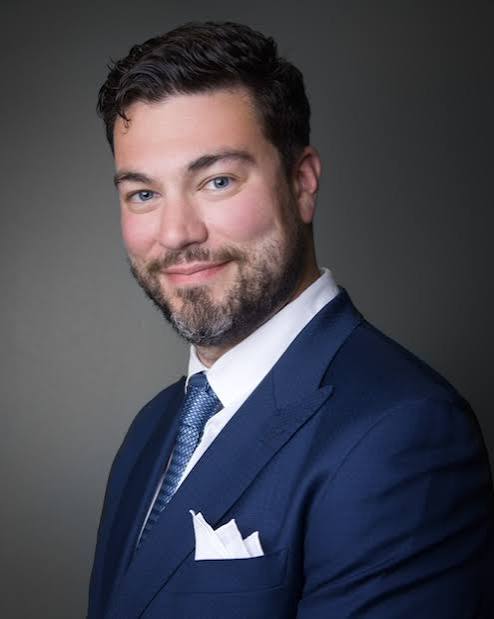
Dr. Justin Cappuzzo wears a suit and tie and smiles.
Dr. Justin Cappuzzo

Novant Health is the first health system in North Carolina to use THUNDERBOLT. Neurosurgeon Dr. Justin Cappuzzo, who cares for patients at the Novant Health Deloris P. Jordan Neurosciences Institute in Wilmington, recently became the first doctor in North Carolina to use it — and the first in the world to perform the THUNDERBOLT procedure through an artery in the wrist instead of the groin, a less-invasive approach that may offer benefits for patients.

“It’s a fantastic tool in the arsenal we have to treat strokes,” Cappuzzo said. Here he explains more about how THUNDERBOLT works, what it could mean for patients and why recognition of stroke symptoms remains essential.

Award-winning stroke care in your hometown.

Learn more

What happens in the brain during a stroke, and why does restoring blood flow quickly matter so much?

There are two types of strokes:

  • Ischemic. These are caused by a blood clot in an artery that brings blood to the brain.
  • Hemorrhagic. These occur when a blood vessel in the brain ruptures, causing bleeding in or around the brain.

Whatever type of stroke you have, some part of your brain will either lose blood flow entirely or experience a reduced amount of blood flow. Time is precious when treating a stroke. After a certain amount of time without blood, your brain cells will begin to die. The sooner you can get treatment, the better your likelihood of a full recovery is.(Really, you have plans to get tPA delivered in 3 minutes? 

Can you get tPA delivered in 3 minutes? In this research in mice the needed time frame for tPA delivery is 3 minutes for full recovery.

Electrical 'storms' and 'flash floods' drown the brain after a stroke)

How are strokes treated once a patient arrives at the hospital?

Treatment depends on the type of stroke, when symptoms began, imaging findings and the patient’s medical history.

For ischemic strokes caused by a blood clot blocking blood flow in a vessel, there are two possible treatment types: clot-busting medication, called alteplase, or procedural removal of the clot, called mechanical thrombectomy. Some patients may qualify for both treatments, while others will only qualify for one. The stroke team at any hospital will determine the safest, most effective approach.

The THUNDERBOLT is a mechanical thrombectomy device specifically designed to treat ischemic strokes. Guided through a thin tube inserted through the wrist or groin, the tool senses when it reaches the clot, then uses carefully controlled suction to loosen and remove it.

How does THUNDERBOLT differ from previous clot-removal techniques using mechanical thrombectomy, and what potential benefits could those differences offer patients?

Traditional clot-removal devices use steady suction to pull out a blood clot. If the clot is firmly stuck, doctors may need to make multiple attempts or use additional tools and devices, like metal stents, to remove it.

THUNDERBOLT can sense when it reaches the clot and automatically adjusts the suction many times each second. Instead of pulling with one constant force, it rapidly alternates the suction to help loosen the clot from the blood vessel before removing it. Think of it like gently wiggling a cork loose instead of pulling on it with constant force.

You performed the first THUNDERBOLT procedure via wrist access in the world. What does clot removal through the wrist mean for patient experience and recovery?

There is a lower likelihood of bleeding at the entry site posttreatment. Patients can sit up and walk around immediately after the procedure, and there is less pain after the procedure. We’re also removing clots faster than the national average when combining THUNDERBOLT technology with an approach through the wrist, giving patients their best chance at a strong recovery from stroke.

What does having the THUNDERBOLT technology at Novant Health New Hanover Regional Medical Center mean for patients across coastal North Carolina?

Patients across the coast have access to world-class stroke care, right here in Wilmington. We have an opportunity to not only save more lives, but to preserve healthy brain tissue and set patients up for the best recovery possible. (Both Dr. Justin Cappuzzo and Dr. Jeffrey Beecher have completed specialized training to allow them to perform these procedures.)

What stroke warning signs should patients and families recognize, and what should they do as soon as symptoms appear?

The most common warning signs of a stroke include slurred or garbled speech, drooping of the face on one side, and weakness on one side of the body. As soon as you notice these symptoms, it’s imperative to get help right away by calling emergency services.

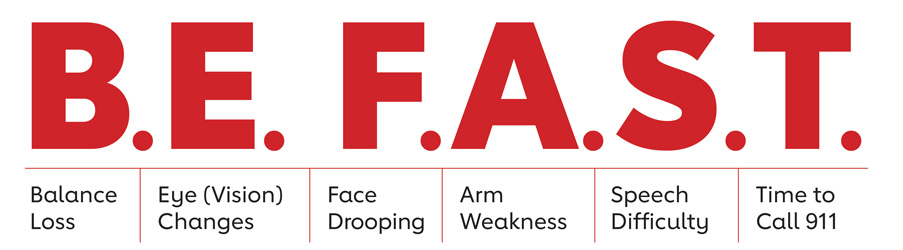
You can use the BE FAST acronym created by the American Stroke Association to help you recognize a stroke and act quickly:

  • B - Balance loss
  • E - Eye (vision) changes
  • F - Facial drooping
  • A - Arm weakness
  • S - Speech difficulty
  • T - Time to call 911

Key takeaway: Empower yourself to recognize a stroke using the BE FAST warning signs and call 911 immediately if you suspect a stroke, even if you are uncertain or the symptoms begin to improve. “Every second counts for brain cell preservation,” Cappuzzo said.

Tuesday, July 14, 2026

Awareness is Key: 3 Steps to Help Recognize Stroke Signs and Risks for Better Outcomes

Without 100% recovery protocols, 'awareness' barely does any good! Stroke is a total shitshow, known by everyone since medical school! Nothing that will allow your doctor to guarantee recovery!

Awareness is Key: 3 Steps to Help Recognize Stroke Signs and Risks for Better Outcomes

That's cute you think survivors want 'better outcomes' rather than 100% recovery!

A stroke can happen to anyone at any age.

In fact, every 40 seconds someone in the United States has a stroke, with approximately 800,000 people experiencing a stroke annually, according to the American Heart Association, making it a leading cause of death and serious, long-term disability.

A stroke happens when normal blood flow in the brain is interrupted. When parts of the brain don’t get the oxygen-rich blood they need, those cells die.

However, many strokes may be prevented, treated and overcome by understanding the risk factors and taking steps toward managing them.

“When a stroke happens, every minute matters,” said Dr. Adrian Jaquin-Valdivia, a stroke neurologist at HCA Healthcare and American Stroke Association volunteer expert. “The faster someone gets treatment, the better the chance of saving brain function. On average, nearly 2 million brain cells die every minute a stroke goes untreated. Early treatment improves survival rates and reduces disability.”

Can you get tPA delivered in 3 minutes? In this research in mice the needed time frame for tPA delivery is 3 minutes for full recovery.

Electrical 'storms' and 'flash floods' drown the brain after a stroke

Take control of your brain health with this information from the American Stroke Association.

Know the Warning Signs

Because strokes do not discriminate, knowing the signs is key. To help you recognize common warning signs and symptoms of stroke and take action in moments that matter, remember this simple acronym: B.E. F.A.S.T.

B: Balance loss – sudden difficulty with walking, dizziness or loss of balance or coordination.

E: Eye (or vision) changes – sudden vision loss or trouble seeing in one or both eyes.

F: Face drooping – one side of the face droops or feels numb; a smile may look uneven.

A: Arm weakness – one arm feels weak or numb or drifts downward when raised.

S: Speech difficulty – a telltale sign of a stroke is slurred speech or trouble speaking.

T: Time to call 911 – If someone is having any of these symptoms, even if the symptoms go away, call emergency services immediately to jumpstart care. Be sure to check the time so you’ll know when the first symptoms started.

Explore the signs by playing the interactive, web-based B.E. F.A.S.T. Experience to see what stroke symptoms may look, feel and sound like.

Take Steps to Protect Your Health

Approximately 80% of strokes are preventable, according to the American Stroke Association. Everyday choices – such as eating well, moving more, not smoking and keeping up with routine health screenings, along with managing risk factors with the support of a health care professional – can help lower stroke risk.

Manage Risk Factors

High blood pressure is the leading risk factor for stroke, according to the 2025 American Heart Association/ACC Guideline for the Management of High Blood Pressure in Adults. Controlling blood pressure through regular checkups, at-home monitoring, following your treatment plan and maintaining a healthy lifestyle can significantly reduce your risk of stroke and support overall brain health.

Additionally, having a stroke or mini stroke, known as a Transient Ischemic Attack (TIA), increases the chances of having a second one. That’s why identifying what caused your stroke and reducing your personal risk factors can help protect your health and reduce the risk of another stroke.

To learn more about stroke risk factors and better understand the warning signs, visit Stroke.org/StrokeMonth, where you can also access stroke support services and subscribe to the Stroke Connection e-newsletter for the latest resources.

Wednesday, September 24, 2025

New Device Destroys Blood Clots By Shrinking Them And Setting Red Blood Cells Free, Leading To Much Higher Stroke Survival Rates


Success is 100% recovery NOT REPERFUSION! When you have the wrong objective, you'll never get to survivor requirements of 100% recovery! The only goal in stroke is 100% recovery and you aren't working on that! 

Does this get it done in 3 minutes? In this research in mice the needed time frame for tPA delivery is 3 minutes for full recovery.

Electrical 'storms' and 'flash floods' drown the brain after a stroke

New Device Destroys Blood Clots By Shrinking Them And Setting Red Blood Cells Free, Leading To Much Higher Stroke Survival Rates

According to the World Stroke Organization, one in four adults will have a stroke at some point in their lifetime.
Worldwide, this adds up to 12.2 million strokes every year – and 6.5 million of those people will die as a result of their stroke.

For those who survive, some have life-changing consequences, including disability, struggles with speech and eating, and more. According to the charity, at least 101 million people are living with the after-effects of strokes worldwide, largely as a result of the difficulty of treating strokes before they have lifelong impacts on the patient.

That’s because strokes – in this case ischemic strokes, in which a blood clot prevents oxygen from flowing to the brain – can cause damage to the brain and the body in even a short space of time, meaning that doctors are in a race against the clock to remove the clot as quickly as possible.

Due to the difficulties of invasive procedures on the brain and the limitations of current technology, all too often doctors struggle to remove the clots, either in full or at all, leading to serious long-term consequences, and even the death of the patient.

However, thanks to newly developed technology from Stanford University School of Engineering, the sorry statistics could very soon be a thing of the past, with more patients seeing their clots removed fully and quickly than ever before, therefore saving their lives and preventing, or at least reducing the severity of lifelong symptoms.

The new device, a tiny robot called the milli-spinner, could soon be used in a procedure known as milli-spinner thrombectomy, thanks to its proven capacity to remove blood clots more efficiently and effectively than existing technology, with the team’s impressive results recently published in the journal Nature.

In fact, its success rate is staggering, as the study’s co-author – Stanford’s Jeremy Heit – explained in a statement:

“For most cases, we’re more than doubling the efficacy of current technology, and for the toughest clots – which we’re only removing about 11% of the time with current devices – we’re getting the artery open on the first try 90% of the time. It’s unbelievable. This is a sea-change technology that will drastically improve our ability to help people.”

While the current technology sucks out blood clots from an artery, the success rate simply isn’t high enough due to the lack of precision of existing methods, meaning that sometimes clots get broken up instead of totally sucked out, leaving them to roam the body and potentially cause further serious consequences.

The milli-spinner, however, first works on making the clot smaller before it is sucked out, to ensure total removal. This takes advantage of the clot’s composition, in which fibrous strands tangle red blood cells together.
By spinning the clot rapidly, the researchers found that they are able to compress the fibers into a small ball (up to 5% of its initial size) to easily extract, whilst releasing the trapped red blood cells back into the body, as they explain in the statement:

“Imagine a loose ball of cotton fibers (or a handful of long hair pulled from a hairbrush, if you’d prefer). If you press it between your palms (compression) and rub your hands together in a circle (shear), the fibers will become increasingly tangled into a smaller, denser ball. The milli-spinner is able to do this same thing to the fibrin threads in a clot, using suction to compress the clot against the end of the tube and rapidly spinning to create the necessary shear.”

And as the paper’s senior author Renee Zhao continued, this change is significant in the ability to treat patients efficiently, so that their brain cells can have their oxygen flow returned as quickly as possible:

“With existing technology, there’s no way to reduce the size of the clot. They rely on deforming and rupturing the clot to remove it. What’s unique about the milli-spinner is that it applies compression and shear forces to shrink the entire clot, dramatically reducing the volume without causing rupture. It works so well, for a wide range of clot compositions and sizes. Even for tough, fibrin-rich clots, which are impossible to treat with current technologies, our milli-spinner can treat them using this simple yet powerful mechanics concept to densify the fibrin network and shrink the clot.”

Thanks to its incredible success in testing, the research team are hoping to get the milli-spinner rolled out into clinical settings as soon as possible. They’re also experimenting with free-swimming milli-spinners that could work in the body without the use of a catheter, as well as possibilities for the technology to aid other conditions including kidney stones.

And with the technology constantly developing, these tiny robots could one day be saving your life too.

Wednesday, August 20, 2025

Mobile Stroke Unit Reduces Door-to-Puncture Time in LVO-Related Ischemic Stroke


But do they get tPA delivered within 3 minutes for full recovery? The goal is 100% recovery; NOT YOUR FUCKING TYRANNY OF LOW EXPECTATIONS of improve outcomes!

In this research in mice the needed time frame for tPA delivery is 3 minutes for full recovery.

Electrical 'storms' and 'flash floods' drown the brain after a stroke

 Send me hate mail on this: oc1dean@gmail.com. I'll print your complete statement with your name and my response in my blog. Or are you afraid to engage with my stroke-addled mind? Your patients need an explanation of why you aren't working on survivor requirements of 100% recovery protocols. 

The latest here:

Mobile Stroke Unit Reduces Door-to-Puncture Time in LVO-Related Ischemic Stroke

There are more favorable time metrics for patients transported by mobile stroke unit compared with those transported by EMS. Patients transported by a mobile stroke unit have more favorable time metrics, but have similar outcomes as those transported by emergency medical services (EMS). These findings were published inStroke: Vascular and Interventional Neurology Investigators from Grady Memorial Hospital in the United States hypothesized that patients transported by mobile stroke unit afte occlusion (LVO)-related ischemic stroke(IS) would have faster time metrics when receiving mechanical thrombectomy than patients transported by EMS. This study was a cross-sectional retrospective review of prospectively collected data between 2018 and 2023. Patients (N=565) who received endovascular therapy for LVO-related IS were evaluated for the endpoints of time interval between door-to-imaging, door-to-puncture, and door-to-reperfusion on the basis of whether they arrived at the hospital by mobile stroke unit (n=66) or EMS (n=499). The mobile stroke unit and EMS cohorts comprised 55% and 56% men, they had median ages of 66 (IQR, 47-77) and 66 (IQR, 56-76) years, they had an Alberta Stroke Program Early Computed Tomography (ASPECTS) score of 9 (IQR, 8-10) and 8 (IQR, 7-10), and the most common occlusion locations were middle cerebral artery M1 (39% vs 42%) or M2 (38% vs 23%), respectively. Safety and clinical outcomes were comparable among MSU and EMS-transport groups, supporting the need for further investigation of the direct-to-angio approach for patients with LVO.
Patients who arrived by mobile stroke unit had shorter door-to-imaging (median, 9 vs 17 min;P<.001), -puncture (median, 58 vs 82 min;  P<.001), and -reperfusion (median, 96 vs 127 min; P<.001) than patients who arrived by EMS. In the linear regression analysis, door-to-puncture was significantly shorter with mobile stroke unit than with EMS (b, -23.3; 95% CI, -34.7 to -11.9;P<.001). The significant shortening of time from door-to-puncture with mobile stroke unit was significantly mediated by multimodal imaging (8%;P=.012), time to multimodal imaging completion (53% P<.001), and time to any imaging completion (48%;P<.001). Direct-to-angio was not a significant mediator (P=.132). The mobile stroke unit- and EMS-transported patients did not differ by modified Rankin Scale (mRS) score at discharge (median, 3 vs 3; P=.198), mRS score at 90 days (median, 3 vs 3;P=.455), or mortality at 90 days (23% vs 20%; P=.691).This study was not powered to detect significant differences in clinical outcomes. The study authors concluded, “MSU [mobile stroke unit transport was associated with improved workflow leading to shorter times to treatment. Safety and clinical outcomes were comparable among MSU and EMS-transport groups, supporting the need for further investigation of the direct-to-angio approach for patients with LVO.” This article originally appeared on The Cardiology Advisor

Thursday, July 3, 2025

Stroke care continues to evolve thanks to AI, cardiologists and more


This is the whole problem in stroke enumerated in one word; 'care'; NOT RECOVERY!

If your hospital is touting 'care' it means they are a failure because they are delivering 'care'; NOT RECOVERY! I would never go to a failed hospital!

YOU have to get involved and change this failure mindset of 'care' to 100% RECOVERY! Survivors want RECOVERY, NOT 'CARE'!

I see nothing here that states going for 100% recovery! You need to create EXACT PROTOCOLS FOR THAT!

ASK SURVIVORS WHAT THEY WANT, THEY'LL NEVER RESPOND 'CARE'! This tyranny of low expectations has to be completely rooted out of any stroke conversation! I wouldn't go there because of such incompetency as not having 100% recovery protocols!

RECOVERY IS THE ONLY GOAL IN STROKE! 

GET THERE!'

Stroke care continues to evolve thanks to AI, cardiologists and more

Stroke care(NOT RECOVERY!) has made big advances in the past decade, moving from thrombolytics to interventional thrombectomy. The time to reperfusion and clinical outcomes have also been improved thanks to artificial intelligence and the creation of acute care(NOT RECOVERY!) stroke teams.

Cardiovascular Business spoke with Gregg C. Fonarow, MD, director of the Ahmanson-UCLA Cardiomyopathy Center, co-director of the UCLA Preventative Cardiology Program and Eliot Corday Chair in Cardiovascular Medicine and Science at UCLA, who explained this movement to interventional stroke care(NOT RECOVERY!) and how the American Heart Association (AHA) Get With The Guidelines-Stroke program evolved to include interventional thrombectomy to speed large vessel occlusion (LVO) strokes. He also examined the growing role of artificial intelligence (AI) and how cardiology is making an impact on stroke care(NOT RECOVERY!) teams.

Stroke patients have traditionally received intravenous tissue plasminogen activator (tPA) to dissolve clots. But the drug needs to be administered in a short time period or it in not effective.  Using thrombectomy catheters to remove clots directly from LVOs in the brain can be a complementary therapy used with tPA, Fonarow said.

“The real problem was a lot of patients would arrive too late. The clock starts at symptom onset, and for IV thrombolytics, the window is very short—within four and a half hours," Fonarow explained. "The early data was really not compelling, but then a series of trials came out that were really were compelling. So it became a standard of care(NOT RECOVERY!). We were able to integrate that into Get With the Guidelines-Stroke set time metrics with door-to-reperfusion time and we were able to see improvements."

In this research in mice the needed time frame for tPA delivery is 3 minutes for full recovery. What is your plan to accomplish that? Or are you ignoring that need?

Electrical 'storms' and 'flash floods' drown the brain after a stroke

The shift was relatively quick as a result of more and more research being released.

"Four trials hit, all within a 12-month period, all individually showing benefit for functional outcomes. It has been a much more compressed timeframe than percutaneous coronary intervention (PCI), which evolved slowly over decades,” Fonarow said.

But these procedures are more sophisticated than just having a cath lab; you need qualified interventional radiologists or neurologists who know how to use the various tools and deal with complications. He said this is where cardiology is making contributions to stroke care(NOT RECOVERY!) and may be key to helping expand these stroke interventions beyond large academic research hospitals in urban areas.

"There are so many more interventional cardiologists than interventional radiologists, so there's going to have to be further investment in ensuring a broader geographic approach so this therapy can be offered to not just highly resourced hospitals and only those patients fortunate enough to be adjacent who can really benefit from it," Fonarow said.

He said scaling the infrastructure, training staff and ensuring that best practices are shared are all important components. Pre-hospital coordination is also critical, so EMS personnel need training to identify LVO stroke symptoms and quickly route patients to the right hospital that can offer thrombectomy. “Time lost is brain lost,” Fonarow emphasizes.

AI accelerating door-to-reperfusion times

Another game-changer in stroke care(NOT RECOVERY!) has been the rise of AI. Among some of the first commercially successful AI tools cleared by the FDA were stroke alerts systems offered by several vendors. The AI reads scans directly off a CT scanner and can send alert notifications with patient imaging to the entire stroke team before the images are even loaded into the picture archiving and communication systems (PACS). The AI flags potential stroke cases in real time and greatly speeds up the diagnosis by a human physician.

“Hospitals using AI are seeing a real impact on reducing door-to-intervention times,” Fonarow said. “We’re in the process of analyzing outcomes across multiple centers, but early indications suggest that AI can play a vital role in decision support and care(NOT RECOVERY!) coordination.”

He added that AI has shown potential to improve care(NOT RECOVERY!) in many other ways.

"AI can be of assistance for clinician judgment and interpretation, but also provide more real-time prompts about where their care(NOT RECOVERY!) deviations and to help them intervene before that patient's missed that window for getting the right therapy at the right time at the right dose," he explained.

AHA now has a pilot program to review the use of AI stroke alert systems to see from a data standpoint it they are making a difference in outcomes. Fonarow said the goal is to look collectively beyond the single center data to make meaningful insights across stroke care(NOT RECOVERY!) at various centers.

Stroke teams are a model of interdisciplinary collaboration

Modern stroke care(NOT RECOVERY!) is defined by multidisciplinary collaboration. “It’s not just neurologists and cardiologists,” Fonarow said. “Emergency physicians, nurses, radiologists, neurointerventionalists, intensivists and rehabilitation teams all play essential roles.”

Fonarow says today’s stroke care(NOT RECOVERY!) teams are “teams of teams” supported by real-time data, shared learnings and a culture of continuous improvement. 

“Through Get With The Guidelines Stroke, we have national webinars, data sharing, and benchmarks that allow teams to learn what’s working elsewhere and adapt it locally,” he said.

Another trend to watch is the fact that cardiologists are playing a much more significant role in stroke care(NOT RECOVERY!), because many stroke patients have cardiac comorbidities or cardio-embolic sources of stroke. He said cardiologists bring valuable expertise in managing these risks and improving secondary prevention.

Wednesday, July 2, 2025

Niagara Health earns national recognition for stroke care excellence


This is the whole problem in stroke enumerated in one word; 'care'; NOT RECOVERY!

If your hospital is touting 'care' it means they are a failure because they are delivering 'care'; NOT RECOVERY! I would never go to a failed hospital!

YOU have to get involved and change this failure mindset of 'care' to 100% RECOVERY! Survivors want RECOVERY, NOT 'CARE'!

I see nothing here that states going for 100% recovery! You need to create EXACT PROTOCOLS FOR THAT!

ASK SURVIVORS WHAT THEY WANT, THEY'LL NEVER RESPOND 'CARE'! This tyranny of low expectations has to be completely rooted out of any stroke conversation! I wouldn't go there because of such incompetency as not having 100% recovery protocols!

RECOVERY IS THE ONLY GOAL IN STROKE! 

GET THERE!'

Niagara Health earns national recognition for stroke care excellence


Posted Jul 2nd, 2025

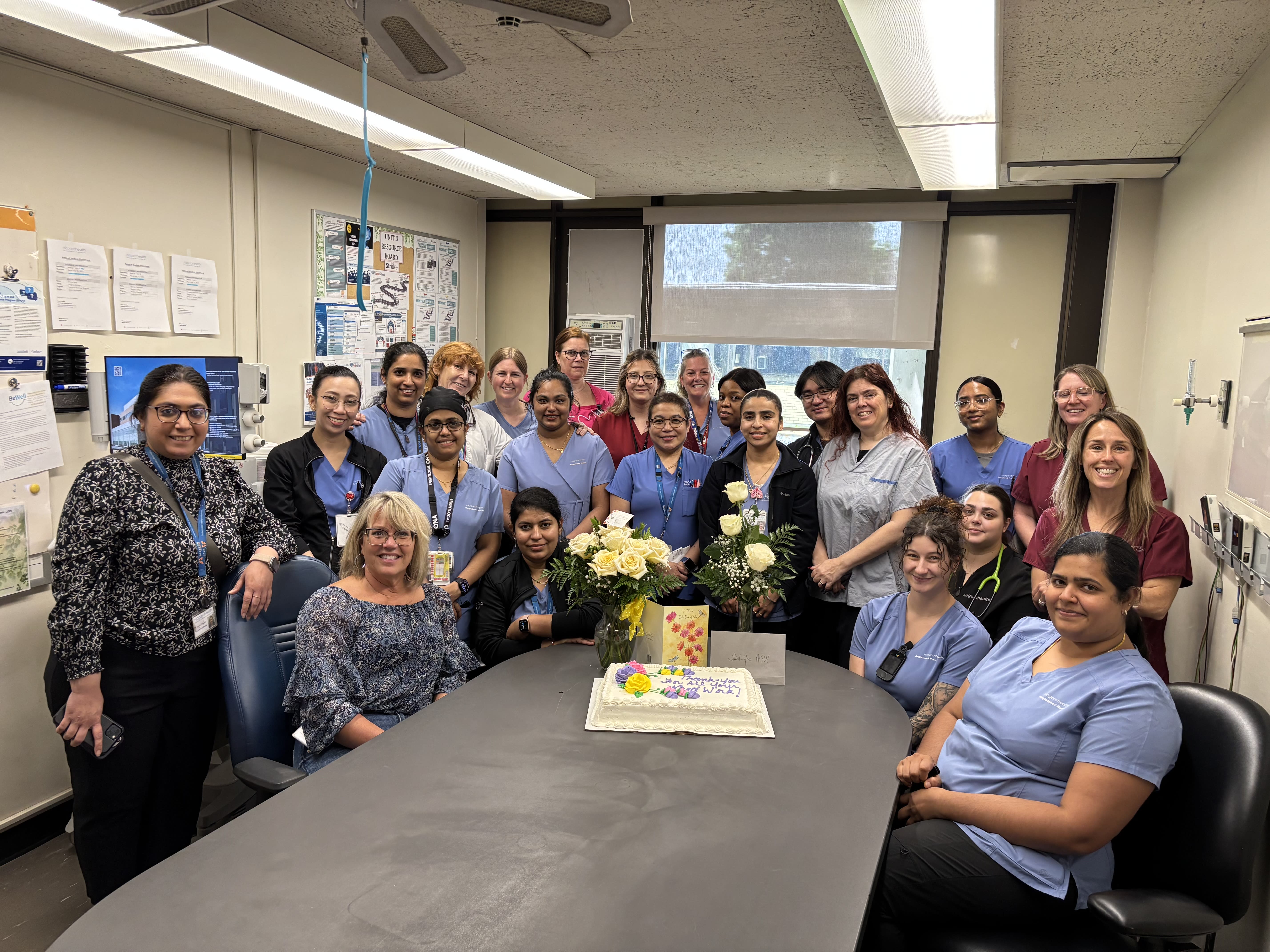
Niagara Health staff gather to celebrate the team's incredible achievement of earning Stroke Distinction from Accreditation Canada, recognizing their commitment to delivering exceptional stroke care across the Niagara region.

Niagara Falls Hospital has earned national recognition for its exceptional stroke care, receiving the Stroke Distinction from Accreditation Canada.

This recognition follows an intensive on-site survey in May, where Accreditation Canada surveyors evaluated Niagara Health’s acute stroke program against national standards. The achievement confirms that patients at Niagara Falls Hospital are receiving high-quality stroke care(NOT RECOVERY!) throughout the stroke journey - from prevention and emergency treatment to community reintegration and support after discharge. Stroke Distinction is a reflection of the dedicated Niagara Health teams working across the full continuum of stroke care(NOT RECOVERY!) to improve outcomes and help patients recover and return to their lives.

“Receiving Stroke Distinction is a proud moment for our organization and a testament to the expertise, dedication and collaboration of our stroke team,” says Heather Paterson, Executive Vice President, Clinical Operations. “This achievement reflects our commitment to delivering safe, timely and evidence-based care(NOT RECOVERY!) to stroke patients across the region.”

Alongside Niagara Health, the assessment was part of a coordinated Stroke Distinction review across several hospitals that are a part of the Central South Regional Stroke Network. Accreditation Canada also awarded Stroke Distinction to Hamilton Health Sciences (Hamilton General Hospital), Hotel Dieu Shaver Health and Rehabilitation Centre and the Waterloo Regional Health Network (Midtown and Chicopee campuses).

As the District Stroke Centre for Niagara, Niagara Health’s Niagara Falls Hospital plays a central role in supporting high-quality care(NOT RECOVERY!) throughout the stroke care(NOT RECOVERY!) continuum, ranging from emergency response and acute treatment to community reintegration. “This recognition reflects the strength of our regional partnerships and the exceptional work of our interprofessional teams,” says Leanne Kent, Niagara Health’s District Stroke Care Coordinator. “From Stroke Prevention through to reintegration to the community, we are focused on ensuring every patient receives best practice stroke care(NOT RECOVERY!), every step of their journey.”

Looking ahead, Niagara Health is laying the groundwork for the future by establishing a Centre of Excellence for Stroke at the new South Niagara Hospital build in Niagara Falls, scheduled to open in 2028. This Centre of Excellence will bring together specialized neurology clinics, rapid stroke assessment, prevention education and integrated inpatient/outpatient rehabilitation services under one roof.

Ranked as one of the top stroke care(NOT RECOVERY!) providers for patient outcomes in Ontario, the District Stroke Centre strives to provide equitable stroke care(NOT RECOVERY!) across the Niagara Region to further elevate stroke care(NOT RECOVERY!) accessibility, quality and innovation for our communities.

Niagara Health’s Stroke Care program includes advanced diagnostics and treatment options, early supported discharge services and active participation in stroke clinical trials through the Niagara Health Knowledge Institute. The Stroke Distinction designation will remain in place for four years, during which time Niagara Health will continue to report on key performance indicators and implement continuous improvements to further enhance stroke care(NOT RECOVERY!) in the region.

This achievement builds on Niagara Health’s record of excellence in delivering extraordinary care(NOT RECOVERY!) and reflects the organization’s strategic priority to be a leader in clinical innovation, partnerships and patient centered outcomes.

How achievement of a stroke care pathway is associated with functional outcome after stroke: a national, register-based study


This is the whole problem in stroke enumerated in one word; 'care'; NOT RECOVERY!

If your hospital is touting 'care' it means they are a failure because they are delivering 'care'; NOT RECOVERY! I would never go to a failed hospital!

YOU have to get involved and change this failure mindset of 'care' to 100% RECOVERY! Survivors want RECOVERY, NOT 'CARE'!

I see nothing here that states going for 100% recovery! You need to create EXACT PROTOCOLS FOR THAT!

ASK SURVIVORS WHAT THEY WANT, THEY'LL NEVER RESPOND 'CARE'! This tyranny of low expectations has to be completely rooted out of any stroke conversation! I wouldn't go there because of such incompetency as not having 100% recovery protocols!

RECOVERY IS THE ONLY GOAL IN STROKE! 

GET THERE!'

How achievement of a stroke care pathway is associated with functional outcome after stroke: a national, register-based study


Abstract

Background

Care pathways are introduced to ensure adherence to treatment guidelines for several patient groups. In the present study, we aimed to evaluate whether the achievement of key objectives within the recently implemented Norwegian stroke care pathway (SCP) was associated with functional outcome 3 months after stroke and to identify the characteristics of patients who achieved the recommended goals.(The only goal in stroke is 100% recovery!  I'd have any medical 'professional' fired for suggesting less than that!)

Methods

We conducted a register-based study with data from the Norwegian Stroke Registry (NSR). Patients who were registered with acute stroke in 2019, one year after the SCP was introduced, were included. The functional outcome at 3 months was compared between ‘achievement’ and ‘non-achievement’ patients. The modified Rankin scale (mRS) was used to measure functional outcome at 3 months post-stroke, functional independence was defined as an mRS score of 0–2.

Results

Among 2730 patients without missing data on achievement criteria, 272 (10%) were in the achievement group. The probability of being independent(That is the wrong goal right there; your tyranny of low expectations being forced on your patients!) at 3 months post-stroke was significantly greater in the achievement group than in the non-achievement group (odds ratio (OR) 1.35, 95% CI 1.01 to 1.79, p = 0.043). However, subsequent sensitivity analyses did not replicate these findings, showing an average proportion of achievers of 7.2% (average odds ratios 1.12, 95% CI 0.88 to 1.45, p > 0.05). “Achievers” had better pre-stroke function, less likelihood of living alone, more severe strokes upon admission, and in addition, higher thrombolysis rates compared to “non-achievers.”

Conclusion

We concluded that in the early phase after the SCP was implemented, between 7% and 10% reached goal achievement(If that goal achievement was not 100% recovery; THEN YOU'RE DOING IT ALL WRONG! You're fired!). The estimated association between achievement and independence 3 months post-stroke was significant in the primary analysis, but lost significance in sensitivity analyses.

Peer Review reports

Introduction

Stroke is the third leading cause of mortality and the fourth most common contributor to Disability-Adjusted Life Years (DALYs) worldwide [1]. Over the past few decades, revascularization therapies—intravenous thrombolysis and thrombectomy—have significantly improved acute stroke management [23]. As these treatments are highly time-sensitive, international guidelines recommend fast recognition and treatment of acute stroke [4]. One method of adhering to these guidelines while also developing proper and high-quality treatment has been to implement standardized care pathways. These pathways are defined as structured, multidisciplinary plans that outline the optimal sequence and timing of interventions, assessments, and treatments for patients with acute stroke. Their design is based on the best available evidence and clinical guidelines, and their aim is to ensure consistent, high-quality care, improve patient outcomes, enhance efficiency, and reduce variability in treatment across different healthcare providers [5].

In Norway approximately 10,000 patients are hospitalized with acute stroke each year [6]. Despite the establishment of national guidelines for acute stroke treatment in 2010, disparities in care seemed to exist across different regions and hospitals, which is one of the main reasons why Norwegian health authorities introduced a national standardized pathway of stroke care in 2018 [7,8,9]. The pathway is divided into two phases in accordance with key national quality indicators. Phase one covers the pre - and -intrahospital pathway and its time-specific goals are shown in Table 1.

Research has demonstrated that even small reductions in delay to stroke treatment may significantly affect outcomes. One minute of delay to treatment is shown to provide 1.8 extra days of healthy life in those receiving thrombolysis and 4.2 days in those receiving endovascular therapy [10,11,12]. Even for patients who do not receive reperfusion therapy, early arrival at the hospital is associated with a favourable outcome [1314]. Treatment within a comprehensive stroke unit increases the likelihood of survival and enhances the probability of being independent and living at home one year after stroke. Additionally, early admission to a stroke unit may further enhance these outcomes [1516].

Table 1 The stroke care pathway

In a previous study, we evaluated the impact of the introduction of the SCP on functional outcomes after stroke [15]. No change in global function or mortality 3 months post-stroke was found. However, more patients were treated in a stroke unit, and more patients were discharged directly from the acute hospital stay after the introduction of the SCP [17].

Achieving pathway goals is an important measure of pathway effectiveness. Accordingly, we identified four essential goals that apply to all the patients, each of which was defined before conducting the analyses.

The primary aim of the present study was to determine whether achieving these four stroke care pathway goals—designed to reduce diagnostic and treatment delays—was associated with functional outcome three months post-stroke. Secondarily, we wanted to identify the characteristics of patients who achieved these goals.

We hypothesized that patients who achieved all four goals would have significantly better functional outcome at 3 months post-stroke than non-achievers.


More at link.