Changing stroke rehab and research worldwide now.Time is Brain! trillions and trillions of neurons that DIE each day because there are NO effective hyperacute therapies besides tPA(only 12% effective). I have 523 posts on hyperacute therapy, enough for researchers to spend decades proving them out. These are my personal ideas and blog on stroke rehabilitation and stroke research. Do not attempt any of these without checking with your medical provider. Unless you join me in agitating, when you need these therapies they won't be there.

What this blog is for:

My blog is not to help survivors recover, it is to have the 10 million yearly stroke survivors light fires underneath their doctors, stroke hospitals and stroke researchers to get stroke solved. 100% recovery. The stroke medical world is completely failing at that goal, they don't even have it as a goal. Shortly after getting out of the hospital and getting NO information on the process or protocols of stroke rehabilitation and recovery I started searching on the internet and found that no other survivor received useful information. This is an attempt to cover all stroke rehabilitation information that should be readily available to survivors so they can talk with informed knowledge to their medical staff. It lays out what needs to be done to get stroke survivors closer to 100% recovery. It's quite disgusting that this information is not available from every stroke association and doctors group.

Showing posts with label research. Show all posts

Saturday, May 11, 2024

Fostering a Culture of Research: From Recommendations to Implementation

 Now if survivors could just get access to the library/electronic databases, we could probably solve stroke on our own. A major failing of this is I see nothing on a strategy that researchers follow. No strategy; researchers are just flailing in the dark.

Fostering a Culture of Research: From Recommendations to Implementation

Originally publishedhttps://doi.org/10.1161/STROKEAHA.123.042385Stroke. 2024;0
First page image


Footnotes

For Sources of Funding and Disclosures, see page XXX.

The opinions expressed in this article are not necessarily those of the editors or of the American Heart Association.

Supplemental Material is available at https://www.ahajournals.org/doi/suppl/10.1161/STROKEAHA.123.042385.

Correspondence to: Meron Awraris Gebrewold, MD, College of Health Sciences, Addis Ababa University, Kasangula Rd, Lusaka, Zambia, Ethiopia. Email

Thursday, February 15, 2024

Editorial: Reviews in: stroke

 How is your doctor and hospital evaluating and implementing 22,000 stroke research articles per year?

If they don't have a research analyst following and implementing stroke research, then you don't have a useful stroke hospital! They are a dinosaur living in the past waiting for that meteorite to obliterate them.

Editorial: Reviews in: stroke

  • 1Department of Neurology, University Hospital Halle, Halle (Saale), Germany
  • 2Department of Neurology, Max Planck Institute for Human Cognitive and Brain Sciences, Leipzig, Germany
  • 3University Hospital Carl Gustav Carus, Dresden, Germany
  • 4University of Florida, Gainesville, FL, United States
  • 5Departments of Cancer Biology and Pharmacology, Neurosurgery, Pediatrics, and Neurology, University of Illinois College of Medicine Peoria, Peoria, IL, United States
  • 6School of Nursing, The Fourth Military Medical University, Xi'an, Shaanxi, China
  • 7Physical Therapy and Human Movement Sciences Department, Northwestern University, Evanston, IL, United States

Editorial on the Research Topic
Reviews in: stroke

Stroke constitutes a significant global health challenge, with 12.2 million new strokes per year worldwide, a mortality of 6.5 million, and a cumulative disability of 143 million disability-adjusted life years [DALYs; (1)]. To confront this challenge, the clinical and scientific community is dedicated to addressing various aspects, including primary and secondary prevention, acute stroke care, biomarkers, patient stratification, and neuroplasticity and rehabilitation. The approaches involved encompass both clinical randomized trials and hypothesis-driven or exploratory research.

The global efforts in stroke research result in a substantial number of publications per year, as evidenced by a swift exploration of the PubMed database using the search term “stroke,” which yielded over 34,000 references in the year 2022 only. This deluge of literature highlights the necessity for meta-analyses and systematic reviews, which aggregate and synthesize a large body of evidence from multiple studies using comprehensive and systematic approaches. We, therefore, have collaborated to curate this Research Topic, with the following objectives: (i) increasing the statistical power by combining data from multiple clinical and preclinical studies and thereby helping to estimate the robustness of an effect; (ii) enhancing the generalizability of findings and fostering the application of preclinical research insights into broader clinical applications; and (iii) exploring subgroups or moderating factors for an observed effect and thus help to personalize treatment strategies.

The Research Topic “Reviews in: stroke” includes 25 articles that cover a variety of topics around stroke. One of the major emphases is on acute stroke diagnostics and treatment. We capture current topics like the impact of COVID-19 on acute ischemic stroke care (Stuckart et al.) or the use of telemedicine in acute stroke and its diagnostic accuracy (Poongkunran et al.). Several articles provide insight into neuroimaging (Zheng et al.; Huang et al.; Yoshimoto; Cheng et al.) and serum markers (Liu Y. et al.) that might help with patient selection and treatment monitoring in acute stroke. Other articles look at new treatment options for both ischemic and hemorrhagic stroke [(2); Zheng et al.; Fu et al.].

A further focus of this Research Topic is on risk factors and stroke etiology and addresses questions such as: what is the impact of inflammatory processes on the risk for atherosclerosis and stroke (Wang L. et al.; Jia et al.; Xie et al.; Pinzon et al.)? Can we identify risk factors for in-stent stenosis after intracranial stenting (Wang N. et al.)? And what do we know about perioperative stroke, an entity that is clinically relevant but only marginally addressed in the literature (Ji et al.), and the etiology of cervical artery dissection (Gunduz et al.)?

The third emphasis is on stroke rehabilitation and covers therapeutic interventions such as constrained-induced movement therapy (Cui et al.), balance training (Zhang et al.), and interventions in post-stroke dysphagia (Liu J. et al.). A further article covers the use of AI for the prediction of post-stroke cognitive deficits (Li et al.).

Taken together, this Research Topic provides a variety of topics related to clinical and preclinical stroke research with the common aim of synthesizing the evidence using systematic reviews and meta-analyses. We hope that it will help clinicians and scientists in the field of stroke and foster translational progress.

Wednesday, July 28, 2021

Editors give green light to patients co-authoring manuscripts

So you finally came around to accepting  Amy Farber's ideas.

This just proves once again what Amy Farber has to say. For the past five years Farber has been battling not only her own disease but also the wall of resistance erected by those who believe that a patient can make about as much of a meaningful contribution to the process of scientific discovery as a laboratory rat.

Very obviously nothing I've done in the past 10 years has made a bit of difference in stroke, but I'm persistent.

Editors give green light to patients co-authoring manuscripts 

But work must be done to ensure that patients feel accepted by the research community.

27 July 2021 Dalmeet Singh Chawla

RLT_Images/Getty Images

Most editors-in-chiefs of scholarly journals have no objection to patients being included as co-authors of research papers when they actively participate in the work, a new survey has found.

The study, published last month in Research Involvement and Engagement (RIE), asked 74 editors-in-chief of medical journals whether they agreed, in principle, with patients co-authoring research manuscripts.

The question of co-authorship has arisen amid growing recognition of the added value gained by engaging patients as part of the research team. For example, it can help avoid the risk of research that is not relevant to meeting patients’ needs or improving their quality of life.

While hundreds of medical journals have adopted recommendations of the International Committee of Medical Journal Editors (ICMJE) on authorship, the study authors sought editors’ views on whether the recommendations regarding patient contributions were appropriate.

More than two-thirds (69%) of those surveyed said they were in favour of patients being listed as co-authors on biomedical research articles, but the remainder thought this wouldn’t be appropriate. Nearly three-quarters of the editors thought patients should not be required to have an academic affiliation to be listed as co-authors, while 16.7% thought they should, and the rest were unsure.

The editors were equally divided on whether the ICMJE authorship criteria should be revised to become more inclusive of patients, at just under 36% on both sides, with the rest undecided.

Kelly Cobey, who studies research methods at the Ottawa Hospital Research Institute in Canada and who co-authored the new study, says it was prompted by her observations of systemic barriers to patients’ involvement in research other than as subjects.

“Not all aspects of the research process were really inclusive to the patients’ participation," she says.

Cobey says it’s particularly important for patients to be involved in selecting which areas of research are worth exploring. She points to a 2015 study that used patients to identify priority areas in kidney dialysis research.

“Ultimately we’re doing research to create interventions, [and] cure diseases for patients. So the patient perspective is of utmost importance and certainly adds value.”

Holly Witteman, a health informatics researcher at Laval University in Quebec, Canada, has had run-ins with peer-reviewers of her diabetes manuscripts who have argued that patients should not be listed as co-authors. They have expressed concern about breaching confidentiality of patient health information and argued that under Canadian policy, patients are in any case compensated financially for their time on projects.

“Having these kinds of delays because of lack of understanding of patient partner co authorship is really frustrating,” Witteman says.

Karen Woolley, a consultant on patient partnerships and a professor of health sciences at the University of Queensland in Australia, says she wonders if editors who reject the inclusion of patients as co-authors “would actually be supporting the unethical practice of ghost-authorship.”

“As more patient-led research is encouraged, funded, approved and conducted, surely patients have to author the resulting publications?” she queries.

Making patients feel accepted

Richard Stephens, co-editor-in-chief of RIE and a well-known patient advocate in the United Kingdom, argues that to be recognized as authors, patients should fulfill the current ICMJE rules on what constitutes one.

“If you are going to be a patient, you do actually have to contribute something to the study,” he says. “Patients should be co-authors on an absolutely equal basis to all the other co-authors.”

Woolley agrees. “Supporting patient authorship supports the principles of diversity, equity and inclusion in medical publishing,” she says. “However, we must not allow tokenistic and unethical authorship practices, such as guest authorship.”

The British Medical Journal (BMJ) published guidelines for patient peer-reviewers on its website. RIE, which launched in 2015, insists that at least one peer-reviewer of every paper it publishes is a patient. The journal also has patients on its editorial board.

The biggest obstacle, however, is that most journals don’t have any clear policies around whether patients are allowed to be co-authors or peer-reviewers, which makes it difficult to get them involved, Cobey says.

Some studies have suggested that even when academics do partner up with stakeholders in new ways, university structures and incentives work against these alternative models of knowledge production.

Laurie Proulx, volunteer vice-president with the Canadian Arthritis Patient Alliance in Ottawa, was the patient partner in the RIE co-authorship study, and has served as a peer-reviewer for both the BMJ and RIE.

She says patients face various hurdles to participating and being credited for their input, such as her experience of being required to add details about her education when submitting manuscripts. “Things like that just make you feel like you don’t fit into the research world,” she says.

But deeper patient participation in research is “a huge opportunity really to make science meaningful or make healthcare meaningful to society at large,” Proulx adds. “The lived experience is likely something that’s never captured in [the] scientific process.”

Sunday, May 23, 2021

Clinical stroke research in resource limited settings: Tips and hints

 Except you don't even have the correct goal of 100% recovery  which means all the research you are suggesting is a waste of time. 

Clinical stroke research in resource limited settings: Tips and hints

First Published November 17, 2017 Review Article Find in PubMed 

Most stroke research is conducted in high income countries, yet most stroke occurs in low- and middle-income countries. There is an urgent need to build stroke research capacity in low- and middle-income countries.

To review the global health literature on how to improve research capacity in low- and middle-income countries, provide additional data from the recently completed ATTEND Trial and provide examples from our own experience.

The main themes from our literature review were: manpower and workload, research training, research question and methodology and research funding. The literature and our own experience emphasized the importance of local stakeholders to ensure that the research was appropriate, that there were robust local ethics and regulatory processes, and research was conducted by trained personnel. Research training opportunities can be developed locally, or internationally, with many international schemes available to help support new researchers from low- and middle-income country settings. International collaboration can successfully leverage funding from high income countries that not only generate data for the local country, but also provide new data appropriate to high income countries.

Building stroke research capacity in low- and middle-income countries will be vital in improving global health given the huge burden of stroke in these countries.

In this second paper of a five-paper series on how to do good quality clinical research, we will discuss research in limited resource settings. The Global Burden of Disease investigators estimated that 70% of incident stroke and stroke deaths, half of all prevalent strokes and nearly 80% of DALYs lost were in low- and middle-income countries (LMICs), yet most research is done in high-income countries.1 However, LMICs have only about 3% equivalent purchasing power to fund this demand.2 Furthermore, it has been estimated that 90% of medical research is targeted on the health needs of the richest 10% of the world.31As stroke is occurring at an earlier age in LMICs, there is a disproportionate loss of DALYs in these countries. This has major implications for families, as those with stroke are often the breadwinners of the family, and thus stroke commonly leads to catastrophic financial hardship.4 The resulting mismatch between burden and research has led to large evidence practice gaps in global health.5 In addition, there is the inevitable tension in LMICs between cost effective public health strategies to reduce the burden of stroke (such as the identification and treatment of hypertension and stroke unit care), and the attraction of implementing the current “state of the art” stroke interventions, such as thrombectomy. There is a risk that piecemeal implementation of aspects of western medicine could consume all the available stroke resources, for very little public health benefit.

High-quality research is needed in LMICs to determine which local solutions work, and what is their cost-effectiveness. In this review article, we will discuss the barriers and facilitators of conducting clinical research, provide examples from our own experience, review the literature in this area and provide some new data from our recently completed stroke rehabilitation trial in India.

More at link.


PACIFIC-Stroke: Proper Dosing and Safety of the Oral FXIa Inhibitor BAY 2433334 in Patients Following Acute Non-Cardioembolic Ischemic Stroke

 No clue but I guess you can look in here for a reference to BAY 2433334.

Factor XI as a Target for New Anticoagulants

The latest here:

PACIFIC-Stroke: Proper Dosing and Safety of the Oral FXIa Inhibitor BAY 2433334 in Patients Following Acute Non-Cardioembolic Ischemic Stroke 

PACIFIC-Stroke is a randomized, placebo controlled, double-blind, parallel group, dose-finding Phase 2 study to evaluate efficacy and safety of BAY 2433334 in patients following an acute non-cardioembolic ischemic stroke.

Primary outcome measures:

  • Number of participants with symptomatic ischemic stroke or covert brain infarcts detected by Magnetic resonance imaging (MRI). Baseline up to 6 months.
  • Time from randomization to first occurrence of International Society on Thrombosis and Hemostasis (ISTH) major bleeding and clinically relevant non-major (CRNM) bleeding . Baseline up to 12 months.
 

Wednesday, March 31, 2021

EXPRESS: Dependence of seasonal dynamics of cardiovascular events on a climate of a region: a meta-analysis

How is this research of any use to getting survivors recovered? It just seems like padding to fulfill some requirement to publish research and reviews are easy.

EXPRESS: Dependence of seasonal dynamics of cardiovascular events on a climate of a region: a meta-analysis

First Published March 16, 2021 Research Article 

Background

Cardiovascular events (CVEs) occur more often in winter than in summer; however, the dependence of strokes on various meteorological factors remains unclear .

Aims

The purpose of this meta-analysis was to determine the dependence of the circannual dynamics of hospitalizations for hemorrhagic stroke (HS) and ischemic stroke (IS) on seasonal fluctuations in meteorological factors.

Summary of review and conclusions

For our meta-analysis, we selected 20 and 26 publications examining the seasonal dynamics of HS and IS, respectively . The meta-analysis showed that HS occurs more often in winter than in other seasons and does not depend on a region’s climate. The seasonal dynamics of IS are not clearly expressed and are determined by the characteristics of a region’s climate. In a climate without pronounced seasonal dynamics of atmospheric pressure and in wet winters, the vector of IS incidents will not be expressed or slightly shifted toward winter. Low atmospheric pressure in summer is associated with an increased likelihood of IS during this season compared to winter. There was also a relation between IS risk with high relative humidity and a significant decrease in ρO2 in summer, but there is not enough evidence regarding this association. We did not reveal dependence of the seasonal dynamics of strokes on the amplitude of annual fluctuations in air temperature.

Keywords: ischemic stroke, hemorrhagic stroke, season, meteorological factors, climate

Access Options
 

Wednesday, January 13, 2021

Childhood self-control forecasts the pace of midlife aging and preparedness for old age

WHOM is going to research stroke recovery to childhood self-control? But I guess it doesn't make a whit of difference since that is totally in the past and our stroke researchers need to get us to 100% recovery regardless of childhood self-control. 

Childhood self-control forecasts the pace of midlife aging and preparedness for old age

Leah S. Richmond-Rakerd, Avshalom Caspi, Antony Ambler, Tracy d’Arbeloff, Marieke de Bruine, Maxwell Elliott, HonaLee Harrington, Sean Hogan, Renate M. Houts, David Ireland, Ross Keenan, Annchen R. Knodt, Tracy R. Melzer, Sena Park, Richie Poulton, Sandhya Ramrakha, Line Jee Hartmann Rasmussen, Elizabeth Sack, Adam T. Schmidt, Maria L. Sison, Jasmin Wertz, Ahmad R. Hariri, and Terrie E. Moffitt
  1. Edited by Margaret Gatz, University of Southern California, Los Angeles, CA, and accepted by Editorial Board Member Renée Baillargeon November 20, 2020 (received for review May 23, 2020)

Significance

We followed a population-representative cohort of children from birth to their mid-forties. As adults, children with better self-control aged more slowly in their bodies; showed fewer signs of brain aging; and were more equipped to manage later-life health, financial, and social demands. The effects of children’s self-control were separable from their socioeconomic origins and intelligence. Children changed in their rank order of self-control across age, suggesting the hypothesis that it is a malleable intervention target. Adults’ self-control was associated with their aging outcomes independently of their childhood self-control, indicating that midlife might offer another intervention window. Programs that are successful in increasing self-control might extend both the length (life span) and quality (health span) of life.

Abstract

The ability to control one’s own emotions, thoughts, and behaviors in early life predicts a range of positive outcomes in later life, including longevity. Does it also predict how well people age? We studied the association between self-control and midlife aging in a population-representative cohort of children followed from birth to age 45 y, the Dunedin Study. We measured children’s self-control across their first decade of life using a multi-occasion/multi-informant strategy. We measured their pace of aging and aging preparedness in midlife using measures derived from biological and physiological assessments, structural brain-imaging scans, observer ratings, self-reports, informant reports, and administrative records. As adults, children with better self-control aged more slowly in their bodies and showed fewer signs of aging in their brains. By midlife, these children were also better equipped to manage a range of later-life health, financial, and social demands. Associations with children’s self-control could be separated from their social class origins and intelligence, indicating that self-control might be an active ingredient in healthy aging. Children also shifted naturally in their level of self-control across adult life, suggesting the possibility that self-control may be a malleable target for intervention. Furthermore, individuals’ self-control in adulthood was associated with their aging outcomes after accounting for their self-control in childhood, indicating that midlife might offer another window of opportunity to promote healthy aging.

The ability to control one’s own emotions, thoughts, and behaviors in early life sets the stage for many positive outcomes in later life. These include educational attainment, career success, healthy lifestyles (1⇓⇓–4), and, in particular, longevity (5⇓⇓–8). Prospective studies of children, adolescents, and adults have shown that individuals with better self-control—often measured as higher conscientiousness or lower impulsivity—live longer lives (5⇓⇓–8). But, do they also exhibit better midlife aging? Answering this question could reveal opportunities to extend not only life span (how long we live) but also health span [how long we live free of disease and disability (9)]. Here, we used data collected across five decades to connect children’s self-control to their pace of aging in midlife. We also linked children’s self-control with their midlife aging preparedness: the health, financial, and social reserves that may help prepare individuals for longer life span and better health span.

Midlife represents a useful window during which to measure individual differences in aging and their relation to childhood self-control. Meaningful variation between individuals in the speed of both physiological and cognitive aging can be detected already at this life stage (10, 11), and prior work has established that individual differences in midlife health are linked to early-life factors (12⇓–14). Furthermore, midlife is a critical period for preparing for the demands of older age (15). Now past their healthy young adult years, individuals must devote greater attention to preventing age-related diseases, increasing their financial reserves for retirement, and building the social networks that will provide practical and emotional supports in old age. Signs of one’s own aging emerge at this life stage, reminding us that multiple health, financial, and social demands are approaching: menopause and presbyopia set in, we start paying attention to our savings accounts, and we see our own futures in our parents’ decline.

If outcomes of self-control extend as far as midlife, then it could be a key intervention target. It would also suggest the hypothesis that there may be opportunities to build aging preparedness while individuals are still in their robust forties (15, 16). Much emphasis has been placed on the importance of intervening early in development, and there is vigorous debate over the optimal timing for implementing early-years programs (17⇓–19). Midlife, however, remains a largely unexplored potential window of opportunity for self-control intervention.

We tested associations between childhood self-control and midlife aging using data from the Dunedin Longitudinal Study, a prospective study of a complete birth cohort of 1,037 individuals followed from birth to age 45 with 94% retention. As previously reported in this journal, we measured study members’ self-control across their first decade of life using a multi-occasion/multi-informant strategy (2, 20). We measured their pace of aging as well as their aging preparedness in midlife using a range of prespecified measures known to be associated with life span and/or health span (Fig. 1 and SI Appendix, Table S1), which were derived from biological and physiological assessments, structural brain-imaging scans, observer ratings, self-reports, informant reports, and administrative records. We used these data to test two hypotheses. First, we tested the hypothesis that individuals with better self-control in childhood exhibit slower aging of the body and fewer signs of brain aging in midlife. Second, we tested the hypothesis that individuals with better self-control in childhood exhibit better preparedness for the health, financial, and social demands that emerge in later life. Research has shown that self-control predicts health behaviors such as diet, smoking, alcohol consumption, and exercise (4, 21⇓⇓–24). Here, we extend the reach of this research by testing whether self-control predicts outcomes beyond health behaviors, including individuals’ practical health knowledge, their attitudes toward and expectancies about aging, their practical financial knowledge and financial behavior, their social integration, and their satisfaction with life.

Children’s self-control is correlated with their socioeconomic circumstances (25, 26) and their intelligence (27, 28). Both social class and intelligence have been implicated in life span and health span (29, 30); in fact, both social class and intelligence have been called “fundamental causes” of later-life health (31⇓–33). Social class has been proposed as a fundamental cause because it influences multiple disease outcomes through multiple mechanisms, it embodies access to important resources, and its associations with health outcomes are maintained even when intervening mechanisms change (31). Intelligence has been conceptualized as a fundamental cause for similar reasons (32). For childhood self-control to be implicated as an active ingredient in healthy aging, it is important to show that its effects are independent of these two fundamental influences on children’s futures. We therefore tested whether associations between self-control and aging survived after accounting for children’s social class and intelligence quotient (IQ) [assessing each, like self-control, using repeated measurements across childhood (Methods)].

Results

Because all children lack self-control on occasion, we defined a child’s sustained self-control style using an omnibus measure of self-control that comprised reports collected at ages 3, 5, 7, 9, and 11 y. These reports by researcher-observers, parents, teachers, and the children themselves assessed capacities including lack of control, impulsive aggression, hyperactivity, lack of persistence, inattention, and impulsivity (SI Appendix, SI Methods 1). They were combined into a highly reliable composite measure for each study child [α = 0.86 (2)]. Children with better self-control tended to come from more socioeconomically advantaged families (r = 0.27, P < 0.0001) and had higher tested IQs (r = 0.45, P < 0.0001).

Does Better Self-Control in Childhood Forecast Slower Aging of the Body and Fewer Signs of Brain Aging?

From ages 26 to 45 y, we measured the pace of study members’ physiological decline across multiple organ systems. At age 45 y, we also collected structural MRI measures to derive estimates of brain aging as well as the volume of white matter hyperintensities, a clinical index of microlesions that accrue across the life span and predict accelerated cognitive decline and dementia risk. In addition, we conducted assessments of study members’ functional capacity and asked several independent raters to judge each study member’s apparent age from facial photographs (Fig. 1 and SI Appendix, SI Methods 2). These outcomes were correlated with each other (Table 1) and were therefore combined to form a composite measure of accelerated aging using principal components analysis. Children with better self-control displayed slower aging in later life, as assessed by this composite (β = −0.35, 95% CI [−0.42, −0.29], P < 0.0001; Table 2 and Fig. 2). This remained the case even after controlling for their social class origins and IQ (β = −0.20 [−0.26, −0.13], P < 0.0001; Table 2). Self-control was also associated with each constituent measure individually. As adults, children with better self-control aged more slowly across different organ systems, had lower brain age scores, had a smaller volume of white matter hyperintensities, walked more quickly, and appeared younger in facial photographs shown to independent raters (Table 2). Associations with brain age and white matter hyperintensities became nonsignificant when we controlled for childhood social class and childhood IQ, but the remainder of associations were independent of these fundamental causes (Table 2).


Friday, January 1, 2021

The Economic Impact of Stroke

Even the stroke research that is funded is useless; NOTHING ON GETTING TO 100% RECOVERY.

The Economic Impact of Stroke


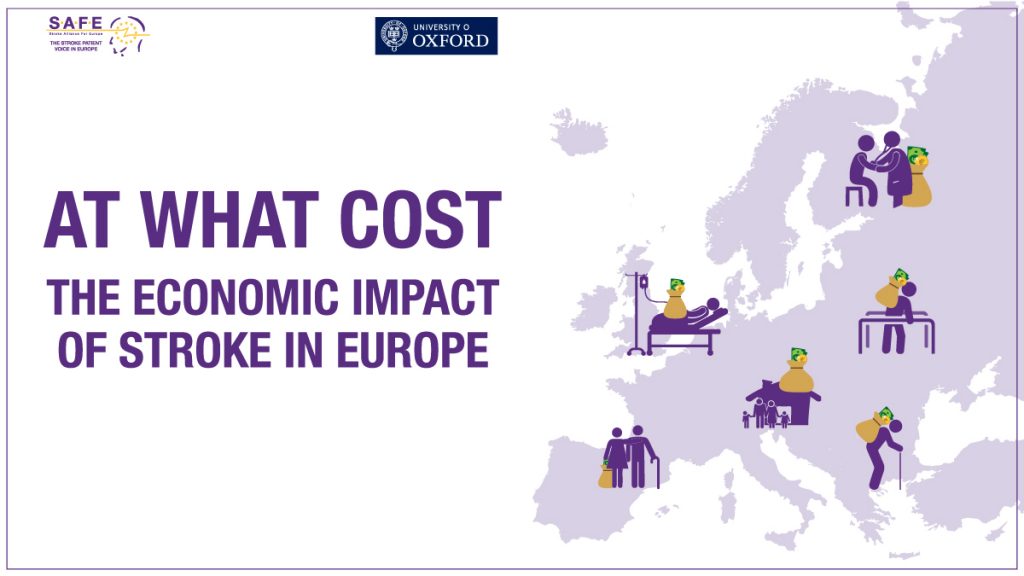
EIOS

Stroke research is underfunded in compared with other major chronic conditions and spend on stroke care is unclear across Europe.

In the Economic Impact of Stroke in Europe, SAFE set out to identify the full costs of stroke, including economic, societal and social costs. This will enable SAFE and our members to develop a robust case for investment in stroke prevention, care and rehabilitation.

The research was undertaken by the Health Economics Research Centre, University of Oxford and investigates the full current and full costs of stroke across the European Union plus Iceland, Israel, Norway, Switzerland and the UK.

At What Cost – the Economic Impact of Stroke in Europe report adds to the existing evidence that shows stroke care is woefully underfunded. The research shows that the total cost (health care, social care, informal care and productivity losses) of stroke care was €60 billion in 2017. Future costs of stroke care in Europe could increase to €86 billion in 2040 if we fail to invest in stroke prevention, treatments and rehabilitation.

The research was completed before COVID-19. Since the start of the pandemic, services have been diverted away from non-infectious conditions, including stroke care, therefore the projected costs in our report are likely to be even higher.

The report covers:

  • current cost of stroke along the whole stroke care pathway, including direct healthcare costs, the costs of informal care and productivity losses due to disability or death from stroke
  • projected future stroke costs for the next 20 years
  • analysis of three interventions in the latest stroke guidelines
    • the treatment of atrial fibrillation to prevent stroke,
    • mechanical thrombectomy (the clot retrieval from the blood vessel in the brain) in the acute phase of stroke
    • community-based rehabilitation after stroke.

The report concludes that no matter at which point in the stroke pathway you intervene – prevention, treatment, long-term care – there’s likely to be gains to be had in terms of patient outcomes and cost savings.

The full report, summary, factsheet and supplementary data are available to download.

SAFE’s recommendations

In 2017, nearly 1.5 million people suffered a stroke, nine million Europeans lived with a stroke, and more than 430,000 people died due to a stroke in the 32 countries under this study. The total cost of stroke in 2017 was a €60 billion.

The number of new strokes and the number of people living with stroke is set to rise due to ageing population in Europe, as age is the biggest, non-modifiable risk factor for stroke. The costs of stroke are projected to increase by 44% between 2017 and 2040, with some countries seeing rises in stroke-related costs of nearly 100%.

At What Cost – the Economic Impact of Stroke offers solutions to help reduce the burden of stroke and future proof healthcare services at the time when COVID-19 has amplified the problem and exposed already overstretched and failing healthcare systems. SAFE calls on the EU and national governments to make stroke care a priority and ensure it is fit for the future.

European countries should:

  • Adopt and implement a national stroke plan(Wrong; you need a strategy and leadership to run that strategy. Planning does nothing.)
  • Invest in stroke prevention, service provision and research
  • Accurately collect comparable data

The EU should:

  • Adopt a Resolution calling on Member States to implement the recommendations of the Stroke Action Plan for Europe
  • The creation of a stroke-specific subgroup in the Steering Group on Health Promotion, Disease Prevention and Management of non-communicable diseases
  • Include research into stroke as a key priority in Horizon Europe
 

Monday, December 23, 2019

Open Access for research

 We need open access to all research, for only by that access can survivors tell doctors what is currently  out there for use.   What is more important, patients getting the best information or profits? What is the point of publishing research anyway?  The real need is to distribute the created protocols to every stroke hospital in the world. Which if we had anything other than fucking failures of stroke associations would be done by said stroke associations. And until survivors are in charge such innovative ideas won't occur.  Your children and grandchildren will be screwed when they have strokes if we don't take charge.

Open Access

 President Donald J. Trump The White House 1600 Pennsylvania Avenue NW Washington, D.C. 20500

Dear President Trump:

The undersigned organizations represent the leading publishers and non-profit scientific societies in the United States. We write to you with deep concern regarding a proposed policy that has come to our attention that would jeopardize the intellectual property of American organizations engaged in the creation of high-quality peer-reviewed journals and research articles and would potentially delay the publication of new research results. The role of the publisher is to advance scholarship and innovation, fostering the American leadership in science that drives our economy and global competitiveness. As copyrighted works, peer-reviewed journal articles are licensed to users in hundreds of foreign countries, supporting billions of dollars in U.S. exports and an extensive network of American businesses and jobs. In producing and disseminating these articles, we make ongoing competitive investments to support the scientific and technical communities that we serve.

As noted above, we have learned that the Administration may be preparing to step into the private marketplace and force the immediate free distribution of journal articles financed and published by organizations in the private sector, including many non-profits. This would effectively nationalize the valuable American intellectual property that we produce and force us to give it away to the rest of the world for free. This risks reducing exports and negating many of the intellectual property protections the Administration has negotiated with our trading partners. We write to express our strong opposition to this proposal, but in doing so we want to underscore that publishers make no claims to research data resulting from federal funding.

To be clear, publishers both support and enable “open access” business models and “open data” as important options within a larger framework that assumes critical publisher investments remain viable. Under a legacy regulation that is still in force today, proprietary journal articles that report on federally funded research must be made available for free within 12 months of publication. This mandate already amounts to a significant government intervention in the private market. Going below the current 12 month “embargo” would make it very difficult for most American publishers to invest in publishing these articles. As a consequence, it would place increased financial responsibility on the government through diverted federal research grant funds or additional monies to underwrite the important value added by publishing.

In the coming years, this cost shift would place billions of dollars of new and additional burden on taxpayers. In the process, such a policy would undermine American jobs, exports, innovation, and intellectual property. It could also result in some scientific societies being forced to close their doors or to no longer be able to support the publication of U.S.-sponsored science that is key to ensuring that the U.S. remains the world leader in science and technology.
In addition to financing and managing a world-leading peer review process, publishers make extensive investments in education, research, and innovative digital platforms that advance American competitiveness and help ensure the quality and integrity of American science. Undermining the marketplace is unnecessary, counterproductive, and would significantly harm the system of peer-reviewed scholarly communication that fuels America’s leadership in research and innovation.

We urge you to oppose this proposed policy, and we look forward to working with the Administration on this matter.


Sincerely yours,


AMDA – The Society for Post-Acute and Long-Term Care Medicine American Academy of Allergy, Asthma & Immunology American Academy of Child and Adolescent Psychiatry American Academy of Family Physicians American Academy of Neurology American Academy of Ophthalmology American Academy of Orthopaedic Surgeons American Academy of Otolaryngology- Head and Neck Surgery American Academy of Pediatrics American Academy of Physical Medicine and Rehabilitation American Association for Anatomy American Association for Cancer Research American Association for Pediatric Ophthalmology and Strabismus American Association for the Study of Liver Diseases American Association for the Surgery of Trauma American Association of Immunologists American Association of Occupational Health Nurses American Association of Physicists in Medicine American Astronomical Society American Cancer Society American Ceramic Society American Chemical Society American College of Cardiology
American College of Emergency Physicians American College of Obstetricians and Gynecologists American College of Physicians American College of Radiology American College of Rheumatology American College of Surgeons American Contact Dermatitis Society American Council on the Teaching of Foreign Languages American Counseling Association American Dental Association American Diabetes Association American Gastroenterological Association American Geophysical Union American Geriatrics Society American Headache Society American Heart Association American Institute of Aeronautics and Astronautics American Institute of Chemical Engineers   American Oil Chemists Society American Medical Association American Neurological Association American Physiological Society American Psychiatric Association American Psychological Association American Sexual Health Association American Sexually Transmitted Diseases Association American Society for Clinical Pharmacology & Therapeutics American Society for Nutrition American Society for Biochemistry and Molecular Biology American Society for Bone and Mineral Research         American Society for Clinical Pathology American Society for Dermatologic Surgery Association American Society for Investigative Pathology
American Society for Parenteral and Enteral Nutrition American Society for Pharmacology and Experimental Therapeutics American Society for Radiation Oncology American Society for Reproductive Medicine American Society of Anesthesiologists American Society of Agricultural and Biological Engineers American Society of Agronomy American Society of Animal Science American Society of Civil Engineers American Society of Clinical Oncology American Society of Cytopathology American Society of Gene & Cell Therapy American Society of Health-System Pharmacists American Society of Heating, Refrigerating & Air-Conditioning Engineers American Society of Hematology American Society of Mechanical Engineers American Society of Nephrology American Society of Neurorehabilitation (ASNR) American Society of Plant Biologists American Society of Plastic Surgeons American Society of Transplantation American Society of Transplant Surgeons American Thoracic Society American Urological Association American Water Works Association Association for Computing Machinery Association for Molecular Pathology Association for Psychological Science Association for the Sciences of Limnology and Oceanography Association of American Publishers Association of Schools and Programs of Public Health Association of Teacher Educators Biophysical Society
Botanical Society of America Common Ground Research Networks Council of Medical Specialty Societies Council of Scientific Society Presidents Crop Science Society of America Ecological Society of America Elsevier Endocrine Society Financial Management Association Genetics Society of America Infectious Diseases Society of America Institute for Operations Research and the Management Sciences Institute of Food Technologists Institute of Industrial and Systems Engineers International Anesthesia Research Society International Literacy Association International Society for Sexual Medicine Journal of Diabetes Science and Technology, Diabetes Technology Society Kappa Delta Pi, International Honor Society in Education Macmillan McGraw-Hill Education Milbank Memorial Fund National Council on Family Relations National Kidney Foundation New England Journal of Medicine published by the Massachusetts Medical Society Orthopaedic Research Society Radiological Society of North America Seismological Society of America Shock Society Society for Leukocyte Biology Society for Research on Adolescence Society for the Psychological Study of Social Issues Society for Research in Child Development
Society of General Internal Medicine Society of Plastics Engineers Soil Science Society of America Software and Information Industry Association The Heart Rhythm Society The Histochemical Society The Journal of Bone & Joint Surgery, Inc. The Minerals, Metals & Materials Society The Optical Society The Triological Society The Voice Foundation University of Chicago Press U.S. Chamber of Commerce Wiley Wolters Kluwer

Cc:  The Honorable Mick Mulvaney, Director, Office of Management and Budget, Acting Assistant to the President and Chief of Staff The Honorable Wilbur Ross, Secretary of Commerce The Honorable Mike Pompeo, Secretary of State The Honorable Mark T. Esper, Secretary of Defense The Honorable Dan Brouillette, Secretary of Energy The Honorable Robert Lighthizer, United States Trade Representative The Honorable Russel Vought, Acting Director, Office of Management and Budget Joe Grogan, Assistant to the President for Domestic Policy Larry Kudlow, Director, National Economic Council Robert O’Brien, National Security Advisor The Honorable Kelvin Droegemeier, Director, Office of Science and Technology Policy The Honorable Andrei Iancu, Director, United States Patent & Trademark Office The Honorablgee Francis Collins, Director, National Institutes of Health The Honorable France A. Córdova, Director, National Science Foundation The Honorable Neil Jacobs, Assistant Secretary of Commerce for Environmental Observation and Prediction The Honorable Vishal Amin, Intellectual Property Enforcement Coordinator