Changing stroke rehab and research worldwide now.Time is Brain! trillions and trillions of neurons that DIE each day because there are NO effective hyperacute therapies besides tPA(only 12% effective). I have 523 posts on hyperacute therapy, enough for researchers to spend decades proving them out. These are my personal ideas and blog on stroke rehabilitation and stroke research. Do not attempt any of these without checking with your medical provider. Unless you join me in agitating, when you need these therapies they won't be there.

What this blog is for:

My blog is not to help survivors recover, it is to have the 10 million yearly stroke survivors light fires underneath their doctors, stroke hospitals and stroke researchers to get stroke solved. 100% recovery. The stroke medical world is completely failing at that goal, they don't even have it as a goal. Shortly after getting out of the hospital and getting NO information on the process or protocols of stroke rehabilitation and recovery I started searching on the internet and found that no other survivor received useful information. This is an attempt to cover all stroke rehabilitation information that should be readily available to survivors so they can talk with informed knowledge to their medical staff. It lays out what needs to be done to get stroke survivors closer to 100% recovery. It's quite disgusting that this information is not available from every stroke association and doctors group.

Showing posts with label stents. Show all posts

Saturday, June 13, 2020

Stent thrombosis may be more common in COVID-19 patients

Be careful out there. While this suggests waiting for further study on antiplatelet regimens, I'm going to demand immediate use of them, even though I have no stents to be concerned about. But I'm not medically trained so don't listen to me. 

Stent thrombosis may be more common in COVID-19 patients

Reuters Health Medical News|June 11, 2020
Stent thrombosis appears to be more common in patients with COVID-19, according to a case series.
"We don't want to create alarm," Dr. Juan G. Cordoba-Soriano of Complejo Hospitalario Universitario de Albacete, in Albacete, Spain, told Reuters Health by email. "In general, the risk is low, we think. In our center we had nearly 2,000 COVID-19 patients and only 4 stent thromboses (ST), but it is certain that it is a higher incidence than expected among percutaneous coronary intervention (PCI) procedures."
"During the peak of the pandemic at our center, we had the subjective feeling that presentation of patients with ST was higher than expected compared with our experience in normal conditions," he said. "Some other interventional cardiologists in Spain had the same feeling."
Dr. Cordoba-Soriano and colleagues describe four cases of coronary stent thrombosis between March 15 and April 5 at their center in a paper in JACC Case Reports.

The patients included a 49-year-old man who underwent primary angioplasty for a lateral ST-elevation myocardial infarction (STEMI), a 71-year-old man whose stent was placed following an inferior STEMI in 2007, an 86-year-old man whose stent was placed following a non-ST-elevation MI in 2018, and an 85-year-old man whose stent was placed in 2005.
Two patients had a cough and chest x-ray findings compatible with COVID-19, but confirmatory tests were not performed at the early stage of the pandemic. One of these patients later tested positive for IgG to SARS-CoV-2; the other was not tested. The third patient tested positive for SARS-CoV-2 RNA, and the fourth patient tested positive for IgM to SARS-CoV-2.
These four incidents represented 13% of PCIs performed during this period, compared with an overall incidence of ST of 1.2% during 2019.
"This virus is highly thrombogenic," Dr. Cordoba-Soriano said. "As we have learnt that anticoagulation is key in the management of these patients, it is important to treat them with the currently available support of the guidelines and according to their recommendations when they present with an acute coronary syndrome."
He endorsed the careful use of antiplatelet regimens in these patients, pending further study.
"We decided to perform a multicenter registry, which we hope will be published soon by another colleague," Dr. Cordoba-Soriano added.
—Will Boggs MD
To read more, click here

Monday, January 20, 2020

After Stroke, Women and Men Significantly More Likely to Have a Cardiac Event

So you described a problem but offered no solution, either to prevent the event or to analyze the likelihood of occurrence. Should a coronary angiogram be done? Aggressive removal of plaque?  Stents?

Do you want the lawnmower?
http://www.articlecity.com/videos/health/Lawnmower-For-Clogged-Arteries-175286465.php
Or Drano? I would be worried about this, sloughing off chunks
http://www.ivanhoe.com/channels/p_channelstory.cfm?storyid=26404
Or conventional?
http://video.answers.com/learn-about-coronary-bypass-surgery-286302728

Or this?

Israeli study uses gold particles to ‘seek and destroy’ artery blockages

The latest here:

After Stroke, Women and Men Significantly More Likely to Have a Cardiac Event

Both women and men are significantly more likely to have a myocardial infarction (MI) or another major cardiovascular event within 30 days of having a stroke, according to a study published in Stroke.

The study demonstrated for the first time that in people with no underlying heart disease, after a stroke, they were more than 20 times more likely than those who didn’t have a stroke (23-fold in women and 25-fold in men) to have a first-in-life major adverse cardiovascular event.

This risk decreased after 30 days, but even 1 year after a stroke, men and women both still had twice the risk of a major cardiac event than those who didn’t have a stroke.

For the study, Luciano Sposato, University of Western Ontario’s Schulich School of Medicine & Dentistry, London, Ontario, and colleagues examined data for more than 90,000 adults aged older than 65 years in Ontario with no pre-existing clinical diagnosis of heart disease. The researchers examined the incidence of cardiac events in 2 groups -- a group of just over 20,000 that had a stroke and a group of approximately 70,000 individuals without stroke but with similar vascular risk factors, comorbidities, and demographic characteristics.

The researchers pointed out that the connection between cardiovascular events and stroke has often been believed to be the result of shared risk factors, such as high blood pressure, diabetes or smoking. However, in the current study there was the same proportion of these risk factors in the stroke group and in the non-stroke group.

“This shows that after taking risk factors into consideration, having experienced a recent stroke was independently associated with the incidence of major adverse cardiac events,” said Dr. Sposato. “This leads us to believe that there are underlying mechanisms linked to stroke that may be causing heart disease.”

He hopes this information will inform clinical practice and encourage healthcare providers to watch for cardiovascular symptoms(Hell, a dog can watch for cardiovascular symptoms, barking when they fall to the floor.) in patients who recently had strokes.

“My hope is that neurologists, cardiologists, and scientists can work more closely together on this brain heart connection so that in the future we can understand and target the underlying mechanisms to prevent heart disease after stroke,” he said.

Reference: https://www.ahajournals.org/doi/10.1161/STROKEAHA.119.028066

SOURCE: University of Western Ontario

Wednesday, November 15, 2017

Delayed ischemic stroke due to stent marker band occlusion after stent-assisted coiling

Be careful out there. I'm not planning on putting inflexible metal stents into my flexible arteries. But I'm not medically trained and should never be listened to.
http://www.docguide.com/delayed-ischemic-stroke-due-stent-marker-band-occlusion-after-stent-assisted-coiling

Kawabata S, Imamura H, Suzuki K, Tani S, Adachi H, Sakai N; BMJ Case Reports 2017 (Nov 2017)

A middle-aged patient with an internal carotid-posterior communicating artery aneurysm and basilar artery tip aneurysm was treated by stent-assisted coiling. One ischemic infarction and two transient ischemic attacks occurred with the same symptoms (inability to walk unassisted and tendency to fall to the left) during the first 2 years post-treatment. The ischemic infarction was found in the right side of the pons, consistent with the vascular territory of the stent-containing vessel. The cause of the delayed ischemic stroke was investigated on DSA and cone beam CT, which revealed that the proximal end of the stent, one marker band, was just covering a small perforating artery of the basilar artery trunk. The present case suggests that marker band occlusion can induce delayed ischemic stroke. To prevent this complication, it is important to evaluate the perforating vessels preoperatively and carefully deploy a stent for the marker band to avoid occlusion of large perforating vessels. Post-treatment evaluation is also important because dual antiplatelet therapy will be required for a longer period if an artery is occluded by a marker band.

Wednesday, September 20, 2017

Verapamil eluting stents as a possible treatment for vasospasm after subarachnoid hemorrhage

No idea what time frame we are talking about here. 
http://www.docguide.com/verapamil-eluting-stents-possible-treatment-vasospasm-after-subarachnoid-hemorrhage

Bhambri P, Sarvi A, Wong J, Sundararaj U, Mitha A; Journal of Neurointerventional Surgery 9 (9), 875-879 (Sep 2017)

OBJECTIVE The only pharmacologic prophylaxis for cerebral vasospasm after subarachnoid hemorrhage is oral nimodipine. A novel way to mitigate this risk may be to design a drug eluting stent that elutes verapamil over the time period typically associated with vasospasm. In this study, we explore different methods of coating nitinol stents with a bioabsorbable polymer and determine the release profile of various verapamil coated stents for the potential treatment of vasospasm.
METHODS Nitinol stents were coated with different concentrations of poly(lactic acid-co-glycolic acid) (PLGA) in chloroform solution and using three coating techniques: dip coating, spin coating, and electrospinning. Morphology of the coatings were studied with scanning electron microscopy. 12 verapamil eluting stents were then prepared using different verapamil concentrations and coatings with different numbers of layers. Drug release behaviors were studied using UV spectroscopy for 21 days.
RESULTS Electrospinning at 20% w/v resulted in a smooth uniform coating without significant surface irregularities, and may be the most effective technique to coat stents. Stents with a single layer of PLGA/verapamil coating showed a two phase release profile (initial burst release followed by a slow rate of release) whereas stents with a bilayer coating showed a lower level of initial release followed by a slower sustained release phase.
CONCLUSIONS Development of verapamil eluting stents that elute drug over the time course typical of cerebral vasospasm, and for either immediate or prophylactic treatment, is technically feasible. Further in vitro and in vivo studies are required to determine whether this can improve the outcome of patients after subarachnoid hemorrhage.

Thursday, April 20, 2017

Safety and Efficacy of Remote Ischemic Preconditioning in Patients with Severe Carotid Artery Stenosis Prior to Carotid Artery Stenting: A Proof-of-Concept, Randomized Controlled Trial

So when you know you are going to have a stroke ask your doctor for these preconditioning protocols. Maybe when you are getting stented since ischemic events occur during and after stenting.
http://www.docguide.com/safety-and-efficacy-remote-ischemic-preconditioning-patients-severe-carotid-artery-stenosis-prior-ca?

Zhao W, Meng R, Ma C, Hou B, Jiao L, Zhu F, Wu W, Shi J, Duan Y, Zhang R, Zhang J, Sun Y, Zhang H, Ling F, Wang Y, Feng W, Ding Y, Ovbiagele B, Ji X; Circulation (Feb 2017)

BACKGROUND -Remote ischemic preconditioning (RIPC) can inhibit recurrent ischemic events effectively in patients with acute or chronic cerebral ischemia. However, it is still unclear that whether RIPC can impede ischemic injury after carotid artery stenting (CAS) in patients with severe carotid artery stenosis.
METHODS -Subjects with severe carotid artery stenosis were recruited in this randomized controlled study, and assigned to RIPC, sham and no intervention (control) groups. All subjects received standard medical therapy. Subjects in the RIPC and sham groups underwent RIPC and sham RIPC twice daily respectively for 2 weeks prior to CAS. Plasma NSE and S-100B were used to evaluate safety, hypersensitive C-reactive protein (hs-CRP) and new ischemic DWI lesions were used to determine treatment efficacy. The primary outcomes were the presence of ≥ 1 newly ischemic brain lesions on DWI within 48 hours after stenting and clinical events within 6 months after stenting.
RESULTS -We randomized 189 subjects in this study (63 subjects in each group). Both RIPC and sham RIPC procedures were well tolerated and completed with high compliance (98.41% and 95.24% respectively). Neither plasma NSE levels nor S-100B levels changed significantly before and after treatment. No severe adverse event was attributed to RIPC and sham RIPC procedures. The incidence of new DWI lesions in the RIPC group (15.87%) was significantly lower than the sham group (36.51%; RR 0.44; 96% CI 0.20 to 0.91, p<0.01) and the control group (41.27%; RR 0.39, 96% CI 0.21 to 0.82; p&ly;0.01). The volumes of lesions were smaller in the RIPC group compared to the control and sham groups (p<0.01 each). Ischemic events occurred after CAS were 1 TIA in RIPC group, 2 strokes in control group and two strokes and one TIA in sham group, but these results were not significantly different among three groups (p=0.597).
CONCLUSIONS -RIPC is safe in patients undergoing CAS, which may be able to decrease ischemic brain injury secondary to CAS. However, the mechanisms and effects of RIPC on clinical outcomes in this cohort of patients need further investigation.Clinical Trial Registration-URL: http://www.clinicaltrials.gov. Unique identifier: NCT01654666.

Saturday, April 8, 2017

The Stroke Miracle Cure You Probably Can’t Get Clot-retrieving stents, which require a lot of personnel and training, are still tough to find at America’s hospitals


Good luck finding a stroke hospital close enough and well equipped.
https://www.bloomberg.com/news/articles/2017-04-06/the-stroke-miracle-cure-you-probably-can-t-get 
From Reprints 


Source: Stryker Corp.
Lee Bekemeyer collapsed on the driving range at Stoneybrook West Golf Club one morning in 2015, a massive stroke choking off the flow of blood to his brain. The 86-year-old real estate broker couldn’t get up, move his right side, or speak. One in eight patients with such acute strokes dies within months, and two in three suffer lasting complications such as paralysis, slurred speech, and trouble walking or caring for themselves. Bekemeyer wasn’t one of them.
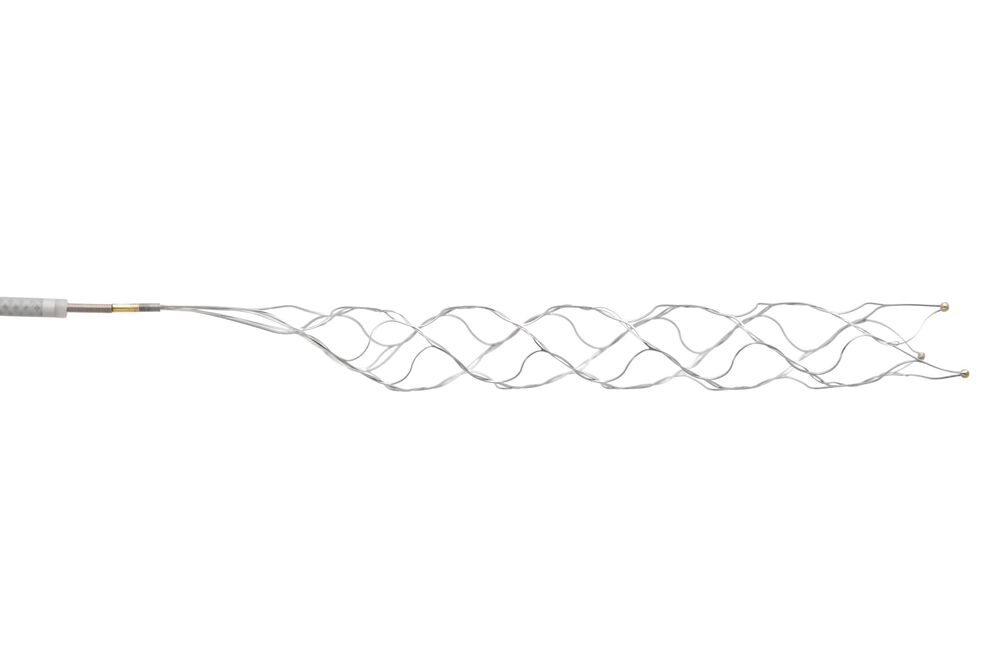
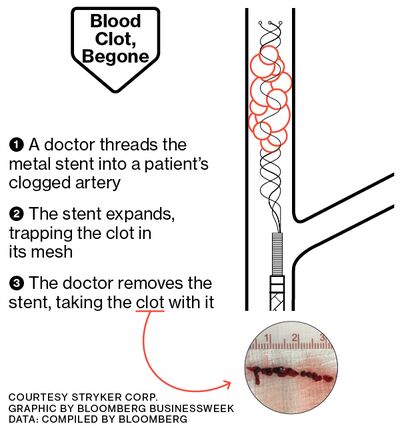
He was rushed 15 miles to Florida Hospital in Orlando, a comprehensive stroke center. After a CT scan, doctors threaded a metal stent through an artery into his brain, then expanded it to snare and extract the clot, allowing blood to flow freely again. The entire process took less than two hours. “I was walking to the bathroom that night, and I think I was 95 percent back the next day. It was miraculous,” Bekemeyer says. “Not every hospital has a team that does this.”
In the field of stroke treatment, the maxim is “time is brain,” because every minute with a clot costs a patient millions of brain cells. By that standard, Florida Hospital is exceptional. Last year 81 percent of its stroke patients were treated within two hours of arrival, up from 22 percent in 2013, according to Indrani Acosta, the director of stroke care. Many who might have been sent to a nursing home went to a rehab center instead, she says, while people who would have gone to a rehab center could go straight home.


Blood clot graphic. Courtesy Stryker Corp.
That’s due in part to clot-retrieving stents such as the one used on Bekemeyer. They’re sold for about $8,000 by companies including Medtronic Plc and Stryker Corp., and according to a 2015 study published in the New England Journal of Medicine, 60 percent of stroke patients treated with a stent retriever functioned independently after three months, compared with 35 percent of those given drugs alone. (I still bet this is time to delivery rather than stent vs. tPA, followup needed.)About 240,000 of the 700,000 Americans who suffer strokes each year have blockages in arteries large enough to be treated with these kinds of clot-retrieving stents. But only about 28,000 were treated with one last year, says Stacey Pugh, vice president of Medtronic’s neurovascular unit.
The stents, while relatively cheap in hardware terms, are rare outside of the roughly 150 specialized facilities in the U.S. known as comprehensive stroke centers, because they require an in-house neurosurgery unit, minute-saving training, and space. As a result, the devices have become a bit of a flashpoint among doctors who say more facilities around the country should be equipped to handle extreme cases like Bekemeyer’s. The procedure just isn’t available in many parts of the country.
“These treatments need to be available in the community, and access needs to be fair,” says Lee Schwamm, chief of stroke services at Massachusetts General Hospital and a professor of neurology at Harvard Medical School. “We need them to be more equitably distributed. Many are packed in big cities, and there aren’t enough in suburban communities and strategic locations in less populated areas.”
Among America’s 1,100 or so hospitals equipped to deal with more minor strokes, the priority is speedy injection of a drug called tPA, which over the past two decades has become the standard of care to break up smaller, less accessible clots. If a paramedic thinks a patient is suffering a stroke more minor than what Bekemeyer experienced, it may not be worth passing a couple of hospitals to head for a bigger pool of stroke experts, as Bekemeyer’s paramedic did.
“I can see the desire to open more comprehensive stroke centers, and we are moving in that direction,” says Acosta of Florida Hospital. “But our field is not as big as the cardiology field,” which numbers about 30,000 doctors in the U.S. “There are fewer neurologists by far”—roughly 16,000.
Efforts to bring the stents into the mainstream have also been sidetracked by the failures of early versions, which cleared clogged arteries but also resulted in some uncontrolled bleeding in the brain and some deaths. Three major trials of those earlier techniques failed as recently as 2013. Since the 2015 NEJM report, however, a flurry of five positive studies, the most recent one published in March, has led more doctors to push for wider adoption.
Medtronic says its research shows that stent-based clot removal also cuts health-care costs. Initial treatment including a clot retriever runs $45,761, vs. $28,578 for treatment with drugs alone. For the next 90 days, however, those patients generate $5,000 less in medical expenses, and over the patient’s lifetime, Medtronic’s Solitaire retriever could save $23,203.
“A stroke patient was a stroke patient until two years ago. There was one thing you could do for them, and that was to give them tPA,” says Medtronic’s Pugh. “The health-care system is evolving to come into alignment with the data. It needs to evolve faster.”
An additional 350 U.S. medical facilities are equipped to perform the stent procedure and are working to receive certification as comprehensive stroke centers. And a pending Stryker study suggests that the stent treatment may be effective as long as a full day after the onset of a stroke, potentially making it much more accessible for a wider range of people.


Bekemeyer recommends it. He was golfing again within a month of his stroke and, at 88, continues to hit the links several times a week. He navigates a 19-step circular stairway to get to his bedroom every night. And he allows himself to marvel. “I would have thought if I had a massive stroke the way I did, I would be finished for the rest of my life,” he says. “I would have rather gone on out than to never fully recover.”

Friday, February 19, 2016

A Decade Later, Stents Durable for Stroke Prevention

My problems with stents has to do with putting an unflexible medical implement into flexible arteries. But I obviously know nothing. 

A Decade Later, Stents Durable for Stroke Prevention


If stents are as safe and durable as surgery at 5 years, will that equipoise still be evident at 10 years? Yes, and what's more, at 10 years patients who underwent stenting or endarterectomy to treat severe carotid stenosis were no more likely to have a stroke than same age healthy patients.
Those findings emerged from the long term follow-up of study of CREST, initial results of which were reported in 2010 and which paved the way for FDA approval of Abbott Vascular's Acculink carotid stent. Thomas G. Brott, MD, of the Mayo Clinic, Jacksonville reported the 10-year results at the International Stroke Conference here; the results were simultaneously published in The New England Journal of Medicine.
The results followed by a day the findings from ACT-1, which found that stenting was as good as surgery for asymptomatic patients and those results were durable for 5 years.
But ACT-1 enrolled only asymptomatic patients with stenosis of at least 70% and CREST included both symptomatic and asymptomatic patients, Brott said.
Yet the CREST results face the same issue as ACT-1: relevancy. Both studies began recruiting patients during an era when medical management of patients was not terribly effective. Medical management was based on data from the 1980s, when "there would have been ash trays in this room," Brott noted at a press conference.
Since that time medical management has kicked into high gear with "systolic blood pressure targets of less than 140 mmHg, LDL less than 70 mg/dL, A1C targets are lower, and there is aggressive use of statins," he added. Lifestyle interventions -- smoking cessation, diet, and exercise programs -- are now standard practice.
Although the overall findings from CREST solidly confirmed the non-inferiority of stenting, the results also found an increase in early events, mostly minor stokes, among the stent patients. This mirrored the results from ACT-1.
Indeed the advances in medical management were noted in an accompany NEJM editorial by British stroke researchers J. David Spence, MD, and A. Ross Naylor, MD. They wrote that the benefit of modern medical therapy "is certainly a highly topical and controversial issue in the current era, because data from both randomized trials [ACT-1 and CREST] and nonrandomized studies suggest that the annual rate of stroke among medically treated asymptomatic patients has declined over the past two decades, regardless of the severity of stenosis at baseline."
Brott told MedPage Today that the answer to that conundrum -- medical management, stenting, or endarterectomy -- should be forthcoming from the CREST 2 study, of which he is also the principal clinical investigator.
That trial, which has about 70 participating centers thus far and an enrollment of roughly 200 patients, "is a COURAGE trial for stroke," Brott said, citing the landmark study that compared optimal medical therapy to stenting -- mostly with bare metal stents -- in patients with stable angina. The results, which found no benefit for stenting over medical management, set off a firestorm in the cardiology world pitting medical cardiologists against interventionalists. And the "final" answer turned out to be less than final as the results continue to be challenged.
Mark Alberts, MD, of UT Southwestern Medical Center in Dallas, who is a spokesperson for the American Stroke Association, said that taken together CREST and ACT-1 provide confirmation that stenting is a viable option, but he agreed that medical management needs to be investigated. Asked if he would be comfortable recommending only medical management for an asymptomatic patient, he replied, "I would be comfortable recommending that patient for the CREST-2 trial."
The original CREST study recruited 2,502 patients, of whom 47.2% were asymptomatic, and 1,607 of them (52.5% asymptomatic) agreed to the full 10-year follow-up.
There was no significant difference in the 10-year rates of the primary composite endpoint -- stroke, MI, or death during the periprocedural period or ipsilateral stroke during follow-up. In the stent group, 11.8% reached the composite endpoint (95% CI 9.1%-14.8%) versus 9.9% in the surgery group (95% CI 7.9%-12.2%). The 10-year primary long-term endpoint was postprocedural ipsilateral stroke, which occurred in 6.9% of the stent group (95% CI 4.4%-9.7%) and 5.6% of surgery patients (95% CI 3.7%-7.6%).
From the American Heart Association:

Tuesday, December 8, 2015

Incidence of delayed ipsilateral intraparenchymal hemorrhage after stent-assisted coiling of intracranial aneurysms in a high-volume single center

You'll have to be awake and cognitive enough to ask your doctor if they are monitoring you for a hemorrhage after they coil an aneurysm. It has already been noted that strokes in hospitals have worse treatment and outcomes.  Be careful out there. 

Incidence of delayed ipsilateral intraparenchymal hemorrhage after stent-assisted coiling of intracranial aneurysms in a high-volume single center


Kayan Y, Almandoz J, Fease J, Tran K, Milner A, Scholz J; Neuroradiology (Nov 2015)

INTRODUCTION Delayed ipsilateral intraparenchymal hemorrhage (IPH) has been reported following technically successful treatment of intracranial aneurysms using flow-diverting stents in up to 8.5 % of patients. We report a similar, though less frequent phenomenon in the setting of stent-assisted coil embolization.
METHODS Institutional review board approval was obtained. A retrospective analysis of a prospective neurointerventional procedure registry was performed to review all IPHs that occurred in aneurysm patients within 90 days of endovascular treatment performed between November 2002 and November 2014 at one institution. Age, sex, hypertension, dual antiplatelet therapy, and technical details of the procedure were recorded.
RESULTS A total of 1697 patients underwent endovascular treatment of an intracranial aneurysm without a flow diverter at our institution during the study period. Among these, 138 patients underwent stent-assisted coiling (8.1 %). Of these, three patients (2.2 %) suffered a delayed IPH within the vascular territory distal to the treated lesion (one woman, median age 60 years).
CONCLUSIONS Recently described in the setting of flow diversion, delayed ipsilateral IPH is not limited to flow-diverting stents. Though less frequent, a potential for this complication may exist following any intracranial stenting procedure, possibly related to hemorrhagic conversion of microembolic phenomena in the setting of dual antiplatelet or anticoagulation therapy.

Tuesday, November 10, 2015

Long-term follow-up study of 35 cases after endovascular treatment for vertebrobasilar dissecting aneurysms

You'll have to ask your doctor how your results compare to these and what changes will be made to make the process better.
http://www.docguide.com/long-term-follow-study-35-cases-after-endovascular-treatment-vertebrobasilar-dissecting-aneurysms?

Zang Y, Wang C, Zhang Y, Ding X, Wang Y, Wang X, Wang Z; Clinical Neurology and Neurosurgery 137 121-31 (Oct 2015)

OBJECTIVE Vertebrobasilar dissecting aneurysm (VBDA) management is challenging despite the availability of multiple treatment strategies. We reviewed our experiences using endovascular treatment for VBDA patients to assess the efficacy and safety of several VBDA treatment strategies.
METHODS Assisted by intra-arterial digital subtraction angiography, 35 patients in our hospital were treated using various VBDA treatment strategies, including stent-assisted coil embolization (20 patients), placement of single or multiple overlapping stents (5 patients) or coil embolization combined with proximal coil trapping of the dissected segment of the parent artery (CE+PT; 10 patients). We retrospectively reviewed the perioperative records of all 35 patients and the post-procedure angiographic and clinical outcomes of 31 available patients.
RESULTS Of the 25 cases with ruptured VBDAs, 14 underwent stent-assisted coil embolization, 2 underwent multiple overlapping stent placement and 9 underwent CE+PT. Perioperative complications occurred in four cases (16.0%), including one aneurysm rupture and one parent artery thrombosis during the procedure and two incidences of brainstem ischemia after the procedure. Clinical outcome evaluations were performed using the Modified Rankin Scale and resulted in the following scores: 0-2 for 22 patients (22/25, 88.0%), 5 for one patient (1/25, 4.0%) and 6 for two patients (2/25, 8.0%). No cerebral bleeding events or deaths occurred during the follow-up period. Of the 10 cases with unruptured VBDAs, six underwent stent-assisted coil embolization, three underwent single or multiple overlapping stent placement and one patient underwent CE+PT. All 10 of the patients with unruptured VBDAs had favorable clinical and radiologic outcomes without procedure-related complications.
CONCLUSIONS For patients with ruptured VBDAs, the complication rate associated with endovascular treatment is acceptable. CE+PT is better than stent coiling in preventing aneurysmal rerupture, but is associated with a high incidence of ischemic stroke. For unruptured VBDAs, endovascular treatment is associated with good clinical outcome without perioperative complications, including rerupture and ischemic stroke. However, the high postoperative recurrent aneurysm risk suggests the necessity of long-term angiographic follow-up monitoring of VBDA patients who undergo endovascular treatments.

Tuesday, June 10, 2014

A Comparison of Clinical Outcomes From Carotid Artery Stenting Among US Hospitals

My doctors at the hospital never found that my right carotid artery was about 80% blocked at time of stroke. The dissection of that artery and subsequent throwing of a clot caused my stroke. Incompetence in all its glory. It is now completely closed up, wonderful news that is.  I most certainly do not need that artery for my mental or physical abilities. You doctor needs to explain Circle of Willis to you and themselves.
Will your doctor inform you of these other possibilities for treating plaque in your arteries?
1.  Treatments for clogged arteries - lawnmower, drano or conventional?  
2.  Watermelon juice reverses hardening of the arteries
3.   http://oc1dean.blogspot.com/2011/08/beets-brain-health.html
4.  New artery blockage treatment may be in the offing

As someone from the medical profession mentioned to me once, 'Why would you consider putting inflexible metal items in flexible blood vessels?'
The comparison here:
http://circoutcomes.ahajournals.org/content/early/2014/06/03/CIRCOUTCOMES.113.000819.abstract
  1. Peter W. Groeneveld, MD, MS
+ Author Affiliations
  1. From the Department of Veterans Affairs’ Center for Health Equity Research and Promotion, Philadelphia Veterans Affairs Medical Center, PA (A.J.E., P.W.G.); Division of General Internal Medicine, Department of Medicine, Perelman School of Medicine, University of Pennsylvania, Philadelphia (A.J.E., L.Y., F.Y., P.W.G.); and Leonard Davis Institute of Health Economics, University of Pennsylvania, Philadelphia (A.J.E., P.W.G.).
  1. Correspondence to Peter W. Groeneveld, MD, MS, Division of General Internal Medicine, Department of Medicine, Perelman School of Medicine, University of Pennsylvania, 1229 Blockley Hall, 423 Service Dr, Philadelphia, PA 19104-4155. E-mail petergro@upenn.edu

Abstract

Background—The Centers for Medicare and Medicaid Services require hospitals performing carotid artery stenting (CAS) to recertify the quality of their programs every 2 years, but currently this involves no explicit comparisons of postprocedure mortality across hospitals. Hence, the current recertification process may fail to identify hospitals that are performing poorly in relation to peer institutions. Our objective was to compare risk-standardized procedural outcomes across US hospitals that performed CAS and to identify hospitals with statistically high postprocedure mortality rates.
Methods and Results—We conducted a retrospective cohort study of Medicare beneficiaries who underwent CAS from July 2009 to June 2011 at 927 US hospitals. Thirty-day risk-standardized mortality rates were calculated using the Hospital Compare statistical method, a well-validated hierarchical generalized linear model that included both patient-level and hospital-level predictors. Claims were examined from 22 708 patients undergoing CAS, with a crude 30-day mortality rate of 2.0%. Risk-standardized 30-day mortality rates after CAS varied from 1.1% to 5.1% (P<0.001 for the difference). Thirteen hospitals had risk-standardized mortality rates that were statistically (P<0.05) higher than the national mean. Conversely, 5 hospitals had risk-standardized mortality rates that were statistically (P<0.05) lower than the national mean.
Conclusions—We used administrative claims to identify several CAS hospitals with excessively high 30-day mortality after carotid stenting. When combined with information currently used by Medicare for CAS recertification, such as clinical registry data and program reports, clinical outcomes comparisons could enhance Medicare’s ability to identify hospitals that are questionable candidates for recertification.

Wednesday, February 19, 2014

Researchers Develop Sticky Nanoparticles to Fight Heart Disease

And whom is going to research this for stroke?
 ANYONE?
http://www.biosciencetechnology.com/videos/2014/02/researchers-develop-sticky-nanoparticles-fight-heart-disease?#.UwUTBBC38zs
Clemson University researchers have developed nanoparticles that can deliver drugs targeting damaged arteries, a non-invasive method to fight heart disease. Heart disease is the leading cause of death in the U.S., according to the Centers for Disease Control and Prevention. One of the standard ways to treat clogged and damaged arteries currently is to implant vascular stents, which hold the vessels open and release such drugs as paclitaxel. The researchers, led by Clemson bioengineering professor Naren Vyavahare, hope their advanced nanoparticles could be used alongside stents or in lieu of them.

Video and more at link

Monday, May 13, 2013

Stent, then angioplasty, could increase the risk of stroke, suggests CREST analysis

I'm putting this out there for two reasons.
1. Letting you know about risks your doctor should be telling you about.
2. highlighted text about why carotid arteries are cleaned.
http://www.theheart.org/article/1538115.do?utm_medium=email&utm_source=20130513_heartwire&utm_campaign=newsletter
Performing balloon angioplasty following the deployment of a carotid stent reduces the risk of restenosis but also appears to increase the risk of stroke, according to an analysis of the Carotid Revascularization Endarterectomy Versus Stenting Trial (CREST) [1].
The analysis, presented at the Society for Cardiovascular Angiography and Intervention (SCAI) 2013 Scientific Sessions, showed that poststent angioplasty reduced the risk of restenosis by 64% but was associated with a nearly fourfold increased risk of periprocedural stroke (hazard ratio 3.7; 95% CI 0.5-27.9).
Speaking with the media, lead investigator Dr Mahmoud Malas (Johns Hopkins University, Baltimore, MD) noted that the 30-day stroke risk following carotid stenting in CREST, at 4.1%, was the lowest reported in all the clinical trials to date, with a stroke rate approximately half that observed in the European trials. Still, there are aspects of the procedure, including technical aspects, which might help reduce the risk of stroke further.
Do you believe the p value or the clinical outcomes?
"A lot of interventionalists like to balloon after stenting, and I always thought that might increase the risk of showering emboli to the brain and increase the risk of stroke," said Malas. "We went back to the CREST data to see the effects [of balloon angioplasty after stenting] on the risk of stroke and restenosis. We found that there was a difference in the risk of stroke. It was not statistically significant, but there was a lot more stroke in the group that had the stent ballooned after it was deployed compared with the group that only had the balloon prior to stenting."

19 strokes vs one stroke in the two arms
The CREST study compared carotid artery stenting and carotid endartectomy for stroke prevention in patients with both asymptomatic and symptomatic extracranial carotid stenosis. The primary end point was a composite, including any clinical stroke, MI, or death during the periprocedural period, plus ipsilateral stroke on the vessel that was treated, with patients followed up to four years. No significant difference between the two treatment groups was seen on the primary end point, and Kaplan-Meier curves confirmed most events were periprocedural.
Led by Malas, the researchers retrospectively analyzed the data on patients who received a carotid stent in CREST and compared the risk of stroke and two-year restenosis rates in patients who received only balloon angioplasty before the procedure vs those who received poststent-deployment angioplasty. In total, 69 patients underwent predilation angioplasty, 344 underwent poststent-deployment angioplasty, and 687 received both pre- and poststent angioplasty.
There were 20 periprocedural strokes, including 19 among patients who underwent poststent deployment angioplasty and one patient who received balloon angioplasty before the stent (5.5% vs 1.5%, respectively; p=0.26). Two-year rates of restenosis were 10.3% in the group who received prestent balloon angioplasty and 3.7% in the group treated with balloon angioplasty following stenting, a difference that was statistically significant (p=0.02).

Stroke vs restenosis: The tradeoff
Despite the reduction in restenosis, Malas said the improvement is not a clinically meaningful measurement, because most cases are asymptomatic, and physicians do not necessarily need to intervene if it occurs. In contrast to the coronary arteries, where restenosis is a major issue because of blood flow to the heart muscle, the carotid artery is a "very different animal."
"When we're trying to fix the carotid artery, we're not really trying to improve blood flow to the brain," said Malas. "That's a very common misunderstanding. The idea is that when you have this atherosclerotic lesion, it can break off and cause a stroke. The whole idea with carotid endartectomy is to remove the plaque, and the amazing thing is that stents work because even though you're not removing the plaque, you're just pushing the plaque against the wall of the artery, you get this nice intimal hyperplasia."
Currently, there are no guidelines to direct physicians with regard to postdilation following stent deployment. There is a tendency among interventionalists to position the stent as perfectly as possible, and for this reason angioplasty is frequently employed after the procedure. However, this study questions whether that extra risk is needed, said Malas. Although the study was not powered to detected differences between the pre- and poststent angioplasty groups, and despite the lack of statistical significance, Malas said clinicians should be aware of the potential stroke risks if they elect to perform angioplasty after the stent is placed.
"It becomes a judgment call on the part of the interventionalist doing the procedure," said Malas. "Do you believe the p value or the clinical outcomes? To me, I don't want the patient to have a stroke. I'd rather have restenosis."

Sunday, February 5, 2012

OHSU study points to advances in stroke treatment

I know these people are congratulating themselves but there are still lots of questions to be answered. Has the cascade of death been solved? Glutamate poisoning, excitotoxicity, non-opening of capillaries due to pericytes. MRIs on a daily basis would prove it one way or the other.
http://www.portlandtribune.com/news/story.php?story_id=132829796860830800

A new procedure to help people in the crucial first hours after they have suffered strokes may soon be the standard of care, according to an Oregon Health & Science researcher who contributed to a study released Friday.

Traditionally, victims of strokes – which involves clots blocking the flow of blood to the brain – are treated with a corkscrew-like device that is twisted into the clot and gently pulled out. The new procedure opens the blocked artery by inserting into the brain a small mesh stent made of platinum and titanium. The stent expands the interior walls of the artery and allows blood to get to the patient’s brain. The clot is captured by the sent and after a few minutes the stent and clot are removed together.

A study of the new procedure was presented this morning at a medical conference in New Orleans. The study involved more than 140 stroke patients at 18 medical centers throughout the U.S., 35 of whom were treated at OHSU.

The new stent procedure appeared more effective than a traditional device, according to the study. More than half the patients treated with the stent were classified as having “excellent neurological outcomes.”

Only one in three with the corkscrew procedure earned that designation.

In addition, 17 percent of the patients treated with the stent died, compared to 38 percent treated with the traditional device.

Wayne Clark, director of the Oregon Stroke Center at OHSU and a co-author of the study, says Covidien, which manufactures the stent and funded the study, is applying for approval of the device from the U.S. Food and Drug Administration.

“I really think this is going to be a game changer,” Clark says.

Monday, January 30, 2012

CMS says? More data needed on best management of blocked carotid arteries

For those who need more information on the possibilities for their carotid arteries.
http://www.cardiovascularbusiness.com/index.php?option=com_articles&view=article&id=31546:cms-says-more-data-needed-on-best-management-of-blocked-carotid-arteries
The Centers for Medicare & Medicaid Services (CMS) held a meeting Jan. 25 with the hope of strengthening carotid atherosclerosis management. During said meeting, the Medicare Evidence Development & Coverage Advisory Committee (MEDCAC) voted on evidence, procedures and the most beneficial strategies for the management of atherosclerosis to prevent stroke with most members agreeing that more data are necessary.

Currently, CMS covers coronary artery stenting for patients at a high risk of adverse events from carotid endarterectomy (CEA) for:
  • Symptomatic patients with ? 70 percent stenosis;
  • Symptomatic patients with a 50 to 70 percent stenosis when procedures are performed in FDA approved category B IDE trials or FDA approved post approval studies; and
  • In asymptomatic patients with ? 80 percent stenosis when procedures are performed in FDA approved trials.

Members looked at both symptomatic and asymptomatic patients population to discuss whether carotid artery stenting (CAS), CEA and optimal medical therapy (OMT) improved outcomes in atherosclerotic patients. Additionally, CMS looked to understand whether previously published data on the topic is generalizable to the Medicare population.

Members voted on six questions and used the following responses: low confidence, intermediate confidence or high confidence. Questions dealt with whether CAS or CEA is the favored treatment strategy in various patient populations, previous data outlining the benefits/risks of CAS or CEA as opposed to OMT and what should be done in the future, among others.

During the meeting, William A. Gray, MD, an associate professor of Medicine at the Columbia University Medical Center in New York City, said the “concept of a ‘low-risk’ patient has not clearly been defined, nor identified.” Additionally, Gray said that to date, there are no trials that assess patients who are at a high surgical risk, and that post-trial CEA outcomes cannot be generalize to those who were not enrolled in the trial.

Gray went on to say that in symptomatic patients, CEA and CAS “appears equivalent” in terms of outcomes and stroke in the CREST trial, but noted women did better with CAS compared with CEA in the EVA-3S and ICSS trials.

Lastly, Gray said that the “correct cocktail of medical class” is missing in asymptomatic patients to determine the most optimal medical therapy to treat those with carotid artery disease. “The role of medical therapy remains a tantalizing but unproven alternative to revascularization in patients with established severe carotid stenosis,” Gray said in a statement.

Meanwhile, Robert M. Zwolak, MD, PhD, of the Dartmouth-Hitchcock Medical Center in Lebanon, N.H., looked at the real-world results of CAS and CEA during a presentation at the meeting, concluding that real-world results are not always comparable to what is found in randomized controlled trials.

Zwolak used 30-day stroke and death rates post-CAS and CEA from the SVS Registry as an example. Of 1,450 CAS patients and 1,368 CEA patients, the combined rates of stroke, death and MI was nearly 6 percent for CAS patients compared with nearly 3 percent in CEA patients. The 30-day stroke rates for CAS and CEA for asymptomatic patients was 2.11 percent vs. 1.28 percent, and 5.27 percent vs. 2.37 percent in symptomatic patients. Based on a Nationwide Inpatient Sample analysis, Zwolak reported that stroke and death rates in high surgical risk patients to be nearly two times higher after CAS vs. CEA.

“Even after risk-factor adjustment, stroke risk likely greater after CAS in population based studies,” Zwolak said.

When asked to vote on whether there is accurate evidence to determine whether or not CEA or CAS is the favored treatment as compared to optimal medical therapy in the Medicare population, the majority of the voting body said they had low- to intermediate- confidence about the data. This question was asked about asymptomatic patients not considered high risk for adverse events with CEA.

All voting members said that they had a low confidence that CAS would be the favored treatment strategy in asymptomatic carotid atherosclerosis patients who were not at high risk for stroke. However, many said they had a high confidence that optimal medical therapy alone should be the favored treatment strategy in this patient population.

All in all, the majority of the panelists agreed that more data are necessary to better define the best treatment strategy—CEA, CAS or OMT—for atherosclerotic Medicare patients.

More data needed on carotid atherosclerosis, CMS advisers agree

Finally someone agrees we need a much better data collection and registry. In this case for carotid problems, which would have meant my doctors should have sent my data to them except that they didn't find my blockage.
http://www.theheart.org/article/1345281.do?utm_campaign=newsletter&utm_medium=email&utm_source=20120130_EN_Heartwire
The panel that advises the Centers for Medicare & Medicaid Services (CMS) on coverage issues is still unsure how to answer several key questions about the treatment of carotid atherosclerosis [1].

"If there was ever a moving-target problem in assessing healthcare interventions, this is one," committee chair Dr Clifford Goodman (The Lewin Group, Falls Church, VA) said during the Medicare Evidence Development & Coverage Advisory Committee (MEDCAC) January 25, 2012 meeting at CMS headquarters. "The epidemiology is changing, the patient population is changing accordingly, all of the interventions continue to change, and we've not been keeping up in our data collection for the safety and effectiveness of these interventions as they continue to evolve. This means that to the extent that the CMS is going revisit this as a coverage decision over time, this is an ongoing data-collection issue."

The panel met to discuss the latest data on carotid stenting, carotid endarterectomy surgery, and best medical management for carotid atherosclerosis. The panel did not address the CMS's national coverage policy for these therapies, but the agency is expected to reopen the policy for reconsideration later this year. Currently, Medicare covers carotid stenting with embolic protection only in patients with carotid stenosis >70% who would be at high risk for complications during carotid endarterectomy.

The seminal Carotid Revascularization Endarterectomy Versus Stenting Trial (CREST) trial showed similar composite outcomes with stenting or carotid endarterectomy in 2502 high-risk patients. Many interventionalists see the CREST results as justification for discussing both options with their patients, but some physicians argue that surgery is still the best option in these patients, because the 30-day stroke rate was significantly higher with stenting than surgery (4.1% vs 2.3%) in CREST. Those in favor of at least offering stenting to these patients point out that the rate of major strokes was about the same—under 1%—for both therapies and that MI was higher with surgery than stenting (2.3% vs 1.1%).

This diversity of opinion was reflected by MEDCAC. The panel was asked to rate, on a scale of 1 to 5, their confidence in the evidence comparing stenting, surgery, or best medical therapy to decrease stroke or death in asymptomatic, standard-risk patients with carotid stenosis over 60% by angiography (>70% by ultrasound). Several panelists voted 1, indicating they believe the available data are inadequate to determine which of these therapies is best for these patients. On the other end of the spectrum, neurologist Dr J David Spence (University of Western Ontario, London) voted 5 on this question, but overall, the panel's confidence in this evidence was 2 out of 5, so they didn't discuss which therapy they believe is best for these patients.

The panel did discuss the different therapies for symptomatic carotid-atherosclerosis patients at standard risk during surgery. For that group, the panel gave the highest score (3.44) to endarterectomy surgery as the favored option, while stenting scored a 2 and best medical therapy scored a 1.56.

For asymptomatic patients at standard risk for stroke in either cerebral hemisphere, the panel agreed that optimal medical therapy is best option, although a few panelists said they are not confident in the evidence on any therapy in this population.


An ongoing data-collection problem

Dr Kenneth Rosenfield (Massachusetts General Hospital, Boston), who spoke on behalf of the American College of Cardiology (ACC) at the MEDCAC meeting, told heartwire, "The take-away lesson [from the meeting] is that carotid artery disease and the management of it is a moving target. . . . We have really good evidence from 10 to 15 years ago on the management at that time," but results for surgery, medical management, and stenting have all improved over the years, and the data collection hasn't caught up to contemporary practice, he said.

"Some of us say that in the absence of pure clarity, are these treatments pretty darn close? Yes, they are," Rosenfield said. "Given that these are pretty even treatments, patients should be aware of that, and the treatment should be individualized to each patient and the patients should have access to everything.

"But everyone agrees we need to develop better evidence that is timelier and applies to today's results." Rosenfield expects one of the manufacturers of carotid stents to ask the CMS to reopen its coverage policy on carotid-atherosclerosis treatment. He said that the ACC will argue that the CMS should require Medicare-covered carotid procedures to be recorded in a national registry. "If [Medicare] is going to pay for it, shouldn't they and the doctors doing it be responsible for collecting the data on what they are doing? Shouldn't everyone be mandated to look at their own outcomes? It's also unbelievable that it doesn't happen now."

Several panelists also pushed for more ongoing data collection from carotid-atherosclerosis patients. "We need some high-quality registries, of both the procedures and the patients, to figure out what is going on in the real world," Dr Mark Hlatky (Stanford University, CA) said.


Will there be another CREST trial?

Rosenfield and several MEDCAC panelists also expressed support for the proposed CREST II trial, currently spearheaded by neurologist Dr Thomas Brott (Mayo Clinic, Jacksonville, FL). The investigators are currently discussing plans for the study with the National Institutes of Health.

CREST II would randomize about 950 asymptomatic patients with high-grade stenosis to either best medical management or revascularization. Patients randomized to revascularization would work with their doctors to choose either surgery or stenting. The primary outcome of CREST II would be the composite of stroke or death within 30 days of enrollment or ipsilateral stroke up to four years thereafter. The trial is designed to show a 4.8% (1.2% per year) treatment difference between revascularization and medical management, Brott explained during a presentation at the MEDCAC meeting.

Rosenfield is concerned that CREST II may have trouble enrolling patients. "I imagine that a lot of doctors and patients have preconceived notions such that if [patients] have [for example] a 90% narrowing, they want to get it fixed. They won't want to enroll in a randomized trial that might just leave them on best medical therapy. Some doctors might believe, in their own mind, 'This patient is higher risk, so I don't want to randomize them,' " he said. "If you get a lot of people in the trial who have 70% to 75% narrowing but none with higher degrees of narrowing, then you may not be able to show a difference. The trial shows something only about the people it enrolls, not the ones it doesn't enroll, so it will be important to track those patients who aren't enrolled."

Thursday, October 6, 2011

Brain stents kill stroke patients

Talk to your doctor, bring the study. Read the last line on cholesterol.
http://healthrevelations.com/2011/10/07/brain-stents/

Six years ago, the feds rushed the approval of brain stents for patients facing a high risk of stroke, claiming they needed to act quickly on “compassionate” grounds.

Today, I just have to wonder whose compassion they had in mind — because it’s certainly not those stroke patients: They began dropping dead so quickly and so often that the latest study on the stents had to be cut short.

And instead of waiting to get the results published, the researchers quickly posted them online to help spread the word to docs around the world that this “treatment” is more like a death sentence.

In the doomed study, researchers gave 450 patients who had suffered a stroke or stroke-like symptoms either the usual treatments to reduce risk factors or the stents, which are supposed to open narrowed arteries in the brain.

In the first 30 days after treatment, 15 percent of the stent patients had a second stroke or died — versus just 6 percent of those in the control group. Over the course of a year, 20.5 percent of the stent patients had a stroke or died, versus 11.5 percent of those in the control group.

The researchers say they’re still trying to figure out why the stent patients had such a dramatically higher risk of stroke and death, but does it even matter at this point?

The risks are just way too high, and that brings us back to square one — because there’s still no surefire way to eliminate your risk of stroke, and any drug or treatment that claims otherwise is selling an empty promise.

The best and only way to protect yourself is to focus on lifestyle changes, and not the ones your doctor has been recommending.

He’ll probably tell you that cholesterol has something to do with stroke — even the National Stroke Association puts it high on the list, right after hypertension and atrial fibrillation. But a study earlier this year found that LDL levels were only a stroke risk factor in men when they reached the sky-high level of 350.