Changing stroke rehab and research worldwide now.Time is Brain! trillions and trillions of neurons that DIE each day because there are NO effective hyperacute therapies besides tPA(only 12% effective). I have 523 posts on hyperacute therapy, enough for researchers to spend decades proving them out. These are my personal ideas and blog on stroke rehabilitation and stroke research. Do not attempt any of these without checking with your medical provider. Unless you join me in agitating, when you need these therapies they won't be there.

What this blog is for:

My blog is not to help survivors recover, it is to have the 10 million yearly stroke survivors light fires underneath their doctors, stroke hospitals and stroke researchers to get stroke solved. 100% recovery. The stroke medical world is completely failing at that goal, they don't even have it as a goal. Shortly after getting out of the hospital and getting NO information on the process or protocols of stroke rehabilitation and recovery I started searching on the internet and found that no other survivor received useful information. This is an attempt to cover all stroke rehabilitation information that should be readily available to survivors so they can talk with informed knowledge to their medical staff. It lays out what needs to be done to get stroke survivors closer to 100% recovery. It's quite disgusting that this information is not available from every stroke association and doctors group.

Showing posts with label 'awareness'. Show all posts

Tuesday, July 14, 2026

Awareness is Key: 3 Steps to Help Recognize Stroke Signs and Risks for Better Outcomes

Without 100% recovery protocols, 'awareness' barely does any good! Stroke is a total shitshow, known by everyone since medical school! Nothing that will allow your doctor to guarantee recovery!

Awareness is Key: 3 Steps to Help Recognize Stroke Signs and Risks for Better Outcomes

That's cute you think survivors want 'better outcomes' rather than 100% recovery!

A stroke can happen to anyone at any age.

In fact, every 40 seconds someone in the United States has a stroke, with approximately 800,000 people experiencing a stroke annually, according to the American Heart Association, making it a leading cause of death and serious, long-term disability.

A stroke happens when normal blood flow in the brain is interrupted. When parts of the brain don’t get the oxygen-rich blood they need, those cells die.

However, many strokes may be prevented, treated and overcome by understanding the risk factors and taking steps toward managing them.

“When a stroke happens, every minute matters,” said Dr. Adrian Jaquin-Valdivia, a stroke neurologist at HCA Healthcare and American Stroke Association volunteer expert. “The faster someone gets treatment, the better the chance of saving brain function. On average, nearly 2 million brain cells die every minute a stroke goes untreated. Early treatment improves survival rates and reduces disability.”

Can you get tPA delivered in 3 minutes? In this research in mice the needed time frame for tPA delivery is 3 minutes for full recovery.

Electrical 'storms' and 'flash floods' drown the brain after a stroke

Take control of your brain health with this information from the American Stroke Association.

Know the Warning Signs

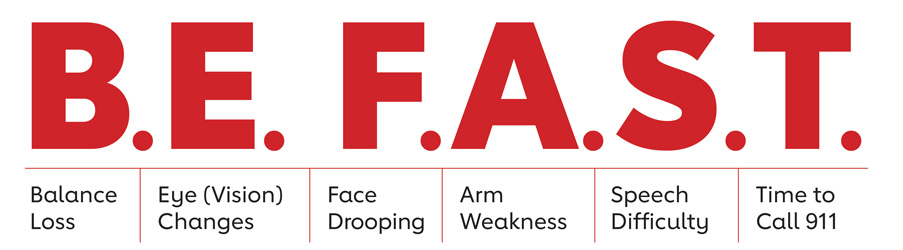
Because strokes do not discriminate, knowing the signs is key. To help you recognize common warning signs and symptoms of stroke and take action in moments that matter, remember this simple acronym: B.E. F.A.S.T.

B: Balance loss – sudden difficulty with walking, dizziness or loss of balance or coordination.

E: Eye (or vision) changes – sudden vision loss or trouble seeing in one or both eyes.

F: Face drooping – one side of the face droops or feels numb; a smile may look uneven.

A: Arm weakness – one arm feels weak or numb or drifts downward when raised.

S: Speech difficulty – a telltale sign of a stroke is slurred speech or trouble speaking.

T: Time to call 911 – If someone is having any of these symptoms, even if the symptoms go away, call emergency services immediately to jumpstart care. Be sure to check the time so you’ll know when the first symptoms started.

Explore the signs by playing the interactive, web-based B.E. F.A.S.T. Experience to see what stroke symptoms may look, feel and sound like.

Take Steps to Protect Your Health

Approximately 80% of strokes are preventable, according to the American Stroke Association. Everyday choices – such as eating well, moving more, not smoking and keeping up with routine health screenings, along with managing risk factors with the support of a health care professional – can help lower stroke risk.

Manage Risk Factors

High blood pressure is the leading risk factor for stroke, according to the 2025 American Heart Association/ACC Guideline for the Management of High Blood Pressure in Adults. Controlling blood pressure through regular checkups, at-home monitoring, following your treatment plan and maintaining a healthy lifestyle can significantly reduce your risk of stroke and support overall brain health.

Additionally, having a stroke or mini stroke, known as a Transient Ischemic Attack (TIA), increases the chances of having a second one. That’s why identifying what caused your stroke and reducing your personal risk factors can help protect your health and reduce the risk of another stroke.

To learn more about stroke risk factors and better understand the warning signs, visit Stroke.org/StrokeMonth, where you can also access stroke support services and subscribe to the Stroke Connection e-newsletter for the latest resources.

Monday, May 25, 2026

When a stroke strikes, impacts can last for a lifetime, former Walmart executive and stroke survivor says

 And that's because our fucking failures of a stroke associations HAVE DONE NOTHING TO GET TO 100% RECOVERY PROTOCOLS! All you get from them is useless 'awareness' campaigns! And blaming the survivor for not recognizing the stroke fast enough and getting to the hospital fast!

When a stroke strikes, impacts can last for a lifetime, former Walmart executive and stroke survivor says

Earvin Young didn't seem like the prime candidate for a stroke.

He was an avid cyclist who rode his bike about 50 to 60 miles every weekend. He went to the gym regularly. He tried to keep up with his health.

Then, on Jan. 2, 2025, his son found him passed out on the bathroom floor and rushed him to Northwest Medical Center in Springdale.

Doctors there confirmed Young was having a stroke and sent him to Washington Regional Medical Center in Fayetteville, which is a certified stroke center.

At Washington Regional, Young was given an MRI and was told the blood clot causing the stroke had likely already passed.

He was then sent to Mercy's Rehabilitation Hospital in Rogers, where he suffered from a more serious stroke 10 days after the first one. The second stroke paralyzed him and left him partially unable to speak for a time, he said.

Young described being able to see and hear the paramedics and nurses talking to him and trying to wake him as an out-of-body experience. He said he believed he was answering them, but he wasn't.

Young said he remembers waking up and hearing the doctor suggest hospice to his wife, unsure if he would make it.

Luckily, that was not needed. He has had some success in recovering from the strokes, something the former Walmart executive attributes to his health lifestyle efforts from before the strokes occurred.

Now, the 59-year-old Young has become an advocate for stroke awareness and education.

No one's been able to tell him why the strokes happened, Young said, but he assumes it's a combination of family history and his having consistently elevated blood pressure.

His mother died of a heart attack in 2023, and his father died in 2018 of heart complications. He's the fifth person in his family to have a stroke in about three years, according to his brother, Young said.

Stroke is one of the leading causes of disabilities because it's the only traumatic event that impacts both the circulatory and neurological system, he said.

Young has had to realize he'll never be able to go back to who he was, he said. His intention now is to create something new and become whoever he is on this side of the strokes because there is life after strokes occur.

Young said 80% of the things that cause stroke are things within people's control. Blood pressure, diet and physical activity are a few of the main things people can be aware of. Young wants people to be aware of what strokes can do and how to cope with the aftermath of a stroke, he said.

He started a blog where he shares his story and what he's learned so far about strokes and life afterward. It not only serves to educate others, but it's a form of therapy for him by writing and being creative, he said.

Other parts of the state lack resources, but Northwest Arkansas has several with Washington Regional, the University of Arkansas for Medical Science Northwest and programs like Encompass -- a rehabilitation hospital in Fayetteville, he said. Research being done at places like the Alice L. Walton School of Medicine is also beneficial, he said.

Young said he spoke with another stroke survivor from south Arkansas, who said he didn't know of any resources in his part of the state.

STROKE RESOURCES

Arkansas has one of the highest national rates of deaths from stroke with 93 stroke deaths per 100,000 people, according to the Center for Disease Control and Prevention.

Among Northwest Arkansas counties, rates range from 71 deaths per 100,000 people in Benton County to 128 in Logan County. In Arkansas, the more severe rates of stroke deaths are in the southern and southeast regions, with rates ranging from 112 stroke deaths per 100,000 residents in Nevada County to 133 in Desha County.

Washington Regional Medical Center is the only hospital in Northwest Arkansas to receive advanced certification as a Comprehensive Stroke Center by the Joint Commission and American Heart Association/American Stroke Association, according to the hospital's website. This means Washington Regional is the only hospital in the region able to offer around-the-clock, in-person care from those trained in stroke diagnosis, care and rehabilitation.

The UAMS Outpatient Therapy Clinic in Fayetteville is another resource for stroke patients.

Austin Miller, a neurologic physical therapist there, said the clinic specializes in treating neurologic conditions with a multidisciplinary program, so it has not only physical therapists, but occupational and speech therapists as well. This way, patients don't have to split their care between two facilities.

Many of the clinic's patients have had strokes, Miller said. Strokes are the No. 2 cause of death in Arkansas, he added.

The leading cause of death in Arkansas is heart disease.

A person seeming to have a stroke should get to a facility that can do the kind of diagnostic imaging necessary -- a CT scan or an MRI -- to confirm whether the person is having a stroke and what kind if so.(Still won't do much good without EXACT PROTOCOLS FOR RECOVERY!)

Miller said there are two separate categories of strokes. One is a hemorrhagic stroke, meaning the person is bleeding from a blood vessel in the brain. The other is ischemic, meaning a blood clot or some sort of blockage is obstructing a vessel that supplies blood to the brain.

When diagnosing a stroke, a CT scan is done first to confirm it's not hemorrhagic(That is incredibly slow! Here is what should be done!). If it's not, the medical staff will administer a medication called a tissue plasminogen activator -- an effective, fast-acting blood thinner that should bust up the clot and minimize the potential for long-term damage, Miller said.

If a stroke is hemorrhagic, medical staff will either perform an endovascular procedure, which helps repair a weak spot or break in a blood vessel, according to the Center for Disease Control and Prevention website. Sometimes the patient will need surgical treatment if the bleeding is caused by a ruptured aneurysm -- a balloon like bulge in the wall of an artery -- and a metal clip may be put in place to stop the blood loss.The main risk factors for a stroke, outside of genetics, are high blood pressure and high cholesterol, Miller said. Regular aerobic exercise, not abusing alcohol, avoiding tobacco products, eating a healthy diet and drinking plenty of water are things recommended to prevent an event like a stroke.

An easy acronym for recognizing the signs and symptoms of a stroke are B.E. F.A.S.T.

• B stands for balance loss.

• E stands for eye -- any sort of vision changes, things getting acutely blurry or a person has a sudden partial loss of vision.• F stands for face or facial drooping.

• A stands for arm weakness.

• S is speech or swallowing difficulty.

• T stands for time to call 911.Miller said being aware of the major signs of a stroke can help a person get more immediate help. If a person is having an ischemic stroke, the tissue plasminogen activator needs to be administered within two to four hours of the initial symptoms or the damage will have already taken place and it won't be as effective at mitigating the residual deficits from the blocked artery, he said.

Tuesday, May 19, 2026

Stroke Awareness Month Highlights Emerging Therapies and Opportunities in Recovery Care


The key word signifying incompetence is 'CARE'; NOT RECOVERY!  You don't have to go any farther than the word 'care' to declare incompetence. See how simple it is to evaluate stroke. 'Awareness' never got anyone recovered!


Send me personal hate mail on this: oc1dean@gmail.com. I'll print your complete statement with your name and title(If you can't stand by your name don't bother replying anonymously) and my response in my blog. Or are you afraid to engage with my stroke-addled mind? No excuses are allowed! You're medically trained; it should be simple to precisely state EXACTLY WHERE I'M WRONG. I want to hear your excuses for failure(not getting to 100% recovery IS FAILURE!) so I can demolish them! You aren't solving to 100% recovery protocols with NO EXCUSES! I've never received any communications from any stroke association. You'd think they would want to talk to their fiercest critic, but no, they are hiding under a rock someplace, probably don't even know I exist! Swearing at me is allowed, I'll return the favor. Don't even attempt to use the excuse that brain research is hard.

Stroke Awareness Month Highlights Emerging Therapies and Opportunities in Recovery Care

Stroke Awareness Month, observed each May, is intended to increase public and clinician awareness of stroke prevention, early recognition, and timely intervention for a condition that remains a leading cause of long-term disability and mortality.1,2 Campaigns during the month emphasize education around modifiable vascular risk factors, including hypertension, diabetes, smoking, obesity, and atrial fibrillation, as well as rapid identification of symptoms using the B.E. F.A.S.T. framework (Balance loss, Eye changes, Face drooping, Arm weakness, Speech difficulty, Time to call 911).2,3 The observance also highlights secondary prevention strategies, with estimates suggesting that up to 80% of strokes may be preventable through risk-factor modification and evidence-based cardiovascular care.1 Rehabilitation care is another key focus of the awareness month.

To highlight ongoing priorities in stroke awareness, prevention, and recovery, NeurologyLive® sat down with Andrew Abdou, DO, attending physician of neurorehabilitation at Burke Rehabilitation Hospital. The discussion revolved around the evolving landscape of stroke rehabilitation and emerging therapeutic innovations aimed at improving long-term outcomes for survivors.

In the conversation, Abdou highlighted the importance of raising awareness around stroke prevention, recurrent stroke risk, and the often-overlooked challenges patients and caregivers face after hospital discharge. He emphasized the critical role of neuroplasticity, continuity of care, and lifestyle interventions in optimizing recovery. Abdul also detailed several novel rehabilitation approaches, underscoring growing optimism around technologies that may help patients continue making functional gains even years after a stroke.

NeurologyLive: What is the importance of Stroke Awareness Month, and what significance does it hold for individuals at risk of stroke or those who have already experienced one?

Andrew Adbou, DO: This is an important time of year to recognize stroke survivors and the real day‑to‑day challenges they face, and to learn more about what the overall quality of life looks like for them. We want to raise awareness not only about those challenges, but also about prevention, especially reducing the risk of the first stroke and the risk of recurrent strokes among stroke survivors.

Beyond that, we want to highlight the importance of early treatment and ongoing rehab. Often, what we see with stroke survivors is feeling overwhelmed, feeling lost, and it’s important for them to know that there is a place they can go, a place where they can come to continue to heal, whether it be months after the stroke or years after the stroke. We also want to have a place for their caregivers, their families, their loved ones, to better understand how to support these survivors through this very critical time when they’re healing.

Are there any new therapeutic agents for stroke that clinicians should be aware of?

Especially here at Burke Rehab, there are a growing number of clinical trials that are focused specifically on stroke recovery. I'm a principal investigator on the Brain Q clinical trial (NCT06386874) which is a non‑invasive brain stimulation. In addition, there are our Vivistim options in the outpatient setting. It’s a program where patients have an implanted device to help with upper limb recovery through vagal nerve stimulation, and this is a great opportunity for patients in the chronic stroke phase to continue to recover even after they've been told they've plateaued or there will be limited to no recovery in those chronic years. There’s now a chance for them to continue to recover, whether it be through our current clinical trials or through their stim program as well.

In addition, there are advances in spasticity management that we're implementing. Often, the mainstay of intervention would be oral medications or botulinum toxin injections. We also have cryoneurolysis, which is one of the emerging treatment strategies for spasticity after stroke, with more immediate and longer‑lasting effects. There are a lot of exciting stuff that’s currently happening, and we really have options for those in the chronic phase to continue to recover and get stronger.

How can clinicians optimize stroke care or rehabilitation for some of these patients?

The core of recovery after stroke is neuroplasticity, and it's really about how we get more hours in the day or time in the week to continue with this repetition. We address this in the outpatient setting, but also with well-organized home exercise programs, and by having good continuity of care over the long term to ensure that patients are maintaining both repetition and continuity of their stroke recovery program in therapy.

What’s great is that because we have inpatient rehab and outpatient rehab, we can really track these patients. I see my patients from day one of their inpatient rehab all throughout their stay on inpatient, and then continue to see them in the outpatient setting. So, we’re monitoring these patients closely and maintaining continuity of care, because those first 3-, 6-, and 12-month windows are where the highest rate of recovery occurs, and we want to optimize that as much as we possibly can.

Ways we can optimize outside of direct therapy, in addition to some of the emerging technologies we mentioned, include lifestyle medicine. I myself am certified in lifestyle medicine. It’s an emerging field, but it relies on the core tenets of health: nutrition, exercise, sleep, avoiding risky substances, as well as mental health, and ensuring that patients have strong relationships with their family, friends, and community. If we can optimize all of these, it helps make for better recovery overall and a better quality of life.

What is your perspective on the role of exercise and broader lifestyle changes in supporting recovery after stroke?

There are many mechanisms as to why lifestyle changes support recovery. There is the overall health piece: having better cardiovascular health and minimizing other risk factors such as diabetes and high cholesterol. That in itself confers a better prognostic outcome and helps with stroke prevention.

That’s one pathway, but then you also have neuroplastic pathways that are enhanced. Exercise alone is known to release certain neurotrophic factors, such as brain‑derived neurotrophic factor, which can help enhance neurorecovery. The repetition of exercise improves plasticity as well, because that repetition of the exercise itself is a pathway of neurorecovery. Through all these different mechanisms, it amounts to improved function and overall health status.

Are there any new pathways to treat stroke that are currently being studied?

I want to talk a little bit more about some of the novel interventions, devices, and clinical trials that we're doing here at Burke. Again, I'm the principal investigator on Brain Q, which is our EMAGINE trial. It uses non‑invasive brain stimulation—Brain Q—for patients to recover. We're doing trials in both acute and chronic stroke. Patients wear a device that they’ll use about 45 minutes a day, 3 to 5 days a week, along with a tablet of guided exercises. The idea is that this will enhance their neurorecovery, even in the chronic phase. It's really exciting that we get to be part of this clinical trial, and we're really hoping for it to become more commonplace. Often, patients do their rounds of therapy, and when they’re in this chronic phase, the recovery slows down. We want to jumpstart that recovery and give them an opportunity to continue to make gains.

The other device I mentioned previously was Vivistim. This is a vagal nerve stimulation implanted device that patients can turn on and off while they’re in therapy, doing a structured program with our occupational therapists for upper limb recovery. We’re seeing patients who had not made gains in years start making gains again, and that is huge. You can think of it as sparking a match to get that recovery going again and reactivating those pathways. It’s exciting, both for stroke patients with ischemic strokes and for what we hope to continue with in future clinical trials.

What are some technological advances in the stroke field that are exciting to you?

What’s exciting to me is the field of non‑invasive brain stimulation with all the emerging technologies. Non‑invasive brain stimulation can range from transcranial magnetic stimulation to transcranial direct current stimulation.

In fact, there is another trial at Burke that we're doing for patients with aphasia, utilizing transcranial direct current stimulation. I think this is a field that’s really emerging in many different areas of rehab, whether it be stroke, brain injury, spinal cord injury, or pain management.

These non‑invasive approaches and the broader field of neuromodulation are very exciting. Patients are often overloaded with oral medications and have gone through many rounds of therapy. They’re really looking for something new, something novel, something different, ways to jumpstart their recovery after months or years of slow progress. I think this is a really exciting opportunity.

Beyond that, as I alluded to earlier with our other treatments for spasticity: the mainstay currently is chemo‑denervation with botulinum toxin or implanted baclofen pump devices. Cryoneurolysis is one of the newer, novel treatments that we provide here at Burke. It has immediate effects and lasts twice as long as botulinum, and for some patients that really opens up a lot of options for managing their spasticity.

What gives you the most optimism in the Stroke field?

Greater access to these innovative therapies and clinical trials for patients is really an exciting thing. I can't tell you how many times I have patients who have gone from facility to facility, looking for more. These are motivated people with simple goals. For example, patients with their Vivistim device, some patients all they want to do is hug their spouse again or hold their grandchild, and these devices can help them do that.

It’s also about our ability, as a community here, to increase empowerment and education for caregivers and patients alike and to let them know what opportunities they have. It doesn't just end after discharge from the hospital. There is a community. There is an opportunity for everyone here to make gains, to grow, and to improve their quality of life. That makes me proud to be at an institution like Burke, leading those advancements while maintaining patient‑centered care.

Transcript edited for clarity.
Monday, December 8, 2025

Campaign reveals the reality of Christmas after a stroke for thousands

 This is precisely what a fucking failure of a stroke association would do! 'AWARENESS'; NOT SOLVING STROKE! 

Campaign reveals the reality of Christmas after a stroke for thousands

EMOTIVE FILM: Actor Brian Cox is backing the Stroke Association's Christmas campaign

The Stroke Association has launched its Christmas campaign with a powerful film aimed at raising awareness of how a stroke can impact the festive season. ‘Still Christmas’ is narrated by a host of high-profile supporters, including Brian Cox, Alison Steadman, Jo Brand and Nish Kumar.

The charity’s new film features emotional home videos and photos shared by stroke survivors and their loved ones. They illustrate just how different Christmas becomes after a stroke and the vital need for support.

Stroke survivors can lose the ability to move, speak, see or swallow and it can also lead to personality changes and depression. The poignant film is a stark reminder that even on Christmas Day in the UK, another 240 people will wake up to the impact of a stroke.

KNOW THE SIGNS

To understand the challenges faced, the Stroke Association surveyed 1,000 stroke survivors about their experiences at this time of year. They found that almost a third feel they're a burden to their family and friends at Christmas.

Almost half of the survivors said they now feel negatively about Christmas time due to the effects of their stroke. Two thirds feel frustrated about not being able to do things they could before, from cooking Christmas dinner or decorating the tree to playing with their children or grandchildren.

“So many of us associate Christmas time with joy, being together with family and friends, and enjoying much-loved traditions. But for another 85,000 people in the UK, this year will be their first Christmas after a stroke, and those things we all take for granted are no longer the same,” said Juliet Bouverie OBE, chief executive of the Stroke Association.

Tuesday, December 2, 2025

The Stroke Association releases new Christmas campaign film with celebrities including Brian Cox, Alison Steadman and Nish Kumar

Big fucking whoopee.

An 'awareness' campaign; NOT A PLAN FOR 100% RECOVERY! You need to replace every member of this Stroke association with stroke survivors. Another stroke association proves it's a founding member of one of the fucking failures of stroke associations DOING NOTHING TO GET SURVIVORS 100% RECOVERED! 

The Stroke Association releases new Christmas campaign film with celebrities including Brian Cox, Alison Steadman and Nish Kumar

The Stroke Association has released its first ever Christmas campaign film, ‘Still Christmas’, to raise awareness of the devastation stroke can cause and the vital need for support this festive season.

This Christmas Day in the UK, another 240 people will wake up to the life-changing impact of a stroke. A stroke can leave survivors unable to move, see, speak, or even swallow, and can also lead to personality changes and depression.

The charity’s powerful new film features a poignant script delivered by high-profile supporters Brian Cox, Alison Steadman, Nish Kumar, Amanda Abbington, Nadia Sawalha, Christopher Chung, Jo Brand and Kiell Smith-Bynoe, intercut with Christmas home videos and photos shared by stroke survivors and their families.

The film is set to a new and contemporary cover of ‘White Christmas’, released by Universal and Irving Berlin’s estate, produced by Stream Media Group and directed by Stuart Hackshaw.

For the first time it puts the camera inside the homes of stroke survivors, at a time of year we can take fun and family for granted, illustrating not just the devastating reality of facing Christmas after a stroke, but also the hope that follows, as together they rebuild their lives and find strength through support.

The film will air on Channel 4 on 19 November 2025 and will be available to view online at stroke.org.uk/stillchristmas

To accompany the film, the Stroke Association also surveyed 1,000 stroke survivors about their experiences at Christmas, to understand the impact of stroke at this time of year. The research revealed that almost a third of stroke survivors (30%) feel like they are a burden to their family and friends at Christmas time1.

The study also found that almost half of stroke survivors (46%) said they now feel negatively about Christmas time due to the impacts of their stroke. Of those survivors who had experienced Christmas following their stroke2, two thirds (66%) feel frustrated about not being able to do things at Christmas that they could before they had their stroke.

The survey found that, of those people who had experienced a Christmas following their stroke, almost a third (28%) couldn’t cook Christmas dinner, and more than a quarter (26%) couldn’t visit friends and family or leave the house. Almost a quarter of stroke survivors (23%) couldn’t decorate the Christmas tree, while around a fifth (19%) couldn’t play with their children or grandchildren.

Juliet Bouverie OBE, CEO of the Stroke Association, said: “So many of us associate Christmas time with joy, being together with family and friends, and enjoying much loved traditions. But for another 85,000 people in the UK, this year will be their first Christmas after a stroke, and those things we all take for granted are no longer the same. However, with strength, determination and the right support, recovery is possible. That’s why we’ve created our powerful new film, to highlight the devastation stroke can cause, but remind people that we are here for them.

“Stroke support is crucial at any time of year for stroke survivors and their loved ones. We’re encouraging everyone to give the gift of stroke support this Christmas, whether as a donation, volunteering your time or fundraising, so that we can help more survivors and their loved ones find their strength and their way back to life after a stroke.”

The Stroke Association is the only charity in the UK providing lifelong support for all stroke survivors and their families. This Christmas, join us in raising awareness of the devastating impact of stroke and help the Stroke Association to support more stroke survivors at every step of their recovery. 

Give the gift of stroke support this Christmas – visit stroke.org.uk/stillchristmas  

Wednesday, May 7, 2025

Help Save Lives: Commit to Learning the Signs of Stroke

 Because your fucking failures of stroke associations have done nothing towards 100% recovery; you'll be alive but disabled. HOW FUCKING STUPID IS THAT? The real awareness is that everything in stroke is a complete fucking failure. don't have one is the takeaway!

Help Save Lives: Commit to Learning the Signs of Stroke

Each May, National Stroke Awareness Month helps remind people of the importance of knowing and acting on the signs of a stroke.

“A stroke is one of the leading causes of death and long-term disability in the United States,” said Dr. Nathan Larsen, an Emergency Medicine Physician and Medical Director of Emergency Medicine at ThedaCare Medical Center-Fond du Lac. “With swift medical intervention, we can potentially help save lives and improve patient outcomes.”

A stroke is a condition in which poor blood flow to the brain results in cell death. It is an emergency situation, one in which people are strongly encouraged to dial 911 for assistance.

There are two main types of stroke: Ischemic and hemorrhagic.

Ischemic strokes, the most common type, occur when a clot blocks a vessel supplying blood to the brain. This blockage cuts off oxygen, leading to brain cell damage.

Hemorrhagic strokes are less common but often more severe. They happen when a blood vessel in the brain bursts, causing bleeding that damages nearby brain tissue. This may lead to severe symptoms that worsen quickly.

Time Lost = Brain Lost

When it comes to a stroke, every minute matters. According to the American Stroke Association, nearly 2 million brain cells die every minute a stroke goes untreated. Rapid treatment may help minimize brain damage and potentially save lives.

“Delays can increase the likelihood of permanent disability,” Dr. Larsen said. “The sooner we can begin treatment, the better the odds of a positive outcome.”

Treatments for a stroke may include clot-busting medications for an ischemic stroke and surgical intervention for a hemorrhagic stroke.

Recognizing the symptoms of a stroke is the first step in getting prompt help. The acronym BE FAST can help people remember the warning signs:

  • Balance: Loss of balance or coordination
  • Eyes: Sudden trouble seeing in one or both eyes
  • Face: Facial drooping or uneven smile
  • Arms: Weakness or numbness in one arm or leg
  • Speech: Slurred speech or difficulty speaking
  • Time: Time to call 911 immediately

“Dial 911 immediately if any of these symptoms are present in yourself or someone else near you,” Dr. Larsen said. “Don’t try to drive yourself or a loved one to the hospital. Emergency medical services can start lifesaving treatment in the ambulance and quickly bring the affected individual to the appropriate medical facility.”

People can help lower their stroke risk by:

  • Controlling high blood pressure
  • Decreasing the amount of cholesterol and saturated fat in their diet
  • Abstaining from tobacco use
  • Managing diabetes
  • Maintaining a healthy weight
  • Eating a diet rich in fruits and vegetables
  • Exercising regularly
  • Drinking alcohol in moderation, if at all
  • Treating obstructive sleep apnea
  • Avoiding illegal drugs

While some stroke risk factors can be controlled, others cannot. Non-modifiable risk factors include:

  • Age: People age 55 or older have a higher risk of a stroke than do younger people. However, anyone, at any age, can have a stroke.
  • Race or ethnicity: Black and Hispanic people have a higher risk of a stroke than do people of other races or ethnicities.
  • Hormones: Using birth control pills or hormone therapies that include estrogen increases the risk of a stroke.

Stroke Care in Fond du Lac

The newly opened ThedaCare Medical Center-Fond du Lac, at 755 West Johnson St.,offers full-service emergency and inpatient care and is equipped to handle stroke emergencies.

“We’re proud to offer stroke care without people needing to travel long distances,” Dr. Larsen said. “Whether it’s a stroke or a related medical issue, we’re equipped to respond immediately and connect people to more advanced levels of care when needed.”

Dr. Larsen reiterated the importance of stroke awareness.

“This May, commit to learning the signs of a stroke, sharing them with your family and remembering BE FAST and call 911,” he said. “Your quick action could make all the difference.”

Thursday, May 1, 2025

May is Stroke Awareness Month - NOT STROKE RECOVERY MONTH!

 This is how useless our fucking failures of stroke associations are; press releases on 'awareness' NOT RECOVERY! I'd fire everybody involved in stroke right now for incompetence and start stroke associations completely over again with survivors in charge; no medical persons allowed to dumb down the goals.  They've been worthless since forever!

Send me hate mail on this: oc1dean@gmail.com. I'll print your complete statement with your name and my response in my blog, anonymous ones will be particularly scrutinized. Or are you afraid to engage with my stroke-addled mind? No excuses are allowed! You're medically trained; it should be simple to precisely state

EXACTLY WHAT YOU ARE DOING that is competent in getting to 100% RECOVERY with NO EXCUSES! Your definition of competence in stroke is obviously much lower than stroke survivors' definition of your competence! Swearing at me is allowed, I'll return the favor. Don't even attempt to use the excuse that brain research is hard.

Wednesday, November 6, 2024

Nominate a Stroke Hero

 I think my readers should nominate me and put in the reason; 'Dean Reinke is raising awareness of all the problems in stroke needing solutions on how to get 100% recovered. He's written 28,987 blog posts on how to accomplish this(Deans' Stroke Musings)' 


This 'awareness' crapola is just pure laziness. Until the ASA actually deserves Stroke in their name they need to be completely shamed on doing nothing for stroke survivors.

Nominate a Stroke Hero

Every 40 seconds, someone in the U.S. suffers a stroke … which means these catastrophic health events impact millions of individuals and families across the country. The American Stroke Association launched the Stroke Hero Awards in 1998 to honor stroke survivors, caregivers, advocates and experts who make a significant difference in the lives and futures of those who have experienced a stroke.

Nominations are open now for next year’s awards at Stroke.org/HeroAwards, and will close on Dec. 3. Winners will be announced on May 1, 2025.

The 2025 Stroke Hero Awards categories are:

• Survivor Hero – Honors an individual who has survived a stroke and used their experience to educate, inspire and bring awareness about stroke.

• Pediatric Hero – Honors an individual younger than 18 who has survived a stroke and overcome significant hurdles and whose family has used its experience to educate, inspire and bring awareness to stroke.

• Caregiver Hero – Honors an individual who has cared for a stroke survivor and used their experience to educate, inspire and bring awareness about stroke on a local or national level.

• Equity Hero – Honors an individual working to ensure equitable health outcomes for those at risk for stroke, stroke survivors and stroke caregivers.

• Group Heroes – Honors a group committed to educating, inspiring and raising awareness about stroke. 

• F.A.S.T. Hero – This new award for 2025 honors an individual who recognized the warning signs of a stroke and acted fast to get help for the person having a stroke.

• Voters’ Choice Hero – To be chosen by public vote next March, this award honors an individual or group making an outstanding effort to educate, inspire and bring awareness about stroke. 

Tuesday, September 10, 2024

The American Stroke Association launches uniique website to raise stroke awareness

Yep, as long as you're promoting awareness that everything in stroke is a failed shitshow! The ASA is one of those fucking failures of stroke associations DOING NOTHING to get survivors to 100% recovery!

tPA full recovery? Only 12%!

rehab full recovery? Only 10%!

No stroke protocols for any rehab!

Nothing being done to save million/billions of neurons during the neuronal cascade of death in the first week!

 I don't need to hear any lies about this meme from World Stroke Day a couple of years ago.

What a lying piece of shit.


 The American Stroke Association launches uniique website to raise stroke awareness

Wednesday, July 24, 2024

A real chance to reduce death and disability from stroke

 Still totally fucking useless, we have NO leadership in stroke that will direct this work to be done.  This is just lips flapping in the breeze!

A real chance to reduce death and disability from stroke

Stroke remains a major cause of death and disability worldwide, despite developments such as thrombolysis and endovascular thrombectomy. As highlighted at the 77th World Health Assembly (WHA) on May 27, 2024, in a side-event organised by the World Stroke Organization (WSO), stroke prevention and care(NOT RECOVERY!) need to improve. Guidance for policy makers on how they can tackle this challenge and reduce the burden of stroke, along with that of other neurological disorders, has been developed by WHO as an Implementation Toolkit to accompany their Intersectoral Global Action Plan on Epilepsy and Other Neurological Disorders 2022–2031 (IGAP). By making neurological disorders, including stroke, a higher priority, policy makers(We need DOERS INSTEAD!) have an excellent opportunity to save and improve the lives of many people.
Stroke is estimated to have caused more than 7 million deaths in 2021, when it was the third leading cause of death after ischaemic heart disease and COVID-19. According to the WSO–Lancet Neurology Commission, the number of deaths caused by stroke is expected to rise to nearly 10 million in 2050, and about 90% of these deaths are expected to occur in low-income or middle-income countries. Among neurological disorders, stroke is already the leading cause of disease burden, assessed as disability-adjusted life years, globally and in almost all regions. Total global direct and indirect costs of stroke were estimated to be around US$900 billion in 2017, possibly reaching more than US$1500 billion by 2050. But, according to WSO, “We have the ability to change this.”
The WSO event—entitled United in Action to Transform care(NOT RECOVERY!)—was the first ever WHA satellite session dedicated specifically to stroke. Its aim was to raise awareness(WHAT FUCKING BULLSHIT! At a minimum lay out a strategy to get stroke solved to 100% recovery!) of the burden of stroke among policy makers, to highlight advances in treatment and their potential health and economic benefits, and to argue for the role of stroke care(NOT RECOVERY!) in achieving health for all, echoing the theme of the 77th WHA: All for Health, Health for All. The WSO event report makes five recommendations for policy makers: to assess gaps and prioritise stroke care(NOT RECOVERY!) in global, national, and regional health plans; to invest in infrastructure to support services, including thrombolysis and thrombectomy; to increase skills in the workforce; to ensure that payment structures can support state-of-the-art stroke care(NOT RECOVERY!); and to build a strategy to apply savings related to state-of-the-art acute stroke care(NOT RECOVERY!) downstream in health systems.
State-of-the-art acute stroke care(NOT RECOVERY!) with thrombolysis and mechanical thrombectomy have proven benefits for many people with stroke and, since 2023, have been included in the WHO list of cost-effective interventions for noncommunicable diseases; endovascular thrombectomy has a has a number needed to treat to reduce disability of 2·6, and improved blood pressure control could avert 120 million strokes between 2023 and 2050. Yet, according to WSO, many of these chances to avert stroke or improve outcomes are not being taken, for reasons that vary between countries and can include scarcity of specialist health-care professionals and equipment, and logistical issues such as distances to specialist centres.
The WSO event, the WSO–Lancet Neurology Commission, and the WHO Implementation Toolkit all suggest practical ways in which stroke prevention and services might be improved. The Implementation Toolkit is intended to help WHO Member States meet the targets of the IGAP and promotes an integrated approach, in terms of considering all neurological disorders and working across health policy and services, given that people often have multiple conditions that share risk factors. The Implementation Toolkit not only provides broad advice, such as on how to engage with stakeholders, including those with lived experience, and how to do a situational analysis, but also presents disorder-specific approaches. For stroke, the recommended actions cover policy (eg, addressing national capacity for prevention, prioritising stroke in budgets, integrating stroke into social and development agendas, and raising public awareness), clinical care(NOT RECOVERY!) (eg, establishing national guidelines for acute treatment, ensuring provision of neuroimaging and neurosurgical facilities, and establishing rehabilitation services), prevention (eg, promoting brain health throughout life, including reducing hypertension), and research.
With the call to action from WSO and new guidance from WHO, in addition to recommendations in the WSO–Lancet Neurology Commission, policy makers have an ideal opportunity to reduce the burden and costs of stroke in their countries and regions, and to prevent many deaths and much disability. The burden of neurological disorders, and particularly stroke, must be reduced if we are to achieve “health for all”.