Changing stroke rehab and research worldwide now.Time is Brain! trillions and trillions of neurons that DIE each day because there are NO effective hyperacute therapies besides tPA(only 12% effective). I have 523 posts on hyperacute therapy, enough for researchers to spend decades proving them out. These are my personal ideas and blog on stroke rehabilitation and stroke research. Do not attempt any of these without checking with your medical provider. Unless you join me in agitating, when you need these therapies they won't be there.

What this blog is for:

My blog is not to help survivors recover, it is to have the 10 million yearly stroke survivors light fires underneath their doctors, stroke hospitals and stroke researchers to get stroke solved. 100% recovery. The stroke medical world is completely failing at that goal, they don't even have it as a goal. Shortly after getting out of the hospital and getting NO information on the process or protocols of stroke rehabilitation and recovery I started searching on the internet and found that no other survivor received useful information. This is an attempt to cover all stroke rehabilitation information that should be readily available to survivors so they can talk with informed knowledge to their medical staff. It lays out what needs to be done to get stroke survivors closer to 100% recovery. It's quite disgusting that this information is not available from every stroke association and doctors group.

Showing posts with label Poland. Show all posts

Monday, March 10, 2025

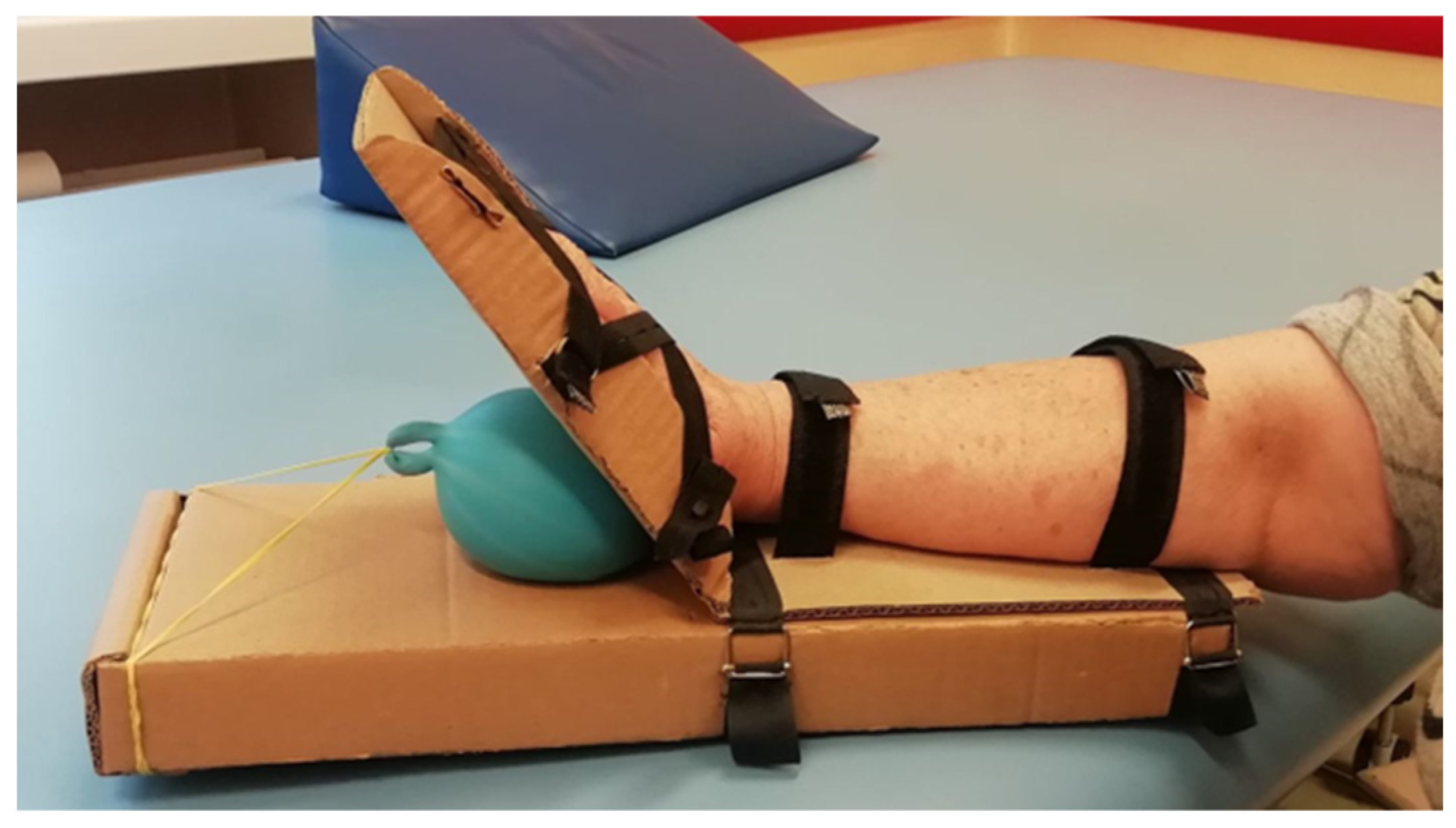
Novel Robotic Balloon-Based Device for Wrist-Extension Therapy of Hemiparesis Stroke Patients


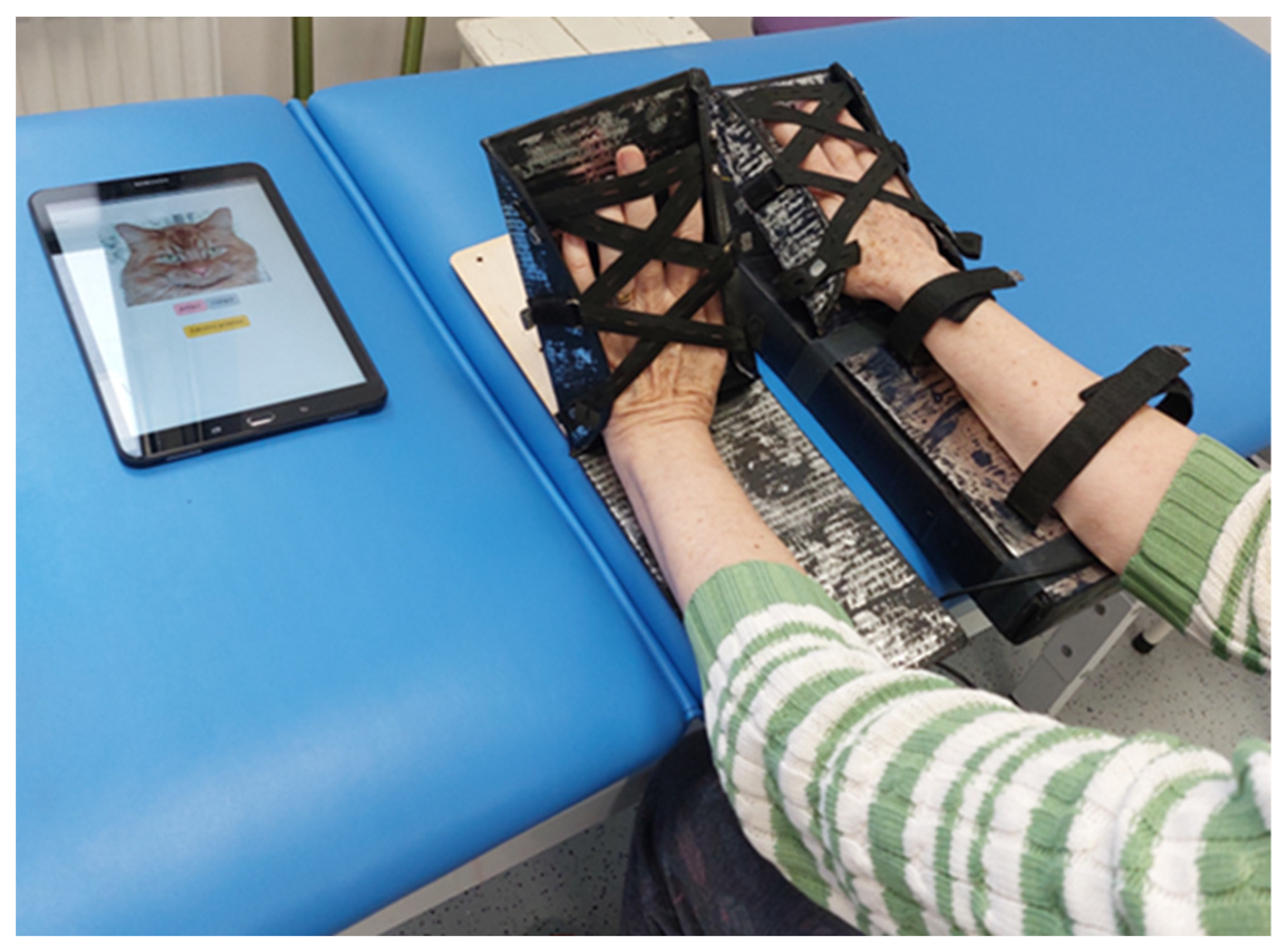
Balonikotron video here: Hope you understand Polish, although I never did see a wrist in the device

Novel Robotic Balloon-Based Device for Wrist-Extension Therapy of Hemiparesis Stroke Patients            

                                 by 1,*, 1, 1 and 2
1
Department of Neurological Rehabilitation, Medical University of Lodz, Milionowa 14, 93-113 Lodz, Poland
2
Institute of Automatic Control, Lodz University of Technology, Stefanowskiego 18, 90-537 Lodz, Poland
*
Author to whom correspondence should be addressed.
Sensors 2025, 25(5), 1360; https://doi.org/10.3390/s25051360
Submission received: 16 December 2024 / Revised: 13 February 2025 / Accepted: 21 February 2025 / Published: 23 February 2025

Abstract

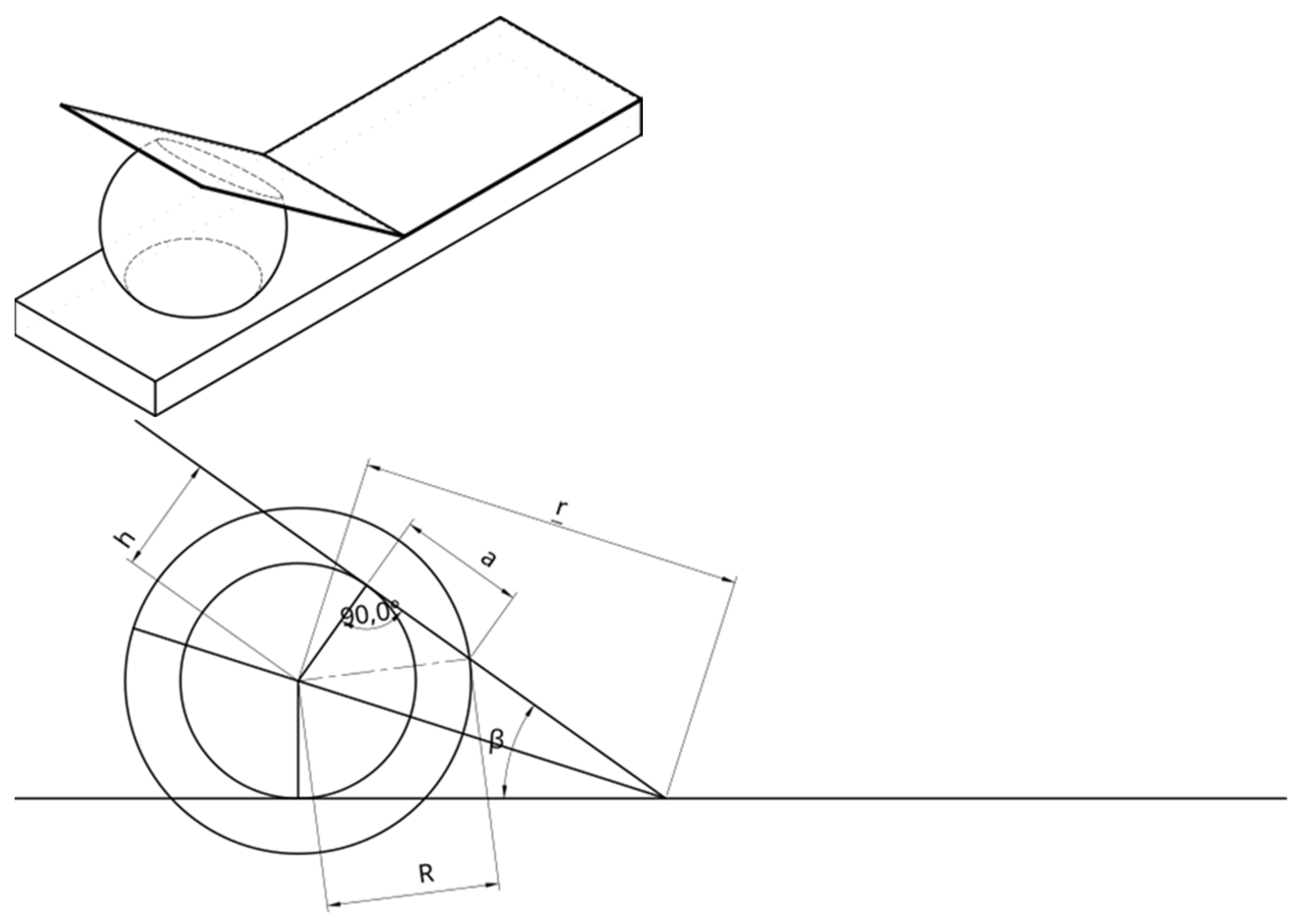
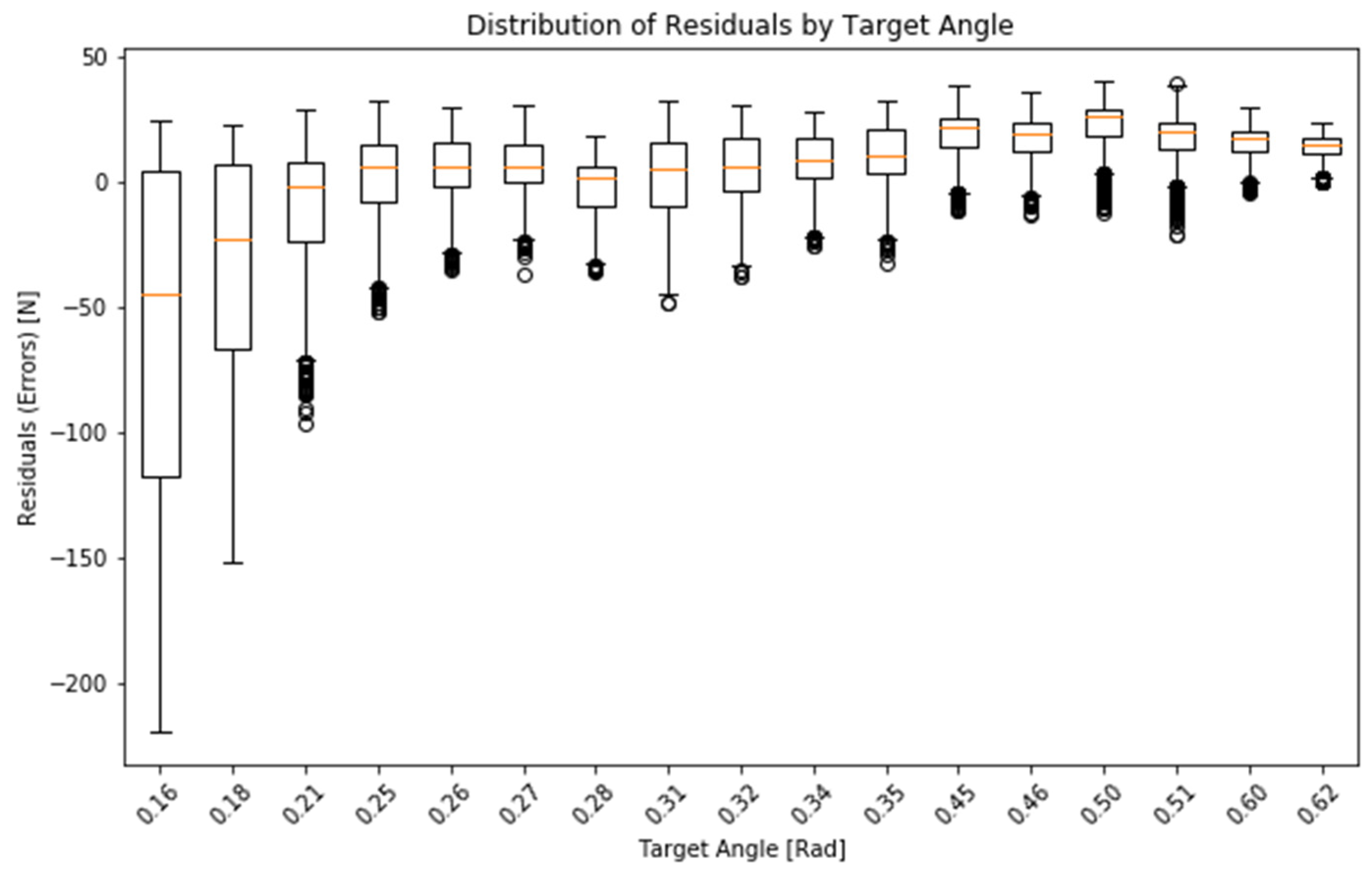
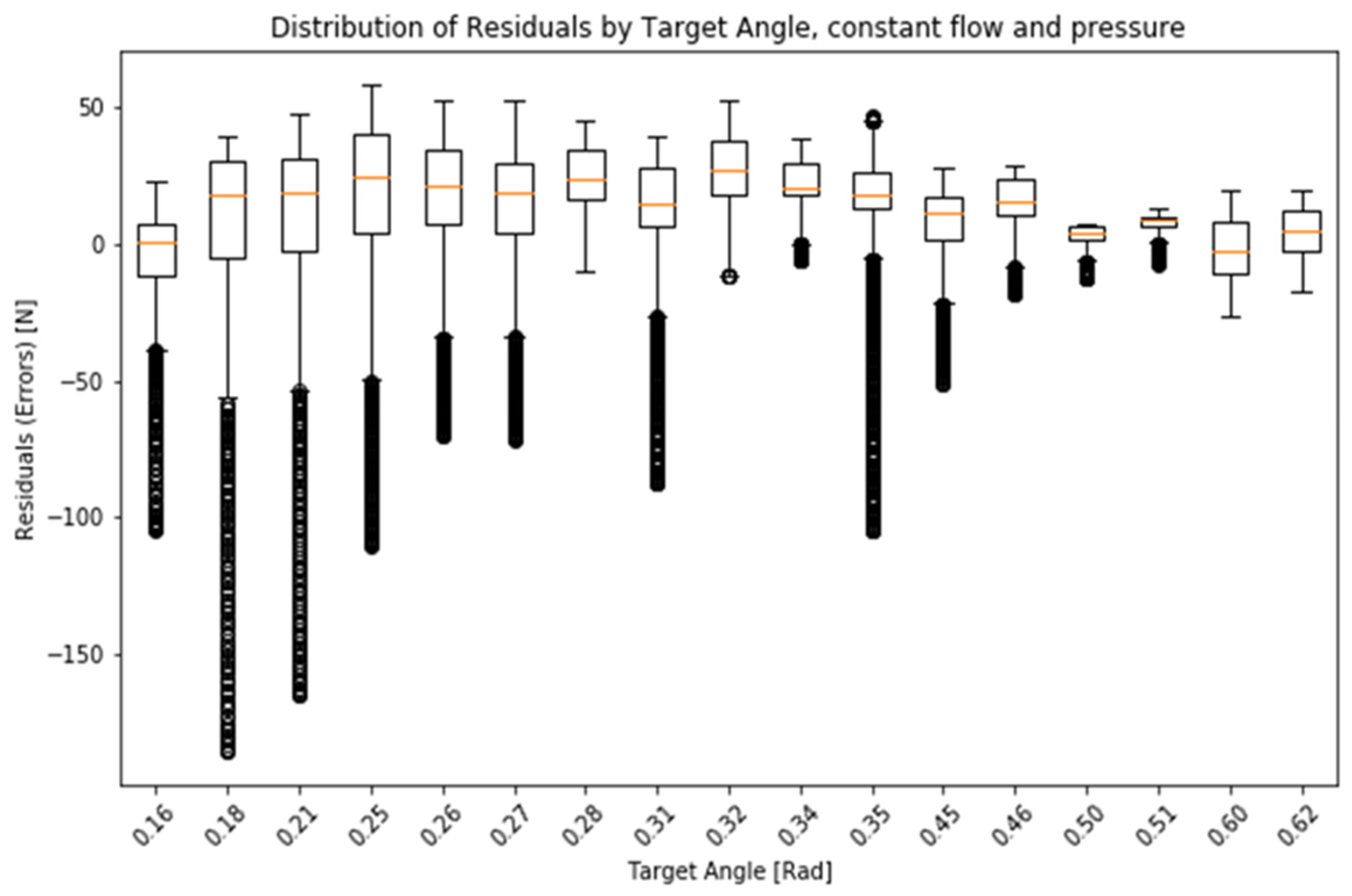
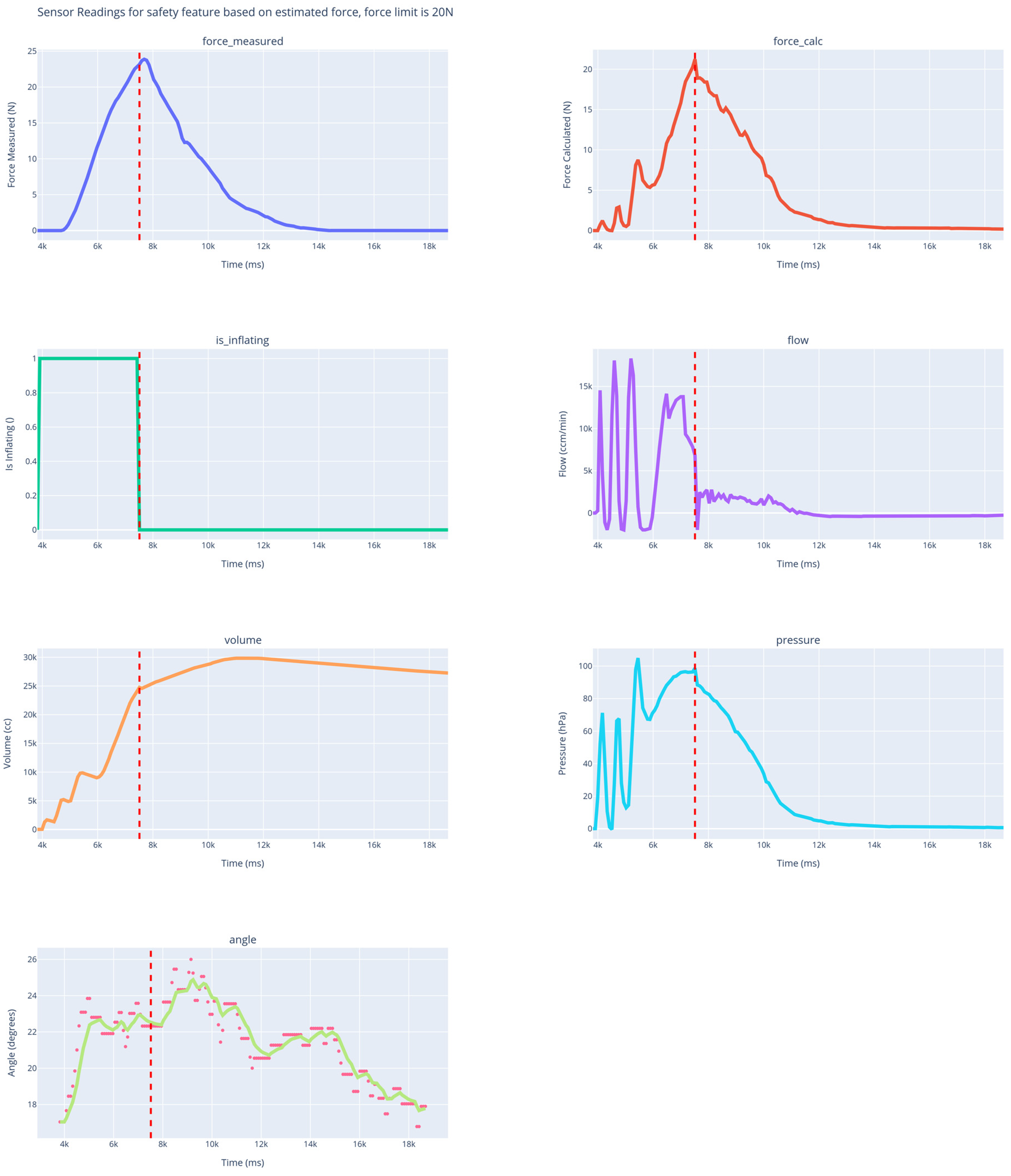
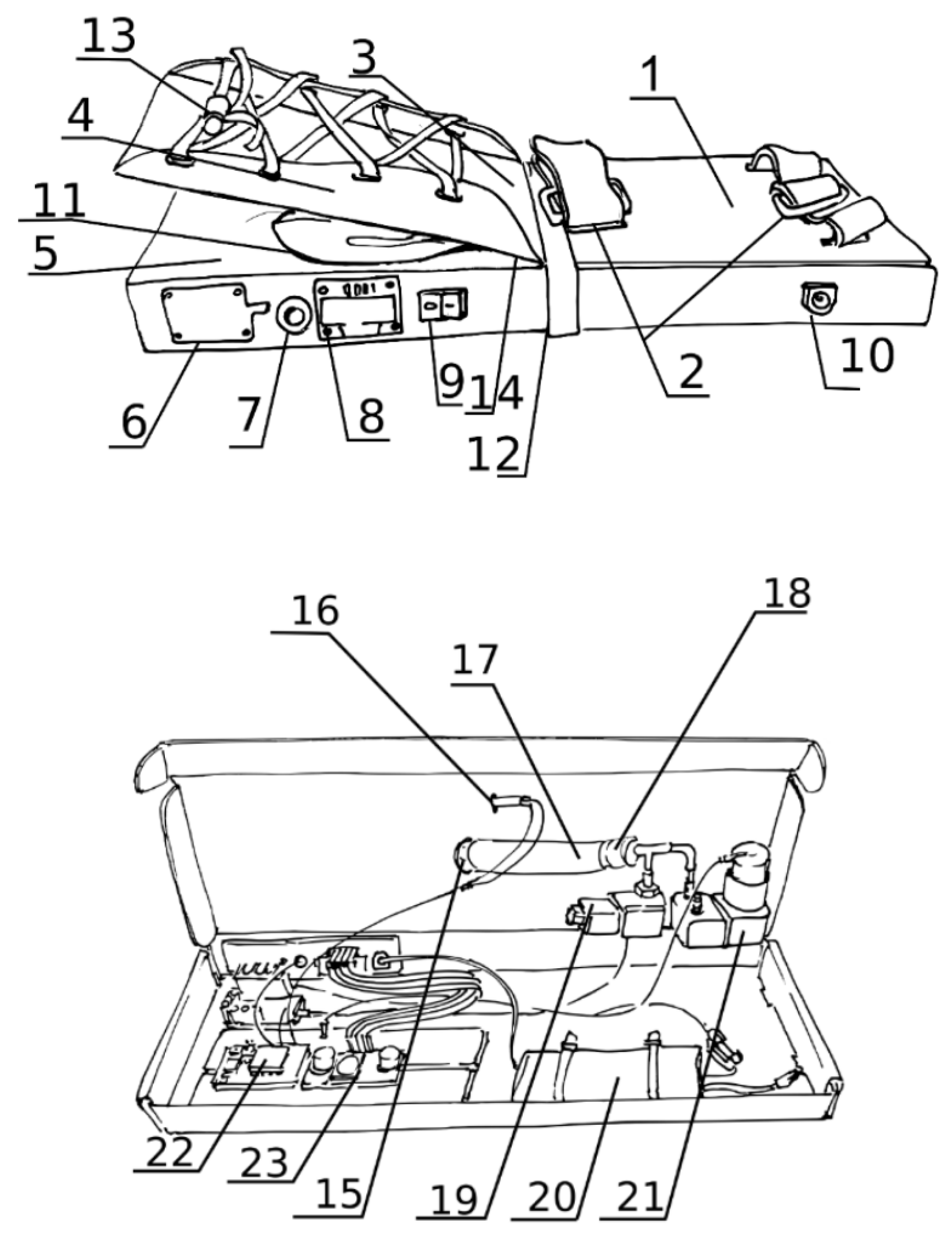
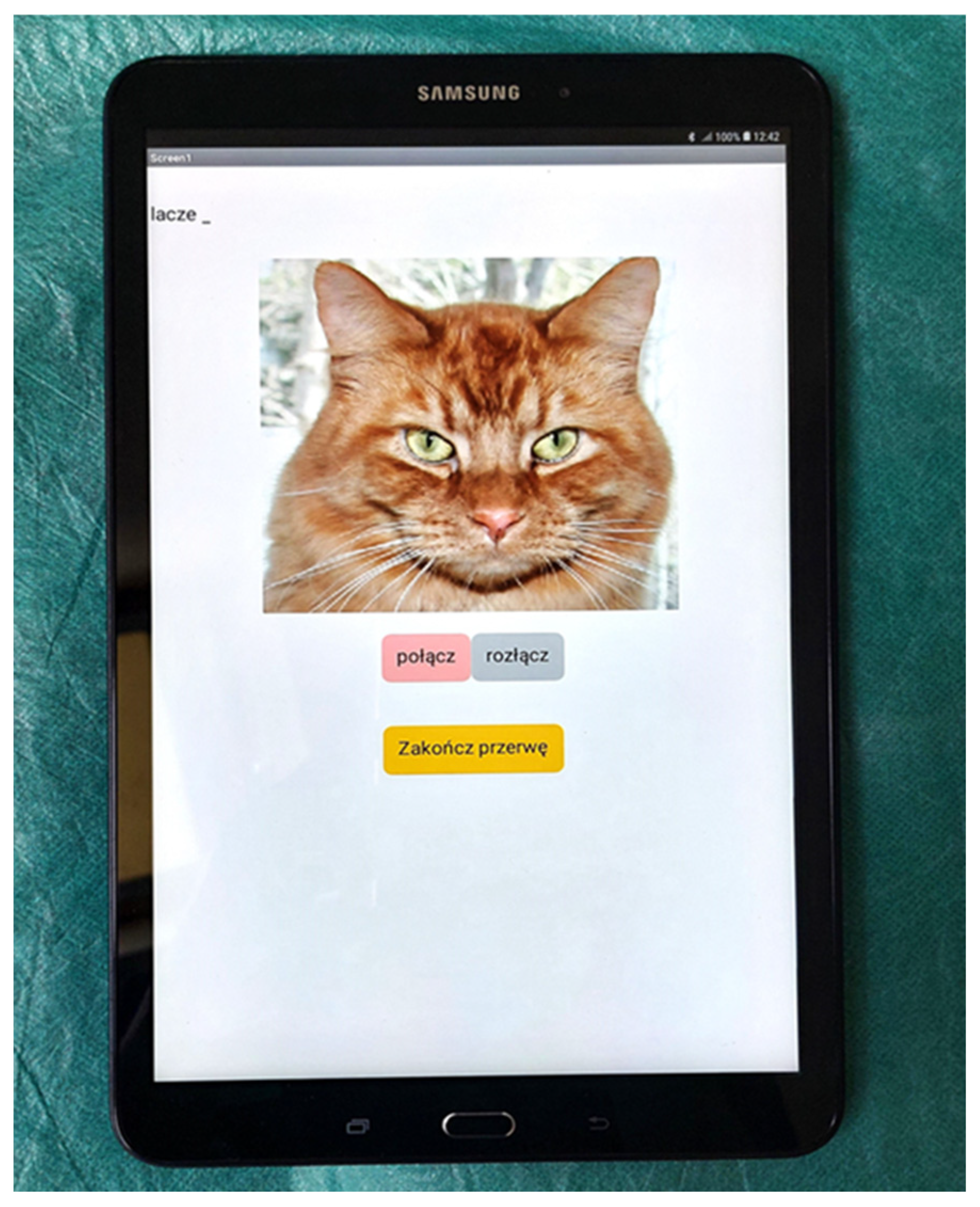
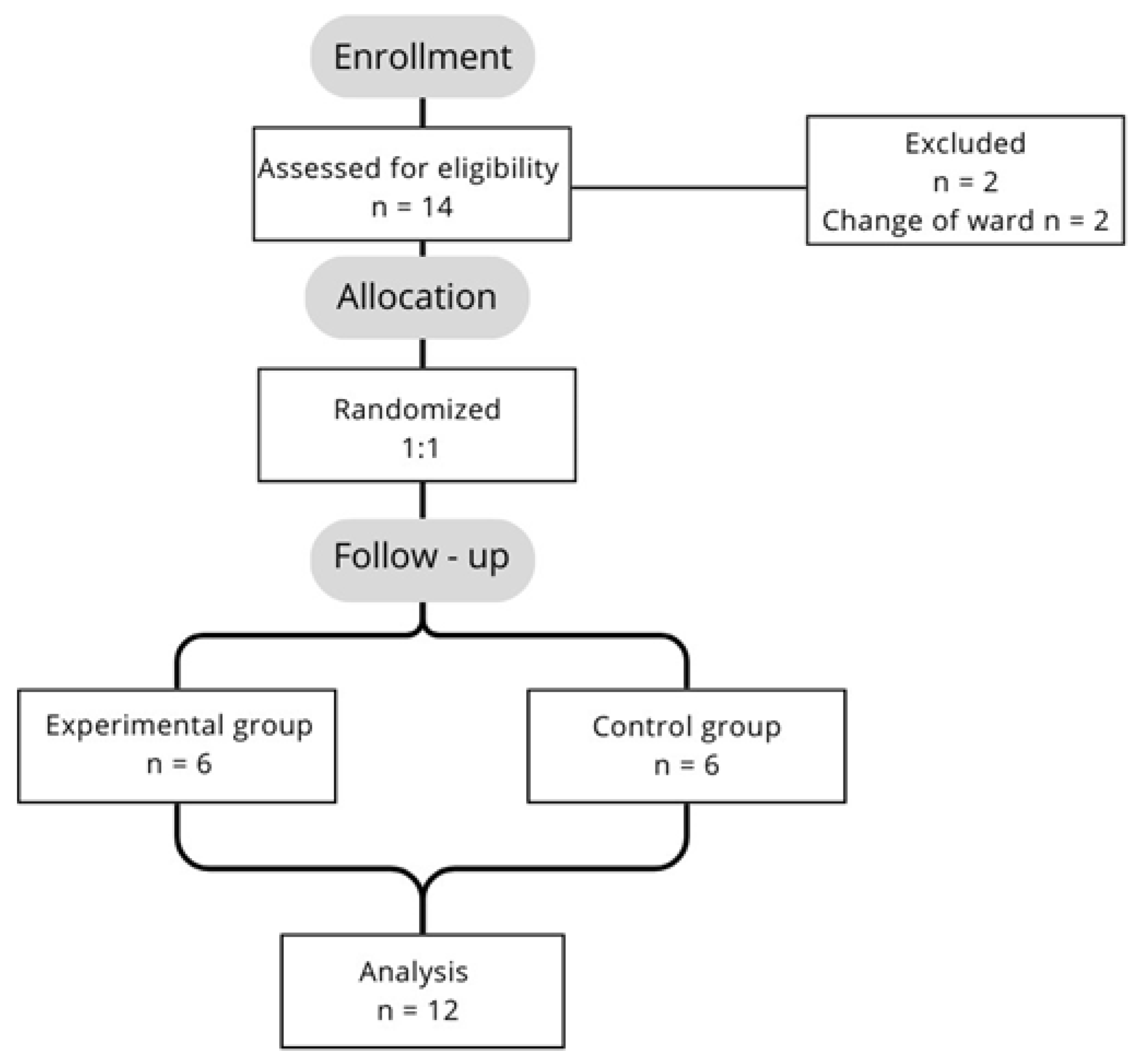
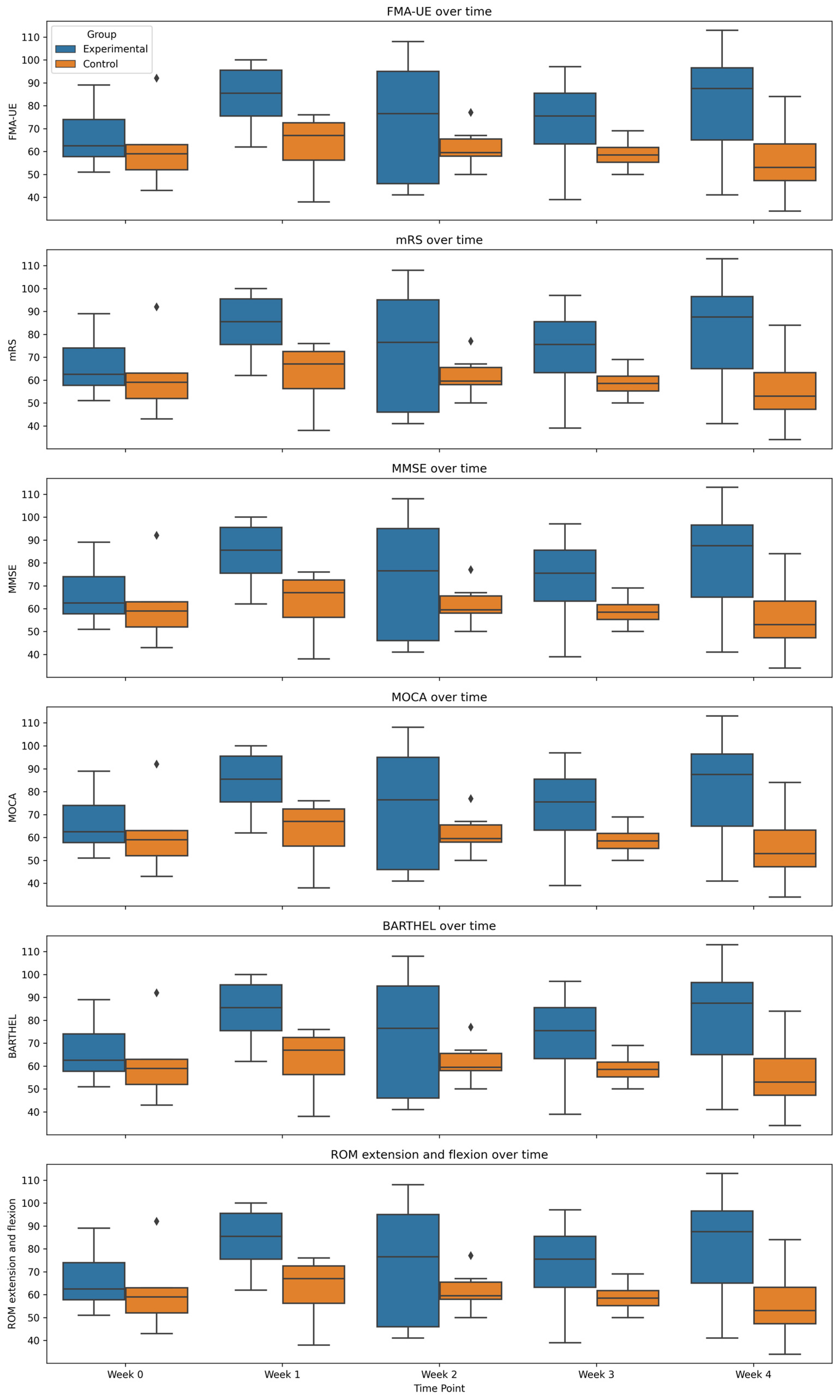
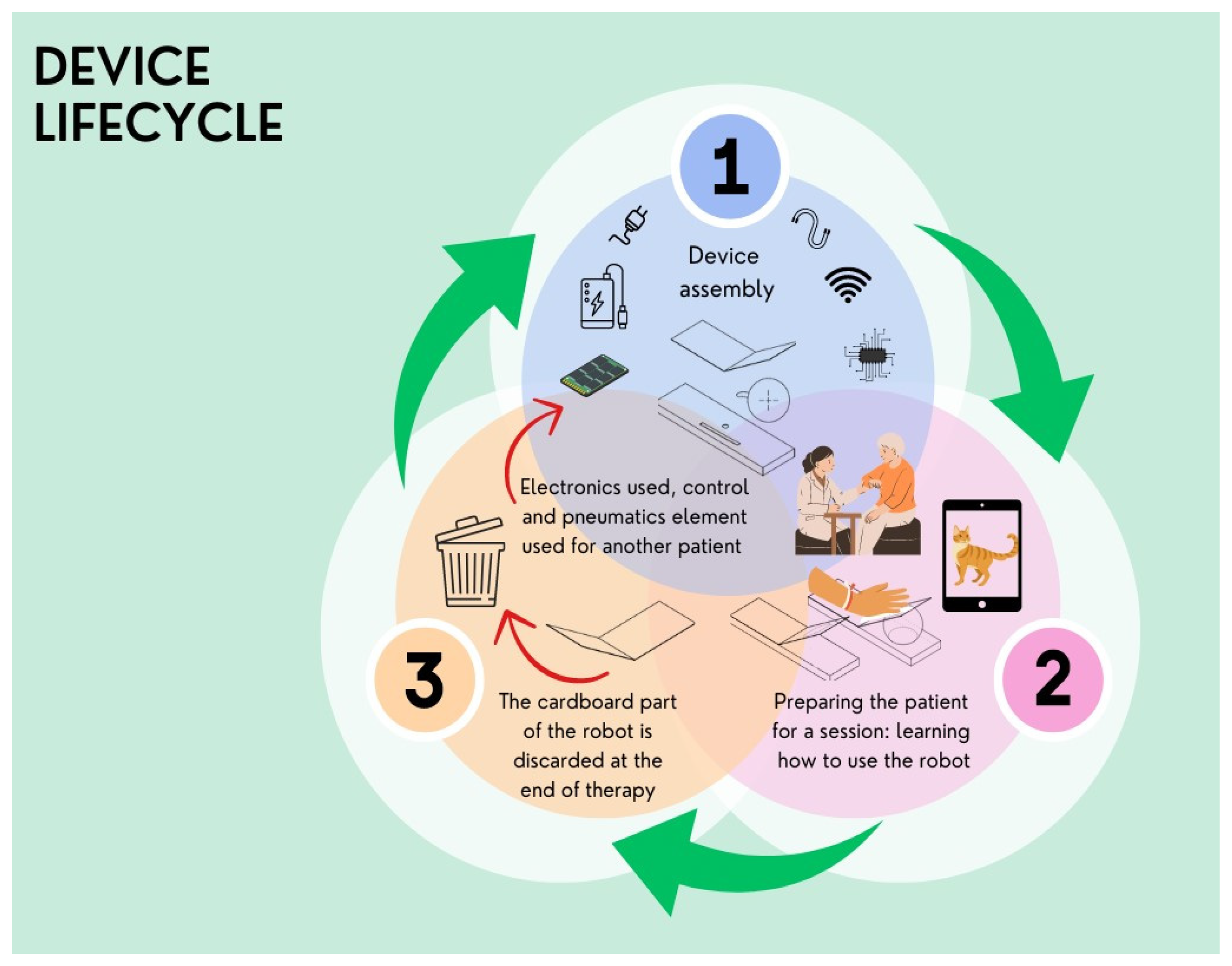
Upper-limb paresis is one of the main complications after stroke. It is commonly associated with impaired wrist-extension function. Upper-limb paresis can place a tremendous burden on stroke survivors and their families. A novel soft-actuator device, the Balonikotron, was designed to assist in rehabilitation by utilizing a balloon mechanism to facilitate wrist-extension exercises. This pilot study aimed to observe the functional changes in the paralyzed upper limb and improvements in independent and cognitive functions following a 4-week regimen using the device, which incorporates a multimedia tablet application providing audiovisual feedback. The device features a cardboard construction with a hinge at wrist level and rails that guide hand movement as the balloon inflates, controlled by a microcontroller and a tablet-based application. It operates on the principle of moving the hand at the wrist by pushing the palm upwards through a surface actuated by a balloon. A model was developed to describe the relationship between the force exerted on the hand, the angle on hinge, the pressure within the balloon, and its volume. Experimental validation demonstrated a Pearson correlation of 0.936 between the model’s force predictions and measured forces, supporting its potential for real-time safety monitoring by automatically shutting down when force thresholds are exceeded. A pilot study was conducted with 12 post-stroke patients (six experimental, six control), who participated in a four-week wrist-extension training program. Clinical outcomes were assessed using the Fugl–Meyer Assessment for the Upper Extremity (FMA-UE), Modified Rankin Scale (mRS), Mini-Mental State Examination (MMSE), Montreal Cognitive Assessment (MOCA), wrist Range of Motion (ROM), and Barthel Index (BI). Statistically significant results were obtained for the Barthel index (p < 0.05) and FMA-UE, indicating that the experimental use of the device significantly improved functional independence and self-care abilities. The results of our pilot study suggest that the Balonikotron device, which uses the principles of mirror therapy, may serve as a valuable adjunct to conventional rehabilitation for post-stroke patients with hemiparetic hands (BI p = 0.009, MMSE p = 0.151, mRS p = 0.640, FMA-UE p = 0.045, MOCA p = 0.187, ROM p = 0.109).

Monday, December 11, 2023

Post-stroke care in Poland far from bad, with room for improvement

Au contraire! If you're not getting survivors to 100% recovery, then by definition your post-stroke 'care' is horrendous!

Post-stroke care in Poland far from bad, with room for improvement

his article is part of our special report Navigating care pathways for stroke survivors across the EU.

Poland records 70,000 strokes annually and state-funded rehabilitation is by no means the worst in Europe, but it could still improve, the deputy head of the country’s post-stroke care foundation told Euractiv Poland.

Every year, about 1.1 million people in Europe suffer a stroke, including about 60-70,000 in Poland, of whom 30,000 patients do not survive, while those who do survive strokes are often faced with a high risk of permanent disability.

Stroke can cause a variety of disorders, such as speaking, swallowing, writing, and memory problems.

Therefore, it is essential to provide post-stroke patients with the widest possible range of rehabilitation treatments, which may enable them to at least partially recover.(Will you stop using the tyranny of low expectations to justify failure on the stroke medical 'professionals' to get survivors recovered!)

Post-stroke care starts in the hospital and involves, among other therapies, massage, kinesiotherapy, and compression therapy.

After discharge from the hospital, the patient should continue active recovery. In Poland, post-hospital stroke therapy is state-funded.

Post-stroke patients in Poland have access to 16 weeks of rehabilitation,('Access' is NOT what survivors want! They want recovery! GET THERE!) according to Adam Siger, vice president of the Polish Brain Stroke Foundation (Fundacja Udaru Mózgu).

“Patients are entitled to up to 80 treatments for one year after a stroke, with the option of extending it if the injured person’s state of health requires it,” Siger told Euractiv Poland.

This involves home rehabilitation, but also day rehabilitation stay with five to six hours a day in a clinic.

The unreachable rehabilitation

Still, only 30% of post-stroke patients use state-reimbursed therapy, according to Siger.

“This is because the demand exceeds the supply. Also, not all patients qualify to receive rehabilitation in clinics due to their serious post-stroke condition,” he said.

Many units lack specialised equipment necessary for treating some post-stroke complications.

“Patients may require enteral feeding or suctioning, for example. Aphasia also hampers rehabilitation. Another problem is the insufficient number of places at rehabilitation wards.”(NO excuses allowed!)

Those whose health condition requires additional resources are either forced to use the services of private health centres or end up in care facilities.

“In terms of the quality of post-stroke rehabilitation, Poland is in the middle of the European ranking,” Siger said. (Don't try to justify your failure by comparing it to other failures! I'd have you all fired for incompetence!)

“We cannot compare with Germany, Switzerland or Belgium, but our health care is at the same or maybe even higher level as in Italy, France or Portugal.”

Room for improvement

Asked what could be improved in post-stroke treatment in Poland, Siger mentioned communication.

“After a stroke, the patient stays in the hospital for seven to 10 days. Then he or she is discharged and does not really know what to do next, unlike cardiac patients. There is no coordinated care for stroke patients,” he said.

The Brain Stroke Foundation runs the only helpline in Poland for stroke patients and their families.

“People often call us with questions about different aspects of life after a stroke. Stroke patients in Poland lack information and guidance,” Siger said.(Oh God, more excuses!)

The number of strokes is rising in Poland, including among children.

Risk factors include stress, hypertension, diabetes, smoking, drug use, obesity and alcohol abuse. The chance of having a stroke increases with age and men are more likely to suffer from it.

Strokes are the main cause of disabilities among healthy Poles, with 30% of cases ending with disability. Still, they remain largely neglected by decision-makers.

“As the Brain Stroke Foundation, we lack appropriate tools to put pressure on the authorities. Our patients are mainly sick, elderly people of post-working age,” Siger stressed.

“However, we intend to present to lawmakers our proposal for the Polish version of the Stroke Action Plan for Europe, which would contain recommendations on what to do so that patients have the widest possible access(NOT ACCESS YOU BLITHERING IDIOTS, RESULTS AND RECOVERY!) to various types of post-stroke services. No organisation has promoted such a strategy until now.”

[Edited by Giedrė Peseckytė/Zoran Radosavljevic]

Thursday, November 21, 2013

Associations between Results of Post-Stroke NDT-Bobath Rehabilitation in Gait Parameters, ADL and Hand Functions

I couldn't tell from the English abstract if Bobath/NDT was useful or not. You can have your doctor and therapist wade through the 8 pages of Polish. Demand they do that for all their stroke patients, or have them contact their colleagues in Poland. You do expect your doctor to have a worldwide network in all the best stroke therapies? Don't you? 

Associations between Results of Post-Stroke NDT-Bobath Rehabilitation in Gait Parameters, ADL and Hand Functions


Emilia Mikołajewska
Associations between Results of Post-Stroke
NDT-Bobath Rehabilitation in Gait Parameters,
ADL and Hand Functions
Korelacje między wynikami rehabilitacji metodą NDT-Bobath
z zakresu reedukacji chodu, czynności życia codziennego
oraz funkcji ręki
Rehabilitation Clinic, Military Clinical Hospital No.
10 and Polyclinic, Bydgoszcz, Poland
Abstract
Background.
In patients after a stroke there are variable disorders. These patients often need rehabilitation in more than one area because of multiple limitations of the ability to perform everyday activities.
Objectives.
The aim of the study was to assess correlations – statistical relationships between observed gait parameters, ADL and hand functions –
results of rehabilitation of patients after ischaemic stroke according to the NDT-Bobath method for adults.
Material and Methods.
The investigated group consisted of 60 patients after ischemic stroke, who participated in the rehabilitation programme. 10 sessions of the NDT-Bobath therapy were provided in 2 weeks (10 days of the
therapy). The calculation of correlations was made based on changes of parameters: Bobath Scale (to assess hand functions), Barthel Index (to assess ADL), gait velocity, cadence and stride lenght. Measurements were performed in every patient twice: on admission (before the therapy) and after last session of the therapy to assess rehabilitation effects.
Results.
The main statistically relevant corellations observed in the study were as follows: in the whole group of patients: poor and moderate (negative) correlation between changes of gait parameters and Bobath Scale and
Barthel Index, moderate and severe (negative) correlation between changes of gait parameters and Bobath Scale and Barthel Index in the group of women, correlation between changes in Bobath Scale and Barthel Index in the group of patients with left side of paresis, (negative) correlation between changes of gait parameters and Bobath Scale in group of patients younger than 68 years, moderate, high and very high correlations between changes in gait parameters in groups of women, men, younger than 68
years and older than 68 years.
Conclusions.
There have been observed statistically significant and favorable changes in the health status of patients, described by gait parameters, changes in hand functions and ADL.
Based on the presented correlations there is an assumption that it is hard to achieve simultaneous recovery in all areas: gait parameters, hand functions
and ADLs in two weeks of rehabilitation (Adv Clin Exp Med 2013, 22, 5, 731–738).