Changing stroke rehab and research worldwide now.Time is Brain! trillions and trillions of neurons that DIE each day because there are NO effective hyperacute therapies besides tPA(only 12% effective). I have 523 posts on hyperacute therapy, enough for researchers to spend decades proving them out. These are my personal ideas and blog on stroke rehabilitation and stroke research. Do not attempt any of these without checking with your medical provider. Unless you join me in agitating, when you need these therapies they won't be there.

What this blog is for:

My blog is not to help survivors recover, it is to have the 10 million yearly stroke survivors light fires underneath their doctors, stroke hospitals and stroke researchers to get stroke solved. 100% recovery. The stroke medical world is completely failing at that goal, they don't even have it as a goal. Shortly after getting out of the hospital and getting NO information on the process or protocols of stroke rehabilitation and recovery I started searching on the internet and found that no other survivor received useful information. This is an attempt to cover all stroke rehabilitation information that should be readily available to survivors so they can talk with informed knowledge to their medical staff. It lays out what needs to be done to get stroke survivors closer to 100% recovery. It's quite disgusting that this information is not available from every stroke association and doctors group.

Showing posts with label myricetin. Show all posts

Friday, June 30, 2023

These Fruits And Veg Reduce Cognitive Decline Risk The Most

 Now ask your doctor for specific daily amounts needed, that will require further research since just is just an association, not a proven cause.

These Fruits And Veg Reduce Cognitive Decline Risk The Most
These Fruits And Veg Reduce Cognitive Decline Risk The Most post image

The fruits and vegetables that provide the highest protection against cognitive decline.

Certain fruits and vegetables that contain antioxidant flavonols appear to protect against cognitive decline.

Flavanols, which are a type of flavonoid, are found in nearly all fruits and vegetables, as well as in tea.

Consuming around one cup of dark leafy greens each day is linked to retaining stronger cognitive abilities with age.

Kaempferol and myricetin

A flavanol called kaempferol was linked to the highest level of protection by the research.

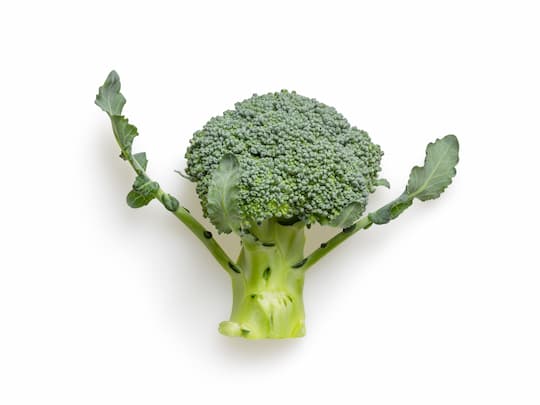
Typical foods that contain high levels of kaempferol include beans, tea, kale, spinach and broccoli.

Another flavanol called myricetin was also protective, although not quite to the same extent as kaempferol.

Typical foods that contain high levels of myricetin include wine, tea, kale, oranges and tomatoes.

Quercetin, which is found in tea, apples, kale and tomatoes was also protective, but at a still lower level.

Dr Thomas M. Holland, the study’s first author, said:

“It’s exciting that our study shows making specific diet choices may lead to a slower rate of cognitive decline.

Something as simple as eating more fruits and vegetables and drinking more tea is an easy way for people to take an active role in maintaining their brain health.”

Slowing cognitive decline

For the study, almost 1,000 people were divided into groups based on the amount of flavanols in their diet.

The group consuming the most flavanols got 15 mg a day — the amount that would come from a single cup of dark leafy greens.

Study participants were tracked over an average of 7 years and given regular cognitive tests.

These revealed that people who consumed the highest levels of flavanols experienced the slowest decline in their cognitive abilities.

The study’s authors explained:

“Results suggest dietary intakes of total flavonols and several flavonol constituents may be associated with slower decline in global cognition and multiple cognitive abilities with older age.”

As with any correlational research like this one, the study cannot prove that there is a link, merely that there is an association.

Friday, January 31, 2020

Flavonol may reduce Alzheimer’s dementia risk

With no amounts given and 'may', this is totally useless. 

Flavonol may reduce Alzheimer’s dementia risk


Photo of Thomas M. Holland
Thomas M. Holland
Eating more foods with flavonol, an antioxidant found in most fruits, vegetables and teas, could reduce the risk for developing Alzheimer’s dementia, according to research published in Neurology, the medical journal of the American Academy of Neurology.
“With this research, we are understanding that it’s the entire composition of the food, inclusive of bioactives, like flavonols, along with the vitamins and minerals that render these foods as beneficial,” Thomas M. Holland, MD, faculty member in the College of Health Sciences at Rush University, told Healio Primary Care. “As our knowledge of the disease process of Alzheimer’s dementia expands and we recognize that it is multifactorial, we should prepare ourselves as best we can with multiple, scientifically based tools to help stave off the progression with an eye toward the ultimate goal of prevention.”
Researchers evaluated 921 participants (mean age, 81.2 years) from the Rush Memory and Aging Project, an ongoing community-based cohort of older adults living in the Chicago area who did not have dementia at enrollment. Each year, participants are asked to complete food frequency questionnaires that assess their past-year intake of 144 food items, according to the study authors. Participants were followed for an average of 6 years.
The researchers divided the participants into five groups based on their intake of flavonol. They said the average flavonol intake in the United States is 16 mg to 20 mg per day; in the study, the lowest intake group consumed an average of 5.3 mg per day, whereas the highest intake group consumed an average 15.3 mg per day.(How the hell do you know the amounts to take to get to this level?)
Photo of salad 
Eating more foods with flavonol, an antioxidant found in most fruits, vegetables and teas, could reduce the risk for developing Alzheimer’s dementia, according to research published in Neurology, the medical journal of the American Academy of Neurology.
Source: Adobe Stock
In their analysis, researchers examined Alzheimer’s risk with intake of four specific flavonols: kaempferol, which is found in kale, beans, tea, spinach and broccoli; myricetin, which is in tea, wine, kale, oranges and tomatoes; isorhamnetin, which is in pears, olive oil, wine and tomato sauce; and quercetin, which is found in tomatoes, kale, apples and tea.
According to Holland and colleagues, 220 participants developed Alzheimer’s dementia.
They found that after adjusting for genetic predisposition and lifestyle factors, those in the highest total flavonol intake group had a 48% lower risk of developing Alzheimer’s dementia compared with those in the first quintile (HR = 0.52; 95% CI, 0.33-0.84).
Alzheimer dementia risk was 51% lower in those with the highest kaempferol intake (HR = 0.49; 95% CI, 0.31-0.77), 38% lower in those with the highest myricetin intake (HR = 0.62; 95% CI, 0.4-0.97) and 38% lower in those with the highest isorhamnetin intake (HR = 0.62; 95% CI, 0.39-0.98) compared with the lowest consumers. Quercetin was not associated with a lower risk for developing Alzheimer’s dementia.