Changing stroke rehab and research worldwide now.Time is Brain! trillions and trillions of neurons that DIE each day because there are NO effective hyperacute therapies besides tPA(only 12% effective). I have 523 posts on hyperacute therapy, enough for researchers to spend decades proving them out. These are my personal ideas and blog on stroke rehabilitation and stroke research. Do not attempt any of these without checking with your medical provider. Unless you join me in agitating, when you need these therapies they won't be there.

What this blog is for:

My blog is not to help survivors recover, it is to have the 10 million yearly stroke survivors light fires underneath their doctors, stroke hospitals and stroke researchers to get stroke solved. 100% recovery. The stroke medical world is completely failing at that goal, they don't even have it as a goal. Shortly after getting out of the hospital and getting NO information on the process or protocols of stroke rehabilitation and recovery I started searching on the internet and found that no other survivor received useful information. This is an attempt to cover all stroke rehabilitation information that should be readily available to survivors so they can talk with informed knowledge to their medical staff. It lays out what needs to be done to get stroke survivors closer to 100% recovery. It's quite disgusting that this information is not available from every stroke association and doctors group.

Showing posts with label functional independence. Show all posts

Tuesday, July 28, 2026

Neural mechanisms underlying loss of functional independence after stroke: EEG evidence of impaired motor-to-sensory directed connectivity on the affected side

 Absolutely nothing here gets survivors recovered! You're all fired!

(Margaret Yekutiel wrote a whole book about this in 2001, 'Sensory Re-Education of the Hand After Stroke'. Does your incompetent? doctor and therapists even know about it?)

Neural mechanisms underlying loss of functional independence after stroke: EEG evidence of impaired motor-to-sensory directed connectivity on the affected side

    We are providing an unedited version of this manuscript to give early access to its findings. Before final publication, the manuscript will undergo further editing. Please note there may be errors present which affect the content, and all legal disclaimers apply.

    Abstract

    Background

    Post-stroke reorganization of the prefrontal-sensorimotor network is critical for functional recovery, yet single connectivity metrics fail to capture its multidimensional characteristics. This exploratory study investigates network reorganization patterns and their clinical relevance to motor function and daily independence using multimodal electroencephalography (EEG) connectivity analysis, including Coherence (COH), phase lag index (PLI), and Granger causality (GC).

    Methods

    Resting-state EEG from stroke patients (n = 22) and healthy controls (n = 22) was analyzed. COH, PLI, and GC metrics were computed for key regional connections involving the prefrontal (PFC), motor (MC), sensory (SC), and parietal (PC) cortices and correlated with Fugl-Meyer Assessment for Upper Extremity (FMA-UE) and Modified Barthel Index(MBI) scores. For stroke patients, hemispheres were classified as ipsilesional (i, affected) and contralesional (c, unaffected) based on the lesion side.

    Results

    Compared to healthy controls, stroke patients exhibited distinct reorganization patterns. Preliminary evidence suggests enhanced parietal-motor coherence (COH_cPC-cMC↑) in the unaffected hemisphere alongside reduced motor-to-prefrontal directed connectivity (GC_cMC→cPFC↓). Interhemispherically, the findings may indicate weakened information flow from the unaffected to affected motor/sensory areas (GC_cMC→iMC↓, GC_cMC→iSC↓), accompanied by reduced bilateral motor synchronization (PLI_iMC-cMC↓). Within the affected hemisphere, there was evidence of enhanced bidirectional parietal-motor phase transfer (PLI_iPC-iMC↑), whereas directed pathways were significantly impaired (GC_iMC→iSC↓, GC_iPC→iSC↓, GC_iPFC→iMC↓). Clinically, the affected motor-to-sensory pathway (GC_iMC→iSC) showed a strong negative correlation with the MBI (r = -0.61, P = 0.002), and both interhemispheric motor regulation (GC_cMC→iMC) and synchronization (PLI_iMC-cMC) were significantly correlated with functional deficits (P < 0.05).

    Conclusion

    Post-stroke networks may exhibit a “local compensation-global impairment” reorganization pattern. The affected motor-sensory pathway (GC_iMC→iSC) may be a biomarker for functional independence and thus allow for guided sensory integration-based precision rehabilitation.

    Thursday, September 11, 2025

    Functional fitness: What is it & why is it needed as we age?

     Don't allow your incompetent? doctor to force you to settle for this instead of 100% recovery! The tyranny of low expectations(Anything less than 100% recovery!) from your doctor should be reported as incompetence to your stroke hospital president.

    Functional fitness: What is it & why is it needed as we age?

    Episode Transcript
    Functional fitness is important for everyone, and it really is important, especially as you age, because you might not have the capabilities that you did when you were younger.This is the Health and Wellness Podcast brought to you by Sanford Health. The conversation today is all about functional fitness—what it is and why it’s beneficial as we age. Our guest is Charlotte Stier, a physical therapist with Good Samaritan Society – Sioux Falls Village. Our host is Alan Helgeson with Sanford Health News.Thank you for joining us today. We’re gonna be talking about a topic, functional fitness, but before we get there, Charlotte is here because Charlotte works at Good Samaritan Society – Sioux Falls Village. In your role as a physical therapist, what are some of the common things that you see and that you might do during a normal day?Well, a really common one is balance. That’s a big common theme, especially in the older adult population that I work with. What I do specifically is, I am in charge of the outpatient realm that we have. So I go to more of the independent living, the assisted living facilities. I go to them, to their home, and I do their rehab there, or I ask them to come to the gym where we’re at.Alan Helgeson (host):Why is it that as people get older there are more issues with balance? What happens to us physically that changes? Charlotte Stier (guest):

    Balance incorporates not just how you’re moving, not just your feet, it incorporates your vestibular system and it incorporates your eyesight as well. So it could be a combination of factors for, say, someone that has neuropathy for whatever reason, maybe it’s from diabetes or Parkinson’s, that impacts their footwork and how that works. So it could be from that reason, it could be poor eyesight—you know our eyes age as we get older—your vestibular system inside ages as well, and so it just starts to decline and if we don’t work on it, we lose it.

    Alan Helgeson (host):

    That explains things very well. I was curious about that and I appreciate how you answered that. Thank you. Well, we’re here today to talk about something and I’ve been in health care marketing for a good number of years, and the last several years you hear more and more about this topic. And I’m excited to learn about functional fitness. What is it?

    Charlotte Stier (guest):

    Yeah. Functional fitness. I love this topic. Functional fitness, in my own words, is any movements or activities that directly translate into your everyday lifestyle, whether it be putting dishes away into the cabinet or it could be a sport even. It’s how you walk, how you move, just whatever is important to you that you do throughout your day-to-day life.

    Alan Helgeson (host):

    So when it comes to functional fitness, is this an example? I know I look like I might be a certain age, but really I’m about 22.

    Charlotte Stier (guest):

    Sure. Yeah. <Laugh>.

    Alan Helgeson (host):

    But I hear that I have arthritis in my thumb, and it hurts like heck when I try and open a pickle jar. Is showing me how to do some of my things with my fingers and my thumb and stuff like that, an example of functional fitness?

    Charlotte Stier (guest):

    Yes, definitely. You would relate it directly to that. So I would make goal of opening a jar without pain, and that’s how we would train and that’s how we would focus on that.

    Alan Helgeson (host):

    And it’s different for everybody, right?

    Charlotte Stier (guest):

    Exactly.

    Alan Helgeson (host):

    Okay.

    Alan Helgeson (host):

    And you go out and meet people where they are in a variety of settings?

    Charlotte Stier (guest):

    Yep.

    Alan Helgeson (host):

    Okay. So it’s good to hear about that, and that it’s a service that’s offered for folks, and we don’t have to settle as people age and just go, “I can’t do that anymore.”

    Charlotte Stier (guest):

    Exactly.

    Alan Helgeson (host):

    How does functional fitness differ from a regular gym workout?

    Charlotte Stier (guest):

    That’s a great question. Functional fitness focuses more so on incorporating the whole body movements a lot of times. Not always, but a traditional gym workout you would see someone train your biceps, you’ll go train specifically your quads or whatever it might be, whatever muscle group you wanna work on at that time. Functional fitness, you’re looking at what movements do we need to incorporate to make squatting down to use the restroom per se. That’s always a very common example, especially in our older adult population. So we’re gonna train some squats that directly relate to exactly what you want to do. We’re gonna work on the form, we’re gonna work on the strength, the speed, coordination of that movement, and that directly relates to their goal.

    Alan Helgeson (host):

    It sounds like with functional fitness, it doesn’t take the place of a traditional workout, right?

    Charlotte Stier (guest):

    Right. You can incorporate—sometimes it depends on the person and how they present in that specific scenario—and say, okay, this muscle is weak, so we need to work on that. But we’re also gonna incorporate that into a whole body movement.

    Alan Helgeson (host):

    Now, why is it particularly beneficial for seniors?

    Charlotte Stier (guest):

    Well, seniors typically don’t care about how much weight they can lift, right? They’re not caring about getting a 500 pound deadlift anymore, like some of us younger folk might be. They care about, can they lift their grandchildren up into the air? Can they put dishes away into their high cabinet that they have a hard time reaching? Things like that. And so functional fitness–we’ll go back to the example of lifting their grandkids up into the air—one thing that directly relates to that in the gym is actually a thruster, and that can be functional fitness. Okay, you need to squat down, pick up your grandchild, and then lift them with your arms up into the air. So we train that specific movement, and that directly relates to their goal.

    Alan Helgeson (host):

    If I were to go to a gym and I’m talking to my personal trainer and I said, as part of my routine, I need something that acts almost as a functional fitness for this. Are they likely to understand what that means as well? Or is that something different?

    Charlotte Stier (guest):

    I would say so, yes. I think that’s very common now, especially in today’s world. In the workout realm, we really look at functional fitness more so. I used to be a CrossFit coach and I love CrossFit realm personally, and a big part of it is functional fitness, is why you’re working out. Is it to play with your kids? So that you can play with your kids all throughout your life, or your grandkids or whatever it might be.

    Alan Helgeson (host):

    So truly anything you’re doing in the gym really is functional fitness.

    Charlotte Stier (guest):

    Right.

    Alan Helgeson (host):

    That’s a good way to explain that. Let’s get to the “sciencey” part of this. What is some of the science behind this and why does that really matter?

    Charlotte Stier (guest):

    Yeah, that’s a great question. So specificity really matters in functional fitness because it directly translates into your goal. That’s actually one of the 10 principles of neuroplasticity, which we could go down a whole rabbit hole of that realm of getting into stroke rehab and neuro rehab and that realm. But that also translates into any sort of functional fitness, in my opinion. You know, that specific task needs to translate into what their goal is. If their goal is to walk again, it’s hard to just say, “Okay, do these seated quad exercises and you’re gonna walk again.” You need to actually practice walking. You need to practice that specific movement and help them in however it works best for that patient at the time to do that.

    Alan Helgeson (host):

    Very important that we understand that, because that is what you need to know in order to go through this. Let’s move on here to the actual movements themselves, because I know people wanna know, what are some of the things I can do? So talk about examples of functional fitness movements and the types of equipment we would use.

    Charlotte Stier (guest):

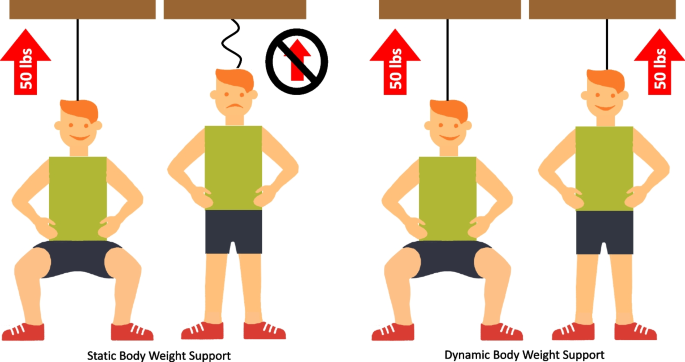
    Definitely depends on the person’s goal, what you’re gonna do. But I’ll use the walking example again. Say a person had a stroke. Their left arm and left leg are both affected. So in order to help rehab that, you’re gonna strengthen both of those muscle groups on both of those sides, but you also want to directly practice walking. So we have ways where we can help them into certain positions so that we’re assisting their limb as they’re walking, but then their body is actually doing most of the work. That makes that neural connection to the brain: “Oh, I can do this. I’m remembering how to walk again.” That’s where a big part of that specificity comes in. Other moves: my favorite one is the squat. We have to do that all the time. Right? We’re sitting, we’re standing, all throughout our day. The squat directly relates to that.

    Alan Helgeson (host):

    Are there certain types of equipment that, with those two things you talked about, or with the walking, let’s talk about the walking. Is there some equipment that you might use specific towards that?

    Charlotte Stier (guest):

    One commonly is the parallel bars that we use a lot. That’s just the most helpful. They can use their hands on both sides. Then there’s also a barrier there so that if they lose their balance, they’re not gonna fall one way or the other.

    Alan Helgeson (host):

    Let’s go to seniors and that age group. I know it’s hard to talk about in a general sense, but if you’re talking to the senior population, are there movements that benefit seniors the most?

    Charlotte Stier (guest):

    Well, if you’re gonna make me choose one, I would say the squat <laugh>.

    Alan Helgeson (host):

    Okay.

    Charlotte Stier (guest):

    It always depends on the person’s goal, but the squat, and I would say overhead lifting, are kind of that thruster motion of where you’re squatting down and then you’re doing a shoulder to overhead movement. That one is really probably one of the best ones because our shoulders start to really decline as we get older too. There’s just a lot of structures in a small space in our shoulders, and they have a hard time as we age with that. To keep the shoulders healthy, as well as being able to squat down to your floor, to the chair, whatever it might be, and then to pick something up, lift it up into your cabinet, that’s one of my favorites personally.

    Alan Helgeson (host):

    A few months ago I talked to one of our experts at Sanford Sports and he wasn’t the first one. We hear this all the time anymore. The word modifications. And you’re shaking your head yes. Modifications, I’m guessing, can be based on someone’s capabilities, right?

    Charlotte Stier (guest):

    A hundred percent, yes. Definitely. You see that a lot of say, someone maybe can’t lift their shoulders overhead for whatever reason. We would modify that to, okay, we’re only gonna go to halfway and we’ll just make that work with—so maybe they do want to put their dishes away, still into their cabinet, but they really struggle with, there’s maybe something wrong internally with their shoulders and they can’t, it can’t be fixed—and so what you do is, okay, let’s take a stool, a step stool, for example. We’re gonna work on your balance, your strength, your agility. We’re gonna directly do some stair stepping to work on that safely, in order to be able to help them achieve that goal.

    Alan Helgeson (host):

    I think the word modifications might be one of the most important words these days because it lets people know that if you have—like I do—a bad knee, that shouldn’t keep you away from anything. Right?

    Charlotte Stier (guest):

    Definitely.

    Alan Helgeson (host):

    You guys can make anything work. And you will. Okay. How can physical therapy aid seniors in functional fitness?

    Charlotte Stier (guest):

    It’s what we do as physical therapists. I can come in and look at a person and go, “Okay, I’ll test all of your different muscle groups. We’ll see what’s weak. We’ll test your balance, see what we need to work on there.” But the biggest part is what their goal is, and what they want to get back to doing. And so then we can take that goal and say, “Okay, great, now we’re gonna work on, we’re gonna combine those.” So you’re weak in this area, say it’s your squats—easy example—and you wanna be able to squat down to your chair, or be able to get up from your chair. That’s the goal. Okay. We’re gonna directly take that, we’re gonna relate that, and then we’re gonna do movements that will achieve that goal. And you get creative. Like you said, it’s fun. Because physical therapy is not black and white. It’s very much gray. It’s a very much gray realm of, you have to be creative because there’s no black and white answer.

    Alan Helgeson (host):

    Well, my shoulder pain is different than your shoulder pain, than person C. Right?

    Charlotte Stier (guest):

    Exactly.

    Alan Helgeson (host):

    That’s where the fun part is, and the expertise is. Because you see what the variance is and come up with the right solution. For someone listening to this today and they hear about the term functional fitness and they go, “Oh, I need that.” Probably the next thing they’re gonna do, they’re gonna go to Google, they’re gonna go to ChatGPT, they’re gonna go to YouTube, start looking up things and looking at videos. So my question is: is functional fitness something I can do on my own, or do I need an expert to teach?

    Charlotte Stier (guest):

    In my opinion, you need someone to teach you. It’s very hard to see where your specific weaknesses are. Even myself, who, I’ve been in the fitness realm for a long time, and I really love it. I still need someone on the outside, a coach. Someone telling me, “Hey, no, actually this part is weak and you need to work on this,” where maybe I might know that, but I don’t wanna actually work on it <laugh>. And so it’s best to have someone to teach that for you and to show you, “Hey, this is how you do this safely and this is how you do this well.”

    Alan Helgeson (host):

    So you said the term “safely.” Is there a risk if you try to watch Jane or John on YouTube and see a video, is there a risk that you could find greater injury in something?

    Charlotte Stier (guest):

    Yes. There’s always that risk for sure. If you aren’t taught properly how to move. We like to break movements down into step A, B, C, D before you actually do the full movement. Because if you start—if you try to just do the full movement—you might think that you’re doing it, but unless you have someone watching you or you have a mirror or a video, and saying, “No, actually you need to engage this muscle instead of this one,” you might get injured in that.

    Alan Helgeson (host):

    Alright, so Charlotte, we’ve listened to this, we’ve heard about functional fitness, and I’m hearing that I need that. That’s gonna help me do what I need to do. What’s next?

    Charlotte Stier (guest):

    Well, you can start by going online if that works best for you. You can go either through Good Sam or Sanford Health. Either website, the main websites, good-sam.com, and under their services tab there is a rehab therapy tab, and then you can look at all the options on there. I believe there’s a phone number that you can call and look into it. There’s also a resources tab underneath the rehab therapy and there’s some articles in there. There’s one article on fall prevention tips, things that you can do around your house to help with that in that main rehab therapy page. You can look up the number, you can get in contact with a physical therapist or occupational therapist—whatever best fits your needs—and go from there. Sanford Health, the main website, I believe it’s sanfordhealth.org, you go to medical services tab and then click on physical therapy, and this lists out all their rehab specialties within Sanford and you can find a location and a physical therapy that meets your needs.

    Alan Helgeson (host):

    As we’re coming to a close here, Charlotte, this is some great information. Things that we never knew about a term that we hear a lot about. We thought it was a super high specialized thing, and it really isn’t. What are some of your things that you’d like to leave with us as parting thoughts about functional fitness and what we should know? That big takeaway that you want us to have.

    Charlotte Stier (guest):

    Yeah. Functional fitness is important for everyone. Anyone can do functional fitness. Anyone. And it really is important, especially as you age, because you might not have the capabilities that you did when you were younger. So you need those goals that will directly translate into your specific moves, your lifestyle, and maybe you don’t have access to a gym or certain equipment, that’s just fine. That’s what we as physical therapists are here for.

    Courtney Collen (announcer):

    This episode is part of the Health and Wellness series by Sanford Health. For additional podcast series by Sanford Health, find us on Apple, Spotify, and news.sanford health.org.


    Thursday, February 6, 2025

    Stroke thrombectomy safe but not found to reduce disability versus standard care in more distal occlusions

     So, accepting failure as the status quo! Survivors still expect 100% recovery. GET THERE!

    Stroke thrombectomy safe but not found to reduce disability versus standard care in more distal occlusions

    Removing a clot blocking a medium- or small-sized artery in the brain via a mechanical thrombectomy procedure proved to be a safe treatment for ischaemic stroke but did not lessen disability more than the current ‘best medical treatment’ alone—including clot-busting medication, if indicated—according to study findings presented as preliminary late-breaking science at the International Stroke Conference (ISC; 5–7 February, Los Angeles, USA).

    An estimated 20–40% of patients with ischaemic strokes have a clot blocking one of several medium- or small-sized arteries above the base of the brain—a distal/medium vessel occlusion (D/MeVO)—explained Marios Psychogios (University Hospital Basel, Basel, Switzerland), lead study author and co-principal investigator for the DISTAL trial.

    “Given the high and rising prevalence of ischaemic strokes in ageing populations, stroke in medium/distal vessels represents a significant and growing health concern,” he said. “While these strokes were traditionally thought to have a favourable prognosis, findings from recent studies suggest that only half of people regain functional independence,(NOT GOOD ENOUGH! Survivors want 100% recovery, NOT this tyranny of low expectations!) underscoring the urgent need for more effective treatments.”

    American Heart Association/American Stroke Association guidelines from 2019 on the early management of patients with acute ischaemic stroke recommend mechanical clot removal within 24 hours of symptom onset for selected patients with clots blocking large arteries. For clots blocking medium vessels, the guidelines note that, “although the benefits are uncertain, the use of mechanical thrombectomy with stent retrievers may be reasonable” for carefully selected ischaemic stroke patients within six hours of symptom onset.

    Launched in 2021, the DISTAL trial investigated whether thrombectomy in addition to best medical therapy—often including intravenous clot-busting medications—was able to reduce disability compared to clot-busting treatment alone. The trial included 543 adult patients (44% women; average age, 75 years; 98% white) who entered one of 55 hospitals across Europe with disabling stroke symptoms. Imaging tests confirmed a medium/distal vessel blockage in all participants, with participants then being randomly selected to receive either only standard stroke care (n=272, of whom 66% received clot-busting drugs) or standard care/clot busters plus thrombectomy treatment to remove their clot (n=271).

    The researchers found that roughly 63% of patients in the trial had no disability—as per the modified Rankin scale (mRS)—before their stroke, while average stroke severity at hospital admission was moderate, with a median score of six on the 42-point National Institutes of Health stroke scale (NIHSS). In addition, on imaging, occlusions were visualised mainly in the M2 (44%) or M3 (27%) segments of the middle cerebral artery, or in the P2 (14%) or P1 (6%) segments of the posterior cerebral artery.

    Urs Fischer

    The effectiveness of the treatment was measured via the patients’ disability and need for assistance in daily activities (mRS) 90 days post-stroke, with decisions about the exact devices and procedures used for thrombectomy being left to the treating physician. Ninety-day follow-up analysis of DISTAL revealed the following outcomes:

    • There was no significant difference in disability between those receiving thrombectomy plus standard medical care and those receiving standard medical care alone
    • There were similar rates of death for each group—15.5% for those receiving thrombectomy plus standard medical care versus 14% among those receiving standard medical care alone
    • Rates of severe (symptomatic) brain bleeds were 5.9% for those receiving thrombectomy plus standard medical care versus 2.6% with standard medical care alone

    “Endovascular therapy [thrombectomy] with the current techniques may not always provide extra benefits, so it could be worth reconsidering it as the standard treatment for medium/distal vessel blockages. However, it is a safe option that can still be considered for select people on a case-by-case basis,” commented DISTAL co-principal investigator Urs Fischer (University Hospital Bern, Bern, Switzerland).

    The lack of added benefit with thrombectomy was confirmed when researchers analysed specific subsets of people, such as those who did not receive intravenous clot-busting medications and those who had more severe strokes.

    “We were surprised at the overall outcome of the participants, which was worse than we anticipated based on retrospective data,” Psychogios stated.

    The DISTAL researchers are currently conducting a detailed analysis on whether thrombectomy was more or less effective in different subgroups of patients, perhaps enabling them to identify characteristics that might be associated with a more positive outcome following the treatment.

    In addition, because almost all participants in the study were white, the results may not be generalisable to other populations. Further possible limitations include the fact that, while the study’s design offered the benefit of looking at the real-world application of mechanical clot removal, it may have restricted the researchers’ ability to detect positive effects from it that would have been apparent in a more selective patient group. In addition—as stated in an American Heart Association press release—physicians who already believed that thrombectomy was a superior treatment could have treated patients with the procedure outside of the trial rather than “taking the chance” that their patients might be randomised to standard medical treatment alone.

    “While the results of the DISTAL trial might seem discouraging, we see it as a wakeup call to continue investigating treatment options for medium or distal vessel occlusion patients, as outcomes appear to be more severe than expected and evidence-based effective treatment options are still lacking,” Psychogios added.

    Saturday, December 18, 2021

    Patients with low stroke score may reach functional independence

     This has to be one of the worst forms of accepting the tyranny of low expectations. Do you think your survivor you obviously failed in treatment to 100% recovery thinks the same?

    Patients with low stroke score may reach functional independence

    Patients who present with a low Alberta Stroke Program Early Computed Tomography Score may achieve functional independence following mechanical thrombectomy, according to results of a retrospective cohort study.

    Those with a low score who had successful recanalization had a significantly higher likelihood for a favorable outcome.

    “The Alberta Stroke Program Early Computed Tomography Score (ASPECTS) is a 10-point scoring system based on the extent of early ischemic changes detected on the baseline non-contrasted computed tomography scan, with a score of 10 indicating normal and 0 indicating ischemic changes in all of the regions included in the score,” Eyad Almallouhi, MD, of the department of neurosurgery at the Medical University of South Carolina, and colleagues wrote in JAMA Network Open. “Patients with an ASPECTS lower than 6 were excluded from most clinical trials; therefore, data about their outcomes remain scarce, and whether these patients could still achieve benefits from [mechanical thrombectomy] remains unknown.”

    Investigators aimed to examine the safety and effectiveness of mechanical thrombectomy among patients with large vessel occlusion who had an ASPECTS of between 2 and 5. They analyzed data of 2,345 patients (50.1% were women; median age, 72 years; 90.9% ASPECTS of 6; 9.1% ASPECTS of 2 to 5) included in the Stroke Thrombectomy and Aneurysm Registry, which combines prospectively maintained databases from 28 thrombectomy-capable stroke centers in the U.S., Europe and Asia. Included patients had occlusion in the internal carotid artery or M1 segment of the middle cerebral artery between January 2016 and December 2020. Follow-up occurred for 90 days after intervention. Patients received mechanical thrombectomy at one of the included centers. Almallouhi and colleagues used a multivariable regression model to examine factors linked to a favorable 90-day outcome, defined as a modified Rankin Scale score of between 0 and 2. Factors included interaction terms between an ASPECTS of 2 and 5 and receipt of mechanical thrombectomy in the extended window, or 6 to 24 hours from symptom onset.

    Results showed 22.1% (n = 47) of the 213 patients with ASPECTS of between 2 and 5 at 90 days had a modified Rankin Scale score of between 0 and 2 (25.6% of patients who received successful recanalization compared with 5.4% of patients who received unsuccessful recanalization). Patients with a low ASPECTS (OR = 0.6; 95% CI, 0.38-0.85) and those who presented in the extended window (OR = 0.69; 95% CI, 0.55-0.88) had increased risk for worse 90-day outcome after controlling for potential confounders, with researchers noting no significant interaction between these two factors.

    “Post-[mechanical thrombectomy] care represents another factor that modifies the outcomes of [mechanical thrombectomy] in general,” Almallouhi and colleagues wrote. “This care includes blood pressure control, decompressive hemicraniectomy protocols and the use of antiplatelets. Future studies are needed to evaluate the association of these factors with [mechanical thrombectomy] for patients with a low ASPECTS.”


    Thursday, May 20, 2021

    Delayed Neurological Improvement After Full Endovascular Reperfusion in Acute Anterior Circulation Ischemic Stroke

     So functional independence is your term for the tyranny of low expectations. It wasn't 100% recovery  so why don't you just be realistic and call it a complete failure?

    Delayed Neurological Improvement After Full Endovascular Reperfusion in Acute Anterior Circulation Ischemic Stroke

    and on behalf of the NORDICTUS Investigators
    Originally publishedhttps://doi.org/10.1161/STROKEAHA.120.032066Stroke. ;0:STROKEAHA.120.032066

    Background and Purpose:

    We aimed to determine the prevalence and predictors of delayed neurological improvement (DNI) after complete endovascular reperfusion in anterior circulation acute ischemic stroke (AIS).

    Methods:

    Retrospective analysis of an online multicenter prospective reperfusion registry of patients with consecutive anterior circulation AIS treated with endovascular thrombectomy (EVT) from January 2018 to June 2019 in tertiary stroke centers of the NORDICTUS (NORD-Spain Network for Research and Innovation in ICTUS) network. We included patients with AIS with a proximal occlusion in whom a modified Thrombolysis in Cerebral Infarction 3 reperfusion pattern was obtained. DNI was defined if, despite absence of early neurological improvement during the first 24 hours, patients achieved functional independence on day 90. Clinical and radiological variables obtained before EVT were analyzed as potential predictors of DNI.

    Results:

    Of 1565 patients with consecutive AIS treated with EVT, 1381 had proximal anterior circulation occlusions, 803 (58%) of whom achieved a modified Thrombolysis in Cerebral Infarction 3. Of these, 628 patients fulfilled all selection criteria and were included in the study. Mean age was 73.8 years, 323 (51.4%) were female, and median baseline National Institutes of Health Stroke Scale was 16. Absence of early neurological improvement was observed in 142 (22.6%) patients; 32 of these (22.5%) achieved good long-term outcome and constitute the DNI group. Predictors of DNI in multivariable-adjusted logistic regression were male sex (odds ratio, 6.4 [95% CI, 2.1–22.3] P=0.002), lower pre-EVT National Institutes of Health Stroke Scale score (odds ratio, 1.4 [95% CI, 1.2–1.5], P<0.001), and intravenous thrombolysis (odds ratio, 9.1 [95% CI, 2.7–30.90], P<0.001).

    Conclusions:

    One-quarter of patients with anterior circulation AIS who do not clinically improve within the first 24 hours after complete cerebral endovascular recanalization will achieve long-term functional independence, regardless of the poor early clinical course. Male sex, lower initial clinical severity, and use of intravenous thrombolysis before EVT predicted this clinical pattern.

    Footnotes

    The Data Supplement is available with this article at https://www.ahajournals.org/doi/suppl/10.1161/STROKEAHA.120.032066.

    For Sources of Funding and Disclosures, see page xxx.

    *A list of all NORDICTUS Investigators is given in the Data Supplement

    Correspondence to: Juan Francisco Arenillas, MD, PhD, Stroke Program, Department of Neurology, Hospital Clínico Universitario de Valladolid, Department of Medicine, University of Valladolid, Ramón y Cajal 5, 47005 Valladolid. Email
     

    Sunday, June 28, 2020

    Stroke Treatment Delay Limits Outcome After Mechanical Thrombectomy: Stratification by Arrival Time and ASPECTS

    Are you THAT FUCKING CLUELESS that you think survivors just want functional independence? Just maybe if you actually talk to survivors you will find out they want 100% recovery.  NOT your fucking tyranny of low expectations, 'functional independence' or 'good outcomes'.

    Stroke Treatment Delay Limits Outcome After Mechanical Thrombectomy: Stratification by Arrival Time and ASPECTS

    First published: 27 June 2020
    Acknowledgements and Disclosures: : None of the authors has relevant disclosures.

    ABSTRACT


    BACKGROUND AND PURPOSE

    Mechanical thrombectomy (MT) has helped many patients achieve functional independence. The effect of time‐to‐treatment based in specific epochs and as related to Alberta Stroke Program Early CT Score (ASPECTS) has not been established. The goal of the study was to evaluate the association between last known normal (LKN)‐to‐puncture time and good functional outcome.(My definition of good is 100% recovery. What the hell is yours?)

    METHODS

    We conducted a retrospective cohort study of prospectively collected acute ischemic stroke patients undergoing MT for large vessel occlusion. We used binary logistic regression models adjusted for age, Modified Treatment in Cerebral Ischemia score, initial National Institutes of Health Stroke Scale, and noncontrast CT ASPECTS to assess the association between LKN‐to‐puncture time and favorable outcome defined as Modified Rankin Score 0‐2 on discharge.

    RESULTS

    Among 421 patients, 328 were included in analysis. Increased LKN‐to‐puncture time was associated with decreased probability of good functional outcome (adjusted odds ratio [aOR] ratio per 15‐minute delay = .98; 95% confidence interval [CI], .97‐.99; P = .001). This was especially true when LKN‐puncture time was 0‐6 hours (aOR per 15‐minute delay = .94; 95% CI, .89‐.99; P = .05) or ASPECTS 8‐10 (aOR = .98; 95% CI, .97‐.99; P = .002) as opposed to when LKN‐puncture time was 6‐24 hours (aOR per 15‐minute delay = .99; 95% CI, .97‐1.00; P = .16) and ASPECTS <8 (aOR = .98; 95% CI, .93‐1.03; P = .37).

    CONCLUSION

    Decreased LKN‐groin puncture time improves outcome(NOT GOOD ENOUGH) particularly in those with good ASPECTS presenting within 6 hours. Strategies to decrease reperfusion times should be investigated, particularly in those in the early time window and with good ASPECTS.

    Friday, May 12, 2017

    Functional independence: A comparison of the changes during neurorehabilitation between patients with nontraumatic subarachnoid hemorrhage and patients with intracerebral hemorrhage or acute ischemic stroke

    The outcome of this research should have been an analysis of why the recoveries were so bad and what needs to be done to get to 100% recovery.  
    http://search.naric.com/research/rehab/redesign_record.cfm?search=2&type=all&criteria=J75832&phrase=no&rec=133380&article_source=Rehab&international=0&international_language=&international_location=
    Archives of Physical Medicine and Rehabilitation , Volume 98(4) , Pgs. 759-765.

    NARIC Accession Number: J75832.  What's this?
    ISSN: 0003-9993.
    Author(s): Stabel, Henriette H.; Pedersen, Asger R.; Johnsen, Soren P.; Nielsen, Jorgen F..
    Publication Year: 2017.
    Number of Pages: 7.
    Abstract: Study compared changes in functional independence between patients with non-traumatic subarachnoid hemorrhage (SAH) and those with intracerebral hemorrhage (ICH) or acute ischemic stroke (AIS) undergoing neurorehabilitation in Denmark. Functional Independence Measure (FIM) scores from a local database and clinical information from the Danish National Patient Registry were analyzed for 212 patients with a first-time non-traumatic SAH and 448 age-matched patients with a first-time ICH/AIS. Changes in functional outcome between the 2 groups were compared using comparisons of FIM (total and item by item) measured at baseline and at discharge. The results showed that patients with non-traumatic SAH were admitted with a lower functional level compared with patients with ICH/AIS, and discharged with a lower functional level, although they made more progress during neurorehabilitation. Statistically, patients with non-traumatic SAH had significantly better odds for obtaining functional independence than did patients with ICH/AIS in 6 of the 18 FIM items: eating, dressing upper body, transfer tub/shower, stair walking, comprehension, and expression. Patients with non-traumatic SAH made significantly more progress during neurorehabilitation, although they were discharged with a lower level of functional independence compared with patients with ICH/AIS. However, both patients with non-traumatic SAH and those with ICH/AIS improved their functional outcome significantly. Also, patients with non-traumatic SAH admitted with severe functional outcome were shown to be capable of recovering to a moderate level of functional independence.
    Descriptor Terms: DAILY LIVING, FUNCTIONAL STATUS, INDEPENDENT LIVING, INTERNATIONAL REHABILITATION, NEUROLOGICAL DISORDERS, OUTCOMES, STROKE.


    Can this document be ordered through NARIC's document delivery service*?: Y.

    Citation: Stabel, Henriette H., Pedersen, Asger R., Johnsen, Soren P., Nielsen, Jorgen F.. (2017). Functional independence: A comparison of the changes during neurorehabilitation between patients with nontraumatic subarachnoid hemorrhage and patients with intracerebral hemorrhage or acute ischemic stroke.  Archives of Physical Medicine and Rehabilitation , 98(4), Pgs. 759-765. Retrieved 5/13/2017, from REHABDATA database.


    * The majority of journal articles, books, and reports in our collection are only available by regular mail, rather than downloadable electronic format. Learn more about our digital collection and our document delivery service.

    More information about this publication:
    Archives of Physical Medicine and Rehabilitation.