Changing stroke rehab and research worldwide now.Time is Brain! trillions and trillions of neurons that DIE each day because there are NO effective hyperacute therapies besides tPA(only 12% effective). I have 523 posts on hyperacute therapy, enough for researchers to spend decades proving them out. These are my personal ideas and blog on stroke rehabilitation and stroke research. Do not attempt any of these without checking with your medical provider. Unless you join me in agitating, when you need these therapies they won't be there.

What this blog is for:

My blog is not to help survivors recover, it is to have the 10 million yearly stroke survivors light fires underneath their doctors, stroke hospitals and stroke researchers to get stroke solved. 100% recovery. The stroke medical world is completely failing at that goal, they don't even have it as a goal. Shortly after getting out of the hospital and getting NO information on the process or protocols of stroke rehabilitation and recovery I started searching on the internet and found that no other survivor received useful information. This is an attempt to cover all stroke rehabilitation information that should be readily available to survivors so they can talk with informed knowledge to their medical staff. It lays out what needs to be done to get stroke survivors closer to 100% recovery. It's quite disgusting that this information is not available from every stroke association and doctors group.

Showing posts with label espresso. Show all posts

Tuesday, August 25, 2026

Coffee drinkers have less fat, more muscle, and surprising hormone differences: Study

 Will your incompetent? doctor and hospital ever come around to a 24 hour coffee station? Or are they mired in ignorance and absolute stupidity?

How coffee protects against Parkinson’s Aug. 2014 

Coffee May Lower Your Risk of Dementia Feb. 2013

Coffee drinkers rejoice! Drinking coffee could lower the risk of Alzheimer’s disease 

And this: Coffee's Phenylindanes Fight Alzheimer's Plaque December 2018

New research suggests drinking coffee may reduce the risk of frailty May 2025

I think I'm in this category:  I never get the jitters or flushed skin.

Genetics determine how much coffee you can drink before it goes wrong

I'm doing a 12 cup pot of coffee a day with full fat milk to lessen my chances of dementia and Parkinsons. Tell me EXACTLY how much coffee to drink for that and I'll change. Yep, that is a lot more than the 400mg. suggested limit, I don't care! Preventing dementia and Parkinsons is vastly more important than whatever problems it can cause! 

Of course, your fuckingly incompetent? doctor did nothing with this from 3+ years ago! And still hasn't created a 24 hour coffee station

Dementia risk could drop by drinking just one shot daily of common beverage  August 2023

This line is great: The findings indicate that even the Espresso Martini cocktail contains the espresso's beneficial compounds - and can contribute to staving off dementia.

The latest here: 

Coffee drinkers have less fat, more muscle, and surprising hormone differences: Study

Wednesday, August 19, 2026

Theobromine Benefits: Can Dark Chocolate Really Slow Aging?


Now I can add dark chocolate to my espresso and get full benefits from both.

Will your doctor guarantee this combo will recover your 5 lost years of brain cognition due to your stroke?

Theobromine Benefits: Can Dark Chocolate Really Slow Aging?

New research shows theobromine, a compound found in dark chocolate, may support longevity.

Reaching for a piece of dark chocolate can offer an afternoon pick-me-up, but chocolate lovers may also get longevity support from their favorite treat. A recent study published in the journal Aging found there may be a connection between a naturally occurring compound in chocolate and the speed of your biological aging — how your body ages on the cellular level.

Research associates dark chocolate (and coffee) consumption with heart-healthy benefits, and that’s often thanks to theobromine, a compound found in both of these — let’s face it — daily essentials. Theobromine benefits include reduced blood pressure and healthier cholesterol levels. But does the chocolate itself slow aging, or are dark-chocolate lovers just more likely to practice other habits that support longevity?

What You Should Know About Theobromine

You’ve probably heard about the heart-healthy benefits of dark chocolate. The antioxidants, such as flavanols, found in cocoa can help reduce inflammation, protect the health of your cells, and even support your cardiovascular system and healthy blood flow.

As it turns out, it may even help slow your body’s biological aging process, essentially the age your body is considered when factoring in health markers such as heart rate and blood pressure, which may be different than your chronological age, or the number of candles on your birthday cake each year.

This may be due to the presence of theobromine, another natural compound found in cocoa, coffee, and tea, with the highest concentrations in dark chocolate; it’s what gives it that bitter taste. Think of this lesser-known compound as a cousin of caffeine, since it’s a much milder stimulant and acts differently in the body. Theobromine is found primarily in cocoa, and moderate to high intake of the compound has been linked with heart health benefits. 

More good news for chocolate lovers: The study referenced links higher theobromine levels, which may come from your favorite dark chocolate bar, to slower biological aging.

Going Deeper on Theobromine and Aging

Researchers at King’s College London analyzed data from roughly 1,700 adults across the U.K. and Germany to see if theobromine plays a part in healthy aging and longevity. The discovery group was made up of women, with the findings then replicated in a larger mixed-sex cohort.

Comparing both biological-age measures against theobromine levels in the blood, researchers found that people with more theobromine looked younger than their chronological age on DNA-methylation aging clocks, which help predict disease and mortality risk more accurately than birthdays alone. Higher theobromine also showed a more modest link to longer telomeres, the protective caps on chromosomes that shorten with age or chronic stress.

While the association appeared specific to theobromine, it’s important to note the study is observational, so it doesn’t necessarily prove the compound, or eating dark chocolate, actually slows aging or show exactly how it may support your biological age. And, it raises more questions, like if it’s a marker for other known markers of antioxidants in cacao, like flavanols, that weren’t measured in this study.

The Takeaway

While higher theobromine correlates with slower biological aging in this study, more research is needed to establish why exactly this is the case. Until it’s established exactly why the two are linked, it’s (unfortunately) not a prescription to eat more chocolate. To get health-boosting benefits we already know about, nutritionists suggest looking for dark chocolate that contains at least 70 percent cacao and less than 8 grams of sugar. A daily serving is about one to three squares, or 10 to 30 grams, of your favorite dark chocolate bar.

Bottom Line

Since this study was observational, the results can’t definitively establish that a higher intake of dark chocolate (and theobromine) is the reason study participants saw a younger biological age than their chronological age. Essentially, it’s not yet known if the compound truly is the secret ingredient to better aging or if it’s perhaps due to overall flavanols you consume when eating dark chocolate. While dark chocolate may not be the answer to keeping your body younger — yet — you can still consume it in moderation as part of an overall healthy diet. There’s just no need to load up on the sugary stuff in an effort to pause aging.

Experts Who contributed

  • Lauren Keary, NASM-CNC, reviewed this article for accuracy. 
  • Jordan Smith, an ISSA certified running coach, wrote this article.

Saturday, January 31, 2026

We may have been misled about red wine's connection to longevity

 My go to healthy drink is an espresso martini with added chocolate liqueur and maple syrup instead of simple syrup. 

Highlighted items below are in direct contradiction of these two pieces of research:

So WHOM TO BELIEVE?  I'm going for the most fun.

 Do you any explanation per this research? Do smarter people have less chance of dementia? I'm pretty sure I qualify.

Smarter People Tend To Drink More Alcohol. 

All the research proven benefits follow on my espresso drink. Don't listen to me, I'm not medically trained but love to tweak your medical 'professionals' into defending their ideas.

This line is great: The findings indicate that even the Espresso Martini cocktail contains the espresso's beneficial compounds - and can contribute to staving off dementia.

The latest here:

We may have been misled about red wine's connection to longevity

Dry January is a time when the “evils” of alcohol hover over us. The warnings about alcohol feel endless: it might increase your risk of dementia, it might cause cancer, it might kill you.

But if that’s all true, why do so many “Blue Zone” centenarians drink red wine? Why does the American Heart Association say a small amount might reduce your risk of heart attacks? And if it’s that bad, why does the research seem conflicted?

Must Read: The Trump Administration Wants You To Drink Whole Milk — Here's What Actual Health Experts Want You To Know Of course you should be drinking whole milk; reasons here: 

We asked experts to break down what we know about red wine — and alcohol in general — and its impact on lifespan. 

Why We Connect Red Wine With Longevity

In the popular Netflix documentary “Live To 100,” longevity researcher Dan Buettner showed the habits and environment of centenarians who live in the “Blue Zones.” These are places where people tend to live longer than the rest of the world. In two of those communities, Sardinia, Italy, and Ikaria, Greece, drinking red wine is an important daily ritual.

“The majority of people in the Mediterranean Blue Zones — who live up to 10 years longer than Americans do — are drinking a glass or two of local red wine daily, usually with a meal, family and friends. We don’t know if they are living longer because of the wine, the fellowship or the combination of both,” Buettner said in an email to HuffPost.

There may not be enough polyphenols in a glass of wine to make a difference, and cardiovascular impact has also been observed when people drink other types of alcohol.

 While this population tends to drink wine as they eat and socialize, they follow other healthy habits, too. Their diet is high in fruits and vegetables, they are close with family and friends, and they get regular exercise. It’s possible that these other practices outweigh the moderate indulgences. “It remains unknown whether drinking can be part of a healthy lifestyle,” saidDr. Mariann Piano, professor emeritus of nursing at Vanderbilt University. “Clearly, drinking too much — and that includes more than two drinks a day — is associated with many adverse cardiovascular effects. … I think the controversy is more around the low to moderate levels.”

Must Read: The Audacity Of Going To A Mexican Restaurant When You're An ICE Officer

Here’s The Controversy

Research clearly shows that excessive alcohol consumption and binge drinking can lead to medical issues, but the impact of lower quantities is more complicated.

Studies have shown that light drinkers may have lower mortality than both abstainers and heavy drinkers. Some researchers contest the finding, but Dr. Eric Rimm, a professor of epidemiology and nutrition at the Harvard T.H. Chan School of Public Health, attributes it to a reduced risk of cardiovascular disease.“It does look like people who drink half a drink to one drink a day, which means three to seven drinks a week, live the longest,” Rimm said. “Most of that is explained by the fact that they have lower rates of heart attacks — and heart attacks cause death.”

In fact, heart disease is the No. 1 cause of death in the developed world. 

Must Read: Your Choice Of Afternoon Snack Could Increase Your Risk Of Dementia

In June, the American Heart Association released a review showing that low levels of alcohol showed no risk, or potentially lowered risk, of cardiovascular conditions. In small amounts, it can raise good cholesterol, have a blood-thinning effect and lower blood pressure. This was not specific to red wine, though.

You may have heard that the polyphenols, or antioxidants, in red wine are what cause this, but this is unproven. There may not be enough polyphenols in a glass of wine to make a difference, and the cardiovascular impact has also been observed when people drink other types of alcohol.Your heart isn’t the only area of focus when it comes to your body’s reaction to alcohol. Small quantities may also reduce the risk of developing Type 2 diabetes. 

“Moderate alcohol, 5 to 10 ounces a day, has been shown to potentially reduce the risk of developing Type 2 diabetes. Interestingly, some of the studies showed patients even losing a few pounds over time. … And even in our diabetic patients, we’re seeing improvements in blood sugars with moderate alcohol use, in particular with red wine,” said Dr. Steven Zygmont, diabetes and metabolism endocrinologist with Crouse Health. 

Must Read: Shoppers Swear Employees At This Grocery Store Are Trained To Flirt With You

It’s possible that the polyphenols cause red wine to have a slightly better effect than other drinks, or it may be a result of the way that people typically consume red wine. 

Health practitioners have major concerns about communicating these findings, which can easily be misunderstood. 

“It’s a really tricky public health message because of all of the dangers of alcohol,” Rimm said. “It’s unlike other things in public health, because if you tell people, ‘you should have more fruits and vegetables,’ they’re not likely to binge on fruits and vegetables on Friday and Saturday. But alcohol has the problem that the pattern is probably equally as important as the amount,” Rimm said.


Given the addictive nature of alcohol, one glass of wine can easily become two or more. It’s a fine line: Drinking a little has a low risk, but increasing the amount can dramatically raise your risk.

Plus, regardless of the other health implications, alcohol — including wine — is a known carcinogen. So, while heart disease remains the leading cause of death, cancer follows closely in second place. When it comes to cancer risk, there’s no safe amount of alcohol. 

Must Read: You May Want To Think Twice Before You Eat Bagged Lettuce

“Risks related to cancer should not be ignored, and considered on an individual basis,” Piano said. “Some advice we give to people is, ’If you have a really strong family history of cancer, then you may want to have less or no alcohol. Everybody can choose to drink nothing; however, there are many lifestyle behaviors we can engage in to reduce our risk of chronic disease.”

How To Make Informed Choices

So, what does wine actually look like in the longevity picture? 

Keeping the science in mind while looking at the Blue Zones of Sardinia and Ikaria, we see a tradition of drinking wine with meals as part of an overall healthy lifestyle. Wine tends to be shared in social settings over food, which can limit amounts and slow the pace, easing the load as the body works to metabolize toxins. 

“I think [red wine] is more linked to other positive eating and physical activity behaviors,” Piano said, pointing to a study that found a small protective association with preferences for wine and consuming alcohol with meals. This could be due to slower alcohol absorption, and it might reflect the lifestyle choices of people who prefer red wine as their drink of choice. 

“There are just too many unknowns at this time, except that drinking too much (and that includes more than two drinks a day) is associated with a lot of adverse cardiovascular effects,” Piano said.

Even if there is a protective effect associated with wine, it has serious limits. While light drinkers may have reduced cardiovascular risk, heavier drinkers have a significantly increased risk of heart attack, high blood pressure or stroke. Light drinkers tend to have lower rates of cognitive decline, but heavier drinkers are more likely to develop dementia. Light drinkers are less likely to develop diabetes, but excess drinking is a significant risk factor for Type 2 diabetes.

In 2023, the Canadian Centre on Substance Use and Addiction tried to organize this risk into charts to help people understand the continuum, which you can see here.

“Alcohol use cannot be addressed with a blanket statement, which I know is what the public wants,” Piano said. “Nonetheless, from a public health perspective, it is important to highlight the risk of cancer and chronic diseases, with higher consumption linked to greater harm. Be more intentional and mindful about what you’re drinking. … People need to understand what their risk is, and then it’s going to be up to them.”

So, if you are going to drink, is red wine the best choice? It’s possible that wine may have a slight edge over other types of alcohol due to its composition, but its main advantage probably lies in the traditions that surround it. Although there’s no definitive answer, one thing is clear: If you’re going to indulge in red wine, keep portions small, because healthy food and good company seem to be far more important for longevity than wine alone. 


Saturday, January 17, 2026

Theobromine From Cocoa Linked to Slower Biological Aging

 Now I can add dark chocolate to my espresso and get full benefits from both.

Will your doctor guarantee this combo will recover your 5 lost years of brain cognition due to your stroke?

Theobromine From Cocoa Linked to Slower Biological Aging

 BUFFALO, NY — December 16, 2025 — A new research paper was published in Aging-US on December 10, 2025, titled “Theobromine is associated with slower epigenetic ageing.

In this study, led by Ramy Saad from King’s College London and Great Ormond Street Hospital for Children NHS Foundation Trust, alongside Jordana T. Bell from King’s College London, researchers found that higher levels of theobromine, a natural compound found in cocoa, are associated with slower biological aging in humans. The findings suggest that theobromine may support healthy aging.

Epigenetic aging refers to biological changes that affect how genes function over time. It is measured using blood-based markers such as DNA methylation and telomere length, which together provide a more accurate picture of aging than chronological age.

In this work, researchers analyzed data from two large European studies. In 509 women from the TwinsUK cohort, they found that higher blood levels of theobromine were associated with slower aging, especially based on GrimAge, an epigenetic clock that predicts the risk of age-related disease and early death. The results were confirmed in 1,160 men and women from the German KORA study.

“We initially tested for the association between six metabolites found in coffee and cocoa, and epigenetic measures of ageing in blood samples from 509 healthy females from the TwinsUK cohort (median age = 59.8, IQR = 12.81, BMI = 25.35).“

Importantly, theobromine’s effects were independent of related compounds such as caffeine. Even after adjusting for these other substances and different lifestyle factors, the association with slower aging remained strong. The study also associated higher theobromine levels with longer telomeres, another marker of healthy aging.

While theobromine is commonly found in cocoa and chocolate, the study does not suggest increasing chocolate intake. However, it highlights the potential of everyday dietary components such as theobromine to influence aging. These findings support growing evidence that certain plant-based compounds may play a role in promoting long-term health. By identifying a connection between theobromine and slower biological aging, the study opens new directions for research into nutritional strategies for healthy aging.

Paper DOI: https://doi.org/10.18632/aging.206344

Corresponding authors: Ramy Saad - ramy.saad@kcl.ac.uk; Jordana T. Bell - jordana.bell@kcl.ac.uk

Thursday, December 18, 2025

Is Caffeine Good or Bad After Stroke? What the Research Says About Caffeine After Stroke by Flint Rehab

 I'm doing a 12 cup pot of coffee daily to prevent dementia and Parkinsons! Much more important than any problems it can cause.

How coffee protects against Parkinson’s Aug. 2014 

Coffee May Lower Your Risk of Dementia Feb. 2013

Coffee drinkers rejoice! Drinking coffee could lower the risk of Alzheimer’s disease 

And this: Coffee's Phenylindanes Fight Alzheimer's Plaque December 2018

New research suggests drinking coffee may reduce the risk of frailty May 2025

I think I'm in this category:  I never get the jitters or flushed skin.

Genetics determine how much coffee you can drink before it goes wrong

I'm doing a 12 cup pot of coffee a day with full fat milk to lessen my chances of dementia and Parkinsons. Tell me EXACTLY how much coffee to drink for that and I'll change. Yep, that is a lot more than the 400mg. suggested limit, I don't care! Preventing dementia and Parkinsons is vastly more important than whatever problems it can cause! 

Of course, your fuckingly incompetent? doctor did nothing with this from 2 years ago! And still hasn't created a 24 hour coffee station

This line is great: The findings indicate that even the Espresso Martini cocktail contains the espresso's beneficial compounds - and can contribute to staving off dementia.


The latest here:

Is Caffeine Good or Bad After Stroke? What the Research Says About Caffeine After Stroke

Caffeine is part of many people’s daily routines. Whether it comes from coffee, tea, soft drinks, or chocolate, it can offer a quick boost in alertness and energy. After a stroke, though, many survivors wonder whether caffeine is still safe or helpful.

The research on caffeine after stroke is more complex than a simple yes or no. Studies point to benefits for brain function as well as potential risks, depending on timing, amount, personal health history, and how the body responds during recovery. This guide explores what current science suggests, how caffeine might impact recovery after a stroke and what questions to discuss with a healthcare professional before making changes to your routine.

How Caffeine Works in the Body

Caffeine is a natural stimulant that affects the central nervous system. It blocks adenosine, a chemical that promotes sleepiness, which helps you feel more awake. Caffeine may also influence blood flow, heart rate, and mood. These effects can feel helpful during typical daily life, but after a stroke the body can be more sensitive to changes in circulation and pressure.

Effects Before Stroke: What Research Says About Caffeine and Stroke Risk 

Most long-term studies have focused on caffeine and stroke prevention rather than caffeine use after a stroke. Still, these findings offer meaningful clues.

Large population studies have found that moderate coffee and/or tea intake is associated with a lower risk of ischemic stroke. Researchers believe antioxidants in coffee, along with small improvements in metabolism and inflammation, may support vascular health.

However, these studies examine risk before a stroke occurs. They do not automatically mean caffeine is safe for everyone during recovery. The body’s response after stroke is different, and individual factors such as medications, blood pressure stability, heart conditions, and sleep quality all shape how caffeine might affect you.

Is Caffeine Safe After a Stroke?

The answer to whether or not caffeine is safe after a stroke depends on a number of factors including the type of stroke, current medical status, and how your body responds to caffeine.

Let’s take a look at some of the potential benefits and concerns.

Potential Benefits

Some survivors report that caffeine helps reduce fatigue after stroke, especially during long therapy sessions. Post-stroke fatigue is extremely common and can feel overwhelming. A small boost in alertness can help people stay engaged in rehabilitation or daily routines.

Caffeine also supports mental focus. Many stroke survivors experiencing slowed thinking, difficulty concentrating, or mild cognitive fog may notice short periods of improved clarity after consuming a cup of coffee or tea.

Potential Concerns

One of the primary concerns with caffeine after a stroke is that it may temporarily raise blood pressure. Since many stroke survivors need tight blood pressure control to avoid a second stroke, this short rise matters. Even small shifts can become important for individuals with unstable readings or poorly controlled hypertension.

In addition, caffeine may also cause rapid heart rate, anxiety, headaches, and disrupted sleep. These symptoms can interfere with recovery and increase fatigue rather than ease it. Some medications also may interact with caffeine, especially those that influence the nervous system or blood pressure.

Because each individual’s circumstances may vary slightly, it is important to notice how your body responds. Keeping a brief journal for a few weeks can help identify whether caffeine is supporting your recovery post stroke or creating more strain.

Is Caffeine Good or Bad After Stroke? What the Research Says About Caffeine After Stroke

So what does the research say about whether caffeine is good or bad after stroke? Although there are fewer studies focusing on caffeine use during recovery, there are still helpful findings.

Let’s take a look.

Cognitive Recovery

While not specific to stroke, some research suggests that caffeine can temporarily improve reaction time, attention, and processing speed. These effects may support rehabilitation, especially for survivors participating in intense therapy sessions.

However, the improvements are short-lived and do not replace the need for structured cognitive training. They may help with momentary alertness but should not be seen as a treatment for cognitive impairment.

Blood Flow and Circulation

Studies show that caffeine can reduce cerebral blood flow for a short period. For people with healthy brains, this change usually does not cause problems. After a stroke, though, areas of the brain may still be healing and sensitive to changes in oxygen delivery. This is one reason some clinicians recommend limiting caffeine early in recovery.

Stroke Type Matters

Ischemic stroke survivors, whose strokes were caused by a clot, often focus on blood pressure and long-term vascular health. Hemorrhagic stroke survivors, whose strokes involved bleeding, may have different risks. Caffeine has been studied more extensively in ischemic stroke, and the guidance for hemorrhagic stroke survivors may be more cautious.

If your stroke involved uncontrolled hypertension, your team may suggest limiting caffeine until blood pressure becomes consistently stable.

Can Caffeine Help With Post-Stroke Fatigue?

Fatigue is one of the most persistent and frustrating symptoms after stroke. It affects physical ability, emotional well-being, and motivation during therapy. Because caffeine is known for offering a temporary lift in alertness, many survivors use it to manage tiredness.

When It May Help

Caffeine may be helpful when fatigue is mild or moderate, especially if it occurs during specific parts of the day. A morning or early-afternoon cup of coffee may make therapy sessions or work tasks feel more manageable.

When It May Not Help

If fatigue is severe or accompanied by dizziness, headaches, or heart palpitations, caffeine may worsen symptoms. Some survivors also crash later in the day, feeling even more tired as the stimulant wears off.

Good sleep hygiene, hydration, balanced nutrition, and consistent therapy often play a larger role in long-term fatigue management than caffeine alone.

How Much Caffeine Is Considered Safe After a Stroke?

Most studies in the general population identify moderate intake as roughly 200 to 300 mg of caffeine per day. This equals about two regular cups of coffee. Tea, soda, energy drinks, and chocolate contribute smaller amounts.

After a stroke, though, your personal safe range may be lower. Some survivors feel their bodies are more sensitive to caffeine than before. Others cannot tolerate it at all.

A cautious approach is usually best:

  • Start with a small amount, such as half a cup of coffee or tea.
  • Notice changes in blood pressure, sleep, energy, and heart rate.
  • Adjust slowly rather than returning immediately to pre-stroke habits.

If you are taking medications such as blood pressure drugs, blood thinners, antidepressants, or stimulants, ask your healthcare provider how caffeine might interact with them.

Timing Matters: When to Avoid Caffeine

Even if caffeine is safe for you in moderation, there are times when avoiding it may support healing.

Right Before or After Therapy

Although caffeine can increase alertness, too much may raise anxiety or tension. Some survivors prefer drinking it earlier in the day rather than right before activity-based rehabilitation.

Late Afternoon or Evening

Caffeine can disrupt sleep for many people. Since healthy sleep plays an important role in brain recovery, avoiding caffeine in the late afternoon or evening may reduce sleep difficulties and improve next-day energy.

During Blood Pressure Instability

If your numbers fluctuate or remain consistently high, limiting caffeine can help reduce strain on your cardiovascular system.

Special Considerations for Caffeine After Stroke in Hemorrhagic Stroke Survivors

People recovering from a hemorrhagic stroke often have heightened sensitivity to blood pressure changes. Caffeine may also be more likely to trigger another stroke, as a study published in the journal Stroke showed an increased risk of intracerebral hemorrhage an hour after consuming coffee or caffeine. Because caffeine can cause temporary spikes, many clinicians take a conservative approach.

This does not always mean caffeine is completely off-limits. It may simply require:

  • Lower amounts
  • More gradual reintroduction
  • Regular blood pressure monitoring

If you had an aneurysm or arteriovenous malformation (AVM), your provider may want to keep your caffeine intake low as part of long-term vascular protection.

Be sure to talk with your doctor and care provider about what is best and safest for you!

Alternatives to Caffeine for Energy and Focus

If caffeine is not right for you, there are other ways to boost alertness and reduce fatigue without relying on stimulants. Here are a few ideas.

Light Physical Activity: Gentle movement, such as stretching or a short walk, can increase circulation and promote natural energy.

Hydration and Nutrition: Dehydration or low blood sugar can mimic fatigue. Balanced meals and sufficient water often help stabilize energy.

Structured Rest: Planned rest breaks support the brain’s healing process and reduce afternoon crashes.

Cognitive Exercises: Brain training activities can improve mental stamina over time, reducing the need for quick fixes.

Final Thoughts

Caffeine is neither fully good nor fully bad after a stroke. It can offer short periods of improved energy and focus, which may support therapy engagement. At the same time, it can influence blood pressure, circulation, and sleep, all of which play important roles in healing.

The best approach is individualized. Many survivors tolerate moderate caffeine well, while others decide to reduce or eliminate it because of unwanted symptoms. Paying attention to your body and seeking guidance from your care team can help you find the right balance for your recovery.

We hope you enjoyed this article and subscribe to our newsletter for weekly articles just like this delivered straight to your inbox — subscribe here.

Thursday, October 16, 2025

Study Finds Espresso May Help Protect Against Alzheimer's & Neurodegeneration

I'm not taking chances and do a 12 cup pot of coffee a day. 

How coffee protects against Parkinson’s Aug. 2014 

Coffee May Lower Your Risk of Dementia Feb. 2013

Coffee drinkers rejoice! Drinking coffee could lower the risk of Alzheimer’s disease 

And this: Coffee's Phenylindanes Fight Alzheimer's Plaque December 2018

New research suggests drinking coffee may reduce the risk of frailty May 2025

I think I'm in this category:  I never get the jitters or flushed skin.

Genetics determine how much coffee you can drink before it goes wrong

I'm doing a 12 cup pot of coffee a day with full fat milk to lessen my chances of dementia and Parkinsons. Tell me EXACTLY how much coffee to drink for that and I'll change. Yep, that is a lot more than the 400mg. suggested limit, I don't care! Preventing dementia and Parkinsons is vastly more important than whatever problems it can cause! 

Of course, your fuckingly incompetent? doctor did nothing with this from 2 years ago!

This line is great: The findings indicate that even the Espresso Martini cocktail contains the espresso's beneficial compounds - and can contribute to staving off dementia.


Will your competent? doctor and hospital ensure human testing gets done on this?

Study Finds Espresso May Help Protect Against Alzheimer's & Neurodegeneration

Most people drink espresso for the energy boost, others for the taste, and yes, even some for the health benefits. Previous research shows that beyond increasing alertness1, black coffee can lower one's risk of coronary heart disease2protect the gut lining3, and boost metabolism4 And a preliminary study has discovered one more potential perk of your morning brew: It could help prevent neurodegenerative disease. Could espresso help protect against neurodegeneration? A study published in theJournal of Agricultural and Food Chemistry shows that in preliminary in vitro (read: not performed on humans) research, espresso compounds helped protect against Alzheimer’s disease and neurodegeneration5 The aggregation of tau protein in the brain is one mechanism that is suspected to contribute to the onset of Alzheimer’s. Tau protein isn’t inherently bad—everyone has it, and it actually helps stabilize structures in the brain. But when tau proteins begin aggregating and condensing, that's what researchers believe causes neurodegeneration to begin. Foor this study, researchers looked at how medium-roast ground coffee affected the behavior of tau protein in a cell model. Researchers pulled espresso shots (a blend of Arabica coffee from South America and Robusta coffee from Africa and Southwest Asia), taking note of their chemical makeup along the way. Then, they incubated these isolated molecules alongside tau protein for up to 40 hours. As the concentration of the compounds in the espresso shot increased, the shorter chains of tau protein did not form larger sheets (which would be indicative of Alzheimer’s). These shorter chains did not aggregate or act as “seeds,” as researchers describe it, for further aggregation. The greatest result happened when researchers used the full espresso extract versus the brew's isolated compounds. This means that espresso as a whole was more beneficial compared to the drink's isolated caffeine or other compounds.

Coffee vs. espresso

 Not sure what the differences are between the two? Head here This aligns with previous research that found that coffee could be potentially protective against cognitive decline6. However, it’s important to point out that the roasting process for espresso and coffee is different, so these results can’t necessarily be extrapolated to include regular coffee just yet, hence why more research is needed. As many coffee studies note, a modest amount of coffee or espresso intake (between two and three cups daily) is recommended, as caffeine overload can result in anxiety, high blood pressure, insomnia, and other unwanted side effects. Also, do your best to consume those cups at least eight hours before bed to prevent caffeine-induced insomnia. After all, sleep is one of the largest factors contributing to a healthy brain, so it's not worth interrupting or delaying. It’s safe to say that more research is needed to replicate these findings beyond in-vitro studies. Nevertheless, this is a launching point for more research on bioactive chemicals that could protect the brain from neurodegeneration and Alzheimer's. Plus, it's another confirmation that while coffee and espresso should be consumed in moderation, they can provide many benefits for brain health. Cheers to a brain- and energy-boosting latte—tryAn in-vitro study shows that espresso compounds could help prevent tau protein aggregation in the brain; a process that researchers believe contributes to the onset of neurodegeneration and Alzheimer’s.If you want to learn more about espresso’s benefits and how it compares to regular coffee, check out this primer.

Friday, August 11, 2023

Dementia risk could drop by drinking just one shot daily of common beverage

But is that enough for these other benefits?  I'm sticking to my 12 cup pot of coffee a day. Does your hospital have a 24 hour coffee station yet? NO? Then they have been completely incompetent for at least a decade.

How coffee protects against Parkinson’s Aug. 2014  

Coffee May Lower Your Risk of Dementia Feb. 2013


 Coffee's Phenylindanes Fight Alzheimer's Plaque December 2018

How Coffee May Protect Brain Health: A New Study Suggests The Benefits Aren't Just From Caffeine December 2018

Caffeine causes widespread brain entropy (and that's a good thing) April 2018


Study: The More Coffee You Drink, the Longer You Live July 2018 

The latest here:


Dementia risk could drop by drinking just one shot daily of common beverage

Espresso could help to slow dementia, according to the study
Espresso could help to slow dementia, according to the study© Getty Images/iStockphoto

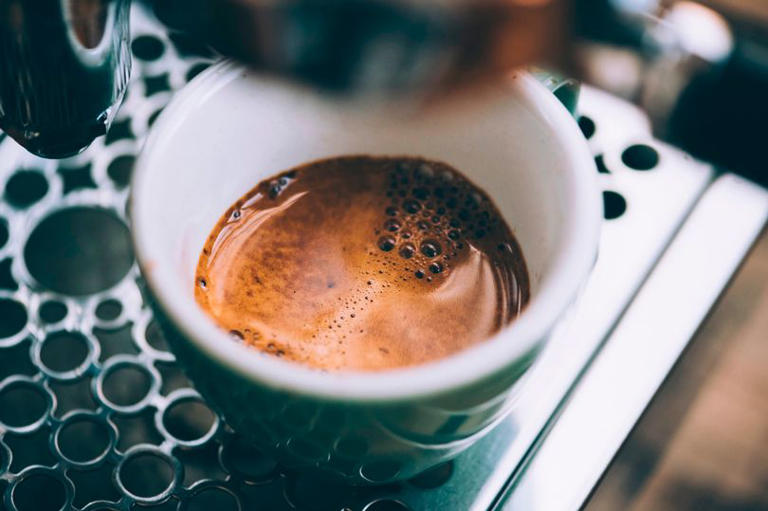
The humble espresso could help in the fight against dementia, according to scientists. A new study conducted at Verona University in Italy suggests that drinking just one espresso a day could have a significant impact on reducing the risk of developing dementia, particularly Alzheimer's.

The lead author of the study, Professor Mariapina D'Onofrio, and her team studied the effects of espresso consumption on the brain, and specifically focused on its ability to counteract the formation of tau proteins. These proteins accumulate in the brains of people with neurodegenerative diseases, including Alzheimer's.

The research suggests that the compounds found in espresso actively break down these tau proteins, preventing the damage they inflict on neurons and slowing the subsequent cognitive decline.

The findings indicate that even the Espresso Martini cocktail contains the espresso's beneficial compounds - and can contribute to staving off dementia.

In healthy people, tau proteins play a crucial role in stabilizing the brain. But in those with neurodegenerative diseases, these proteins can clump together and form harmful 'fibrils' that disrupt neural function, leading to the cognitive impairments known as dementia.Lab experiments carried out as part of the study demonstrated that espresso effectively counteracts the formation of these fibrils. The research also noted a geographical angle to the findings - revealing that around 96 percent of Italians consume espresso on a daily basis, indicating a potential dietary habit that may contribute to the lower prevalence of dementia in certain regions.

Making use of advanced scanning techniques, the team used nuclear magnetic resonance spectroscopy to delve into the chemical composition of espresso shots made from store-bought coffee beans.

Professor D'Onofrio said: "Whether enjoyed on its own or mixed into a latte, Americano or even a martini, espresso provides an ultra-concentrated jolt of caffeine to coffee lovers.

"But it might do more than just wake you up. Espresso compounds can inhibit tau protein aggregation - a process that is believed to be involved in the onset of Alzheimer's disease."

Another key study in Florida that was reported on in 2012 followed people with mild cognitive impairment (namely, thinking and memory problems beyond ordinary aging) and monitored their caffeine levels and cognitive ability over two to four years.

Those researchers found that people who did not develop dementia had twice as much caffeine in their blood as those who did.

But the Alzheimer's society said these studies often cannot be relied upon for a definitive answer, saying there is no way of determining if the caffeine levels affected dementia or the other way around. Sleeping problems brought on by dementia might cause someone to give up caffeine, for example. The results cannot distinguish between cause and effect