Use the labels in the right column to find what you want. Or you can go thru them one by one, there are only 34,134 posts. Searching is done in the search box in upper left corner. I blog on anything to do with stroke. DO NOT DO ANYTHING SUGGESTED HERE AS I AM NOT MEDICALLY TRAINED, YOUR DOCTOR IS, LISTEN TO THEM. BUT I BET THEY DON'T KNOW HOW TO GET YOU 100% RECOVERED. I DON'T EITHER BUT HAVE PLENTY OF QUESTIONS FOR YOUR DOCTOR TO ANSWER.
Changing stroke rehab and research worldwide now.Time is Brain!trillions and trillions of neuronsthatDIEeach day because there areNOeffective hyperacute therapies besides tPA(only 12% effective). I have 523 posts on hyperacute therapy, enough for researchers to spend decades proving them out. These are my personal ideas and blog on stroke rehabilitation and stroke research. Do not attempt any of these without checking with your medical provider. Unless you join me in agitating, when you need these therapies they won't be there.
What this blog is for:
My blog is not to help survivors recover, it is to have the 10 million yearly stroke survivors light fires underneath their doctors, stroke hospitals and stroke researchers to get stroke solved. 100% recovery. The stroke medical world is completely failing at that goal, they don't even have it as a goal. Shortly after getting out of the hospital and getting NO information on the process or protocols of stroke rehabilitation and recovery I started searching on the internet and found that no other survivor received useful information. This is an attempt to cover all stroke rehabilitation information that should be readily available to survivors so they can talk with informed knowledge to their medical staff. It lays out what needs to be done to get stroke survivors closer to 100% recovery. It's quite disgusting that this information is not available from every stroke association and doctors group.
Showing posts with label 12% tPA efficacy. Show all posts
Showing posts with label 12% tPA efficacy. Show all posts
If everyone in your hospital can't immediately tell you these three statistics THEY ARE A COMPLETE FUCKING FAILURE! It means they aren't measuring anything at all! You can't measure 'care'. They should be in neon lights over the front entry desk!
There is no quality here if you don't measure the right things. Is your incompetent? hospital even measuring these?
Anytime 'care' is mentioned with stroke; I THINK FUCKING FAILURE since if they were ANY GOOD AT ALL, they would proudly announce recovery statistics much better than these!
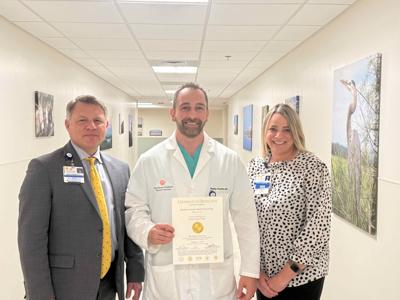
Paul Trumbull, PT, MBA, director
of Rehabilitation, Sports Medicine and Neurodiagnostics; Phillip P.
Amodeo, MD, a board-certified neurologist at Southeast Georgia Physician
Associates–Neurology; and Cynthia Gahm, RN, coordinator, Stroke
Program.
Southeast
Georgia Health System has once again demonstrated its commitment to
excellence in stroke care, earning the 2025 Certificate of Distinction
from The Joint Commission for Advanced Certification as a Primary Stroke
Center at its Brunswick Campus and as an Acute Stroke Ready Hospital at
its Camden Campus.
The
Joint Commission, an independent, not-for-profit organization that
accredits and certifies health care organizations across the United
States, awards these certifications to hospitals that meet rigorous
national standards in stroke care and patient safety.
“This
continued recognition from The Joint Commission reflects the unwavering
dedication of our physicians, nurses and interdisciplinary care teams,”
says Paul Trumbull, PT, MBA, director of Rehabilitation, Sports
Medicine and Neurodiagnostics. “Achieving advanced certification
requires strict adherence to evidence-based clinical guidelines, rapid
diagnosis and treatment protocols, and seamless coordination across
departments. Receiving this distinction again underscores our commitment
to delivering the highest level of stroke care to our community.”
Stroke
remains a leading cause of serious long-term disability and death in
the United States. According to the Centers for Disease Control and
Prevention, someone in the U.S. experiences a stroke every 40 seconds. A
stroke occurs when a clot or bleeding interrupts blood flow to the
brain, potentially causing permanent disability or death.
“That’s
why we say, ‘Time is brain,’” says Cynthia Gahm, RN, coordinator for
Southeast Georgia Health System’s Stroke Program. “Approximately two
million brain cells die every minute during a stroke. While treatments
can potentially stop or even reverse symptoms, those treatments are
extremely time sensitive.”
May
is National Stroke Awareness Month, serving as an important reminder
for community members to learn the warning signs of stroke and seek
immediate medical attention. According to the American Heart
Association, every 15 minutes that passes between the onset of an
ischemic stroke and administration of a clot-busting medication can
significantly impact a patient’s recovery and long-term function.
The
Health System’s Stroke Team encourages everyone to “BE FAST” and call
9-1-1 immediately if they or someone they know experiences any of the
following symptoms:
• Balance — Sudden loss of balance
• Eyes — Vision loss or difficulty seeing
• Face — Uneven smile or facial droop
• Arm — Weakness or numbness in one arm
• Speech — Slurred speech or confusion
• Time — Call 9-1-1 immediately and note when symptoms began
A sudden, severe headache with no known cause may also be a warning sign of stroke.
“Strokes
are medical emergencies,” Gahm adds. “Symptoms can worsen quickly, even
if they initially appear mild. Timely assessment and treatment are
critical to improving outcomes.”
To
earn the Certificate of Distinction, the Health System underwent a
comprehensive on-site review during which Joint Commission experts
evaluated compliance with national standards, stroke-specific
performance measures and program leadership. The certification process
helps ensure patients receive timely, coordinated care designed to
improve outcomes and reduce long-term disability.
Because
both hospitals are designated Remote Treatment Stroke Centers, local
first responders transport stroke patients there for emergency
treatment. The Stroke Programs have also received multiple American
Heart Association achievement awards recognizing their commitment to
providing care based on the latest research and evidence-based
guidelines.
“This
achievement truly represents a team effort,” adds Trumbull. “From EMS
partners and emergency department clinicians to neurologists, radiology
teams, rehabilitation specialists and support staff, every individual
plays a vital role in delivering rapid, lifesaving stroke care.”
For more information about the Southeast Georgia Health System Stroke Program, visitsghs.org/stroke.
What the fuck good does recognizing symptoms where the interventions are complete fucking failures? You can't sugarcoat this; these are all failures. Don't allow any stroke medical 'professional' to suggest they are successes, Success is 100% recovery; NOTHING LESS!
If you don't publish these three statistics no one should go there because they aren't even trying to improve their work.
Ready does not mean recovery; so this place is still a failure! If you don't publish these three statistics no one should go there because they aren't even trying to improve their work.
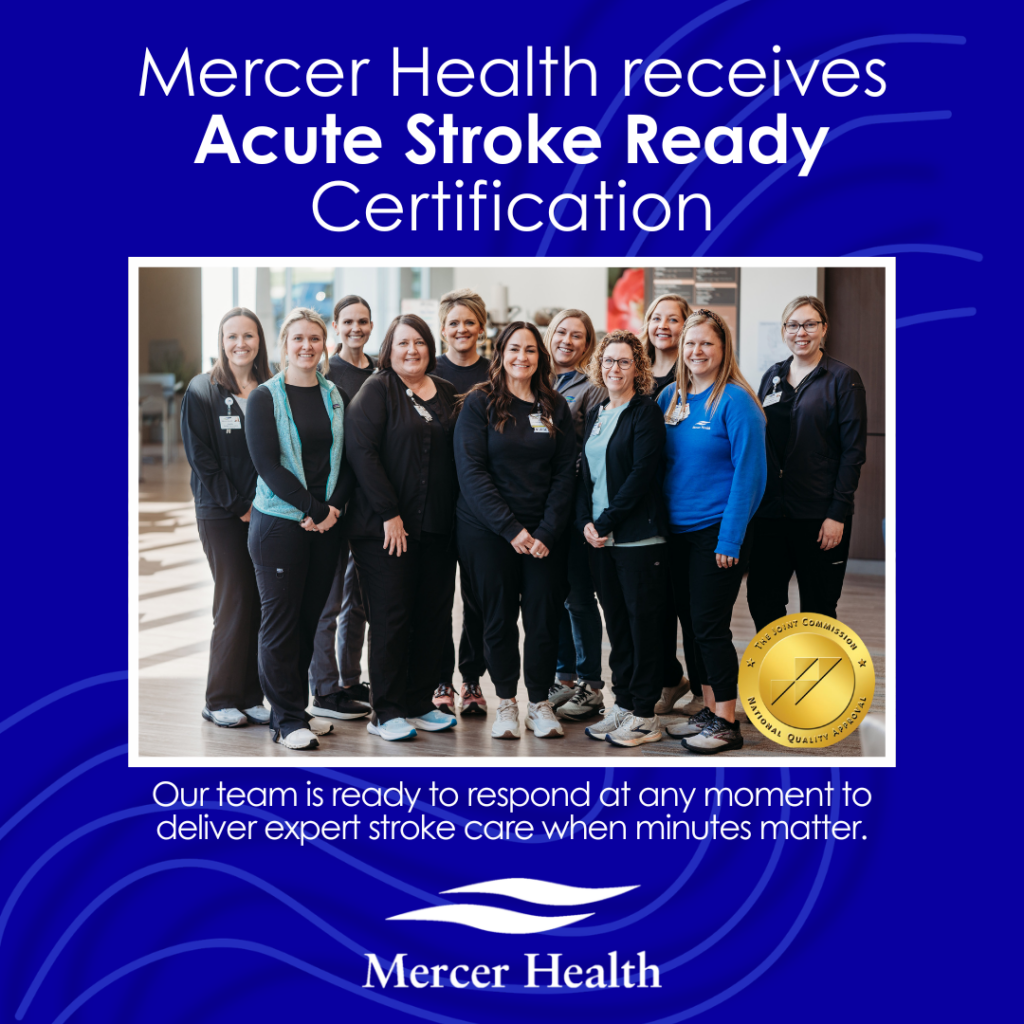
Mercer Health has earned The Joint Commission’s Gold Seal of Approval® and the American Stroke Association’s Heart-Check mark for Acute Stroke Ready Certification.
Mercer Health underwent a rigorous onsite review on February 6, 2026. During the visit, a team of Joint Commission reviewers evaluated compliance with related certification standards including program management and supporting self-management. Joint Commission standards(Your standards are shitworthy if you are not measuring 100% recovery; the only goal in stroke!) are developed in consultation with health care experts and providers, measurement specialists and patients(You obviously didn't listen to patients who were demanding recovery, not just 'care'!). The reviewers also conducted onsite observations and interviews.
“Acute Stroke Ready Certification recognizes healthcare organizations committed to striving for excellence and fostering continuous improvement in patient safety and quality of care,”(But nothing about actual recovery statistics!) says Ken Grubbs, DNP, MBA, RN, executive vice president of Accreditation and Certification Operations and chief nursing officer, The Joint Commission. “We commend Mercer Health for using The Joint Commission certification process to reduce variation in clinical processes and to strengthen its clinical program to drive safer, higher quality and more compassionate care(NOT RECOVERY!) for individuals served.”
“We congratulate Mercer Health for this outstanding achievement,” says Nancy Brown, chief executive officer, the American Stroke Association. “This certification reflects its commitment to providing the highest quality of care(NOT RECOVERY!) for stroke patients.”
“Achieving Acute Stroke Ready Certification strengthens our commitment to provide lifesaving care(NOT RECOVERY!) close to home,” says Jenny Conn, Director of Emergency Services and Disaster Preparedness at Mercer Health. “Our team collaborates across disciplines and is prepared every moment to respond when minutes matter. This recognition reflects the dedication of our providers, nurses and staff, and our promise to the community we serve.”
The real highlight is the complete fucking failure to get anywhere close to 100% recovery! You are totally fucking screwed if you have a stroke right now. No one in the world is competent at getting you fully recovered!
Here let's prove incompetency! You'll want 100% recovery, but won't get it!
There is no quality here if you don't measure the right things.
SHREVEPORT, La. -- As part of Stroke Awareness Month, Willis-Knighton Health is partnering with KTBS to educate the community on prevention, symptoms, and recovery after a stroke.
Medical experts say stroke symptoms can include weakness, vision problems, and balance or coordination issues, often requiring immediate care. But recovery does not stop at the hospital. Physical therapy plays a critical role in helping patients regain mobility, rebuild strength, and return to daily life.
Therapists evaluate impairments early and create personalized plans to improve function and independence. Ongoing exercise is also key, supporting both physical recovery and mental health. Research shows many stroke patients experience depression, and staying active can help improve outlook and overall well-being.
Health leaders emphasize that recognizing symptoms quickly and committing to rehabilitation can significantly improve recovery outcomes.(You're completely lying right there by pushing your tyranny of low expectations; NOT DELIVERING 100% RECOVERY!)
Can't tell from this article if it was a very small stroke or he's one of the lucky 12% that get fully recovered from tPA administration. Don't expect a miracle like this. I got tPA in 90 minutes and you can see the dead area in my brain in a picture at the bottom of my blog.
I wouldn't go there for stroke; they refer to 'care; NOT RECOVERY! Survivors want 100% recovery; this center does nothing of the sort! YOU are going to have to scream at them for not showing these three results:
There is no quality here if you don't measure the right things.
You'll want to know results so call that hospital president(whomever that is) RESULTS are;
tPA efficacy, 30 day deaths, 100% recovery. Because there is no point
in going to that hospital if they are not willing to publish results.
Stroke remains a leading cause of death in California and across the U.S. — even as new data from the American Heart Association show a slight decline in cardiovascular deaths since 2023. Too many strokes remain preventable, and too many patients aren’t getting care(NOT RECOVERY!) fast enough.
That’s the gap California-based not-for-profit Sutter Health is working to close.
Building a faster stroke system
Across the communities it serves, Sutter is scaling a stroke system built for prevention, speed and impact. As tens of thousands of Californians experience a stroke each year, the goals are simple: to help more people reduce their risk and ensure fast, coordinated care(NOT RECOVERY!) when a stroke occurs.
Sutter’s advanced neuroscience services include more than 150 neurologists and neurointerventional surgeons across 17 stroke-certified stroke centers, spanning the full continuum of care(NOT RECOVERY!): from early detection and risk management to emergency treatment, rehabilitation and recovery. The differentiator is how quickly that care(NOT RECOVERY!) activates.
Sutter pairs bedside expertise with real-time technology. This includes 24/7 telestroke consults that connect emergency teams to board-certified specialists within minutes, a Mobile Stroke Unit equipped for on-the-spot CT imaging, as well as advanced AI-enabled triage tools that accelerate diagnosis and treatment. For patients who need it, access to minimally invasive procedures that treat blood vessels from the inside like thrombectomy — which removes a blood clot from a blocked artery in the brain — can mean the difference between long-term disability and recovery.
Results that deliver for patients
Sutter’s systemwide focus on speed and coordination is translating into measurable outcomes.
Last year, the American Heart Association recognized 16 Sutter hospital campuses with the Get With The Guidelines® – Stroke Gold Plus quality achievement award — the highest level of recognition possible. Additionally, Becker’s Hospital Review named Sutter among its “100 Great Neuro and Spine Programs.”
“Improving outcomes extends far beyond the hospital walls,” said Dr. Nobl Barazangi, a vascular neurologist with Sutter West Bay Medical Group and the Sutter Advanced Neuroscience Service Line Chief of Stroke. “We’re caring for patients every step of the way — helping them lower their risk, reaching them quickly when a stroke occurs and surrounding them with the support they need to recover.”
In 2026, multiple Sutter hospitals were recognized for excellence in stroke care(NOT RECOVERY!) by Healthgrades — honors that reflect the consistency, expertise and teamwork required to deliver life-saving care(NOT RECOVERY!) on the clock.
Sutter’s Alta Bates Summit Medical Center – Alta Bates Campus
Stroke Care(NOT RECOVERY!) Excellence Award™ for 16 consecutive years
Top 10% in the Nation for Treatment of Stroke for 16 consecutive years
Five-Star Recipient for Treatment of Stroke for 23 consecutive years
Sutter’s Alta Bates Summit Medical Center – Summit Campus
Five-Star Recipient for Treatment of Stroke for 16 consecutive years
Sutter’s CPMC – Davies Campus
Five-Star Recipient for Cranial Neurosurgery for four consecutive years
Sutter Davis Hospital
Five-Star Recipient for Treatment of Stroke for four consecutive years
Sutter’s Eden Medical Center
Five-Star Recipient for Treatment of Stroke for 20 consecutive years
Sutter Medical Center, Sacramento
2026 Stroke Care(NOT RECOVERY!) Excellence Award™
Top 10% in the Nation for Treatment of Stroke
Five-Star Recipient for Treatment of Stroke for two consecutive years
Sutter’s Memorial Medical Center
Five-Star Recipient for Treatment of Stroke
Sutter’s Mills-Peninsula Medical Center
Stroke Care(NOT RECOVERY!) Excellence Award™ for seven consecutive years
Top 10% in the Nation for Treatment of Stroke for seven consecutive years
Five-Star Recipient for Treatment of Stroke for seven consecutive years
Stroke remains one of the most common and disabling medical emergencies in the United States, but doctors say most of them can be prevented through greater awareness, healthier habits and faster responses when symptoms strike.
Nearly 800,000 people in the U.S. have a stroke each year. About 85% are ischemic strokes, caused by a blood clot that blocks blood flow to the brain. Survivors of these strokes face a higher risk of another one, especially if the underlying cause is not identified and treated.
“Stroke is extremely common and really disabling,”said Dr. Christopher Ray,a neurologist with WashU Medicine at Barnes‑Jewish Hospital. “When strokes aren’t prevented or treated correctly,(There is NO correct treatment , SINCE 100% RECOVERY PROTOCOLS DON'T EXIST!)the consequences can be life‑changing. That’s why awareness is so important.”
May is Stroke Awareness Month, a national effort led by theAmerican Stroke Associationto educate the public about stroke prevention, warning signs and the importance of calling 911 immediately.
A stroke occurs when a blood vessel supplying the brain is either blocked by a clot or ruptures and bleeds. In both cases, the brain is deprived of oxygen, causing brain cells to begin dying within minutes. The longer treatment is delayed, the greater the chance of long‑term disability or death.
Doctors stress that recognizing symptoms quickly is critical. The most common signs are captured in the acronym B.E. F.A.S.T: Balance loss; Eye (vision) changes; Facial drooping; Arm weakness and Speech difficulty, making it Time to call 911.
“Time is brain,” Ray told Straight Arrow. “Calling 911 allows paramedics to begin care immediately and alert the hospital’s stroke team before the patient arrives. Driving yourself or waiting for symptoms to pass can cost valuable time.”
Health experts estimate that up to 80% of strokes can be prevented. Controlling high blood pressure is one of the most effective steps. Managing cholesterol and blood sugar levels, monitoring irregular heart rhythms such as atrial fibrillation, and following up regularly with a health care provider also reduces risk.
Lifestyle choices play a major role. Doctors recommend not smoking, limiting alcohol use, eating a healthy diet low in salt and saturated fat, and getting regular physical activity.
“Aerobic exercise is one of the most important things people can do to lower their stroke risk,” Ray said.
For people who have already had a stroke, prevention becomes even more critical. New clinical guidelines emphasize tailoring treatment to the specific cause of the first stroke, using medications to prevent clots or blockages, managing risk factors closely and involving patients in shared decision‑making about their care.
Structured rehabilitation programs that combine exercise, education and counseling have also been shown to reduce the risk of future strokes while improving overall health.
Although stroke is more common in older adults, doctors emphasize it can happen at any age.
Pediatric strokes can occur before birth, during infancy or throughout childhood. Risk factors depend on age and may include congenital heart disease, infections, sickle cell disease, autoimmune disorders or head trauma.
“Most stroke doctors have seen strokes across the entire age spectrum,” Ray said. “That’s why everyone— not just older adults — needs to know the signs.”
Health care providers also note that stroke does not affect all communities equally. People in historically under‑resourced communities, including Black and Hispanic populations, face higher stroke risk due to a combination of medical, social and economic factors. Addressing those disparities is a growing focus in stroke prevention and recovery efforts.
Despite the seriousness of the condition, Ray said progress in stroke care over the past few decades has been significant.(Liar, liar, the needle on full stroke recovery hasn't moved one bit!) Treatments have improved, especially for patients who arrive at the hospital quickly.
“Most strokes can be prevented,” he said. “Living a healthy lifestyle, seeing your doctor regularly, and knowing when to call 911 can make all the difference. If symptoms appear, don’t wait.”
I wouldn't go there for stroke; they refer to 'care; NOT RECOVERY! Survivors want 100% recovery; this center does nothing of the sort! YOU are going to have to scream at them for not showing these three results:
There is no quality here if you don't measure the right things.
You'll want to know results so call that hospital president(whomever that is) RESULTS are; tPA efficacy, 30 day deaths, 100% recovery. Because there is no point in going to that hospital if they are not willing to publish results.
St. Vincent’s Medical Center has earned The Joint Commission’s Gold Seal of Approval® and the American Heart Association/American Stroke Association’s Heart-Check mark for Comprehensive Stroke Center Certification. St. Vincent’s underwent a rigorous, onsite review. During the visit, a team of Joint Commission reviewers evaluated compliance with program standards. The Joint Commission’s standards are developed in consultation with health care experts and providers, measurement experts and patients. They are informed by scientific literature and expert consensus to help health care organizations measure, assess and improve performance. “Comprehensive Stroke Center Certification recognizes healthcare organizations committed to striving for excellence and fostering continuous improvement in patient safety and quality of care(NOT RECOVERY!),” says Ken Grubbs, DNP, MBA, RN, executive vice president of Accreditation and Certification Operations and chief nursing officer, The Joint Commission. “We commend St. Vincent’s Medical Center for using The Joint Commission certification process to reduce variation in clinical processes and to strengthen its clinical program to drive safer, higher quality and more compassionate care(NOT RECOVERY!) for individuals served.” “We congratulate St. Vincent’s Medical Center for this outstanding achievement,” says Nancy Brown, chief executive officer, the American Stroke Association. “This certification reflects its commitment to providing the highest quality ofcare(NOT RECOVERY!) for stroke patients.” “We are proud to achieve this designation, which reflects the dedication of our multidisciplinary stroke team and our commitment to providing the highest level of care(NOT RECOVERY!) for our community,” said Stroke Director Jeremy Wells, MD, at St. Vincent’s Medical Center. “This certification affirms our ability to deliver world-class, rapid, evidence-based treatment for the most complex stroke patients.” To prepare for the certification, St. Vincent’s Medical Center strengthened its stroke program by enhancing standardized protocols, expanding advanced neuroimaging, and improving coordination across care(NOT RECOVERY!) teams. The hospital also enhanced staff training to support rapid stroke recognition and treatment, while ensuring 24/7 access to specialized services, including neurosurgery and interventional care(NOT RECOVERY!)—delivering timely, comprehensive treatment when every second counts. Comprehensive Stroke Center Certification is the highest level of stroke certification awarded by The Joint Commission and recognizes organizations with the infrastructure, staff, and training to receive and treat the most complex stroke cases. This designation positions St. Vincent’s Medical Center as a regional leader in stroke care(NOT RECOVERY!), improving access to life-saving treatment for patients across the community and statewide. This achievement is yet another example of how Hartford HealthCare’s acquisition of St. Vincent’s Medical Center has expanded access to high-quality, advanced care(NOT RECOVERY!) close to home for the community.
WHAT A LOAD OF CRAPOLA! NOTHING ON 100% RECOVERY! I hope your comeuppance on your upcoming stroke(when you are the 1 in 4 per WHO that has a stroke) is going to be a real bitch for you!
If these are supposed to be leaders; THEY ARE COMPLETELY WORTHLESS!
Send
me personal hate mail on this: oc1dean@gmail.com. I'll print your complete
statement with your name and my response in my blog. Or are you afraid
to engage with my stroke-addled mind? No excuses are allowed! You're
medically trained; it should be simple to precisely state EXACTLY WHY you aren't working on 100% recovery protocols with NO EXCUSES! Your definition of
competence in stroke is obviously much lower than stroke survivors'
definition of your competence! Swearing at me is allowed, I'll return
the favor.
Don't even attempt to use the excuse that brain research is hard.
The future of stroke care is likely to be shaped as much by systems, equity, and prevention as by the next breakthrough drug or device, according to speakers and presenters at the International Stroke Conference 2026. Across interviews and sessions, experts described a field that has undergone dramatic transformation over the past decade—but one that now faces the challenge of ensuring those advances reach every patient and extend beyond the first hours of care.
Many pointed to the extraordinary progress in acute intervention. Luke Messac, MD, PhD, an attending emergency physician at Brigham and Women’s Hospital, reflected on how stroke care has evolved from a time when emergency clinicians had little to offer to one in which patients who once faced devastating outcomes could return to near-normal function within hours. Yet he emphasized that treatment science alone was not enough. Transfer networks, emergency medical systems, and interhospital coordination must be as well-resourced and carefully designed as the therapies themselves. Without strong delivery systems(Without EXACT REHAB PROTOCOLS, your delivery systems are useless! ARE YOU THAT BLITHERINGLY STUPID?), even the most effective interventions risked being underused.
Emily R. Fisher, MD, a medical resident and neurology and rehabilitation fellow at the University of Cincinnati College of Medicine, echoed that concern, noting that equitable access remained paramount. Novel treatments are energizing the field, she said, but their impact would depend on whether patients could receive them promptly and regardless of geography or socioeconomic status. For many presenters, disparities in access represented the next major frontier.
At the same time, researchers highlighted innovation in prevention and secondary risk reduction. Shervin Badihian, MD, a neuroscientist at Cleveland Clinic, underscored the rapid expansion of knowledge around preventing recurrent stroke and the increasing focus on primary prevention to reduce overall incidence. Ashkan Shoamanesh, MD, FRCPC, associate professor in the Division of Neurology at McMaster University in Hamilton, Canada, described factor XI inhibition as a potentially “radical” shift in second-stroke prevention, one that could reshape cardiovascular care more broadly if safety profiles held. He also pointed to a growing emphasis on tissue-based decision-making rather than rigid time windows in hyperacute stroke, supported by emerging data presented at the meeting.
Advances in imaging were another recurring theme. Ava L. Liberman, MD, assistant professor of emergency medicine at Weill Cornell Medicine, anticipated that greater use of advanced neuroimaging in the earliest phase of evaluation would significantly influence diagnosis and treatment selection. She also highlighted first-day randomized controlled trials with global implications, suggesting that earlier enrollment and intervention could redefine standards of care.
Beyond acute treatment, several speakers called attention to persistent knowledge gaps. Nada K. El Husseini, MD, associate professor of neurology and director of telestroke services in the Department of Neurology at Duke University, stressed the need to better understand cryptogenic stroke, which can account for up to 30% of cases even after a comprehensive workup, as well as nontraditional and women-specific risk factors. She also described a major unmet need in stroke recovery beyond the initial days of hospitalization, arguing that long-term rehabilitation and survivorship must become central to future innovation.
Technology may play an expanding role in that effort. Alison Holman, PhD, FNP, professor and associate dean for academic personnel at the University of California, Irvine School of Nursing, presented research on a wearable device capable of measuring both the quantity and quality of daily social interactions, offering a way to identify and address social isolation during recovery. Meanwhile, Angelina Rose Wronski, RN, BS, a stroke coordinator at Rochester Regional Health, advocated for adapting the NIH Stroke Scale to better serve nonverbal and American Sign Language–using patients, underscoring how culturally responsive assessment tools could improve diagnostic accuracy.
Mukul Sharma, MD, MSc, professor of neurology at McMaster University, argued that the next phase of progress would require systems change and improved communication—not only among clinicians, but also with patients and families. He described journalists as essential partners in translating complex science into accessible information.
Taken together, the vision emerging from the conference suggested that the most meaningful changes ahead will integrate scientific breakthroughs with equitable delivery, personalized prevention, inclusive assessment, and sustained support for stroke survivors long after the acute event.
Maybe after you are the 1 in 4 per WHO that has a stroke? Then you just might want 100% recovery. Scream at your doctor for putting any limit on your recovery.
1Department of Cardiology and Neurology, Kyung Hee University College of Korean Medicine, Kyung Hee University Medical Center, Seoul, Republic of Korea; 2Department of Neurology, Kyung Hee University College of Medicine, Kyung Hee University Medical Center, Seoul, Republic of Korea
Background: Integrated medical service (IMS) refers to the collaborative treatment of conventional medicine and Korean medicine in Korea. IMS for stroke is recognized for its efficacy, however, there are many barriers to obtaining therapeutic effects in clinical settings. This study was aimed to investigate the current perceptions of IMS among Korean stroke patients to provide a basis for exploring ways to universalize IMS in real-world stroke clinical practice. Methods: We conducted a self-reported web-based survey in December 2021. We recruited 100 Korean patients who had been diagnosed with stroke. The questionnaire developed by the research team was composed of 5 sections: demographic information, stroke history, perceptions of IMS for acute stroke and stroke sequelae, and other perceptions of IMS for stroke treatment. Results: For both acute stroke and stroke sequelae, half of the patients agreed (45% and 52%) and about 15% of the patients disagreed to receive IMS (18% and 12%), had positive expectations of IMS effects (49% and 53%), and feel the economic burdensome of IMS (50% and 52%); National Health Insurance (NHI) covered treatments such as acupuncture and electroacupuncture (69.5% and 69.3%) were the most common types of KM treatment desired; private insurance subscribers had higher preference for NHI uncovered treatments such as NHI uncovered herbal medicines; the most common reason for reluctance to receive IMS was economic burden (38.9% and 58.3%) and treatment not being recommended by a conventional medicine doctor in acute stroke (38.9%) even though most patients had positive expectations of IMS effects (49% and 53%). Conclusion: Stroke patients were favorable to IMS and had high expectations for its effectiveness. Cost and lack of cooperation from conventional medicine doctors were barriers to patients’ access to IMS. Policy reform and active cooperation between conventional and traditional doctors may improve IMS access and satisfaction.