Changing stroke rehab and research worldwide now.Time is Brain! trillions and trillions of neurons that DIE each day because there are NO effective hyperacute therapies besides tPA(only 12% effective). I have 523 posts on hyperacute therapy, enough for researchers to spend decades proving them out. These are my personal ideas and blog on stroke rehabilitation and stroke research. Do not attempt any of these without checking with your medical provider. Unless you join me in agitating, when you need these therapies they won't be there. Did your doctor somehow miss the recovery protocol that Pedro Bach-y-Rita used to recover fully back in 1958 with only a partial brain?

What this blog is for:

My blog is not to help survivors recover, it is to have the 10 million yearly stroke survivors light fires underneath their doctors, stroke hospitals and stroke researchers to get stroke solved. 100% recovery. The stroke medical world is completely failing at that goal, they don't even have it as a goal. Shortly after getting out of the hospital and getting NO information on the process or protocols of stroke rehabilitation and recovery I started searching on the internet and found that no other survivor received useful information. This is an attempt to cover all stroke rehabilitation information that should be readily available to survivors so they can talk with informed knowledge to their medical staff. It lays out what needs to be done to get stroke survivors closer to 100% recovery. It's quite disgusting that this information is not available from every stroke association and doctors group.

Showing posts with label antidepressants. Show all posts

Thursday, January 30, 2025

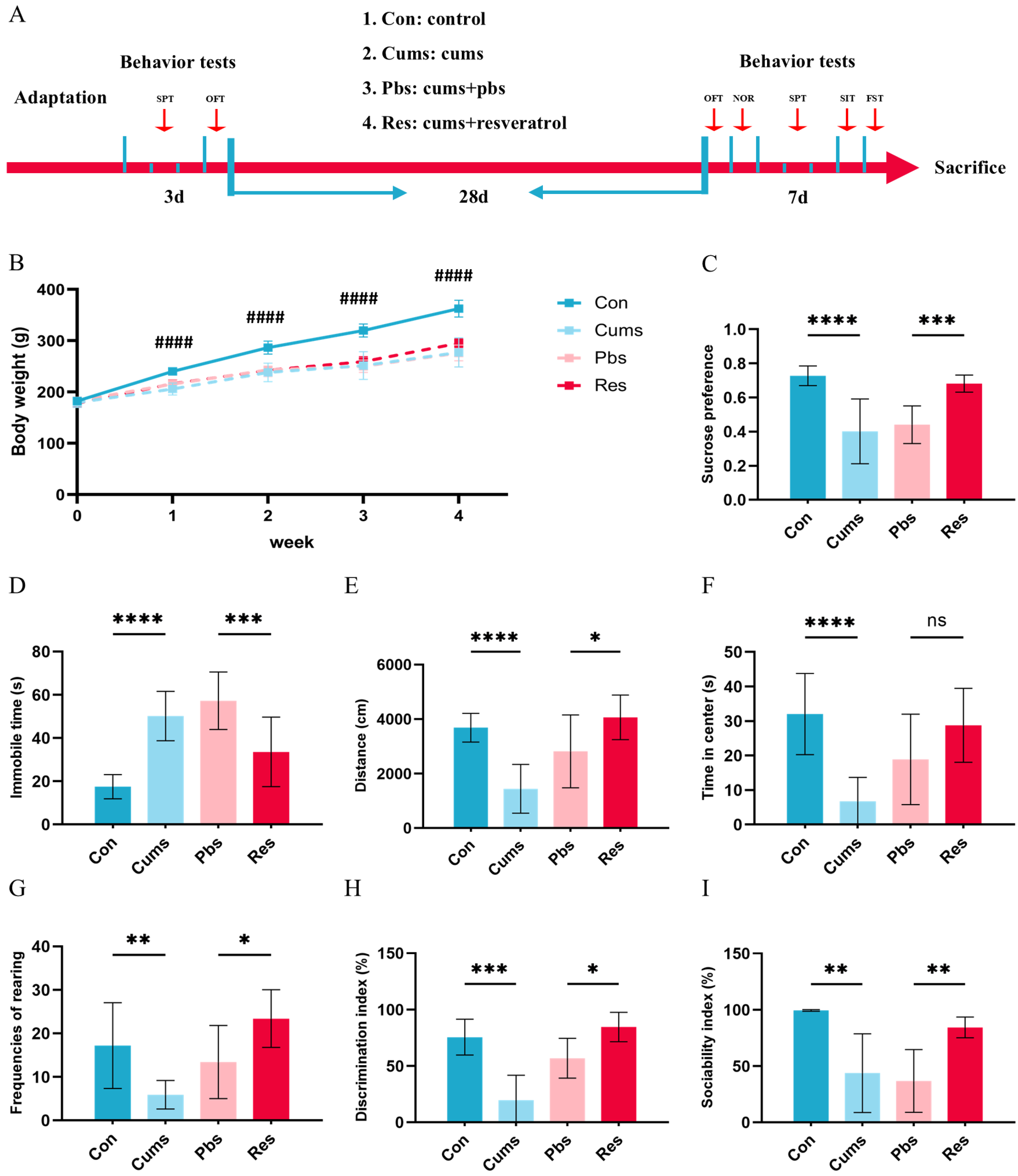
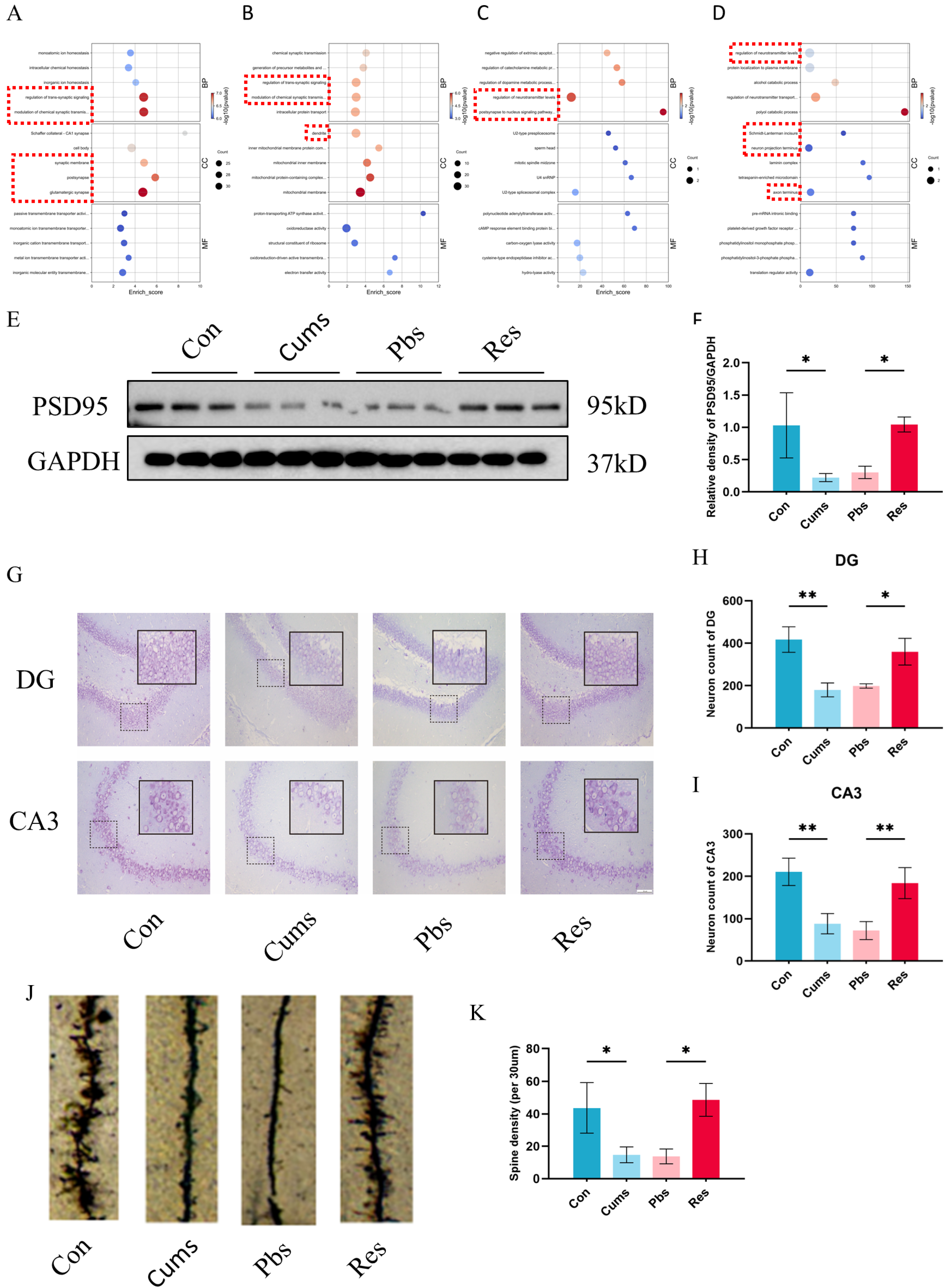
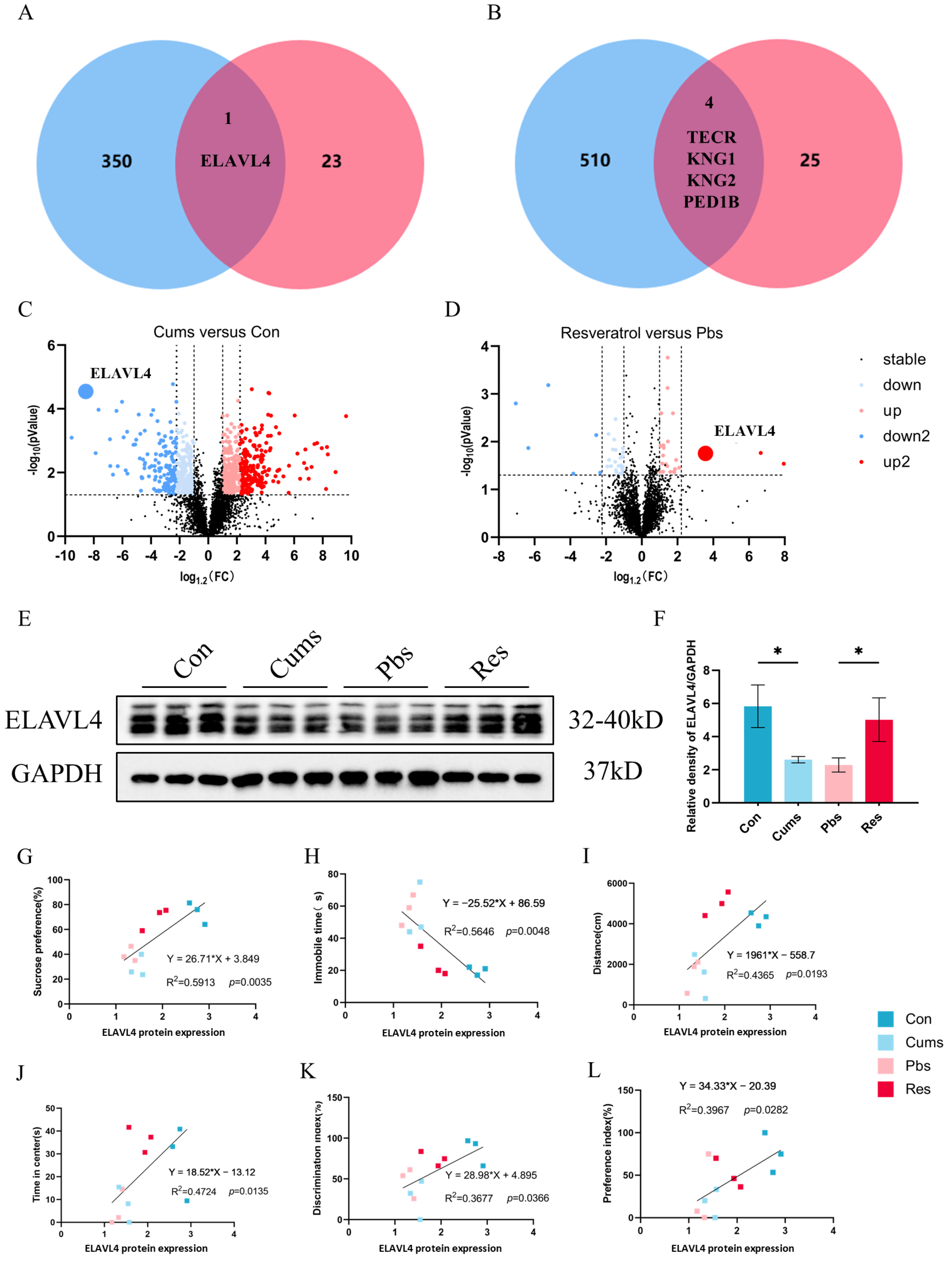
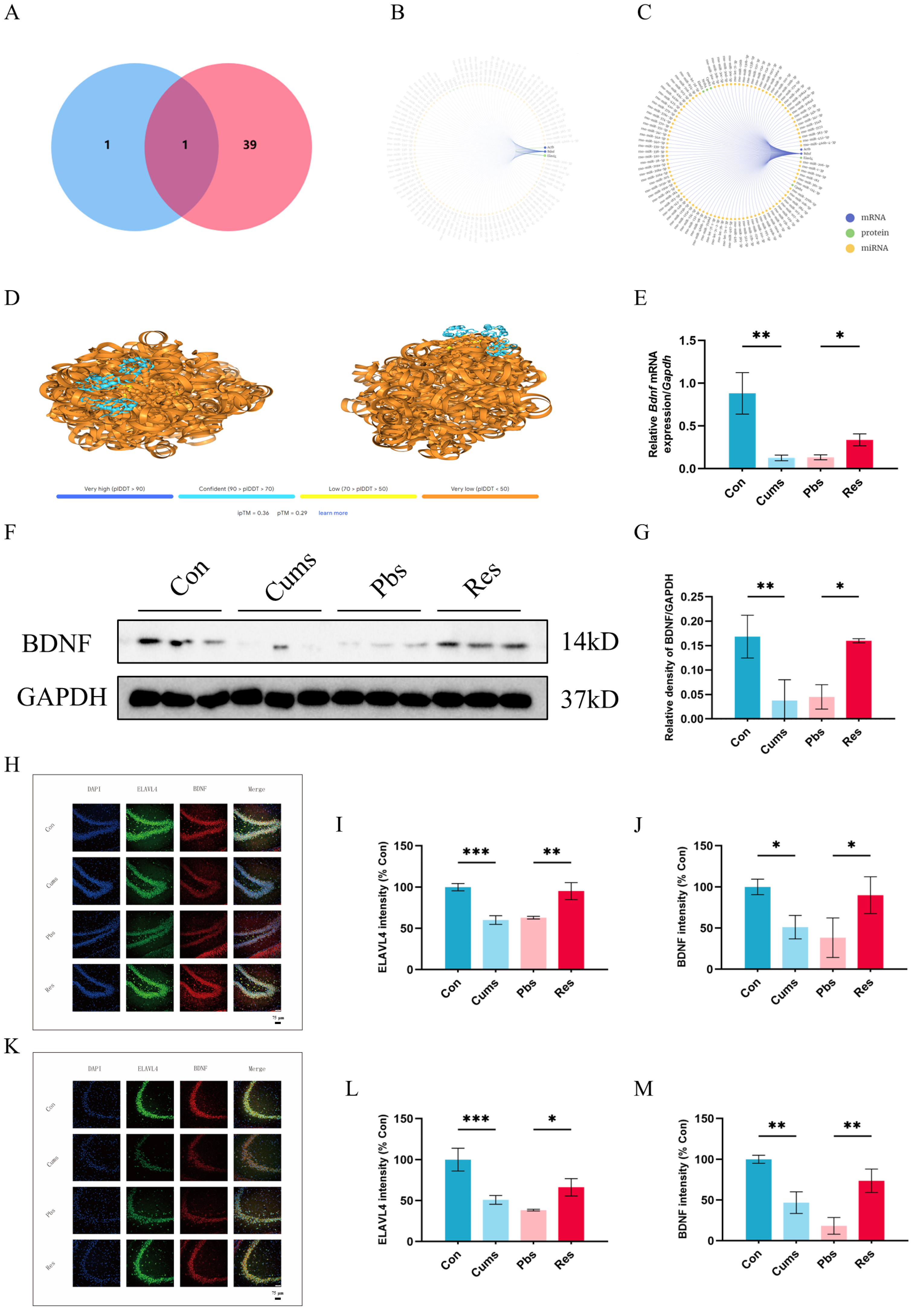
The Antidepressant Effect of Resveratrol Is Related to Neuroplasticity Mediated by the ELAVL4-Bdnf mRNA Pathway

 I'm sure your doctor would never approve of using red wine to get resveratrol. So don't even bother asking and enjoy red wine with friends. I do, so far in Italy, France, Spain and Portugal, soon Australia.

The Antidepressant Effect of Resveratrol Is Related to Neuroplasticity Mediated by the ELAVL4-Bdnf mRNA Pathway

 2, 1, 2,†, 2,* and 1,2,3,*
1
Department of Psychiatry, Renmin Hospital of Wuhan University, Wuhan 430060, China
2
Department of Psychiatry, Institute of Neuropsychiatry, Renmin Hospital of Wuhan University, Wuhan 430060, China
3
Taikang Center for Life and Medical Sciences, Wuhan University, Wuhan 430071, China
*
Authors to whom correspondence should be addressed.
†
These authors contributed equally to this work as co-first authors.
Int. J. Mol. Sci. 2025, 26(3), 1113; https://doi.org/10.3390/ijms26031113
Submission received: 11 December 2024 / Revised: 17 January 2025 / Accepted: 21 January 2025 / Published: 27 January 2025

Abstract

Resveratrol, a plant-derived polyphenol, exhibits significant antidepressant effects and notably enhances neuroplasticity in neurological diseases. However, whether the antidepressant function of resveratrol is related to neuroplasticity remains uncertain, and the underlying mechanisms is poorly understood. This study aims to investigate the role and mechanism of resveratrol in neuroplasticity in depression. Here, we adopted the chronic unpredictable mild stress (CUMS) model and resveratrol intervention by oral gavage. Thereafter, behavioral tests confirmed resveratrol’s antidepressant effect, and Nissl staining, Golgi staining, and Western blotting (WB) were employed to assess the neuronal plasticity. Moreover, proteomic analysis and WB were used to screen and identify the key proteins. To investigate the downstream target of ELAV-like RNA-binding protein 4 (ELAVL4) (one of candidate genes), the RNA Interactome Database and the National Center for Biotechnology Information databases were utilized to predict the targets of ELAVL4. Finally, Quantitative PCR, WB, and Immunofluorescence were used to verify the prediction. Our results indicate that resveratrol alleviates CUMS-induced depressive-like behaviors accompanied by the restoration of impaired hippocampal neuroplasticity. Then, proteomic analysis shows that 351 differentially expressed proteins (DEPs) decrease after CUMS, while 24 DEPs increase remarkably with the resveratrol treatment. Among which, ELAVL4 is downregulated by CUMS, simultaneously increasing after resveratrol intervention, which acts as a protective protein in this process. Finally, brain-derived neurotrophic factor (Bdnf) mRNA is predicted to be the potential target of ELAVL4 and validated by molecular technologies. In conclusion, our findings demonstrate that resveratrol’s antidepressant efficacy is closely associated with ELAVL4, an RNA-binding protein, a mediated neuroplasticity pathway, potentially intersecting with the Bdnf mRNA. Overall, this research sheds light on the role of the ELAVL4-Bdnf mRNA pathway through neuroplasticity in resveratrol’s antidepressant action, which provides an mRNA regulation perspective for the development of novel antidepressants and understanding depression pathology.

Friday, November 22, 2024

Many Antidepressants Tied To Higher Dementia Risk, Large Study Finds

 Demand your competent? doctor give you 100% recovery protocols so anti-depressants aren't needed!

Many Antidepressants Tied To Higher Dementia Risk, Large Study Finds

Safer alternatives should be considered by doctors, the researchers advise.(LIKE MAYBE 100% RECOVERY WHICH SURVIVORS HAVE BEEN CLAMORING FOR AND YOUR STROKE MEDICAL 'PROFESSIONALS' HAVE BEEN IGNORING!)

Antidepressants that have an anticholinergic effect are linked to an increased risk of dementia, research finds.

Anticholinergic antidepressants include drugs such as Amitriptyline (known as Elavil), Dosulepin and Paroxetine (known as Paxil and Seroxat).

(A longer list of drugs is at the bottom of this article.)

Although often older, many millions of people still take these type of antidepressants.

The longer people take these drugs, the researchers found, the higher their risk of dementia.

More modern antidepressants, like Prozac and Xanax, generally have a lower anticholinergic effect, and were not linked to a higher dementia risk.

Dr George Savva, who led the study, said:

“We studied patients with a new dementia diagnosis and looked at what anticholinergic medication they were prescribed between four and 20 years prior to being diagnosed.

We found that people who had been diagnosed with dementia were up to 30 per cent more likely to have been prescribed specific classes of anticholinergic medications.

And the association with dementia increases with greater exposure to these types of medication.

What we don’t know for sure is whether the medication is the cause.

It could be that these medications are being prescribed for very early symptoms indicating the onset of dementia.

But because our research shows that the link goes back up to 15 or 20 years before someone is eventually diagnosed with dementia, it suggests that reverse causation, or confounding with early dementia symptoms, probably isn’t the case.

The conclusions come from the medical records of 40,770 patients aged over 65 who were diagnosed with dementia.

These were compared to 283,933 without dementia.

The results showed the link between dementia and anticholinergic drugs.

Other common anticholinergic drugs also linked to dementia include those prescribed for bladder conditions and Parkinson’s (e.g. Tolterodine, Oxybutynin, Solifenacin and Procyclidine).

No link, though, was found between antihistamines (used to treat allergies) and dementia, as previous research had.

Dr Noll Campbell, study co-author, said:

“These results suggest we should prioritise safer alternatives to anticholinergic medications long before symptoms of dementia are recognised.”

Professor Chris Fox, study co-author, said:

“Doctors and patients should therefore be vigilant about using anticholinergic medications.

They need to consider the risk of long-term cognitive effects, as well as short-term effects, associated with specific drugs when weighing up risks and benefits.

We don’t know exactly how anticholinergics might cause dementia.

Further research is needed to understand possible reasons for this link.

In the meantime, I strongly advise patients with any concerns to continue taking their medicines until they have consulted their doctor or pharmacist.”

Here are some common drugs that have a definite anticholinergic effect:

  • Amitriptylline
  • Brompheniramine
  • Chlorpheniramine
  • Clomipramine
  • Clozapine
  • Dimenhydrinate
  • Diphenhydramine
  • Hydroxyzine
  • Paroxetine
  • Promethazine

These drugs also have an anticholinergic effect, although it is lower than the list above:

  • Amantadine
  • Belladona
  • Cyclobenzaprine
  • Cyproheptadine
  • Carbamazepine
  • Loxapine
  • Meperidine
  • Molindone
  • Oxcarbazine
  • Pimozide

These drugs may have an anticholinergic effect:

  • Alprazolam
  • Atenolol
  • Captopril
  • Codeine
  • Diazepam
  • Digoxin
  • Furosemide
  • Prednisone
  • Nifedipine
  • Warfarin

Note that this is not a complete list of drugs and it only contains the drug names not the brand names under which each is sold.


The study was published in the journal BMJ (Richardson et al., 2018).

Wednesday, August 28, 2024

Antidepressants May Reduce Risk of Falls in Older Adults

 Don't let your doctor use this as their go to intervention for preventing falls. They need to give you EXACT FALL PREVENTION PROTOCOLS WITH LOTS OF PERTURBATIONS!

The proper way for your doctor to prevent depression is to have EXACT 100% RECOVERY PROTOCOLS! In my opinion, if your doctor doesn't have that; you don't have a functioning stroke doctor!

Antidepressants May Reduce Risk of Falls in Older Adults

Results differ from previous studies suggesting an increased risk

A photo of a senior woman resting a glass and her broken arm in a cast on her walker.

First-line antidepressants were associated with a decreased risk of falls and related injuries among older adults, according to a cohort study.

Of more than 100,000 Medicare beneficiaries newly diagnosed with depression, use of first-line antidepressants was associated with a decreased risk of falls and related injuries compared with no treatment, with adjusted hazard ratios ranging from 0.74 (95% CI 0.59-0.89) for bupropion (Wellbutrin) to 0.83 (95% CI 0.67-0.98) for escitalopram (Lexapro), reported Wei-Hsuan Lo-Ciganic, PhD, MSPharm, of the University of Pittsburgh, and co-authors.

The event rates for falls and related injuries were also lower for patients treated with bupropion compared with those who did not receive treatment (63 vs 87 per 1,000 person-years), with event rates for all other antidepressants falling between those rates, they noted in JAMA Network Openopens in a new tab or window.

The restricted mean survival time, which represents the area under the survival curve up to a specific time point and can be interpreted as the mean time before the event or censoring points, ranged from 349 days (95% CI 346-350) for those who were untreated to 353 days (95% CI 350-356) for those treated with bupropion.

The authors also noted that psychotherapy was not associated with risk of falls and related injuries compared with no treatment (adjusted HR 0.94, 95% CI 0.82-1.17), with an event rate of 82 per 1,000 person-years.

"Over half of older adults with depression did not receive psychotherapy or first-line antidepressants within the first 90 days after their diagnosis," Lo-Ciganic told MedPage Today. "There have been concerns that the side effects of some antidepressants, such as drowsiness, balance problems, and changes in blood pressure, could increase the risk of falls and related injuries in older adults."

In fact, she explained that the 2019 American Geriatrics Society Beers Criteria recommended against using antidepressants in this patient population for fear of exacerbating those issues.

"However, this recommendation might not be practical, given the importance of treating depressive symptoms," Lo-Ciganic added. "Our study provides important safety information for clinicians to consider when choosing different first-line antidepressant treatments for older adults."

She noted that previous studies that suggested an increased risk of falls and injuries with antidepressants did not compare outcomes with all commonly used first-line antidepressants. They also did not account for depression as an underlying cause of a patient's falls, rather than the antidepressant medication.

For this study, the authors used 2016-2019 Medicare claims data on 101,953 eligible Medicare beneficiaries ages 65 and older with newly diagnosed depression. Mean age was 76 years, 62.1% were women, 80.3% were white, and 7.3% were Black.

They used a target trial emulation framework with a cloning-censoring-weighting approach to analyze the data. Rates of falls and related injuries were based on events recorded within 1 year of a participant's diagnosis using the Acute Care Algorithm.

Among the beneficiaries, 45.2% did not receive any treatment, and 14.6% received psychotherapy. The most common first-line antidepressants included sertraline (Zoloft; 9.2%), escitalopram (9%), citalopram (Celexa; 4.7%), mirtazapine (Remeron; 3.8%), duloxetine (Cymbalta; 3.1%), trazodone (2.9%), fluoxetine (Prozac; 2.8%), bupropion (2.3%), paroxetine (Paxil; 1.4%), and venlafaxine (Effexor XR; 1%).

Lo-Ciganic pointed out that this study had several limitations, including challenges with collecting data on falls and injuries that did not receive medical attention, which may have led to an underestimate of cases. Also, the authors did not account for unmeasured factors, like lifestyle and environment.

  • author['full_name']

    Michael DePeau-Wilson is a reporter on MedPage Today’s enterprise & investigative team. He covers psychiatry, long covid, and infectious diseases, among other relevant U.S. clinical news. Follow

Disclosures

Lo-Ciganic reported relationships with the National Institute on Aging; Merck, Sharp and Dohme; Bristol Myers Squibb; and Teva Pharmaceuticals.

Some co-authors reported providing expert testimony on falls that occur in the hospital, and receiving funding from Amgen, Novartis, Pfizer, Sanofi, and Takeda.

Primary Source

JAMA Network Open

Source Reference: Wang GHM, et al "Injurious fall risk differences among older adults with first-line depression treatments" JAMA Netw Open 2024; DOI: 10.1001/jamanetworkopen.2024.35535.

Wednesday, May 17, 2023

The Optimism Bias

 I'm a complete optimist.  The glass is not half full, it is completely full; half water, half air.  Life is great even with my now differently abled body.

In the book 'The Optimism Bias' is the line; Optimism biases human and non human thought. It takes rational reasoning hostage, directing our expectations toward a better outcome without sufficient evidence to support such a conclusion. 

Debbie Hampton   talks about this slightly differently;

In his book Uncovering Happiness: Overcoming Depression with Mindfulness and Self-Compassion, Elisha Goldstein, Ph.D., posits that your brain has built-in natural antidepressant tendencies which you can access and cultivate. They can be harnessed to keep a brain from becoming depressed, prevent relapse, or uncover more happiness in life. Understanding how depression works in your brain and how your bad habits contribute to keeping you stuck in a negative brain loop is essential to overcoming depression naturally.

According to Goldstein, you have five built-in antidepressants.

Mindfulness

Self-Compassion

Purpose

Play

Mastery


Tuesday, March 16, 2021

EXPRESS: Differences in outcomes following an intensive upper-limb rehabilitation programme for patients with common CNS-acting drug prescriptions

 You'll have to have your doctor find the protocols for this. Bad research since they didn't put those protocols in a publicly available database

EXPRESS: Differences in outcomes following an intensive upper-limb rehabilitation programme for patients with common CNS-acting drug prescriptions

First Published March 16, 2021 Research Article 

Difficulty using the upper-limb is a major barrier to independence for many patients post-stroke or brain injury. High dose rehabilitation can result in clinically significant improvements in function even years after the incident, however there is still high variability in patient responsiveness to such interventions that cannot be explained by age, sex or time since stroke.

This retrospective study investigated whether patients prescribed certain classes of CNS-acting drugs - GABA agonists, antiepileptics and antidepressants-differed in their outcomes on the 3 week intensive Queen Square Upper-Limb (QSUL) programme.

For 277 stroke or brain injury patients (167 male, median age 52 years (IQR 21), median time since incident 20 months (IQR 26)) upper-limb impairment and activity was assessed at admission to the programme and at 6 months post-discharge, using the upper limb component of the Fugl-Meyer (FM), Action Research Arm Test (ARAT), and Chedoke Arm and Hand Activity Inventory (CAHAI). Drug prescriptions were obtained from primary care physicians at referral. Specification curve analysis (SCA) was used to protect against selective reporting results and add robustness to the conclusions of this retrospective study.

Patients with GABA agonist prescriptions had significantly worse upper-limb scores at admission but no evidence for a significant difference in programme-induced improvements was found. Additionally, no evidence of significant differences in patients with or without antiepileptic drug prescriptions on either admission to, or improvement on, the programme was found in this study. Whereas, though no evidence was found for differences in admission scores, patients with antidepressant prescriptions experienced reduced improvement in upper-limb function, even when accounting for anxiety and depression scores.

These results demonstrate that, when prescribed typically, there was no evidence that patients prescribed GABA agonists performed worse on this high-intensity rehabilitation programme. Patients prescribed antidepressants, however, performed poorer than expected on the QSUL rehabilitation programme. While the reasons for these differences are unclear, identifying these patients prior to admission may allow for better accommodation of differences in their rehabilitation needs.


Monday, March 23, 2020

Cannabidiol Induces Rapid and Sustained Antidepressant-Like Effects Through Increased BDNF Signaling and Synaptogenesis in the Prefrontal Cortex

Increased BDNF signaling and synaptogenesis sound wonderful for stroke recovery.  WHOM THE HELL  is going to do followup research on those two items in humans? I want exact names. Since we have NO STROKE LEADERSHIP, nothing will occur. You are fucking screwed as a stroke survivor.  You can't do this on your own, that would be practicing medicine without a license. 

Cannabidiol Induces Rapid and Sustained Antidepressant-Like Effects Through Increased BDNF Signaling and Synaptogenesis in the Prefrontal Cortex


Abstract

Currently available antidepressants have a substantial time lag to induce therapeutic response and a relatively low efficacy. The development of drugs that addresses these limitations is critical to improving public health. Cannabidiol (CBD), a non-psychotomimetic component of Cannabis sativa, is a promising compound since it shows large-spectrum therapeutic potential in preclinical models and humans. However, its antidepressant properties have not been completely investigated. Therefore, the aims of this study were to investigate in male rodents (i) whether CBD could induce rapid and sustained antidepressant-like effects after a single administration and (ii) whether such effects could be related to changes in synaptic proteins/function. Results showed that a single dose of CBD dose-dependently induced antidepressant-like effect (7–30 mg/kg) in Swiss mice submitted to the forced swim test (FST), 30 min (acute) or 7 days (sustained) following treatment. Similar effects were observed in the Flinders Sensitive and Flinders Resistant Line (FSL/FRL) rats and the learned helplessness (LH) paradigm using Wistar rats. The acute antidepressant effects (30 min) were associated with increased expression of synaptophysin and PSD95 in the medial prefrontal cortex (mPFC) and elevated BDNF levels in both mPFC and hippocampus (HPC). CBD also increased spine density in the mPFC after 30 min, but not 7 days later. Intracerebroventricular injection of the TrkB antagonist, K252a (0.05 nmol/μL), or the mTOR inhibitor, rapamycin (1 nmol/μL), abolished the behavioral effects of CBD. These results indicate that CBD induces fast and sustained antidepressant-like effect in distinct animal models relevant for depression. These effects may be related to rapid changes in synaptic plasticity in the mPFC through activation of the BDNF-TrkB signaling pathway. The data support a promising therapeutic profile for CBD as a new fast-acting antidepressant drug.

Wednesday, January 29, 2020

Treating depression important after stroke, but caution may be needed

Solve the primary problem of 100% recovery and this secondary problem goes away. Solve the correct problem rather than wasting effort on these secondary issues. Does your stroke hospital even understand what the only goal in stroke is? 100% RECOVERY FOR ALL!  When the fuck will you even try to get there? How fucking stupid is your stroke hospital?
Treating depression important after stroke, but caution may be needed


Recognising and managing depression is an important part of post-stroke treatment, but some treatments should be used with caution until more is known about the risks, according to new evidence published in the Cochrane Library today.
The George Institute for Global Health researchers analyzed the results of 49 trials involving over 3,000 people with depression following a and found that while psychological therapy or medication could be useful, the latter may come with some potentially harmful side effects.
Senior author Professor Maree Hackett, Program Head, Mental Health at The George Institute said that while depression is an important consequence of stroke that impacts on recovery, it is often not detected or is inadequately treated.
"Management of people who have experienced a stroke tends to focus on the physical effects of the stroke and the psychological effects may be overlooked. Having depression after stroke can hamper recovery by reducing a person's motivation or making them unable to keep up with the recommended rehabilitation," she said.
"People with depression may feel very alone and stop talking to family and friends, and also may stop taking the medications they have been given to prevent another stroke."
"That's why it's important to alleviate depression, but our review on the best way to do this hadn't been updated for over ten years,(And in those 10 years you haven't moved an inch closer to 100% recovery.) during which time new trials have been published and different combinations of treatments have been used," Prof Hackett added.
Cochrane publishes systematic reviews, which summarize all of the available research evidence, that are used to inform treatment guidelines.
Lead author of the review and Research Fellow at The George, Dr. Sabine Allida, said the team had set out to determine which treatments or combinations of treatments would be most effective at treating depression and reducing after a stroke, based on the best available evidence. (The best treatment is so fucking obvious. EXACT DEFINED STROKE PROTOCOLS LEADING TO 100% RECOVERY.  Knowing what is needed would alleviate the anxiety and depression that comes from not knowing what is ahead.)
"We found a small benefit of antidepressants and talking therapies (like cognitive behavioral therapy) in treating depression. Studies of repetitive Transcranial Magnetic Stimulation (rTMS—a mild form of brain stimulation applied through the scalp and skull) and combined antidepressant and talking therapy, or antidepressant and rTMS interventions reduced the number and severity of depressive symptoms people experienced," she said.
"Our results suggested an increase in side effects for antidepressant medications such as confusion, sedation and gastrointestinal problems. Also, the individual trials often included only a small number of people—we are generally more confident of results when trials include a lot of people and are well conducted. So more research is need before recommendations can be made about the routine use of such treatments," she added.
While some mood changes can be caused by the effects of a stroke on the brain, they can also be a reaction to a life changing event and later on, the realization that there may be things a person is no longer able to do.
Stroke Foundation Chief Executive Officer Sharon McGowan said that as many as one in three people experience depression at some point during the five years after their stroke.
"It's important to recognize that depression and anxiety are common after a stroke, but they are also treatable. Recovery is possible and there are many things that can help. The sooner you get help, the sooner you will move towards recovery," she said.
"It is great to get updated Cochrane reviews that we can now rapidly integrate into our world-first "Living' Stroke guidelines which healthcare professionals refer to when caring for people with stroke," Ms McGowan added.
Prof Hackett said that future research needs to include a broader group of people with stroke to be able to draw more definite conclusions about the most effective treatments.
"In the meantime there are many options to manage and depressive symptoms—not just antidepressants. Speak with your GP or neurologist about what is the best option for you, how long you should be on treatment, and how you/they will know when to stop treatment," Prof Hackett added.


Explore further
VA, DoD update guideline for rehabilitation after stroke

More information: Sabine Allida et al. Pharmacological, psychological, and non-invasive brain stimulation interventions for treating depression after stroke, Cochrane Database of Systematic Reviews (2020). DOI: 10.1002/14651858.CD003437.pub4
Journal information: Cochrane Library
Provided by George Institute for Global Health

Friday, August 2, 2019

The antidepressant- and anxiolytic-like effects of resveratrol: Involvement of phosphodiesterase-4D inhibition

Don't worry, your doctor will never prescribe red wine to treat your poststroke depression(33% chance)

Of course this is totally useless since no amounts are mentioned. Don't do this dangerous activity on your own. 

2 reasons it won't occur.

  1.  He won't even know about this research.

  2. He will never consider alcohol good for anything regardless of research.


The antidepressant- and anxiolytic-like effects of resveratrol: Involvement of phosphodiesterase-4D inhibition

XiaoxingYina


Highlights

•
The neuroprotective effects of resveratrol in vitro or in vivo were investigated.
•
The increases of PDE4D in the hippocampus led to depression- and anxiety-like behavior.
•
PDE4D-mediated cAMP signaling may play an important role in resveratrol's protective effects in stressed mice.

Abstract

Resveratrol is a natural non-flavonoid polyphenol found in red wine, which has numerous pharmacological properties including anti-stress and antidepressant-like abilities. However, whether the antidepressant- and anxiolytic-like effects of resveratrol are related to the inhibition of phosphodiesterase 4 (PDE4) and its subtypes remains unknown. The same holds true for the subsequent cAMP-dependent pathway. The first set of studies investigated whether resveratrol exhibited neuroprotective effects against corticosterone-induced cell lesion as well as its underlying mechanism. We found that 100 μM corticosterone induced PDE2A, PDE3B, PDE4A, PDE4D, PDE10 and PDE11 expression in HT-22 cells, which results in significant cell lesion. However, treatment with resveratrol increased cell viability in a dose- and time-dependent manner. These effects seem related to the inhibition of PDE4D, as evidenced by resveratrol dose-dependently decreasing PDE4D expression. In addition, the PKA inhibitor H89 reversed resveratrol's effects on cell viability. Resveratrol prevented corticosterone-induced reduction in cAMP, pVASP(s157), pCREB, and BDNF levels, indicating that cAMP signaling is involved in resveratrol-induced neuroprotective effects. Not to mention, PDE4D knockdown by PDE4D siRNA potentiated the effect of low dose of resveratrol on cAMP, pVASP, pCREB, and BDNF expression, while PDE4D overexpression reversed the effect of high dose of resveratrol on the expression of the above proteins. Finally, the subsequent in vivo data supports the in vitro findings, suggesting that resveratrol-induced antidepressant- and anxiolytic-like effects are mediated by PDE4D. Overall, these findings support the hypothesis that PDE4D-mediated cAMP signaling plays an important role in resveratrol's protective effects on stress-induced depression- and anxiety-like behavior.

Tuesday, April 2, 2019

Study provides new understanding of how the brain recovers from damage caused by stroke - vision

Interesting that SSRIs have just been described as not helpful in motor recovery. 

Common antidepressant can help stroke patients improve movement and coordination Sept. 2015 


Antidepressants may help people recover from stroke even if they are not depressed Jan. 2013


 Have your doctor explain why  this discrepancy occurred between the upper two and this lower one..


Is there a suitable drug for stroke recovery?


Study provides new understanding of how the brain recovers from damage caused by stroke - vision

Each year, approximately 265,000 Americans have a stroke that causes visual impairment. New research, which appears in the journal Proceedings of the Royal Society B, sheds light on how the damage in the brain caused by a stroke can lead to permanent vision impairment. The findings could provide researchers with a blueprint to better identify which areas of vision are recoverable, facilitating the development of more effective interventions to encourage vision recovery.
"This study breaks new ground by describing the cascade of processes that occur after a stroke in the visual center of the brain and how this ultimately leads to changes in the retina," said senior study author Brad Mahon, an associate professor at Carnegie Mellon University and the University of Rochester. "By more precisely understanding which connections between the eye and brain remain intact after a stroke, we can begin to explore therapies that encourage neuroplasticity with the ultimate goal of restoring more vision in more patients."
When a stroke occurs in the primary visual cortex, the neurons responsible for processing vision can be damaged. Depending upon the extent of the damage, this can result in blind areas in the field of vision. While some patients spontaneously recover vision over time, for most the loss is permanent. A long-known consequence of damage to neurons in this area of the brain is the progressive atrophy of cells in the eyes, called retinal ganglion cells.
"While the eye is not injured in the stroke, cells in the retina that send projections to parts of the brain that are damaged will degenerate over time," Mahon said. "Once this occurs, it becomes more and more unlikely for vision to recover at that location."
The new research sought to understand the mechanisms of vision loss after stroke and whether it was possible to identify areas in the field of vision that could be recovered. The study involved 15 patients treated at Strong Memorial and Rochester General hospitals for a stroke that affected the primary visual processing area of the brain. The participants took vision tests, underwent scans in an MRI to identify areas of brain activity and were administered a test that evaluated the integrity of cells in their retina.
The team found that the survival of the retinal ganglion cells depended upon whether or not the primary visual area of the brain to which they are connected remained active. Eye cells that were connected to areas of visual cortex that were no longer active would atrophy and degenerate, leading to permanent visual impairment.
However, the researchers observed that some cells in the eye remained healthy, even though the patient could not see at the corresponding field of vision. This finding suggests that these eye cells remain connected to unscathed neurons in the visual cortex and that visual information was making its way from the eyes to the visual cortex, even though this information was not being interpreted by the brain in a manner that allowed sight.
"The integration of a number of cortical regions of the brain is necessary in order for visual information to be translated into a coherent visual representation of the world," said study co-author Dr. Bogachan Sahin, an assistant professor in the University of Rochester Medical Center (URMC) Department of Neurology. "And while the stroke may have disrupted the transmission of information from the visual center of the brain to higher order areas, these findings suggest that when the primary visual processing center of the brain remains intact and active, clinical approaches that harness the brain's plasticity could lead to vision recovery."
The research has formed the basis of a new clinical trial for stroke patients with vision loss that is now under way at URMC and lead by Sahin. The study involves a class of drugs called selective serotonin reuptake inhibitors, the most common of which is the antidepressant Prozac, which are known to enhance neuroplasticity - the brain's ability to rewire itself and form new connections to restore function after damage. The hypothesis is that the drug will help restore vision by fostering the development of new connections between areas of the brain necessary for interpreting signals from the healthy eye cells.
The study also suggests new clinical approaches to maximize the potential for recovery by more effectively targeting blind regions in the field of vision. URMC researchers Krystel Huxlin and Dr. James V. Aquavella have developed a visual training regime that has been shown to help with vision recovery after stroke and the new study could help refine how this technology is employed.
"These findings suggest a treatment protocol that involves a visual field test and an eye exam to identify discordance between the visual deficit and retinal ganglion cell degeneration," said Colleen Schneider, an M.D./Ph.D. student at the University of Rochester School of Medicine and Dentistry and the first author of the study. "This could identify areas of vision with intact connections between the eyes and the brain and this information could be used to target visual retraining therapies to regions of the blind field of vision that are most likely to recover."
Data from this study is openly available in KiltHub, CMU's comprehensive institutional repository hosted within figshare. In the future, it will be incorporated into The Open Brain Project, a new, digital platform for exploration of the human brain. Ana Van Gulick, research liaison for psychology and brain sciences and program director for Open Science at Carnegie Mellon University Libraries, is a key contributor to this joint effort of CMU and the University of Rochester.
"The field of neuroscience is currently undergoing a dramatic shift toward open science that will encourage new collaborations and methods of research inspired by data science," Van Gulick said. "A cornerstone of this is providing open access to datasets in a standard format so that they can be aggregated and reused to extend scientific discovery. The data currently available in KiltHub and the larger collection that will later be discoverable through The Open Brain Project will provide a rich open access resource for education and research in neuroscience."
This study also is part of a larger research program being carried out by the Translational Brain Mapping Program at the University of Rochester Medical Center. Mahon and Sahin were recently awarded a $1.7 million grant from National Eye Institute to continue their investigations into vision loss after stroke. The funding will support a multi-institution research effort that includes CMU, URMC, Rochester Regional Health and the University of Pittsburgh Medical Center.

Saturday, February 2, 2019

Is there a suitable drug for stroke recovery?

So it seems antidepression meds do not increase motor recovery. Ask your doctor to analyze all sets of research to determine which way to go. Well, fuck, the Rankin scale has nothing objective in it at all except for 6 - death. Using the Rankin scale is stupid, it has very limited discriminatory power and is not objective. 

Common antidepressant can help stroke patients improve movement and coordination Sept. 2015 


Antidepressants may help people recover from stroke even if they are not depressed Jan. 2013


 Have your doctor explain why  this discrepancy occurred between the upper two and this lower one.


Is there a suitable drug for stroke recovery?


In this study, researchers examine the effects of a drug, fluoxetine, in improving the functional ability of those facing stroke recovery.


Stroke affects many worldwide. Disability is one of the debilitating effects after a stroke.  It is estimated that 6.5 million people worldwide are affected by post-stroke disability. Usually, post-stroke recovery involves treating depression and other factors. One drug used for this treatment is in the class of selective serotonin reuptake inhibitors (SSRI), known specifically as fluoxetine, though other SSRIs have been suggested to help in stroke recovery.
Previous trials have suggested that fluoxetine may improve motor ability. Other studies also suggested fewer instances of depression in those using fluoxetine during stroke recovery. Yet, stroke guidelines do not strongly recommend fluoxetine because of the fear of potential adverse reactions.
The researchers, part of the FOCUS Trial Collaboration, sought to determine whether those facing stroke recovery would benefit from fluoxetine used over a six-month period. This study, published in The Lancet, was a double-blind randomized controlled trial, which involved 103 hospitals in the United Kingdom.
Adults with acute stroke diagnosis were included in the study. A total of 1564 adults were randomized to receive fluoxetine (20 mg) and 1563 were randomized to receive placebo and were examined for their ability to function at the six-month mark. Using the modified Rankin Scale (mRS), which is a scale used to determine disability level in those who have faced a stroke, the researchers found that there were no significantly different scores between those who took fluoxetine and those who took the placebo.
At the six-month mark, depression and a negative mood were less likely to occur in those in the fluoxetine group compared to those in the placebo group. Yet, bone fracture risk was higher in the fluoxetine group. Unfortunately, at the 12-month mark, there was no longer a significant difference in mood and depression between the fluoxetine and placebo group.
Overall, those facing stroke recovery showed no improved functional ability at the six or 12-month mark. In addition, in the short term at six months, depression seemed to be less evident in the fluoxetine group, but overall, this significance did not remain after more time had passed (i.e. at the 12-month mark in the study).
Limitations in this study include the fact that some of the characteristics of their recruited patients were not completely representative of the UK population. The authors also suggested that the effect of the treatment had the potential to be underestimated since they had some issues with adherence to the use of the medication. Also, the outcome score, a modified mRS, may not be the strongest measure to use, but it was deemed the most relevant. In addition, any face-to-face interaction with the patients could have led to bias.
Overall, more research should be done to confirm these results. This study reinforces the idea that fluoxetine may not be beneficial for those facing stroke recovery. Additional studies are needed to see if fluoxetine may be more harmful than beneficial or vice versa.
Written by Olajumoke Marissa Ologundudu B.Sc. (Hons)
Reference: FOCUS Trial Collaboration.Effects of fluoxetine on functional outcomes after acute stroke (FOCUS): a pragmatic, double-blind, randomised,controlled trial. The Lancet. 2018; 1–10. doi: http://dx.doi.org/10.1016/S0140-6736(18)32823-X

Wednesday, December 5, 2018

Effective new target for mood-boosting brain stimulation found

But is the dual purpose of anti-depressants better? Ask your doctor, not politely.  Has your doctor done anything in the last 5 years to implement this?

Common antidepressant can help stroke patients improve movement and coordination Sept. 2015 


Antidepressants may help people recover from stroke even if they are not depressed Jan. 2013


Effective new target for mood-boosting brain stimulation found

Researchers have found an effective target in the brain for electrical stimulation to improve mood in people suffering from depression. As reported in the journal Current Biology on November 29, stimulation of a brain region called the lateral orbitofrontal cortex (OFC) reliably produced acute improvement in mood in patients who suffered from depression at the start of the study.
Those effects were not seen in patients without mood symptoms, suggesting that the brain stimulation works to normalize activity in mood-related neural circuitry, the researchers say.
"Stimulation induced a pattern of activity in brain regions connected to OFC that was similar to patterns seen when patients naturally experienced positive mood states," says Vikram Rao, of the University of California, San Francisco. "Our findings suggest that OFC is a promising new stimulation target for treatment of mood disorders."
The team led by Rao and Kristin Sellers in the lab of Edward Chang studied 25 patients with epilepsy who had electrodes placed in the brain for medical reasons to pinpoint the origin of their seizures. Many of those patients also suffered from depression, which is often seen in people with epilepsy. With the patients' consent, Chang's team took advantage of those electrodes to deliver small electrical pulses to areas of the brain thought to be involved in regulating mood.
Previous studies have explored deep brain stimulation (DBS) for mood disorders, but its success depends critically on target selection. Targets in other mood-related areas deep in the brain hadn't always led to reliable improvements.
In the new study, the researchers focused their attention and the electrical stimulation on the OFC. The OFC is a key hub for mood-related circuitry. But it's also widely regarded as one of the least well-understood brain regions.
"Although OFC is a more superficial target, it shares rich interconnections with several brain regions implicated in emotion processing," Sellers says. That made this relatively small brain area an attractive target for therapeutic stimulation.
The researchers used the implanted electrodes to stimulate OFC and other brain regions while collecting verbal mood reports and questionnaire scores. Those studies found that unilateral stimulation of the lateral OFC produced acute, dose-dependent mood-state improvement in subjects with moderate-to-severe baseline depression. The changes in brain activity the researchers observed after stimulation closely resembled those seen when people are in a good mood.
The findings show that mood can be immediately improved by electrical stimulation of a relatively small area of brain, the researchers say. They also add to evidence that mood disorders are the result of dysfunction in brain circuits.
The researchers say that plenty of work remains before DBS could enter routine clinical practice. Chang's team is currently exploring whether stimulation of OFC produces durable improvement in mood over longer periods of time. They also hope to develop a medical device for patients with treatment-resistant mood disorders that can monitor brain activity in OFC and stimulate only when needed to keep that activity within a healthy range.
"Ultimately, it would be ideal if activity in mood-related brain circuits could be normalized indefinitely without patients needing to do anything," Rao says.
Story Source:
Materials provided by Cell Press. Note: Content may be edited for style and length.

Journal Reference:
  1. Vikram R. Rao, Kristin K. Sellers, Deanna L. Wallace, Morgan B. Lee, Maryam Bijanzadeh, Omid G. Sani, Yuxiao Yang, Maryam M. Shanechi, Heather E. Dawes, Edward F. Chang. Direct Electrical Stimulation of Lateral Orbitofrontal Cortex Acutely Improves Mood in Individuals with Symptoms of Depression. Current Biology, 2018; DOI: 10.1016/j.cub.2018.10.026