Changing stroke rehab and research worldwide now.Time is Brain! trillions and trillions of neurons that DIE each day because there are NO effective hyperacute therapies besides tPA(only 12% effective). I have 523 posts on hyperacute therapy, enough for researchers to spend decades proving them out. These are my personal ideas and blog on stroke rehabilitation and stroke research. Do not attempt any of these without checking with your medical provider. Unless you join me in agitating, when you need these therapies they won't be there.

What this blog is for:

My blog is not to help survivors recover, it is to have the 10 million yearly stroke survivors light fires underneath their doctors, stroke hospitals and stroke researchers to get stroke solved. 100% recovery. The stroke medical world is completely failing at that goal, they don't even have it as a goal. Shortly after getting out of the hospital and getting NO information on the process or protocols of stroke rehabilitation and recovery I started searching on the internet and found that no other survivor received useful information. This is an attempt to cover all stroke rehabilitation information that should be readily available to survivors so they can talk with informed knowledge to their medical staff. It lays out what needs to be done to get stroke survivors closer to 100% recovery. It's quite disgusting that this information is not available from every stroke association and doctors group.

Showing posts with label cure spasticity. Show all posts

Thursday, September 3, 2026

The Role of Routine: Creating a Supportive Daily Routine for Stroke Recovery

 With no EXACT 100% RECOVERY PROTOCOLS  from your incompetent? doctor; this is just changing the deck chairs on the Titanic!

I have given up on consistent stroke rehab because it's pretty much useless until somebody solves spasticity. I don't need to beat my head against the wall when life is out there to live and useless rehab doesn't get me any better. 

The Role of Routine: Creating a Supportive Daily Routine for Stroke Recovery

Establishing a stroke recovery routine is one of the most powerful tools survivors can have. A predictable daily rhythm may reduce some barriers, conserve mental energy, and make important activities easier to begin, even on more difficult days.

Early stroke recovery may include regular therapy sessions, structured schedules, and guidance from rehabilitation professionals. When stroke survivors return home or transition to another care setting, continuing rehabilitation may become more challenging.

Survivors and their support teams may need practical ways to continue recommended activities. A flexible routine may help organize the day, support consistent practice, and make daily activities feel more manageable.

Every stroke recovery journey is unique. The most effective routine is one that reflects personal goals, abilities, energy level, and recommendations from a healthcare team. As recovery changes, routine may change too.

Repeating the same movements helps the brain relearn lost skills, and repetition is the driving force behind neuroplasticity, which is the brain’s ability to create new connections and reorganize itself after a stroke. The more often stroke survivors practice a movement, the more the brain can adapt and strengthen the connections that support recovery

A daily routine can also reduce mental fatigue and make it easier to stick with rehabilitation goals. Stroke survivors may experience changes in movement, thinking, communication, vision, mood, and energy throughout recovery. Following a routine reduces the number of decisions they have to make, helping save energy for recovery.² When survivors don’t have to decide each day whether to do their exercises, when to do them, or which ones to prioritize, they’re more likely to follow through consistently.

Key Components of a Daily Routine

An effective stroke recovery routine balances three essential elements: physical rehabilitation, cognitive training, and adequate rest. Each component plays a role in supporting neuroplasticity and functional improvement.

Movement and Daily Activities

Physical therapy exercises form the foundation of most home stroke rehabilitation routines. These exercises target the specific impairments caused by stroke, like weakness, reduced range of motion, balance problems, and coordination difficulties. 

A daily rehab plan for stroke typically includes exercises prescribed by physical and occupational therapists, tailored to each survivor’s particular needs and abilities.³ The exercises might focus on strengthening weakened muscles, improving fine motor control, practicing balance, or working on walking patterns and endurance.

The key to effective physical practice is consistency and progressive challenge. Stroke survivors benefit from practicing their exercises daily, even if only for short sessions. Starting with manageable exercises and gradually increasing difficulty follows the principle of neuroplasticity: the brain adapts best when challenged at the right level. 

Everyday activities—such as dressing, grooming, meal preparation, hobbies, or household tasks—can become meaningful opportunities to practice recovery skills.

Cognitive Training and Daily Tasks

Cognitive rehabilitation addresses the thinking, memory, attention, and problem-solving skills that stroke can affect. Some survivors might work on specific cognitive exercises recommended by therapists, or practice real-world cognitive tasks that matter to daily life, like managing finances, following recipes, planning errands, or using technology.⁴

Research shows that combining thinking skills with practice of everyday tasks can improve daily function. It can also help stroke survivors use those skills at home, in their community, and at work.⁴

Activities of daily living become opportunities for rehabilitation when approached intentionally, such as:

  • Getting dressed works on sequencing and fine motor coordination.
  • Managing medications requires attention, memory, organization, and safety. Follow your healthcare team’s recommendations regarding the amount of assistance needed.
  • Planning a grocery list engages executive function and language skills.

Rest and Recovery Periods

Rest is an active component of recovery, not an afterthought, and it should be intentionally scheduled. Sleep and rest are when a lot of the brain’s rebuilding actually happens.

Sleep plays a critical role in stroke rehabilitation, as the brain processes and retains new motor skills, undergoes tissue repair, and builds stronger neural connections during rest.⁵ Sleep disturbance and fatigue are common in stroke survivors, and poor sleep quality is associated with greater fatigue severity and reduced motor performance.⁶

A structured routine should include scheduled rest periods throughout the day, not just at night. Many stroke survivors experience post-stroke fatigue, which makes alternating activity periods with rest breaks essential for preventing exhaustion. Some survivors schedule a mid-morning or afternoon rest period, while others take short breaks between therapy sessions.

Nighttime sleep quality matters just as much as daytime rest. Establishing a consistent bedtime routine, creating a comfortable sleep environment, and addressing sleep disruptions with healthcare providers all support the restorative sleep that rehabilitation requires.

A Sample Daily Stroke Recovery Schedule

A structured stroke recovery schedule provides a template that survivors can adapt to their own needs and energy patterns. While every survivor’s routine will look different based on their specific challenges and goals, having a general framework helps establish consistency:

  • Morning: If this is when a stroke survivor feels their best, they can consider stretching, self-care activities, or movement practice.This can include range-of-motion exercises, gentle stretching, walking practice, or transfer training.
  • Midday: Work on cognitive activities and everyday tasks. This may include memory exercises, reading, communication practice, meal preparation, or household chores. Take breaks as needed to prevent fatigue.
  • Evening: Slow down with lighter activities and relaxation. Gentle stretching, breathing exercises, journaling, or reviewing the day’s progress can help prepare for the next day and support better sleep.

The key is flexibility. Some days will require adjustments based on energy levels, therapy appointments, or how the body feels. The schedule serves as a guide, not a rigid prescription.

Incorporating Therapy Into Everyday Activities

Daily activities offer countless opportunities to incorporate therapy skills. Survivors can practice balance, work on fine motor control, or improve coordination during the course of the day. Even tasks like grocery shopping strengthen planning, memory, endurance, and problem-solving. Recognizing these opportunities helps survivors accumulate practice time without adding separate therapy sessions.

Habit stacking, the practice of attaching a new behavior to an existing daily habit, can make consistency in stroke recovery easier to maintain.⁷ Examples include:

  • After making morning coffee, a survivor might practice five minutes of physical therapy exercises.
  • While waiting for the shower to warm up, they could do balance exercises holding the counter.
  • After sitting down for lunch, they might complete a brief cognitive task.

The existing habit becomes the cue that triggers the therapeutic activity, removing the need to remember or decide when to practice. Over time, the rehabilitation activity becomes as automatic as the original habit, building consistent practice into the natural rhythm of the day.

Tracking Progress and Staying Motivated

Visible progress fuels motivation, and tracking systems make improvement easier to recognize. Choose whatever tracking system feels natural and easy to maintain:

  • Journals: Written reflections on daily exercises, energy levels, and accomplishments
  • Apps: Smartphone habit trackers or rehabilitation-specific programs
  • Checklists: Simple daily task lists
  • Charts: Visual graphs showing weekly or monthly trends in strength, endurance, or function
  • Photos or videos: Documenting movement patterns or functional abilities over time

The key is consistency, so select something that takes seconds, not minutes, to update each day.

Celebrating small wins is equally important. Progress may look different for everyone. Small improvements, such as needing less help, using your affected arm more often, or completing part of a daily task independently, are meaningful achievements and significant neurological wins. Acknowledging these victories, whether through self-recognition, sharing with family, or marking milestones on a tracking chart, reinforces the behaviors that led to improvement and builds momentum.

Making Your Stroke Recovery Routine Work

Structure provides the framework for recovery, but flexibility keeps it sustainable. A well-designed routine creates the consistency needed for neuroplasticity and functional improvement, turning rehabilitation into a natural part of each day. The most effective routines allow room for adjustment based on energy levels, appointments, or how the body feels. 

Small, consistent efforts can add up over time. Remember that recovery is different for everyone, and progress is not always linear. A few minutes of exercise each morning, cognitive practice over lunch, intentional rest periods can compound into substantial gains. Recovery is a marathon, not a sprint, and finding a rhythm that can be maintained is essential.

Frequently Asked Questions About Stroke Recovery Routines

How long should a daily stroke recovery routine be?
There is no single right length. Many survivors start with short sessions of just five to ten minutes and build up as energy and stamina improve. Consistency matters more than duration, so a routine that is easy to repeat every day is more valuable than a long one that is hard to sustain.¹

What should a stroke recovery routine include?
An effective routine balances three elements: physical rehabilitation, cognitive training, and intentional rest. Survivors often add everyday tasks like getting dressed or preparing meals, which double as therapy when approached with purpose.³

When is the best time of day to do stroke recovery exercises?
Many survivors do mobility and stretching in the morning when energy is highest, save cognitive tasks for midday, and wind down with lighter activities in the evening. However, the best time is whenever a survivor feels the most alert and has the energy to participate safely.

How do you stay motivated during stroke recovery?
Tracking progress and celebrating small wins helps. Journals, checklists, apps, or photos make improvement visible, and recognizing small gains reinforces the habits that drive recovery.⁷

©2026 Kandu, Inc. All Rights Reserved. | 8090.1197.E

References:

  1. Interventions for Neural Plasticity in Stroke Recovery, National Institutes of Health, https://pmc.ncbi.nlm.nih.gov/articles/PMC12442928/
  2. What doctors wish patients knew about decision fatigue, American Medical Association, https://www.ama-assn.org/public-health/behavioral-health/what-doctors-wish-patients-knew-about-decision-fatigue
  3. New evidence for therapies in stroke rehabilitation, National Institutes of Health, https://pmc.ncbi.nlm.nih.gov/articles/PMC3679365/
  4. Exploring the Efficacy of Combined Task-Specific and Cognitive Strategy Training in Subacute Stroke, ClinicalTrials.gov, https://clinicaltrials.gov/study/NCT01309165
  5. Rest Right, Recover Better: The Role of Sleep in Stroke Rehabilitation, The Stroke Foundation, https://www.thestrokefoundation.org/news/rest-right-recover-better-the-role-of-sleep-in-stroke-rehabilitation
  6. Improving physical movement during stroke rehabilitation: investigating associations between sleep measured by wearable actigraphy technology, fatigue, and key biomarkers, National Institutes of Health, https://pmc.ncbi.nlm.nih.gov/articles/PMC11131210/
  7. Everything You Need To Know About Habit Stacking for Self-Improvement, Cleveland Clinic, https://health.clevelandclinic.org/habit-stacking

This Is What Happened When People Ran At A Surprisingly Easy Pace by mindbodygreen

 Did your incompetent? doctor have ANYTHING  that would get you running again? I'd need my spasticity cured! I bet your doctor didn't even ask you if you wanted to run again, THAT IS HOW FUCKING INCOMPETENT S/HE IS!

Maybe something from this book?

Tommye-K. Mayer book; 'Teaching Me to Run'.

Do you prefer your doctor, hospital and board of director's incompetence NOT KNOWING? OR NOT DOING? Your choice; let them be incompetent or demand action!

This Is What Happened When People Ran At A Surprisingly Easy Pace

Monday, August 31, 2026

A new study says this simple change may reduce dementia risk by 50%


Until my spasticity is cured I'll never become a 'super mover'. Which means your competent? doctor has to have other protocols that prevent dementia.

A new study says this simple change may reduce dementia risk by 50%

By this point, we have all heard about the health benefits of walking—from helping manage blood sugar to boosting mood. However, a new study shows a simple change in how you walk may reduce your dementia risk by 50%—and it has nothing to do with walking 10,000 steps per day or for 15 minutes after every meal. Spoiler alert: It has to do with your pace.

The study published in Neurology on July 14 analyzed data from seven studies. Five were aging studies from the Health and Retirement Study International Network of Studies (HRS-INS) that involved approximately 4,000 older adults with an average age of about 84. The other two were smaller studies (the LonGenity Study and RUSH Memory Aging Project (RUSH MAP)) of adults ages 80 and older. The researchers used brain scans or examined post-mortem brain tissue.

"We studied adults aged 80 and older to identify a unique group we call ‘super movers’—people whose walking speed is comparable to that of adults in their 50s and 60s," says Joe Verghese, M.D., the head neurologist behind the new research and chair of neurology at Renaissance School of Medicine at Stony Brook University. "We then compared their cognition with that of other adults the same age to understand what makes them different."

 Related video: New study examines dementia risk factors (WKRN Nashville)
What the study found

The results were drawn from follow-up periods between approximately 3.5 to 5.5 years and showed that the "super movers" had about a 50% lower risk of developing cognitive impairment than their peers and 60% less likely to report a diagnosis of Alzheimer’s disease or another dementia. They also had a slower decline in memory and thinking skills over time, which was measured by memory recall, processing speed, and mental flexibility tests.

"Even more surprisingly, despite having better cognitive function, they had similar levels of dementia-related brain pathology which suggests they may have resilience mechanisms that protect the brain from developing cognitive symptoms," says Dr. Verghese.

For example, “super mover” brains had bigger hippocampi (the part of the brain responsible for memory functioning), according to Erica Weiss, Ph.D., a clinical neuropsychologist on the study and associate professor of neurology at Albert Einstein College of Medicine.

The takeaway

This new research not only supports the idea that you should walk more, but that you should pick up the pace if you can. "Gait speed at 80 years of age and older is one of the best single predictors of overall physiological health because it integrates cardiovascular, musculoskeletal, neurological, and metabolic function simultaneously," says Nir Barzilai, M.D., one of the study’s researchers and a professor from the department of genetics at the Albert Einstein College of Medicine. "What this study captures isn't just ‘movement is good for the brain’; it's that whole-body biological aging pace shows up in how you walk, and that same pace protects every system."

Staying physically active and maintaining mobility should be viewed as an important part of brain health, adds Dr. Verghese. "Regular exercise, managing chronic medical conditions, and paying attention to changes in walking or balance may help preserve both physical independence and cognitive function as we age," he says.


9 small changes that can add years to your life, according to longevity experts

 I'm decent at these, will get to 100 regardless of these.

9 small changes that can add years to your life, according to longevity experts

Want to live to 100? Start with these easy lifestyle swaps.

stress less, eat healthier, and get moving. But maybe we're not ready to make big, drastic changes to our lives—like swapping to a completely plant-based diet or trading your Friday night binge-watching marathon for training for an actual marathon.

Fortunately, even taking baby steps toward longevity goals can make a big difference—especially if you commit to making a new, small change every week or month to slowly take you toward a bigger, healthier future. Try these expert-recommended habits to set you on a healthier path, one small step at a time.

Meet Our Expert

  • Lanie Deppe, MS, NSCA CSCS & RSCC*D, MSCC, USAW, fitness coach at Future
  • Angel Planells, MS, RDN, a Seattle-based registered dietitian and spokesperson for the Academy of Nutrition and Dietetics

01 of 09

Sub Out Some Sugar

Never do sodas or sweets, the sugar canister is almost never opened

Sugar can be hard to quit cold turkey, but making smaller swaps over time can help you reduce the amount of sugar you consume—and the amount of inflammation it causes. Angel Planells, a Seattle-based registered dietitian and spokesperson for the Academy of Nutrition and Dietetics, suggests a few kinder, gentler ways to start reducing your sugar intake:

 Related video: Research reveals the habits scientifically proven to add a decade to your lifespan (Talking With Docs)
Swap one item, like replacing sugary sodas with flavored sparkling water or unsweetened tea.
  • Reduce the amount of sugar in recipes, or swap in fruit, cinnamon, or vanilla extract to add flavor without refined sugar.
  • Choose healthier treats, like dark chocolate or fruit with nuts, when that sugar craving hits.

02 of 09

Add 15 Minutes of Sleep

Most people aren't getting enough sleep at night—but you can take baby steps to get you closer to that ideal range. "Sleep is the foundation of everything and helps reduce chronic inflammation," says Lanie Deppe, fitness coach on personal training app Future. "It could be adding 15 minutes to your sleep every week to get the required 7 to 9 hours a night."

03 of 09

Introduce a New Healthy Food to Your Mix

Mainly do meals from Home Chef, so this won't be occurring,

Rather than focusing on deprivation and saying no to foods you love, make a small, positive change by adding something new, Planells suggests. He recommends a few of the following categories for some new adventurous eating:

  • Foods with Omega-3 fatty acids, like salmon, sardines, chia seeds, and walnuts, which can benefit your brain and heart health.
  • Fermented foods like kimchi, yogurt, and sauerkraut, which can support your gut biome health.
  • High-fiber foods, which support gut health, regulate blood sugar, and reduce inflammation, including berries, leafy greens, and whole grains.
  • Plant-based proteins to reduce reliance on red and processed meats, plus it adds variety and texture to your palate—including beans, lentils, tofu, and nuts.
  • Beneficial spices, such as turmeric, garlic, ginger, and cinnamon, which have anti-inflammatory and antioxidant properties, plus the flavors can allow you to stay away from the salt shaker.

04 of 09

Go for a Walk

Yep, a couple hours at a time when I get to it, 5 miles of trails I consistently walk.

"Zone 2 cardio—moderate-intensity, steady-state activity like brisk walking, cycling, or swimming—improves heart health and mitochondrial function," Deppe says. "Natural sunlight exposure plus moving your joints equals a healthy mind and healthy body." 

Deppe recommends trying to squeeze in 150 to 300 minutes of cardio per week. To help work a little extra walking into your busy life, try parking farther away from your office or a store when you're shopping, use walking time to listen to an audiobook or podcast, or catch up with your partner or a friend while you're walking.

05 of 09

Drink More Water

That's what 12 cups of coffee does for me.

Getting plenty of water can do more than just help you avoid a headache from dehydration. "Staying hydrated helps to aid with our digestion, metabolism, and overall cellular function," Planells says. Aim to add a glass or two of additional water to your daily routine. One easy way? Drink a glass of water first thing after you wake up.

06 of 09

Take Five Minutes to Meditate

Nope, I do forest bathing during my walks.

Even the busiest person would be hard-pressed to say that they don't have five minutes to take for some deep breathing and mindful time. "Stress is another factor that causes inflammation, and adding five minutes of a meditation practice right before bed can also help with your sleep quality," Deppe says.

07 of 09

Try Some Squats and Pushups

Not there yet, pushups are impossible since my doctor was a COMPLETE FUCKING FAILURE at curing my spasticity!

Strength training is important for healthy aging. "Strength training at least two to three times per week helps maintain muscle mass, bone density, and metabolic health," Deppe says.

But to make the most out of your muscle movement, swap the bicep curls for big-impact exercises. "Prioritize compound movements like squats, deadlifts, push-ups, and rows to engage multiple muscle groups."

08 of 09

Cook More at Home

Mainly do meals from Home Chef, home cooking is dangerous with only one useable hand.

Takeout or dining out may be delicious—and a whole lot easier—but restaurant food is often loaded with more butter, salt, and other not-so-good-for-you ingredients that make them calorie dense and may mess with your cholesterol and blood pressure. "Cooking more at home reduces processed food intake and increases control over ingredients," Planells says.

09 of 09

Find an Active Hobby

Resist the urge to loaf after a hard day, and find something fun that gets you moving, whether it's a quick game of pickleball, puttering in the garden, or just spending a few minutes tangoing with your partner in the evening. "Find something you enjoy and that fits into your life," Deppe says. "There’s not just one way to be active and gain fitness." 

It's even better if it's something you can do with friends. "Social connections and community involvement also improve long-term health, so find active hobbies that you enjoy with others."

Read the original article on Real Simple

Sunday, August 30, 2026

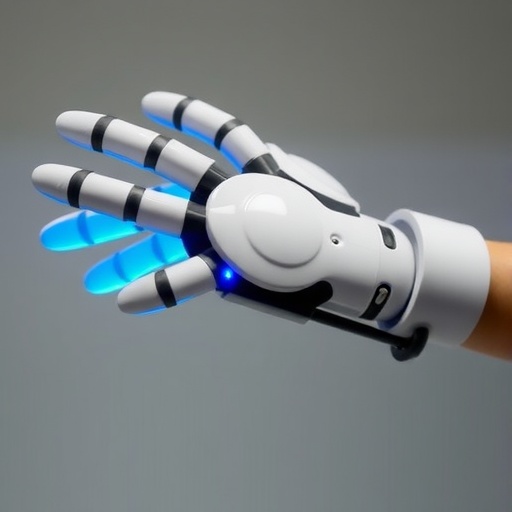
Soft robotic glove shows promise for hand rehabilitation in early stroke

 Can't tell if spastic fingers could ever get into this, unable to find any decent images. If not, the first order of business is to get your spasticity cured!

Ask your  competent? doctor which of these gloves WILL RECOVER THE HAND COMPLETELY! No knowledge is grounds for firing!

Soft robotic glove shows promise for hand rehabilitation in early stroke

Soft Robotic Glove That Breathes Motion Into Paralyzed Hands Passes Its First Clinical Test in Early Stroke A soft robotic glove that curls and uncurls a paralyzed hand with nothing more than puffs of pressurized air has cleared its first careful test in the clinic. In a pilot randomized controlled trial published in the open-access journal BioMedical Engineering OnLine on 28 August 2026, clinicians and engineers affiliated with Huashan Hospital of Fudan University and collaborating institutions in China report that stroke patients in the fragile weeks after brain injury tolerated training with the Syrebo SY-HR03E glove without a single adverse event—and showed stronger gains in independence in daily living than patients receiving conventional hand therapy alone. 

The study, among the first to examine robotic hand rehabilitation specifically in the early subacute phase of stroke, offers a cautiously encouraging signal for a technology that could one day deliver intensive, repeatable hand training at the bedside, in community clinics, and perhaps eventually in patients’ homes. The hand is among the cruelest casualties of stroke. Damage to the corticospinal tract—the superhighway of fibers carrying motor commands from the brain’s cortex down to the spinal cord—frequently leaves patients unable to open or close the fingers on command, and the hand is notoriously the last region to recover, if it recovers at all. With an estimated twelve million new strokes worldwide each year, tens of millions of survivors live with persistent arm and hand weakness. The stakes are highest in the early subacute phase, the weeks shortly after onset when the injured brain is at its most plastic—and, inconveniently for trial designers, when spontaneous recovery is also at its strongest. Rehabilitation after stroke leans on neuroplasticity: the brain’s capacity to reorganize, recruiting neighboring cortical territory and strengthening surviving pathways through repetitive, task-oriented practice. The problem is dose. A therapist can manually guide only so many repetitions per session, and patients with severe weakness often cannot generate enough movement on their own to drive the use-dependent plasticity that rewires motor cortex. Robotic devices promise to solve that arithmetic by delivering hundreds of precisely controlled movement cycles per session—but most rehabilitation robots are rigid exoskeletons with articulated joints that must align with fragile, often spastic fingers, a mismatch that has limited their clinical uptake. The SY-HR03E takes a different engineering approach. Instead of rigid links and servo motors, the glove embeds soft pneumatic actuators—airtight, flexible chambers running along the fingers and thumb. When a pump fills a chamber with pressurized air, the chamber’s asymmetric structure strains unevenly and bends, curling the finger into flexion; when the air is vented, the elastic material recoils and the finger extends again. Because the actuators are compliant, they conform to the patient’s own joint range rather than forcing spastic fingers to match a machine’s fixed kinematics, and the soft material itself absorbs pressure anomalies, giving the device an inherently forgiving safety profile. During the trial’s thirty-minute sessions, patients wore the glove while its actuators drove repeated cycles of finger opening and closing—precisely the high-repetition movement practice that rehabilitation theory says the recovering brain needs, delivered without exhausting a therapist’s hands. The approach belongs to a growing field of soft robotics, in which elastomers, textiles, and pneumatics replace the motors, gears, and metal frames of conventional machines.

To test whether that promise survives contact with real patients, the researchers conducted a single-blind pilot randomized controlled trial in an inpatient clinical setting, with ethics approval from the Jing’an branch of Huashan Hospital and prospective registration in the Chinese Clinical Trial Registry (ChiCTR2000034614) in July 2020. Twenty patients in the early subacute stage of stroke were randomly assigned in equal numbers to two groups. The robotic therapy group received a daily thirty-minute session with the soft robotic glove; the conventional therapy group received thirty minutes of standard hands-on hand therapy. Crucially, both groups also completed an identical one-hour daily conventional rehabilitation program that excluded hand training, ensuring that the only systematic difference between the arms was the modality used to exercise the hand. The protocol ran five days per week for four weeks—twenty sessions in total—and the assessors who scored outcomes were blinded to which treatment each patient had received. The trial was designed as a feasibility study first and an efficacy study second, a common strategy when introducing a new rehabilitation device to the clinic.

Recovery was tracked with a battery of validated clinical instruments. The Fugl-Meyer Assessment, the gold standard for quantifying post-stroke motor impairment, was scored separately for the hand and for the upper limb as a whole, on which sixty-six points are available and higher scores indicate stronger, more coordinated movement. The modified Barthel Index measured independence in activities of daily living—feeding, grooming, dressing, transfers—on a one-hundred-point scale that clinicians and caregivers understand intuitively. The Brunnstrom stages graded each patient’s motor recovery through the stereotyped sequence that follows stroke, from initial flaccidity through limb synergies toward isolated voluntary movement. Because the design produced paired measurements in two parallel groups, the team analyzed the data with two-way repeated-measures analysis of variance, testing statistically whether the pattern of change over time differed between the robotic and conventional groups—a Group by Time interaction—before drilling down with simple-effects comparisons.

The first headline finding is operational. Every participant completed the intervention; there were no dropouts and no adverse events across the entire trial, confirming the feasibility and safety of the device and the intensive schedule in a vulnerable population. That matters more than it may sound: a rehabilitation device that causes skin breakdown, pain, or fatigue in severely impaired patients cannot be deployed at scale, no matter how elegant its engineering. Baseline impairment was comparable between groups and, by clinical standards, severe. Mean Fugl-Meyer hand scores at entry were 2.20 (±1.93) in the robotic group and 2.50 (±2.64) in the conventional group, with scores in the low single digits signaling profound hand weakness, while upper-limb scores, against the instrument’s sixty-six-point ceiling, averaged 19.60 (±14.76) and 16.70 (±14.50) respectively. These were patients whose hands were, for practical purposes, barely functioning when the trial began—which is precisely the population for whom augmented training tools are most desperately needed.

Where the groups diverged is telling. For the Fugl-Meyer hand score, the analysis revealed a significant Group by Time interaction—F(1,18) = 4.743, p < 0.05—meaning the trajectory of hand-motor recovery was statistically distinguishable between the two arms of the trial. Simple-effects analysis showed that both groups improved significantly on the hand scale over the four weeks, as expected in this dynamic phase of recovery. But on the modified Barthel Index the separation sharpened: here too a significant interaction emerged, F(1,18) = 7.728, p < 0.05, and within-group analysis showed that only the robotic-therapy group achieved a statistically significant improvement in daily-living independence after the intervention. In other words, the patients whose hands had been cycled open and closed by the machine were the ones who converted motor gains into real-world function—arguably the outcome that matters most to patients, families, and health systems.

The picture was more nuanced elsewhere. On the Fugl-Meyer upper-limb scale, which captures the arm, wrist, and hand together, both groups improved substantially, with a strong main effect of time—F(1,18) = 24.931, p < 0.001—but no significant interaction, indicating that whole-limb recovery marched forward regardless of which hand modality was used. On the Brunnstrom stages, time again produced significant main effects for both the hand and the upper limb, but only the robotic group’s within-group improvement on the hand stages reached statistical significance. The authors read the overall pattern as preliminary evidence that pneumatic soft-robotic training can push distal hand recovery—and, downstream, independence in everyday activities—beyond what conventional therapy achieves alone in the same patients, even while broader arm recovery proceeds on its own timetable.

The researchers are careful to frame these results as signals, not verdicts. Because both groups were in the early subacute stage, the observed gains almost certainly reflect a combination of true intervention effects and spontaneous neurological recovery that would have unfolded to some degree with any treatment, or with none. The sample was small—ten patients per arm—and a pilot design cannot fully disentangle the robotic training itself from the intensity, attention, or mechanical stimulation that came with it. The work was funded by China’s National Key Research and Development Program, the National Natural Science Foundation of China, and the Shanghai Municipal Health and Family Planning Commission, and the author team spans clinical rehabilitation departments and one Shanghai technology company, though the authors declare no competing interests. Their stated conclusion is deliberately measured: the SY-HR03E is a feasible and safe tool for hand rehabilitation in early subacute stroke, and the preliminary signals justify larger-scale, definitive trials.

The trial lands amid a broader shift in rehabilitation medicine toward soft robotics. Rigid exoskeletons have struggled in hand therapy because the human finger has more degrees of freedom than most machines can replicate, and because misalignment between machine joints and anatomical joints can generate uncomfortable forces in a spastic limb. Soft pneumatic systems sidestep much of that problem, and their low weight and relatively low cost open scenarios—community clinics, home programs, remotely supervised training—that conventional robotics cannot easily reach. Robotic platforms also generate something scarce in stroke care: objective, quantifiable training data that clinicians could eventually use to titrate rehabilitation the way pharmacists titrate drug doses. Whether the SY-HR03E’s early signal holds up is now an empirical question, and the field will be watching for larger randomized trials with longer follow-up, chronic-phase populations, and designs capable of isolating robotic training from natural recovery. For the millions of stroke survivors living with a hand that will not reliably open, a lightweight glove that turns pressurized air into grasp—and statistical interactions into independence—would be no small thing.

Subject of Research: Feasibility, safety, and preliminary efficacy of the Syrebo SY-HR03E soft robotic glove with pneumatic actuators for hand rehabilitation in patients with early subacute stroke.

Subject of Research: Medicine

Article Title: Feasibility and preliminary efficacy of a soft robotic glove for hand rehabilitation in early subacute stroke: a pilot investigation

Article References: Lin, Y., Wang, C., Yin, G., Lin, Y., Gu, J., Xu, S., Shan, X., Huang, Y., & Jia, J. (2026). Feasibility and preliminary efficacy of a soft robotic glove for hand rehabilitation in early subacute stroke: a pilot investigation. BioMedical Engineering OnLine. https://doi.org/10.1186/s12938-026-01614-6

Image Credits: AI Generated