Changing stroke rehab and research worldwide now.Time is Brain! trillions and trillions of neurons that DIE each day because there are NO effective hyperacute therapies besides tPA(only 12% effective). I have 523 posts on hyperacute therapy, enough for researchers to spend decades proving them out. These are my personal ideas and blog on stroke rehabilitation and stroke research. Do not attempt any of these without checking with your medical provider. Unless you join me in agitating, when you need these therapies they won't be there.

What this blog is for:

My blog is not to help survivors recover, it is to have the 10 million yearly stroke survivors light fires underneath their doctors, stroke hospitals and stroke researchers to get stroke solved. 100% recovery. The stroke medical world is completely failing at that goal, they don't even have it as a goal. Shortly after getting out of the hospital and getting NO information on the process or protocols of stroke rehabilitation and recovery I started searching on the internet and found that no other survivor received useful information. This is an attempt to cover all stroke rehabilitation information that should be readily available to survivors so they can talk with informed knowledge to their medical staff. It lays out what needs to be done to get stroke survivors closer to 100% recovery. It's quite disgusting that this information is not available from every stroke association and doctors group.

Showing posts with label edible mushrooms. Show all posts

Thursday, May 18, 2023

How eating mushrooms may lower blood pressure levels

Didn't your competent doctor already add Lion's Mane mushrooms and magic mushrooms to your diet protocol already? 

How eating mushrooms may lower blood pressure levels

In a recent Phytotherapy Research study, scientists review existing literature on edible mushrooms and their bioactive constituents and their impact on hypertension.
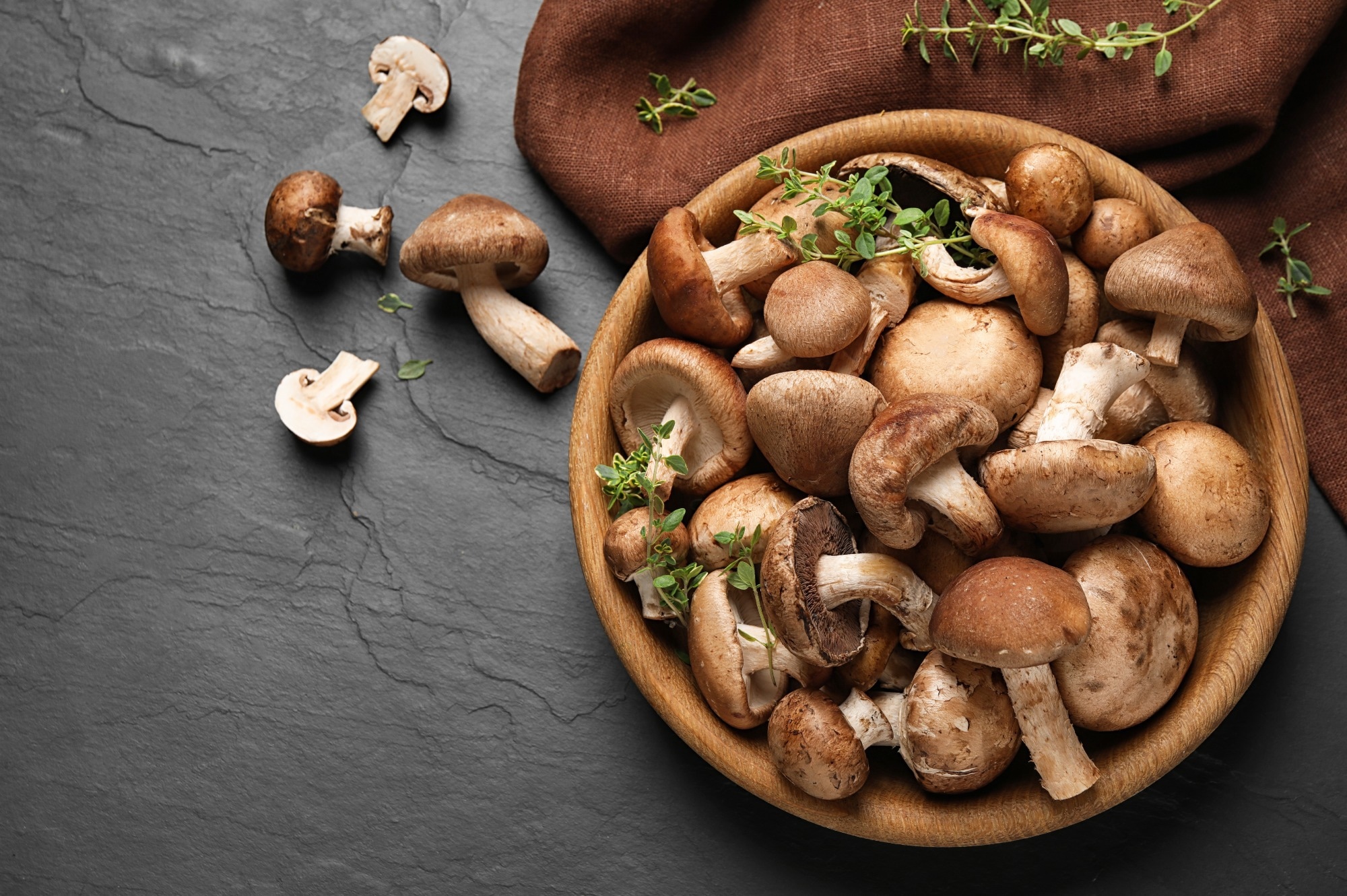
Study: Edible mushrooms as potential functional foods in amelioration of hypertension. Image Credit: New Africa / Shutterstock.com Study: Edible mushrooms as potential functional foods in amelioration of hypertension. Image Credit: New Africa / Shutterstock.com

The health benefits of mushrooms

Edible mushrooms are enriched with nutritional bioactive compounds, dietary fiber, amino acids, sterols, proteins, vitamins, and minerals that can influence cardiovascular functions. These types of mushrooms are considered a common functional food that is present in different types of diets, such as the Mediterranean diet and Dietary Approaches to Stop Hypertension (DASH).

The role of mushrooms as a dietary intervention to alleviate cardiovascular events and hypertension is not clear. Thus, it is imperative to understand the underlying mechanism of action of bioactive constituents of mushrooms on heart and allergenicity.

What is hypertension?

Hypertension is a chronic, modifiable, non-communicable, and multifactorial condition that leads to an increase in arterial blood pressure. As a result, hypertension is a major risk factor for heart disease. In 2015, around 4.5 million and 4.0 million deaths in men and women, respectively, were attributed to higher systolic pressure.

Normal blood pressure is attributed to an average diastolic blood pressure of 80 mmHg and average systolic blood pressure of 120 mmHg. An individual is considered to have hypertension when their systolic blood pressure is above or equal to 140 mmHg, and diastolic blood pressure is greater than or equal to 90 mmHg.

If hypertension remains untreated, the individual is at a high risk of experiencing cardiovascular events, stroke, aortic syndromes, heart failures, atrial fibrillation, aortic valve stenosis, and hypertensive cardiomyopathy.

The role of mushrooms in ameliorating hypertension

Dietary interventions associated with the inclusion of functional foods (FF) have become increasingly popular in the management of several chronic ailments, including hypertension. Mushrooms are macrofungus abundantly loaded with essential bioactive compounds, including polyphenols, terpenes, ergosterols, and terpenoids, as well as proteins and polysaccharides.

The bioactive compounds of mushrooms have been shown to reduce hypertension. Furthermore, mushrooms also contain many vitamins such as cobalamin, riboflavin, thiamine, vitamin D, and ascorbic acid, and minerals, including magnesium, sodium, iron calcium, manganese, potassium, phosphorus, and copper.

Several studies have indicated that mushrooms present in the DASH and Mediterranean diets significantly benefit patients with hypertension. Some of the different types of mushrooms that might be incorporated into these diets include portobello, maitake, shiitake, reishi, oyster, yellow-cap, shimeji, enoki, and cauliflower mushrooms.

How do mushrooms improve hypertension?

Cholesterol, homocysteine, high-density lipoprotein (HDL), low-density lipoprotein (LDL), homeostasis, fasting triacylglycerol, antiplatelet aggregation, and inflammation biomarkers are often used to determine the effect of food on hypertension.

Cholesterol biosynthesis is associated with the mevalonate pathway that occurs in the hepatic system, which involves various enzymatic reactions.

Changes in the enzyme 3-hydroxy-3-methylglutaryl coenzyme A (HMG-CoA) appear to influence cholesterol biosynthesis. The transformation of HMG-CoA to mevalonic acid is therapeutically targeted to alleviate hypertension. Notably, bioactive components in mushrooms inhibit the activity of HMG-CoA reductase, which is essential for cholesterol synthesis.

Mushrooms also contain high levels of flavanols, particularly quercetin, and fibrinolytic enzymes that exert vasorelaxation and inhibit vascular plaque within arteries. Synergistic effects linked to vasorelaxation, cholesterol biosynthesis, and fibrinolytic systems prevent hypertension.

Several components of mushrooms, such as cordycepin, ergosterol, chitosan, mannitols, β-glucans, tocopherols, indoles, and ergothioneine, are associated with positive effects on heart function. Ergosterol undergoes photolysis and produces various metabolites of vitamin D, which regulates calcium levels in the body. Reduced vitamin D levels have been associated with an elevated risk of hypertension.

Lovastatin has been extracted from the fruiting portion of Agaricus bisporus, Lentinula edodes and Chanterelle cibarius. This bioactive compound enzymatically transforms to hydroxy acid, which inhibits the transformation of HMG-CoA to mevalonic acid, thereby leading to the lowering of cholesterol levels.

Tocopherols are extracted from Craterellus cornucopioides, which appear to exert positive effects on heart function. Chitosan, which is present in Imerlia badia, can alleviate LDLs and triglyceride levels in the blood.

Many in vivo and in vitro studies have revealed that systematic introduction of γ-aminobutyric acid (GABA) antagonist can lower blood pressure and bradycardia through activation of GABA-receptors in cardiovascular tissues.

Conclusions

The current review described how mushrooms and their bioactive compounds can ameliorate hypertension. Dietary interventions, such as the DASH and Mediterranean diets that often include mushrooms, can alleviate chronic hypertension.

Several bioactive compounds obtained from mushrooms, such as lovastatin, cordycepin, ergosterol, and eritadenine, influence gene expression that induces cardiovascular functionalities as a result of their structural similarities with adenosine or cholesterol moieties. Therefore, these molecules are potential drug candidates that can be used to reduce hypertension; however, this requires further research.

The dietary intake of mushrooms can be used as a prophylactic measure without circumventing antihypertensive drug treatment. More studies are needed to understand the role of mushroom polysaccharides such as D-mannitol in modulating cholesterol biosynthesis and adsorption.

Journal reference:
  • Rauf, A., Joshi, P. B., Ahmad, Z., et al. (2023) Edible mushrooms as potential functional foods in amelioration of hypertension. Phytotherapy Research. doi:10.1002/ptr.7865

Tuesday, April 25, 2023

Edible mushrooms: the role of antioxidant compounds as potential candidates for neurodegenerative disease prevention and treatment

Hell, hasn't your doctor years ago had the dietician create a diet protocol on mushrooms? NO? Then you don't have a functioning stroke doctor.

Edible mushrooms: the role of antioxidant compounds as potential candidates for neurodegenerative disease prevention and treatment

In a recent review published in the Nutrients Journal, researchers reviewed existing data on edible mushrooms as dietary sources of antioxidants for preventing neurodegenerative diseases (NDs) associated with aging.

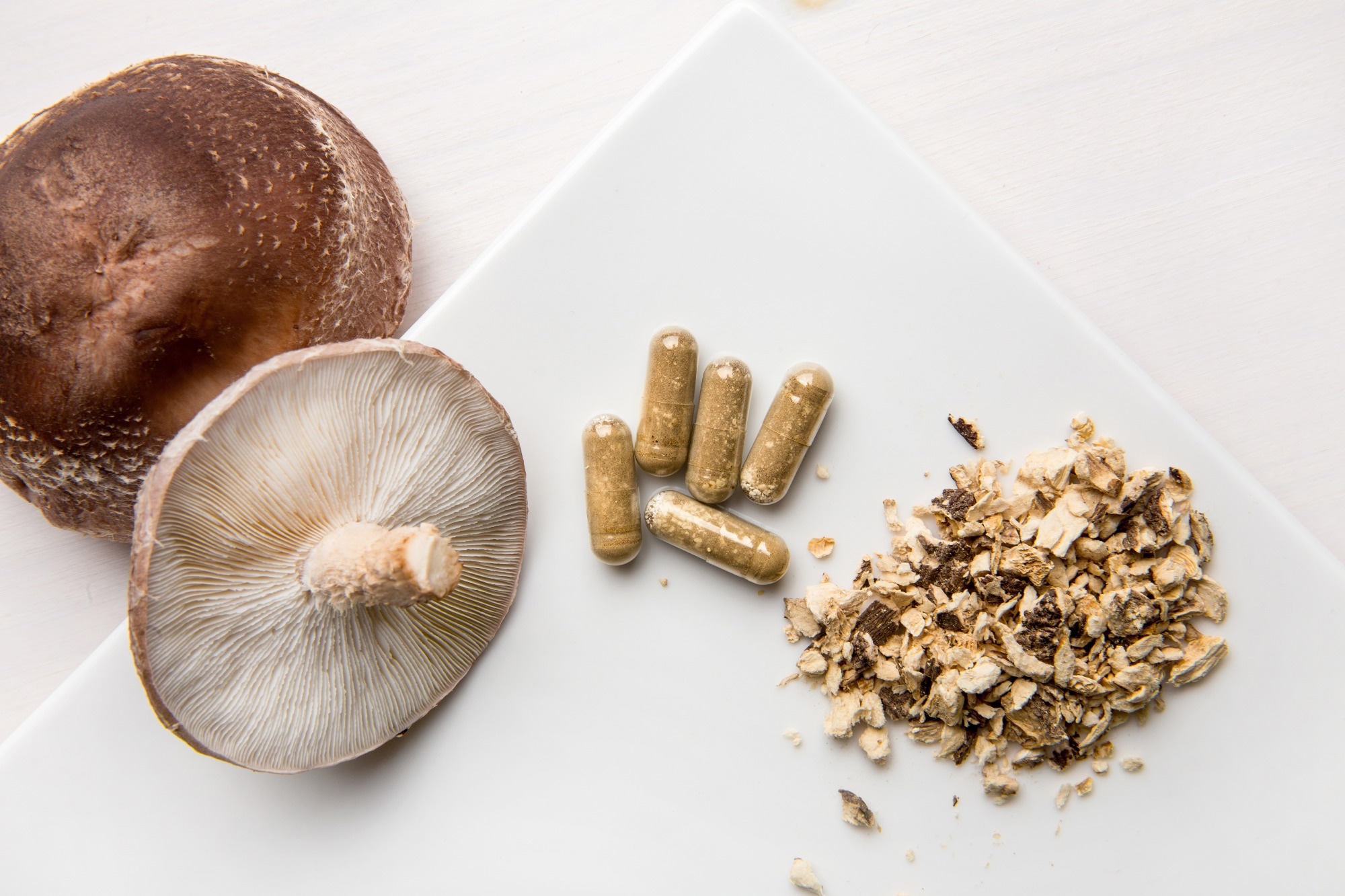
Study: Antioxidant Compounds from Edible Mushrooms as Potential Candidates for Treating Age-Related Neurodegenerative Diseases. Image Credit: FotoHelin/Shutterstock.comStudy: Antioxidant Compounds from Edible Mushrooms as Potential Candidates for Treating Age-Related Neurodegenerative Diseases. Image Credit: FotoHelin/Shutterstock.com

Background

Edible mushrooms reportedly produce different antioxidant compounds such as polysaccharides, flavonoids, phenolics, ergothioneine, carotenoids, and vitamins.

Therefore, mushrooms may be used as dietary supplements to improve antioxidant defenses and prevent age-associated NDs, characterized by increased oxidative stress, especially among older adults.

About the study

In the present study, researchers presented the role of oxidative stress in age-associated NDs and the potential of edible mushrooms to preserve healthy aging.

Role of oxidative stress in health, aging, and neurodegenerative diseases

In healthy conditions, reactive oxygen species (ROS)/RNS are balanced by efficient defense mechanisms. However, the oxidant levels increase during aging, while the antioxidant defenses become less efficient, generating an imbalance that leads to oxidative stress.

The condition results in oxidative damage to the main biomolecules, leading to the development of age-related neurodegenerative conditions such as Alzheimer’s and Parkinson’s diseases.

The hallmarks of aging include cellular senescence, telomere shortening, genomic instability, epigenetic alterations, loss of proteostasis, deregulated nutrient sensing, stem cell exhaustion, and altered intracellular communication.

An increase in oxidative stress with advancing age could result in mitochondrial dysfunction, lipid peroxidation, lipid membrane alterations, protein oxidation, deoxyribonucleic acid (DNA) and messenger ribonucleic acid (mRNA) damage, chronic inflammation, and cell death.

As a consequence, NDs may develop, with increased Aβ and α-synuclein protein deposition, neuroinflammation, and neuronal dysfunction.

Antioxidant mycochemicals of edible and medicinal mushrooms

Antioxidants obtained from edible mushrooms include flavonoids, phenolics, vitamins (α, β, γ, δ-tocopherol and tocoretinol, and ascorbic acid), carotenoids (α- and β-carotene, and β-cryptoxanthin), polysaccharides (pleuran, lentinan, and β-glucan), and ergothioneine. Which prevent damage by free radicals, including peroxynitrite (ONOO-), O2-, nitric oxide (NO), and hydroxyl (OH).

Mushrooms also provide minerals such as potassium (K), phosphorus (P), magnesium (Mg), sodium (Na), calcium (Ca), zinc (Zn), manganese (Mn), iron (Fe), copper (Cu), cobalt (Co), nickel (Ni), selenium (Se), and glutathione (GSH).

The antioxidants increase longevity, improve overall health, and reduce cell death and inflammation to prevent the development of age-associated NDs. Agaricus bisporus fungi contain acid-retrievable polysaccharides (AcAPS) that have prevented hydroxyl- and diphenyl-1-picrylhydrazyl (DPPH)-induced damage in vitro and conferred nephric and hepatic protection by enhancing serological enzymatic activity in aged mice, in vivo.

Endo-polysaccharides (EnPS) and exopolysaccharides (ExPS) have been obtained from Agaricus brasiliensis, with similar properties in vitro, in addition to an improvement in total antioxidant capacity (TAC) with lowered malondialdehyde (MDA) content.

Agrocybe aegerita contains alkalic-retrievable and acid-retrievable mycelia polysaccharides (Al-MPS and Ac-MPS) that can scavenge DPPH and hydroxyl activities, increase superoxide dismutase (SOD), catalase (CAT), glutathione peroxidase (GPx), and TAC, decrease MDA content, and reduce lipid peroxidation.

Agrocybe aegerita intake has reduced serological triglyceride and cholesterol levels in aged mice. Agrocybe cylindracea, comprising the SL-02 selenium polysaccharide and exopolysaccharides (EPS), has demonstrated similar properties.

Sulfated polysaccharides (SFPS) in Flammulina velutipes can scavenge DPPH, hydroxyl, and superoxide radicals, chelate iron, lower lipid peroxidation, and improve anti-inflammatory responses.

Ganoderma lucidum comprises polysaccharides that lower amyloid toxicity, neurotoxicity, MDA content, microglial activation, interleukin-1 beta (IL-1β), and tumor necrosis factor-alpha (TNF-α) levels.

In addition, the antioxidants increase GSH and GPx activity to prevent dopaminergic neuronal inflammation. Grifola frondose comprises polysaccharides (GFP), including intracellular-type Zn polysaccharides (IZPS). Hericium erinaceus comprises sulfated residue polysaccharide (SHRP) compounds that scavenge free radicals and lower MDA content.

The antioxidants in Lentinula edodes (MPS with and without zinc), Lepista sordida (CLSP polysaccharides), and Pholiota nameko (Zn-rich MZPS polysaccharides) have demonstrated similar properties.

Pleurotus eryngii comprises polysaccharides (PEP) and enzymatic residue polysaccharides (PERP) that have shown neuroprotective activity, preventing β-amyloid-inflicted neurotoxicity among rats, improving the functioning of the liver, skin, and brain, in vivo.

Similarly, consuming Pleurotus ostreatus, comprising polysaccharides (POP), and Pleurotus sajor-caju, comprising the PSP2-1 polysaccharide, improved cognition in rats with Alzheimer’s disease, reducing MDA and acetylcholinesterase (AchE) activity.

Polysaccharide TFPS, in Tremella fuciformis, improves hydrogen peroxide-caused oxidative-type stress and inhibits apoptosis among human cutaneous fibroblasts through sirtuin 1 (SIRT1) upregulation.

Increased CAT and SOD activity has been observed in aged murine animals that consumed Tricholoma lobayense, comprising TLH-3 polysaccharide.

Conclusions

Based on the review findings, edible and medicinal mushrooms are safe and non-toxic foods that comprise various antioxidants that can prevent neurodegeneration among aged individuals, particularly ergothioneine and polysaccharides. Vitamins and phenolics may act synergistically to counteract oxidative damage and preserve brain health.

Additionally, most human studies used whole mushrooms, powders, or extracts and did not assess the health-promoting effects of isolated compounds.

However, studies involving humans to evaluate the neuroprotective effects of mushrooms are limited, warranting further research to assess mushroom-induced neuroprotection, elucidate the underlying molecular neuroprotective mechanisms, and define optimal intake levels.

Journal reference:
Pooja Toshniwal Paharia

Written by

Pooja Toshniwal Paharia

Dr. based clinical-radiological diagnosis and management of oral lesions and conditions and associated maxillofacial disorders.