Changing stroke rehab and research worldwide now.Time is Brain! trillions and trillions of neurons that DIE each day because there are NO effective hyperacute therapies besides tPA(only 12% effective). I have 523 posts on hyperacute therapy, enough for researchers to spend decades proving them out. These are my personal ideas and blog on stroke rehabilitation and stroke research. Do not attempt any of these without checking with your medical provider. Unless you join me in agitating, when you need these therapies they won't be there.

What this blog is for:

My blog is not to help survivors recover, it is to have the 10 million yearly stroke survivors light fires underneath their doctors, stroke hospitals and stroke researchers to get stroke solved. 100% recovery. The stroke medical world is completely failing at that goal, they don't even have it as a goal. Shortly after getting out of the hospital and getting NO information on the process or protocols of stroke rehabilitation and recovery I started searching on the internet and found that no other survivor received useful information. This is an attempt to cover all stroke rehabilitation information that should be readily available to survivors so they can talk with informed knowledge to their medical staff. It lays out what needs to be done to get stroke survivors closer to 100% recovery. It's quite disgusting that this information is not available from every stroke association and doctors group.

Showing posts with label doctor failure. Show all posts

Monday, September 28, 2026

Resetting the body clock could help the brain recover after stroke

 Your incompetent? doctor and hospital will fail at doing further research and human testing to change 'could' to will! And I'm sure they didn't create sleep or glymphatic clearance protocols.

NOT DOING EITHER ONE IS PURE INCOMPETENCE!

Resetting the body clock could help the brain recover after stroke

 Scientists at the University of Rochester Medicine have found that strengthening the body's natural daily rhythms to improve sleep may help the brain recover after a stroke. The work points to a possible new way to support brain waste clearance and improve recovery well after the initial injury. Published in the Journal of Clinical Investigation, the study showed that interventions designed to reinforce circadian rhythms improved recovery in mouse models of stroke. These improvements were accompanied by stronger activity in the glymphatic system, the brain's waste-clearing network, along with lower levels of inflammatory molecules that can persist after a stroke. 

How the Brain Clears Waste

The findings build on more than a decade of research led by URochester Medicine neuroscientist Maiken Nedergaard, MD, DMSc. Her laboratory discovered the glymphatic system in 2012. This system moves cerebrospinal fluid through the brain, helping remove waste products and other debris. Later studies found that glymphatic activity is especially strong during sleep and plays an important role in maintaining brain health.Neuroscientist Lauren Hablitz, PhD, later helped show that glymphatic activity is influenced not only by sleep, but also by circadian rhythms, the body's internal 24-hour clock. In a landmark 2020 study, Hablitz, Nedergaard, and colleagues demonstrated that glymphatic function follows daily cycles even independently of sleep, establishing a direct link between circadian biology and the brain's waste-clearing system. 

Stroke May Disrupt the Brain's Timing

"The discussion of stroke recovery really starts with the idea that stroke is not just a vascular event, but also a disorder of timing," said Hablitz, lead author of the new study. Scientists have long known that strokes tend to follow distinct time-of-day patterns. They occur more often during the morning and are frequently more severe near the end of the sleep period. After a stroke, many patients also develop disrupted sleep-wake cycles. Those disturbances have been linked with worse recovery, depression, and reduced quality of life. "That led us to ask a simple question," said Hablitz. "If timing is broken after a stroke, can we improve recovery by reinforcing the biological clock?" 

When the Brain's Cleanup System Slows Down

 In a healthy brain, the glymphatic system carries cerebrospinal fluid along blood vessels and through brain tissue. This process delivers nutrients while helping remove waste products and inflammatory signals. Earlier research has shown that glymphatic function becomes impaired after stroke. That disruption may reduce the brain's ability to clear harmful molecules that accumulate during recovery. Stroke research has traditionally focused on separating beneficial inflammation from harmful inflammation and finding ways to suppress the damaging forms. Hablitz and her colleagues suggest that another part of the problem may be that the brain is no longer clearing inflammatory signals effectively. "We think part of the problem may be a failure of cleaning," she said. "If the system responsible for clearing signaling molecules isn't working properly, everything builds up."Under this model, stroke damages both brain tissue and the pathways responsible for removing inflammatory signals. As those molecules accumulate, they may contribute to continued damage and slower recovery. 

Resetting the Body Clock

To test whether stronger circadian rhythms could improve recovery, the researchers examined several interventions known to affect the body's internal clock. These included timed light exposure, melatonin, a clock-targeting drug called KL001, and time-restricted feeding. The team first showed that each of these interventions could improve glymphatic function in healthy animals. They then selected the most promising strategies, KL001 and time-restricted feeding, and tested them in mouse models of stroke. Treatment did not begin until three days after the stroke, far beyond the narrow window used for clot-busting drugs and other acute stroke treatments. Even with that delay, mice that received either intervention showed better motor recovery, smaller lesion volumes, improved glymphatic flow, and lower levels of inflammatory cytokines in the brain. "All of the cytokines moved in the same direction," Hablitz said. "That suggests we may not be targeting one specific inflammatory pathway. Instead, we may be helping the brain clear inflammatory signals more effectively." One of the most promising approaches was time-restricted feeding, a behavioral intervention that is already being investigated for obesity, diabetes, cardiovascular disease, and other conditions. That could make the findings especially relevant for stroke rehabilitation because such an approach might eventually be easier to use outside specialized medical settings. "One of the exciting aspects of this work is that we're studying interventions that could potentially be implemented not only in hospitals but also at home," Hablitz said. 

What Researchers Need to Test Next

 The researchers emphasize that the findings so far are limited to animal models. More studies will be needed to determine exactly how circadian rhythms, glymphatic function, and inflammation influence one another after stroke. Future work will also examine whether improved glymphatic flow directly causes better recovery and whether circadian-based interventions can eventually be tested in clinical trials. More broadly, the study reflects a growing view in neuroscience that sleep, circadian rhythms, and fluid movement through the brain are central to brain health. By learning more about how the brain's internal clock regulates the glymphatic system, researchers hope to uncover new ways to improve recovery not only after stroke, but also in other neurological conditions involving inflammation and poor waste clearance. "Understanding how circadian regulation shapes glymphatic clearance will help us develop more targeted therapies," said Hablitz. "Ultimately, our goal is to find ways to improve the brain's ability to clear waste, reduce inflammation, and recover after injury." Health & Medicine Diabetes Heart Disease Mental Health Research Pharmacology Depression Mental Health Stroke Consumer Behavior RELATED TERMS

Story Source:

Materials provided by University of Rochester Medical Center. Note: Content may be edited for style and length.


Journal Reference:

  1. Emma Waight, Yuxi Zhu, Ashley Caudell, Velia S. Vizcarra, Evan Newbold, Michael J. Giannetto, Evalien Duyvestyn, Estephanie Balbuena, Wei Song, Tanzil M. Arefin, Yuki Mori, Maiken Nedergaard, Lauren M. Hablitz. Chronotherapy to reinforce circadian rhythms improves poststroke outcomes and glymphatic function in mice. Journal of Clinical Investigation, 2026; 136 (12) DOI: 10.1172/JCI201800

Cite This Page:

University of Rochester Medical Center. "Resetting the body clock could help the brain recover after stroke." ScienceDaily. ScienceDaily, 28 September 2026. <www.sciencedaily.com/releases/2026/09/260924020407.htm>.

Explore More

from ScienceDaily

RELATED STORIES

Sunday, September 27, 2026

8 Surprising Tips for Living a Longer Life

 Make sure your doctor gets you recovered enough to do these, my doctor was a complete failure!

8 Surprising Tips for Living a Longer Life

 Some common advice for living a longer life is sound yet obvious: eat fruits and veggies, stay active, get enough sleep, prioritize your mental health, etc. Other bits of wisdom, such as the “Werewolf Diet,” which asks you to fast during certain phases of the moon to cleanse your body, is neither. But what if we told you there are other things to focus on that aren’t as obvious as the former or as ridiculous as the latter? What about playing cards, learning ballroom dancing, eating chili peppers, and reading novels? These doctor-approved secrets to longevity are sure to surprise you.
The video player is currently playing an ad.

All featured products and deals are selected independently and objectively by the author. Better Report may receive a share of sales via affiliate links in content.

An image of two runners shaking hands
Credit: sarti46/ Unsplash

Make New Friends

My longevity is going to be fun and my social connections will get me there.

(Sunday is music at Red Cedar, Tuesday is music at Moriarties, Thursday is trivia at Moriarties; all are bars, so alcohol is involved, there will be no condemnations of that.) All part of my plan to exponentially expand my social connections to prevent dementia

Medical researchers say “the more, the merrier” regarding friendships, as social connections benefit our mental and physical health. Studies show having solid relationships can significantly increase longevity, regardless of age, gender, and health status. “Our relationships form a lattice of support that constitutes the largest single factor in the overall well-being of most people,” says Stanford research scholar Steven Crane.

Credit: SeventyFour/ iStock

Play More Games


Of course your competent? doctor already has EXACT PROTOCOLS ON THIS from years ago, right?
NO, PURE INCOMPETENCE!

cognitive speed training (19 posts to March 2014)

This computer exercise may help protect your brain from dementia, study finds

You’re never too old to play! Brain teasers, crosswords, trivia games, and puzzles stimulate cognitive function, improving attention, memory, response time, and logical reasoning. These activities are especially beneficial for older adults, as maintaining cognitive function is a predictor of health and longevity. Playing games with friends and loved ones has the added benefit of providing a social connection that, as we know, can improve your overall health.


Credit: MelanieMaya/ iStock

Spice Things Up

Your competent? doctor already had you consuming this Szechuan pepper (March 2020)that sends the equivalent of 50 light taps to the brain per second. 

 
According to research by the American Heart Association, eating chili peppers is associated with lower instances of cancer and cardiovascular disease. One reason may be that chili peppers have anti-inflammatory and antioxidant properties thanks to capsaicin, the chemical that makes them spicy. 
Credit: Antonio Santos/ iStock

Read More Books


So I bet your doctor should be prescribing Shakespeare reading for you after your stroke, and I bet reading it aloud would be even better. But you better get your hand recovered so you can turn pages. 

Shakespeare and Wordsworth boost the brain, new research reveals

 
A study published by Yale University revealed that bookworms live two years longer than people who don’t read. Researchers separated participants over 50 into three groups: non-readers, those who read three-and-half hours a week or less, and those who read three-and-half hours or more each week. After tracking them for 12 years, they found that the group who read more than three-and-half hours weekly lived 23 months longer than those who didn’t read at all, regardless of gender, wealth, education, or health.An image of two men holding dogsCredit: boytsov/ iStock

Spend Time With Your Pets

Not going to occur, they are furry anchors, stopping spontaneous activity and lots of travel options.
A study by the American Heart Association revealed that owning a pet reduces mortality rates by 24% on average due to a lengthy list of health benefits, including lower blood pressure and improved mental health. This applies to any kind of pet—cats, dogs, guinea pigs, lizards, you name it. Additionally, tending to animals outdoors, such as walking a dog or riding a horse, has the added health benefit of exercise.
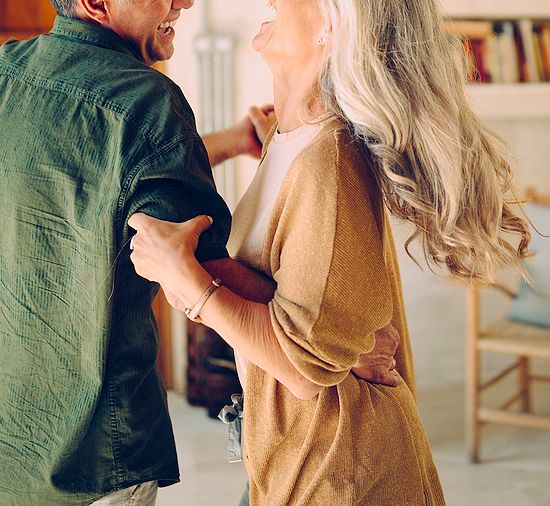
An image of a man and a woman dancing in a living room

Hit the Dance Floor

I can't successfully dance. The left foot will not get off the floor with any decent amount of speed. I can't jump up and down. The left arm is a dead log that if I get too vigorous will slap other dancers. Dancing is the only thing I'm self-conscious about and won't do. 


You don’t need to be a pro on Dancing with the Stars to enjoy the mental and physical benefits of dancing. Dancing lowers cortisol levels and releases endorphins, which make us naturally happy and improves muscular strength, balance, cardiovascular endurance, and cognitive ability. Research also shows that the combination of physical and social activity required in dancing can decrease the risk of dementia. Tango has even been prescribed as a treatment for Parkinson’s patients as a way to reduce symptoms. 
An image of two people huggingCredit: FG Trade/ iStock

Forgive and Forget

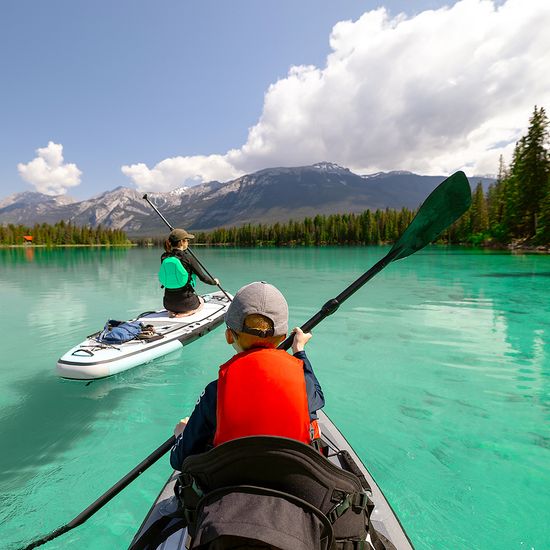
 “There is an enormous physical burden to being hurt and disappointed,” explains Dr. Karen Swartz from Johns Hopkins. It can also lead to chronic anger, which increases the risk of diabetes, heart disease, and depression. Forgiving and letting go of negative feelings can reverse those health issues. Feeling less angry also helps you sleep more soundly, which is key to your physical and mental health.An image of two people canoeing

Take a Vacation

 Doctors say it’s time to pack your bags! The European Society of Cardiology conducted a 40-year study that followed more than 1,200 middle-aged men to determine the effects of vacation time on longevity. The results were surprising. Those who vacationed for more than three weeks annually had a 37% lower chance of dying in the follow-up portion of the study than those who vacationed for less than three weeks. This was mainly due to lower stress levels. The participants who vacationed less also tended to work more and sleep less, which exacerbated health problems.Featured Image Credit: boytsov/ iStock

Saturday, September 26, 2026

8 daily exercises that build more strength than weight training after 50

 Did your competent? doctor get you recovered enough to easily do all these? Mine failed at everything to do with recovery! 

8 daily exercises that build more strength than weight training after 50

Discover how to unlock incredible functional strength without ever touching a heavy weight. As we age, our bodies benefit from specific movements that prioritize stability, mobility, and sustainable power. This gallery reveals eight everyday exercises proven to build superior strength, keeping you active and independent well into your golden years.

The Mighty Chair Squat: Foundations of Functional Power


Mastering the chair squat builds foundational lower body strength, crucial for daily activities like getting up and down. It improves hip and knee mobility, protecting joints and enhancing independence and overall functional movement.

Wall Push-ups: Gentle Strength for Upper Body & Core


Strengthen your chest, shoulders, and arms effectively with wall push-ups. This low-impact exercise builds upper body power and improves posture, crucial for everyday tasks without straining joints or requiring equipment.

Calf Raises: Boost Balance & Leg Power for Daily Walks


Simple calf raises enhance ankle stability and leg circulation, significantly reducing fall risk. This accessible exercise builds crucial lower leg strength, making walking and standing easier and more secure for daily life.

Standing Marches: Core Stability & Hip Mobility for Agility


Improve balance and strengthen your core and hip flexors with standing marches. This dynamic movement enhances walking stability and range of motion, keeping you agile and confident in your daily activities.

The Bird-Dog: Core Strength & Spinal Health for Stability


The Bird-Dog exercise builds deep core strength and improves balance, effectively protecting your lower back. It enhances stability and coordination, crucial for preventing falls and maintaining a healthy, resilient spine.

Glute Bridges: Strengthen Hips & Posterior Chain Safely


Glute bridges effectively target your glutes and hamstrings, improving hip mobility and posterior chain power. This gentle exercise supports lower back health and enhances strength for walking and climbing stairs with ease.

Single Leg Balance: Master Stability, Prevent Falls


Practice single leg stands to dramatically improve your balance and ankle strength. This exercise directly reduces the risk of falls, boosting confidence and functional independence in all your daily movements.

Arm Circles: Enhance Shoulder Mobility & Posture


Gentle arm circles and shoulder rolls improve joint lubrication and increase range of motion in your shoulders. This movement relieves stiffness, enhances posture, and supports pain-free daily activities with ease.

I'm a strength coach and these 6 classic exercises can help rebuild strength and improve balance after 60

 Not being able to do these post stroke IS COMPLETE INCOMPETENCE OF YOUR DOCTOR!

I'm a strength coach and these 6 classic exercises can help rebuild strength and improve balance after 60

1. Bodyweight Squat

Few exercises tell me more about someone's lower-body strength than a basic squat. You have to control yourself on the way down and produce enough force to stand back up, which is the same general demand you face every time you leave a chair. Squats also keep your ankles, knees, and hips working together while your balance shifts through the rep.

Muscles Trained: Quads, glutes, hamstrings, calves, core.

How to Do It

  1. Stand with your feet about shoulder-width apart.
  2. Let your toes point slightly outward if that feels natural.
  3. Bend your knees and sit your hips back.
  4. Lower until your thighs reach at least parallel, if comfortable.
  5. Press through your feet to stand.
  6. Reset and repeat.

Recommended Sets and Reps: Perform 2 to 3 sets of 8 to 12 reps. Rest for 45 to 60 seconds.

Best Variations: Chair squat, supported squat, goblet squat.

Form Tip: Keep your feet planted as you stand.

RELATED: 5 Daily Exercises That Restore Leg Strength Faster Than Gym Workouts After 60

2. Push-Up

Doctor failure; did nothing to cure my spasticity so my hand can lay flat.

Push-ups have probably survived every generation of workout programs because they ask a lot from a simple movement. Your chest and arms provide the pressing strength, while your trunk keeps your body supported from head to heel. After 60, that strength can help you push yourself up, support your body with your hands, and keep your upper body capable during daily tasks.

Muscles Trained: Chest, shoulders, triceps, abs.

How to Do It

  1. Place your hands slightly wider than shoulder-width apart.
  2. Set your body in a straight line from your head to your heels.
  3. Brace your midsection.
  4. Bend your elbows and lower your chest.
  5. Stop when your elbows reach about 90 degrees.
  6. Press through your hands to return to the start.

Recommended Sets and Reps: Perform 2 to 3 sets of 6 to 12 reps. Rest for 45 to 60 seconds.

Best Variations: Wall push-up, incline push-up, knee push-up.

3. Reverse Lunge

Walking puts you on one leg over and over again, and lunges let you strengthen that position on purpose. Stepping backward makes the setup easier to control while your front leg does most of the work. I like reverse lunges for older clients because they build useful leg strength while also asking you to organize your balance with each rep.

Muscles Trained: Quads, glutes, hamstrings, calves, core.

How to Do It

  1. Stand tall with your feet under your hips.
  2. Step your right foot backward.
  3. Bend both knees and lower into a comfortable lunge.
  4. Keep your front foot flat.
  5. Press through your front foot to stand.
  6. Complete your reps, then switch sides.

Recommended Sets and Reps: Perform 2 to 3 sets of 6 to 10 reps per side. Rest for 45 to 60 seconds.

Best Variations: Supported reverse lunge, smaller-range reverse lunge, split squat.

Form Tip: Let your front leg bring you back up.

RELATED: 4 Couch Exercises That Flatten Belly Overhang Faster Than Gym Workouts After 60

4. Standing Calf Raise

The calf raise doesn't look flashy, but it covers a strength area that becomes hard to ignore when it fades. Your calves help push you forward while walking and support ankle stability as your weight shifts. Rising onto your toes also gives you a small balance challenge without making the exercise complicated. Keep a chair or counter nearby if you want a little support.

Muscles Trained: Calves, ankles, feet.

How to Do It

  1. Stand tall with your feet about hip-width apart.
  2. Hold a sturdy surface lightly if needed.
  3. Press through the balls of your feet.
  4. Lift your heels off the floor.
  5. Reach a comfortable height.
  6. Lower your heels with control.

Recommended Sets and Reps: Perform 2 to 3 sets of 10 to 15 reps. Rest for 30 to 45 seconds.

Best Variations: Supported calf raise, single-leg calf raise, seated calf raise.

Form Tip: Rise straight up through the balls of your feet.

5. Forearm Plank

A strong midsection helps everything else feel more connected. The forearm plank teaches your abs to support your torso while your shoulders and hips stay in place, which helps anytime you lift, carry, or change direction. There's no movement to memorize here. The challenge is holding the position long enough to make your core work.

Muscles Trained: Abs, shoulders, glutes, upper back.

How to Do It

  1. Place your forearms on the floor.
  2. Set your elbows beneath your shoulders.
  3. Extend your legs behind you.
  4. Lift your body into a straight line.
  5. Brace your abs and keep your spine neutral.
  6. Hold while breathing steadily.

Recommended Sets and Reps: Perform 2 to 3 holds of 15 to 30 seconds. Rest for 30 to 45 seconds.

Best Variations: Incline plank, knee plank, full plank.

Form Tip: Keep your spine neutral throughout the hold.

RELATED: If You Can Hold a Plank This Long After 60, Your Core Strength Is Top-Tier

Friday, September 25, 2026

Non-invasive stimulation techniques for fall prevention and balance control: an overview of reviews and meta-analyses

 What is your doctors' EXACT FALL PREVENTION PROTOCOL?  

Oh NO; doesn't have one; THAT'S PURE INCOMPETENCE! 

Dumping that on therapists is not allowed, the doctor is responsible for getting you 100% recovered. And s/he  COMPLETELY FAILED AT THAT, RIGHT? 

Non-invasive stimulation techniques for fall prevention and balance control: an overview of reviews and meta-analyses

    We’re sharing this article early to provide faster access to peer-reviewed, accepted research. It is citable and carries a permanent DOI. This version is subject to further edits and will be replaced automatically by the final Version of Record. All legal disclaimers apply.

    Abstract

    Background

    Older adults and individuals with neurological disorders often experience balance impairments, which increase their risk of falling and compromise their functional independence. Numerous studies and systematic reviews have investigated the use of non-invasive stimulation techniques for fall prevention and balance control across various populations and device types.

    Objective

    To conduct an overview of systematic reviews assessing the efficacy of non-invasive stimulation techniques for fall prevention and balance control improvement in different target populations.

    Methods

    The review protocol was registered in the PROSPERO database (CRD420251023003). A systematic search was conducted for systematic reviews published up to March 2025. Reviews evaluating the efficacy of non-invasive stimulation techniques (i.e., non-invasive brain stimulation (NIBS), neuromuscular electrical stimulation (NMES), galvanic vestibular stimulation (GVS), and mechanical stimulation) on fall prevention or balance control in older adults or individuals with neurological disorders were included. The AMSTAR 2 tool was used to assess the methodological quality of the included reviews. Overall and subgroup meta-analyses were performed using random-effects models, with the standardized mean difference (SMD) as the effect size measure.

    Results

    We identified 21 systematic reviews. Three reviews (including one with a meta-analysis) were excluded from qualitative synthesis due to “low/critical low” quality. The remaining 18 reviews were included in the qualitative analysis, encompassing 328 original studies, which involved 11,692 participants. Of these, 13 reviews were included in the quantitative synthesis, of which 12 were pooled in the meta-analysis. The pooled results showed that non-invasive stimulation techniques had a moderate effect on improving balance control (SMD = 0.43, 95% CI, 0.34–0.52; = 8%, p = 0.366). Funnel plot inspection and Egger’s test (p = 0.267) indicated no evidence of publication bias. Subgroup analyses showed no statistically significant differences: by type of balance outcome (static vs. dynamic, p = 0.777), non-invasive stimulation techniques (p = 0.857), or target population (individuals with stroke or Parkinson’s disease, p = 0.750).

    (Without even mentioning what the hell non-invasive interventions are; TOTALLY FUCKING USELESS! Don't your mentors and senior researchers have any clue how to do research?)

    Conclusions

    Non-invasive stimulation techniques may serve as a moderately effective(NOT GOOD ENOUGH!) therapeutic strategy for improving balance control, with potential functional benefits. The quality of evidence was moderate for NIBS but low for NMES and GVS. However, their clinical relevance should be interpreted with caution. The effectiveness in fall prevention remains to be established due to limited available evidence.

    Thursday, September 24, 2026

    Loneliness Erases Nearly 6 Healthy Years

     Don't let your incompetent? doctors have you lose most of your friends because they COMPLETELY FUCKING FAILED AT 100% RECOVERY PROTOCOLS! 

    You're already down 5 years because of your stroke, don't let your doctor dig a deeper hole!

    Since you need to get back your 5 lost years of brain cognition due to your stroke, your incompetent? doctor better provide you AN EXACT PROTOCOL!

    Loneliness Erases Nearly 6 Healthy Years

    Summary:

    A massive observational study of more than 277,000 adults reveals that loneliness and social isolation significantly shorten disease-free life expectancy, stripping men of nearly six years and women of nearly four years of life free from major mental health disorders. While healthy lifestyle choices buffered against the physical risks of objective social isolation, they did little to mitigate the psychological damage of subjective loneliness.

    Key Facts:

    • Severe Mental Health Cost: Men experiencing both social isolation and loneliness lived roughly 5.8 fewer years free of mental disorders (such as depression and anxiety), while women lost approximately 3.7 years free of mental illness compared to connected peers.
    • Physical Health Impact: Beyond psychiatric illness, dual exposure to isolation and loneliness reduced physical disease-free life expectancy by 2.4 years for women and 1.7 years for men across major conditions including heart disease, diabetes, cancer, and dementia.
    • Lifestyle Divergence: Adopting healthy lifestyle behaviors (regular exercise, optimal diet, healthy sleep, and avoiding smoking) partially counteracted the health losses tied to objective social isolation, but failed to protect against the heightened health risks of subjective loneliness.

    Source: Tulane University

    Public health warnings have increasingly sounded the alarm on loneliness and social detachment, comparing their health hazards to smoking and obesity. In the United States alone, nearly half of all adults report chronic feelings of loneliness, and similar numbers live in functional social isolation.

    Yet despite widespread recognition of the crisis, researchers have struggled to quantify its real-world toll: exactly how many healthy years of life does social disconnection steal?

    Now, a pioneering observational study from the Celia Scott Weatherhead School of Public and Tropical Medicine at Tulane University, published in Nature Communications, provides a definitive metric. By tracking over a quarter-million middle-aged adults, investigators demonstrated that social disconnection erodes years of disease-free living, with an outsized, devastating toll on psychiatric health.

    “Overall, the study found that social isolation and loneliness can have a significant impact on disease-free life expectancy,” said lead author Lu Qi, HCA Regents Distinguished Chair and professor at Tulane University. “This includes both physical and mental disease.”

    Distinguishing Objective Isolation from Subjective Loneliness

    Epidemiologists and psychologists emphasize that while the terms are often used interchangeably, they represent fundamentally different clinical realities:

    • Social Isolation: An objective measure of a person’s network size, living situation, and frequency of social contact.
    • Loneliness: A subjective psychological state reflecting distress or dissatisfaction with the perceived quality and depth of one’s relationships, regardless of how often they interact with others.

    “The findings weren’t surprising to me,” noted Dr. Qi. “Previous studies found that social isolation and loneliness are related to mortality, especially premature mortality, and this study provides additional evidence.”

    The Tulane team analyzed prospective health data from 277,489 adults aged 40 to 69 who were initially free from seven major chronic physical and mental illnesses: type 2 diabetes, cardiovascular disease, chronic respiratory conditions, dementia, cancer, major depression, and generalized anxiety. Calculating disease-free survival benchmarks from age 50 onward, the researchers tracked the time to onset for both somatic and psychological conditions.

    Pronounced Gender Differences in Vulnerability

    The analysis revealed clear sex-specific patterns in how disconnection manifests biologically:

    • Mental Health Deficits: Men proved especially vulnerable to the psychological strain of loneliness, losing an average of 5.8 disease-free years to depression and anxiety, compared to a loss of 3.7 years in women.
    • Physical Health Deficits: Conversely, women sustained a steeper physical toll, losing 2.4 years of physical disease-free survival compared to 1.7 years among men.

    “This comes down to the gender differences between men and women,” explained Dr. Qi. “Our research found men are more susceptible to being affected by loneliness. We also know that women tend to live longer than men. There are gender advantages with certain diseases.”

    Why Healthy Habits Alone Cannot Cure Loneliness

    Perhaps the most clinically urgent finding centered on the interaction with overall lifestyle. The investigators observed that adhering to standard health guidelines, maintaining regular physical activity, eating a balanced diet, securing restorative sleep, and abstaining from tobacco,measurably narrowed the disease-free life expectancy deficit associated with objective social isolation.

    Crucially, however, lifestyle adherence failed to substantially neutralize the heightened health risks of subjective loneliness.

    This distinction suggests that while expanding a person’s practical social contacts and encouraging healthy habits can preserve somatic health, resolving the internal pain of loneliness requires tailored psychological and relational interventions. The team plans to extend their research through prospective clinical trials to test targeted behavioral treatments across diverse global populations.

    Editorial Notes:

    • This article was edited by a Neuroscience News editor.
    • Journal paper reviewed in full.
    • Additional context added by our staff.

    About this Mental Health and Loneliness Research:

    • Media Contact: Addison DeHaven
    • Source: Tulane University
    • Image Credit: Image credited to Neuroscience News
    • Original Research is Open Access: Nature Communications (September 21, 2026). “Associations of loneliness, social isolation and healthy lifestyle with life expectancy free of major physical disease and mental disorder.” Authors: Xuan Wang, Hao Ma, Yoriko Heianza, Zhaoxia Liang, Oscar H. Franco & Lu Qi.
    • DOI: 10.1038/s41467-026-74498-8