Changing stroke rehab and research worldwide now.Time is Brain! trillions and trillions of neurons that DIE each day because there are NO effective hyperacute therapies besides tPA(only 12% effective). I have 523 posts on hyperacute therapy, enough for researchers to spend decades proving them out. These are my personal ideas and blog on stroke rehabilitation and stroke research. Do not attempt any of these without checking with your medical provider. Unless you join me in agitating, when you need these therapies they won't be there.

What this blog is for:

My blog is not to help survivors recover, it is to have the 10 million yearly stroke survivors light fires underneath their doctors, stroke hospitals and stroke researchers to get stroke solved. 100% recovery. The stroke medical world is completely failing at that goal, they don't even have it as a goal. Shortly after getting out of the hospital and getting NO information on the process or protocols of stroke rehabilitation and recovery I started searching on the internet and found that no other survivor received useful information. This is an attempt to cover all stroke rehabilitation information that should be readily available to survivors so they can talk with informed knowledge to their medical staff. It lays out what needs to be done to get stroke survivors closer to 100% recovery. It's quite disgusting that this information is not available from every stroke association and doctors group.

Showing posts with label Dr. Steven Wolf. Show all posts

Monday, November 27, 2017

Take our stroke rehab resources along as you face rehab decisions. Then share with fellow survivors and caregivers. American Stroke Association

Wow, what willful blindness and chutzpah to suggest that anything here is going to get you 100% recovered and that you aren't on your own. But this tweet is their incompetent way of helping survivors.  As Dr. Steven Wolf writes, a rehabilitation stroke expert and professor at Emory University School of Medicine in Atlanta.  "Stroke patients need to rely more on their own problem solving to regain mobility".

Monday, October 30, 2017

Why I think stroke rehab protocols should be publicly available

Rebecca Dutton does not think so.
I disagree, my reasoning follows:
1. Most survivors are kicked out of therapy by insurance at the six month mark, Doing therapy on your own is usually the only possibility.
2. Currently only 10% of stroke survivors fully recover, survivors on their own can't do much worse..
3. Doing exercises perfectly is not the fastest way to learn.

    a. Rebecca does have a point in that having someone else spot the problems you are doing is great especially since your doctor failed at getting your proprioception recovered. 
    b. Practicing to perfection is only possible when you have full control of your muscles, For the 30% of stroke survivors with spasticity that is impossible.
   c. Until we get objective measurements of our movements, therapists are a poor second for seeing exactly what is being done wrong and which specific muscles are incorrectly moving. I had a PT who demonstrated and said, 'Walk this way'. 'Fuck you, if I could walk that way I wouldn't need you'.
   d. This research suggests that; 'A study led by Maurice Smith and colleagues at the Harvard School of Engineering and Applied Sciences (SEAS) suggests that simple task repetition may not be the most efficient way for the brain to learn a new move'.  I took this to means that if errors are encountered as you practice you learn faster because you know what is wrong and what is needed to correct it.

How the body learns to make accurate movements: In motor learning, it's actions -- not intentions -- that count

4.  As Dr. Steven Wolf writes, a rehabilitation stroke expert and professor at Emory University School of Medicine in Atlanta.  "Stroke patients need to rely more on their own problem solving to regain mobility".
5. Peter Levine has two relevant posts on this;

DIY Stroke Recovery

Why a little means a lot

6.  By making them public, survivors can be involved in making them better.


Thursday, January 26, 2017

Make your own bionic arm

This follows exactly from what  stroke experts say. You are on your own.

As Dr. Steven Wolf writes, a rehabilitation stroke expert and professor at Emory University School of Medicine in Atlanta.  "Stroke patients need to rely more on their own problem solving to regain mobility".

Hop to it. You're not going to get help from any other place but yourself. 

Make your own bionic arm


This paralysed man has made his own functioning bionic arm. Fair play!

Thursday, January 5, 2017

Adult neurogenesis beyond the niche: its potential for driving brain plasticity

Ask your doctor how you are going to use this information in your protocols to get to 100% recovery.  Asking for that should not be a surprise to your doctor, it should be the default mode every stroke doctor strives for. They should have protocols for every stroke deficit you have. If all they do is write three prescriptions to PT, ST and OT for E.T.(Evaluate and Treat) then you have a doctor that knows absolutely nothing about your recovery. You will need to figure out your recovery completely on your own.

As Dr. Steven Wolf writes, a rehabilitation stroke expert and professor at Emory University School of Medicine in Atlanta.  "Stroke patients need to rely more on their own problem solving to regain mobility".

http://www.sciencedirect.com/science/article/pii/S0959438816302471 

plasticity

Choose an option to locate/access this article:
Check if you have access through your login credentials or your institution
Check access

Highlights

•
Non-neurogenic adult circuits structurally remodel with specific manipulations.
•
Neurogenic zones provide cues and synaptic partners for newborn neurons.
•
Neurogenesis demands massive structural remodeling of preexisting network.
•
Millions of new connections are made/exchanged each day for new adult-born neurons.
•
Adult neurogenesis may have more far-reaching role in general brain plasticity.

Adult neurogenesis emerges as a tremendous form of plasticity with the continuous addition and loss of neurons in the adult brain. It is unclear how preexisting adult circuits generated during development are capable of modifying existing connections to accommodate the thousands of new synapses formed and exchanged each day. Here we first make parallels with sensory deprivation studies and its ability to induce preexisting non-neurogenic adult circuits to undergo massive reorganization. We then review recent studies that show high structural and synaptic plasticity in circuits directly connected to adult-born neurons. Finally, we propose future directions in the field to decipher how host circuits can accommodate new neuron integration and to determine the impact of adult neurogenesis on global brain plasticity


Monday, October 10, 2016

#CuresIn4Words: “You are not alone

In stroke you are completely alone because your doctor knows nothing, your therapists can barely help you, you are expected to plan you own recovery methods.

As Dr. Steven Wolf writes, a rehabilitation stroke expert and professor at Emory University School of Medicine in Atlanta.  "Stroke patients need to rely more on their own problem solving to regain mobility".


But cancer is better than stroke:

FOR IMMEDIATE RELEASEOctober 8, 2016
Contact: Press Office(202) 226-4972   

#CuresIn4Words: “You are not alone.”

In New Video, GOP Leader Highlights Breast Cancer Awareness Month and Push to Deliver #CuresNow

Image 1
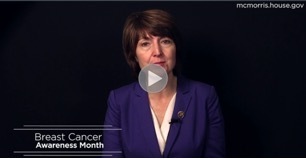
In a newly released video, Energy and Commerce Committee member and House Republican Conference Chair Cathy McMorris Rodgers (R-WA) spotlights Breast Cancer Awareness Month and the ongoing efforts to find a cure. McMorris Rodgers is the highest-ranking Republican woman in Congress.
In releasing the video, McMorris Rodgers wrote, “About 1 in 8 women in the United States will develop invasive breast cancer over the course of her lifetime. Our ultimate goal should not be to provide life-long treatment, but to find life-saving cures. … The work we are doing here in Congress – to invest in research and development and advance real medical innovation right here at home – seeks to help those who face a future of a disease without a cure. And it all starts by doing one thing: putting patients first.”
The sentiment is rooted in the 21st Century Cures Act, a critical component of the health care plank of House Republicans’ Better Way agenda.
Image 2
Watch Chair McMorris Rodgers' video HERE.
In the video, Chair McMorris Rodgers comments,“(Y)our fight is our fight. With our 21st Century Cures Act, and more, we’re pressing for resources and research into combating breast cancer and other diseases that still lack cures. With our work, we’re helping those who face life-threatening diseases and letting those who are battling cancer know that you aren’t alone.”
That’s the very core of delivering #CuresNow. And it something everyone can relate to – finding hope and cures for everyone battling disease today and in the future. Our work continues.

Tuesday, July 19, 2016

A qualitative study using the Theoretical Domains Framework to investigate why patients were or were not assessed for rehabilitation after stroke - Australia

Maybe they are just following
as Dr. Steven Wolf writes, a rehabilitation stroke expert and professor at Emory University School of Medicine in Atlanta.  "Stroke patients need to rely more on their own problem solving to regain mobility".

You're on your own, figure out your own stroke rehabilitation. Eventually after discharge all stroke patients have to do this since there are no publicly available stroke protocols to follow.

A qualitative study using the Theoretical Domains Framework to investigate why patients were or were not assessed for rehabilitation after stroke  - Australia


  1. Elizabeth A Lynch1⇑
  2. Julie A Luker1,2,3
  3. Dominique A Cadilhac2,3,4
  4. Caroline E Fryer1
  5. Susan L Hillier1
  1. 1International Centre for Allied Health Evidence, University of South Australia, Adelaide, Australia
  2. 2Stroke Division, The Florey Institute of Neuroscience and Mental Health, Heidelberg, Victoria, Australia
  3. 3NHMRC Centre of Research Excellence, Stroke Rehabilitation and Brain Recovery
  4. 4Stroke and Ageing Research Centre, Monash University, Victoria, Australia
  1. Elizabeth A Lynch, International Centre for Allied Health Evidence, Department of Health Sciences, University of South Australia, GPO Box 2471, Adelaide 5001, Australia. Email: elizabeth.lynch@adelaide.edu.au

Abstract

Objective: To explore the factors perceived to affect rehabilitation assessment and referral practices for patients with stroke.
Design: Qualitative study using data from focus groups analysed thematically and then mapped to the Theoretical Domains Framework.
Setting: Eight acute stroke units in two states of Australia.
Subjects: Health professionals working in acute stroke units.
Interventions: Health professionals at all sites had participated in interventions to improve rehabilitation assessment and referral practices, which included provision of copies of an evidence-based decision-making rehabilitation Assessment Tool and pathway.
Results: Eight focus groups were conducted (32 total participants). Reported rehabilitation assessment and referral practices varied markedly between units. Continence and mood were not routinely assessed (4 units), and people with stroke symptoms were not consistently referred to rehabilitation (4 units). Key factors influencing practice were identified and included whether health professionals perceived that use of the Assessment Tool would improve rehabilitation assessment practices (theoretical domain ‘social and professional role’); beliefs about outcomes from changing practice such as increased equity for patients or conversely that changing rehabilitation referral patterns would not affect access to rehabilitation (‘belief about consequences’); the influence of the unit’s relationships with other groups including rehabilitation teams (‘social influences’ domain) and understanding within the acute stroke unit team of the purpose of changing assessment practices (‘knowledge’ domain).
Conclusion: This study has identified that health professionals’ perceived roles, beliefs about consequences from changing practice and relationships with rehabilitation service providers were perceived to influence rehabilitation assessment and referral practices on Australian acute stroke units.

Tuesday, June 14, 2016

The Importance of Patient Involvement in Stroke Rehabilitation

Where is the companion piece?

The Importance of Doctor Involvement in Stroke Rehabilitation.

We already know that survivors have to drive their own recovery as Dr. Steven Wolf writes, a rehabilitation stroke expert and professor at Emory University School of Medicine in Atlanta.  "Stroke patients need to rely more on their own problem solving to regain mobility".
You are completely on your own, deal with it.

http://journals.plos.org/plosone/article?id=10.1371/journal.pone.0157149 


  • Published: June 10, 2016
  • http://dx.doi.org/10.1371/journal.pone.0157149

Abstract

Objective

To investigate the perceived needs for health services by persons with stroke within the first year after rehabilitation, and associations between perceived impact of stroke, involvement in decisions regarding care/treatment, and having health services needs met.

Method

Data was collected, through a mail survey, from patients with stroke who were admitted to a university hospital in 2012 and had received rehabilitation after discharge from the stroke unit. The rehabilitation lasted an average of 2 to 4.6 months. The Stroke Survivor Needs Survey Questionnaire was used to assess the participants' perceptions of involvement in decisions on care or treatment and needs for health services in 11 problem areas: mobility, falls, incontinence, pain, fatigue, emotion, concentration, memory, speaking, reading, and sight. The perceived impact of stroke in eight areas was assessed using the Stroke Impact Scale (SIS) 3.0. Eleven logistic regression models were created to explore associations between having health services needs met in each problem area respectively (dependent variable) and the independent variables. In all models the independent variables were: age, sex, SIS domain corresponding to the dependent variable, or stroke severity in cases when no corresponding SIS domain was identified, and involvement in decisions on care and treatment.

Results

The 63 participants who returned the questionnaires had a mean age of 72 years, 33 were male and 30 were female. Eighty percent had suffered a mild stroke. The number of participants who reported problems varied between 51 (80%, mobility) and 24 (38%, sight). Involvement in decisions on care and treatment was found to be associated with having health services needs met in six problem areas: falls, fatigue, emotion, memory, speaking, and reading.

Conclusions

The results highlight the importance of involving patients in making decisions on stroke rehabilitation, as it appears to be associated with meeting their health services needs.


Saturday, May 21, 2016

“People are the CEO of their health, and doctors are just consultants.”

I loved this quote from


Dr. Jay Parkinson


MD + MPH
I'm the Co-Founder & Chief Medical Officer of Sherpaa

This is perfectly exemplified by this quote. Dr. Steven Wolf writes, a rehabilitation stroke expert and professor at Emory University School of Medicine in Atlanta.  "Stroke patients need to rely more on their own problem solving to regain mobility".
You are completely on your own, deal with it.
Putting this into a stroke construct, we have fucking incompetent consultants, list below.

1. 30% get spasticity NOTHING THAT WILL CURE IT.

2. At least half of all stroke survivors experience fatigue Or is it 70%?

Or is it 40%?

NOTHING THAT WILL CURE IT.

3. Over half of stroke patients have attention problems.

NOTHING THAT WILL CURE IT.

NO PROTOCOLS THAT WILL CURE IT.

4.  The incidence of constipation was 48%.

NO PROTOCOLS THAT WILL CURE IT.

5. No EXACT stroke protocols that address any of your muscle limitations.

6. Poststroke depression(33% chance)

NO PROTOCOLS THAT WILL ADDRESS IT. 

7.  Poststroke anxiety(20% chance) NO PROTOCOLS THAT WILL ADDRESS IT. 

8. Posttraumatic stress disorder(23% chance)  NO PROTOCOLS THAT WILL ADDRESS IT.

  9.  12% tPA efficacy for full recovery NO ONE IS WORKING ON SOMETHING BETTER.

10.  10% seizures post stroke NO PROTOCOLS THAT WILL ADDRESS IT. 

11. 21% of patients had developed cachexia NO PROTOCOLS THAT WILL ADDRESS IT. 


12. You lost 5 cognitive years from your stroke  NO PROTOCOLS THAT WILL ADDRESS IT.

13.  33% dementia chance post-stroke from an Australian study?

       Or is it 17-66%?

       Or is it 20% chance in this research?

NO PROTOCOLS THAT WILL ADDRESS THIS


Wednesday, January 20, 2016

Slowing Down The Clock Twitter - New drugs can delay aging and rejuvenate tissues

Our stroke medical 'professionals' should be looking into this to see what possibilities there are for stroke recovery. But we have no professionals because everyone is just sitting on their ass waiting for someone else to solve survivors problems.
This is perfectly exemplified by this quote. Dr. Steven Wolf writes, a rehabilitation stroke expert and professor at Emory University School of Medicine in Atlanta.  "Stroke patients need to rely more on their own problem solving to regain mobility".
You are completely on your own, deal with it. 
Slowing Down The Clock Twitter -  New drugs can delay aging and rejuvenate tissues


Written by
As our bodies age, all tissues become less efficient in performing their functions because they accumulate old cells, termed senescent cells. Senescent cells, though still alive, have lost their normal functional properties and produce a series of molecules, called senescent-associated secretory phenotype (SASP), that act on their neighbor, normal cells decreasing their performance. In this way, tissues progressively lose their competences, including the ability to repair damages and to renew.
Besides aging, another factor that can turn healthy cells into senescent cells is tissue damage. An example is the effects on healthy tissues of radiation or chemotherapy that increase tissue senescence, therefore contributing to the toxic side effects associated with most cancer therapies.
In front of this scenario, the idea comes immediately to mind: what if we get rid of senescent cells within a tissue? Could this maintain the tissue young, delay aging, and improve recovery from injuries? Some studies have already shown that this could be the case: killing senescent cells in animal models through genetic techniques actually retards the appearance of diseases associated with aging.

Targeting senescent cells

With the goal of targeting senescent cells in mind, Chang and colleagues from the University of Arkansas started their search for “senolytic” drugs, anti-aging molecules that ideally target only senescent cells in any aging or damaged tissues and eliminate them. After screening a collection of candidate drugs in a culture plate, the scientists identified a molecule called ABT263 that showed the desired properties. When testing this molecule in vivo, the researchers studied its effects in two different experimental settings: aging mice and mice that had been irradiated. In both cases, the animals had accumulated senescent cells especially in their bone marrow, lungs, and muscles.
ABT263 was able to eliminate senescent cells irrespectively of their origin (aging or irradiation) in the three tissue types and, as a consequence, to improve tissue function. In particular, researchers observed that in irradiated mice the drug significantly rescued normal hematopoietic stem cells from the effects of SASP produced by the senescent cells nearby, and in this way protected the bone marrow from the deleterious effects of radiation.

Is then ABT263 the drug of eternal youth?

Well, not exactly: ABT263 has in fact some important toxic side effects and has to be further studied before it can be administered to people. It seems clear though that similar drugs with limited toxicity can be of great benefit in the clinic:
  • To reduce damage caused by aggressive therapies such as many cancer treatments that impact the bone marrow and impair the formation of blood cells
  • To control and delay diseases associated with aging.
With these new discoveries, the search for the youth pill has definitely started moving on solid ground.

References:
Chang, J., Wang, Y., Shao, L., Laberge, R., Demaria, M., Campisi, J., Janakiraman, K., Sharpless, N., Ding, S., Feng, W., Luo, Y., Wang, X., Aykin-Burns, N., Krager, K., Ponnappan, U., Hauer-Jensen, M., Meng, A., & Zhou, D. (2015). Clearance of senescent cells by ABT263 rejuvenates aged hematopoietic stem cells in mice Nature Medicine, 22 (1), 78-83 DOI: 10.1038/nm.4010
Baker, D., Wijshake, T., Tchkonia, T., LeBrasseur, N., Childs, B., van de Sluis, B., Kirkland, J., & van Deursen, J. (2011). Clearance of p16Ink4a-positive senescent cells delays ageing-associated disorders Nature, 479 (7372), 232-236 DOI: 10.1038/nature10600
van Deursen, J. (2014). The role of senescent cells in ageing Nature, 509 (7501), 439-446 DOI: 10.1038/nature13193

Wednesday, October 7, 2015

Cancer Research UK invests £15 million to unite finest minds across UK to develop better treatments

The key point here is uniting the finest minds. In stroke nobody seems to want to attempt that. The WSO had their World Stroke Organization Synergium in 2010 and you can see why in my opinion it is totally worthless. You as a stroke survivor are totally screwed until the complete stroke leadership is deposed and removed from any part of this.
My list of finest minds:
Dr. Steven Wolf;
Peter Levine; 
Dr. S. Thomas Carmichael;
Dr. Bruce H. Dobkin;
Dr. Dale Corbett;
Dr. Michael Tymianski, of the Toronto Western Hospital Research Institute in Canada;
Dr. Michael A. Moskowitz ;
Dr. Watson, IBM computer;
Dr. Google;
myself;
Dr. Amy Shissler;
Barb Polan;
Jo Murphy;  
Rebecca Dutton; 
My list of those that should NOT be invited:
Dr. William M. Landau - his ideas on spasticity are appalling;
Matt Lopez, president of the NSA;
Dr. Mariel Jessup, president of the ASA;
WSO President - Steve Davis (Australia); 

Immediate Past-president WSO - Bo Norrving (Sweden)

http://www.alphagalileo.org/ViewItem.aspx?ItemId=157007&CultureCode=en

Thursday, August 6, 2015

Self-Management Support Interventions for Stroke Survivors: A Systematic Meta-Review

The end result of all this self-management is that you are on your own because your doctors and therapists have no fucking idea how to get you to 100% recovery. Precisely what was said years ago by Dr. Steven Wolf.  Dr. Steven Wolf writes, a rehabilitation stroke expert and professor at Emory University School of Medicine in Atlanta.  "Stroke patients need to rely more on their own problem solving to regain mobility".
http://journals.plos.org/plosone/article?id=10.1371/journal.pone.0131448
This is too long to summarize so ask your doctor what their take is on this research. The response is probably, 'Good, we had no clue on what to do anyway.'

Tuesday, August 4, 2015

3 Ways to Take Charge of Your Brain Health When the Doctor Doesn't Know Enough

No mention of stroke in this but you are completely on your own in recovering from your stroke.
To find out how little your doctor knows, ask how to get 100% recovered. You'll get nothing or the lazy excuse of; 'All strokes are different, all stroke recoveries are different'. If that comes out of their mouth, fire them immediately.
Dr. Steven Wolf writes, a rehabilitation stroke expert and professor at Emory University School of Medicine in Atlanta.  "Stroke patients need to rely more on their own problem solving to regain mobility".
http://www.huffingtonpost.com/marguerite-manteaurao/post_9848_b_7918850.html?ncid=txtlnkusaolp00000592 

Tuesday, July 14, 2015

New sites allow patients to compare surgeons based on outcomes, complication rates

If we had anything even remotely resembling a great stroke association we would have ratings for all neurologists and PMRs(Physical Medicine and Rehabilitation) doctors as to how well they get survivors to full recovery. But we don't and we have no idea how good our doctors are. Our hospitals don't even know how good their doctors are. You are completely and totally screwed if you get a stroke, because no one in the world is able to help you.
Dr. Steven Wolf writes, a rehabilitation stroke expert and professor at Emory University School of Medicine in Atlanta.  "Stroke patients need to rely more on their own problem solving to regain mobility".
http://www.fiercehealthcare.com/story/new-sites-allow-patients-compare-surgeons-based-outcomes-complication-rates/2015-07-14
Two new sites launched today will allow consumers to evaluate and compare surgeons based on never-before-available information on complications rates and patient outcomes.
The first, www.surgeonratings.org, released by the nonprofit Consumers' Checkbook/Center for the Study of Services, only lists surgeons that have had better-than-average outcomes based on an analysis of more than four million surgeries conducted by 50,000 surgeons on hospital inpatients.
The ratings, which don't include poor performers, take into account how often the surgeon's patients die in the hospital or within 90 days of discharge, have serious complications in the hospital or are readmitted to the hospital within 90 days of discharge.
The site allows consumers to search by ZIP code for the top-peforming surgeons in 14 high-risk surgeries, including heart valve and bypass surgery and total knee and hip replacement. Ratings are based on federal government records previously not available to the public, the organization announced.
"This is the first time we're doing this and it's going to catch people by surprise," said Robert Krughoff, Checkbook's president, in the announcement. "So we chose this time to focus on the good ones and to tell people who they are."
But the second website, Surgeon Scorecard by ProPublica, does include surgeons that have higher-than-average complications based on infections, clots or infections that call for post-operative care.
The non-profit news outlet calculated death and complication rates for surgeons who perform one of eight elective procedures in Medicare, including gall bladder removal and hip replacements, adjusting for differences in patient health, age and hospital quality.
In an editor's note, Stephen Engelberg said that the publication decided a year ago to publicly compare the performance of surgeons because consumers didn't have access to the information.
"These days, consumers can review ratings on everything from plumbers to hair salons to the latest digital cameras," he said. "The process of undergoing surgery includes some of the most consequential decisions any of us ever make. So we began with the view that the taxpayers who pay the costs of Medicare should be able to use its data to make the best possible decisions about their healthcare."
The news outlet consulted with patient safety leaders and hired a biostatics professor from the Harvard School of Public Health to develop a methodology it aims to be useful to patients and fair to surgeons. It focused on non-emergency operations scheduled in advance and generally performed on patients who are in stable health.
To be fair to surgeons, Engelberg said the publication excluded patients who came in through the emergency room or were transferred to the hospital from another facility. Comparisons of performance are based on deaths while in the hospital and readmissions that were the likely result of a post-operative complication within 30 days.
Ultimately, Engelberg said, the publication hopes the information will lead to a reduction in preventable medical errors, by spurring accountability for breakdowns in patient care. The tool is already generating feedback in the patient safety community.
"I would be surprised if any experienced clinician challenged the basic finding, which is that there is real variation among surgeons," wrote Thomas Lee, M.D.  "A critical step toward improving care is to recognize that there are opportunities to improve. I think transparency on quality is a powerful tool, and, frankly, I prefer that to financial incentives as a way to drive competition and improvement on quality."
But Peter Pronovost, M.D., senior vice president for patient safety and quality, director of the Armstrong Institute for Patient Safety and Quality at Johns Hopkins Medicine in Baltimore, said the ProPublica measure isn't valid. He claims that the method should include all patients who face the same probability of being readmitted. In addition, he said that the model should be tested and validated before presenting it as a tool that consumers can use for medical decision-making.
And in her blog, Jennifer Gunter, M.D., wrote that the tool may actually backfire because it doesn't take into account that many surgeons operate on high-risk patients who still need surgery. She worries that the model may lead to surgeons choosing to operate on lower-risk patients so they can improve their scores. "What if every surgeon only operated on the good candidates?" she wrote. "People at higher risk for complications will suffer and we will never get surgeons with superior skills."

Wednesday, June 24, 2015

MyPhysioRehab - A global community of therapists helping your patients recover faster

In case you are on your own with therapy. And you probably are as Dr. Steven Wolf writes, a rehabilitation stroke expert and professor at Emory University School of Medicine in Atlanta.  "Stroke patients need to rely more on their own problem solving to regain mobility".

Hi Physio Friends,

The new MyPhysioRehab is here!

If you are not yet using MyPhysioRebab (MPR) to provide exercise programs for your patients then you should join at the following link. Click here for your free account. General public is a category.

There is nothing to pay to signup for a fully functional account. We already have over 3500 Therapists using MPR, each helping one another to provide the best clinical rehabilitation possible.

Friday, June 19, 2015

Stroke survivors say you don't have to go it alone

Bullshit. You almost assuredly have to go it alone because your doctor and therapists are just there to tell you to work on exercise of some sort. All the work is done by you.  As Dr. Steven Wolf writes, a rehabilitation stroke expert and professor at Emory University School of Medicine in Atlanta.  "Stroke patients need to rely more on their own problem solving to regain mobility".

http://www.waaytv.com/appnews/stroke-survivors-say-you-don-t-have-to-go-it/article_94da0e3a-15b0-11e5-8d2e-27a45d487211.html 

Tuesday, March 24, 2015

The HAAPI (Home Arm Assistance Progression Initiative) Trial A Novel Robotics Delivery Approach in Stroke Rehabilitation

I hate the weasel words of additional research needed. DO something useful and at least propose a stroke protocol.
http://nnr.sagepub.com/content/early/2015/03/16/1545968315575612.abstract
  1. Steven L. Wolf, PhD, FAPTA1,2
  2. Komal Sahu, MPH, OTR/L1
  3. R. Curtis Bay, PhD3
  4. Sharon Buchanan, OTR/L4
  5. Aimee Reiss, DPT, NCS1
  6. Susan Linder, DPT5
  7. Anson Rosenfeldt, DPT5
  8. Jay Alberts, PhD5,6
  1. 1Emory University School of Medicine, Atlanta, GA, USA
  2. 2Atlanta VA Medical Center, Decatur, GA, USA
  3. 3A. T. Still University, Mesa AZ, USA
  4. 4Scottsdale Healthcare, Scottsdale, AZ, USA
  5. 5Cleveland Clinic, OH, USA
  6. 6Louis Stokes Cleveland VA Medical Center, Cleveland, OH, USA
  1. Steven L. Wolf, PhD, Department of Rehabilitation Medicine, Emory University School of Medicine, 1441 Clifton Road NE, Room 206 Atlanta, GA 30322, USA. Email: swolf@emory.edu

Abstract

Background. Geographical location, socioeconomic status, and logistics surrounding transportation impede access of poststroke individuals to comprehensive rehabilitative services. Robotic therapy may enhance telerehabilitation by delivering consistent and state-of-the art therapy while allowing remote monitoring and adjusting therapy for underserved populations. The Hand Mentor Pro (HMP) was incorporated within a home exercise program (HEP) to improve upper-extremity (UE) functional capabilities poststroke. Objective. To determine the efficacy of a home-based telemonitored robotic-assisted therapy as part of a HEP compared with a dose-matched HEP-only intervention among individuals less than 6 months poststroke and characterized as underserved. Methods. In this prospective, single-blinded, multisite, randomized controlled trial, 99 hemiparetic participants with limited access to UE rehabilitation were randomized to either (1) the experimental group, which received combined HEP and HMP for 3 h/d ×5 days ×8 weeks, or (2) the control group, which received HEP only at an identical dosage. Weekly communication between the supervising therapist and participant promoted compliance and progression of the HEP and HMP prescription. The Action Research Arm Test and Wolf Motor Function Test along with the Fugl-Meyer Assessment (UE) were primary and secondary outcome measures, respectively, undertaken before and after the interventions. Results. Both groups demonstrated improvement across all UE outcomes. Conclusions. Robotic + HEP and HEP only were both effectively delivered remotely. There was no difference between groups in change in motor function over time. Additional research is necessary to determine the appropriate dosage of HMP and HEP.

Saturday, December 13, 2014

Methodology of the Stroke Self-Management Rehabilitation Trial: An International, Multisite Pilot Trial

Well, well, look at that, stroke researchers giving up on solving how to get better rehabilitation results. They want to throw all the responsibility for your rehabilitation on you. As Dr. Steven Wolf writes, a rehabilitation stroke expert and professor at Emory University School of Medicine in Atlanta.  "Stroke patients need to rely more on their own problem solving to regain mobility".
If we had anything resembling a decent stroke association, that president would be reading the riot act to anyone who throws up their hands like this and gives up on doing their job because it is too hard. F*cking hey, try rehabbing from a stroke with NO help from your doctor.

What a bunch of bullcrap, 'You've had this major brain attack and we know nothing about how to get you better.  So deal with this yourself, you will recover just as well without our help.'
But it will save a lot of money and our doctors will never need to read research again, washing their hands of their responsibility to help us get better. 


http://www.strokejournal.org/article/S1052-3057%2814%2900433-9/abstract 
,
,
,
,
,
,
,
,
,
Annemarei Ranta, FRACP, MD, PG Cert Sci (Public Health)
,
Emmanuel Sanya, FWACP, MSc, PhD
,
on behalf of the
1SMART Study Group members (additional to the article coauthors): Yogini Ratnasabapathy, Denise Taylor, Elizabeth Kendall, Carolyn Ehrlich, Steven Wolf, Dominique Cadilhac, Marilyn MacKay-Lyons, Man Mohan Mehndiratta, Jeyaraj Durai Pandian, Deepti Arora, Peter Langhorn, Gustavo Saposnik, Narayanaswamy Venketasubramanian, Bo Norrving, Akshay Anand, Dheeraj Kurana, Michael Brainin, Natan Bornstein, Richard Lindley, Foad Abd-Allah, Reginald Obiako, Emmanuel Sanya, Maree O'Connor, Rene Stolwyk, and Peter New.
Publication stage: In Press Corrected Proof

Rationale

Stroke is a major cause of long-term adult disability with many survivors living in the community relying on family members for on-going support. However, reports of inadequate understanding of rehabilitation techniques are common. A self-management DVD-based observational learning tool may help improve functional outcomes for survivors of stroke and reduce caregivers' burden.

Aims

This article describes the methodology of the stroke self-management rehabilitation trial. The overall aim of this pilot trial is to assess the feasibility and preliminary efficacy of a DVD-based intervention for improving functional outcomes of survivors of stroke 2 months postrandomization to inform the design of a full-scale randomized clinical trial.

Design

Recruitment of a minimum of 20 survivors of stroke and their informal caregivers (where available) in each of the participating centers will occur across multiple international sites. After baseline assessments, participants will be randomly assigned to an intervention or standard care group. The intervention comprises a structured DVD observation and practice schedule over 8 weeks. All participants will complete follow-up assessments.

Study outcomes

The outcome measures will include a global shift in the Rankin Scale scores and dichotomized scores, changes in quality of life, general health, depression, and caregiver burden at 2 months postrandomization. A qualitative analysis of the effects of the intervention will also be undertaken.

Discussion

The results of the pilot study will provide knowledge of whether observational learning techniques delivered via DVD can effectively improve recovery after stroke and reduce caregiver burden.
 

Saturday, November 15, 2014

Patients Must Take Part in Their Own Health

This is so true for stroke survivors. Your doctor has absolutely no clue how to get you 100% recovered. Don't believe me? Flat out ask her/him. You won't like what you hear and don't hear.
We are totally on our own as Dr. Steven Wolf writes, a rehabilitation stroke expert and professor at Emory University School of Medicine in Atlanta.  "Stroke patients need to rely more on their own problem solving to regain mobility".
My obscene take on stroke survivorship:
If you just had a stroke, You are F*cking screwed  

Patients Must Take Part in Their Own Health
This week, we take a look at a new recommendation from the ACC/AHA-led Task Force on Performance Measures that suggests patients should share in the responsibility for their own outcomes. We spoke to a diverse group of healthcare professionals and asked:
"What do you think of the idea of patients sharing responsibility for their own outcomes, and what impact will this have on the doctor/patient relationship?"
The participants this week are:
Laura Burke, MD, MPH, attending emergency medicine physician at Beth Israel Deaconess Medical Center in Boston
David F. Penson, MD, MPH, Hamilton and Howd Chair, urologic oncology, professor of urologic surgery, medicine and health policy, director, Center for Surgical Quality and Outcomes Research at Vanderbilt University Medical Center in Nashville
Roy Buchinsky, MD, Director of Wellness, University Hospitals Case Medical Center in Cleveland
Helping Patients Help Themselves
Laura Burke, MD, MPH: "Even the best clinician cannot improve outcomes for those with chronic conditions without the effort of the patients themselves. A shared-accountability performance metric would help formalize this process and acknowledge the critical role that the patient serves in the care team. Some clinicians are excellent at connecting with patients and fostering the mutual respect necessary for adherence to complex treatments. They should be rewarded for their talent and efforts that so clearly benefit those that they serve. "
David F. Penson, MD, MPH: "The fact of the matter is that patients -- and other stakeholders for that matter -- play an important role in determining outcomes that physicians often have no control over. To this end, it makes sense to hold patients accountable as well. One would expect patients to want to do whatever possible to improve their health and get the best outcomes for themselves."
Roy Buchinsky, MD: "The patient needs to be an active and proactive member of the team in order to have maximum benefit. The more active a patient is in their own healthcare, the more likely a more favorable relationship will ensue by improving communications, efficiencies, and, ultimately, clinical outcomes."
Potential Drawbacks
Penson: "One has to worry that this might create a 'finger-pointing' situation where the doctor blames the patient for a bad result and the patient blames the doctor. One could envision situations where physicians "fire" patients from their practices because the patient was noncompliant or did not follow the physician's recommendations in the proper manner."
Burke: "Care must be taken to monitor for unintended consequences, such as disproportionate benefits to those who already enjoy advantages (e.g., wealth, education) that make it easier to adhere to treatment regimens and maintain health."
An Opportunity for Innovation
Buchinsky: "The No. 1 goal of the doctor/patient relationship is improving health outcomes. In an era of marked healthcare transformation, the team approach to health and healing is becoming more popular as is evidenced by the patient-centered medical home models. The advent of smart phones and digital technology has helped doctors stay in touch with their patients remotely, which further enhances the doctor/patient relationship."
Burke: "A well-designed performance metric that incorporates clinician-patient shared accountability could absolutely go a long way in empowering patients to engage as active participants in their care. Such a metric could help bridge the goals of evidence-based and patient-centered medicine, which are often perceived as contradictory. If designed well, a shared performance metric could strengthen the clinician/patient relationship by rewarding innovative practices that promote communication and patient engagement."