Changing stroke rehab and research worldwide now.Time is Brain! trillions and trillions of neurons that DIE each day because there are NO effective hyperacute therapies besides tPA(only 12% effective). I have 523 posts on hyperacute therapy, enough for researchers to spend decades proving them out. These are my personal ideas and blog on stroke rehabilitation and stroke research. Do not attempt any of these without checking with your medical provider. Unless you join me in agitating, when you need these therapies they won't be there.

What this blog is for:

My blog is not to help survivors recover, it is to have the 10 million yearly stroke survivors light fires underneath their doctors, stroke hospitals and stroke researchers to get stroke solved. 100% recovery. The stroke medical world is completely failing at that goal, they don't even have it as a goal. Shortly after getting out of the hospital and getting NO information on the process or protocols of stroke rehabilitation and recovery I started searching on the internet and found that no other survivor received useful information. This is an attempt to cover all stroke rehabilitation information that should be readily available to survivors so they can talk with informed knowledge to their medical staff. It lays out what needs to be done to get stroke survivors closer to 100% recovery. It's quite disgusting that this information is not available from every stroke association and doctors group.

Showing posts with label constraint therapy. Show all posts

Saturday, January 20, 2024

Mental Practice With Motor Imagery: Evidence for Motor Recovery and Cortical Reorganization After Stroke

I would never do CIMT; I couldn't eat, dress or go to the bathroom.  But if you can do this, has your competent? doctor done anything with this in the past 18 years?

Mental Practice With Motor Imagery: Evidence for Motor Recovery and Cortical Reorganization After Stroke

,
https://doi.org/10.1016/j.apmr.2006.08.326Get rights and content

Abstract

Butler AJ, Page SJ. Mental practice with motor imagery: evidence for motor recovery and cortical reorganization after stroke.

Objectives

To measure the efficacy of a program combining mental and physical practice with the efficacy of a program composed of only constraint-induced movement therapy (CIMT) or only mental practice on stroke patients’ levels of upper-extremity impairment and upper-extremity functional outcomes and to establish the relationship between changes in blood-oxygen–level dependent (BOLD) functional magnetic resonance imaging response during a specific motor or imagery task and improvement in motor function between intervention groups.

Design

Case series.

Setting

Licensed, 56-bed, freestanding, university-affiliated rehabilitation hospital.

Participants

Three men and 1 woman with moderate upper-limb hemiparesis after stroke were randomized.

Interventions

Two patients received mental practice and CIMT, 1 patient received only mental practice, and 1 received only CIMT.

Main Outcome Measures

Wolf Motor Function Test (WMFT), Motor Activity Log (MAL), Sirigu break test, Movement Imagery Questionnaire−Revised, and Vividness of Movement Imagery Questionnaire.

Results

The mental practice intervention alone led to slight improvement in certain functional and mental imagery measures (Sirigu, MAL, WMFT) but did not result in a clinically meaningful improvement with notable right cerebellar hemisphere activation that was not present before intervention. After CIMT, only the single patient showed clinically meaningful improvement of his affected hand as exhibited by decreased times on the MAL and WMFT. The patient showed increased bilateral cortical activation in both the motor and premotor areas during execution of a finger flexion and extension task. In contrast, during a second task, which was an imagined flexion and extension task, motor, occipital, and inferior parietal activation mainly in the contralateral hemisphere were observed. After 2 weeks of CIMT plus mental practice a patient with a lesion restricted to the parietal cortex showed little improvement in upper-extremity function and mental imagery in comparison with the patient with damage to nonparietal areas, who showed clinically meaningful improvement. The pattern of activation after 2 weeks of CIMT plus mental practice in the patient with nonparietal damage led to more focal contralateral activation in primary motor cortex when executing a voluntary flexion and extension task.

Conclusions

The case series indicates that for these patients with chronic, moderate upper-extremity impairment after stroke, a 2-week regimen of CIMT or CIMT plus mental practice only (in 1 case) resulted in modest changes occurring as a decrease in impairment, with functional improvement. Mental practice alone did not result in a clinically meaningful improvement in upper-limb impairment. We describe how these interventions may elicit “plastic” changes in the brain. Further investigations to determine the appropriate delivery and dosing of both physical and mental practice, as well as to determine whether mental practice–induced changes positively correlate with distinct patterns of cortical activation, should be undertaken before the efficacy of their use can be ascertained among patients with limitations comparable with these participants.

More at link.


Sunday, April 30, 2023

Potential Predictors of Motor and Functional Outcomes After Distributed Constraint-Induced Therapy for Patients With Stroke

Am glad my therapists never tried this on me. It would have been easy to tell this wouldn't work, just look at all the dead motor and pre-motor cortex areas. No signals were being generated from there. Which is the same reason non-use is wrongly applied most of the time to survivors.

 I would have had zero quality of life if I had to do CIT; no eating, no dressing, no bathroom, either 1 or 2.

Potential Predictors of Motor and Functional Outcomes After Distributed Constraint-Induced Therapy for Patients With Stroke

2008, Neurorehabilitation and Neural Repair

 
336
Potential Predictors of Motor and Functional Outcomes After Distributed Constraint-Induced Therapy for Patients With Stroke
Keh-chung Lin, ScD, OTR, Yan-hua Huang, PhD, OTR, Yu-wei Hsieh, MS, and Ching-yi Wu, ScD, OTR
 Background
.
 
Selection of patients who are most and least likely to benefit from constraint-induced therapy (CIT) for the upper extremity is uncertain.
Objective
. This study investigated demographic and clinical characteristics that may predict outcomes for a distributed form of CIT.
 Methods
. A group of 57 patients were treated with distributed CIT, and 7 potential predictors were identified, including age, sex, side of stroke, time since stroke, spasticity, neurologic status, and movement performance of the distal part of the upper extremity. Treatment outcome was assessed in terms of motor performance, perceived functional ability of the affected hand, and functional performance of daily activities, mea-sured by Fugl-Meyer Assessment (FMA), Motor Activity Log (MAL), and Functional Independence Measure (FIM), respectively.
 Results
. Motor ability of the distal part of the upper extremity and time since stroke were significantly predictive of outcomes on the FMA (adjusted
 R
2
 = 0.18,
P
 = .002) and the MAL subtest quality of movement (adjusted
 R
2
 = 0.43,
P
 < .0001). Motor ability and age were significant predictors of amount of use measured by the MAL (adjusted
 R
2
 = 0.20,
P
 = .001). None of the variables exhibited a predictive relationship with the FIM.
Conclusions
. The best predictor for motor outcomes after distributed CIT was greater motor ability of the distal part of the upper extremity, which is consistent with the presence of residual motor pathways that may respond to training. The FMA may be of value in stratifying patients for their likelihood to benefit from distributed CIT protocols.

Monday, March 13, 2023

Potential Predictors of Motor and Functional Outcomes After Distributed Constraint-Induced Therapy for Patients With Stroke

In the ensuing 15 years has your doctor done ONE DAMN THING  TO DELIVER RECOVERY? Rather than this useless predicting failure to recover.

Potential Predictors of Motor and Functional Outcomes After Distributed Constraint-Induced Therapy for Patients With Stroke

2008, Neurorehabilitation and Neural Repair


Keh-chung Lin, ScD, OTR, Yan-hua Huang, PhD, OTR, Yu-wei Hsieh, MS, and Ching-yi Wu, ScD, OTR
 
Background

 
Selection of patients who are most and least likely to benefit from constraint-induced therapy (CIT) for the upper extremity is uncertain.
 
Objective
 
This study investigated demographic and clinical characteristics that may predict outcomes for a distributed form of CIT.
 
Methods
 
A group of 57 patients were treated with distributed CIT, and 7 potential predictors were identified, including age, sex, side of stroke, time since stroke, spasticity, neurologic status, and movement performance of the distal part of the upper extremity. Treatment outcome was assessed in terms of motor performance, perceived functional ability of the affected hand, and functional performance of daily activities, mea-sured by Fugl-Meyer Assessment (FMA), Motor Activity Log (MAL), and Functional Independence Measure (FIM), respectively.
 
Results
 
Motor ability of the distal part of the upper extremity and time since stroke were significantly predictive of outcomes on the FMA (adjusted R2 = 0.18,P = .002) and the MAL subtest quality of movement (adjusted
 R2 = 0.43,P < .0001). Motor ability and age were significant predictors of amount of use measured by the MAL (adjusted R2 = 0.20,P = .001). None of the variables exhibited a predictive relationship with the FIM.
Conclusions
 
The best predictor for motor outcomes after distributed CIT was greater motor ability of the distal part of the upper extremity, which is consistent with the presence of residual motor pathways that may respond to training. The FMA may be of value in stratifying patients for their likelihood to benefit from distributed CIT protocols.
 

Monday, March 6, 2023

Potential Predictors of Motor and Functional Outcomes After Distributed Constraint-Induced Therapy for Patients With Stroke

Even now 15 years later we still haven't stopped doing research that just predicts failure to recover. WHEN THE FUCK WILL WE GET RESEARCH THAT DELIVERS RECOVERY?

Potential Predictors of Motor and Functional Outcomes After Distributed Constraint-Induced Therapy for Patients With Stroke

2008, Neurorehabilitation and Neural Repair
 Keh-chung Lin, ScD, OTR, Yan-hua Huang, PhD, OTR, Yu-wei Hsieh, MS, and Ching-yi Wu, ScD, OTR
 Background
.
 
Selection of patients who are most and least likely to benefit from constraint-induced therapy (CIT) for the upper extremity is uncertain.
Objective
. This study investigated demographic and clinical characteristics that may predict outcomes for a distributed form of CIT.
 Methods
 
A group of 57 patients were treated with distributed CIT, and 7 potential predictors were identified, including age, sex, side of stroke, time since stroke, spasticity, neurologic status, and movement performance of the distal part of the upper extremity. Treatment outcome was assessed in terms of motor performance, perceived functional ability of the affected hand, and functional performance of daily activities, mea-sured by Fugl-Meyer Assessment (FMA), Motor Activity Log (MAL), and Functional Independence Measure (FIM), respectively.
 
Results
 
Motor ability of the distal part of the upper extremity and time since stroke were significantly predictive of outcomes on the FMA (adjusted R2 = 0.18,P = .002) and the MAL subtest quality of movement (adjusted R2 = 0.43,P < .0001). Motor ability and age were significant predictors of amount of use measured by the MAL (adjusted R2 = 0.20,P = .001). None of the variables exhibited a predictive relationship with the FIM.
 
Conclusions 
 
The best predictor for motor outcomes after distributed CIT was greater motor ability of the distal part of the upper extremity, which is consistent with the presence of residual motor pathways that may respond to training. The FMA may be of value in stratifying patients for their likelihood to benefit from distributed CIT protocols.

Saturday, February 18, 2023

Potential Predictors of Motor and Functional Outcomes After Distributed Constraint-Induced Therapy for Patients With Stroke

 Hopefully your doctor did nothing with this. You don't want predictions of failure to recover. Scream at your doctor; 'WHERE ARE MY 100% RECOVERY PROTOCOLS?' and keep screaming until they acknowledge that they incompetently don't have any.  Then fire them and move to a place that does have recovery protocols. The keyword there is protocols, NOT GUIDELINES! You want exact instructions on how to recover, not guesses, or I think this might work.

Potential Predictors of Motor and Functional Outcomes After Distributed Constraint-Induced Therapy for Patients With Stroke

2008, Neurorehabilitation and Neural Repair
From the School of Occupational Therapy, College of Medicine, National Taiwan University, and Division of Occupational Therapy, Department of Physical Medicine and Rehabilitation, National Taiwan University Hospital, Taipei (KCL,YWH), and Department of Occupational Therapy and Graduate Institute of Clinical Behavioral Science, Chang Gung University, Taoyuan, Taiwan (CYW); and Department of Occupational Therapy, College of Health and Human Services, California State University, Dominguez Hills, Carson, California (YHH). Address correspondence to Ching-yi Wu, ScD, OTR, Department of Occupational Therapy, Chang Gung University, 259 Wen-hwa 1st Rd, Kwei-shan, Taoyuan, Taiwan. E-mail: cywu@mail.cgu.edu.tw.


Keh-chung Lin, ScD, OTR, Yan-hua Huang, PhD, OTR, Yu-wei Hsieh, MS, and Ching-yi Wu, ScD, OTR
 Background
 
Selection of patients who are most and least likely to benefit from constraint-induced therapy (CIT) for the upper extremity is uncertain.
Objective
This study investigated demographic and clinical characteristics that may predict outcomes for a distributed form of CIT.
 Methods
A group of 57 patients were treated with distributed CIT, and 7 potential predictors were identified, including age, sex, side of stroke, time since stroke, spasticity, neurologic status, and movement performance of the distal part of the upper extremity. Treatment outcome was assessed in terms of motor performance, perceived functional ability of the affected hand, and functional performance of daily activities, mea-sured by Fugl-Meyer Assessment (FMA), Motor Activity Log (MAL), and Functional Independence Measure (FIM), respectively.
 Results
Motor ability of the distal part of the upper extremity and time since stroke were significantly predictive of outcomes on the FMA (adjusted;R>2= 0.18,P= .002) and the MAL subtest quality of movement (adjusted R2= 0.43,P< .0001). Motor ability and age were significant predictors of amount of use measured by the MAL (adjusted R2= 0.20,P= .001). None of the variables exhibited a predictive relationship with the FIM.
Conclusions
The best predictor for motor outcomes after distributed CIT was greater motor ability of the distal part of the upper extremity, which is consistent with the presence of residual motor pathways that may respond to training. The FMA may be of value in stratifying patients for their likelihood to benefit from distributed CIT protocols.
 Keywords:
Stroke; Rehabilitation; Constraint-induced therapy; Outcome prediction; Hemiplegia; Upper extremity
 .
Approximately 30% to 66% of stroke survivors experience persistently impaired upper extremity (UE) movement.1;Residual motor deficits in the UE frequently cause disability and permanent dependency on community care.2;Constraint-induced therapy (CIT) has been advocated as means to improve motor recovery of the UE and functional use of the affected limb among patients after stroke. Constraint-induced therapy involves restraint of the unaffected UE (eg, during 90% of the hours the patient is awake per day for 2 weeks), forcing the use of the affected UE (eg, 6 h/d on 10 consecutive weekdays), and massed task-related training of the affected UE.3;Because the acceptance of CIT among therapists and patients remains poor due to prolonged practice and restraint,4;different forms of CIT have been developed. For example, the distributed forms of CIT (distributed CIT) involved 2 to 3 hour training of the affected arm with 6- to 9-hour restraint of the unaffected arm for 2 to 4 weeks.5-11;Numerous studies5,6,12-14;involving stroke patients have shown that various forms of CIT can enhance motor performance and functional ability of the affected UE. However, possible predictors related to distributed CIT outcome remain unknown. The identification of potential predictors for distributed CIT outcome helps
underscore the factors that may affect treatment outcomes and target individuals who benefit the most from the therapy.Evidence regarding predictors of optimal outcomes in stroke patients after CIT is limited.15-18;For example, Fritz et al15;examined the 6 demographic and clinical characteristics of side of stroke, time since stroke, hand dominance, age, sex, and ambulatory status as predictors of functional outcomes of CIT and found that age is the only significant predictor of the amount of use in the affected UE after CIT. Rijntjes et al17;also demonstrated that age is related to the quality of move-ment after CIT. A recent study by Langan and van Donkelaar18;found that hand dominance does not influence response to CIT. Other clinical and demographic characteristics of stroke, such as side of stroke, time since stroke, and sex, were not found to be good predictors of CIT outcome.Nevertheless, Ploughman and Corbett,19;using one principle of CIT (restraint of the unaffected hand), mentioned that patients with left hemiplegia appeared to benefit from treatment differ-ently from those with right hemiplegia. In addition, Rijntjes et al17;demonstrated greater improvement in fine motor control after CIT for patients with right hemiplegia than for those with left hemiplegia. Time since stroke and sex are often used or
proposed as predictors for recovery or rehabilitation outcomes in stroke patients.20,21;These potential predictors warrant further scrutiny in the context of outcome studies of CIT. Fritz et al15 suggest that other potential predictors such as neurologic status might be included in outcome research on stroke rehabilitation.Another work by Fritz et al16investigated several measures of motor status to predict CIT outcome. They found that active finger extension was the only significant predictor of move-ment capacity outcome. However, they did not consider indi-cators of spasticity. Neurophysiologic measures22 and the degree of spasticity measured clinically23 have also been proposed as predictors for training-related stroke recovery.22,23 The studies discussed are not fully comparable,15-18 possibly owing to differences in potential predictors, outcome measures, and statistical analyses. Fritz et al15 used demographic and clinical characteristics without UE performance, whereas in another study, Fritz et al16only included motor performance without demographic characteristics. Langan and van Donkelaar18 only examined the demographic characteristic of hand dominance. Meanwhile, although Rijntjes et al17;comprehensively examined 14 factors possibly influencing CIT outcomes, they performed statistical analysis for each factor without considering their pos-sible interactions or correlations. This study included demo-graphic and clinical characteristics (primarily involving movement performance of the distal part of UE and spasticity) in the predictive model to make it more inclusive and allow study of the possible relations among these factors.The outcomes of motor performance and functional capacity after CIT used in these studies were primarily assessed using the Wolf Motor Function Test and the Motor Activity Log (MAL).15-18;Additional outcome measures of motor and functional performance commonly reported in CIT studies included measurement tools such as the Fugl-Meyer Assess-ment (FMA) and the Functional Independence Measure (FIM).5,6,12,13,19;Whether the outcomes after CIT can be pre-dicted by demographic and clinical characteristics awaits investigation. Furthermore, studied factors that are predictive of positive treatment outcomes are limited to CIT delivery.15,16;These factors may not be appropriate predictors of success in distributed CIT delivery,16;which is in a less intense manner and for a different duration compared with CIT.This study aimed to identify predictors of distributed CIT out-comes, including movement performance, perceived functional ability of the affected hand, and functional performance of daily activities measured by FMA, MAL, and FIM. The potential predictors selected in this study were age, sex, side of stroke, time since stroke, spasticity, neurologic status, and the movement per-formance of the distal part of the upper extremity.

Sunday, January 2, 2022

Effects of constraint-induced therapy versus bilateral arm training on motor performance, daily functions, and quality of life in stroke survivors

 I would have had zero quality of life if I had to do CIT; no eating, no dressing, no bathroom, either 1 or 2. Because my doctor let billions of neurons die that first week. If I'd only lost 175 million neurons in the 90 minutes it took to get tPA I would have easily recovered by now. But NO, nothing was done to stop the 5 causes of the neuronal cascade of death in the first week.

Effects of constraint-induced therapy versus bilateral arm training on motor performance, daily functions, and quality of life in stroke survivors

2009, Neurorehabilitation and neural repair
 Keh-chung Lin, ScD, OTR, Ya-fen Chang, MS, Ching-yi Wu, ScD, OTR, and Yi-an Chen, MS
 
 Background and Objective.
 
 This study investigated the relative effects of distributed constraint-induced therapy (CIT) and bilateral arm training (BAT) on motor performance, daily function, functional use of the affected arm, and quality of life in patients with hemiparetic stroke.
 
 Methods.
 
 A total of 60 patients were randomized to distributed CIT, BAT, or a control intervention of less specific but active therapy. Each group received intensive training for 2 hours/day, 5 days/week, for 3 weeks. Pretreatment and posttreatment measures included the Fugl–Meyer Assessment (FMA), Functional Independence Measure (FIM), Motor Activity Log (MAL), and Stroke Impact Scale (SIS). The proximal and distal scores of FMA were used to examine separate upper limb (UL) elements of movement.
 
 Results
 
The distributed CIT and BAT groups showed better performance in the overall and the distal part score of the FMA than the control group. The BAT group exhibited greater gains in the proximal part score of the FMA than the distributed CIT and control groups. Enhanced  performance was found for the distributed CIT group in the MAL, the subtest of locomotion in the FIM, and certain domains of the SIS (eg, ADL/IADL).
 
Conclusion.
 
BAT may uniquely improve proximal UL motor impairment. In contrast, distributed CIT may produce greater functional gains for the affected UL in subjects with mild to moderate chronic hemiparesis. (So your responsibility is to have a mild stroke in order to use this.)


Tuesday, August 13, 2019

The right kind of post-stroke experience can rewire the brain for long-term recovery

This is way too simplistic. Since most of my motor and pre-motor cortex is dead, this doesn't help people with my type of damage.  Damn good thing no one tried constraint therapy on me.

The right kind of post-stroke experience can rewire the brain for long-term recovery

It’s better to learn to use the damaged side again instead of working around it


Strokes remain a major cause of death in the United States. And although there have been improvements in prevention and treatment, strokes are still the number one cause of long-term disability in adults. Many stroke survivors live with functional impairments that they will have for the rest of their lives, making simple tasks like eating and getting dressed challenging. Currently, neuro-rehabilitation — loosely defined as an interdisciplinary therapeutic strategy designed to help stroke survivors resume daily living — is the only prescribed treatment. But historically, too much emphasis has been placed on survivors’ immediate recoveries, often to their long-term detriment, and the type, intensity, and duration of prescribed therapy has often been inconsistent.


Current neuro-rehabilitation treatment relies on experience-dependent plasticity, one of the most basic concepts in neuroscience. Our brains are surprisingly plastic, meaning they have the capacity to rewire and form new neuronal connections throughout life, and experience-dependent plasticity refers to the process by which our brains do this based on our experiences. This phenomenon was first identified by a scientist named William James in the late 19th century, when he observed changes in neural pathways linked to the formation of habitual behaviors.
Neuroscientist Mike Merzenich discovered a striking example of such plasticity in the 1980s, when his lab found that removing the finger of an adult monkey induced large-scale remapping of the neurons in its motor cortex. The motor cortex is a region of the brain involved in motor processing, helping plan and move different parts of the body. Merzenich’s team found that the neurons in the monkey’s motor cortex that were responsible for moving the lost finger rewired themselves once the finger was gone — establishing new neuronal connections to help adjust to its loss and to move the remaining fingers.


We know that after strokes in humans, the remaining healthy neurons in our brain have the same ability to rewire, strengthening intact neural connections. This incredible ability means that brains can be retrained after strokes to potentially restore impaired functions. And a patient’s behaviors and experiences play a key role in the process. Existing neuro-rehabilitation approaches try to capitalize on this ability, for example, to help stroke survivors re-learn how to brush their hair.


There’s just one catch: The type of behavioral experience matters. Not all experiences are ‘good’ for brain plasticity. Unfortunately, the brain can also rewire itself in a counterproductive manner if patients provided the wrong kind of experience after a stroke. For example, a previous study found that training rats to compensate for loss of function on one side of the body by using their other, healthy side for a given task after a stroke actually worsened their recovery on the injured side — even more so than no rehabilitation at all. Training the uninjured side actually rewired the brain in a manner that supported movement with this side, and hampered the recovery of the injured side.

But, but this!

Exercising the good side to recover the 'bad' side.


What does this mean for clinical stroke patients? It turns out learning to compensate with the non-injured side actually decreases the possibility that survivors will regain function in their injured side. Therefore, neuro-rehabilitation strategies that don’t limit or restrict use of the healthy side can actually hinder long-term recovery.


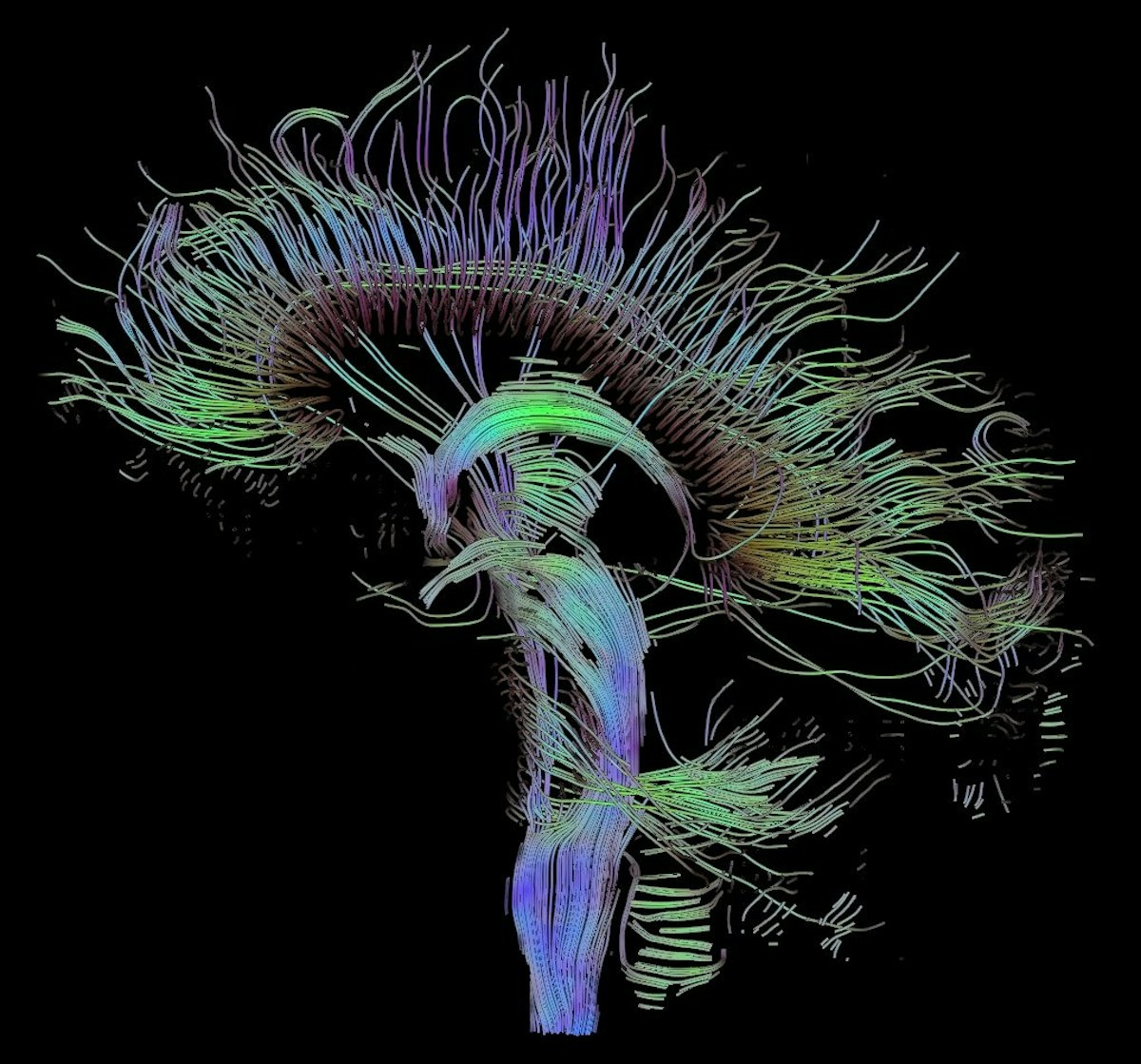
Visualization of a DTI measurement of a human brain, showing the pathway taken by different neural fibers. Thomas Schultz on Wikimedia Commons
In humans, the answer as to how to implement these scientific findings is more complicated than in rats, for which researchers simply encouraged use of the injured limb. Of course, from a clinical research standpoint, it is very challenging to force stroke patients to only use their injured side. Many patients understandably feel that the easiest way to resume some type of normalcy after stroke is to learn how to accomplish daily activities by compensating with their non-impaired side. Not being able to perform tasks like getting dressed, eating, and bathing that they once took for granted is extremely frustrating.


However, most patients are unaware that learning to compensate can have a detrimental impact on long-term recovery of the impaired side. This may seem less important to stroke survivors early on, as compensation allows them to dramatically and rapidly improve their quality of life. But it becomes more important later, when this compensation diminishes any chance of recovery of the injured side.
Early efforts to combat the negative effects of compensation can involve extreme measures, including therapies like Constraint-induced Movement Therapy (CIMT), which restricts usage of the uninjured side in patients for at least six hours per day (and in some cases up to over 90 percent of the waking day). Although CIMT has had success in clinical trials, it can feel impractical for stroke survivors. In fact, the major issue with early CIMT therapies was patient compliance.


In reality, some compensation is both needed and expected for stroke patients with upper-extremity impairments to recover. Compensation isn’t all bad — especially if it helps patients regain some type of normalcy after stroke. A recent meta-analysis found that modified versions of traditional CIMT, which involved longer durations of less-intensive therapy, were more successful than traditional rehabilitation strategies.
Finding the right combination of compensation and task-specific training in stroke survivors is a work-in-progress. But there’s an increasing awareness of just how powerful post-stroke experience is in reshaping the damaged brain — and that is helping patients move toward better outcomes.


Sunday, October 21, 2018

Constraint-Induced Aphasia Therapy in the Acute Stage

In case you need this. I see nothing here that shows an objective damage diagnosis of aphasia severity. With no defined starting point it impossible to know how to associate interventions to recovery.

Constraint-Induced Aphasia Therapy in the Acute Stage 

What Is the Key Factor for Efficacy? A Randomized Controlled Study

First Published August 9, 2016 Research Article


Background. Constraint-induced aphasia therapy (CIAT) has proven effective in patients with subacute and chronic forms of aphasia. It has remained unclear, however, whether intensity of therapy or constraint is the relevant factor. Data about intensive speech and language therapy (SLT) are conflicting.  
Objective. To identify the effective component of CIAT and assess the feasibility of SLT in the acute stage after stroke.  
Method. A total of 60 patients with aphasia (68.2 ± 11.7 years) were enrolled 18.9 days after first-ever stroke. They were randomly distributed into 3 groups: (1) CIAT group receiving therapy for 3 hours per day (10 workdays, total 30 hours); (2) conventional communication treatment group, with same intensity without constraints; and (3) control group receiving individual therapy twice a day as well as group therapy (total 14 hours). Patients were assessed pretreatment and posttreatment using the Aachener Aphasia Test (primary end point: token test) and the Communicative Activity Log (CAL).  
Results. Pretreatment, there were no between-group differences. Posttreatment, all groups showed significant improvements without between-group differences.  
Conclusion. It was found that 14 hours of aphasia therapy administered within 2 weeks as individual therapy, focusing on individual deficits, combined with group sessions has proven to be most efficient. This approach yielded the same outcome as 30 hours of group therapy, either in the form of CIAT or group therapy without constraints. SLT in an intensive treatment schedule is feasible and was well tolerated in the acute stage after stroke.

Sunday, October 1, 2017

Stroke patients benefit from at-home therapy video game trial

Who fucking cares? Until you tell me OBJECTIVELY who can use this and exactly the effort it requires. So shut the fuck up until you answer those questions.  I've written  61 posts on video games, why SPECIFICALLY  is this one better?
https://medicalxpress.com/news/2017-09-patients-benefit-at-home-therapy-video.html

Constraint-induced movement therapy— a therapeutic approach developed by University of Alabama at Birmingham researcher Ed Taub, Ph.D., to rehabilitate movement after stroke— is being translated to a video game version called Recovery Rapids through an ongoing clinical trial.
CI therapy allows patients to learn to improve movement of the weaker parts of their bodies. By encouraging regular movement in the injured body part and constraining the functioning counterpart, the patient's brain rewires itself to regain some level of limb function.
These therapies have proved to significantly improve the quality of movement and the amount of use of the more-affected arm or leg for common daily living activities in most patients who have been treated.
"We know from several randomized controlled trials that patients with stroke, like the individuals who will participate in this trial, obtain large improvements in the use of their stroke affected arm in everyday life after CI therapy when it is delivered face-to-face in the clinic," said Gitendra Uswatte, Ph.D., professor in the College of Arts and Sciences' Department of Psychology and associate director of the CI Therapy Research Group and Taub Therapy Clinic. "Patients who did not use that arm to carry out activities like eating, combing your hair, and picking up a telephone begin to do so after in-clinic CI therapy."
The therapy allows patients to receive treatment from home, while still benefiting from the innovative constraint-induced movement therapy techniques and therapist interaction.
"Given the lower cost and increase in access to treatment made possible by the virtual reality version of CI therapy, the virtual reality version will represent an advance for patients even if the treatment gains are only two-thirds to half as large as for the in-clinic version of CI therapy," Uswatte said.
Recovery Rapids can be played on a home video system that is supplied by the study. The game contains tasks that were derived from activities that are used in standard CI therapy and automatically progresses with the player increasing in difficulty as the patient improves.
Patients virtually kayak down a river using the game system and perform tasks that will force them to exercise their affected body part, avoiding use of the opposite limb completely. While playing the game, patients encounter tasks such as paddling, reaching for fruit on trees, avoiding rocks, fishing and picking up trash floating in the water.
The game is also customizable to the patient's needs. For example, if a patient has more trouble with hand activities, the game can be customized to present more hand tasks.

Patients in the study wear activity trackers on their wrists that monitor the movement of the arms, and provides real-time feedback on how much they are using their affected arms vs. non-affected arms.
Improvements on the video game translate into improvements on everyday tasks. By having rehabilitation at their fingertips, stroke patients can drive their own recovery.
Jeremy Reynolds participated in the trial after suffering a stroke and undertaking traditional CI Therapy at UAB.
"I had a stroke in January of 2015 and I lost a lot of the use of my right arm, well mainly my right hand," Reynolds said. "I had been through physical and occupational therapy, and was looking for another way to get the use of my hand better than it was."
Reynolds says CI Therapy worked for him.
"CI therapy really forces you to use your 'bad' hand, so in your daily life you start to use the affected hand more, whether it being opening your car door, carrying a bag or really anything," Reynolds said.
He knew he wanted to try the video game version after learning about it from his mother, who saw a flier with information on the trial.
"The video game makes therapy a little easier, and more fun," Reynolds said. "It's definitely more convenient as well, and I believe it works."
Stroke patients who are interested in participating in the trial are encouraged to contact (205) 934-9768.
Eligible patients are those who are more than six months after a stroke, can partially open and close the hand(this leaves out me), and have some movement of the wrist, elbow and shoulder. Eligible will be randomized to traditional CI therapy, home-based gaming CI therapy, or standard physical . Treatment will be at no cost to the patient.
Provided by: University of Alabama at Birmingham search and more info

Sunday, September 3, 2017

Constraint-induced aphasia therapy in post-stroke aphasia rehabilitation: A systematic review and meta-analysis of randomized controlled trials

This systematic review would be totally uneccessary if we had publicly available stroke protocols that were continually updated. Something that our fucking failures of stroke associations have no clue needs doing and wouldn't do even if they knew it would help survivors. But until then you are completely on your own to figure out how to recover. 

Constraint-induced aphasia therapy in post-stroke aphasia rehabilitation: A systematic review and meta-analysis of randomized controlled trials


  • Jiaqi Zhang, 
  • Jiadan Yu, 
  • Yong Bao, 
  • Qing Xie, 
  • Yang Xu, 
  • Junmei Zhang, 
  • Pu Wang
PLOS
x


Abstract


Background

Constraint-induced aphasia therapy (CIAT) has been widely used in post-stroke aphasia rehabilitation. An increasing number of clinical controlled trials have investigated the efficacy of the CIAT for the post-stroke aphasia.

Purpose

To systematically review the randomized controlled trials (RCTs) concerning the effect of the CIAT in post-stroke patients with aphasia, and to identify the useful components of CIAT in post-stroke aphasia rehabilitation.

Methods

A computerized database search was performed through five databases (Pubmed, EMbase, Medline, ScienceDirect and Cochrane library). Cochrane handbook domains were used to evaluate the methodological quality of the included RCTs.

Results

Eight RCTs qualified in the inclusion criteria. Inconsistent results were found in comparing the CIAT with conventional therapies without any component from the CIAT based on the results of three RCTs. Five RCTs showed that the CIAT performed equally well as other intensive aphasia therapies, in terms of improving language performance. One RCT showed that therapies embedded with social interaction were likely to enhance the efficacy of the CIAT.

Conclusion

CIAT may be useful for improving chronic post-stroke aphasia, however, limited evidence to support its superiority to other aphasia therapies. Massed practice is likely to be a useful component of CIAT, while the role of “constraint” is needed to be further explored. CIAT embedded with social interaction may gain more benefits.


Monday, December 12, 2016

Constraint-Induced Aphasia Therapy in the Acute Stage What Is the Key Factor for Efficacy? A Randomized Controlled Study

No clue how to do CIAT and they don't refer to a publicly available protocol so you can ask your doctor for such therapy.  So once again you are screwed. 

Constraint-Induced Aphasia Therapy in the Acute Stage What Is the Key Factor for Efficacy? A Randomized Controlled Study


  1. Hartwig Woldag, MD1
  2. Nancy Voigt1
  3. Maria Bley2
  4. Horst Hummelsheim, MD1
  1. 1Neurologisches Rehabilitationszentrum Leipzig, University of Leipzig, Germany
  2. 2Brandenburgklinik, Bernau, Germany
  1. Hartwig Woldag, Neurologisches Rehabilitationszentrum Leipzig, University of Leipzig, Muldentalweg 1, D-04828 Bennewitz bei Leipzig, Germany. Email: woldag@sachsenklinik.de

Abstract

Background. Constraint-induced aphasia therapy (CIAT) has proven effective in patients with subacute and chronic forms of aphasia. It has remained unclear, however, whether intensity of therapy or constraint is the relevant factor. Data about intensive speech and language therapy (SLT) are conflicting. 
Objective. To identify the effective component of CIAT and assess the feasibility of SLT in the acute stage after stroke. 
Method. A total of 60 patients with aphasia (68.2 ± 11.7 years) were enrolled 18.9 days after first-ever stroke. They were randomly distributed into 3 groups: (1) CIAT group receiving therapy for 3 hours per day (10 workdays, total 30 hours); (2) conventional communication treatment group, with same intensity without constraints; and (3) control group receiving individual therapy twice a day as well as group therapy (total 14 hours). Patients were assessed pretreatment and posttreatment using the Aachener Aphasia Test (primary end point: token test) and the Communicative Activity Log (CAL).  
Results. Pretreatment, there were no between-group differences. Posttreatment, all groups showed significant improvements without between-group differences.  
Conclusion. It was found that 14 hours of aphasia therapy administered within 2 weeks as individual therapy, focusing on individual deficits, combined with group sessions has proven to be most efficient. This approach yielded the same outcome as 30 hours of group therapy, either in the form of CIAT or group therapy without constraints. SLT in an intensive treatment schedule is feasible and was well tolerated in the acute stage after stroke.

Monday, March 7, 2016

Combining two techniques to 'rewire' the brain may improve arm and hand movement for stroke survivors

Whom the fuck is going to write this up as a protocol and publicize this around the world? I'm guessing this will never occur. You're screwed, your children are screwed, your grandchildren are screwed. All because we have NO leadership and NO strategy in stroke.
http://medicalxpress.com/news/2016-03-combining-techniques-rewire-brain-arm.html
Used in combination, two innovative rehabilitation approaches can promote better long-term recovery of arm and hand movement function in stroke survivors, suggests a paper in the American Journal of Physical Medicine & Rehabilitation, the official journal of the Association of Academic Physiatrists.
Adding peripheral nerve stimulation (PNS) to "constraint-based" therapy enhances recovery of movement in the affected arm and hand—even more than one year after a stroke, according to the study by Dr. Lumy Sawaki and colleagues of University of Kentucky, Lexington.
Adding Nerve Stimulation Improves Results of Constraint-Based Therapy
The preliminary study evaluated the effects of combining two emerging approaches to post-stroke rehabilitation of partial paralysis (hemiparesis). Constraint-induced therapy (CIT) is an approach that forces "intensive, task-oriented use" of the affected hand. This is done by limiting movement of the less-affected hand, forcing the patient to use the partially paralyzed limb.
Peripheral consists of non-invasive, low-level electrical stimulation applied to the nerves in the paralyzed arm muscles, which in turn increases activity in the brain area that controls the arm. Both CIT and PNS take advantage of the brain's potential for "neuroplasticity"—the ability to reorganize or "rewire" itself after injury.
The study included 19 who were left with mild to moderate hemiparesis of one upper limb, at least one year after a stroke. All received a modified CIT approach, including wearing a padded mitt on the less-affected hand during therapy sessions. Subjects were also asked to wear the mitt for 90 percent of waking hours during their daily lives.
In addition, subjects received either active or "sham" (inactive) PNS, delivered through electrodes placed on the affected arm. At each session, PNS was applied for two hours, followed by four hours of CIT.
After ten sessions, arm and hand function improved for both groups. But on most measures, improvement was significantly greater for patients who received active PNS added to CIT. Grip strength was the only measure to show no significant added advantage with active PNS.
Significant differences between groups persisted to one-month follow-up. "Compared with the sham PNS group, the active PNS group may have made more extensive use of the affected upper extremity in settings outside the lab, such as in activities of daily living," Dr. Sawaki and coauthors write. However, they caution that further studies are needed to provide conclusive evidence in this regard.
There's a crucial need for treatments to enhance long-term recovery of function after a stroke—particularly after the first year, when most spontaneous improvement occurs. Both CIT and PNS can enhance movement after stroke. The new study is the first to suggest that combining these two techniques can lead to further improvement in arm and hand movement in stroke survivors with mild-to-moderate chronic hemiparesis.
"It appears that PNS has enormous promise as a clinical intervention to enhance outcomes of motor training for stroke survivors with mild to moderate hemiparesis," Dr. Sawaki and colleagues conclude. They emphasize the need for further research to maximize the benefits of combined PNS and other rehabilitation techniques—including studies to optimize the PNS sites and settings and the other approaches used.
More information: Patricia Branco Mills et al. Transcutaneous Electrical Nerve Stimulation for Management of Limb Spasticity, American Journal of Physical Medicine & Rehabilitation (2016). DOI: 10.1097/PHM.0000000000000437

Tuesday, August 4, 2015

Constraint-induced aphasia therapy (CIAT): a randomised controlled trial in very early stroke rehabilitation

You''ll have ask your doctor how does constraint therapy work for aphasia.
http://www.tandfonline.com/doi/abs/10.1080/02687038.2015.1071480#.VcA7InnbI5s

DOI:
10.1080/02687038.2015.1071480
Natalie Cicconea*, Deborah Westb, Angela Creamb, Jade Cartwrightc, Tapan Raid, Andrew Grangerb, Graeme J. Hankeyef & Erin Godeckeag

Abstract

Background: Communication outcomes following stroke are improved when treatments for aphasia are administered early, within the first 3 months after stroke, and provided for more than 2 hours per week. However, uncertainty remains about the optimal type of aphasia therapy.
Aims: We compared constraint-induced aphasia therapy (CIAT) with individual, impairment-based intervention, both administered early and daily after acute stroke.
Methods & Procedures: This prospective, single-blinded, randomised, controlled trial recruited participants with mild to severe aphasia within 10 days of an acute stroke from acute/subacute Perth metropolitan hospitals (n = 20). Participants were allocated by computer-generated block randomisation method to either the CIAT (n = 12) or individual, impairment-based intervention group (n = 8) delivered at the same intensity (45–60 min, 5 days a week) for 20 sessions over 5 weeks (15–20 hours total). The primary outcome, measured after completing the intervention, was the Aphasia Quotient (AQ) from the Western Aphasia Battery. Secondary outcomes were the AQ at 12 and 26 weeks post stroke, a Discourse Analysis (DA) score and the Stroke and Aphasia Quality of Life Scale (SAQoL), measured at therapy completion, 12 and 26 weeks post stroke. There was a 10% (n = 2) dropout at the primary end point, both participants were in the CIAT group. The estimates for each treatment group were compared using repeated measures ANOVAs. Data from the 26-week follow-up assessment are presented, however, were not included in the between-group comparisons due to the low number of data points in each group.
Outcomes & Results: Within groups analyses comparing performance at baseline, therapy completion, and 12 weeks post stroke revealed a statistically significant treatment effect for the AQ (p < .001), DA (p = .002), and SAQoL (p < .001). Between groups analysis found there was no significant difference between the CIAT and individual therapy groups on any outcome measure.
Conclusions: CIAT and individual therapy produced comparable amounts of change in the very early phase of recovery suggesting a standard, intensive daily dose of therapy within this period of recovery is feasible and beneficial. There were no significant differences between the two groups demonstrating that CIAT, which is provided in a group format, may be a viable option in the very early phase of aphasia recovery. The study highlights the need for further research into the impact of therapy type in very early aphasia therapy.

Friday, October 31, 2014

Taub’s original CI Therapy paper the most cited in rehab journals over past 30 years

If I'm not mistaken this is the only stroke rehabilitation that actually exists. Just think how f*cking appalling that is. 30 years and nothing written down on how to rehab from a stroke. The dammed idiots in the stroke medical world still use this craptastic saying to not do anything useful, 'All strokes are different, all stroke recoveries are different'.  YOU are going to have to start screaming at your doctor and hospital or in 50 years when your kids start having strokes we won't have moved forward an inch.  This is why I think the complete stroke medical world needs to be destroyed.
http://www.uab.edu/news/innovation/item/5488-taub-s-original-ci-therapy-paper-the-most-cited-in-rehab-journals-over-past-30-years

Thursday, October 2, 2014

CI therapy is beneficial to patients which chronic low-functioning hemiparesis after stroke

I remember a PT friend who worked at the hospital I was at telling me about constraint induced therapy. Considering I had very limited arm movement and zero use of the hand I replied they would never do that to me.  I'm not sure how you get any use at all without hand movement.
But I'm willing to be convinced otherwise.
http://journal.frontiersin.org/Journal/10.3389/fneur.2014.00204/abstract
Annette Sterr1*, darragh o'neill2, Philip Dean1 and Katherine Herron3
  • 1Psychology, University of Surrey, United Kingdom
  • 2School of Life and Medical Sciences, University of Surrey, United Kingdom
  • 3Pain Management Center, National Hospital For Neurology and Neurosurgery, United Kingdom
CI therapy is effective in patients with relatively good levels of residual arm function but its applicability to patients with low functioning hemiparesis is not entirely clear. In the present study we examined the feasibility and efficacy of the CI therapy concept in patients with very limited upper arm function prior to treatment, and further tested how the length of daily shaping training and constraining the good arm affects treatment outcome. In a baseline-controlled design, 65 chronic patients were treated with 2 weeks of modified CI therapy. Patients were randomly allocated to four treatment groups receiving 90 or 180 minutes of daily shaping training applied with or without constraint respectively. Outcome was measured through the Reliable Change Index, which was calculated for parameters of motor function, health and psychological wellbeing. Follow-up data were collected at 6 and 12 months. Two analyses were conducted, a whole-group analysis across all 65 participants and a subgroup analysis contrasting the four treatment variants. The whole-group analysis showed a significant treatment effect, which was largely sustained after one year. The subgroup analysis revealed a mixed picture: while improvements against the baseline period were observed in all four subgroups, 180 minutes of daily shaping training coupled with the constraint yielded better outcome on the MAL but not the WMFT, while for 90 minutes of training the level of improvement was similar for those who wore the constraint and those who did not. Together these results suggest that, at least in those patients available for follow up measures, modified CI therapy induces sustained improvements in motor function in patients with chronic low-functioning hemiparesis. The absence of clear differences between the four treatment variants points to a complex relationship between the length of daily shaping training and the constraint in this patient group which is likely to be mediated by fatigue and
Keywords: motor rehabilitation, Arm, constraint, motor practice, motor activity log, Wolf motor function test, Frenchay arm test, modified CI therapy
Citation: Sterr A, o'neill d, Dean P and Herron K (2014). CI therapy is beneficial to patients which chronic low-functioning hemiparesis after stroke. Front. Neurol. 5:204. doi: 10.3389/fneur.2014.00204
Received: 25 Jun 2014; Accepted: 27 Sep 2014.

Edited by:
Ashfaq Shuaib, University of Alberta, Canada
Reviewed by:
Ru-Lan Hsieh, Shin Kong Wu Ho-Su Memorial Hospital, Taiwan
Roshini Prakash, University of California, Los Angeles, USA  
Copyright: © 2014 Sterr, o'neill, Dean and Herron. This is an open-access article distributed under the terms of the Creative Commons Attribution License (CC BY). The use, distribution or reproduction in other forums is permitted, provided the original author(s) or licensor are credited and that the original publication in this journal is cited, in accordance with accepted academic practice. No use, distribution or reproduction is permitted which does not comply with these terms.
* Correspondence: Prof. Annette Sterr, University of Surrey, Psychology, Guildford, United Kingdom, a.sterr@surrey.ac.uk

Tuesday, September 10, 2013

Constraint-induced aphasia therapy following sub-acute stroke: a single-blind, randomised clinical trial of a modified therapy schedule

Ask your therapist how you constrain aphasia, cotton balls in one side of mouth?
http://www.docguide.com/constraint-induced-aphasia-therapy-following-sub-acute-stroke-single-blind-randomised-clinical-trial?hash=7e422beb&eid=34708&alrhash=3c9ebc-5aeefe0d7ed0a73e6788dca4998df39c
BACKGROUND AND PURPOSE The trend towards a shorter stay in rehabilitation clinic has implications for future language therapy. Constraint-induced aphasia therapy (CIAT) is administered 3 h per day for a total of 30 h of treatment. It was evaluated for patients with chronic aphasia. In the present study we investigated the efficacy of a modified CIAT schedule and included patients with sub-acute stroke. We conducted a randomised, single-blind, parallel-group study. The results were compared to those of patients who received identically intensive treatment focusing on conventional aphasia therapy.
METHODS Fifty patients were treated with our modified version of CIAT and 50 received a standard aphasia therapy at the same intensity and duration. Inclusion criteria were clinical diagnosis of first-ever stroke, aphasia in the sub-acute stage and German speakers. Language function was evaluated using the Aachen Aphasia Test and the Communicative Activity Log directly before therapy onset, after the training period and at 8-week and 1-year follow-ups.
RESULTS Patients of both groups improved significantly in all sub-tests of the Aachen Aphasia Test Battery. The improvements remained stable over a 1-year follow-up period. Patients and relatives of both groups rated daily communication as significantly improved after therapy.
CONCLUSIONS Both CIAT and conventional therapy performed with equal intensity are efficacious methods for patients with sub-acute aphasia. The modified CIAT schedule is practical in an everyday therapeutic setting. Our results indicate that a short-term intensive therapy schedule in the early aphasia stage leads to substantial improvements in language functions.
CLINICAL TRIAL REGISTRATION INFORMATION Clinical Trial Registration-URL: http://www.clinicaltrials.gov. Unique identifier: NCT01625676.

Monday, August 26, 2013

Constraint-induced aphasia therapy following sub-acute stroke: a single-blind, randomised clinical trial of a modified therapy schedule

I can't comprehend this so ask your speech therapist how the hell you constrain this.
http://www.docguide.com/constraint-induced-aphasia-therapy-following-sub-acute-stroke-single-blind-randomised-clinical-trial?hash=7e422beb&eid=34464&alrhash=3c9ebc-5aeefe0d7ed0a73e6788dca4998df39c

BACKGROUND AND PURPOSE The trend towards a shorter stay in rehabilitation clinic has implications for future language therapy. Constraint-induced aphasia therapy (CIAT) is administered 3 h per day for a total of 30 h of treatment. It was evaluated for patients with chronic aphasia. In the present study we investigated the efficacy of a modified CIAT schedule and included patients with sub-acute stroke. We conducted a randomised, single-blind, parallel-group study. The results were compared to those of patients who received identically intensive treatment focusing on conventional aphasia therapy.
METHODS Fifty patients were treated with our modified version of CIAT and 50 received a standard aphasia therapy at the same intensity and duration. Inclusion criteria were clinical diagnosis of first-ever stroke, aphasia in the sub-acute stage and German speakers. Language function was evaluated using the Aachen Aphasia Test and the Communicative Activity Log directly before therapy onset, after the training period and at 8-week and 1-year follow-ups.
RESULTS Patients of both groups improved significantly in all sub-tests of the Aachen Aphasia Test Battery. The improvements remained stable over a 1-year follow-up period. Patients and relatives of both groups rated daily communication as significantly improved after therapy.
CONCLUSIONS Both CIAT and conventional therapy performed with equal intensity are efficacious methods for patients with sub-acute aphasia. The modified CIAT schedule is practical in an everyday therapeutic setting. Our results indicate that a short-term intensive therapy schedule in the early aphasia stage leads to substantial improvements in language functions.
CLINICAL TRIAL REGISTRATION INFORMATION Clinical Trial Registration-URL: http://www.clinicaltrials.gov. Unique identifier: NCT01625676.

Friday, July 26, 2013

The EXCITE Trial Reacquiring Upper-Extremity Task Performance With Early Versus Late Delivery of Constraint Therapy

Have your doctor tell you what this means.
http://nnr.sagepub.com/content/27/7/654.abstract?etoc

Abstract

Objective. This study examines performance of Wolf Motor Function Test (WMFT) tasks in terms of the ability of EXCITE trial participants (who had suffered a stroke 3-9 months before recruitment) to complete the task within the timed interval. Methods. Data were collected from participants who received constraint-induced movement therapy (CIMT) 3 to 9 months poststroke (CIMT-I, n = 106) or 15 to 21 months poststroke (CIMT-D, n = 116). Performance on the 15 timed WMFT tasks was converted into binary values, and changes in completion of the tasks were analyzed with generalized estimating equation methods, under the assumption of a binomial or Poisson process for completion. Results. During CIMT, the CIMT-I group showed significant within-group improvements in 3 fine-movement tasks and in total noncompleted tasks (noncompletes), whereas the CIMT-D group did not (P ≤ .0036). CIMT-I improvement was significantly greater than CIMT-D improvement for the lifting pencil task and total noncompletes. During the year following CIMT, neither group showed significant changes in completion of WMFT tasks. Over all time intervals, only the CIMT-I group displayed significant improvement in several tasks and total noncompletes. Between groups, there were significant and almost-significant differences between the improvements of the 2 groups in 3 tasks requiring fine distal movement. Conclusion. Receiving CIMT earlier appears to improve reacquisition and retention of WMFT tasks, especially those requiring fine motor skills. Combined with earlier findings, these results indicate that improvements in existing motor abilities are possible with both immediate and delayed CIMT, but early CIMT is necessary for significant reacquisition of tasks.