Changing stroke rehab and research worldwide now.Time is Brain! trillions and trillions of neurons that DIE each day because there are NO effective hyperacute therapies besides tPA(only 12% effective). I have 523 posts on hyperacute therapy, enough for researchers to spend decades proving them out. These are my personal ideas and blog on stroke rehabilitation and stroke research. Do not attempt any of these without checking with your medical provider. Unless you join me in agitating, when you need these therapies they won't be there.

What this blog is for:

My blog is not to help survivors recover, it is to have the 10 million yearly stroke survivors light fires underneath their doctors, stroke hospitals and stroke researchers to get stroke solved. 100% recovery. The stroke medical world is completely failing at that goal, they don't even have it as a goal. Shortly after getting out of the hospital and getting NO information on the process or protocols of stroke rehabilitation and recovery I started searching on the internet and found that no other survivor received useful information. This is an attempt to cover all stroke rehabilitation information that should be readily available to survivors so they can talk with informed knowledge to their medical staff. It lays out what needs to be done to get stroke survivors closer to 100% recovery. It's quite disgusting that this information is not available from every stroke association and doctors group.

Showing posts with label be careful. Show all posts

Saturday, April 18, 2026

Direct Oral Anticoagulants Linked to Fewer Brain Bleeds

 But this suggests otherwise;

Has your doctor factually analyzed this and given you EXACT REASONS FOR YOUR TREATMENT?

A friend of mine refused to go on the new anticoagulants(circa2008) because of the lack of a reversal drug. Be careful out there.


Direct Oral Anticoagulants Linked to Fewer Brain Bleeds

TOPLINE:

Among patients receiving oral anticoagulants (OACs), the use of direct OACs (DOACs) was associated with lower rates of intracerebral haemorrhage (ICH) than the use of vitamin K antagonists (VKAs), without an increase in the incidence of population‑level ICH over time.

METHODOLOGY:

  • Researchers conducted an observational study to examine how changes in prescribing OACs were associated with hospital admissions for OAC-related ICH.
  • The study compared two 5‑year cohorts: a pre‑DOAC era (2005-2009), during which all OAC use comprised VKAs, and a transition‑to‑DOAC era (2015-2019), reflecting an increasing uptake of DOACs.
  • The analysis included 917 patients from the pre-DOAC era and 1002 patients from the transition-to-DOAC era, all of whom were permanent residents of Southern Finland and admitted with an index event of non‑traumatic ICH confirmed by medical records and brain imaging.
  • ICH was attributed to VKA treatment if the international normalised ratio was less than 2.0 on admission, and DOAC-related ICH was confirmed through medical records, ie, patient-/caregiver-confirmed medication use or anti-Xa assay, or electronic medication registry data.
  • Population‑level data on dispensed OACs were obtained annually from national pharmacy reimbursement registries.

TAKEAWAY:

  • During 2005-2009, 12.5% of ICH events were related to the use of OACs (all associated with VKAs); however, during 2015-2019, 18% of ICH events were related to the use of OACs, of which 27% were related to DOACs. The annual incidence of ICH was 12 per 100,000 inhabitants in both the cohorts.
  • During 2015-2019, the annual incidence of ICH was 5.4 per 10,000 DOAC users, representing a 34.2% lower incidence rate than VKA users (P = .011); however, the annual incidence of ICH did not differ significantly between the two cohorts for VKA users.
  • After multivariable adjustments, the use of DOACs was associated with a 52.7% lower rate of ICH than the use of VKAs (P < .001).

IN PRACTICE:

"Our findings support the superior safety profile of DOACs compared with VKAs. With less restrictive compensation policies for DOACs, switching from VKAs to DOACs when clinically appropriate should eventually result in fewer OAC patients experiencing ICH," the authors wrote.

SOURCE:

This study was led by Liisa Tomppo, Helsinki University Hospital and University of Helsinki, Helsinki, Finland. It was published online on April 06, 2026, in Annals of Medicine.

LIMITATIONS:

The study was limited to a single tertiary hospital, potentially missing a small number of residents hospitalised elsewhere or highly frail patients admitted to local facilities. Due to the retrospective nature, DOAC treatment adherence was verified from medical and prescription records rather than laboratory tests, introducing potential misclassification. The study lacked data on the dose, duration, and exact indications of DOACs.

DISCLOSURES:

This study received support from Boehringer Ingelheim. One author declared receiving a non-significant unrestricted research grant from Boehringer Ingelheim Pharmaceuticals.

Suggested for you

This article was created using several editorial tools, including AI, as part of the process. Human editors reviewed this content before publication.

Wednesday, January 28, 2026

Pregnancy-associated strokes often go undetected despite typical symptoms

 Be careful out there. You really should expect your doctors to be more competent than this. which means your board of directors is failing at setting goals for the hospital and removing incompetence!

Pregnancy-associated strokes often go undetected despite typical symptoms

In a multicentre retrospective study, more than 1 in 4 pregnant or postpartum patients with acute stroke experienced a missed diagnostic opportunity, often despite having typical stroke presentations and recent medical encounters.

The findings, published in the journal Stroke, highlight a critical need for improved stroke recognition and timely neuroimaging -- particularly among obstetric and emergency clinicians -- to reduce diagnostic delays and improve outcomes in this high-risk population.

“Stroke prevention is vital,” said Eliza Miller, MD, University of Pittsburgh Medical Center, Pittsburgh, Pennsylvania. “We must close diagnostic gaps to protect maternal health. Our findings show that early warning signs are often missed, especially by clinicians without neurology training, and that education across specialties is essential.”

The researchers conducted a retrospective study across 5 US comprehensive stroke centres, including 135 patients aged 18 to 50 years who were pregnant or within 1 year postpartum and had confirmed acute strokes -- including arterial ischemic strokeintracerebral haemorrhagesubarachnoid haemorrhage, or cerebral venous thrombosis -- between 2012 and 2021. Each case was reviewed by vascular neurologists using the validated Safer Stroke-Dx tool to determine whether a missed diagnostic opportunity (MDO) occurred, and data on presenting symptoms, prior medical encounters, and contributing factors were collected.

The study found that 27% of patients experienced an MDO, most commonly due to failure to recognise stroke symptoms or omission of appropriate neuroimaging, despite nearly all having typical presentations. 

Notably, 92% of patients with MDO had at least 1 documented medical encounter in the month preceding the stroke, primarily with obstetric or emergency medicine clinicians. 

Haemorrhagic strokes were more common among patients with missed diagnoses, highlighting a critical need for enhanced clinician education and heightened vigilance for stroke in pregnant and postpartum populations to ensure timely recognition and treatment.

“Our analysis found that nearly half of patients who had seen a healthcare provider prior to stroke diagnosis were evaluated by obstetricians and approximately one third by emergency medicine clinicians,” said Miller. “This, to us, represents a knowledge gap across specialties and reveals an opportunity to expand clinician education to recognise early signs of maternal stroke.”

Reference: https://www.ahajournals.org/doi/10.1161/STROKEAHA.125.052995

SOURCE: University of Pittsburgh

Friday, July 11, 2025

Common Pain Medication Linked to Cognitive Decline Risk

 Be careful out there.

Common Pain Medication Linked to Cognitive Decline Risk

Summary: A large U.S. medical records study has found that adults prescribed gabapentin six or more times for chronic low back pain face significantly higher risks of dementia (29%) and mild cognitive impairment (85%) within 10 years. The risks were especially pronounced in younger adults aged 35–64, where rates of cognitive decline more than doubled or tripled compared to those not on the drug.

The findings suggest a dose-response relationship, with more frequent prescriptions correlating with higher risks. While observational and not proof of causation, the study underscores the need to monitor patients on long-term gabapentin for signs of cognitive decline.

Key facts:

  • Adults prescribed gabapentin ≥6 times were 29% more likely to develop dementia and 85% more likely to develop mild cognitive impairment.
  • Risks were more than doubled in 35–64 year olds compared to unprescribed peers.
  • The more prescriptions filled, the higher the risk of cognitive decline.

Source: BMJ

Receiving six or more prescriptions of the drug gabapentin for low back pain is associated with significantly increased risks of developing dementia and mild cognitive impairment (MCI)–29% and 85%, respectively—finds a large medical records study published online in the journal Regional Anesthesia & Pain Medicine.

What’s more, these risks were more than twice as high in those normally considered too young to develop either condition—18-64 year olds—the findings indicate.

This shows a brain and pill bottle.
Those who had received six or more gabapentin prescriptions were 29% more likely to be diagnosed with dementia and 85% more likely to be diagnosed with MCI within 10 years of their initial pain diagnosis. Credit: Neuroscience News

Unlike opioids, gabapentin has relatively low addictive potential, and it has become increasingly popular for the treatment of chronic pain, especially neuropathic pain, as it offers potentially neuroprotective benefits, point out the researchers.

But concerns are beginning to emerge about its side effects, including a possible association with neurodegeneration, although the findings to date have been mixed, including if particular age groups might be more vulnerable they add.

In a bid to shed more light on these issues, the researchers drew on real-time data from TriNetX, a federated health research network, which contains electronic health records from 68 healthcare organisations across the USA.

They scrutinised the anonymised records of adult patients who had and hadn’t been prescribed gabapentin (26,414 in each group) for chronic low pain between 2004 and 2024, taking account of demographics, co-existing conditions, and the use of other analgesic drugs.

Those who had received six or more gabapentin prescriptions were 29% more likely to be diagnosed with dementia and 85% more likely to be diagnosed with MCI within 10 years of their initial pain diagnosis. 

And when the records were stratified by age, 18–64 year olds prescribed the drug were more than twice as likely to develop either condition than those who hadn’t been prescribed gabapentin. 

While there was no heightened risk among 18–34 year olds prescribed the drug, the risks  of dementia more than doubled and those of MCI more than tripled among 35–49 year olds prescribed it. A similar pattern was observed among 50–64 year olds.

Risks also rose in tandem with prescription frequency: patients with 12 or more prescriptions were 40% more likely to develop dementia and 65% more likely to develop MCI than those prescribed gabapentin between 3 and 11 times. 

This is an observational study, and as such, no firm conclusions can be drawn about cause and effect. The researchers also acknowledge that their study was retrospective, and they weren’t able to account for dose or length of gabapentin use.

Nevertheless, they conclude: “Our findings indicate an association between gabapentin prescription and dementia or cognitive impairment within 10 years. Moreover, increased gabapentin prescription frequency correlated with dementia incidence.” 

They add: “Our results support the need for close monitoring of adult patients prescribed gabapentin to assess for potential cognitive decline.”

About this neuropharmacology and cognitive decline research news

Author: Hannah Ahmed
Source: BMJ
Contact: Hannah Ahmed – BMJ
Image: The image is credited to Neuroscience News

Wednesday, March 26, 2025

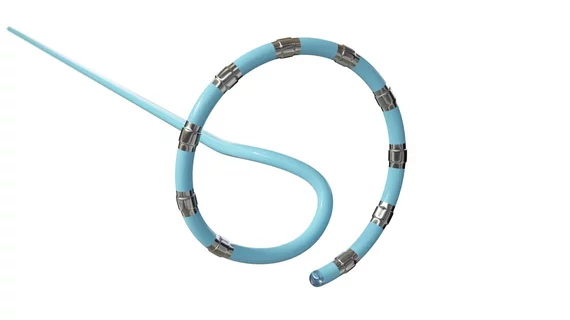
FDA announces catheter recall for Johnson & Johnson PFA system due to stroke risk

 Be careful out there.

FDA announces catheter recall for Johnson & Johnson PFA system due to stroke risk

The U.S. Food and Drug Administration (FDA) has announced a new recall for the ablation catheters associated with Johnson & Johnson MedTech’s Varipulse pulsed field ablation (PFA) system. No devices need to be returned or removed from the market. Instead, the FDA is urging all customers to read updated instructions provided by Johnson & Johnson MedTech. 

The recall comes after approximately 3% of patients treated with the device during the early stages of its U.S. rollout experienced a stroke or transient ischemic attack shortly after treatment. The expected stroke rate is closer to 1%(Even that is unacceptable!), the FDA explained, prompting this action. 

In total, four serious injuries have been linked to this issue.

This is a Class I recall, which means the FDA believes patients face a risk of serious injury or death if they use the devices without reviewing the updated instructions. 

These safety concerns provide additional context after Johnson & Johnson MedTech paused the U.S. rollout of its Varipulse PFA system in early January and then resumed its rollout nearly six weeks later. 

Johnson & Johnson MedTech’s recommendations for Varipulse users

Johnson & Johnson MedTech has shared a letter with all of its customers highlighting several recommendations for the use of its Varipulse PFA system going forward. Those recommendations include:

  • Review findings from the company’s investigation into the reported periprocedural strokes and adhere to the updated instructions.
  • Share this information with patients when determining if treatment with this PFA system is right for them.
  • Be aware of a planned U.S. post-approval study designed to further investigate the benefits and risks associated with this device.
  • Be aware of the known and inherent risk of neurovascular events that may occur during catheter-based ablation procedures.
  • Follow patients who received ablation procedures with the device according to their standard of care.
  • Ensure that your facility is aware of these concerns and the updated instructions.
  • Keep this information in your facility’s records. 

Click here for the full FDA advisory. 

Johnson & Johnson MedTech previously noted that these issues do not impact Varipulse cases performed outside the U.S. due to the “unique platform configuration” used to evaluate U.S. cases.

Recall follows FDA approval in 2024

Johnson & Johnson MedTech first gained FDA approval for the Varipulse PFA system in November 2024. The agency had previously approved Medtronic’s PulseSelect and Affera systems and Boston Scientific’s Farapulse system.

The FDA made its decision after reviewing data from the admIRE clinical trial, which included 277 patients who underwent treatment with the Varipulse system throughout the United States. The study linked PFA with Varipulse to acute procedural success in 100% of patients and a primary effectiveness success rate of 75%.

Tuesday, July 16, 2024

Higher vitamin D levels linked to improved mental health

 Pretty much useless, NOTHING ON AMOUNTS, or what test to take to determine your levels.

Taking 60,000 international units (IU) a day of vitamin D for several months has been shown to cause toxicity. This level is many times higher than the U.S. Recommended Dietary Allowance (RDA) for most adults of 600 IU of vitamin D a day.

In order for vitamin D to reach toxic or dangerous levels in the body, it needs to exceed 100 nanograms (ng) per milliliter (mL). Excess vitamin D is defined as blood vitamin D levels over 100 ng/mL, while vitamin D intoxication or hypervitaminosis D is defined as serum levels over 150 ng/mL.

Be careful out there.

Higher vitamin D levels linked to improved mental health

Key takeaways:

  • Higher levels of vitamin D were associated with improved physical functioning and depressive symptoms.
  • PCPs should encourage consumption of foods with vitamin D when indicated, one researcher said.

CHICAGO — Vitamin D levels may be associated with mental health — particularly, depressive symptoms, according to research presented at the annual NUTRITION meeting.

“We know that vitamin D is an essential nutrient for the body,” Jacqueline A. Vernarelli, PhD, the director of research education and an associate professor at Sacred Heart University, told Healio. “Vitamin D deficiency is related to heart disease, poor bone health, and certain types of cancers. There have been some studies that have looked at the relationship between vitamin D deficiency and mental health, but none using a large population sample.”

PC0724Vernarelli2_Graphic_01

Vernarelli and research partner Kayla D. Champagne, MPH, analyzed data from 4,641 adults who participated in the 2017-2018 NHANES survey to assess possible connections. Depression was evaluated with the PHQ-9 questionnaire, and serum vitamin D levels were presented as 25-hydroxyvitamin D2 + D3 (nmol/L).

“We found that the amount of vitamin D in your blood was related to mental health and physical functioning,” Vernarelli said. “Adults with lower levels of vitamin D had more depressive symptoms. Further, adults with depression had significantly lower intake of vitamin D than adults without depression.”

In addition, higher serum vitamin D levels were connected to improved physical functioning. The researchers also noted that patients who had clinical depression also had significantly lower vitamin D intake from food sources (4.3 vs. 3.3 µg; P = .004). Therefore, they wrote that public health messaging encouraging consumption of foods rich in vitamin D could be an important dietary strategy to support mental health.

Since “vitamin D is related to mental health,” Vernarelli said primary care providers should “consider testing for vitamin D status as an important part of the whole-health evaluation of patients.”

“PCPs should encourage consumption of food fortified with vitamin D or supplementation when indicated,” she said. “Having enough vitamin D in the bloodstream is important for helping the body function properly — this includes physical and mental health.”

Sources/Disclosures

Collapse

Source: Vernarelli JA, et al. The association with vitamin D and depression in US adults. Presented at: NUTRITION; June 29-July 2, 2024.
Disclosures: Champagne and Vernarelli report no relevant financial disclosures.

Sunday, September 3, 2023

Infertility Treatments Raise Risk for Stroke After Childbirth

 FYI. Be careful out there.

Infertility Treatments Raise Risk for Stroke After Childbirth

Infertility treatments may increase the risk for hemorrhagic and ischemic stroke among new mothers by 66%, according to new research published this week in the Journal of the American Medical Association.

The retrospective cohort study found that infertility treatments — defined broadly and including intrauterine insemination (IUI), assisted reproductive technology (ART), fertility preservation procedures, and the use of a gestational carrier — increased the risk for stroke-related hospitalization up to 12 months after delivery, with the risk being evident a month after delivery. The study did not examine risk rates associated with individual treatments.

"Our findings suggest that we should be more cautious in how we treat patients for infertility care," said lead author Cande V. Ananth, PhD, MPH, vice chair for academic affairs and chief of the Division of Epidemiology and Biostatistics at Rutgers Robert Wood Johnson Medical School in New Brunswick, New Jersey.

Dr Cande Ananth

Ananth and colleagues drew data from the Nationwide Readmissions Database, which stores information from 28 states, between 2010 and 2018. They looked at rates of hospitalization from nonfatal hemorrhagic and ischemic strokes among 31.34 million US patients aged 15-54 years. Of those, 287,813 (0.9%) underwent infertility treatments and 31.05 million (99.1%) delivered after spontaneous conception.

Ananth's group identified 37 stroke hospitalizations per 100,000 people in the infertility group compared with 29 hospitalizations per 100,000 people in the group that conceived spontaneously, with the risk for hemorrhagic stroke (adjusted HR, 2.02; 95% CI, 1.13 - 3.61) being higher than for ischemic stroke (adjusted HR, 1.55; 95% CI, 1.01 - 2.39). The risk increased as time passed, especially in the case of hemorrhagic strokes.

The 66% increase in stroke risk — 41% higher within 30 days — for patients in the infertility group is what's so striking about the data, Ananth said. Still, "the absolute number of hospitalizations is low in the population, as one would expect. Very few people develop strokes."

However, infertility treatments themselves may affect stroke risk, Ananth said.

First, "any infertility treatment predisposes patients to develop vascular complications in pregnancy itself. Studies have shown that women who receive infertility treatment carry increased risks for preeclampsia  and placental abruption, which have vascular origins."

Infertility treatments also can damage endothelial cells and cause thrombosis, he said, both of which are associated with cardiovascular disease and stroke risk later in life.

Ananth also cited traditional epidemiologic factors like alcohol use, obesity, genetics, and age, which is strongly associated with stroke, as possible contributing factors. 

"We don't know exactly which pathways are acting in this population, but we expect that any one or more of them could be implicated in the association to stroke risk," he said.

According to Al-Safi, clinicians should aim to help patients improve metabolic health prior to pregnancy and monitor for the development of risk factors like hypertension, preeclampsia, or diabetes during pregnancy, as those can increase the risk for cerebrovascular disorders after delivery.

"Hypertension and preeclampsia would be among the most important risk factors, and those can be higher in patients with infertility," Al-Safi said. 

Informing patients about the stroke risk should be a part of the precounseling process in infertility treatment, Ananth said. Physicians should also work with patients to mitigate risk factors like smoking and obesity through lifestyle changes. 

A rigorous approach to follow-up during the postpartum period also is critical, he added.

"Given the increased stroke risk within the first 30 days after delivery, it's incredibly important that physicians follow up within 6 weeks of delivery, as recommended by the American College of Obstetricians and Gynecologists," he said. "Even after the initial 6 weeks, there should be constant follow-up, at 3 months, 6 months, and even at the end of the year."

The study was funded by the National Heart, Lung, and Blood Institute and the National Institute of Environmental Health Sciences. The authors report no relevant financial relationships.


Dr Zain Al-Safi

"This study may point to a possible association rather than causation," said Zain A. Al-Safi, MD, a reproductive endocrinologist and infertility specialist at UCLA Health in Los Angeles. "Generally, those with obesity, diabetes/prediabetes, hypertension, and other metabolic abnormalities can have associated infertility, such as ovulatory disorders. Treating the fertility problem would have those patients conceiving, and those pregnancies can have higher risks for cerebrovascular disorders."

Monday, August 7, 2023

Quest's Alzheimer's Blood Test Has Experts Concerned

Be careful out there. Ask your doctor to evaluate results and then ask for EXACT PREVENTION PROTOCOLS!

Quest's Alzheimer's Blood Test Has Experts Concerned

"Patients will have a difficult time knowing what the results mean"

A photo of the reception area of a Quest Diagnostics clinic.

A new blood test from Quest Diagnostics has Alzheimer's experts concerned.

The Quest AD-Detect test, which consumers can now purchase from home without visiting a doctor first, measures amyloid-beta 42 and amyloid-beta 40 in blood to provide an amyloid-beta 42/40 ratio. In theory, the ratio may help identify the risk of developing Alzheimer's disease. In practice, the value of the Quest test is unknown.

The test has not been cleared or approved by FDA.

"There are no large-scale, long-term clinical trials that support the idea that the AD-Detect test can predict whether a cognitively unimpaired person will transition to cognitively impaired," said Rebecca Edelmayer, PhD, senior director of scientific engagement at the Alzheimer's Association in Chicago.

"As a result, it is unclear what the results of this test may mean about your Alzheimer's risk or your health status," Edelmayer told MedPage Today. While some blood tests show promise for improving the diagnostic work-up for Alzheimer's disease, "there is a lack of data to support the broad use of these tests in primary care settings, let alone individually by consumers at home," she pointed out.

"As such, the Alzheimer's Association does not endorse the use of AD-Detect by consumers," Edelmayer stated. "We challenge Quest to pursue a path of FDA approval that demonstrates, rigorously, that this test is valuable to clinicians and patients as part of the diagnostic process."

Research groups in several countries are working together to establish validated blood-based tests to detect Alzheimer's pathology that include plasma amyloid assays, noted Suzanne Schindler, MD, PhD, of Washington University in St. Louis, who studies Alzheimer's disease biomarkers.

"Quest has not participated in any of these efforts," Schindler told MedPage Today. "They seem to be working hard on marketing to consumers but have made little to no attempt to rigorously validate their assays in a transparent way. What they are marketing is far outside of the recommended use of Alzheimer's disease blood-based biomarkers."

According to the Alzheimer's Association, the current recommended use for validated blood-based biomarkers at specialized memory clinics is for the diagnostic work-up of patients with cognitive symptoms, and the results should be confirmed with cerebrospinal fluid (CSF) analysis or PET scans if possible. Blood-based tests are used in a few Alzheimer's clinical trials to help screen eligible participants. Tests involving plasma tau also are being investigated as predictors of cognitive decline.

Once well-validated blood-based biomarkers demonstrate equivalent performance to CSF analysis or PET scans, these recommendations may change, Schindler noted.

"It is not currently recommended to use Alzheimer's disease blood tests in asymptomatic individuals, as this could expose them to adverse consequences -- for example, ineligibility for long-term care insurance -- and they are not yet eligible for treatments," she said.

Consumers pay for the $400 Quest AD-Detect test online; a telehealth doctor then reviews the purchase and places an order on their behalf. Patients visit a local Quest Diagnostics lab for a blood draw. They can read their test results online and have the option to speak with a physician when their results are in.

No peer-reviewed research papers validating the AD-Detect test have been published, but an abstract of a poster presented by Quest at the 2022 Alzheimer's Association International Conference (AAIC) provided preliminary data. A Quest representative told MedPage Today that the sensitivity and specificity data reported in the 2022 abstract were incorrect and the company is working to change those figures on the AAIC site.

The assay uses liquid chromatography and mass spectrometry and has been verified according to Clinical Laboratory Improvement Amendments (CLIA) regulations.

AD-Detect is not a diagnostic test, Quest said. It is marketed to anyone 18 and older who has a family history of Alzheimer's disease, has had brain trauma or a head injury, is experiencing memory loss, or is experiencing early cognitive decline.

When used carefully, Alzheimer's disease blood tests can be used to help patients, "but if used inappropriately, they could cause significant anxiety and confusion," Schindler cautioned.

"Physicians are sometimes confused about how to interpret these tests," she said. "I know that patients will have a difficult time knowing what the results mean, and many patients will draw the wrong conclusions."


Friday, June 24, 2022

Flash of Greater Stroke Risk at Initiation of Oral Contraceptives

Be careful out there.

Flash of Greater Stroke Risk at Initiation of Oral Contraceptives

Risk with hormone replacement therapy lingers in the long run, though

A close up shot of a blister pack of birth control pills.

The upfront stroke risk associated with oral contraceptives and hormone replacement therapy (HRT) waned to varying degrees after the first year of use, an observational study found.

U.K. Biobank participants on birth control were at higher risk of any stroke during the first year of use (HR 2.49, 95% CI 1.44-4.30), after which strokes were no longer at an excess compared with nonusers (HR 1.00, 95% CI 0.86-1.14), according to researchers led by PhD student Therese Johansson, MSc, of Uppsala University in Sweden.

As for HRT, the first year of therapy was tied to an increased risk of stroke (HR 2.12, 95% CI 1.66-2.70) that declined in remaining years. The risk nevertheless remained modestly elevated over time (HR 1.18, 95% CI 1.05-1.32), even after HRT discontinuation (HR 1.16, 95% CI 1.02-1.32), Johansson's group reported in the journal Stroke.

The study supports prior work linking exogenous hormone use and stroke. Unlike other groups, however, Johansson and colleagues were able to show that HRT was associated with both ischemic and subarachnoid hemorrhage stroke subtypes.

"The increased rate of ischemic stroke during the first year of use could be a result of an immediate prothrombotic effect of the treatment that gradually declines due to adaptation of the hemostatic imbalance during remaining years of use," the authors suggested.

"However, the underlying mechanism through which HRT confers an immediate increased risk of subarachnoid hemorrhage is less clear," they said. "The short-term increased risk could be explained by cerebral vasodilation together with a transient elevation in systemic blood pressure following HRT initiation, causing rupture of preexisting aneurysm."

HRT is commonly used to treat menopause symptoms in clinical practice and has been suggested to improve cardiovascular health in some individuals.

Johansson and colleagues reported that the stroke risk associated with HRT didn't change in relation to menopause onset. This is consistent, they said, with the thinking that entering menopause increases the risk of stroke among nonusers, but women who have been on HRT are not at increased risk when they enter menopause.

Johansson and colleagues noted that the small number of strokes recorded among the relatively young group of oral contraceptive users precluded an analysis by stroke subtype in this group.

The study included more than 250,000 women ages 37-73 years from the U.K. Biobank. First occurrence of stroke was tracked in the database, which categorized events as ischemic stroke, intracerebral hemorrhage, or subarachnoid hemorrhage.

Use of oral contraceptives (81%) and HRT (37%) was self-reported by participants, which left room for recall bias in the study, Johansson's group acknowledged.

Additionally, this was a relatively healthy population, limiting the generalizability of the results, and the authors could not differentiate between the various formulations of HRT and oral contraceptives used.

  • author['full_name']

    Nicole Lou is a reporter for MedPage Today, where she covers cardiology news and other developments in medicine. Follow

Disclosures

The study was funded by the Swedish Brain Foundation. The work was also funded by the Swedish Heart Lung Foundation, the Swedish Research Council, and the Uppsala University center for women's mental health.

Johansson had no disclosures.


Wednesday, March 30, 2022

Risk of first ischaemic stroke and use of antidopaminergic antiemetics: nationwide case-time-control study

The layperson explanation: Anti-dopaminergic antiemetics, widely used for nausea and vomiting due to migraine, chemotherapy, radiotherapy, or surgery, raised the risk of ischemic stroke?. (The BMJ)

Be careful out there.

Risk of first ischaemic stroke and use of antidopaminergic antiemetics: nationwide case-time-control study

BMJ 2022; 376 doi: https://doi.org/10.1136/bmj-2021-066192 (Published 23 March 2022) Cite this as: BMJ 2022;376:e066192
  1. Anne Bénard-Laribière, researcher1,  
  2. Emilie Hucteau, statistician1,  
  3. Stéphanie Debette, professor of epidemiology and neurologist23,  
  4. Julien Kirchgesner, associate professor of gastroenterology4,  
  5. Julien Bezin, associate professor of pharmacology15,  
  6. Antoine Pariente, professor of pharmacology15
    Author affiliations
  1. Correspondence to: A Bénard-Laribière, Service de Pharmacologie Médicale, Hôpital Pellegrin, Bordeaux, France, anne.benard@u-bordeaux.fr
  • Accepted 15 February 2022

Abstract

Objective To estimate the risk of ischaemic stroke associated with antidopaminergic antiemetic (ADA) use.

Design Case-time-control study.

Setting Data from the nationwide French reimbursement healthcare system database Système National des Données de Santé (SNDS).

Participants Eligible participants were ≥18 years with a first ischaemic stroke between 2012 and 2016 and at least one reimbursement for any ADA in the 70 days before stroke. Frequencies of ADA reimbursements were compared for a risk period (days -14 to -1 before stroke) and three matched reference periods (days -70 to -57, -56 to -43, and -42 to -29) for each patient. Time trend of ADA use was controlled by using a control group of 21 859 randomly selected people free of the event who were individually matched to patients with stroke according to age, sex, and risk factors of ischaemic stroke.

Main outcome measures Association between ADA use and risk of ischaemic stroke was assessed by estimating the ratio of the odds ratios of exposure evaluated in patients with stroke and in controls. Analyses were adjusted for time varying confounders (anticoagulants, antiplatelets, and prothrombotic or vasoconstrictive drugs).

Results Among the 2612 patients identified with incident stroke, 1250 received an ADA in the risk period and 1060 in the reference periods. The comparison with the 5128 and 13 165 controls who received an ADA in the same periods yielded a ratio of adjusted odds ratios of 3.12 (95% confidence interval 2.85 to 3.42). Analyses stratified by age, sex, and history of dementia showed similar results. Ratio of adjusted odds ratios for analyses stratified by ADA was 2.51 (2.18 to 2.88) for domperidone, 3.62 (3.11 to 4.23) for metopimazine, and 3.53 (2.62 to 4.76) for metoclopramide. Sensitivity analyses suggested the risk would be higher in the first days of use.

Conclusions Using French nationwide exhaustive reimbursement data, this self-controlled study reported an increased risk of ischaemic stroke with recent ADA use. The highest increase was found for metopimazine and metoclopramide.

Introduction

The risk of ischaemic stroke with centrally acting antidopaminergic antipsychotics has been highlighted in large observational studies, especially in older patients and among people with dementia.123 The risk is considerable at the start of treatment, 12 times higher in the first month of use, and progressively declines over time and falls to baseline after three months of treatment.456 Dopamine receptor antagonism is the main determinant of antipsychotic action. Although antipsychotics also block a variety of other receptors (muscarinic, histaminergic, serotoninergic, adrenergic), possible mechanisms by which these drugs might cause stroke could relate to this dopamine antagonism.6 Research is lacking on the risk of stroke for non-antipsychotic dopamine receptor antagonists, such as antidopaminergic antiemetics (ADAs). ADAs are peripheral D2 receptor antagonists with a direct effect on the chemoreceptor trigger zone, which lies outside the blood-brain barrier. However, some ADAs, such as metoclopramide, cross the blood-brain barrier and are also low potency central antidopaminergics. Moreover, stroke occurrence can be triggered by mechanisms that do not require any crossing of the blood-brain barrier because blood vessels are located outside the blood-brain barrier. ADAs are widely used in general practice for the treatment of nausea and vomiting of different causes (migraine, chemotherapy or radiotherapy, postoperative). Given the well known risk of ischaemic stroke associated with antidopaminergic antipsychotics and the widespread use of ADAs, we assessed the association between ischaemic stroke and ADAs in a real world setting.

Saturday, February 26, 2022

Salt in Fizzy Tablets Linked to Heart, Death Risk

Be careful out there.

Salt in Fizzy Tablets Linked to Heart, Death Risk

Warning signals seen for fast-acting acetaminophen and other drugs

A photo of an effervescent tablet in water releasing bubbles.

Sodium-containing acetaminophen was associated with increased cardiovascular and mortality risk in older people, according to a report sounding the alarm on the potential dangers of fast-acting prescription and over-the-counter drugs alike.

A large U.K. database of electronic health records revealed significant excess in 1-year incidence of myocardial infarction, stroke, and heart failure associated with sodium-containing acetaminophen therapy use compared with standard formulations:

  • A 59% relative increase in risk for those with hypertension (5.6% vs 4.6%)
  • A 45% relative increase in risk for those without hypertension (4.4% vs 3.7%)

All-cause mortality risk over 1 year was twofold elevated in the hypertension patients taking sodium-containing acetaminophen and 87% elevated in users without hypertension. Risk increased in step with more prescriptions and longer durations of use of these medications, according to the study authors.

Similar risks were observed for the subgroups of patients also using sodium-containing ibuprofen or ranitidine, epidemiologist Yuqing Zhang, DSc, of Massachusetts General Hospital and Harvard Medical School, and colleagues reported in European Heart Journal.

"Sodium-containing drugs are an important source of sodium intake that could be easily overlooked," study authors wrote. "Given that the pain-relief of non-sodium-containing acetaminophen is similar to that of sodium-containing acetaminophen, our results suggest re-visiting the safety profile of effervescent and soluble acetaminophen use."

Whereas traditional formulations in tablet, oral suspension, or capsule form do not contain sodium, fizzy or soluble drug preparations rely on it for fast-acting disintegration.

And the sodium can really add up, cautioned Aletta Schutte, PhD, and Bruce Neal, MBChB, PhD, both of The George Institute for Global Health in Sydney, Australia.

If a given fizzy acetaminophen tablet has 400 mg of sodium, a day's worth at full dose would add 3,000 mg of sodium per day -- far above the daily recommended sodium intake for an adult, they wrote in an accompanying editorial.

"Large increments would also be anticipated for other types of effervescent medications, with a single 5 g sachet of effervescent antacids containing 850 mg of sodium, fizzy vitamins 280 mg of sodium per tablet, and urinary alkalinizers some 644 mg of sodium per dose," the editorialists estimated.

As such, Schutte and Neal urged "urgent action" on sodium-containing medications.

"Particularly concerning is the observation in some surveys that up to 94% of uses of fizzy medications are self-medication using over-the-counter preparations. There is an immediate need for protection of consumers against these risks. The most plausible and effective strategy is likely to be the mandatory labelling of all medications containing significant quantities of sodium with a front-of-pack warning label," they said.

"Information programmes that raise public and practitioner awareness of the hidden sodium in medications, and educate about the need to avoid effervescent, dispersible, and soluble medicines in all but essential circumstances should also be considered," according to the editorialists.

The study was based on the Health Improvement Network with patient records spanning 2000 to 2017. Included were nearly 300,000 people (average age in the early 70s) with physician-ordered acetaminophen prescriptions started during the study period.

Sodium-containing formulations were prescribed to 3.0% of individuals with hypertension and 3.6% of those without it. Significantly more women were in the group taking sodium-containing acetaminophen.

Zhang's team acknowledged that the study was limited by the potential for residual confounding and the lack of urinary sodium excretion or dietary sodium intake data. Investigators also couldn't adjust for over-the-counter acetaminophen use.

"The results are compelling. The effects were consistent across several different methodological approaches and in a series of sensitivity analyses," Schutte and Neal maintained.

"Large-scale supplementation of dietary sodium in a randomized trial studying cardiovascualr [sic] outcomes has never been done and would almost certainly be viewed as unethical. This type of analysis is as close as researchers are ever likely to come to doing that trial, and, while the current report is observational in nature, it provides strong evidence of harmful effects of adding large quantities of sodium to the diet," they said.

  • author['full_name']

    Nicole Lou is a reporter for MedPage Today, where she covers cardiology news and other developments in medicine. Follow

Disclosures

The study was funded by Chinese national and local grants.

Zhang, Schutte, and Neal had no disclosures.