Use the labels in the right column to find what you want. Or you can go thru them one by one, there are only 34,365 posts. Searching is done in the search box in upper left corner. I blog on anything to do with stroke. DO NOT DO ANYTHING SUGGESTED HERE AS I AM NOT MEDICALLY TRAINED, YOUR DOCTOR IS, LISTEN TO THEM. BUT I BET THEY DON'T KNOW HOW TO GET YOU 100% RECOVERED. I DON'T EITHER BUT HAVE PLENTY OF QUESTIONS FOR YOUR DOCTOR TO ANSWER.
Changing stroke rehab and research worldwide now.Time is Brain!trillions and trillions of neuronsthatDIEeach day because there areNOeffective hyperacute therapies besides tPA(only 12% effective). I have 523 posts on hyperacute therapy, enough for researchers to spend decades proving them out. These are my personal ideas and blog on stroke rehabilitation and stroke research. Do not attempt any of these without checking with your medical provider. Unless you join me in agitating, when you need these therapies they won't be there.
What this blog is for:
My blog is not to help survivors recover, it is to have the 10 million yearly stroke survivors light fires underneath their doctors, stroke hospitals and stroke researchers to get stroke solved. 100% recovery. The stroke medical world is completely failing at that goal, they don't even have it as a goal. Shortly after getting out of the hospital and getting NO information on the process or protocols of stroke rehabilitation and recovery I started searching on the internet and found that no other survivor received useful information. This is an attempt to cover all stroke rehabilitation information that should be readily available to survivors so they can talk with informed knowledge to their medical staff. It lays out what needs to be done to get stroke survivors closer to 100% recovery. It's quite disgusting that this information is not available from every stroke association and doctors group.
The only goal in stroke is 100% recovery, anyone discussing 'care' needs to be drummed out of stroke for EXTREME INCOMPETECY! SURVIVORS WANT RECOVERY!
I've never heard a survivor ask for 'care'; I'd suggest you talk to
survivors sometime; they all want recovery, and you are failing
survivors!
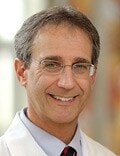
The Dayton Daily News spoke with the University of Cincinnati's Joseph Broderick to discuss a recent article he published in the journal Stroke examining the past, present and future of stroke care.
In 1975, when Broderick was a sophomore undergraduate, there were zero scientifically approved treatments for acute stroke.
Over his more than 40 years as a researcher and clinician, Broderick has actively contributed to major improvements in stroke care(NOT RECOVERY!), occupying a front row seat to seismic innovations: the clinical trials that proved tPA as the first effective treatment for acute ischemic stroke in the 1990s, the seminal trials leading to mechanical removal of clots within the artery in the 2000s and most recently the FASTEST trial today testing what could be the first treatment to slow bleeding for spontaneous acute intracerebral hemorrhage (ICH).
In Broderick’s vision of the future, stroke diagnosis will often begin before the patient ever reaches the hospital. Wearable technology and at-home monitoring could alert emergency responders to stroke symptoms in real time, allowing treatment to start en route.
“But no matter how advanced we get, time will always be the single most important factor for success," Broderick, MD, professor in the University of Cincinnati’s College of Medicine, senior adviser at the UC Gardner Neuroscience Institute and director of the NIH StrokeNet National Coordinating Center told the Dayton Daily News.
“The next century will be about advances in recovery and rehabilitation after stroke and addressing current global disparities in stroke incidence, outcomes and access to proven therapies,” Broderick continued. “We’ve made a significant dent in the burden of stroke over the past 50 years,” he said. “And I think the best is yet to come.”(With this failure mindset of 'care', THE FUTURE OF STROKE IS BLEAKER THAN HELL!)
A complete fucking failure from the start because of one word: 'care'! NOT RECOVERY!
This is the whole problem in stroke enumerated in one word; 'care'; NOT RECOVERY!
Our non-existent stroke leadership should be demanding RECOVERY NOT 'CARE'!
My god, anyone in the business world would
be fired immediately for managing or caring about something rather than
delivering RESULTS. And this is why this is a complete fucking
failure! This does nothing to guarantee recovery for survivors!
If
your stroke medical 'professional'/hospital is touting 'care' it means they are a failure because
they are delivering 'care'; NOT RECOVERY! I would never go to a failed
hospital! Anytime I see the word 'care' associated with a stroke
hospital; I immediately think fucking failure!
YOU have to get involved and change this failure mindset of 'care' to 100% RECOVERY! Survivors want RECOVERY, NOT 'CARE'!
I see nothing here that states going for 100% recovery! You need to create EXACT PROTOCOLS FOR THAT!
ASK SURVIVORS WHAT THEY WANT, THEY'LL NEVER RESPOND 'CARE'! This
tyranny of low expectations has to be completely rooted out of any
stroke conversation! I wouldn't go there because of such incompetency as
not having 100% recovery protocols!
Stroke & AI 2025: Global Leaders in Neurosciences to Convene in New Delhi to Shape the Future of Stroke Management
New Delhi, 10th December 2025: The National capital is set to host one of the most significant global academic gatherings in the field of neurosciences as Stroke & AI 2025, a two-day international conference, begins on 13th December at the India Habitat Centre, New Delhi. Organized as the midterm meeting of SNVR and an initiative of We care(NOT RECOVERY!) Stroke, the event will bring together world-renowned neurologists, neurosurgeons, neurointervention specialists, data scientists, and AI Strokinnovators to explore how artificial intelligence is transforming stroke prediction, diagnosis, intervention, and long-term recovery.
With stroke continuing to be one of the top causes of death and disability globally, the need for technological innovation in early detection, rapid decision-making, imaging support, and personalised rehabilitation has never been greater. Stroke & AI 2025 aims to bridge the gap between clinical expertise and cutting-edge digital tools by providing a platform for meaningful dialogue, collaboration, and knowledge sharing among leading minds from around the world.
The two-day conference will feature expert talks, panel discussions, case-based sessions, and live demonstrations focusing on the integration of AI in acute stroke care(NOT RECOVERY!), predictive analytics, automated imaging interpretation, workflow optimization, and post-stroke rehabilitation. Participants will gain insights into how rapidly evolving technologies—ranging from machine learning and big data analytics to robotics and virtual simulation—are poised to redefine global standards of stroke management.
Speaking ahead of the conference, Dr. Kameshwar Prasad, Chairperson, emphasized the urgency of implementation of AI-driven solutions in stroke care. He said “Stroke care(NOT RECOVERY!) is at a turning point. While traditional clinical expertise remains invaluable, the scale and complexity of stroke management today demand advanced digital support systems. Artificial intelligence has the potential to dramatically shorten diagnostic delays, guide decision-making within the golden hour, and personalize rehabilitation strategies. Stroke & AI 2025 is our collective effort to bring global innovators under one roof to chart the roadmap for the next decade of neurocare.”
Dr. Biplab Das, Organising Secretary, highlighted the collaborative vision behind the event, said “This conference is not just an academic meeting, it is a movement. Stroke & AI 2025 brings clinicians, researchers, and technologists into the same conversation to ensure that advancements in AI translate into meaningful clinical outcomes. By integrating AI with advanced treatment procedures such as mechanical thrombectomy, perfusion imaging, and precision-guided neurointervention, we have the potential to completely transform the treatment paradigm. These technologies can drastically shorten decision-making time, enhance accuracy, and ultimately curb the morbidity and mortality associated with stroke. With participation from leading experts from India and abroad, we aim to spark collaborations that will accelerate innovation, improve patient access, and reshape the future of comprehensive stroke management.”
The Organizing Committee features prominent leaders including Dr. Vinit Banga, Dr. Bhupesh Kumar, Dr. Piyush Ojha, Dr. Soumya Ranjan, Dr. Debasish Hota, Dr. Ankit Gupta, Dr. Nikhil A Kumar, and Dr. Mohit Juneja, who have contributed to designing a rich scientific program that encompasses both clinical and technological frontiers of stroke medicine.
With limited seats and strong interest from professionals across Asia, Europe, and the United States, Stroke & AI 2025 is poised to become a landmark event that will influence policy, practice, and innovation in stroke care(NOT RECOVERY!) for years to come.
This is the whole problem in stroke enumerated in one word; 'care'; NOT RECOVERY!
Our non-existent stroke leadership should be demanding RECOVERY NOT 'CARE'!
My god, anyone in the business world would
be fired immediately for managing or caring about something rather than
delivering RESULTS. And this is why this is a complete fucking
failure! This does nothing to guarantee recovery for survivors!
If
your hospital is touting 'care' it means they are a failure because
they are delivering 'care'; NOT RECOVERY! I would never go to a failed
hospital! Anytime I see the word 'care' associated with a stroke
hospital; I immediately think fucking failure!
YOU have to get involved and change this failure mindset of 'care' to 100% RECOVERY! Survivors want RECOVERY, NOT 'CARE'!
I see nothing here that states going for 100% recovery! You need to create EXACT PROTOCOLS FOR THAT!
ASK SURVIVORS WHAT THEY WANT, THEY'LL NEVER RESPOND 'CARE'! This
tyranny of low expectations has to be completely rooted out of any
stroke conversation! I wouldn't go there because of such incompetency as
not having 100% recovery protocols!
When Joseph Broderick was a college sophomore in 1975, stroke treatment was a waiting game. Doctors could diagnose a stroke but couldn’t stop it. There were no scientifically proven therapies, no effective interventions — just hope and supportive care. Fast-forward nearly 50 years, and the story is remarkably different. Broderick, M.D., now a professor in the University of Cincinnati College of Medicine and senior adviser at the UC Gardner Neuroscience Institute, has had a hand in many of the discoveries that reshaped stroke care: the approval of tPA as the first proven treatment for ischemic stroke in the 1990s, the development of mechanical clot removal in the 2000s, and leading today’s FASTEST trial, which could lead to the first therapy for bleeding in the brain. While he’s been at the forefront of an era of seismic innovation, he said the best is yet to come. In a new article published in “Stroke,” Broderick peers decades into the future to imagine what stroke care might look like by 2050 — a follow-up to predictions he made in 2003 about what care would look like in 2025. Two decades later, many of those predictions have come true — and the next chapter, he says, may be the most transformative yet. Acute stroke: From breakthroughs to boundaries For much of modern history, there was no proven treatment for stroke. That changed with the arrival of tissue plasminogen activator (tPA), approved in 1996, the first drug shown to dissolve clots and restore blood flow to the brain. By the early 2000s, five treatments or expanded indications had emerged — a stunning leap forward after decades of limited progress. Broderick’s 2003 forecast predicted the next leap: tiny mechanical devices that could remove clots directly from blood vessels. That prediction hit the mark: mechanical thrombectomy became the gold standard for treating certain types of ischemic stroke. One area, however, has remained elusive. “All these predictions proved to be pretty accurate, except for neuroprotection
(Neuroprotection is a milquetoast term saying nothing! Should be correctly called the
Today, stroke specialists have 20 scientifically proven therapies at their disposal — from catheter-based devices and mobile stroke units to surgical options for hemorrhagic stroke. The single greatest leap, he said, has been expanding the time window for clot removal — once limited to six hours, now as long as 24 hours for some patients. Looking ahead to 2050 In Broderick’s vision of the future, stroke diagnosis will often begin before the patient ever reaches the hospital. Wearable technology and at-home monitoring could alert emergency responders to stroke symptoms in real time, allowing treatment to start en route. Yet he cautions that treatment for ischemic stroke, caused by a blockage rather than bleeding, may soon reach the limits of biology, much like what happened with heart attack care(Dr. Broderrick's vision is way too limiting! Leaders would be striving for the
of 100% recovery for all! It's doable with following up on existing research! First of all
by just stopping the 5 causes of the neuronal cascade of death in the first week saving hundreds of millions to billions of neurons!
). What’s next, he believes, will hinge on two forces — artificial intelligence and access. Smarter systems could interpret scans, guide rural doctors through complex cases, and deliver near-instant second opinions from across the globe. “But no matter how advanced we get,” he said, “time will always be the single most important factor for success.” Preventing a stroke before it happens is where medicine has made its quietest — and most profound — progress. In the 1970s, only two preventive measures existed: controlling high blood pressure and taking aspirin. By 2000, there were 14. Today, there are 35. Some of the biggest wins come from better blood pressure management and plummeting smoking rates. But America’s rising obesity epidemic has complicated the picture. “We’ve made major progress in managing risk factors, but lifestyle remains our greatest challenge,” Broderick said. The toolbox of prevention has never been fuller. Doctors now have advanced anticoagulants for atrial fibrillation, new antiplatelet drugs, genetic therapies for conditions like sickle cell disease, and devices that seal off heart chambers where blood clots can form. Even drugs originally developed for diabetes — GLP-1 and GIP receptor medications — are showing cardiovascular benefits, improving both weight and metabolic health. “Weight control medications will be integral to primary and secondary stroke prevention and cardiovascular health as much as lipid medications,” he said in article on uc.edu. “Biomarkers will provide greater precision for the use of antithrombotic drugs and devices, and we will have new treatments for genetic causes of stroke. But again, unless we have treatments that slow aging, the overall stroke burden will only decrease a little.” Reclaiming the brain In 2003, stroke recovery was largely an art — guided by intuition, not evidence. Two decades later, science has caught up. Therapies like modified constraint-induced movement therapy, which forces use of the affected limb, and vagus nerve stimulation, which strengthens brain circuits during rehab, have been scientifically validated. Meanwhile, artificial intelligence has opened an entirely new frontier – decoding the brain itself. “Patients without the ability to move or to speak have been able with AI-driven brain-device interfaces to train their brains to move devices, to write words on the screen and even to speak,” wrote Broderick. “We’ve also developed techniques for decoding what the brain is visualizing.” Broderick expects that by mid-century, more high-intensity therapies for physical, occupational, and speech recovery will be proven effective. AI will enhance brain-machine connections to support daily living – though costs may limit widespread use. Still, Broderick doesn’t expect miracles overnight. “Recovery approaches will be limited by the initial damage and physiological age of the recovering brain,” he said. “Implanting new brain cells to replace damaged brain tissue that make new connections throughout the nervous system to enhance function may still require science beyond 2050.”
Bridging the divide
For all the progress in stroke science, Broderick remains grounded in one sobering truth: not everyone benefits equally. The vast majority of advances have taken place in high-income countries, while many regions still lack access to basic stroke care. “The next century will be about advances in recovery and rehabilitation after stroke and addressing current global disparities in stroke incidence, outcomes and access to proven therapies,” Broderick said. Even with today’s breakthroughs, the global burden of stroke remains significant — both socially and financially. Aging populations will only magnify the challenge. Yet Broderick believes progress is inevitable. “We’ve made a significant dent in the burden of stroke over the past 50 years,” he said. “And I think the best is yet to come.” Content Creator Brooke Bunch may be reached at brooke_bunch@yahoo.com. In Other News
YES, and the obvious solution is 100% recovery protocols! Yet you blithering idiots are blind to that solution. Eminently doable just by completing the research that is already out there!
Nearly 25 years ago, Joseph P. Broderick, MD, stroke expert and neurologist at the University of Cincinnati in Cincinnati, reflected on what stroke prevention
and management might be like in 2025. At the time, stroke was the third
leading cause of disability in the US and a leading cause of disability
worldwide.
“To decrease the enormous burden of stroke throughout
the world, we first need to know the barriers that we have to overcome,”
Broderick wrote in 2003. “The most important barriers to successful
prevention and treatment of stroke are similar to the barriers of the
last 25 years,” he added.
Today, stroke ranks as the fifth leading cause of death and disability in the US and the second worldwide. The latest data
from World Stroke Organization Global Stroke Fact Sheet show that while
the absolute number of incident strokes increased by 70% between 1990
and 2019, the age-standardized incidence decreased by 17% for total
stroke and by 10% for ischemic stroke.
Although
new strategies for stroke prevention have emerged in recent decades,
the most effective approach remains reducing primary risk factors at the
population level.
Hypertension, type 2 diabetes, dyslipidemia, and atrial fibrillation
(AF) remain the most significant modifiable stroke risk factors. In
response to the anticipated rise in stroke prevalence, institutions like
the World Stroke Organization have called for increased public
awareness and stronger prevention efforts.
Bruce Ovbiagele, MD, MSc
“We
could prevent about half the number of strokes which occur each year if
blood pressure [BP] was properly controlled,” Bruce Ovbiagele, MD, MSc,
chief of staff at the San Francisco Veterans Affairs Health Care
System, told Medscape Medical News.
Just
as it was 25 years ago, the major challenge today is raising awareness
of stroke risk and the steps needed to modify that risk, he noted.
Ovbiagele
said patients are often unaware of these risks, are concerned about
medication side effects, and/or may live in areas that make it difficult
to exercise or purchase healthy food.
More broadly, while
guidelines outline effective strategies for stroke prevention, these
recommendations are not consistently implemented across healthcare
systems.
Hypertension Treated Too Late
About
80% of strokes are first events and can be prevented, Larry B.
Goldstein, MD, chair of the Department of Neurology and co-director of
the Kentucky Neuroscience Institute at the University of Kentucky,
Lexington, Kentucky, told Medscape Medical News.
Larry B. Goldstein, MD
One of the major issues associated with stroke prevention is undiagnosed hypertension.
The latest data from the National Health and Nutrition Examination
Survey show 47.7% of US adults had hypertension. This survey, conducted
between August 2021 and August 2023, showed 50.8% of men and 44.6% of
women reported hypertension and showed that its prevalence increases
with age.
“Hypertension is termed the ‘silent killer’ because it
doesn’t cause symptoms until there is other damage such as stroke, heart
disease, kidney disease, or vision loss, among other harmful
consequences,” Goldstein said.
People may not know they have hypertension unless they have their BP checked. The American Heart Association (AHA) recommends individuals with a history of high BP monitor their BP at home.
The
problem with hypertension is threefold, Ovbiagele said. First, people
are often unaware they have hypertension because of lack of access to
care that would diagnose it, do not know hypertension is linked to
serious medical conditions such as stroke, or are generally unaware of
what a stroke is.
Clinicians may also be susceptible to “therapeutic inertia”
— a scenario in which necessary treatment or treatment escalation is
not initiated, often due to patient-related factors or the clinician’s
own concerns, such as uncertainty about the diagnosis or discomfort with
the treatment approach. “In clinical practice, treatment is often
initiated too late and too conservatively to prevent the complications
of hypertension, including stroke,” Ovbiagele noted.
Another
issue concerns treatment adherence. “After being prescribed, therapies,
especially pharmacological treatments, may not be taking regularly,
continuously or at all. The reasons for lack of full adherence include
concerns about side effects and pill-taking fatigue,” Ovbiagele added.
Experts who spoke with Medscape Medical News
agreed that treatment plans should be individualized. When patients are
seen by providers and diagnosed with hypertension, timely treatment is
critical to stroke risk reduction.
AF and Direct Oral Anticoagulants (DOACs)
With
the advent of DOACs, clinicians now have access to a treatment that is
often preferred over other options like vitamin K antagonists for stroke
prevention in the presence of AF. However, DOACs are often underused by patients, with one long-term study showing a 70% adherence rate after 5 years.
A
growing body of evidence also shows stroke risk among patients with AF
may be lower than previously believed, and that not all cases of AF
warrant anticoagulation. Recent research from LOOP, NOAH-AFNET 6, and ARTESIA
trials, which looked at detection of AF with implantable devices in
patients taking DOACs or another anticoagulant, all showed a lower risk
for stroke in the placebo arm.
Guidelines for DOAC prescribing
provide detailed descriptions outlining the appropriate use of these
treatments, yet clinicians can encounter challenges associated with
prescribing, such as selecting the right treatment, treatment duration,
and the consideration of drug interactions and comorbidities. Due to
these challenges, research shows DOAC prescribing is sometimes at odds with guideline recommendations.
There is also the potential for underprescribing
of DOACs, which can increase the risk for thromboembolic events, and
overprescribing of DOACs, which might increase the risk for both
thromboembolic events and bleeding. Taken together, these issues raise
concerns about potential treatment gaps for AF.
“It is not
inconceivable that there is both an overprescription of anticoagulation
in some lower-risk patients and an undertreatment of anticoagulation in
some high-risk patients,” Ovbiagele said. “However, my sense is that the
latter is much more of an issue, and that treatment gaps are still
significant.”
DOACs have been underused in patients with AF, and
the availability of DOACs that “generally do not require blood
monitoring and may have a bleeding risk similar to aspirin has provided a much-needed alternative to warfarin, the prior usual approach,” Goldstein said.
The 2019 joint AHA/ACC/Heart Rhythm Foundation focused update
of 2014 guidelines for the treatment of AF recommend DOACs over
warfarin for stroke prevention because of their superiority in
prevention and bleeding risk. Although many clinicians continue to use warfarin to treat AF, the tide appears to be turning, with more recent graduates favoring DOACs over warfarin.
To
improve adherence to DOACs, clinicians should be educated on the
benefits of DOACs compared to warfarin. “[T]he safety profiles of the
novel anticoagulants are much better than warfarin, and some have been
shown to be superior to warfarin,” Ovbiagele said.
On the patient side, better follow-up is needed, with one study
of Veterans Health Administration sites treating patients with
nonvalvular AF showing sites that engaged in appropriate patient
selection, pharmacist-led education, and pharmacist-led monitoring had
better adherence to DOACs than those that did not engage in these
practices.
Addressing other reasons for nonadherence, such as cost, bleeding risk, and patient forgetfulness, may require intervention on an individual level.
Lipid-Lowering Therapies, Diabetes Management
Similarly,
greater use of lipid-lowering therapies such as statins for
appropriately selected patients would also reduce the risk for stroke,
experts told Medscape Medical News. Use of statins at a low or moderate dose can reduce the 10-year risk for myocardial infarction or ischemic stroke by at least 10%.
While statins are effective at preventing primary stroke, long-term adherence is a problem, with one study estimating statin therapy adherence ranges between 34.9% and 63.8%, and evidence shows patients with type 2 diabetes are less likely to adhere to statin therapy than other patient subgroups.
Cheryl D. Bushnell, MD
Patients
may be reluctant to take statins because they have heard from friends,
family, or the media about side effects. “The biggest problem with
getting patients to try statins are their reputation for muscle aches,”
Cheryl D. Bushnell, MD, chair of the American Stroke Association’s primary stroke prevention
writing group, and vice chair of the research, Department of Neurology,
Wake Forest University School of Medicine, Winston-Salem, North
Carolina, told Medscape Medical News.
“My personal experience is that patient perception and fear of side effects are the primary reasons for nonadherence,” she said.
Although
statins have a reputation for side effects, “these are generally not
supported by a review of the available data,” Goldstein said. He cited a
study by his own group that showed statin use does not appear to increase the risk for cognitive impairment, dementia, or hemorrhagic stroke.
For
patients who do not have an optimal response when receiving statin
therapy, using a combination lipid-lowering therapy with a statin and
another non-statin treatment such as a PCSK9 inhibitor may present a
possible therapeutic option. “For patients with resistant
hypercholesterolemia, combination therapy and injectable therapies, such
as PCSK9 inhibitors, are very effective at lowering LDL [low-density lipoprotein] cholesterol,” Bushnell said.
A recent retrospective review analyzing the effect of combination lipid-lowering therapy in patients with a history of atherosclerotic cardiovascular disease and hypercholesterolemia found treatment with a moderate- or high-intensity statin with ezetimibe resulted in a greater reduction of LDL cholesterol than stain therapy alone.
While
the same issues associated with patient and clinician education and
adherence exist for lipid-lowering therapies as they do for
antihypertensive agents, the use of combination treatments “could
improve compliance and minimize side effects, thereby enhancing
long-term adherence,” Ovbiagele said.
Another major risk factor for stroke is the prevalence of type 2 diabetes. Patients with type 2 diabetes have a 20% higher risk for ischemic stroke than individuals without type 2 diabetes. While there is mixed evidence that improving glycemic control improves a patient’s stroke risk, recent evidence has also shown that GLP-1 receptor agonists and SGLT2 inhibitors hold promise as a treatment to reduce the risk for stroke in patients with type 2 diabetes.
Experts told Medscape Medical News
that many of the same approaches to use of antihypertensive agents and
lipid-lowering therapies also apply to diabetes management. For patients
with diabetes, “stroke risk is reduced with adequate blood pressure
control and with the use of statins,” Goldstein said.
Lifestyle Modification Remains Important
In addition to preventive treatments, lifestyle modification remains a critical part of primary prevention.
About
80% of strokes could be prevented through adequate BP control, smoking
cessation, lowering waist-to-hip ratio, physical activity, and a healthy
diet, Bushnell said.
The most important dietary change patients
can make on a population level is reducing salt intake, Goldstein said,
which can be accomplished by reading food labels and choosing low-sodium
products or salt substitutes.
Patients
can also avoid tobacco products, environmental tobacco smoke, and
alcohol consumption to lower the risk for stroke. However, he noted that
busy lifestyles and lack of time and commitment can affect engagement
on these fronts.
“What works for one person may not work for
another,” he said. Social or economic factors, such as living in a food
desert or in an area without sidewalks and parks, can also be barriers
to lifestyle change, he added.
“Healthcare systems can’t directly
address some of these barriers, but counseling and providing a
consistent message can be important,” Goldstein said.
Barriers to Implementation
The
factors that influence a patient’s risk for stroke — including stroke
risk factors, BP control, medication adherence, management of underlying
conditions, and lifestyle interventions — point to the need for a
broader, multidisciplinary approach to prevention. However, multiple
systemic barriers make implementing such an approach challenging.
For
instance, control of hypertension remains suboptimal even though it is a
quality measure for hospitals, said Bushnell. Earlier screening could
help identify undetected cases of hypertension.
“In the guideline,
we recommend screening at age 18, since some individuals may have
elevated BP at that age,” she said. For patients with hypertensive
disorders during pregnancy, BP should be monitored after delivery and
over the next several years, she added.
However, she noted that social determinants of health, including low health literacy, are major barriers.
On
the provider side, having access to real-world patient BP data may help
diagnose hypertension earlier. Remote BP management can be performed
through uploading BP measurements into an electronic health record but
may run afoul of security and privacy issues, Bushnell noted.
“If
the only data the provider uses to make decisions is the clinic BP, then
this is often an inaccurate assessment of where the patient’s true BPs
are on a day-to-day basis,” she said. “There can also be clinical
inertia to not manage BPs if providers do not keep up with the latest
guidelines, and unfortunately, not all guidelines recommend the same
target.”
Therapeutic life counseling is another potential solution
that could potentially address the need to improve lifestyle factors.
Although patient motivation and education are a factor, clinicians are
also often not educated on nutrition in medical school. “Health systems
could definitely do more with lifestyle change initiatives,” Bushnell
said.
The
incorporation of evidence-based and guideline-endorsed therapeutic
lifestyle counseling would best be implemented in multidisciplinary
dedicated care pathways during a window of opportunity, such as an
in-person visit, telehealth visit, or phone call, Ovbiagele said.
This
encounter would ideally include a discussion of stroke risk factors
with the clinician determining whether the patient has the ability to
incorporate the lifestyle recommendations emphasized by the clinician.
“Many
patients don’t live in safe environments for them to go on walks, or
have access to gyms, or the means to buy healthy food on a consistent
basis,” he said. “In such situations, practical recommendations and
referral to a social worker might be of help for those patients with
socioeconomic barriers to complying with recommendations.”
Options
for lifestyle coaching include the use of third-party vendors, but
trained pharmacists, community health workers, and social workers may be
able to help as well.
“Multidisciplinary approaches to prevention
after stroke are obviously needed, but the healthcare systems and
billing challenges often limit the feasibility of getting these clinics
started and sustaining them.” Bushnell said. “Health coaches are also
not commonly paid through typical billing approaches currently, either.”
“Much more needs to be done in this arena,” Bushnell said.
You'll have to ask your competent? doctor and hospital if they are closely following this and will implement if proven successful! Or don't you have a functioning stroke doctor or hospital?
The University of Cincinnati's Joseph Broderick was featured in an
MSN story highlighting the FASTEST trial testing a drug to treat stroke
due to intracerebral hemorrhage, when blood vessels in the brain rupture
and cause bleeding in the brain.
The FASTEST trial will examine the effectiveness of a drug to help
“plug the leak” of bleeding in the brain from intracerebral hemorrhage,
Broderick said. The drug is a clotting protein our bodies naturally make
to help seal leaks from blood vessels, for example when we get a cut on
our skin.
“We looked at people who were within the very early time windows
within the first couple hours after onset, that’s when the drug seemed
to have its greatest benefit,” said Broderick, MD, professor in UC’s
Department of Neurology and Rehabilitation Medicine in the College of
Medicine, director of the UC Gardner Neuroscience Institute and a UC
Health physician. "We wanted to make sure we could treat people within
two hours."
Sorry Dr. Broderick, you really don't know what the fuck you are talking about. These 31 hyperacute optionsare probably better than anything you mention. You're right I have no medical training, but I bet I know more about what should be done than you do. Logistics does nothing for the appalling 88% failure rate of tPA for full recovery. You don't even know about the problem of the neuronal cascade of death.
It's not arrogance if you know what you're talking about, and I do even with no medical training
This article is a collaboration between MedPage Today® and:
Pre-hospital logistics can make or
break opportunities for endovascular thrombectomy and thrombolytics in
acute ischemic stroke, so regional networks need reworking to get the
right patients to the right hospitals in the right time, Joseph Broderick, MD, argues in this video.
"Improving the logistics of pre-hospital and acute hospital stroke
care has greater potential to improve patient outcomes than any new clot
retrieval technology or new medical reperfusion therapies," says
Broderick, director of the University of Cincinnati Neuroscience
Institute.
Here is a transcript of his comments: A recent pooling of data from the first five endovascular
stent-retriever trials for acute stroke re-emphasized the importance of
time to reperfusion for endovascular therapy. Just as it is for medical
reperfusion with tPA [tissue plasminogen activator], every minute
counts. If time to reperfusion is critical for both IV tPA and
endovascular therapy, the next major challenge for acute stroke therapy
is in the pre-hospital setting, where potential stroke patients are
evaluated by pre-hospital personnel. The questions for the pre-hospital
personnel are: 1) Does the patient likely have a stroke? 2) Does the patient have a severe stroke that is likely to require endovascular therapy, and 3)
Most difficult of all, when should the ambulance transport the patient
to the closest primary stroke center where tPA can be started quickly,
versus when to transfer to the comprehensive stroke center where both IV
tPA and endovascular therapy can be started ASAP? (But tPA has only a 12% full success rate, do you even know that factual piece of information?) The previously mentioned endovascular trials have demonstrated
that those patients who are assessed first at a community or primary
stroke hospital, and then transferred to a comprehensive center for
endovascular therapy, have about a 2-hour delay in the start of
endovascular therapy. Not surprisingly, these patients have less
favorable outcomes than those patients taken directly to the
comprehensive stroke centers. Several pre-hospital assessment tools show good promise in
identification of patients with more severe strokes and who are most
likely to have occlusions of a major artery. These tools include the
Cincinnati Stroke Triage Assessment Tool (CSTAT), the Los Angeles Motor
Scale or LAMS, RAPID, three-item stroke scale, and the full NIHSS. Use
of telemedicine by pre-hospital personnel to access vascular neurology
expertise is another technology currently being tested. Finally, mobile
stroke units with mobile imaging and neurologically-trained personnel
are being used in a few cities to decrease the time to initiation of tPA
therapy and can expedite transfer of patients with severe stroke to the
comprehensive stroke center. These mobile units deliver the highest
level of technology and expertise in the field, but are very expensive
to build and maintain. Currently, patients should be transported rapidly to the closest
available certified primary stroke center or comprehensive stroke
center, or, if no such centers exist, the most appropriate institution
that can provide emergency stroke care. When a primary stroke center and
a comprehensive stroke center are equally close, the patient should be
taken to the comprehensive stroke center. When the comprehensive stroke
center is further away than the primary stroke center, we currently
don't know at what time point the ambulance should transport a stroke
patient directly to the primary stroke center for IV tPA, or transport
to the comprehensive center for potential endovascular therapy. In my
opinion, when the stroke appears to be severe by one of these tested
pre-hospital scales, or if a mobile stroke unit identifies a major
arterial occlusion, the comprehensive stroke center should be the
primary place of transport, even if there may be an additional 15 to 30
minutes of transport. We need to redesign our pre-hospital and stroke hospital networks
for each region. This will require pre-hospital, physician, and
hospital leadership working together with state and regional health
authorities. Improving the logistics of pre-hospital and acute hospital
stroke care has greater potential to improve patient outcomes than any
new clot retrieval technology or new medical reperfusion therapies. From the American Heart Association:
I know I posted about this earlier, but it bears repeating. That until the neuronal cascade of death is solved these interventions won't show the best results. Dr. Joseph P. Broderick, do you even understand what you are up against? Just blowing out the clot does not solve the stroke problem.
The buzz here at the International Stroke Conference is the poor
showing of endovascular therapies for treating acute ischemic stroke.
But there are "glimmers" that certain patients might benefit, said
Joseph P. Broderick, MD, in this exclusive InFocus interview.
Broderick was the principle investigator for the Interventional
Management of Stroke (IMS) III trial, which found no difference in
outcomes for the combined endovascular therapy plus intravenous tPA
approach versus IV tPA alone.
But it's too soon to give up hope, Broderick told Chris Kaiser, MedPage Today
cardiology editor, because several clinical trials will have results
later this year, and other trials are in the planning stages.
I know I posted about this earlier, but it bears repeating. That until
the neuronal cascade of death is solved these interventions won't show
the best results. Dr. Joseph P. Broderick, do you even understand what you are up against? Just blowing out the clot does not solve the stroke problem.
Researchers are refining every detail of stroke patient treatment to
improve outcomes and advanced imaging might prove beneficial, Chelsea
Kidwell, MD, said in this exclusive InFocus interview.
Kidwell, of Georgetown University, was the principle investigator of
the MR RESCUE trial, which used advanced MRI and/or CT imaging to
identify salvageable brain tissue. The hope was that by targeting these
areas with endovascular therapy, outcomes would improve.
But hypotheses are generated to answer questions, and in this case,
the answers didn't quite match up to expectations, Kidwell reported
here.
It's not the end for this line of inquiry, however, Kidwell told Chris Kaiser, MedPage Today
cardiology editor, as new trials will no doubt test emerging
embolectomy devices and new protocols to bring treatment more rapidly to
patients.