Showing posts with label memory. Show all posts
Showing posts with label memory. Show all posts
Sunday, April 5, 2026
Savoring Shared Memories Strengthens Relationships by Super Age
Part of my Hunter S. Thompson journey; Life is short, have to accomplish a lot while still relatively young and healthy.


Wednesday, March 11, 2026
Cochrane review questions cognitive benefits of ginkgo biloba for early memory problems
With this new knowledge, what is your competent? doctor's EXACT PROTOCOL FOR MEMORY post stroke? Oh NO, INCOMPETENT BECAUSE THERE IS NONE!
- memory
(248 posts to March 2011)
- memory decline
(14 posts to January 2017)
- memory enhancement
(8 posts to October 2014)
- memory rehabilitation
(7 posts to June 2018)
Cochrane review questions cognitive benefits of ginkgo biloba for early memory problems
A large systematic review of randomised controlled trials (RCTs) suggests the herbal supplement Ginkgo biloba may offer modest benefits for people with established dementia but provides little or no benefit for those with earlier cognitive decline.
However, the findings, published in Cochrane Database of Systematic Reviews, highlight the limited and variable evidence supporting Ginkgo use and underscore the need for more rigorous studies to clarify its role in managing MCI and dementia.
“As the population ages and rates of cognitive impairment and dementia continue to rise, rigorous evaluation of widely marketed and commonly used supplements such as Ginkgo biloba is essential to guide informed decisions,” said Lisa S. Wieland, PhD, Georgetown University Medical Center, Washington, DC.
The researchers analysed 82 RCTs involving 10,613 participants to evaluate the benefits and harms of the herbal supplement Ginkgo biloba in people with cognitive complaints, MCI, or dementia. Databases, including MEDLINE and Embase, were searched through November 2024, and 72 trials with 9,783 participants contributed extractable data. Investigators assessed outcomes such as global clinical status, cognitive performance, activities of daily living, and adverse events at roughly 6 months, pooling results using random-effects meta-analysis when appropriate.
Across 12 trials involving 1,913 participants with MCI, ginkgo showed little or no benefit versus placebo for global clinical status (mean difference [MD], -0.03 on the Clinical Dementia Rating scale), cognition measured by the Alzheimer’s Disease Assessment Scale-Cognition (MD, -0.07), or daily functioning at 6 months.
In contrast, among 13 trials including 3,288 participants with dementia, Ginkgo was associated with modest improvements in global clinical status (MD, -0.06), cognitive performance on the Syndrom-Kurztest (MD, -1.86), and activities of daily living (MD, -0.19).
Rates of adverse events were similar to placebo in most analyses and no meaningful differences were observed for serious adverse events.
“This review provides clarity for clinicians and patients navigating decisions about widely used herbal supplements,” said Hakima Amri, Georgetown University Medical Center. “Future studies in this field should expand to include the emerging novel clinical trial designs in order to answer targeted questions of efficacy and effectiveness. ”
The last Cochrane review on Ginkgo biloba for cognitive impairment and dementia was published in 2009.
Reference: https://www.cochranelibrary.com/cdsr/doi/10.1002/14651858.CD013661.pub2/full
SOURCE: Georgetown University Medical Center
Saturday, February 21, 2026
A simple handgrip test reveals how strong your working memory may be
My left hand grip is appalling and my
occupational therapist had nothing to fix that. First I would have to
pry all my fingers open before even trying to grip. My right hand is extremely strong.This test really has no bearing on stroke survivors.
A simple handgrip test reveals how strong your working memory may be
A simple handgrip test may reveal more than muscle power in very old adults, offering insight into how physical strength aligns with brain activation in regions that support working memory.
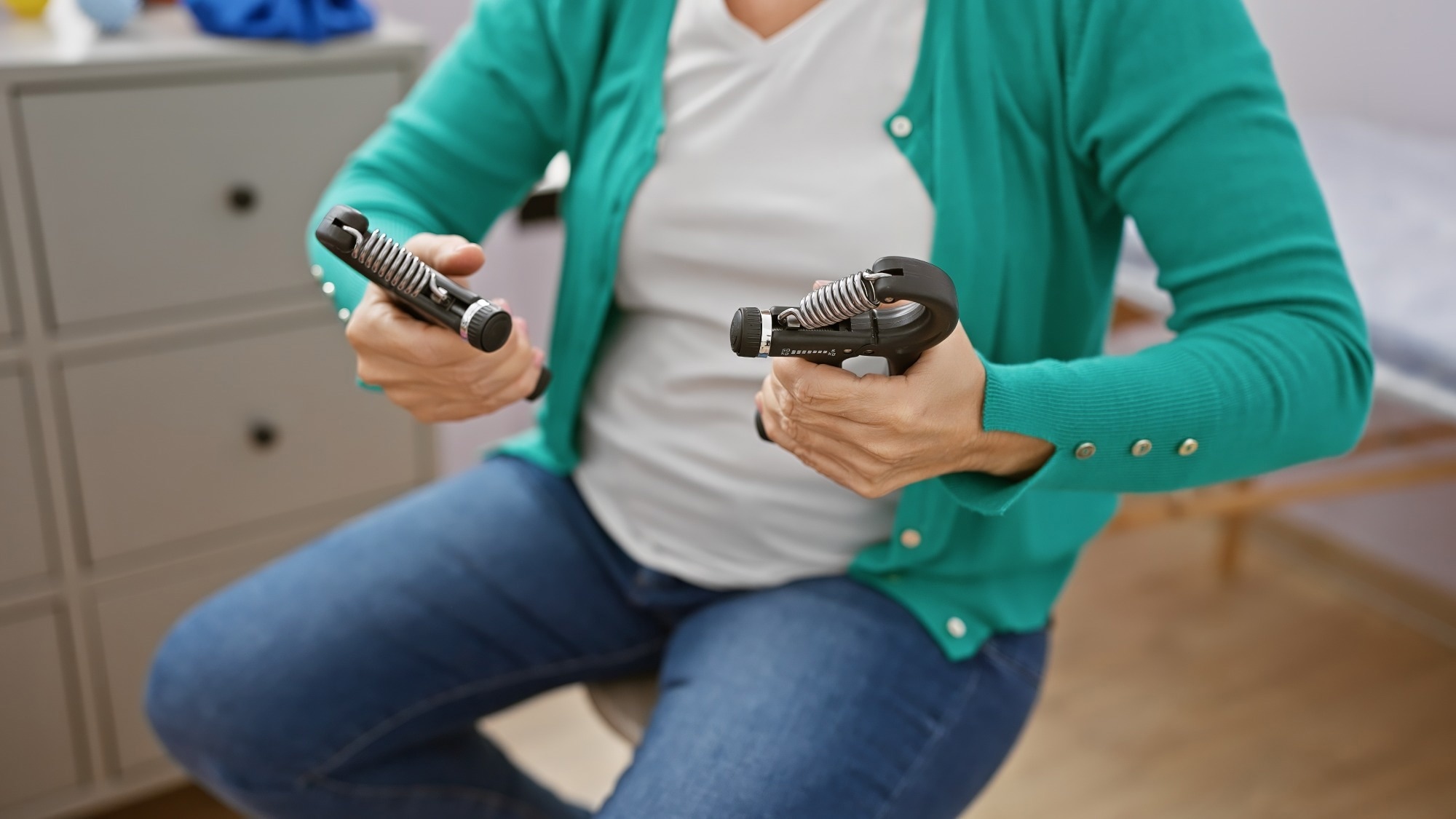 Study: The relationship between muscle strength and working memory in older adults: fNIRS-based evidence. Image credit: Krakenimages.com/Shutterstock.com
Muscle strength is reliably associated with cognitive function, yet little is known about its effect on working memory. A recent study published in the journal Frontiers in Psychology examined correlations between working memory and muscle strength.
Grip strength declines alongside cognitive aging
Grip strength is an important marker of cognitive performance, perhaps because both share the same neural pathways. Muscle strength and cognitive function wane with age. Initially, muscle mass drops by about 3 % to 8 % per decade from approximately 30 to 60 years, followed by a steeper decline.
Wednesday, November 26, 2025
Higher Education Linked to Memory Preservation in Adults Aged 90 Years and Older
Pretty much useless, higher education is not defined. Do I need to get more schooling beyond my bachelor's degrees? Or does that schooling need to be done in younger years?
Higher Education Linked to Memory Preservation in Adults Aged 90 Years and Older
Higher formalized education is linked to better episodic memory even in adults aged 90 and older, underscoring its role as a lifelong resilience factor.Higher educational attainment is linked to better episodic memory even among adults aged 90 years and older, according to findings published in Alzheimer’s & Dementia.
Previous research has shown that greater education is linked to lower dementia risk and larger hippocampal volumes. However, the influence of education as a protective factor in adults over 90 years of age, particularly across racially and ethnically diverse populations, had not been clearly defined.
Researchers analyzed 277 participants (mean age, 93.1 years; 54.5% women) enrolled in the LifeAfter90 study. Participants represented a diverse population of Asian, Black, Latinx, and White adults. Education was self-reported and categorized by years of formal schooling. Brain structure was assessed using 3T magnetic resonance imaging to measure hippocampal volume adjusted for total intracranial volume, while verbal episodic memory was evaluated using the Spanish and English Neuropsychological Assessment Scales. The researchers used regression, mediation, and moderated mediation models to assess relationships between education, hippocampal volume, and memory performance, controlling for age, sex, and the interval between imaging and cognitive testing.
Overall, these findings support a positive influence of prolonged formalized education on memory among the diverse oldest-old adults.
Higher education was significantly associated with better episodic memory performance (β, 0.153; P =.012). Greater hippocampal volume also predicted stronger memory performance (β, 0.171; P =.007). However, education itself was not directly associated with hippocampal volume overall (P =.785).
When examined by race and ethnicity, associations differed. Higher education predicted larger hippocampal volume in Black participants (b, 0.07; 95% CI, 0.011-0.132; P =.021) but smaller hippocampal volume in Latinx participants (b, -0.04; 95% CI, -0.074 to -0.003; P =.03). Among Latinx participants, smaller hippocampal volume mediated the link between higher education and poorer memory performance (indirect effect b, -0.011; 95% CI, -0.027 to -0.001).
Overall, higher education remained positively associated with memory across all groups (b, 0.044; P =.009), suggesting that educational attainment may provide lasting resilience for cognitive health well into advanced age.
Study limitations include a cross-sectional design, possible underpowered subgroup analyses, potential selection bias, and educational differences across racial and ethnic groups. “Overall, these findings support a positive influence of prolonged formalized education on memory among the diverse oldest-old adults,” concluded the authors.
Higher educational attainment is linked to better episodic memory even among adults aged 90 years and older, according to findings published in Alzheimer’s & Dementia.
Previous research has shown that greater education is linked to lower dementia risk and larger hippocampal volumes. However, the influence of education as a protective factor in adults over 90 years of age, particularly across racially and ethnically diverse populations, had not been clearly defined.
Researchers analyzed 277 participants (mean age, 93.1 years; 54.5% women) enrolled in the LifeAfter90 study. Participants represented a diverse population of Asian, Black, Latinx, and White adults. Education was self-reported and categorized by years of formal schooling. Brain structure was assessed using 3T magnetic resonance imaging to measure hippocampal volume adjusted for total intracranial volume, while verbal episodic memory was evaluated using the Spanish and English Neuropsychological Assessment Scales. The researchers used regression, mediation, and moderated mediation models to assess relationships between education, hippocampal volume, and memory performance, controlling for age, sex, and the interval between imaging and cognitive testing.
Overall, these findings support a positive influence of prolonged formalized education on memory among the diverse oldest-old adults.
Higher education was significantly associated with better episodic memory performance (β, 0.153; P =.012). Greater hippocampal volume also predicted stronger memory performance (β, 0.171; P =.007). However, education itself was not directly associated with hippocampal volume overall (P =.785).
When examined by race and ethnicity, associations differed. Higher education predicted larger hippocampal volume in Black participants (b, 0.07; 95% CI, 0.011-0.132; P =.021) but smaller hippocampal volume in Latinx participants (b, -0.04; 95% CI, -0.074 to -0.003; P =.03). Among Latinx participants, smaller hippocampal volume mediated the link between higher education and poorer memory performance (indirect effect b, -0.011; 95% CI, -0.027 to -0.001).
Overall, higher education remained positively associated with memory across all groups (b, 0.044; P =.009), suggesting that educational attainment may provide lasting resilience for cognitive health well into advanced age.
Study limitations include a cross-sectional design, possible underpowered subgroup analyses, potential selection bias, and educational differences across racial and ethnic groups. “Overall, these findings support a positive influence of prolonged formalized education on memory among the diverse oldest-old adults,” concluded the authors.
Friday, June 20, 2025
Wellbeing May Help Protect Memory in Middle Age
Still in middle age at age 69, happier than all get out.
I reflect on my life with a stroke at age 50 being the best thing to happen to me.
My story: I would still be leading a life of quiet desperation if still married.
Why my stroke was the best thing to ever happen to me
(Life is
definitely better as I age, I got divorced enhancing my happiness
immeasurably. I'm retired and comfortably well off. And healthy as I can
be post stroke. I'm going to live a long time yet.)
People really need to start listening to and repeating the Ani DeFranco song. I'm happy.
"If Yr Not"
If you’re not, if you’re not
If you’re not, if you’re not
If you’re not getting happier as you get older
Then you’re fuckin’ up
Wellbeing May Help Protect Memory in Middle Age
Summary: A new 16-year study of over 10,000 adults finds that higher wellbeing is linked to better memory performance in middle age. Researchers tracked participants’ psychological wellbeing and memory recall, finding that those with higher life satisfaction were more likely to retain stronger cognitive function over time.
This effect persisted even after adjusting for depression, suggesting a unique link between wellbeing and brain health. The results add to growing evidence that mental and emotional health can play a key role in protecting memory and delaying cognitive decline.
Key Facts:
- Sustained Link: Higher psychological wellbeing predicted better memory scores, even 16 years later.
- Independent of Depression: The wellbeing–memory connection held even after adjusting for depressive symptoms.
- Preventative Potential: Enhancing wellbeing could be a protective factor against age-related cognitive decline.
Source: Taylor and Francis Group
Higher levels of wellbeing may help reduce the risk of memory loss in middle age, suggests new research, which tracked more than 10,000 over 50-year-olds across a 16-year span.
Findings that are published today, in the peer-reviewed journal Aging & Mental Health, found those who said they had higher wellbeing were more likely to subsequently have better scores on memory tests.

These people – all of whom were determined as having ‘healthy brains’ – also reported a greater sense of control, independence, and freedom to make choices.
This association between psychological wellbeing and better recall was small but significant. The link was also independent of depressive symptoms, according to the researchers.
However, the analysis by a cohort of 15 experts across the UK, US and Spain found no evidence to suggest better memory was linked with later higher wellbeing, although the authors say the possibility cannot be discounted.
The academics add that the results highlight that psychological and social factors affect brain health, and wellbeing may protect against cognitive impairment. Interventions to promote psychological wellbeing such as mindfulness could maintain mental functions such as memory as people age.
“In the context of an ageing population, understanding factors that may protect and maintain healthy cognitive function is critical for enhanced population health and health policy development,” explains lead author Dr Amber John, a Lecturer in Psychology at the University of Liverpool and a current Alzheimer’s Research UK Fellow, who specialises in research on ageing, with a specific focus on mental health, neurodivergence, and dementia.
“While, in this research, we can’t examine and understand the relationship between causes and effects, determining if one event leads to another (causality), our findings are important in proposing that good wellbeing predates better memory rather than vice versa.
“This suggests that the link between wellbeing and memory is not just because people with poor memory have poor wellbeing and that, if causality is demonstrated, improving wellbeing could protect against subsequent memory decline.”
Co-author Joshua Stott, a Professor of Ageing and Clinical Psychology at UCL, adds: “This study represents an important step toward understanding the interplay between wellbeing and memory over time. It offers new insights into how self-rated wellbeing is associated with memory and vice versa.
“While our findings are preliminary, they highlight the importance of considering psychosocial influences on brain health such as memory.”
Depression and anxiety are widely recognised as risk factors in faster decline of brain health and dementia. A key global healthcare priority is now to prevent dementia.
Wellbeing is defined as emotional health combined with being able to function effectively. Happiness, confidence, a sense of purpose and control over life are among the elements of wellbeing.
Existing studies have suggested a positive link between wellbeing, age-related decline in mental processes in the brain, and mild impairment of these functions. Memory is regarded as a cornerstone of an individual’s mental processes.
However, most studies have only tested this link between wellbeing and memory in one direction or another. The aim of this research was to provide longer-term insights into the relationship between wellbeing and memory in people who have yet to experience significant cognitive decline.
Data was based on 10,760 men and women who took part in the English Longitudinal Study of Ageing Self-reported. This existing long-term research project involves UK adults over the age of 50 and includes attitudes to well-being.
Participants were assessed on wellbeing and memory every two years – a total of nine times during the 16-year study period stretching back to 2002.
Researchers used a learning task to check participants’ ability to recall ten words immediately and after a delay. Wellbeing was assessed using a quality-of-life questionnaire. Participants scored themselves based on satisfaction of specific needs – pleasure, control, autonomy, and self-realisation. Questions included ‘I can do the things that I want to do’, and ‘I feel that life is full of opportunities’.
The authors excluded anyone with a dementia diagnosis at the start of the study.
Results showed a small but significant association between higher wellbeing and better memory. In addition, the study found that the impact of wellbeing on memory was significant even after adjusting for depression. The authors say this suggests links between wellbeing and memory exist independent from depressive symptoms.
Biological factors such as cardiovascular disease and those linked to lifestyle – such as physical activities – are among possible reasons for the effect of wellbeing on memory, say the authors. Age, gender, lifestyle, and socioeconomic status may also have a negative or positive impact on the relationship between wellbeing and memory function.
Despite the lack of evidence for memory affecting wellbeing, the authors say this cannot be ruled out. They say lower psychological wellbeing may be a sign of ‘oncoming cognitive impairment’ before symptoms become apparent.
The research was funded by Alzheimer’s Research UK; Medical Research Council (a part of UKRI); National Institute on Aging; and National Institute for Health and Care Research (NIHR).
Emma Taylor, Information Services Manager at Alzheimer’s Research UK, comments: “Loving your heart, staying sharp and keeping connected are key to protecting our brain health as we age.
“There are 14 established health and lifestyle risk factors for dementia, including lack of physical exercise, social isolation, and depression, which are linked to wellbeing.
“This study found that people over 50 who reported they felt happier and more fulfilled in life had a better memory over time. However, this research is observational – and more work is needed to understand how a positive wellbeing and memory are connected and whether this has a knock-on effect on dementia risk.
“Looking after our mental wellbeing plays an important part in our overall health. And it’s never too late to start taking steps to keep our brains healthy throughout our lives and lessen the devastating impact of dementia.”
As with all long running longitudinal studies, one limitation of this paper is sample attrition over the follow-up period. However, the team used a research methodology which enabled use of use of all available information in the observed data, without imputation or discarding cases.
To conclude, authors say their results could provide the basis for further research into what factors can enhance brain health in aging populations.
Co-author Dr Emily Willroth, an Assistant Professor of Psychological & Brain Sciences at Washington University, in St Louis, Missouri, adds: “Going forwards it would be fantastic if this research can build on the foundations of ongoing memory research to potentially inform strategies supporting cognitive health in ageing populations – that is the aim.”
About this aging and cognition research news
Author: Simon Wesson
Source: Taylor and Francis Group
Contact: Simon Wesson – Taylor and Francis Group
Image: The image is credited to Neuroscience News
Original Research: Open access.
“Wellbeing and memory function: testing bidirectional associations in the English Longitudinal Study of Ageing (ELSA)” by Amber John et al. Aging & Mental Health
Tuesday, June 3, 2025
Association between stroke and memory diseases: evidence from a prospective national cohort study in China
Didn't power the research properly, so had to request more research. YOU'RE FIRED!
Association between stroke and memory diseases: evidence from a prospective national cohort study in China


- 1Department of Neurology, Ningbo Medical Centre Li Huili Hospital, Ningbo, Zhejiang Province, China
- 2Ningbo Medical Centre Lihuili Hospital, Ningbo, China
Background:
Previous studies had shown stroke played an important role in the pathogenesis of memory diseases. Thus, this study investigated the correlation between stroke and memory diseases (Alzheimer's disease (AD) and brain atrophy) and provided a new theoretical basis for the diagnosis of stroke disease.
Methods:
A total of 15,904 total participants were obtained based on the China Health and Retirement Longitudinal Study (CHARLS), including 322 stroke subjects and 15582 control subjects. Stroke was outcome variable, after the questionnaire, the subjects were divided into stroke and control groups. Meanwhile, various categorical variables, such as memory diseases (AD, brain atrophy), gender and medical insurance were included in this study. The weighted chi-square test was used to analyze whether there were differences in covariates between stroke and control groups. In addition, the correlation between memory diseases and stroke were analyzed by weighted logistic regression. Receiver operating characteristic (ROCs) curves were used to assess the accuracy and reliability of the Model III.
Results:
Stroke and control subjects differed significantly in a variety of clinical characteristics, and variables such as healthy status, patient service and memory diseases were significantly correlated with stroke prevalence. According to the three models constructed in this study, memory diseases was significantly associated with stroke in all three models (Model I, odds ratio (OR) = 7.33, p < 0.001, 95% Confidence interval (CI) = 5.31-9.94; Model II, OR = 7.33, p < 0.001, 95% CI = 5.31-9.95; Model III, OR = 3.84, p < 0.001, 95% CI = 2.73-5.30). Weighted logistic regression analysis showed the stability of the relationship between memory diseases and stroke, further suggested the correlation between memory diseases and stroke. Finally, the area under curve (AUC) of 0.778 indicated that the prediction accuracy of Model III was better.
Conclusions:
According to the results in this study, there was a significant association between memory diseases and stroke. It is worthwhile to further study the mechanisms between stroke and memory diseases.
Keywords: memory diseases, Alzheimer's disease, brain atrophy, Stroke, China Health and Retirement Longitudinal Study
Received: 10 Mar 2025; Accepted: 02 Jun 2025.
Copyright: © 2025 Zhou, Lv, Gan, Xie and Xiao. This is an open-access article distributed under the terms of the Creative Commons Attribution License (CC BY). The use, distribution or reproduction in other forums is permitted, provided the original author(s) or licensor are credited and that the original publication in this journal is cited, in accordance with accepted academic practice. No use, distribution or reproduction is permitted which does not comply with these terms.
* Correspondence: Zhongyue Lv, Ningbo Medical Centre Lihuili Hospital, Ningbo, China
Disclaimer: All claims expressed in this article are solely those of the authors and do not necessarily represent those of their affiliated organizations, or those of the publisher, the editors and the reviewers. Any product that may be evaluated in this article or claim that may be made by its manufacturer is not guaranteed or endorsed by the publisher.
Thursday, June 13, 2024
This Diet Wipes Out Memory And Learning
Does your competent? doctor have enough functioning brain cells to get the nutritionist to create EXACT DIET PROTOCOLS to prevent this problem?
This Diet(Western style) Wipes Out Memory And Learning
Tuesday, September 12, 2023
Older adults can blame ‘clutter’ for difficulties with memory
Are your doctors taking this into account when testing your memory post stroke?
Older adults can blame ‘clutter’ for difficulties with memory
There’s a paradox in memory science: Empirical evidence and life experience both suggest older adults have more knowledge of the world. However, in laboratory settings, they generally perform worse on memory tests than younger adults. What can explain the disparity?
The answer might be “clutter,” according to a review of memory studies published Friday in the journal Trends in Cognitive Science.
Tarek Amer is a postdoctoral fellow at Columbia and Harvard Universities and the review’s first author. While some scientists think that as adults grow older, they begin to form “impoverished memories” — memories that contain less information relative to the memories of younger people — Amer and his colleagues have a different view. Instead, “older adults might actually be forming too many associations between information,” Amer said.
Compared to young adults, healthy older adults (defined in the paper as 60 to 85 years old) process and store too much information, most likely because of greater difficulty suppressing irrelevant information, the analysis found. This difficulty is described as “reduced cognitive control” and can explain the cluttered nature of older adults’ memory representations.
Related video: Elderly patients are at risk of financial abuse

“It’s not that older adults don’t have enough space to store information,” Amer said. “There’s just too much information that’s interfering with whatever they’re trying to remember.”
This explanation stems from and is supported by the team’s review of several behavioral and neuroimaging studies. Their paper “makes a compelling case that, as we get older, part of the problem is that we get less selective,” said Charan Ranganath, a professor at the University of California, Davis Center for Neuroscience. Ranganath was not part of the new paper.
It’s a phenomenon that, on some level, is experienced across ages.
“A great deal of everyday forgetting is not necessarily because we cannot form new memories, but rather, we can’t find what we want when we need it,” Ranganath said.
“Many of us have the experience of being unable to recall a person’s name or locate where we left our keys, only to have that information pop into our head later,” he added.
This happens because people form many similar memories, such as all the people they have recently met or all the places they could have put their keys. That makes it challenging to select the correct information, Ranganath explains.
Amer and colleagues argue this happens more frequently as people get older, not because they are losing brain plasticity or progressing toward amnesia, but because of these “cluttered memoryscapes.” Memories include the target information — what one is being asked to recall — and irrelevant information.
Reduced cognitive control can result in older adults having a harder time focusing on one piece of information because irrelevant information can be “stored in the same memory representation as the one that contains the target information,” Amer said. These distractions are bound to what the person is trying to remember and can ultimately impair memory if one is asked to recall something specific.
Amer illustrates it this way: A person knows several people named Mike, but they are trying to remember the last name of just one of the Mikes. As they think through all of the Mikes they know, they have to filter through everything they know about these people and suppress all the information related to the wrong Mikes. This internal navigation becomes especially difficult when one is older because it becomes more challenging to suppress irrelevant information.
This “interpretation [of the data] is sensible,” said André Fenton, a professor of neural science at New York University, who is not affiliated with the new paper. Fenton studies how brains store experiences as memories.
“We often think of distractions as coming from the outside, but there are distractions of internal origin,” Fenton said. “I would argue that internal distraction is far greater and always more challenging than external distraction.”
More research is needed to understand why reduced cognitive control can result in cluttering. One proposed explanation links back to the hippocampus, the complex brain structure that plays a significant role in learning and memory. It’s possible the hippocampus might be “indiscriminately forming these extra associations between all these pieces of information,” Amer said.
Generally, there’s also a need in memory and aging science to include more diverse populations into study samples, Ranganath said. For example, most research on older adults has been “based on samples of mostly white, highly educated, upper-middle-class individuals.” He thinks these findings would still hold up in a larger, more diverse study sample, but that research needs to happen to know definitely.
Meanwhile, memory cluttering isn’t entirely bad. While “cluttered” is the favored phrase in the paper, its authors write that the word could be substituted for “enriched” or “elaborated.” While the clutter of irrelevant information can make it more difficult to remember a specific detail, excessive knowledge can also help an individual in certain situations — such as when there’s a need to be creative, make a decision, or learn something new. These moments benefit from comprehensive knowledge.
In turn, it’s possible that the paradox of why older adults perform worse on most memory tests despite having more knowledge can be explained by something else: the tests themselves.
“There’s this prevalent idea in the literature that, as we age, we tend to perform worse on memory tests, which is true, but it’s also a result of the types of tests that we tend to use in the lab,” Amer said. “Those usually require a narrow focus of attention on one piece of information: You have to focus on the information, remember it, and then remember it again later on. Those are the types of tests that older adults don’t perform well on.”
But they perform better than younger adults on different types of tests — those that focus more on creativity and decision-making. This suggests the relationship between aging and performance should be viewed with more nuance, he said. Cognitive ability isn’t necessarily declining with age; it depends on the context.
“I think it just helps to know that, as we get older, we still have the capability to learn, but we’re not using it the right way,” Ranganath said. “When we see that we’re actually taking in lots of information, it helps to alleviate that feeling of helplessness and anxiety that we can feel when we can’t recall something. It changes the discussion from ‘aging sucks’ to ‘how can I keep my brain healthy as I get older?’”
Saturday, July 29, 2023
Stimulation of the Cerebellum Improves Episodic Memory in Older People
Doesn't your doctor already having you use some tDCS rehab?
anodal tDCS (26 posts to August 2015)
HD-tDCS (8 posts to January 2013)
cathodal tDCS (21 posts to July 2013)
tDCS (95 posts to April 2011)
Bicephalic tDCS (1 post to June 2022)
c-tDCS (3 posts to September 2019)
Dual-tDCS (1 post to January 2014)
remote tDCS (1 post to August 2022)
RS-tDCS (1 post to August 2022)
But did you invalidate this research?
Transcranial Brain Stimulation: No Benefit for Stroke Rehab
Stimulation of the Cerebellum Improves Episodic Memory in Older People
Summary: Transcranial direct current stimulation (tDCS) of the right cerebellum improved episodic memory in elderly people, a new study reports. The findings open the door to developing new, non-invasive therapies to treat age-related memory and cognitive problems.
Source: BIAL Foundation
A recent study demonstrated that non-invasive stimulation of the right cerebellum led to improvements in episodic memory performance in healthy elderly individuals, at the end of a 12-day neurostimulation program, and also at the point of a 4-month follow-up.
The steady increase in average life expectancy poses significant challenges to individuals, families, and societies across multiple dimensions.
Estimating that by 2050 one in every six individuals will be over the age of 65, the study of aging and its association with cognitive decline, neurodegenerative diseases and overall frailty is becoming increasingly important.
Therefore, it has been an important goals of neurosciences research to understand the relationship between the aging brain and episodic memory deficits and to develop interventions to mitigate the age-related decline in our ability to remember personal past events (episodic memory).
The research team led by Jorge Almeida (Faculty of Psychology and Educational Sciences, University of Coimbra) published the article “The cerebellum is causally involved in episodic memory under aging,” in GeroScience, which demonstrated that the cerebellum is one of the neuronal regions causally involved in episodic memory during aging.
If in the past the cerebellum was considered exclusively as the basis of motor coordination, controlling, for example, our balance and posture, in recent decades studies have proven that this brain region, located at the back of the brain, also decisively influences cognitive and emotional processes.
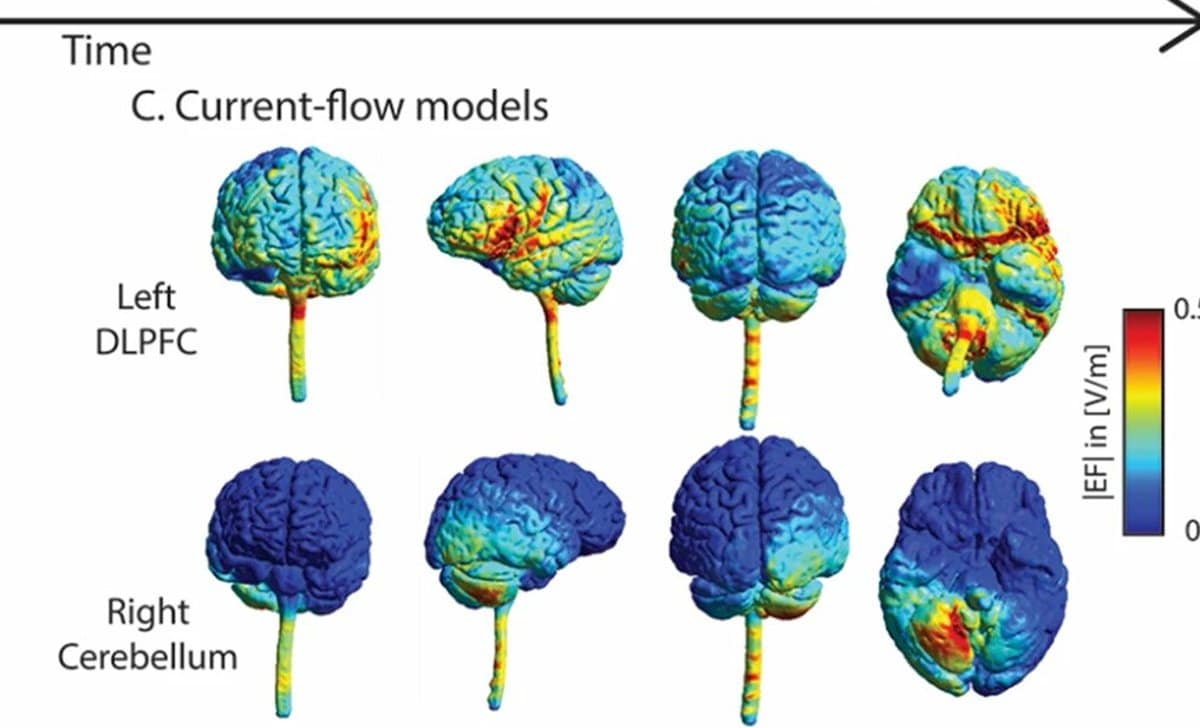
In this study, the team of researchers from universities of Portugal, Brazil, the U.S., and Iran delivered a 12-day neurostimulation program to the right cerebellum of 56 healthy elderly individuals aged 60 years old or over, and registered improvements in their episodic memory performance that lasted at least four months beyond the stimulation period.
The results demonstrate the causal relevance of the cerebellum in processes associated with long-term episodic memory, highlighting its role in regulating and maintaining cognitive processing.
According to Jorge Almeida, this work “opens up the possibility of developing non-pharmacological interventions to ameliorate typical age-related cognitive frailty that induce long-lasting improvements that, at least, outlast the four months tested herein.”
About this aging, neurotech, and memory research news
Author: Press Office
Source; BIAL Foundation
Contact: Press Office – BIAL Foundation
Image: The image is credited to the researchers/GeroScience
Original Research: Open access.
“The cerebellum is causally involved in episodic memory under aging” by Jorge Almeida et al. GeroScience
Saturday, June 24, 2023
Inhale, Exhale, Remember: Uncovering the Breath-Memory Connection
What is your doctor's breathing protocol? Doesn't have one, then you don't have a functioning stroke doctor.
RUN AWAY!
What does your doctor think? Should you be doing slow breathing as the book
'Breath: The New Science of a Lost Art' by James Nestor
says?
5 Ways To Improve Your Breathing with James Nestor
Or should you be doing fast breathing in
Creation of nitric oxide via Breath of Fire February 2014
And why doesn't your doctor know a damn thing about a breathing protocol?
The latest here:
Inhale, Exhale, Remember: Uncovering the Breath-Memory Connection
Summary: Intricate links between breathing and memory recall have been unraveled by recent scientific research, painting a more complex picture of our cognitive processes.
Studies reveal that the rhythm of our breathing can influence neural activity, impacting cognitive functions such as emotional processing and memory recall.
The most compelling evidence highlights that inhalation, particularly through the nose,(As James Nestor writes about.) can improve memory function. As this field of study emerges, these insights could lead to novel therapeutic approaches for cognitive decline and memory-related conditions.
Key Facts:
- The rhythm of our breathing creates electrical activity in the brain, enhancing emotional judgment and memory recall, with this effect being most pronounced during inhalation through the nose.
- The amygdala and hippocampus, brain areas linked to emotion and memory, are significantly affected by the rhythm of breathing, suggesting that the act of breathing can modulate the functions of these regions.
- Deep, controlled breathing, often used in mindfulness practices, can improve working memory capacity, the kind of memory we use to hold and manipulate information over short periods.
Source: Neuroscience News
Breathing: it’s an automatic process we often don’t give a second thought. Yet recent scientific discoveries have begun to shed light on a fascinating relationship between breathing and memory function.
Our breath influences our neural activity, which in turn, impacts our cognitive functions including attention, memory recall, and emotional processing.
The rhythm of our breathing creates electrical activity in the brain that contributes to the enhancement of emotional judgments and memory recall.
In fact, a study led by Christina Zelano at Northwestern University demonstrated that the act of breathing, specifically through the nose, can have a direct impact on cognitive functions such as memory recall.
Zelano’s research team carried out a series of experiments involving human subjects and found that memory recall was significantly better during inhalation compared to exhalation. This effect was most pronounced when the subjects were breathing through their noses.
The study showed that the rhythm of breathing can induce changes in the brain, enhancing the emotional judgment and improving memory recall.
Furthermore, the amygdala and the hippocampus, two brain regions linked to emotion, memory function, and smell, are significantly affected by the breathing rhythm.
These areas of the brain are part of the limbic system, which controls emotions and memory. It’s thought that the act of breathing may modulate the functions of these brain regions, thereby influencing memory and emotional processing.
Moreover, the act of controlled, deep breathing, often utilized in mindfulness and meditation practices, has been shown to enhance memory recall.
A study published in the Journal of Sport and Exercise Psychology showed that mindfulness-based attention, which involves focusing on one’s breathing, increases the ability to maintain visuospatial information over short periods.
This suggests that deep, controlled breathing can improve working memory capacity, the kind of memory we use to hold and manipulate information in our minds over short periods.
While the relationship between breathing and memory remains an emerging field, these findings suggest exciting possibilities for future research and potential therapeutic applications.
Understanding the impact of breathing on memory could have implications for interventions related to cognitive decline, stress, anxiety, and conditions such as ADHD and Alzheimer’s disease.
In conclusion, it seems that the simple act of breathing, often taken for granted, can play a significant role in our cognitive functions, specifically memory recall.
So next time you’re struggling to remember something, take a moment, take a deep breath, and see if it helps. It appears our breath holds more power over our brains than we might think.
About this neuroscience and memory research news
Author: Neuroscience News Communications
Source: Neuroscience News
Contact: Neuroscience News Communications – Neuroscience News
Image: The image is credited to Neuroscience News
Citations:
“Nasal Respiration Entrains Human Limbic Oscillations and Modulates Cognitive Function” by Christina Zelano et al. Journal of Neuroscience
“Mindfulness, Movement Control, and Attentional Focus Strategies: Effects of Mindfulness on a Postural Balance Task” by Kee et al. Journal of Sport and Exercise Psychology
“Respiration modulates olfactory memory consolidation in humans” by Artin Arshamian, Behzad Iravani, Asifa Majid and Johan N. Lundström in Journal of Neuroscience.
Monday, February 6, 2023
An 81-year-old brain doctor's 7 'hard rules' for keeping your memory 'sharp as a whip'
How many of these did your doctor inform you about? NONE? Then you don't have a functioning stroke doctor.
An 81-year-old brain doctor's 7 'hard rules' for keeping your memory 'sharp as a whip'
Like any other part of your body, your brain needs daily exercise. Neglecting your brain health can make you vulnerable to degenerative brain diseases like Alzheimer's and other forms of dementia.

As a neuroscientist, I've spent decades guiding patients with memory problems through brain-enhancing habits and exercises — many of which I practice, too.
Here are seven hard rules I follow to keep my brain and memory sharp as a whip at 81 years old:
1. Choose fiction when you can.
You can learn a lot from non-fiction works, but they are often organized in ways that allow you to skip around based on personal interests and previous familiarity with the subject.
Fiction, on the other hand, requires you to exercise your memory, as you proceed from beginning to end and retain a variety of details, characters and plots.
Incidentally, I've noticed over my years as a neuropsychiatrist that people with early dementia, as one of the first signs of the encroaching illness, often stop reading novels.
2. Never leave an art museum without testing your memory.

My favorite painting to do visualization exercises with is Edward Hopper's "Western Motel," which depicts a woman sitting in a sunlit motel bedroom.
Start by intently studying the details until you can see them in your mind's eye. Then describe the painting while looking away from it.

Did you include the tiny clock on the bedside table? The gooseneck lamp? The piece of clothing on the chair at the lower right of the painting? Can you recall the colors and the composition of the room?
You can do this with any piece of art to boost your memory.
3. Keep naps under 90 minutes.
Naps lasting anywhere from 30 minutes to an hour and a half, between 1:00 p.m. to 4:00 p.m., have been shown to increase later recall for information encoded prior to the nap.
Several studies have also found that naps can compensate for poor sleep at night. If you struggle with insomnia, a mid-afternoon nap can boost memory performance.
Over the years, I've trained myself to nap for exactly half an hour. Some people I know have learned to nap for only 15 minutes, and then wake up refreshed and reinvigorated.
4. No party is complete without brain games.
My favorite activity is "20 Questions," where one person (the questioner) leaves the room and the remaining players select a person, place or thing. The questioner can ask up to 20 questions to guess what the group decided.
Success depends on the questioner's ability to keep clearly in mind all of the answers and mentally eliminating possible choices on the basis of the answers.
Bridge and chess are also great for exercising your memory: In order to do well, you have to evaluate previous games, while also considering the future consequences of your decisions in the past and present.
5. Eat brain foods.
Dr. Uma Naidoo, a nutritional psychiatrist at Harvard Medical School, has a great acronym for a BRAIN FOODS:
- B: Berries and beans
- R: Rainbow colors of fruits and vegetables
- A: Antioxidants
- I: Include lean proteins and plant-based proteins
- N: Nuts
- F: Fiber-rich foods and fermented foods
- O: Oils
- O: Omega-rich foods
- D: Dairy
- S: Spices
And good news for chocoholics (like me): A 2020 study found that cocoa flavonoids, the ingredients in dark chocolate, can enhance episodic memory in healthy young adults.
6. Use images for hard-to-remember things.
My wife's dog, Leah, is a Schipperke (pronounced "SKIP-er-kee"). It is a distinctive name, but I'd have the hardest time remembering it. So to finally be able to answer "What kind of breed is that?" at the dog park, I formed the image of a small sailboat (small dog) with a burly skipper holding a huge key.
Get in the habit of converting anything which you find hard to remember into a wild, bizarre or otherwise attention grabbing image.
7. Don't sit on the couch all day.
One recent study of 82,872 volunteers found that participants 80 years or older who engaged in moderate to high level of physical activity were at lower risk for dementia, compared with inactive adults aged 50 to 69 years.
Even just a shift from sedentary non-activity (prolonged sitting, a "never walk when you can drive" attitude), to active movement (standing, climbing stairs, walking a mile daily) made a difference.
Housework has also been linked to higher attention and memory scores and better sensory and motor function in older adults.
Dr. Richard Restak, MD, is a neuroscientist and author of 20 books on the human brain, including "The Complete Guide to Memory: The Science of Strengthening Your Mind" and "Think Smart: A Neuroscientist's Prescription for Improving Your Brain's Performance." Currently, he is the Clinical Professor of Neurology at George Washington Hospital University School of Medicine and Health Sciences. In 1992, Dr. Restak was a recipient of The Chicago Neurosurgical Center's "Decade Of The Brain Award."
Don't miss:
Sign up now: Get smarter about your money and career with our weekly newsletter
Subscribe to:
Posts (Atom)