Changing stroke rehab and research worldwide now.Time is Brain! trillions and trillions of neurons that DIE each day because there are NO effective hyperacute therapies besides tPA(only 12% effective). I have 523 posts on hyperacute therapy, enough for researchers to spend decades proving them out. These are my personal ideas and blog on stroke rehabilitation and stroke research. Do not attempt any of these without checking with your medical provider. Unless you join me in agitating, when you need these therapies they won't be there.

What this blog is for:

My blog is not to help survivors recover, it is to have the 10 million yearly stroke survivors light fires underneath their doctors, stroke hospitals and stroke researchers to get stroke solved. 100% recovery. The stroke medical world is completely failing at that goal, they don't even have it as a goal. Shortly after getting out of the hospital and getting NO information on the process or protocols of stroke rehabilitation and recovery I started searching on the internet and found that no other survivor received useful information. This is an attempt to cover all stroke rehabilitation information that should be readily available to survivors so they can talk with informed knowledge to their medical staff. It lays out what needs to be done to get stroke survivors closer to 100% recovery. It's quite disgusting that this information is not available from every stroke association and doctors group.

Showing posts with label Canada. Show all posts

Tuesday, April 7, 2026

New Canadian guideline bridges cardiology and neurology for brain–heart multimorbidity

 Your competent? doctor; if competent at all, already has protocols for all this stuff because they have been keeping up with research! That wasn't really meant as sarcasm, but I'm sure it's not true. Guidelines here; NOT PROTOCOLS! You need protocols, screaming at your doctor will be required, I'm sure!

New Canadian guideline bridges cardiology and neurology for brain–heart multimorbidity

BACKGROUND

Although brain and heart conditions share overlapping risk factors and commonly co-occur, current cardiac and neurologic clinical guidelines are typically produced within specialty silos. The objective of this guideline from a Canadian Cardiovascular Harmonized National Guideline Endeavour (C-CHANGE) panel is to expand on current cardiovascular guidelines to include evidence from the neurologic and mental health literature, with specific recommendations for providers managing comorbid brain and heart conditions.

METHODS

The guideline development panel comprised an Executive Steering Committee; 10 expert subgroups to develop research questions and draft recommendations for specific brain-heart conditions; an Evidence Review Team to ensure the rigour and consistent application of the methodology; and an Implementation Committee to facilitate uptake of the recommendations by clinicians and into electronic medical records. The McMaster Evidence Review and Synthesis Team supported the literature searches and critical appraisal. A panel of people with lived experience of specific conditions and caregivers provided input on patient values and perspectives throughout the guideline development process. Our consensus process followed the Appraisal of Guidelines for Research and Evaluation II framework. We used an established evidence appraisal approach to determine the level of evidence and strength of each recommendation, and adhered to the Guidelines International Network's principles for managing competing interests.

RECOMMENDATIONS

We developed 11 recommendations for the management of joint brain and heart diseases. Key recommendations include screening for cognitive decline in atrial fibrillation and depression in coronary artery disease; treatment of depression in coronary artery disease, cognitive impairment in hypertension, and dyslipidemia in stroke; and vaccination to prevent stroke, myocardial infarction, and dementia. We also recommend shared decision-making, including the use of evidence-based decision aids, to support patients with heart-brain diseases.

INTERPRETATION

We sought to produce an implementable and actionable guideline for patients with brain and heart comorbidity. It is primarily targeted to primary care providers, but also relevant to help address and individualize subspeciality care and for interprofessional teams caring for patients with joint brain and heart diseases.

REFERENCES

  1. Management of brain-heart multimorbidity: A clinical practice guideline.

    Edwards JD, Li Z, McFarlane P, Rabi DM, Gilbert J, Bajaj HS, MacIntosh BJ, Bittman J.

    CMAJ. 2026 Mar 29; 198(12): E425-E439

Saturday, March 8, 2025

Improving stroke outcomes for women - Canada

 You have to get involved; they are thinking way too small: continuum of stroke care(NOT RECOVERY!)

Improving stroke outcomes for women

New research network led by Dr. Amy Yu takes aim at sex and gender differences across stroke care
Dr. Amy Yu

Dr. Yu is an assistant professor of medicine at the University of Toronto and a stroke neurologist at Toronto’s Sunnybrook Health Sciences Centre.

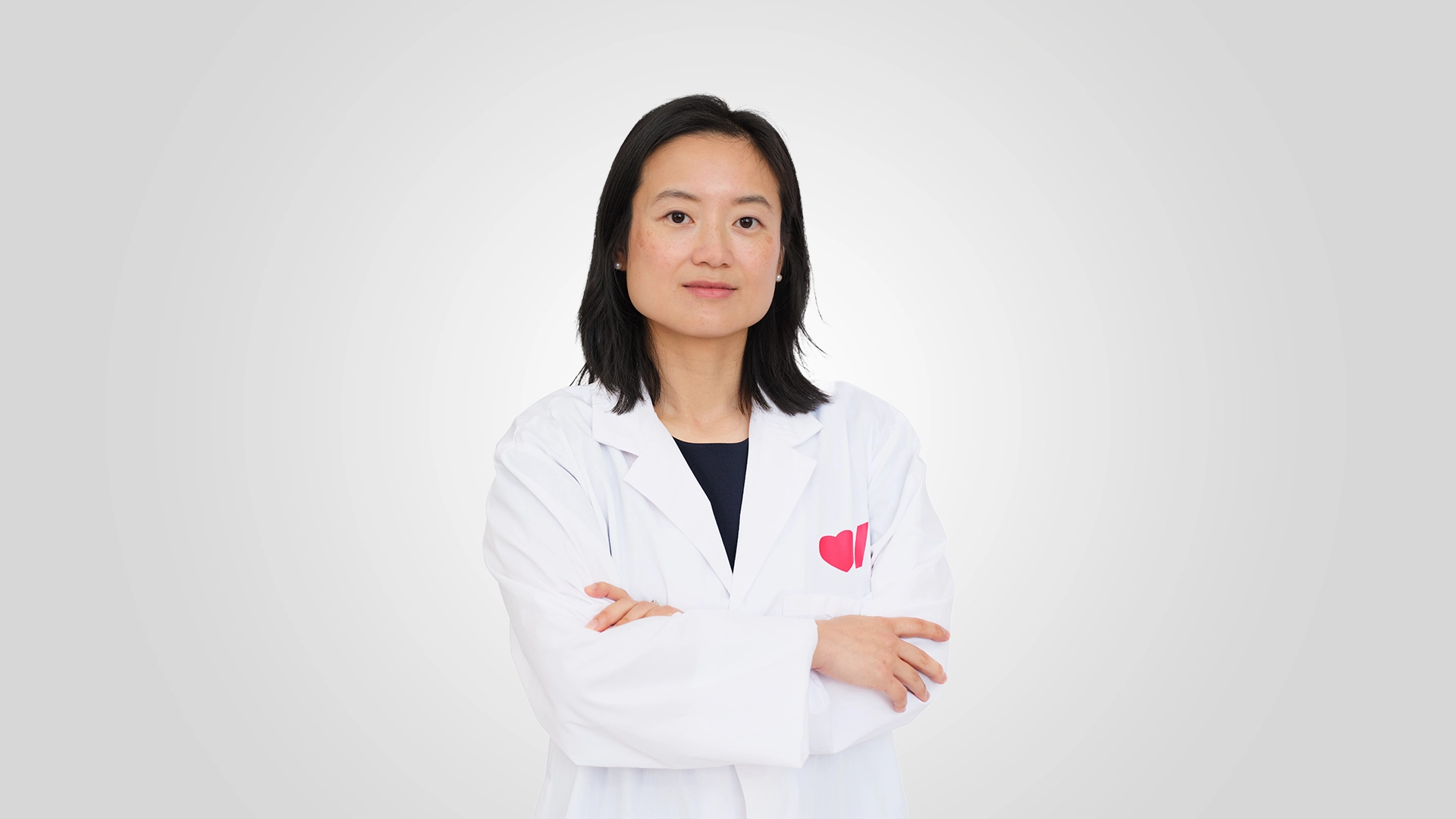
Dr. Amy Yu is thinking big — really big.(This is thinking small! NOT BIG! 'Care' is thinking small!) As a leader of an ambitious new research project aimed at improving women’s outcomes after stroke, she’s heading up a network of more than 50 experts from across Canada, including clinicians, researchers, people with lived experience, engineers, computer scientists, statisticians, educators, decision-makers and more.

The project, called StrokeGoRed, has been awarded $5 million over five years through the research networks of excellence in women’s heart and/or brain health, a new initiative funded by Heart & Stroke, along with partners Brain Canada and the Canadian Institutes of Health Research – Institute of Gender and Health.

The team is big because the target is big. According to Dr. Yu, an assistant professor of medicine at the University of Toronto and a stroke neurologist at Toronto’s Sunnybrook Health Sciences Centre, they are looking at the entire continuum of stroke care(NOT RECOVERY!). That covers everything from understanding risk factors and preventing stroke, through acute care, to recovery and rehabilitation after a stroke.

Heart & Stroke asked Dr. Yu to explain what makes StrokeGoRed unique, how it will tackle some of the most pressing questions around women and stroke, and what the team could achieve.

What problem is this research aiming to solve?

Dr. Yu: We know that women and men experience stroke differently in terms of risk factors, how they're being investigated for stroke, and sometimes how they're treated. And women have been shown — in research in Canada and elsewhere — to have worse outcomes in the current way we measure stroke outcomes, such as needing to go into long-term care, or having more disability.

StrokeGoRed is short for Stroke in Women: Growing Opportunities to Realize optimal Evaluation, Diagnosis, and outcomes. So, we really wanted to come together and look at how women and men experience stroke throughout the entire continuum of care(NOT RECOVERY!). We want to better understand what the differences are, how big they are, and how we can better individualize care(NOT RECOVERY!).

What are some aspects of stroke care the network will look at?

Dr. Yu: There are several components. One is a discovery phase on understanding sex-specific risk factors. What should we be screening women for? What should women be aware of when they speak to their doctors, or when they think about their health?

There's also a descriptive phase where we're looking at outcomes reported by patients, and drilling down on certain symptoms including sleep, cognition, mental health and return to work. In this phase, we’ll be asking, how can we better support our patients? Or, where do we need more research to find better treatments or management strategies for these symptoms?

What are the advantages of this network approach to research?

Dr. Yu: Members of the network have so much expertise to advance knowledge on sex and gender differences and stroke. The funding allows us to ask questions in all the different areas.

It’s super exciting to be able to bring together the experts on minor stroke, acute stroke, imaging, rehab, patient reported outcomes, along with an Indigenous scholar, patient partners, and many more.

With all these people at the table, we have a really broad perspective and a lot of diverse views on the questions, within a very collaborative group.

How will the network tackle specific topics?

Dr. Yu: To give an example, the stroke rehab expert will be asking novel rehab questions, and within the network, they can seek input from the prevention side. They can say, “Let's develop our questionnaire and analyses together and look at how hospital-based care can influence rehab later.”

Why is it important for the network to include people with lived experience of stroke?

Dr. Yu: They have intimately experienced the continuum of care(NOT RECOVERY!) – which we, as clinicians and researchers within our own specific areas, have not.

They bring a lot of insight in helping us shape our questions, because we want to make sure that our questions matter to patients. They also bring insight as to how we go about the research. So, if we are developing a questionnaire, we want to make sure our questions are acceptable to patients.

What changes do you hope to see in the next five years as a result of this research?

Dr. Yu: We will have several scientific publications and presentations. We expect to be presenting new knowledge about sex and gender differences in stroke, whether it's about risk factors, how to better treat patients, how to reduce inequities in care, or imaging markers of subsequent brain health.

Taken together, I hope this will answer some questions about how to better individualize care for women(NOT RECOVERY!) with stroke in Canada, in our clinics, in our hospitals and in our rehab centres.

I hope we’ll be able to provide advice for clinicians to inform their practice, and for the public, to improve their perception and knowledge of stroke risk and risk factors.

What are you personally most excited about?

Dr. Yu: This work is going to positively shape clinical care(NOT RECOVERY!) and future questions and research in this field. I really think we will grow as clinicians and researchers.

I’m also really excited about our ability to build capacity and support future researchers in the area. We will be announcing an award competition for post-doctoral fellows who are working in the areas of sex and gender in stroke and stroke rehabilitation.

Plus, we're building collaborations and understanding and relationships with Indigenous communities, particularly those in Northern Manitoba. By developing understanding and trust, we're going to be able to support these communities to answer questions that they have about their health.  

Saturday, March 16, 2024

Heart attack and stroke survivors face barriers to get healthier - Canada

The absolute worst barrier for stroke recovery is the COMPLETE FAILURE OF YOUR STROKE MEDICAL 'PROFESSIONALS' to solve stroke to 100% recovery! 

You don't understand ONE GODDAMN THING ABOUT SURVIVOR MOTIVATION, DO YOU? You create 100% recovery protocols and your survivor will be motivated to do the millions of reps needed because they are looking forward to 100% recovery. GET THERE! 

The problem is stroke researchers are not motivated to solve stroke. What the fuck is your solution to that failure? We still don't know how to motivate stroke medical 'professionals' to solve stroke to 100% recovery!


Heart attack and stroke survivors face barriers to get healthier - Canada

Some survivors of a heart attack or stroke struggle to get moving, manage stress and maintain a healthy weight, says a new Canadian report that stresses how important rehabilitation programs and family support can be.

About 165,000 Canadians survived a heart attack or stroke last year, but there are still 350,000 hospitalizations for the diseases each year, the Heart and Stroke Foundation said in its report released Monday.

The report includes highlights of an online poll of 2,010 Canadians who’d survived a heart attack or stroke, or were the loved ones of survivors. About seven in 10 survivors said they’d made healthy changes since the scare.

Survivors were most successful in eating a healthier diet, quitting smoking and reducing alcohol consumption.

But among people who needed to make those changes, more than half couldn’t maintain the change and others didn’t try.

"The biggest barrier was related to motivation, which was defined as a lack of interest in making the change, a feeling that the goals were unrealistic and that there was too much required all at once," the report’s authors said.

Other barriers included not understanding what changes were needed or how to make them, loss of physical or cognitive abilities since the event, and cost and time constraints.

The report’s authors also looked at how to support recovery, calling rehabilitation referral rates "unacceptably low." Evidence shows that about one-third of cardiac survivors who are eligible for rehabilitation are referred.

The main reason people gave for not starting or completing rehabilitation as recommended was, "I just didn’t want to do it," which can be an indicator of other factors such as anxiety, depression and lack of a clear endorsement from their doctor on the benefits.

"The number 1 benefit of rehabilitation is that it keeps survivors surviving," Dr. Neville Suskin, medical director of cardiac rehabilitation and secondary prevention at St. Joseph's Health Care in London, Ont., said in a release. Suskin pointed to other benefits: it makes people feel better, improves their quality of life, and reduces hospital readmissions as well as costs to the health-care system.

More than eight in 10 survivors said they feel that their family support helped them achieve a healthy lifestyle, such as assisting with chores during recovery and keeping stress levels in check.

The poll was conducted online by Environics Research Group between Nov. 25 and Dec. 3, 2013.

Saturday, December 16, 2023

New 28-bed unit at Winnipeg's Health Sciences Centre will offer 'care that stroke patients deserve'

The results they deserve is 100% recovery; NOT 'CARE'

The tyranny of low expectations in full display, I wouldn't go there with that mindset.

New 28-bed unit at Winnipeg's Health Sciences Centre will offer 'care that stroke patients deserve'

Acute stroke unit at Manitoba's largest hospital, announced in 2019, opens with 12 beds, will expand to 28

A woman stands facing the camera in a hospital hallway.
Treena Bilous, the acute stroke unit manager at Winnipeg's Health Science Centre, stands in the hallway of the new unit on Friday. It will welcome patients in need of intensive rehabilitation after a stroke starting on Monday. (Travis Golby/CBC)

The centralized unit at Manitoba's largest hospital will open on Monday with 12 patient beds and expand to 28 beds as more nurses and support workers are hired over the next three to four months, acute stroke unit manager Treena Bilous said during a tour of the new facility on Friday.

"This is the first unit that will be providing the care that stroke patients deserve," she said. "Research suggests that post-stroke patients require that intensive rehab that unfortunately, we haven't been able to provide in Manitoba."

There are approximately 3,500 strokes in Manitoba each year. Until now, those patients only had access to two of three standard therapies while in hospital — clot busting and clot removal therapies. 

The new stroke unit, first announced in 2019 under the previous Progressive Conservative government, will now give patients improved access to intensive rehabilitation, which is crucial in speeding up recovery times, the province said in a news release.

The new 18,400-square-foot facility on the fourth and fifth floors of 735 Notre Dame Ave. — the former women's hospital at HSC — includes single-patient rooms and a gym space where patients can work with physiotherapists. 

An empty bed is shown in a hospital room.
The single-patient bedrooms in the new unit are equipped with a couch for family members to rest, lifts above every bed and accessible washrooms to support patients with mobility challenges. (Travis Golby/CBC)

It also includes a communal kitchen specifically designed for use in occupational therapy, to help assess how well a patient will be able to move around in a home setting after being discharged.

Patients need to have intensive rehabilitation right after a stroke in order to have successful outcomes and move toward the goal of being able to go back home, Bilous said. 

That means an average day for a stroke patient in care can be quite intense. They can expect to engage in two to three hours of intensive rehabilitation every day, she said.

The focus is getting the patients out of their rooms and moving their bodies. That can include things like eating in the communal kitchen, but the physiotherapy gym is where the patients will grow the most, said Bilous.

Patients who require more care can be referred to in-patient rehabilitation support through the community stroke program. 

Walking through the new facility, Bilous said she's looking forward to seeing the unit's first patients arrive — and hopefully be discharged after a seven-day recovery period.

Each single-patient room in the unit is designed to support people with mobility challenges, said Dr. Shawn Young, HSC's chief operating officer. That includes lifts installed above each bed, making transitions easier for patients. 

"There was a lot of infrastructure that was developed to be able to support patients in a much better way," he said during Friday's tour. 

The acute stroke unit will have a staff of about 40, including physiotherapists, occupational therapists, speech language pathologists, social workers, nurses and stroke neurologists. 

Empty physiotherapy beds are shown in a hospital room.
Patients will have access to a physiotherapy gym for intensive rehabilitation therapy. The gym is equipped with exercise balls, bikes, walkers, canes and other equipment to encourage them to get moving and work toward being discharged from hospital. (Travis Golby/CBC)

Those medical professionals "will provide the full range of therapies for stroke patients to prevent further health complications, reduce the chances of a second stroke occurring, and maximizing their recovery," Dr. Esseddeeg Ghrooda, a stroke neurologist at HSC, was quoted as saying in the province's news release.

He said Manitoba took inspiration from stroke units in Edmonton and Calgary, but Winnipeg's has been updated with the most modern equipment. 

Health Minister Uzoma Asagwara noted a stroke is "a health situation that for many families is very scary."

"Manitobans are going to be able to access a world-class facility right here in our own province led by some pretty incredible people who've worked very hard to get to this day," they said during Friday's tour of the unit.


Tuesday, November 7, 2023

Attributable Costs of Stroke in Ontario, Canada and Their Variation by Stroke Type and Social Determinants of Health

Well, solve the problem by creating 100% recovery protocols.  Don't just lazily tell us the problem exists. I'd have you all fired!

Attributable Costs of Stroke in Ontario, Canada and Their Variation by Stroke Type and Social Determinants of Health

Originally publishedhttps://doi.org/10.1161/STROKEAHA.123.043369Stroke. 2023;54:2824–2831overy protocols

Abstract

BACKGROUND:

Estimates of attributable costs of stroke are scarce, as most prior studies do not account for the baseline health care costs in people at risk of stroke. We estimated the attributable costs of stroke in a universal health care setting and their variation across stroke types and several social determinants of health.

METHODS:

We undertook a population-based administrative database-derived matched retrospective cohort study in Ontario, Canada. Community-dwelling adults aged ≥40 years with a stroke between 2003 and 2018 were matched (1:1) on demographics and comorbidities with controls without stroke. Using a difference-in-differences approach, we estimated the mean 1-year direct health care costs attributable to stroke from a public health care payer perspective, accounting for censoring with a weighted available sample estimator. We described health sector–specific costs and reported variation across stroke type and social determinants of health.

RESULTS:

The mean 1-year attributable costs of stroke were Canadian dollars 33 522 (95% CI, $33 231–$33 813), with higher costs for intracerebral hemorrhage ($40 244; $39 193–$41 294) than ischemic stroke ($32 547; $32 252–$32 843). Most of these costs were incurred in acute care hospitals ($15 693) and rehabilitation facilities ($7215). Compared with all patients with stroke, the mean attributable costs were higher among immigrants ($40 554; $39 316–$41 793), those aged <65 years ($35 175; $34 533–$35 818), and those residing in low-income neighborhoods ($34 687; $34 054–$35 320) and lower among rural residents ($29 047; $28 362–$29 731).

CONCLUSIONS:

Our findings of high attributable costs of stroke, especially in immigrants, younger patients, and residents of low-income neighborhoods, can be used to evaluate potential health care cost savings associated with different primary stroke prevention strategies.

Saturday, July 29, 2023

New network launched in Calgary to study, improve neurological rehabilitation

YOU need to get involved so they create a strategy and follow thru on getting to 100% recovery for all.

New network launched in Calgary to study, improve neurological rehabilitation

CALGARY – Alberta Health Services and the University of Calgary are partnering to support people with spinal cord injuries, strokes and movement issues.

The Researching Strategies for Rehabilitation, or RESTORE, Network is to work with a specialized group of academics and experts(This should include survivors) to conduct clinical trials and test new therapies and technologies to improve the quality of life for those with neurological disorders.

The network is working to “ensure continuity of care and access to novel neuro-rehabilitation techniques for people of all ages,” research manager Kelly Larkin-Kaiser said Tuesday.

Dr. Aaron Phillips, right, takes the blood pressure of study participant Nick Wiltshire. Researchers at the University of Calgary are developing new technologies for people living with neurological disorders, in Calgary, Friday, April 28, 2023.THE CANADIAN PRESS/Jeff McIntosh

“Our vision is to develop a centre where we can develop our own biotechnology, so that we can innovate further and use less off-the-shelf technology,” she said.

The network is focused on three areas of rehabilitation study — spinal cord injuries, stroke and movement impairment — each with its dedicated team of researchers to conduct clinical studies or pilots.

Researchers are also looking into methods to stabilize blood pressure among people with spinal cord injuries in what the network says would be a first-ever trial in humans. Larkin-Kaiser said the researchers would implant epidural stimulators over the spinal cord to reawaken them after injury.

“When people generally think of somebody with a spinal cord injury, they tend to think spinal cord injuries are focused on moving again, like being able to walk again,” she said.

“But the reality is that these folks have a lot of autonomic dysfunction … like managing your blood pressure, managing your bladder or managing your sleep.”

The network is also working on other pilots, including a virtual-reality treadmill at the Foothills Medical Centre in Calgary, in partnership with AHS, for enhancing stroke recovery.

Another pilot includes children with mobility challenges at Alberta Children’s Hospital in Calgary that helps them move around with a robotic-assisted walking device.

Larkin-Kaiser said both pilots are being expanded to include more participants.

“This is a powerful example of how collaboration between health-care providers, researchers and the community translates to real-world treatment that can dramatically improve the lives of many patients with neurological conditions,” Dr. Mark Anselmo, medical director for AHS Calgary Zone, said in a statement.

Dr. Aaron Phillips, the network’s director, said it would be “one of the key centres in the world for the development of new technology for rehabilitation.”

He said that over the next five years, the network’s vision is to “develop a fully operational engineering space for next-generation technology to be ideated, fabricated, validated and, finally, disseminated so that our clinical community can benefit from our new discoveries.”

This report by The Canadian Press was first published May 2, 2023.

— By Ritika Dubey in Edmonton.


Saturday, July 22, 2023

Awareness and Use of Stroke Rehabilitation Interventions in Clinical Practice Among Physiotherapists

But you didn't ask the patients of these therapists how well they recovered using the interventions of their therapists. So you're not even measuring the quality of your work! I'd have you all fired!

Awareness and Use of Stroke Rehabilitation Interventions in Clinical Practice Among Physiotherapists

, PhD, RNRelated information
From the: *From the: Arthur Labatt Family School of Nursing, Western University, London, Ontario, Canada
†Lawson Health Research Institute, London, Ontario, Canada
Correspondence to: Amanda McIntyre, Room 3332, FIMS Building, Western University, 1151 Richmond Street, London, Ontario, N6A 3K7, Canada; .
;
, BScRelated information
‡Parkwood Institute Research, Parkwood Institute, London, Ontario, Canada
;
, MScRelated information
‡Parkwood Institute Research, Parkwood Institute, London, Ontario, Canada
;
, MScRelated information
‡Parkwood Institute Research, Parkwood Institute, London, Ontario, Canada
;
, PhD, MPTRelated information
§St. Joseph's Health Care, London, Ontario, Canada
;
, MD, FRCPCRelated information
‡Parkwood Institute Research, Parkwood Institute, London, Ontario, Canada
§St. Joseph's Health Care, London, Ontario, Canada
¶Department of Physical Medicine and Rehabilitation, Schulich School of Medicine and Dentistry, Western University, London, Ontario, Canada
;
, MD, FRCPCRelated information
‡Parkwood Institute Research, Parkwood Institute, London, Ontario, Canada
§St. Joseph's Health Care, London, Ontario, Canada
¶Department of Physical Medicine and Rehabilitation, Schulich School of Medicine and Dentistry, Western University, London, Ontario, Canada
Correspondence to: Amanda McIntyre, Room 3332, FIMS Building, Western University, 1151 Richmond Street, London, Ontario, N6A 3K7, Canada; .

Contributors: All authors designed the study; or collected, analyzed, or interpreted the data; and drafted or critically revised the article and approved the final draft.

Competing Interests: The authors declare that there is no conflict of interest. This research received no specific grant from any funding agency in the public, commercial, or not-for-profit sectors.

This advance access version may differ slightly from the final published version.

This study collected data about the current awareness and use of stroke rehabilitation interventions among a Canadian sample of PTs as a foundational step towards future endeavours to inform the translation of rehabilitation research literature into practice.

Participants were recruited from health care centres providing stroke rehabilitation to patients in each of the 10 provinces across Canada. Physiotherapists who provided direct rehabilitative care to individuals after a stroke, were 18+ years old, and could read and write in English completed an electronic survey. Questions asked about therapists’ work setting, patient demographics, how they stay up-to-date, and their awareness and use of stroke rehabilitation interventions.

One hundred seventy five individuals (female = 82.9%) mainly from Ontario and Alberta (57.7%) were included. Therapists had high awareness and use of non-technological, peripherally-applied interventions (e.g., task-specific training, trunk training, overground walking). Except for mirror therapy and bilateral arm training, therapists had low or no awareness and use of brain priming interventions with or without a technological component.

Therapists had low awareness and use of interventions which fall outside of standard education and training. This is an important area for future research on initiatives to increase knowledge translation and implementation into clinical practice.

Wednesday, July 5, 2023

Health PEI awarded Stroke Distinction from Accreditation Canada

 This is the title from the Accreditation page: 'Stand out as a leader in stroke care'

THAT tells me that this is a wrong goal to aspire too. 'CARE' NOT RESULTS OR RECOVERY! If you don't get involved and change that we'll never get to 100% recovery as the only goal in stroke.

Health PEI awarded Stroke Distinction from Accreditation Canada

Health PThis is the ttleEI Organized Stroke Care Program has been awarded Stroke Distinction from Accreditation Canada (link is external). Stroke Distinction is a highly specialized quality improvement program for organizations that offer acute and/or inpatient rehabilitation services with a dedicated stroke program or unit. The program also examines the coordination and integration of stroke services across organizations /health authorities.  PEI is the only group as a province to be awarded Stroke Distinction.

“This Distinction award reflects the dedicated creativity, hard work, and determination of a number of people working in stroke care on Prince Edward Island,” said Trish Helm-Neima, Provincial Stroke Coordinator for Health PEI. “The PEI Organized Stroke Care Program includes multi-disciplinary teams in the PCH and QEH EDs and ICUs, the Provincial Acute Stroke Unit, the Provincial Secondary Stroke Prevention Clinic, the Stroke Rehabilitation Unit and our Ambulatory Stroke Rehab Teams. We also work with amazing community partners including our Patient and Family Partners, Island EMS, Health and Wellness, and March of Dimes Canada who help us in our vision of Optimal Stroke Care for All Islanders.”

Developed in partnership with the Heart and Stroke Foundation of Canada, Stroke Distinction recognizes Health PEI meets or exceeds Canadian Stroke Best Practice Recommendations. It also recognizes the use of stroke-specific protocols, client and family education, and an excellence and innovation project.

Accreditation Canada highlighted areas of success found by its survey of Health PEI’s stroke services. The surveyors praised the provincial governance structure, including a stroke steering committee, subcommittees, and a stroke coordination office dedicated to excellence. The final report noted excellent collaboration between rehab staff, nurses, specialists and EMS, and with ongoing collaboration with primary care, homecare, and community care.

“Stroke Distinction is really important, because it hands us a framework for success and says ‘go for it,’” said Dr. Michael Gardam. “That’s exactly what the team has done. They’ve raised the quality of care and standards for acute stroke and rehabilitation and aligned resources to key priority areas for improvement. I want to give a big congratulations to the team. You earned this.”

This is Health PEI’s second Stroke Distinction recognition, the first being in 2018. Accreditation Canada awards the Stroke Distinction on a four-year cycle.

Media contact:
Dave Atkinson
Senior Communications Officer, Health PEI
datkinson@ihis.org (link sends e-mail)

General Inquiries

Health PEI
PO Box 2000
Charlottetown, PE   C1A 7N8

Phone: 902-368-6130
Fax: 902-368-6136

healthpei@gov.pe.ca (link sends e-mail)

Your Health Privacy

Media Inquiries
Phone: 902-368-6135

Health PEI Board of Directors

If you are experiencing a medical emergency, call 9-1-1 or go to the nearest emergency department.

If you are unsure what to do about a health issue or if you need health information, call 8-1-1.

811 logo

Tuesday, April 25, 2023

Ten grants totalling $1 million awarded to support the future of clinical stroke research - Canada

 What a waste! Not one with any specificity on getting survivors recovered. Doesn't anyone in Canada know how to put together a strategy on research needed to solve stroke to 100% recovery? Because whoever approved these doesn't belong in stroke at all!

Oops, I'm not playing by the polite rules of Dale Carnegie;  'How to Win Friends and Influence People'. 

Telling supposedly smart stroke medical persons they know nothing about stroke is a no-no even if it is true. 

Politeness will never solve anything in stroke. Yes, I'm a bomb thrower and proud of it. Someday a stroke 'leader' will try to ream me out for making them look bad by being truthful, I look forward to that day.

Ten grants totalling $1 million awarded to support the future of clinical stroke research - Canada

News provided by

Heart and Stroke Foundation

Apr 25, 2023, 09:00 ET


The new program provides vital seed funding through Brain Canada, Heart & Stroke, and Canadian Stroke Consortium partnership

OTTAWA, ON, April 25, 2023 /CNW/ - Brain Canada, Heart & Stroke, and the Canadian Stroke Consortium are thrilled to announce the recipients of the 2022 Stroke Clinical Research Catalyst Grants. The purpose of this program is to increase capacity for clinical stroke research within Canada, with an aim to reduce the burden of stroke, prevent recurrence, and improve patient outcomes through clinical research that will improve our understanding of stroke and advance stroke care.

"We are thrilled to be collaborating with two leading organizations in stroke research to ultimately drive discovery," says Dr. Viviane Poupon, President and CEO of Brain Canada. "These ten investigators are contributing to improved care along the continuum of stroke which could transform the lives of many people impacted by stroke in Canada."

"The Canadian Stroke Consortium is committed to reducing the burden of stroke through fostering quality clinical research and translating our learnings into patient care," notes Dr. Andrew Demchuk, Chair of the Canadian Stroke Consortium.  "On behalf of our members, we are delighted to support the important work of these ten researchers. Their efforts will contribute to enhancing the lives of Canadians experiencing stroke."

"This is an exciting opportunity to provide ten leading stroke researchers with the initial seed funding they need to develop new lines of research and to generate preliminary data," says Doug Roth, CEO of Heart & Stroke. "The goal is that this initial investment will support successful applications to larger grants to further advance stroke health."

The ten projects receiving $100,000 grants from Brain Canada, Heart & Stroke, and the Canadian Stroke Consortium include:

  • Dr. Sean Dukelow, University of CalgaryThe TeleTaCAS Randomized Controlled Feasibility Trial.
  • Dr. Aravind Ganesh, University of CalgaryDevelopment and testing of a system for remote ischemic conditioning in preparation for clinical trials in cerebral small vessel disease and pre-hospital stroke care.
  • Dr. Raed Joundi, McMaster UniversityIncidence, Trends, Determinants, and Prognosis of Post-Stroke Dementia (INTREPID): A 20-year registry and population-based cohort study.
  • Dr. Aristeidis Katsanos, McMaster UniversityblooD prEssure management in sTroke following EndovasCular Treatment (DETECT).
  • Dr. Ethan MacDonald, University of CalgaryDeveloping a Magnetic Resonance Imaging (MRI) based pH Mapping Tool for Clinical Stroke Assessment.
  • Dr. Michelle Ploughman, Memorial UniversityVerifying aerobic training protocols to benefit both heart and brain in subacute stroke.
  • Dr. Alexandre Poppe, Université de Montréal – A multi-centre, prospective, randomized, open-label, blinded endpoint (PROBE) controlled trial comparing acute cervical internal carotid artery stenting to no stenting during endovascular thrombectomy for anterior circulation stroke due to acute tandem occlusion: Endovascular Acute Stroke Intervention – Tandem OCclusion trial (EASI-TOC).
  • Dr. Deborah Siegal, University of OttawaIntensive Cancer Screening for Cryptogenic Stroke (INCOGNITO) Pilot Randomized Trial.
  • Dr. Nishita Singh, University of ManitobaAdaptive Platform Trial to Investigate VArious ThErapies in Carotid-Associated Stroke (ACTIVATE-CAS)- Pilot Phase.
  • Dr. Luciano Sposato, Western UniversitySTARGATE (Sweet spoT for cArdiac Rhythm monitorinG After sTrokE) Pilot Trial: A pilot-feasibility randomized controlled trial.

This program has been made possible by the Canada Brain Research Fund (CBRF), an innovative arrangement between the Government of Canada (through Health Canada) and Brain Canada Foundation, Heart and Stroke Foundation of Canada, and Canadian Stroke Consortium. To date, Health Canada has invested over $155 million through the CBRF which has been matched by Brain Canada Foundation and its donors and partners.

About Brain Canada

Brain Canada plays a unique and invaluable role as a national convenor of those who support and advance brain research. A greater understanding of how the brain works contributes to the prevention, diagnosis, treatment, and cure of disorders of the brain, ultimately improving the health outcomes of people in Canada and around the world. To learn more, visit Braincanada.ca @BrainCanada

About Heart & Stroke

Life. We don't want you to miss it. That's why Heart & Stroke has been leading the fight to beat heart disease and stroke for 70 years. We must generate the next medical breakthroughs, so Canadians don't miss out on precious moments. Together, we are working to prevent disease, save lives and promote recovery through research, health promotion and public policy.  Heartandstroke.ca @HeartandStroke

About Canadian Stroke Consortium

The Canadian Stroke Consortium is the national professional association for physicians interested in stroke. Our associate members are colleagues who represent other disciplines involved in stroke prevention and treatment. Together, we are committed to reducing the burden of stroke through the translation of clinical research into clinical practice. To learn more, visit strokeconsortium.ca.

SOURCE Heart and Stroke Foundation

For further information: Kate Comeau, Communications Advisor, Mission, 902-412-6523, Kate.Comeau@heartandstroke.ca; Brielle Goulart, brielle.goulart@braincanada.ca, 450-915-2253

Wednesday, September 21, 2022

Cost-effectiveness of testing for CYP2C19 loss-of-function carriers following transient ischemic attack/minor stroke: A Canadian perspective

OMG, what stupidity. Research on cost rather than recovery! Do you really think survivors care about cost? Talk to them sometimes, they are your clients after all.  The stupid, it burns.

Cost-effectiveness of testing for CYP2C19 loss-of-function carriers following transient ischemic attack/minor stroke: A Canadian perspective

Abstract

Background:

The CHANCE-2 study compared 3 weeks of aspirin–ticagrelor to aspirin–clopidogrel in CYP2C19 loss-of-function (LOF) allele carriers following a transient ischemic attack (TIA)/minor stroke and demonstrated a modestly lower risk of stroke recurrence with aspirin–ticagrelor. This stroke protection was largely for minor stroke and came at an increased risk of bleeding. The cost-effectiveness of implementing testing for LOF allele status to personalize antiplatelet regimen for secondary stroke prevention after a TIA/minor stroke in the Canadian health care context is unknown.

Methods:

Cost-effectiveness analysis using a decision-analytic Markov cohort model with a lifetime horizon was performed to determine the costs and health benefits of testing for LOF allele status compared with no testing (current standard of care). The population of interest was patients living in Canada who suffered a TIA/minor stroke. Outcomes of interest were life-years gained (LYG), quality-adjusted life years (QALY) gained, costs (reported in 2022 Canadian dollars), and the incremental cost-effectiveness ratio (ICER). We adopted the perspective of the Federal, Provincial, and Territorial Ministries of Health and used a 1.5% annual discount rate. Sensitivity analyses were performed to assess uncertainty.

Results:

Compared to standard of care, LOF allele testing leads to 0.14 LYG (undiscounted), 0.12 QALYs gained (undiscounted), and additional lifetime costs of CAD$432 (discounted) per patient. The ICER of the LOF allele testing strategy is CAD$4310 per QALY gained compared with standard of care. The probabilistic sensitivity analyses demonstrated that LOF allele testing was cost-effective in more than 99.99% of simulations using a willingness-to-pay threshold of CAD$50,000 per QALY.

Conclusion:

Based on available evidence, testing for LOF allele followed by short duration 3 weeks of aspirin–ticagrelor compared to standard-of-care aspirin–clopidogrel can lead to prolonged life and improved quality of life and can be considered very cost-effective when compared with other well-accepted technologies in health and medicine.

Monday, July 4, 2022

Canadian Stroke Best Practice Recommendations: Virtual Stroke Rehabilitation Consensus Statement 2022

'Best practices', NOT PROTOCOLS LEADING TO 100% RECOVERY!  I would never allow lazy crapola like this to be published.  And look at all these supposedly smart people with PhD's behind their names.

Canadian Stroke Best Practice Recommendations: Virtual Stroke Rehabilitation Consensus Statement 2022

Salbach, Nancy M. PhD1,2; Mountain, Anita MD3,4; Lindsay, M. Patrice PhD5; Blacquiere, Dylan MD6,7; McGuff, Rebecca MScOT5; Foley, Norine MSc8; Corriveau, Hélène PhD9; Fung, Joyce PhD10; Gierman, Natalie MHSc5∗; Inness, Elizabeth PhD2,11; Linkewich, Elizabeth MPA12,13; O’Connell, Colleen MD14,15; Sakakibara, Brodie PhD16,17; Smith, Eric E. MD18,19; Tang, Ada PhD20; Timpson, Debbie MD21; Vallentin, Tina MSc.(A)22; White, Katie MSc23; Yao, Jennifer MD24,25

Author Information
American Journal of Physical Medicine & Rehabilitation: June 29, 2022 - Volume - Issue - 10.1097/PHM.0000000000002062
doi: 10.1097/PHM.0000000000002062
  • Open
  • PAP

Abstract

The 7th edition of the Canadian Stroke Best Practice Recommendations (CSBPR) for Rehabilitation and Recovery following Stroke includes a new section devoted to the provision of virtual stroke rehabilitation. This consensus statement utilizes GRADE methodology and AGREE II principles. A literature search was conducted using PUBMED, EMBASE and COCHRANE databases. An expert writing group reviewed all evidence and developed recommendations, as well as consensus-based clinical considerations where evidence was insufficient for a recommendation. All recommendations underwent internal and external review. These recommendations apply to hospital, ambulatory care and community-based settings where virtual stroke rehabilitation is provided. This guidance is relevant to health professionals, people living with stroke, healthcare administrators and funders. Recommendations address issues of access, eligibility, consent and privacy, technology and planning, training and competency (for healthcare providers, patients and their families), assessment, service delivery and evaluation. Virtual stroke rehabilitation has been shown to safely and effectively increase access to rehabilitation therapies and care providers and uptake of these recommendations should be a priority in rehabilitation settings. They are key drivers of access to high-quality evidence-based stroke care regardless of geographical location and personal circumstances in Canada.

Copyright © 2022 The Author(s). Published by Wolters Kluwer Health, Inc.

Friday, June 17, 2022

More than thirty years of thinking big revolutionizes stroke care in Canada

If they are talking about 'care' instead of results or recovery it means stroke in Canada is a complete fucking failure.

More than thirty years of thinking big revolutionizes stroke care in Canada

Some gaps still exist as stroke continues to rise and more people are surviving stroke

MONTREAL, June 1, 2022 /CNW/ - Stroke prevention, treatment and recovery has completely transformed over the past several decades due to research breakthroughs, increased awareness and improvements to systems of care. However, the need for stroke treatment and services is also increasing, and more needs to be done to increase recognition of the signs of stroke.

Heart &amp; Stroke (CNW Group/Heart and Stroke Foundation)
Heart & Stroke (CNW Group/Heart and Stroke Foundation)

"The progress we have seen in stroke care is monumental," says Dr. Patrice Lindsay, Director, Health Systems, Heart & Stroke. "Just over thirty years ago when someone experienced a stroke, there was almost nothing that could be done for them. This has completely changed, today there is so much that can be done to treat stroke and support recovery."

Canada has been a global leader in driving stroke innovation. World-class research and coordinated systems of stroke care have resulted in more prevention, improved diagnosis, increased life-saving treatments, better rehabilitation and enhanced recovery support.

Today, stroke in Canada continues to rise. According to new data more than 89,000 strokes occur each year. This increase is due to the aging population (age is a risk factor for stroke) and younger people having strokes (likely due to an increase in risk factors such as high blood pressure, diabetes, unhealthy diet, lack of physical activity). The number of Canadians who are living with stroke has increased to 878,000.

"More people are surviving stroke because of increased public awareness of the signs of this medical emergency and the need to call 9-1-1 right away. And now we have the systems in place to get people experiencing a stroke the right care, at the right hospital, in the right time," says Dr. Thalia Field, neurologist, Vancouver Stroke Program, and a Heart & Stroke funded researcher.

Nathan Pryor was 38 and in the best shape of his life, training at his Halifax gym when he had a stroke. One of the personal trainers recognized the signs and called 9-1-1 and Nathan was transported to the hospital by ambulance in record time where a team of stroke experts was waiting. He received a CT scan, then a clot-busting drug followed by endovascular thrombectomy (EVT) – a procedure that physically removes clots using a retrievable stent that is threaded through the blood vessels up to the brain. He regained feeling almost immediately and gave his doctor the thumbs up and was able to leave the hospital within days.

"The take-away for me is that stroke can happen to anyone and what is most important is that people recognize the signs and know that it is crucial to get treatment quickly. That is why I did not have severe damage - my treatment was about as quick as it could be," says Nathan.

Stroke advancements

Heart & Stroke has been a key contributor to stroke advancements by funding research, raising awareness, driving change throughout stroke systems of care across the country, and advocating for improvements to health policy.

Examples of advancements in stroke prevention, awareness, treatment and recovery over the past 30 – 40 years include:

Research breakthroughs

  • 1999 New life-saving, clot-busting drug used to treat ischemic stroke. Patients with ischemic strokes (the most common kind of stroke) who are treated quickly with clot-busting Alteplase (tPA) are at least 30% more likely to have little to no disability.(But since only 12% get to complete recovery, tPA has to be considered a failure.)

  • 2000 ACE inhibitors discovered to significantly reduce the risk of heart attacks and strokes. They lower blood pressure, the number one risk factor for stroke.

  • 2015 ESCAPE trial focusses on endovascular thrombectomy (EVT) to treat major strokes by physically removing blood clots through blood vessels. This new treatment reduces death by 50% and leads to better recovery, and was incorporated into the Canadian Stroke Best Practice Recommendations within weeks of the trial results being released.

  • 2016 The INTERSTROKE study identifies 10 risk factors that account for 90% of the risk of strokes worldwide.

  • 2020 CanStroke Recovery Trials, the first-ever national clinical trials platform focused on stroke recovery, brings together researchers across the country to test and fast-track new discoveries.

Improving stroke systems of care

  • 2000 Canadian Stroke Network launches to fund research and promote excellence in care and services.

  • 2004 Canadian Stroke Strategy revolutionizes stroke management with an integrated approach to prevention, treatment and rehabilitation.

  • 2006 Canadian Stroke Best Practice Recommendations ensure faster and wider adoption of advancements in prevention, diagnosis, treatment and rehabilitation across the country.

  • Between 2009 – 2022 the number of Canadian hospitals with:


Awareness, education and support

  • Since 2014 the FAST campaign has been helping Canadians recognize the most common signs of stroke and take action:


  • Stroke resources, webinars, programs and support for people living with stroke and their caregivers.

Despite advancements, more needs to be done to prevent stroke, raise awareness and ensure access to care is more equitable across the country. Although awareness has increased, according to a recent poll four in ten Canadians do not know any of the FAST signs of stroke. Geography and socioeconomic status pose barriers to people receiving specialized stroke care. The majority of people who experience stroke require ongoing recovery support and while some excellent resources are available in communities, they are too few and mostly in major centres. Further barriers also exist around awareness, access and cost. Additionally, people in specific demographics are disproportionally affected – women experience worse outcomes and Indigenous communities are burdened by higher rates of stroke and heart disease and face obstacles to accessing optimal care.

For more information:

About Heart & Stroke

Life. We don't want you to miss it. That's why Heart & Stroke has been leading the fight to beat heart disease and stroke for 70 years. We must generate the next medical breakthroughs, so Canadians don't miss out on precious moments. Together, we are working to prevent disease, save lives and promote recovery through research, health promotion and public policy.

SOURCE Heart and Stroke Foundation

Cision

Thursday, March 25, 2021

Pan-Canadian research platform probes ways to boost stroke recovery with non-inv. brain stimulation

But nothing here on creating protocols or a goal of 100% recovery. So YOU need to contact the Heart and Stroke Foundation that all grants require goals of 100% recovery and the creation of protocols. Obviously they are relying on survivors not calling them out on such crapola like this.  Their board of directors needs to be replaced with survivors.

Pan-Canadian research platform probes ways to boost stroke recovery with non-inv. brain stimulation

$1.9M investment will fast-track discovery, launch multi-site clinical trials, test new technologies, and transform treatment

McGill University

Grant Announcement

Together, Brain Canada and the Heart & Stroke Foundation Canadian Partnership for Stroke Recovery (CPSR) are awarding $1.9 million to this initiative over three and a half years through the Brain Canada Platform Support Grant (PSG) program.

Co-led by Dr. Alexander Thiel, a clinical neurologist at the JGH and Senior Investigator at the Lady Davis Institute, along with neuroscientists Dr. Jodi Edwards of the University of Ottawa Heart Institute (UOHI) and Dr. Numa Dancause of the Université de Montréal, CanStim is the first platform of its kind in the world. It draws on the collaborative efforts of pre-clinical and clinical researchers working together to accelerate discovery and move new research into clinical practice.(Isn't that called creating protocols? And delivering them to all stroke hospitals so they are actually implemented?)

CanStim features a unique translational approach towards stroke rehabilitation and recovery research by integrating pre-clinical and clinical research from the project inception. The platform will provide the necessary research capacity in non-invasive brain stimulation methods, such as repetitive transcranial magnetic stimulation (rTMS), to develop and optimize novel approaches for people living with stroke disabilities and other neurological disorders. Additionally, CanStim will provide opportunities to trainees across Canada to explore new interdisciplinary approaches to studying stroke recovery.

"CanStim will bring developed devices to the patient faster by accelerating clinical trials and it will offer our expertise in pre-clinical research to develop new tools with industry partners," said Dr. Thiel, a Professor in the Department of Neurology and Neurosurgery at McGill University. CanStim's integrated design will encourage rapid advances in optimizing the protocols for using TMS in the clinic for stroke rehabilitation.

Dr. Thiel has been studying the use of TMS to optimize how the brain selects recuperative pathways to regain lost functionality following a stroke. These techniques seem to be most effective in the first days and weeks following the stroke, while the brain is still in the process of reorganizing itself to compensate for the loss of function. As soon as the patient undergoes TMS, they are given physio- or speech therapy to facilitate this reorganization process. Thus far, the results of Dr. Thiel's work have been promising. He has shown in clinical studies that patients given TMS within four weeks of a stroke event, in conjunction with traditional speech and language therapy, exhibited three times better recovery from aphasia than did those treated with speech and language therapy alone.

However, to move these techniques into daily clinical practice as approved therapies, the effectiveness of brain stimulation needs to be demonstrated in larger clinical trials. With CanStim, Dr. Thiel has initiated a platform to enable such multicenter clinical trials in Canada and to accelerate the transition of these new techniques into everyday rehabilitation for the benefit of stroke patients.

Stroke recovery is a huge public health issue in Canada. According to a 2015 study published in the journal Stroke, there are more than 405,000 Canadians living with long-term disability from stroke - and the number is expected to almost double by 2038.

"New technologies like brain stimulation hold so much promise for people recovering from stroke," says Katie Lafferty, CEO of the CPSR. "It's very exciting to have a national effort of this scale focused on this new approach."

###

Brain Canada's Platform Support Grants are awarded to teams that are creating and/or enhancing centralized shared resources to increase access to equipment, expertise, data and protocols across research networks. "By investing in platforms that will allow research resources to be shared, we are not only fostering interdisciplinary collaboration, but also enabling science to move at a much quicker pace," says Dr. Viviane Poupon, Brain Canada President and CEO.

The CanStim team involves leading stroke recovery researchers from Ottawa, Montreal, Quebec City, Kingston, Vancouver, Calgary and St. John's.

This Project has been made possible with the financial support of Health Canada, through the Canada Brain Research Fund, an innovative partnership between the Government of Canada (through Health Canada) and Brain Canada, and Heart & Stroke Foundation Canadian Partnership for Stroke Recovery (CPSR) and Le Réseau Provincial de Recherche en Adaptation-Réadaptation (REPAR).