Changing stroke rehab and research worldwide now.Time is Brain! trillions and trillions of neurons that DIE each day because there are NO effective hyperacute therapies besides tPA(only 12% effective). I have 523 posts on hyperacute therapy, enough for researchers to spend decades proving them out. These are my personal ideas and blog on stroke rehabilitation and stroke research. Do not attempt any of these without checking with your medical provider. Unless you join me in agitating, when you need these therapies they won't be there.

What this blog is for:

My blog is not to help survivors recover, it is to have the 10 million yearly stroke survivors light fires underneath their doctors, stroke hospitals and stroke researchers to get stroke solved. 100% recovery. The stroke medical world is completely failing at that goal, they don't even have it as a goal. Shortly after getting out of the hospital and getting NO information on the process or protocols of stroke rehabilitation and recovery I started searching on the internet and found that no other survivor received useful information. This is an attempt to cover all stroke rehabilitation information that should be readily available to survivors so they can talk with informed knowledge to their medical staff. It lays out what needs to be done to get stroke survivors closer to 100% recovery. It's quite disgusting that this information is not available from every stroke association and doctors group.

Showing posts with label Early Mobilization. Show all posts

Tuesday, August 4, 2026

A Medicare rule finalized this week requires all rehab therapy to start within 36 hours

 Hopefully your competent? doctor believes in early mobilization and getting all your therapy going in time.

Early Mobilization (20 posts to May 2014)

A Medicare rule finalized this week requires all rehab therapy to start within 36 hours

After a stroke or a hip replacement, the difference between a good recovery and a diminished one is often measured in days rather than months. Medicare has just tightened a rule about the first day and a half, and it did it by changing one word.

The word that changed

Inpatient rehabilitation facilities — the intensive rehab hospitals patients transfer into after a stroke, a serious fall, a major orthopedic surgery, or a brain or spinal cord injury — have long operated under a federal requirement that therapy begin within 36 hours of admission. The regulation lives at 42 CFR 412.622.

In its FY2027 final rule issued July 30, 2026, CMS “finalized a revision to § 412.622(a)(3)(ii) to specify that all (not just some) therapies must be initiated within 36 hours of admission to the IRF.”

The parenthetical is the entire story. Under the looser reading, a facility could satisfy the requirement by starting one discipline promptly — physical therapy, say — while occupational therapy or speech-language pathology waited days for a therapist to become available. The clock was met on paper while a stroke patient with a swallowing impairment or a language deficit sat without the specific therapy their recovery depended on.


Free retirement updates: Main Street money decisions get easier when the numbers are explained without jargon. The free Retirement Shield newsletter delivers that help in a short email. Sign up free.

Why families can use a rule written for auditors

Most Medicare regulation is invisible to patients because it governs payment mechanics they never see. This one is different, because it is checkable at the bedside by someone with no clinical training and a wristwatch.

Admission time is on the paperwork. Thirty-six hours later is simple arithmetic. Whether speech therapy has happened is a yes-or-no question a family member can ask at the nurses’ station. That combination — a specific standard, a specific deadline, and an observable event — is what turns a regulation into leverage.

The rule also sets expectations for the care planning that follows. The initial interdisciplinary team meeting must occur on or before the fourth day of admission, with subsequent meetings weekly, seven days from the initial meeting. Families who want input into a discharge plan should know that meeting exists and ask when it is scheduled, because discharge decisions made there determine where a patient goes next and who pays for it.

The money angle is downstream, and it is large

This rule carries no dollar figure for patients, which is exactly why it is easy to overlook. The financial stakes sit one step removed.

Intensive rehab is expensive, and Medicare’s coverage of it is time-limited and conditioned on the patient making measurable functional progress. A patient who loses two days of speech or occupational therapy at the start of a stay does not get those days added at the end; the stay runs on its own clock. Slower progress raises the odds of a discharge to a lower level of care before function is recovered, and the alternatives — a skilled nursing facility with daily coinsurance after day 20, outpatient therapy with travel and copays, or home care a family pays for privately — are where the household bill actually appears.Functional recovery is also the difference between returning home and needing paid help. The cost gap between an independent household and one purchasing home care is measured in thousands of dollars a month, indefinitely. That is the real financial consequence of the first 36 hours.

The rest of the FY2027 rule

The same rule sets IRF payment rates for fiscal year 2027, which begins October 1, 2026: a 2.3 percent update, an increase of roughly $340 million in aggregate. The outlier threshold was set to hold outlier payments at 3 percent of total payments, and the phase-out of rural-to-urban reclassification adjustments enters its third and final year. CMS also shortened the quality data submission window from about four and a half months to roughly 45 days, beginning in FY2029.

Those are provider-facing provisions. They matter to a household only insofar as they shape the finances of the rehab hospitals available in a given area — a real but indirect effect, and not one a patient can act on.

What to ask, and when

For anyone with a relative heading into inpatient rehab, three questions cover most of the value. Note the admission time and confirm which therapy disciplines have been ordered. At the 36-hour mark, ask whether every ordered therapy has been initiated — not whether “therapy has started.” And ask when the interdisciplinary team meeting is scheduled, then ask to be present or represented.

If a therapy has not begun on time, the escalation path runs through the facility’s case manager or patient advocate first. Every Medicare beneficiary also has access to a Beneficiary and Family Centered Care Quality Improvement Organization for their state, which handles quality-of-care complaints and expedited discharge appeals. The revised regulation gives that complaint a specific standard to point at, which is more than families had a week ago.

This article was produced with AI assistance and reviewed by a human editor. Figures are linked to their primary sources; where a claim could not be verified from the public record, we say so.

Friday, July 25, 2025

Modern approaches to the management of early rehabilitation period after ischemic stroke

 Early mobilization has been discussed forever; WHERE IS THE PROTOCOL LOCATED? And you incompetently DIDN'T CREATE A PROTOCOL?

  • Early Mobilization (20 posts to May 2014)
  • Modern approaches to the management of early rehabilitation period after ischemic stroke

    Authors: Galimov A.R.1, Stenkina N.V.1, Gaikina E.A.2, Shafikova E.S.1, Bashirova A.R.1, Yapparov A.R.1, Amirkhanyan A.V.3, Rozhkov M.I.3, Morozov N.P.1, Davletbaeva N.R.1, Gimranova N.M.1, Yamgurova R.R.1, Shagiakhmetova D.R.1, Sultanmuratov I.R.1, Reshetnikova A.A.1

    Affiliations:
    1.Bashkir State Medical University, Ufa, Russia 
    2. Ulyanovsk State University, Ulyanovsk, Russia
    3. Voronezh State Medical University named after N.N. Burdenko, Voronezh, Russia

    Abstract

    Ischemic stroke (IS) is a form of acute cerebral circulatory failure (ACBF), the pathogenesis of which is based on occlusion of the head or neck arteries supplying blood to the brain, which leads to ischemia and, as a consequence, to the death of cortical areas of the brain and the development of focal neurological disorders. This disease remains one of the leading causes of death and disability in the world. According to the latest statistical data, about 16.9 million cases of IS are registered annually and this figure is steadily increasing, especially in connection with the increase in life expectancy of the population. The present review is devoted to the analysis of modern approaches to the management of early rehabilitation period after IS, which remains one of the leading causes of disability and mortality in the world. The authors analyze the pathophysiological basis of the early rehabilitation period, including the role of neuroplasticity, neuroinflammation, and interhemispheric cortical reorganization. Special attention is paid to innovative rehabilitation methods such as robotic technology, transcranial magnetic stimulation, virtual reality and cell therapy. The efficacy of these techniques is reviewed based on data from randomized controlled trials and meta-analyses. The results demonstrate significant improvement in functional outcomes with early initiation of rehabilitation programs and combined use of traditional and innovative techniques.

    Saturday, April 19, 2025

    Does Vessel Occlusion Drive the Harmful Effect of Very Early Mobilization in Patients With Ischemic Stroke? A Post Hoc Analysis of AVERT

     You really don't understand the neuronal cascade of death at all, do you? Since you haven't stopped this cascade of death, the first week hundreds of millions to billions of neurons die because of incompetence in not solving this! And you don't understand why you are completely wrong on early mobilization, get out of stroke and find something easier!

    Does Vessel Occlusion Drive the Harmful Effect of Very Early Mobilization in Patients With Ischemic Stroke? A Post Hoc Analysis of AVERT

  • Abstract

    BACKGROUND:

    The international trial AVERT (A Very Early Rehabilitation Trial) found that very early mobilization (VEM; commenced <24 hours after stroke) negatively affected functional outcome (modified Rankin Scale [mRS]). The drivers of this effect remain unclear. One plausible mechanism is that high-dose upright activity worsens cerebral perfusion in patients with cerebral large vessel occlusion (LVO). For this retrospective AVERT substudy, we collected brain imaging from participants from 8 AVERT sites (n=910) to explore the potential relationship between LVO, VEM, and mRS in ischemic stroke. We hypothesized that patients with evidence of LVO would be adversely affected by VEM compared with non-LVO patients.

    METHODS:

    In this post hoc analysis of a randomized controlled trial, 2 neurologists independently classified patients with ischemic stroke as having LVO via direct (vessel truncation on computed tomography/magnetic resonance imaging angiography) or indirect evidence (hyperdense artery sign or established infarction of >2/3 of an arterial territory) from brain imaging obtained ≤7 days poststroke. The association between LVO, VEM, and 3- and 12-month mRS was tested using logistic regression, adjusted for age, treatment with thrombolysis, and baseline National Institutes of Health Stroke Scale.

    RESULTS:

    Interrater reliability for LVO signs was high (weighted κ, 0.842 [95% CI, 0.631–0.969]). Of 689 participants (37.2% female; median age, 74.5 [interquartile range, 65.0–81.2] years) included in the primary analysis, 192 (28%) showed direct or indirect evidence of LVO. Computed tomography/magnetic resonance imaging angiography were available in 179 (26%) of those 689 participants. While LVO was associated with poor mRS (>2) at 3 months (adjusted odds ratio, 2.15 [95% CI, 1.29–3.64]) and 12 months (adjusted odds ratio, 1.76 [95% CI, 1.1–2.84]; P=0.02), there was no significant interaction between VEM, LVO, and mRS (P=0.16).

    CONCLUSIONS:

    We found no evidence that VEM was specifically harmful in patients with LVO. However, as arterial imaging was not consistently obtained before first mobilization, larger prospective studies with standardized measures of LVO are needed to fully address this question.

    REGISTRATION:

    URL: xxx; Unique identifier: ACTRN12606000185561.

    Graphical Abstract

    Get full access to this article

    Monday, March 10, 2025

    Efficacy and Safety of Early Mobilization and Factors Associated with Rehabilitation After Stroke—Review

     Why the fuck was this review needed? You're so out-of-date you don't constantly follow stroke research?

  • Early Mobilization (18 posts to May 2014)
  • Efficacy and Safety of Early Mobilization and Factors Associated with Rehabilitation After Stroke—Review

                                     by 1,*, 2 and 1
    1
    Neurological and Neurosurgical Nursing Department, Faculty of Health Science, Collegium Medicum in Bydgoszcz, Nicolaus Copernicus University in Toruń, 85-821 Bydgoszcz, Poland
    2
    Department of Neurological Nursing, Faculty of Health Science, Poznań University of Medical Sciences, 60-806 Poznań, Poland
    *
    Author to whom correspondence should be addressed.
    J. Clin. Med. 2025, 14(5), 1585; https://doi.org/10.3390/jcm14051585
    Submission received: 29 January 2025 / Revised: 18 February 2025 / Accepted: 25 February 2025 / Published: 26 February 2025
    (This article belongs to the Special Issue Clinical Perspectives in Stroke Rehabilitation)

    Abstract

    Background/Objectives: Knowledge about the safety and effectiveness of early post-stroke mobilization and its correlation with various factors is necessary to select an appropriate rehabilitation program and reduce the time of convalescence. Understanding the above processes will help to effectively lower the economic burden. Thus, we conducted a review to assess the safety and effectiveness of early post-stroke rehabilitation and the impact of various factors on the course of therapy. 

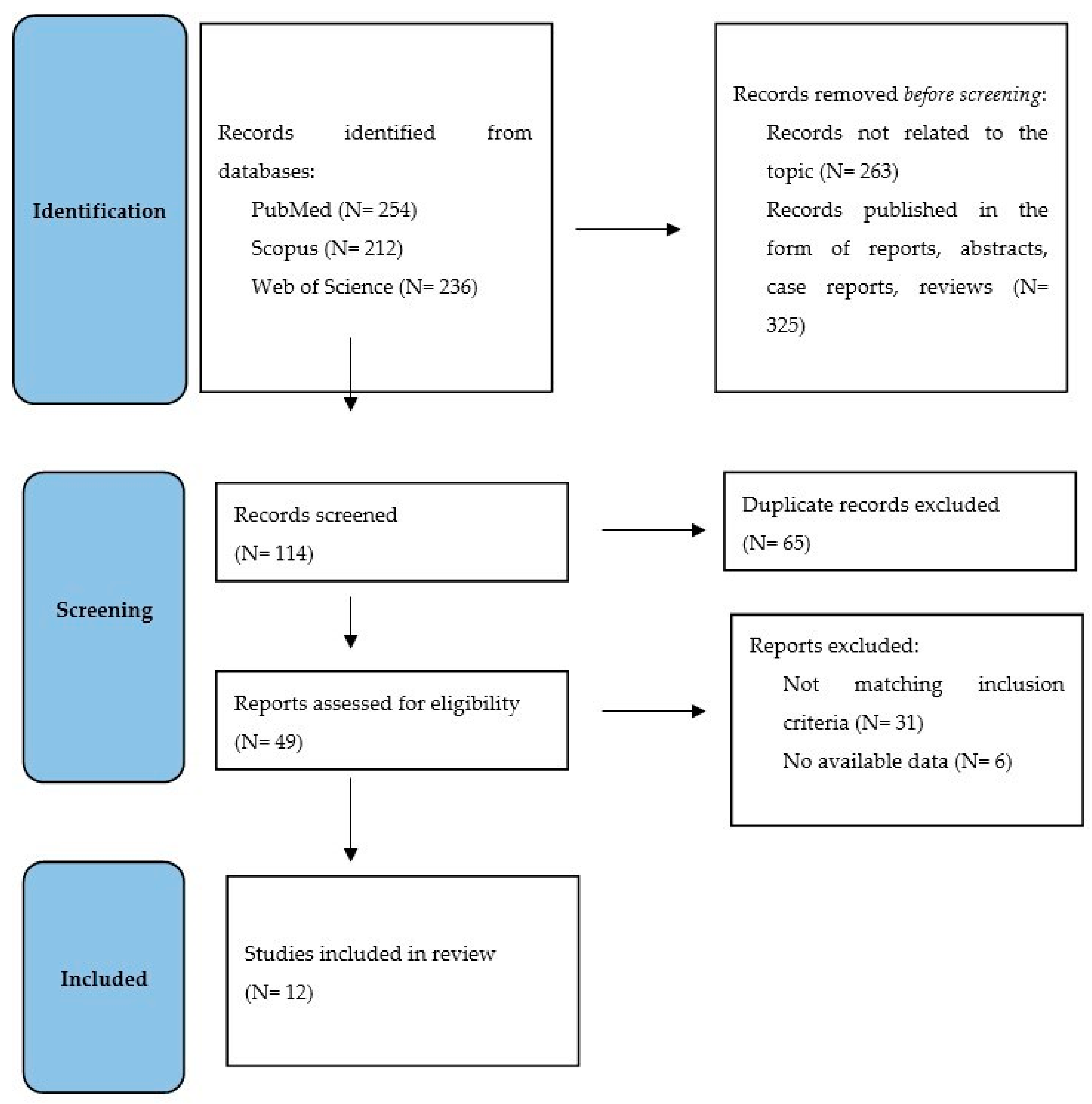
    Methods: The analysis included publications meeting the inclusion criteria published in the years 2015–2024 in Web of Science, Scopus, Embase, and PubMed. Finally, 12 studies were qualified for the review. The study group ranged from 37 to 2325 people. 

    Results: The results of studies on early stroke mobilization indicate possible benefits, including reduced time of hospitalization and faster achievement of higher functional scores. It has been shown that the important factors correlating with the effectiveness of therapy include: rehabilitation intensity, age, functional status before the stroke, depression, social support, lesion location, lower extremity deep vein thrombosis, cognitive disorder, dysphagia, and lower limb spasticity. 

    Conclusions: There is a strong need for research into post-stroke rehabilitation to speed up recovery times and reduce the economic burden on the country. Current research findings on the efficacy and safety of early rehabilitation are inconsistent. There is a strong need for international guidelines.

    1. Introduction

    According to the American Stroke Association: “A stroke occurs when a blood vessel that carries oxygen and nutrients to the brain is either blocked by a clot or bursts (or ruptures). When that happens, part of the brain cannot get the blood (and oxygen) it needs, so it and brain cells die” [1]. Stroke is a disease with a high risk of death. The World Health Organization estimates that 15 million people worldwide suffer a stroke each year, and 5 million of them die. Another five million people struggle with many permanent consequences of stroke, such as paresis, paralysis, cognitive impairment, epilepsy, and aphasia. The permanent disability of patients significantly burdens the community and family [2,3]. It is recognized that the direct clinical consequences of stroke are associated with many more or less known medical, psychosocial, and musculoskeletal problems [4]. The goal of post-stroke therapy is primarily to enhance the functional and structural reorganization of the brain. Therefore, healthcare workers and scientists are still looking for effective methods to stimulate the natural healing process, which is influenced by many factors, e.g., the area of damage and its location in the brain, the patient’s condition before the stroke, genetic factors, and comorbidities. Currently, rehabilitation is the only form of treatment that is considered an effective way to enhance the healing process both in the subacute and chronic period after vascular incidents [5,6].
    Stroke remains the leading cause of death and disability worldwide. The economic costs of caring for stroke patients are high. Nearly 34% of global health expenditure is spent on stroke [7,8]. Nevertheless, implementing early rehabilitation after stroke contributes to reducing the costs of care for neurological patients. Early mobilization is defined as out-of-bed activities in the acute stroke phase [9]. In many countries, patients are qualified for rehabilitation after 24 h from the moment of stroke. In general, it is worth noting that the optimal time to start physiotherapy is still elusive and is subject to many trials and studies. Both early and long-term and intensive rehabilitation play a significant role [10]. One study conducted in Washington among 72 patients showed that the respondents in the group of therapy initiated 2–3 months after the stroke were characterized by the greatest improvement one year after the stroke. The authors of the study emphasize the need to provide patients with more intensive physical rehabilitation in the period from 60 to 90 days after the stroke [11]. In turn, the primary justification for early rehabilitation is to prevent or reduce the risk of complications (falls, infections and deep vein thromboembolism, loss of cardiovascular fitness, muscle atrophy), promoting brain recovery. Furthermore, there are a number of doubts regarding early mobilization due to, among others, its possible impact on blood pressure. These concerns apply mainly to patients with hemorrhagic stroke and patients treated with recombinant tissue-type plasminogen activator (r-tPA). Many of the previously published research results on the efficacy and safety of early mobilization after acute stroke are inconsistent [12]. The A Very Early Rehabilitation Trial (AVERT) [13] series of studies highlighted that very early rehabilitation after stroke is not always beneficial. These studies also included patients who had received rt-PA. The authors of the study pointed out that, as usual, care in a stroke unit varies depending on the location. Therefore, it would be an oversimplification to simply advise usual care. However, another multicenter study, the Early Sitting in Ischemic Stroke Patients (SEVEL) [14], showed that sitting exercises over 24 h can reduce neurological deficit both at discharge and within 3 months after stroke. Due to the large discrepancies in the results of the studies conducted, the most reasonable solution would be to introduce the required safety criteria taking into account the patient’s condition, type of stroke, treatment applied, blood pressure measurement, and others. Due to the fact that the current discussion lacks a common understanding regarding the definition of early rehabilitation, evidence regarding patient qualifications, benefits, and risks of its implementation, we decided to conduct a general review of currently published studies. The aim of this review of studies was to assess the impact of the start time of rehabilitation, its effectiveness, and the correlation of multiple factors in terms of physiotherapy on the overall improvement in the functioning of patients after stroke.

    More at link.

    Thursday, December 19, 2024

    Assessing the benefits of early intervention in post-stroke care

     Early mobilization has been suggested for a long time. is your competent? hospital doing it?

  • Early Mobilization (17 posts to May 2014)
  • Assessing the benefits of early intervention in post-stroke care

    With over 12 million people a year experiencing a stroke globally and over 100 million living with the effects and consequences of stroke, the burden of stroke is high and set to increase.

    Thankfully with advancements in acute stroke care, more and more people are surviving strokes, but the range of potential complications they face – including spasticity speech & language difficulties, and cognitive problems – can be life-changing and result in socio-economic consequences for patients, their families, healthcare systems and wider society. 

    Globally, the indirect costs of stroke – resulting from lost productivity, early retirement, and the burden of informal care upon caregivers – are substantial, for both high- or low-income countries. Improvements in early intervention and rehabilitation are essential to support better patient outcomes. Studies show that early rehabilitation improves physical function, reduces longer-term complications, and enhances stroke survivors’ daily living. 

    Early intervention and treatment can be particularly effective in preventing long-term movement complications. Achieving improved outcomes such as these enhances stroke survivors’ quality of life and reduces the long-term strain on healthcare resources. Conversely, delayed treatment can lead to increased pain, reduced mobility, and greater long-term care needs – ultimately driving up costs. In particular, evidence demonstrates that prompt spasticity treatment and physiotherapy can significantly reduce overall costs compared to standard care, resulting in fewer hospital readmissions and lower outpatient expenses.

    A key goal of public healthcare systems is to reduce the burden of care following a stroke. This includes minimizing hospital readmissions, freeing up essential resources, and providing respite for family caregivers. Caregivers often shoulder a significant burden, impacting their own well-being and finances, with an often substantial emotional and physical toll that can lead to issues such as chronic fatigue, sleep disturbances and mental health challenges. This can lead to reduced work hours, lost productivity, and increased financial strain for both families and healthcare systems. Investing in early post-stroke care can improve patient outcomes and significantly alleviate this caregiver burden. 


    As a community, we need to advocate for, and adhere to, policies and guidelines that prioritize timely and comprehensive post-stroke care and rehabilitation to reduce costs, improve patient outcomes and support caregivers. To demonstrate Ipsen’s commitment to this, we’re launching Neuro Connections, a new vodcast series developed in collaboration with the World Stroke Organization, that explores the consequences of sub-optimal post-stroke care and identifies potential solutions to improve patient outcomes.

    Investing in effective post-stroke care is a societal investment with significant returns in improved health, economic stability, and overall well-being, ensuring a brighter future for stroke survivors and their families. 

    Friday, May 3, 2024

    Early mobility in acute ischemic stroke linked to better outcomes at 90 days

     And EXACTLY HOW does this bland statement get any survivor recovered?

    Early mobility in acute ischemic stroke linked to better outcomes at 90 days

    Key takeaways:

    •     Early mobility was considered as an evaluation from physical and occupational therapy during the first 24 hours of stroke symptoms.
    •     Patients with stroke given early mobility had fewer days hospitalized compared with those not given the intervention.

    DENVER — Patients with acute ischemic stroke who received IV thrombolysis and were allowed mobility within the first 24 hours of onset saw better functional outcomes in 90 days, according to a poster presentation.

    “The early mobility time period is anywhere from 24 hours to 72 hours,” Gunjanpreet Kaur, MD, a neurology resident at Saint Louis University School of Medicine, told Healio at the American Academy of Neurology annual meeting. “What we did with our retrospective study is we started ordering early mobility, it’s a specific order set at our institute where we see patients within their 24-hour window.”

    Source: Adobe Stock.
    Recent research found that those with ischemic stroke given IV thrombolysis and who were mobile within 24 hours had better outcomes at 90 days. Image: Adobe Stock

    Early mobilization for individuals with acute ischemic stroke (AIS) after receiving IV thrombolysis may benefit the patient; however, the body of knowledge is limited, Kaur and colleagues wrote.

    Kaur and colleagues aimed to assess whether mobility within 24 hours of hospital admission for those with AIS is associated with better functional outcomes defined as a modified Rankin Scale (mRS) score of less than 2.(All this proves is that those with less damage recover better. Nothing to do with getting them moving early! Do you people have any functioning brain cells at all?)

    Their retrospective chart review yielded 168 persons with AIS given IV thrombolysis (median age 67.5 years) between January 2020 and April 2023. Early mobility was considered as an evaluation from physical and occupational therapy during the first 24 hours of stroke symptoms.

    The primary outcome was mRS score at 90 days and the secondary endpoint was National Institutes of Health Stroke Scale (NIHSS) score at discharge and total days of hospitalization. A total of 55 individuals (median age 65 years; 54.5% male) were subject to early mobility protocol.

    Results showed that individuals with early mobility orders recorded higher odds of having an excellent mRS (0 to 1) at 90 days (OR = 2.96; 95% CI: 1.38-6.37) and at discharge (OR = 5.47; 95% CI: 2.49-12.04).

    Data further showed the number of hospitalized days were fewer for those in the early mobility group (median days 4 vs. 6); however, no significant difference was found in NIHSS change between baseline and discharge among early mobility and non-protocol individuals.

    “The earlier we get (patients) moving, the better they do at discharge and at 90 days,” Kaur said. “I think it’s time we should standardize (IV thrombolysis to within 24 hours).”(Way too slow, you need to get it done in three minutes in research in mice. THINK YOU CAN DO THAT?)

    Sources/Disclosures

    Collapse

    Source:

    Kaur G, et al. Effects of early mobilization on functional outcomes in patients with acute ischemic stroke who received intravenous thrombolysis. Presented at: American Academy of Neurology annual meeting; April 13-18, 2024; Denver.

    Disclosures: Kaur reports no relevant financial disclosures.

    Thursday, December 14, 2023

    Body-weight support gait training in neurological intensive care: safety, feasibility, and delays before walking with or without suspension


    For me body weight supported treadmill training was worthless. I needed the weight of my body to counteract the spasticity of my legs. And since spasticity never goes away, even now as I'm chronic this would do no good. Overground training is much better in my opinion since it normally gives you perturbations you need to deal with, giving you better balance and preventing falls. 

    And of course my doctor and therapists DID NOTHING to cure my leg spasticity.

    Body-weight support gait training in neurological intensive care: safety, feasibility, and delays before walking with or without suspension

    Abstract

    Background

    Early Mobilization in Intensive Care Units (ICUs) enhances patients’ evolution, but has been rarely studied in neurological ICUs. The aim of this study was to assess gait training with body-weight support (BWS) in neuroICU, and to report on its safety, feasibility and on delays before walking with and without BWS.

    Methods

    This study was an observational one-year single-center study. Inclusion criteria were adults with a neurological injury requiring mechanical ventilation. Exclusion criteria were early death or ICU transfer. After weaning from ventilation, patients were screened for indications of BWS walking using predefined criteria.

    Results

    Patients’ conditions were mostly brain injuries: 32% subarachnoid hemorrhages, 42% focal strokes, and 12% traumatic brain injuries. Out of 272 admissions, 136 patients were excluded, 78 were eligible, and 33 performed BWS walking. Among non-eligible patients, 36 walked unsuspended upon ventilation weaning, 17 presented too severe impairments. Among the 45 eligible patients who did not receive BWS training, main reasons were workload and weekends (31%), medical barriers (29%), and early ICU discharge (22%). 78 BWS sessions were performed on the 33 beneficiaries (median sessions per patient 2, max 10). Pre-session, most patients had inadequate response to pain, orders, or simple orientation questions. Sitting without support was impossible for 74%. Most pre-post changes in hemodynamic, respiratory, and pain parameters were small, and recovered spontaneously after the session. Eight sessions were interrupted; reasons were pain, fatigue or major imbalance (4), syncope (1), occurrence of stool (2), and battery failure (1). None of these adverse events required medical intervention, patients recovered upon session interruption. Median session duration was 31 min, patients walked on median 17 m. First BWS session occurred on median 3 days after ventilation weaning, and 11 days before patients were able to walk unsuspended.

    Conclusions

    Verticalization and walking using a suspension device in patients in neuroICU allows early gait training, despite challenging neurological impairments. It is safe and generally well tolerated.

    Trial registration: ClinicalTrials database (ID: NCT04300491).

    Introduction

    The benefits of Early Mobilization (EM) in critical care has been demonstrated on the duration of mechanical ventilation, on lengths of stay, and on functional outcomes [1]. This has made EM a common practice in Intensive Care Units (ICUs) [2]. The basic principle of EM is that patients realize motor exercises of increasing intensities along their clinical evolution—from passive in-bed mobilizations to active out-of-bed motor training. Step-by-step progress of EM is made as early as clinically feasible (eg. bedside sitting, bed-to-chair, bedside standing, walking) [2]. International recommendations [3] and National Guidelines [4] provide guidance for EM.

    EM research has mostly been performed in general or surgical ICUs, and primary conditions of patients were respiratory, cardiac or septic failure [5]. These studies included few—if any—patients with primary neurological failure, although EM is presumably beneficial for critical neurological patients also [6]. Data on safety, benefits, and EM strategies for these patients is lacking. In particular, patients with critical brain injuries have clinical specificities which make EM implementation challenging [7]. The need to control the intracranial pressure and the cerebral blood flow prevents the early interruption of sedation. Consciousness and speech disorders limit patient participation. Motor, sensitive and balance deficits reduce active mobilization capacities and increase the risks of falls.

    As such, verticalization is challenging in neurological ICUs without specific devices. Previous reports illustrate the use of tilt tables [8], which might integrate robotic stepping devices—the Erigo® system [9]. This passive verticalization could promote arousal for disorders of consciousness [9].

    When consciousness levels allow more active training, EM should progress towards bedside standing and walking, but this is likely to be prevented by neurological impairments. Body weigh-support (BWS) systems might at this stage be used. BWS has been greatly tried in chronic stroke sequelae [10]. It may be effective in acute stroke rehabilitation [11], where it tends to result in more rapid access to independent walking [12]. Various devices exist, including suspension systems associated with treadmills, with robotic-assisted gait training, or with exoskeletons, but few of them are mobile enough to be used in an ICU unit.

    The present study describes the use of a mobile body-weight support device to allow walking training soon after weaning from ventilation for patients requiring neuroICU care. Its aims were (1) to evaluate the safety of training sessions (changes in clinical parameters, occurrence of adverse events); (2) to specify the feasibility of suspended gait training in neuroICU (characteristics and proportion of eligible patients, caregivers' time and number required, reasons for missed sessions); (3) and to assess whether the use of a suspension device could shorten the delays before gait training initiation, by measuring the time-interval between BWS walking and walking without suspension.

    More at link.

    Tuesday, April 25, 2023

    Early mobilization in acute stroke phase: A systematic review

    Why the fuck was this review needed? If we had a great stroke association  instead of our   fucking failures of stroke associations, then we would have a publicly available protocol on this in our complete database of stroke research and protocols. But with NO leadership, nothing is ever done to solve stroke. You're screwed, don't have a stroke because of the complete incompetence of your stroke medical 'professionals' using the failed status quo instead of solving stroke.

    You mean you're repeating what is already known?


     Early mobilization in acute stroke phase: A systematic review

    Topics in Stroke Rehabilitation , Volume 30(2) , Pgs. 157-168.

    NARIC Accession Number: J91174.  What's this?
    ISSN: 1074-9357.
    Author(s): de Aquino Miranda, Jéssica M.; Borges, Viviany M.; Bazan, Rodrigo; Luvizutto, Gustavo J.; Shinosaki, Jullyanna S. M.
    Publication Year: 2023.
    Number of Pages: 12.
    Abstract: This systematic review investigated the effectiveness and safety of early mobilization in the acute stroke phase. Electronic database searches identified a total of 476 studies. After exclusion, seven studies involving 8,663 patients were included in the qualitative synthesis. The main activities were elevation of the headboard, sitting, standing, and walking. The most important outcome assessed was the modified Rankin scale score (disability) after 3 months of stroke, and two studies showed that early mobilization improves functional capacity after stroke. The safety was evaluated based on related and non-related adverse effects. Based on qualitative synthesis, the optimal time to start early mobilization is more than 24 hours after stroke according to hemodynamic stability and safety criteria. The recommended duration of mobilization is between 15 and 45 minutes, divided into one, two, or three times a day. The focus of early mobilization should be on sitting, standing, and walking activity. No severe adverse events were observed in any of the studies.
    Descriptor Terms: ACUTE CARE, BODY MOVEMENT, EARLY INTERVENTION, MOBILITY, PHYSICAL THERAPY, STROKE.


    Can this document be ordered through NARIC's document delivery service*?: Y.

    Citation: de Aquino Miranda, Jéssica M., Borges, Viviany M., Bazan, Rodrigo, Luvizutto, Gustavo J., Shinosaki, Jullyanna S. M. (2023). Early mobilization in acute stroke phase: A systematic review.  Topics in Stroke Rehabilitation , 30(2), Pgs. 157-168. Retrieved 4/25/2023, from REHABDATA database.