Changing stroke rehab and research worldwide now.Time is Brain! trillions and trillions of neurons that DIE each day because there are NO effective hyperacute therapies besides tPA(only 12% effective). I have 523 posts on hyperacute therapy, enough for researchers to spend decades proving them out. These are my personal ideas and blog on stroke rehabilitation and stroke research. Do not attempt any of these without checking with your medical provider. Unless you join me in agitating, when you need these therapies they won't be there.

What this blog is for:

My blog is not to help survivors recover, it is to have the 10 million yearly stroke survivors light fires underneath their doctors, stroke hospitals and stroke researchers to get stroke solved. 100% recovery. The stroke medical world is completely failing at that goal, they don't even have it as a goal. Shortly after getting out of the hospital and getting NO information on the process or protocols of stroke rehabilitation and recovery I started searching on the internet and found that no other survivor received useful information. This is an attempt to cover all stroke rehabilitation information that should be readily available to survivors so they can talk with informed knowledge to their medical staff. It lays out what needs to be done to get stroke survivors closer to 100% recovery. It's quite disgusting that this information is not available from every stroke association and doctors group.

Showing posts with label climbing stairs. Show all posts

Wednesday, July 8, 2026

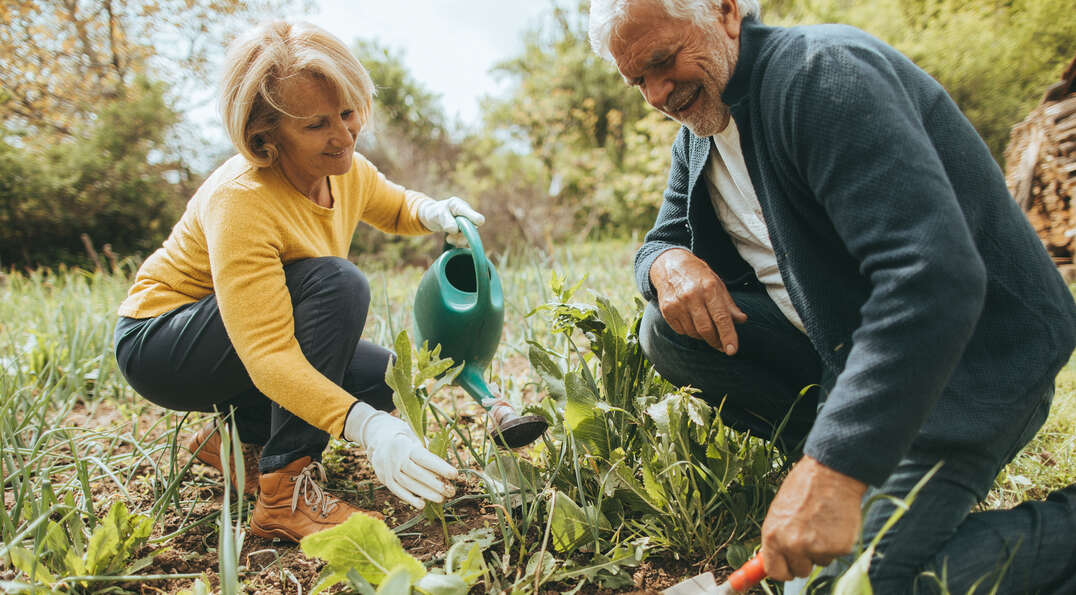
If you're over 65 and can still do these 12 things with ease, you're aging wonderfully


If you're over 65 and can still do these 12 things with ease, you're aging wonderfully

You can walk long distances without losing your balance 

Not a problem, for days in Italy I kept up with the group, thru the Vatican, Colosseum, Sorrento, Capri Island


Being able to walk for several minutes without feeling unsteady is one of the strongest signs of healthy aging. Good balance reduces the risk of falls and helps you remain independent when carrying out everyday activities such as shopping, taking walks, or visiting family and friends. Walking also strengthens your muscles, joints, and cardiovascular system.

If you are over 65 and can comfortably walk several blocks without needing frequent breaks, your physical condition is likely in very good shape. This ability also reflects strong coordination between your muscles, vision, and nervous system, all of which are essential for maintaining an active lifestyle for years to come.

You can climb stairs without much effort 

easy! And because I just bought a 4-level condo with 7 steps to each floor I'll have enough practice doing steps, I'll still be doing them at age 100(currently 70). One level living means you didn't plan early enough to keep doing steps. Which means you can't travel to Europe since most bar/restaurant bathrooms are in the basement with no railings.)

Climbing stairs requires muscular strength, cardiovascular endurance, and good coordination. When an older adult can do this without experiencing excessive fatigue, it is often a sign that they have maintained good physical fitness and mobility for daily life.

Although it is perfectly normal to move at a slower pace as you age, preserving this ability shows that your legs, heart, and lungs are still working efficiently. Continuing to perform strength-building exercises can help maintain this important skill over time.

You maintain a healthy memory

Remembering appointments, names, recent conversations, or daily tasks is part of having a healthy memory. Occasional forgetfulness is completely normal, but maintaining the ability to organize and recall information suggests that your brain continues to function efficiently.

Reading, solving puzzles, learning new activities, and having regular conversations all help stimulate cognitive function. These habits support memory while promoting mental sharpness as the years go by.

You can stand up from a chair without assistance (I can do this from kitchen chairs, but couches and Adirondack chairs require scooting to the edge to get my feet under me and then still use my right arm to push me up. I consider my efforts in this excellent.)

Standing up from a chair without relying heavily on your arms reflects good strength in your legs and core muscles. Although it seems like a simple movement, healthcare professionals often use it as an indicator of mobility and independence in older adults.

Maintaining this ability makes many daily activities easier, from getting out of bed to using public transportation. Regular strength-training exercises can help preserve this skill while reducing the likelihood of future mobility limitations.

You maintain an active social life 

(Sunday is music at Red Cedar, Tuesday is music at Moriarties, Thursday is trivia at Moriarties; all are bars, so alcohol is involved, there will be no condemnations of that.) All part of my plan to exponentially expand my social connections to prevent dementia. Alcohol will be involved and there will be no naysaying of that. 


Spending time with family, friends, or participating in community activities supports both emotional and cognitive well-being. Social connections help reduce isolation while stimulating memory, communication skills, and self-confidence.

Women who maintain meaningful social relationships often cope better with the natural changes that come with aging. Conversations, group classes, volunteer work, and recreational activities all contribute to improved emotional well-being and a greater sense of fulfillment.

You enjoy learning new things Learning lots of new research on stroke which your incompetent? doctor doesn't know about. How long will you allow incompetence before you get them fired?

The ability to learn does not disappear with age. Whether you're learning how to use new technology, taking a class, or developing a new hobby, your willingness to learn demonstrates that your brain continues to adapt and grow.

Besides stimulating cognitive function, learning new skills boosts confidence and keeps curiosity alive. It also encourages the formation of new neural connections that help support long-term brain health.

You have good coordination 

It's pretty good for not having a useable left hand


Being able to perform tasks that require precise movements, such as cooking, sewing, writing, or handling small objects, shows that communication between your brain and muscles remains strong. This ability is essential for maintaining independence.

Practicing balance and coordination exercises helps preserve these important skills. Maintaining manual dexterity also allows you to continue enjoying hobbies and everyday activities that require precision and focus.

You sleep well on a regular basis


Getting seven to eight hours of quality sleep each night helps your body and mind recover properly. Good sleep supports your immune system, improves memory, and helps maintain steady energy levels throughout the day.

Although sleep patterns often change with age, consistently getting restorative sleep remains an excellent indicator of overall health. Keeping a regular bedtime routine can improve sleep quality and overall well-being

You stay positive when facing challenges I'm the poster child for this; stroke at 50, fired at 56, divorced at 58. Never been depressed a day in my life! Life is great, having superior fun all the time!
 

The ability to adapt to change and approach difficult situations with optimism is an important sign of emotional well-being. Resilient people often find solutions more easily and maintain a positive outlook despite everyday challenges

Developing hobbies, practicing relaxation techniques, and maintaining healthy relationships all contribute to emotional balance. This positive mindset supports a better quality of life and helps make the aging process more enjoyable.

You can handle household tasks without difficulty Of course they are difficult, I only have one useable arm/hand. Try vacuuming with an electric corded vacuum and not run over the cord. My solution, no carpeted floors. 

Cooking, cleaning, organizing your home, and running errands require coordination, strength, endurance, and planning. Being able to complete these activities independently reflects a healthy combination of physical and cognitive abilities.

Beyond preserving independence, household chores also provide regular physical activity. These everyday movements help maintain mobility while strengthening multiple muscle groups.

You eat a balanced diet When you provide AN EXACT PROTOCOL, I'll consider doing this, but until then; fuck off!

Preparing nutritious meals and making healthy food choices demonstrate a commitment to your long-term well-being. A diet rich in fruits, vegetables, lean proteins, and whole grains supports your body's functions throughout every stage of life.

Staying properly hydrated and limiting highly processed foods are equally important. These healthy habits help preserve energy, strengthen bones, and support a well-functioning immune system.

You Enjoy Your Independence

I can't see getting married again, it would severely limit my traveling and social connections.  I'll take my chances considering how much fun I'm having being single.


Being able to manage your daily activities, organize your schedule, and make decisions confidently is one of the strongest indicators of healthy aging. Independence supports self-esteem and allows you to continue participating actively in everyday life.

Maintaining independence does not mean doing everything alone; it means having the confidence and ability to take care of yourself while knowing when to ask for help if needed. This balance between self-reliance and well-being is one of the clearest signs of a high quality of life after age 65.


Friday, January 23, 2026

Adapting a Home to Age in Place: An Age Well conversation with Lakelyn Eichenberger, Ph.D.

I'll be living here for a long time

And because I just bought a 4-level condo with 7 steps to each floor I'll have enough practice doing steps, I'll still be doing them at age 100(currently 69). One level living means you didn't plan early enough to keep doing steps. Which means you can't travel to Europe since most bar/restaurant bathrooms are in the basement with no railings.)

Adapting a Home to Age in Place: An Age Well conversation with Lakelyn Eichenberger, Ph.D.

At a Glance
  • Adapting homes for physical challenges involves practical modifications in high-risk areas like bathrooms and kitchens, along with thoughtful solutions for stairs and improved lighting throughout the home. 
  • For individuals experiencing cognitive decline, specific home adjustments such as specialized shower heads, automatic stove shutoffs, and various alarm systems can significantly enhance safety and manage daily challenges. 
  • Successfully aging in place also relies heavily on a strong support system, encompassing social connections, community resources, professional home care services, and proactive planning for evolving needs. 

Lakelyn Eichenberger, Ph.D., is a gerontologist and spokesperson for Home Instead, an organization providing home care services for older people. Based in Omaha, Neb., she is a frequent public speaker and has appeared on programs including the Dr. Oz and Dr. Phil shows. We spoke with Dr. Eichenberger recently about ways people can adapt their homes as they age to make living in them safer and more manageable.  


The idea of aging in place — continuing to live independently in one’s own home in later years — is appealing to many people. What do you think drives that? 

It is a very popular sentiment. In fact, 90% of people would prefer to age in place at home. I think that correlates very directly to their perceived quality of life and happiness. 

Often they’ve lived in their homes for many years. Perhaps they raised their children there. Their home holds a lot of their memories. They also usually feel tied in various ways to their community. They have a local bank and grocery store they always go to. They may be involved in a faith community. They know their neighbors. All of that creates a social support network for them that they rightly want to retain.  

I think, too, that staying in one’s home can be important just from an emotional standpoint. It’s a symbol of independence and for some, leaving a home behind feels like admitting defeat. 

With that said, many homes aren't necessarily set up for aging in place, so there are some things people need to consider changing in order to stay home. Given the benefits, it's worth thinking about investing a little bit of money into just making sure your living environment is meeting your needs as you get older. 


Pictured: 

Lakelyn Eichenberger

If you’re looking at what you can do to stay in your home longer or help your parents or other family members stay in theirs, it seems like the steps would be quite a bit different for addressing physical issues versus cognitive issues. Can you talk about each of those a bit? 

Taking the physical challenges first, I think there are four key areas that people should be thinking about. The first is adapting the home for safety. The second is minimizing the risks. Third is bringing in outside help, and fourth is making a plan which involves all of that.  

Begin by taking a look at which areas of the home you use most frequently. Are you experiencing any challenges in those areas? You may want to adopt some safety measures.  

Bathrooms and kitchens are where most falls occur. In a bathroom, adding things like grab bars can make a huge difference. Some people get concerned about the resale value of a home outfitted with things like that, but I say safety far outweighs that concern. Besides, the hardware can always be removed, so that’s not something to stress about. 

You should also make sure you have a secure mat outside the shower or bath that has a rubber backing to reduce tripping hazards. More significantly, cost-wise, you might consider converting a tub into a step-in shower to get more easily in and out and lessen the risk of slips and falls. It takes some advanced planning, obviously, but it’s an adaptation many people have found essential. 

Looking at the kitchen, if arthritis is starting to impact your dexterity and your ability to prepare meals for yourself, there’s a vast array of arthritis-friendly products, from jar grippers to large-handled utensils to reachers. If you have a rug in front of the sink that’s easy to trip over, consider getting one with a rubber backing or using double-sided tape to tape your current one to the floor.  

In the living room, do you have a favorite chair that’s getting harder to get in and out of, perhaps because the cushions have sunk in? Maybe it’s time to invest in a new comfortable chair to make watching TV more enjoyable and to improve your mobility.  

Small things like that can go a long way toward minimizing risks. 

What about stairs, and the reality that many people live in multi-story homes? 

Not only do most homes have multiple stories, but many of them don’t have a full bedroom and bathroom on the first floor. That is something to think through. If a person were no longer able to get up and down the stairs, is there a room on the main floor that could be temporarily converted into a bedroom, or would it be possible to build out a full bath if there is currently only a powder room or a half bath?  

If navigating stairs is still possible but becoming challenging, at the very least a staircase should be very well lit, with a light switch at the top and the bottom. Perhaps consider installing handrails on both sides for added stability. It can also be helpful to put a piece of colorful duct tape on the edge of the final stair at the bottom, just to provide a visual queue that it’s the end of the staircase. (Yep, my place has handrails on both sides, will need to re-install some of the brackets since they didn't drive them into studs.)

It would be wise, if climbing stairs is becoming difficult, to avoid carrying armloads of things up and down them — awkward laundry baskets, for instance. Very often, laundry rooms are in the basement or on the main floor while the bedrooms are all upstairs. So a couple of things could be considered here. Most simply, perhaps you switch from a basket to a laundry bag so you’re grasping just one little handle. As a pricier solution, some folks will have a stackable washer/dryer installed in a closet in the master bedroom or a hallway.  

There are lifts that you can install in a staircase, whether the staircase is straight or turns a corner. Split-level homes are an interesting challenge, because they’ll often have two or more short stairways. I’ve seen people install multiple lifts in those houses, but obviously that adds expense. 

There are several ways to manage issues with stairs, but I want to reemphasize lighting. People underestimate good lighting in places like hallways and stairs, and people of certain generations worry about their electricity bills, so they don’t keep a lot of lights on in the home. I understand where they’re coming from, but the great news is, we have a lot of very efficient light bulbs now, and having that light — especially at dusk and dawn — can prevent a lot of unnecessary falls and accidents. 

In addition, a motion-sensor nightlight by your bed can light the way to the bathroom at night, which is a very common time for serious falls. 

Can you share some adaptations to help people experiencing cognitive decline? 

There’s a lot to consider. One simple bathroom modification would be to install a detachable shower head that allows you to control where the water goes. People with dementia can become agitated when there’s water on their head or face. 

Kitchen safety is another source of concern for those living with cognitive impairment. An automatic stove shutoff can be installed that turns burners off after a certain length of time. Instead of having a knife block on the counter, maybe you move all the knives to a drawer just for safety. You should consider securing chemicals — for instance, a bottle of laundry soap could be mistaken for a jug of milk. 

Oftentimes, people living with cognitive impairment experience something called late-day agitation, or “sundowning.” Their circadian rhythm is disrupted, they become more agitated in the early evening hours and they sometimes are wakeful during the night at certain points. In those cases, it can be helpful to install a bed alarm underneath the top sheet or on the floor next to the bed to alert family if they’ve gotten up in the middle of the night. That may prevent falls or keep a person from wandering. 

If your loved one has wandered, or if you’re concerned that they may, putting alerts or alarms on the doors that lead to the exterior of the house to notify a family member can be helpful. Some phones and other personal emergency-response devices have GPS monitoring, as well. 


Aside from cognitive decline, isolation can have a negative impact on mental health too, correct? 

Oh, for sure, and that’s why a support network is so important. Who are the friends and family members? A lot of families have kind of dispersed nowadays, so you might not have a direct family member within driving distance, within the same state or even in the same country. If there isn’t family around, it’s important to figure out who you can lean on. Maybe it’s your faith community — many have volunteer programs. Maybe it’s tapping into your Area Agency on Aging. Look into things like senior centers — a lot of area agencies on aging have senior centers or community centers or multigenerational programming that you can get involved in. Do a self-audit of hobbies and activities you enjoy, and how you might do them in a social setting to continue those interactions and connections. 

We tend to see that when somebody has to stop driving themself, especially in communities where there's not great public transport, isolation starts to take root. So, if somebody does have to stop driving, it's really important to also come up with a plan on how they’re still going to be able to connect with those that they find enjoyment connecting with or getting to their social activities or to their appointments, because the last thing we want somebody to do is have to give up their keys and then become totally isolated. So, coming up with options and things to look forward to — maybe it’s a monthly or weekly family dinner, or continuing to go to a faith service on the weekend and having a volunteer come pick them up. Those kinds of things are really important to make sure that people aren't isolated, because we know that isolation can lead to a lot of health concerns — physical, mental and emotional. It can even increase the risk for cognitive decline.  


“We know that isolation can lead to a lot of health concerns — physical, mental and emotional. It can even increase the risk for cognitive decline.”

Lakelyn Eichenberger

What other steps should people consider to improve their ability to stay at home? 

Even though there are a lot of tools and conveniences to help you age in place, your own health, strength and mobility obviously impact your ability to stay home. So I think it’s extremely important to stay physically active as you get older in whatever way works for you that has your doctor’s approval. Keeping up your strength and mobility can help you move about your environment better and live in it more safely. 


Practically speaking, there comes a point when you just can’t do all the things you once did. So part of aging in place inevitably has to include having help around the house, doesn’t it? 

Yes, most of the time. A lot of people think, “Oh, my family will just help out,” and many family members do want to jump in and help. But we’re seeing more adult children in that “sandwich” generation, raising their own kids and helping to look after their older loved one while still working, and that limits the amount of time that they could be there to provide support. I think it’s important again to start thinking ahead about who’s in your support network, and while that can perhaps include family and neighbors that you know, professional support can really be an important supplement. 


When you’re talking about professional support in-home, you’re not talking about health-care issues, but more about things like cleaning, cooking, doing chores around the house? 

Yes. Home health care is what a lot of people know of as a service that comes into the home, and those folks do more of the medical tasks. Home care is a very complementary service to home health care. To your point, they can help with meal preparation, laundry, running errands and transportation to appointments. Of course, there are also service providers that can help with snow removal, lawn care and other things like that. And especially in more metropolitan areas, delivery services are available from pharmacies and grocery stores. 

Sometimes local governments provide services. For example, a lot of local fire stations will come and install fire alarms or will change out the batteries on an annual basis for older adults. 

So there are plenty of support options around you that can be helpful in prolonging your ability to stay in your home. 

You mentioned fire alarms. On the topic of alarms and sensors generally, what about wearable alarm systems? 

They’re abbreviated as PERS, for personal emergency response systems. I think that those are a great option for individuals, especially if they live alone. A lot of older adults don’t want to wear them because they’re not fashionable, or because they’re kind of an outward expression that you’re getting older. But iPhones and iWatches now have fall-detection technology, and so do a lot of other smart watches and fitness monitors. PERS companies, too, are starting to make their devices less conspicuous, looking more like watches than pendants.  They really can be lifesaving for many people, often at pretty low cost. 


So, with the right combination of products and services and adaptations, aging in place is something that really is achievable for many people. 

Yes, and I would also add the other critical piece that I mentioned at the outset — having a plan. I cannot overstate the importance of thinking through, as best you can, when and how your needs are going to change. I have so many examples of people who have done this successfully with the right planning and support, and they experienced high levels of happiness and fulfillment. You can make it work! 

Wednesday, October 29, 2025

If You’re Over 70 And Can Still Do These 7 Things, You’re Doing Great

 I'll be 70 in a couple of months, and these are still quite doable.

If You’re Over 70 And Can Still Do These 7 Things, You’re Doing Great

1. Standing up from a chair without using your hands

Standing up from a chair without using your hands shows your legs and core are still strong. It’s a great way to check your muscle strength and balance. If this feels tough, don’t stress. Practicing this move can help you get stronger and make daily life easier.Try it out by sitting and standing without pushing off. If you can do it, your body is working well and you’re less likely to lose your balance.Even small improvements with this skill can make a real difference in your independence.
(I can do this from kitchen chairs, but couches and Adirondack chairs require scooting to the edge to get my feet under me and then still use my right arm to push me up. I consider my efforts in this excellent.)

2. Getting up from the floor without help


Getting up from the floor on your own is a real test of strength and coordination. It means your muscles and balance are working together.

This ability can boost your confidence and help you feel safer at home. If it’s challenging, simple exercises or working with a physical therapist can help you get better.

Practice slowly and safely. Each time you do it, you’re building strength that helps you stay independent.

(Yeah, I've practiced this in my walks in the woods a lot. I can only get up from my right side, so if I end up on my left side I have to roll over to that side.  None of this was worked on with my therapists, I had to figure it all out myself.)

3. Walking a mile comfortably

Walking a mile without stopping is a solid sign your body is in good shape. It shows your heart, lungs, and joints are all working well.

You don’t need to walk fast—just moving at your own pace is enough. Regular walks can lift your mood and help manage stress.

If walking a mile still feels easy, you’re doing a great job staying active. Keep it up and your body will thank you.

(Not a problem and I do this in natural area trails, taking my saws with me to clear branches and trees. The 24 in diameter tree across one of the trails will not be removed since my battery chainsaw is only 14 inches and previous large trees removed bound up the saw causing lots of swearing and implementing plans B, C, and D to get the saw freed. I don't trust myself safely handling my 18-inch gas chainsaw. Used to do 10,000 daily steps very regularly- about 5 miles.)

4. Carrying groceries without strain

When you can carry groceries without feeling wiped out, your muscles and balance are working for you. It may seem like a small thing, but it keeps you independent.

Carrying bags uses your shoulders, core, and grip. If it’s getting harder, try lighter loads or split up your groceries.

Taking care with how you carry things can help you stay active and avoid injury.

(Not a problem, as long as they have carrying handles.)

5. Climbing a flight of stairs without pause

Climbing stairs without stopping is a good sign your heart, muscles, and joints are in sync. It’s a quick way to check your physical health.

Take stairs one step at a time and focus on your breathing. If it’s tough, moving slowly and using the handrail can help.

Even a flight or two each day can support your fitness and confidence.

(Easy. And because I just bought a 4-level condo with 7 steps to each floor I'll have enough practice doing steps, I'll still be doing them at age 100(currently 69). One level living means you didn't plan early enough to keep doing steps. Which means you can't travel to Europe since most bar/restaurant bathrooms are in the basement with no railings.)

6. Balancing on one foot for 30 seconds

Standing on one foot for 30 seconds might seem simple, but it says a lot about your balance. If you can do it, your muscles and nerves are working well together.

For anyone over 70, good balance lowers your risk of falling. If you struggle, start with short tries and practice every day.

No special equipment needed—just stand on one foot and add time as you get better. It’s a quick way to keep your balance sharp.

(I have always failed this on my bad leg in the Berg Balance Scale test. 

My therapists failed me by never providing any rehab exercise to fix this when I failed this component in the Berg Balance Scale.

I don't see it ever getting better. I walk unimproved trails with standing water, rocks and roots which is challenging my balance constantly, so I'm not concerned at all about this bogus test.)

7. Cooking a full meal from scratch

There’s something special about preparing a meal from fresh ingredients, especially as we get older. If you’re over 70 and still whipping up dinners from scratch, that’s no small feat.

It takes energy, coordination, and a good memory to follow recipes. Choosing your own ingredients lets you adjust meals to your taste and health needs.Sometimes, simple recipes with just a few fresh items can be surprisingly quick to put together. Batch cooking can also make life easier.

Making several meals at once saves time and effort during the week. Labeling leftovers with dates helps you keep track of what to eat next.

Cooking isn’t just about the food. It’s a creative outlet and a way to stay active.

Trying out new recipes or inviting friends over for dinner brings a sense of connection. Sharing a meal you made yourself is something to feel good about.

(Nope, not occurring. Since my medical team completely failed at recovering my left hand, cutting anything is a recipe for danger. I am currently getting meals from Home Chef with very limited cutting needed. That will allow me to live independently for decades to come.)

Saturday, June 8, 2024

Taking the Stairs Linked to a Boost in Longevity and Heart Health, Study Finds

 Did your competent? therapist show you this diagram and have EXACT PROTOCOLS to fix the problems you have in each part? NO? So you don't have functioning stroke medical personnel!

With this series of images from Nathan Nicholson I finally got the understanding that you don't just lift the foot straight up, you  engage your hamstring to pull your leg up behind you at the same time pointing your toes down(plantarflexion) to clear the lip of the step. I have to plan this all out on my own since most of my premotor cortex is dead. This currently is a very slow process. My therapists DID NOTHING for me on this!
1. Engage the hamstring
2. Point the toes down - plantarflexion
3. Clear the step
4. Dorsiflexion to lift the toe up
5. Straighten the leg 

Taking the Stairs Linked to a Boost in Longevity and Heart Health, Study Finds

Fact checked by Nick BlackmerFact checked by Nick Blackmer

  • A new study found a link between stair climbing and a reduced risk of a cardiac event or dying from any cause.

  • Experts said there isn't enough research to recommend a specific number of stairs to climb, but that any amount of stair-climbing has benefits.

  • The first step to incorporating the exercise into your daily routine is to pay attention to your surroundings.


You probably already know that climbing stairs can boost fitness by burning calories and strengthening muscles, but a new analysis has found that the simple exercise may actually prolong your life.

The review, which looked at nearly 500,000 people, found a link between climbing stairs and a reduced chance of dying from any cause. Researchers also found that taking the stairs may lower the risk of cardiovascular events such as heart attack and stroke.

The findings, which haven’t been published in a peer-reviewed journal, were presented at a conference from the European Society of Cardiology in late April.

“This is the first systematic review and meta-analysis to specifically look at the association between stair climbing as a form of physical activity and cardiovascular risk,” lead study author Sophie Paddock, MD, of the University of East Anglia and Norfolk and Norwich University Hospital Foundation Trust in the United Kingdom, told Health. “It’s been well known for some time that physical inactivity is associated with a significant burden of cardiovascular disease, and many guidelines [and] policies advise us to increase our physical activity where possible.”

It’s important to remember that the study is observational and therefore doesn’t establish causation, Tamanna Singh, MD, the codirector of the Sports Cardiology Center at Cleveland Clinic, told Health. Instead, you can say that “there seems to be an association” between stair climbing and a reduced risk of dying and developing heart disease.

<p>RichLegg / Getty Images</p>

RichLegg / Getty Images

A Closer Look at the Study

Researchers reviewed nine studies examining the relationship between climbing stairs and cardiovascular disease and premature death. Those papers included 480,479 participants who were either in good health or had a previous history of heart attack or peripheral arterial disease. Ages ranged from 35 to 84, and about 53% were women.

The team found that people who climbed stairs as a form of exercise had a 24% lower risk of “all-cause mortality,” or dying from any cause, compared to non-stair climbers. Stair climbers also had a 39% lower chance of dying from cardiovascular disease, a category that includes coronary artery disease, heart attack, high blood pressure, and stroke. Cardiovascular disease is the leading cause of death worldwide.

Those who climbed stairs also had reduced odds of developing cardiac events such as heart attack, stroke, and heart failure.

Paddock said the study’s main limitation is that the research it reviewed relied on participants to report their climbing activity. “This may not be fully representative of their actual stair-climbing behaviors,” she said.

She also said there’s a need for more studies “that objectively measure people’s stair climbing behavior,” including the number of steps taken, and how that activity ends up impacting their health long term.

Why Stair-Climbing Boosts Health

Per Singh, the exercise’s benefits come down to one specific attribute: its vertical nature. Compared to an activity like walking on flat ground, climbing stairs is more of an “exertional challenge for your body to move itself against gravity,” she explained.

This type of movement takes up 9.6 times the amount of energy as sitting, Paddock added.

Not only does this mean that climbing stairs “improves our cardiorespiratory fitness,” Paddock said, but it can also boost other aspects of health. It “strengthens your posterior chain—glutes, hamstrings, hip flexors, calves—which improves overall mobility and musculoskeletal resilience," Singh said.

How Many Stairs Should You Climb?

According to Paddock, there isn’t enough research to recommend a specific number of flights or an intensity level to achieve the health benefits found in her study.

However, she said some studies suggest that five to six flights of stairs daily (or 50 to 60 total steps) can make an impact. A 2023 study, for example, found a link between climbing at least 50 steps daily and a 20% reduced risk of atherosclerosis, which is when plaque buildup causes arteries to harden.

Nonetheless, “any stairs are better than none,” Singh said.

She noted that taking the stairs, even in cases that “are not systematic exercise regimes,” can help reduce all-cause cardiovascular mortality.

How to Make Stair-Climbing a Habit

Incorporating stair climbing into your routine starts with simply paying attention to your surroundings. Look for stairs in homes, your workplace, parking garages, and more.

As Singh put it, “If you see stairs, climb them.”

“This type of exercise is accessible to nearly all individuals,” she added.

To stay motivated, Singh recommended creating a stair-climbing challenge at work or downloading an app that tracks the number of steps or flights climbed.

If you do create a stair-climbing routine and it eventually feels too easy, she advised continuing to “build fitness” by increasing the number of steps climbed or the frequency or duration of your workouts.

If you have mobility difficulties or lack access to stairs, try to move your body any way you can, Singh said. Similar benefits can be achieved with other types of exercise, such as swimming, biking, or rowing.

“Any physical activity is better than none,” Singh said. “Your heart really does not care what you do as long as there is a consistent practice of exercise.”

Read the original article on Health.com.


Monday, April 29, 2024

Climbing stairs reduces risk for all-cause, cardiovascular death

 But this goes against standard age-proofing your home:

One of the best ways to age-proof a house is by having a master bedroom and bathroom on the first floor, says Mark Hager, founder of AgeInPlace.com. “You want to have everything you need on one level so that you don't have to climb stairs as you get older,” (I completely disagree! Climbing stairs keeps you fit and young! I just bought a condo on 4 levels; 7 steps between levels, that is going to keep me active. Age-proofing just enables much more sedentary behaviors which is going to kill you faster!)

I'll be climbing stairs until the day I die. Or as we hear from our medical staff; 'Use it or lose it'.

Climbing stairs reduces risk for all-cause, cardiovascular death

Key takeaways:

  • Climbing stairs was associated with a 39% reduced risk for death from heart disease.
  • It was also associated with a 24% reduced risk for death from any cause.

In a meta-analysis of studies covering more than 400,000 people, climbing stairs was associated with reduced risk for all-cause mortality and death from heart disease.

“If you have the choice of taking the stairs or the lift, go for the stairs, as it will help your heart,” Sophie Paddock, MBBS, interventional cardiologist at the University of East Anglia and Norfolk and Norwich University Hospital Foundation Trust, Norwich, U.K., who presented the findings at ESC Preventive Cardiology 2024, said in a press release. “Even brief bursts of physical activity have beneficial health impacts, and short bouts of stair climbing should be an achievable target to integrate into daily routines.”

Graphical depiction of data presented in article
Data were derived from Paddock S, et al. Optimal exercise modalities for primary and secondary prevention. Presented at: ESC Preventive Cardiology; April 25-27, 2024; Athens, Greece.

Paddock and colleagues reviewed nine studies with data from 480,520 participants and conducted a pooled analysis of five studies with 455,649 participants to determine the relationship between stair climbing and all-cause and CV mortality. The pooled cohort included healthy individuals as well as those with prior MI or peripheral artery disease. The age range was 35 to 84 years and 53% were women.

Stair climbing was associated with a 39% reduced risk for CV mortality (RR = 0.61; 95% CI, 0.48-0.79; I2 = 84%; z-test = 3.76; P = .0002) and a 24% reduced risk for all-cause mortality (RR = 0.76; 95% CI, 0.62-0.94; I2 = 85%; z-test = 2.5; P = .01), according to the researchers.

In a qualitative synthesis, the researchers concluded that there was a positive association between stair climbing and CVD including MI, ischemic stroke and HF.

“Based on these results, we would encourage people to incorporate stair climbing into their day-to-day lives,” Paddock said in the release. “Our study suggested that the more stairs climbed, the greater the benefits — but this needs to be confirmed. So, whether at work, home, or elsewhere, take the stairs.”

Reference:

Climb stairs to live longer. https://www.escardio.org/The-ESC/Press-Office/Press-releases/Climb-stairs-to-live-longer. Published April 26, 2024. Accessed April 26, 2024.

Sources/Disclosures

Collapse

Source:

Paddock S, et al. Optimal exercise modalities for primary and secondary prevention. Presented at: ESC Preventive Cardiology; April 25-27, 2024; Athens, Greece.

Disclosures: Paddock reports no relevant financial disclosures.

Monday, March 9, 2015

Which stroke rehabilitation step are you on?

I have probably fallen off every step multiple times. But you know the drill, do nothing without your doctors' prescription. Thinking for yourself is dangerous.

Remember, "up with the good, down with the bad."


Wednesday, December 24, 2014

Going up steps

I think I finally learned on my own what I need to do to walk up steps properly. This is obviously something that all 10 millions survivors a year need to know. So why is there no written stroke protocol on how to walk properly post-stroke. I had a PT that just demonstrated a 'walk this way' stride. I absolutely hated that because the complete responsibility on relearning to walk properly was thrown on the survivors. We may as well not even have therapists.
This series of images from Nathan Nicholson I finally got the understanding that you don't just lift the foot straight up, you  engage your hamstring to pull your leg up behind you at the same time pointing your toes down(plantarflexxing) to clear the lip of the step. I have to plan this all out on my own since most of my premotor cortex is dead.
1. Engage the hamstring
2. Point the toes down - plantarflexing 
3. Clear the step
4. Dorsiflex to lift the toe up
5. Straighten the leg