Changing stroke rehab and research worldwide now.Time is Brain! trillions and trillions of neurons that DIE each day because there are NO effective hyperacute therapies besides tPA(only 12% effective). I have 523 posts on hyperacute therapy, enough for researchers to spend decades proving them out. These are my personal ideas and blog on stroke rehabilitation and stroke research. Do not attempt any of these without checking with your medical provider. Unless you join me in agitating, when you need these therapies they won't be there.

What this blog is for:

My blog is not to help survivors recover, it is to have the 10 million yearly stroke survivors light fires underneath their doctors, stroke hospitals and stroke researchers to get stroke solved. 100% recovery. The stroke medical world is completely failing at that goal, they don't even have it as a goal. Shortly after getting out of the hospital and getting NO information on the process or protocols of stroke rehabilitation and recovery I started searching on the internet and found that no other survivor received useful information. This is an attempt to cover all stroke rehabilitation information that should be readily available to survivors so they can talk with informed knowledge to their medical staff. It lays out what needs to be done to get stroke survivors closer to 100% recovery. It's quite disgusting that this information is not available from every stroke association and doctors group.

Showing posts with label on your own. Show all posts

Wednesday, August 26, 2026

Mushrooms Gain Ground in Medicine Despite Limited Clinical Evidence

 If you are waiting for more proof from research; wait forever. Here is existing research! You're on your own, your doctor will know nothing for 50 years! I do Lions' Mane.

Mushrooms Gain Ground in Medicine Despite Limited Clinical Evidence

Mushrooms have attracted growing interest in nutrition and medicine because their bioactive compounds have anticancer, metabolic, anti-inflammatory, antiviral, neuroprotective, and immunomodulatory effects. However, stronger clinical evidence is required.

More than 1.5 million mushroom species have been identified to date. Of these, approximately 14,000 produce a carpophore, the aboveground reproductive structure of higher fungi commonly known as the fruiting body, whereas nearly 200 are edible. In addition to their nutritional value, mushrooms are an important source of bioactive compounds.

Mushrooms are rich in water, protein, fiber, vitamins, and minerals, and also contain compounds with antioxidant, anti-inflammatory, antiviral, antidiabetic, hepatoprotective, neuroprotective, and immunomodulatory properties. Nearly 130 therapeutic properties of medicinal mushrooms have been reported. These characteristics have increased interest in their potential applications in nutrition and medicine and have attracted growing attention from biomedical researchers.

Bioactive Compounds

Edible mushrooms, including Agaricus bisporus, Pleurotus ostreatus, Lentinula edodes, and Ganoderma lucidum, contain several families of compounds that may contribute to their pharmacologic effects:

Article Key Points
  • Mushrooms contain bioactive polysaccharides, phenolics, triterpenoids, ergosterol with antioxidant/anti-inflammatory effects.
  • Preclinical data suggest anticancer activity: ↓ proliferation, migration, invasion, angiogenesis; may enhance chemo response.
  • Limited clinical data: PSK + adjuvant chemo improved OS after gastrectomy; maitake D-fraction improved recovery, OS, ↓ toxicities.
  • Potential metabolic effects: beta-glucans/triterpenoids may improve insulin resistance, glucose absorption, microbiota, and insulin secretion.
  • Evidence for nutraceutical use remains limited; large standardized clinical trials needed.
Which mushroom extracts improve cancer survival in trials?
What biomarkers predict response to mushroom polysaccharides?
How do mushroom beta-glucans affect insulin resistance?
  • Polysaccharides: Beta-glucans may help improve postprandial blood glucose levels and have immunomodulatory properties.
  • Phenolic compounds: Phenolic acids, flavonoids, and alkaloids are associated with antioxidant and anti-inflammatory activities. Psilocybin, an alkaloid, has also been studied in psychiatry.
  • Triterpenoids: These compounds may contribute to neuroprotective and anticancer effects.
  • Ergosterol: This compound is a precursor of vitamin D2 after ultraviolet exposure and has antioxidant and anti-inflammatory properties.

Pharmacologic Effects

Anticancer Activity

A study analyzed eight medicinal mushrooms across several tumor models, including breast, colorectal, gastric, lung, liver, and prostate cancers. In vitro and in vivo studies found their bioactive compounds inhibited cancer cell proliferation, migration, invasion, and angiogenesis. These effects are associated with several mechanisms, including activation of immune functions, apoptosis, and autophagy.

Another study identified the potential role of some bioactive compounds as adjuvants that could enhance the effectiveness of chemotherapy and limit chemoresistance. Mushroom extracts inhibited tumor proliferation and enhanced the effects of chemotherapy.

Several clinical studies have assessed the potential adjuvant effects of mushrooms. A large observational study suggested improved overall survival among patients who received polysaccharides isolated from Coriolus versicolor in addition to adjuvant chemotherapy after gastrectomy for gastric cancer.

Another randomized study involving 141 patients with advanced laryngeal or pharyngeal cancer found that adding D fraction, a polysaccharide-rich extract derived from Grifola frondosa (maitake), to chemoradiotherapy improved functional recovery at 6 months and overall survival. The treatment also reduced several severe toxicities, including neutropenia, anemia, and mucositis, and limited the early decline in quality of life.

A literature review of preclinical and clinical data suggests that several mushrooms may help alleviate pain, fatigue, cognitive and digestive symptoms, and certain physical limitations associated with cancer treatment. Taken together, these findings suggest the potential applications of mushrooms in supportive cancer care.

Carbohydrate Metabolism

Medicinal mushrooms may influence insulin resistance by modulating the microbiota, reducing glucose absorption, improving blood glucose levels and cellular glucose uptake, and regulating insulin secretion.

Polysaccharides, particularly beta-glucans and triterpenoids, may play a central role through their effects on the microbiota, inflammation, and metabolic pathways associated with insulin resistance.

Other Activities

Mushrooms have also been studied for several other potential health benefits:

  • Cardiovascular: Bioactive peptides and triterpenes in mushrooms may have antihypertensive effects by inhibiting angiotensin-converting enzyme.
  • Immunomodulatory: Mushroom beta-glucans and phenolic compounds may activate or modulate T and B cells and support immune function.
  • Antiviral: Mushroom triterpenoids and polyphenols may have antiviral activity against herpes simplex virus, influenza, and HIV.
  • Neuroprotective: Compounds in Hericium erinaceus may have neuroprotective effects by stimulating nerve growth factors. Various mushroom compounds are also being investigated for their potential role in Alzheimer’s disease.
  • Antiobesity: Bioactive compounds in mushrooms such as L edodes and P eryngii may reduce lipid storage and help regulate blood lipid levels.

Current Applications

Some mushrooms have been used in nutritional approaches to health. Bioactive compounds from G lucidum (reishi), L edodes (shiitake), G frondosa (maitake), Cordyceps, and H erinaceus are used in the form of nutraceuticals and dietary supplements, including standardized extracts and powders, for purposes such as immune support, metabolic regulation, and antioxidant protection. However, scientific evidence supporting these health claims remains limited.

Cordyceps is sold in Bhutan with these supposed benefits.

Or this:

The Effects of Cordyceps in Ischemic Stroke: A Systematic Review of Animal Studies April 2025

Protective Effect of Cordyceps militaris Extract Against Cigarette Smoke Extract Induced Neurodegeneration in Zebrafish Model


Future Prospects

The available data support further research into the potential therapeutic applications of mushrooms in pharmaceutical and medical research. However, large-scale, standardized clinical trials are needed because most studies have been conducted in vitro, often using simple protocols, while relatively few in vivo studies are available. Further research is needed to develop more effective methods for extracting and identifying active compounds and to better understand their mechanisms of action.

This story was translated from Univadis France, part of the Medscape Professional Network.

Wednesday, March 4, 2026

Novel plasma panel advances noninvasive detection of Alzheimer’s disease

 Because of your extra risk of dementia, you need this so your competent? doctor CAN DELIVER THOSE EXACT ALZHEIMER PREVENTION PROTOCOLS! 

With your risk of dementia, you need this.

2. Then this study came out and seems to have a range from 17-66%. December 2013.`    

3. A 20% chance in this research.   July 2013.

4. Dementia Risk Doubled in Patients Following Stroke September 2018

But I bet your doctor has nothing! Good luck dealing with Alzheimer's on your own.

Novel plasma panel advances noninvasive detection of Alzheimer’s disease

In a study of 520 participants, researchers used mass spectrometry and machine learning to identify Alzheimer’s disease-specific structural changes in plasma proteins, developing a 3-marker panel that achieved 83% accuracy in distinguishing healthy individuals, mild cognitive impairment (MCI), and Alzheimer’s disease (AD), with area under the receiver operating characteristic curves (AUCs) exceeding 0.93 for key binary comparisons.

The findings, published in Nature Aging, suggest that plasma conformational biomarkers could offer a highly accurate, minimally invasive tool for early detection and disease monitoring, with important implications for clinical trial design and therapeutic intervention in AD.

“With this work, we established a potential new biomarker panel that reveals structural disruptions in proteins linked to Alzheimer’s disease that are invisible to traditional approaches,” said lead author John Yates, The Scripps Research Institute, La Jolla, California. “This approach accurately distinguishes stages of the disease, meaning that it could help enable earlier diagnosis.”

For the cross-sectional and longitudinal analysis, the researchers profiled plasma protein structural alterations in 520 participants using high-resolution mass spectrometry combined with machine learning algorithms. Participants included people with and without AD and MCI. 

The investigators examined conformational changes linked to ApoE variants and neuropsychiatric symptoms, ultimately identifying a 3-peptide diagnostic panel derived from C1QA, CLUS, and ApoB that captured AD-specific structural signatures.

The resulting multi-marker panel achieved 83.44% accuracy in 3-way classification among healthy, MCI, and AD groups, with AUCs of 0.9343 for healthy versus MCI and 0.9325 for MCI versus AD. 

Longitudinal samples were classified with 86% accuracy.

“This work introduces a fundamentally new, blood-based approach to detecting and staging Alzheimer’s disease,” commented Richard Hodes, National Institute on Aging, part of the National Institutes of Health, Bethesda, Maryland. “By revealing protein structural changes associated with genetic risk, symptom severity, and sex differences -- features not captured by existing biomarkers -- this research could enable earlier diagnosis and more effective clinical trials.”

Reference: https://www.nature.com/articles/s43587-026-01078-2

SOURCE: National Institutes of Health

Thursday, January 29, 2026

Living with Life After Stroke: Navigating Rehabilitation, Relationships, Resilience

Because your incompetent? doctor and hospital didn't get you 100% recovered, you're going to need massive amounts of resilience to do everything on your own!

Good word salad but NOTHING SUGGESTING WORKING ON 100% RECOVERY!

What the survivor has to do but NOTHING FOR THE THERAPISTS, DOCTORS OR HOSPITAL! This is why survivors need to be in charge; they'll never take their eyes off the only goal in stroke; 100% recovery!

 Living with Life After Stroke: Navigating Rehabilitation, Relationships, Resilience


Anushka Khatana1, Abhishek Dixit1, Navya Jaitly1, Tanzeel Wani1, Parul Molhotra1, Man Mohan Mehndiratta1* 1 Department of Neurology, BLK-Max Super Speciality Hospital, New Delhi
 Abstract: Stroke is a major cause of long-term disability, with millions of people worldwide being affected. The post-stroke survivors are strong physically, mentally, and emotionally and require much care, adaptation to normal life and a lot of mental power to endure. This paper is a comprehensive analysis of life after a stroke (evidence-based rehabilitation methods, the importance of changing the dynamics of personal relationships over time, and the methods to promote resilience). The narrative review included clinical trials, meta-analyses, qualitative studies, and patient-reported outcomes in PubMed, Google Scholar, and Consensus. We found that rehabilitation, a multidisciplinary procedure, must be done individually. The acknowledgement of others is significant in recovery, whereas psychological resilience assists the survivors in making adaptations to living with a disability. The most significant problems are motor impairment, communication disorder, stress of the caregiver, and emotional distress. Person-centred, long-term rehabilitation, relational support, and resilience-building approaches are critical to the best recovery and reintegration.

Key words: Stroke Survivorship, Rehabilitation, Caregiver, Resilience.

Introduction

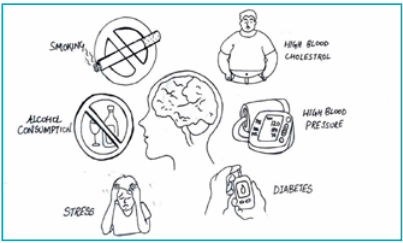
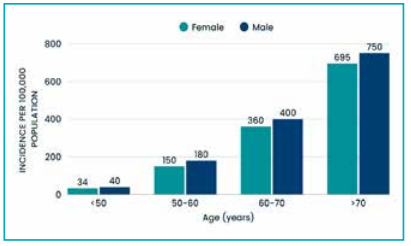
Stroke is one of the most common and significant causes of death and disability globally, and the longterm effects of this condition go far beyond the period of hospitalisation. Stroke is the fourth major cause of death and the fifth major cause of disability in India.1 The Global Burden of Disease (GBD) study highlights that stroke was accountable for over 6.6 million deaths and 143 million disability-adjusted life years (DALYs) in 2019.2 Rising frequency of strokes especially in the lowmiddle income countries (LMICs) such as India is due to modifiable risk factors, such as hypertension, obesity, high blood glucose levels, air pollution, and poor diet (Figure 1).3 In fact, 70% of strokes are experienced in LMICs.4 The gender distribution shows that males have an increased incidence than females, although this difference varies by geography and age group (Figure 2).5,6 The survivors of stroke live with some degree of physical, cognitive, and emotional disabilities that linger long after the original medical crisis has taken place. The idea of life after a stroke involves more than medical rehabilitation. It also involves adaptation, resilience, re-establishing selfidentity and redefining familial and social connections in the presence of new constraints. Past studies have discovered that resilience is a key predictor of recovery outcomes.7 But resilience is not created in a vacuum, but is shaped by rehabilitation access, interpersonal support and systems of the healthcare system.

This paper reviews the emerging literature on stroke survivorship to trace a comprehensive trajectory of life after stroke. The research analyses the effects of rehabilitation, relationships, and resilience on patient outcomes. It pays a critical focus on health care systems, policy outlooks, and forthcoming stroke recovery research prospects.

Figure 1: Risk factors of stroke in young adults, highlighting modifiable contributors.

Figure 2: The graph show distinct patterns across different age groups and sexes. Men had a higher incidence of stroke than women in the younger (15–49 years) and middle-aged (50–69 years) groups. However, in the older age group (70+ years), the incidence rates for women approached and were similar to those of men. This indicates that while younger and middle-aged men are more at risk, older women face nearly the same risk of stroke as men.

Source: Behera DK, Rahut DB, Mishra S, et al. Sci Rep. 2024;14(1):22640.6

Rehabilitation Pathways

Rehabilitation serves as the foundation for functional improvement following stroke.

  1. Physical rehabilitation: Physical therapy, occupational therapy and speech-language therapy are the most evidence-based treatments to restore movement, hand skills, and verbal abilities. Early intervention optimises neuroplasticity and increases functional autonomy. Specific regimens frequently incorporate task-specific training, repetitive movement practice, and adaptable equipment. Special emphasis is placed on the investigation of emerging technologies and developments in stroke rehabilitation. From robots, virtual reality and neurostimulation approaches, the evolving landscape of rehabilitation technology presents a great opportunity for improving outcomes and quality of life for stroke patients. These inventions have demonstrated the ability to alter rehabilitation techniques and enhance outcomes for stroke patients.8

  2. Cognitive rehabilitation: The survivor usually has difficulties in their memory, attention and decisionmaking capabilities. The systematic cognitive training techniques enhance thinking skills, concentration, day-to-day activities and quality of life. Research suggests that, in most situations, the challenges with thinking are strongly correlated with loss of independence rather than movement impairment. Cognitive rehabilitation methods, like other rehabilitation concepts, can be divided into two types: restorative and compensatory approaches. Restorative techniques aim to repair or restore degraded function. Compensatory techniques teach and transfer new tactics, skills, or accommodations to compensate for impairments when the original function may not be entirely regained.9

  3. Technological aids: Innovative technological aids are transforming rehabilitation by improving access and engagement. Remote rehabilitation, robotic applications, and immersive online therapy are becoming useful, particularly among those survivors who have limited physical ability to access face-toface therapy. The training of robot-assisted arms enhances specific motor skills, whereas immersive online spaces expand engagement and attention during the sessions. Immersive online environments and virtual reality platforms are increasingly used to simulate real-world tasks, expand patient engagement, and provide robust feedback during therapy sessions. These technologies help bridge gaps due to distance, resource constraints, and individual limitations.10,11

  4. Barriers to rehabilitation: Several significant barriers prevent effective stroke rehabilitation. Stroke survivors and caregivers report that the quality of available services is not adequate. There are barriers to rehabilitation such as limited resources (especially in resource-limited areas), inadequate infrastructure, poor quality of services, unavailable rehabilitation staff, high costs and geographical disparities. There are also gaps in continuity of care beyond the initial months after stroke in most healthcare networks. Lack of information and awareness regarding stroke and stroke rehabilitation services was highlighted as a significant barrier to access among stroke survivors and their families.12

Relationships and Social Reintegration

Stroke increasingly affects the personal and community relationships of the survivors, which changes the arrangement of the house and social interaction.

  1. Family and caregiving dynamics: Family relations have a pivotal role in the recovery process of stroke survivors. Survivors experience a shift from selfreliance to the necessity of being helped with routine chores and in family roles. Caregivers often face emotional strain, stress and financial strains. This can cause a strain in marital relationships, but in other cases, caregiving could even make relationships stronger as a joint will to power is built.13 When families actively participate in caregiving and rehabilitation, survivors experience enhanced emotional adjustment and motivation, which leads to better results and quality of life. In contrast, dysfunctional family dynamics — characterised by poor communication, unresolved disputes, or an overwhelming caregiver burden — can impede recovery, resulting in higher psychological distress, less therapy involvement, and slower rehabilitation progress.

  2. Intimacy and relationships: Complications after a stroke often disrupt closeness, physical intimacy, and partner communication. Survivors have identified the difficulty in expressing love and sustaining past patterns of relationships.15 Professional advice and open discussion aid in improving relationship quality. Social support, affection, and open discussions are protective mechanisms, and patients who maintain strong social and emotional networks after stroke report improved relational satisfaction. A large amount of recent evidence has been released proving the critical significance of sexual function restoration to be as crucial to functional recovery as any other aspect in the context of rehabilitation.16

  3. Community and social reintegration: Reintegration of patients after an episode of stroke into normal living is synonymous with their functional status, which is the individual's average daily performance. Community support markedly enhances post-stroke social reintegration by facilitating recovery across physical, psychological, and social domains. Survivors complain of feeling isolated because of loss of jobs, moving around or difficulty in speaking. Mutual support networks, local programs, social support from friends, family, and the local community also mitigate their isolation and help foster motivation, which not only helps manage depression and anxiety but also empowers survivors to resume meaningful social roles and relationships.17

Resilience in Stroke Survivors

A key factor in long-term stroke healing is resilience, which refers to the ability to “bounce-back” and to adjust constructively in the face of difficulty. Resilience, as opposed to the professional emphasis on functional recovery, places more emphasis on psychological and social adaptability, assisting survivors and caregivers in reestablishing fulfilling lives despite ongoing difficulties.

  1. Psychological factors: Survivors who are more hopeful, tolerant, and confident about their abilities experience better life satisfaction. Optimism, adaptive confrontation coping, and maintaining a sense of humour help patients adjust better to post-stroke challenges and support active participation in rehabilitation, while anxiety and depression can undermine resilience and slow recovery. When a stroke patient experiences difficulties, familial and social support might help him or her re-adjust or restore the balance of physical and mental health.18

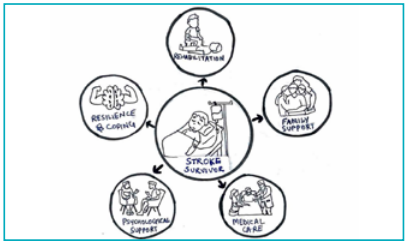
  2. Role of social support: Survivors who have good relationships with family and their peers have favourable coping skills, motivation, and fare well when reintegrating into the community. Social support serves as a buffer to stress and promotes resilience. Changes in relationships with spouses and children have a deep impact on both patients and caregivers.19 High levels of social support are closely linked to faster and more complete functional recovery after a stroke. Studies suggest that patients with robust support systems had considerably higher increases in daily living skills and independence than those with minimal support, regardless of the initial severity of the stroke (Figure 3).20

  3. Faith and purpose discovery: It is the religious beliefs, personal meaning, and rebuilding story that are important in strength development. Research has also revealed that caregivers who attempted positive religious coping measures had better relations with stroke survivors, and a lower level of depression was observed. More favourable responses are shown by stroke victims who view stroke as a challenge and not a result.21

Figure 3: Stroke survivor support model.

Source: Conceived and guided by Dr. Abhishek Dixit, prepared by Anushka Khatana.

Healthcare Systems and Policy Perspectives

The structure of the healthcare system has a great impact on recovery outcomes.

  1. Disparities in access: Disparities in access to stroke therapy are primarily driven by socioeconomic inequality, with lower-income patients facing considerable disadvantages throughout the rehabilitation process. The poor survivors have a lower chance of receiving comprehensive or protracted care. The resulting cycle of disability, dependency, and medical impoverishment highlights the need for targeted policy reforms, such as subsidised services, expanded healthcare infrastructure, and equityfocused innovations like tele-rehabilitation, to bridge this gap and promote just outcomes for all stroke survivors.

  2. Integrated care models: Evidence-based research indicates the benefits of multidisciplinary teamwork of physical therapists, occupational specialists, mental health professionals, and social workers to meet the physical and emotional needs of post-stroke patients. Recent systematic reviews and meta-analyses show that integrating these varied disciplines improves patients' health-related quality of life, allows improvements in everyday activities, and reduces depressive symptoms. Furthermore, integrated care frameworks that include both health and social care services promote long-term reintegration into home and community settings, improve caregiver support, and lower total healthcare costs.

  3. Policy implications: Long-term care, assistance programs available to caregivers, and remote healthcare provision have to be sustained. Community-based policies that reinforce reintegration and peer networks have also been found to be effective in minimising the caregiver burden and enhancing the independence of survivors. Policies that promote community reintegration not only improve survivors' functional outcomes but also their emotional well-being by facilitating social connectedness and meaningful participation. Paid family and medical leave regulations, tax incentives for caregiving expenses, and the inclusion of informal caregivers as active partners in care delivery all guarantee that caregivers have the support, education, and resources they need to effectively handle complicated care demands.

Future Directions

Several promising trends can shape post-stroke treatment in the future:

  1. Personalised rehabilitation using AI: Machine learning may be used to improve treatment plans to monitor patient progress and, based on the results, generate personalised and dynamic recovery paths.

  2. Neuroregeneration and pharmacological interventions: Advances in neuroscience are examining medications and cell-based methods that have the potential to spur neural repair and enhance recovery.

  3. Digital and virtual platforms: Immersive technology, monitoring devices, and game-based rehabilitation have great promise to enhance engagement and reach, especially in underserved groups.

  4. Community-based resilience programs: Structured resilience-building programs, teaching mindfulness, and peer support might be beneficial to the traditional therapeutic methods.

  5. Global policy innovation: Models that would incorporate hospital care, community rehabilitation, and caregiver support would help reduce inequalities and enhance international outcomes.

Discussion

Stroke recovery is not an easy process. It entails medical, psychological, and even social elements. Recovery programs cannot be effective without supportive relationships and strength-building strategies, and are needed to restore their functioning. There are significant changes in relationships among the survivors, and their emotional stress may increase or decrease depending on family support. Personal, social, and system-level factors all influence resilience development. However, challenges such as disproportional access to rehabilitation, disrupted healthcare services, and a lack of caregiver support curtail recovery outcomes. New innovations, particularly those based on machine learning, digital health solutions, and treatments grounded in resiliency, can help to fill these service gaps. The decision-makers are encouraged to focus on long-term models of care that extend beyond hospital stays in an emergency to the daily life of the survivors.

Conclusion

Life after a stroke is a life-long process that has its challenges and yet presents opportunities to adjust and survive. The functions of rehabilitation are restorative, relationships offer emotional and social support, and resilience enables survivors to seek sense and purpose amidst adversity. Healthcare systems and policies should evolve to encourage holistic and long-term recovery. Integrating medical and psychosocial methods with the systemic methods will help society to ensure that the stroke survivors are not only surviving but also doing well in life after the stroke.

Wednesday, September 24, 2025

Study Sheds Light on Drinking and Dementia Risk

 WOW! I totally disagree, my use of alcohol vastly increases my social connections which is what is going to precent dementia! Don't follow me, I'm not medically trained like these people. I consider walking thru a crowded bar after a few drinks to be the fastest way to get balance training, but your doctor will never recommend that, s/he will have nothing EXACT FOR YOUR BALANCE RECOVERY! You're completely on your own for all your stroke recovery. 

 Do you any explanation per this research? Do smarter people have less chance of dementia?

Smarter People Tend To Drink More Alcohol. 

The latest here:

Study Sheds Light on Drinking and Dementia Risk

No safe level of alcohol, largest analysis to date suggests


by , Deputy Managing Editor, MedPage Today

Key Takeaways

  • New data suggested that any level of alcohol consumption raised the risk of dementia.
  • A Mendelian randomization analysis found no evidence that moderate drinking protected against dementia.
  • Findings could mean that even small alcohol amounts may increase population-level dementia risk.

Drinking any amount of alcohol increased dementia risk, data from a combined observational and genetic study suggested.

Light alcohol consumption was associated with low dementia risk in observational analyses, and genetic analyses showed a monotonic increasing dementia risk with higher alcohol intake, reported Anya Topiwala, DPhil, of the University of Oxford in England, and co-authors.

Mendelian randomization suggested a causal role of alcohol consumption in increasing dementia risk with no evidence supporting a protective effect at any consumption level, 

Topiwala and colleagues wrote in BMJ Evidence-Based Medicineopens in a new tab or window.

"The Mendelian randomization analyses give more confidence that alcohol -- even in small doses -- can cause an increase in dementia risk on a population level, rather than only for certain individuals," Topiwala told MedPage Today.

"Using genetics to investigate alcohol-dementia links means there is less risk of a spurious factor like socioeconomic status, for example, being responsible," she said.

"Despite great efforts, we still do not have accessible treatments to treat dementia and prevention is key," Topiwala continued. "Alcohol consumption is widespread across the population, so our findings showing even small amounts of alcohol could increase dementia risk have great relevance."

In the U.S., dietary guidelinesopens in a new tab or window say that drinking less alcohol is better than drinking more and individuals who do not drink alcohol should not start drinking for any reason. Alcohol guidance is expected to be updated this year to incorporate data from an evidence reviewopens in a new tab or window by the National Academies of Sciences, Engineering, and Medicine.

In 2023, the World Health Organization issued a statement that no amount of alcohol is safe.

Some analyses have suggested there might be an optimal dose of alcohol for brain health but many of those studies focused on older adults or didn't differentiate between former and lifelong non-drinkers, Topiwala and colleagues noted.

To circumvent this, the researchers used data from two large-scale population-based cohorts: the U.S. Million Veteran Programopens in a new tab or window and the U.K. Biobankopens in a new tab or window. Genetic analyses used summary statistics from genome-wide association studies.

The sample included 559,559 adults ages 56 to 72 years at baseline. Most people reported drinking alcohol. Mean follow-up was 4 years for the U.S. cohort and 12 years for the U.K. cohort.

The researchers analyzed the number of self-reported weekly drinks, the presence or absence of alcohol use disorder (AUD), and data about risky drinking from an AUD screen. They adjusted findings for demographic factors, lifestyle behaviors, and physical and psychiatric health.

Three genetic measures related to alcohol use were used as exposures in the Mendelian analysis: self-reported weekly drinks (641 independent genetic variants), risky drinking (80 variants), and alcohol dependency (66 variants).

Incident all-cause dementia was determined through health records. During follow-up, 14,540 participants developed dementia and 48,034 died.

Observational analysis showed a U-shaped association between dementia and drinking. Compared with light drinkers (fewer than 7 drinks a week), heavy drinkers who had 40 or more drinks a week had a 41% increase in dementia risk. This rose to a 51% higher risk among people with AUD.

In the Mendelian randomization analysis, no U-shaped association or protective effect of low alcohol intake levels emerged. One standard deviation increase in drinks per week was associated with a 15% dementia increase. A twofold increase in AUD prevalence was tied to a 16% increase in dementia risk. Dementia risk steadily increased with more genetically predicted drinking, the researchers said.

"Neither part of the study can conclusively prove that alcohol use directly causes dementia, but this adds to a large amount of similar data showing associations between alcohol intake and increased dementia risk, and fundamental neuroscience work has shown that alcohol is directly toxic to neurons in the brain," observed Tara Spires-Jones, DPhil, of the University of Edinburgh in Scotland, in comments posted to the U.K. Science Media Centreopens in a new tab or window site.

People who developed dementia typically drank less in the years leading up to their diagnosis, suggesting that reverse causation -- cognitive decline leading to reduced alcohol consumption -- may underlie the protective effects of alcohol found in observational studies, Topiwala and co-authors suggested.

The results "challenge the notion that low levels of alcohol are neuroprotective," they wrote.

"Our study findings support a detrimental effect of all types of alcohol consumption on dementia risk, with no evidence supporting the previously suggested protective effect of moderate drinking," they added.

The strongest statistical associations were found in people of European ancestry due to the numbers of participants of this ethnic heritage in the study, the researchers acknowledged. Mendelian randomization is based on assumptions that can't be verified, they added.

opens in a