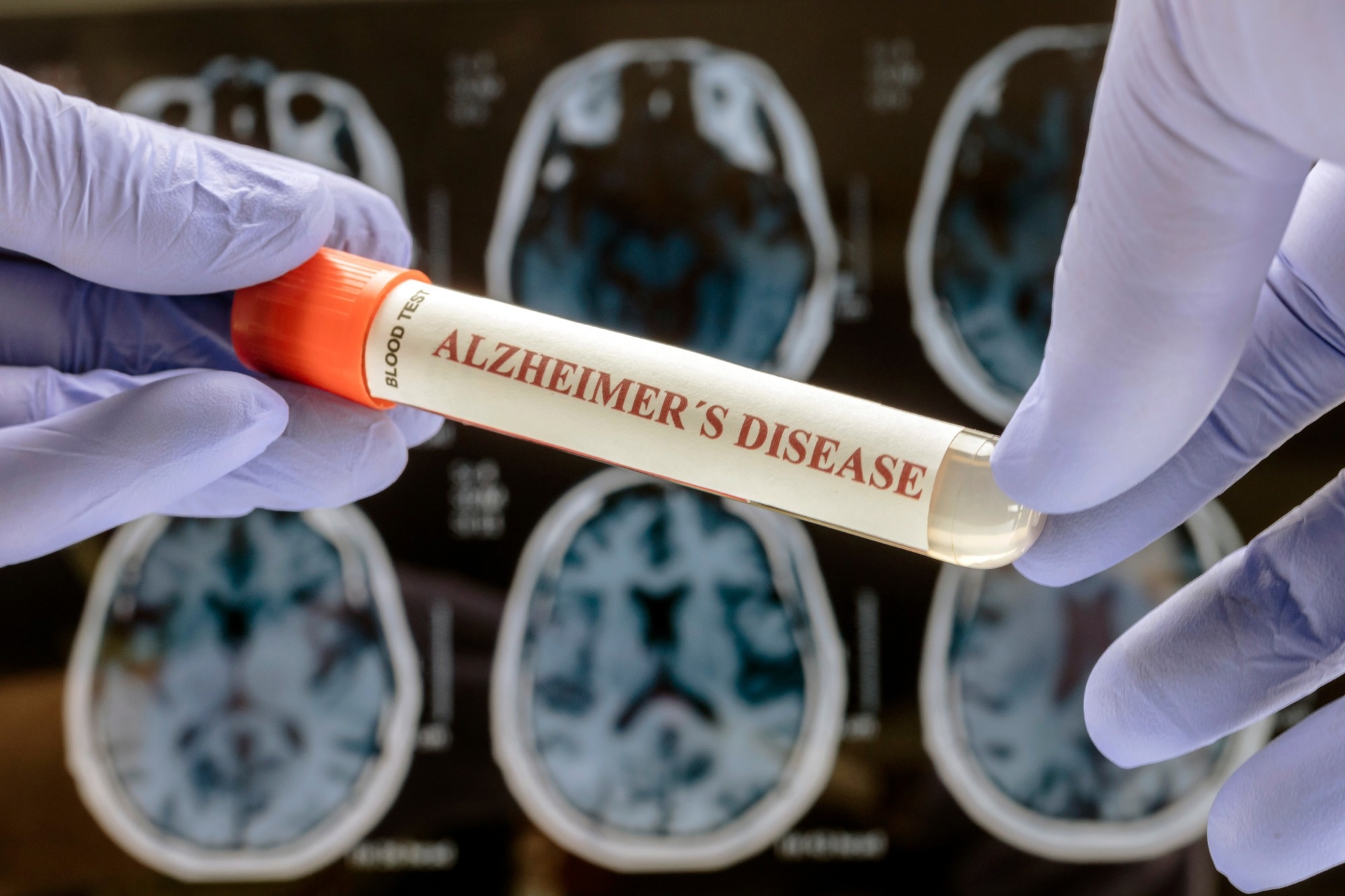
Changing stroke rehab and research worldwide now.Time is Brain! trillions and trillions of neurons that DIE each day because there are NO effective hyperacute therapies besides tPA(only 12% effective). I have 523 posts on hyperacute therapy, enough for researchers to spend decades proving them out. These are my personal ideas and blog on stroke rehabilitation and stroke research. Do not attempt any of these without checking with your medical provider. Unless you join me in agitating, when you need these therapies they won't be there.

What this blog is for:

My blog is not to help survivors recover, it is to have the 10 million yearly stroke survivors light fires underneath their doctors, stroke hospitals and stroke researchers to get stroke solved. 100% recovery. The stroke medical world is completely failing at that goal, they don't even have it as a goal. Shortly after getting out of the hospital and getting NO information on the process or protocols of stroke rehabilitation and recovery I started searching on the internet and found that no other survivor received useful information. This is an attempt to cover all stroke rehabilitation information that should be readily available to survivors so they can talk with informed knowledge to their medical staff. It lays out what needs to be done to get stroke survivors closer to 100% recovery. It's quite disgusting that this information is not available from every stroke association and doctors group.

Showing posts with label dementia detection. Show all posts

Wednesday, December 10, 2025

AI Turns Simple EEG Scans Into Accurate Dementia Detectors

 How long before your stroke medical 'professionals' use this to check your possibility of dementia?

With your risk of dementia post stroke your doctor and hospital (If competent) need to create this protocol and have dementia prevention protocols on hand. 

1. A documented 33% dementia chance post-stroke from an Australian study?   May 2012.

2. Then this study came out and seems to have a range from 17-66%. December 2013.`    

3. A 20% chance in this research.   July 2013.

4. Dementia Risk Doubled in Patients Following Stroke September 2018  

Do you prefer your doctor and hospital incompetence NOT KNOWING? OR NOT DOING?

AI Turns Simple EEG Scans Into Accurate Dementia Detectors

Summary: New research shows that deep learning can use EEG signals to distinguish Alzheimer’s disease from frontotemporal dementia with high accuracy. By analyzing both the timing and frequency of brain activity, the model uncovered distinct patterns: broader disruption across multiple regions in Alzheimer’s and more localized frontal and temporal changes in frontotemporal dementia.

The system also estimated disease severity, offering clinicians faster insight than traditional tools. These findings suggest that affordable EEG technology, paired with advanced AI, may streamline diagnosis and personalize care for people experiencing cognitive decline.

Key Facts

  • EEG Biomarkers: Slow delta waves in frontal and central areas signaled disease in both conditions.
  • Distinct Patterns: Alzheimer’s showed widespread disruption, while frontotemporal dementia remained more localized.
  • High Accuracy: A two-stage deep learning system reached 84% accuracy in separating the two disorders.

Source: FAU

Dementia is a group of disorders that gradually impair memory, thinking and daily functioning. Alzheimer’s disease (AD), the most common form of dementia, affects about 7.2 million Americans aged 65 and older in 2025.

Frontotemporal dementia (FTD), while rarer, is the second most common cause of early-onset dementia, often striking people in their 40s to 60s.

Although both diseases damage the brain, they do so in distinct ways. AD primarily affects memory and spatial awareness, while FTD targets regions responsible for behavior, personality and language.

Because their symptoms can overlap, it often leads to misdiagnosis. Distinguishing between them is not just a scientific challenge but a clinical necessity, as accurate diagnosis can profoundly affect treatment, care and quality of life.

MRI and PET scans are effective for diagnosing AD but are costly, time-consuming and require specialized equipment. Electroencephalography (EEG) offers a portable, non-invasive and affordable alternative by measuring brain activity with sensors across various frequency bands.

However, signals are often noisy and vary between individuals, making analysis difficult. Even with machine learning applications to EEG data, results are inconsistent and differentiating AD from FTD remains difficult.

To tackle this issue, researchers from the College of Engineering and Computer Science at Florida Atlantic University have created a deep learning model that detects and evaluates AD and FTD. It boosts EEG accuracy and interpretability by analyzing both frequency- and time-based brain activity patterns linked to each disease.

The results of the study, published in the journal Biomedical Signal Processing and Control, found that slow delta brain waves were an important biomarker for both AD and FTD, mainly in the frontal and central regions of the brain.

In AD, brain activity was more widely disrupted, also affecting other regions of the brain and frequency bands like beta, indicating more extensive brain damage. These differences help explain why AD is typically easier to detect than FTD.

The model achieved more than 90% accuracy in distinguishing individuals with dementia (AD or FTD) from cognitively normal participants. It also predicted disease severity with relative errors of less than 35% for AD and 15.5% for FTD.

Because AD and FTD share similar symptoms and brain activity, telling them apart was difficult. Using feature selection, the researchers boosted the model’s specificity – how well it identified people without the disease – from 26% to 65%.

Their two-stage design – first detecting healthy individuals, then separating AD from FTD – achieved 84% accuracy, ranking among the best EEG-based methods so far.

The model merges convolutional neural networks and attention-based LSTMs to detect both the type and severity of dementia from EEG data. Grad-CAM shows which brain signals influenced the model, helping clinicians understand its decisions.

This approach offers a new view of how brain activity evolves and which regions and frequencies drive diagnosis – something traditional tools rarely capture.

“What makes our study novel is how we used deep learning to extract both spatial and temporal information from EEG signals,” said Tuan Vo, first author and a doctoral student in the FAU Department of Electrical Engineering and Computer Science.

“By doing this, we can detect subtle brainwave patterns linked to Alzheimer’s and frontotemporal dementia that would otherwise go unnoticed. Our model doesn’t just identify the disease – it also estimates how severe it is, offering a more complete picture of each patient’s condition.”

The findings also revealed that AD tends to be more severe, impacting a wider range of brain areas and leading to lower cognitive scores, while FTD’s effects are more localized to the frontal and temporal lobes.

These insights align with previous neuroimaging studies but add new depth by showing how these patterns appear in EEG data – an inexpensive and noninvasive diagnostic tool.

“Our findings show that Alzheimer’s disease disrupts brain activity more broadly, especially in the frontal, parietal and temporal regions, while frontotemporal dementia mainly affects the frontal and central areas,” said Hanqi Zhuang, Ph.D., co-author and associate dean and professor, FAU Department of Electrical Engineering and Computer Science.

“This difference explains why Alzheimer’s is often easier to detect. However, our work also shows that careful feature selection can significantly improve how well we distinguish FTD from Alzheimer’s.”

Overall, the study shows that deep learning can streamline dementia diagnosis by combining detection and severity assessment in one system, cutting down on lengthy evaluations and giving clinicians real-time tools to track disease progression.

“This work demonstrates how merging engineering, AI and neuroscience can transform how we confront major health challenges,” said Stella Batalama, Ph.D., dean of the College of Engineering and Computer Science.

“With millions affected by Alzheimer’s and frontotemporal dementia, breakthroughs like this open the door to earlier detection, more personalized care, and interventions that can truly improve lives.”

Study co-authors are Ali K. Ibrahim, Ph.D., an assistant professor of teaching; and Chiron Bang, a doctoral student, both with the FAU Department of Electrical Engineering and Computer Science. 

Key Questions Answered:

Q: What makes diagnosing Alzheimer’s and frontotemporal dementia difficult?

A: Their symptoms and EEG signatures often overlap, leading to misdiagnosis without specialized imaging.

Q: How does the model improve EEG-based detection?

A: It analyzes spatial and temporal features simultaneously, revealing subtle brainwave differences missed by standard methods.

Q: Does the system also measure Alzheimer’s disease severity?

A: Yes — it estimates severity levels for both conditions, helping clinicians track progression more effectively.

Editorial Notes:

  • This article was edited by a Neuroscience News editor.
  • Journal paper reviewed in full.
  • Additional context added by our staff.

About this AI and neurotech research news

Author: Gisele Galoustian
Source: FAU
Contact: Gisele Galoustian – FAU
Image: The image is credited to Neuroscience News

Original Research: Open access.
Extraction and interpretation of EEG features for diagnosis and severity prediction of Alzheimer’s Disease and Frontotemporal dementia using deep learning” by Tuan Vo et al. Biomedical Signal Processing and Control


Wednesday, December 3, 2025

When Machine Learning Helps Reveal Hidden Dementia

 You'll likely need this because of your chances of dementia post stroke. Which then means your  COMPETENT? DOCTOR NEEDS EXACT DEMENTIA PREVENTION PROTOCOLS! 


DOES YOUR INCOMPETENT? DOCTOR NOT HAVE THESE?

DOES YOUR DOCTOR HAVE EXACT DEMENTIA PREVENTION PROTOCOLS? NO? So, your doctor is incompetent? 

1. A documented 33% dementia chance post-stroke from an Australian study?   May 2012.

2. Then this study came out and seems to have a range from 17-66%. December 2013.`    

3. A 20% chance in this research.   July 2013.

4. Dementia Risk Doubled in Patients Following Stroke September 2018 

The latest here: 

When Machine Learning Helps Reveal Hidden Dementia

Patients at primary care clinics received more dementia diagnoses after implementation of a machine-learning tool designed to flag potential cases, according to a study published in JAMA Network.

The findings point to a potential solution for diagnosing dementia earlier in the disease process, said Malaz A. Boustani, MD, MPh, professor in the Department of Medicine at the Indiana University School of Medicine in Indianapolis, who led the study.

“Changing or transforming primary care to accommodate the needs of people living with unrecognized dementia or mild cognitive impairment requires a scalable and sustainable solution with minimum time and minimum cost,” Boustani said.

An estimated 6 million Americans have dementia, and more than one third of those older than 55 will eventually develop the condition, according to the National Institutes of Health.

Boustani and his colleagues conducted a randomized clinical trial of more than 5300 adults aged more than 65 (mean age, 71 years; 62.2% women) at nine federally qualified health centers in Indianapolis over a 2-year period beginning in July 2022. Patients did not have a previous diagnosis of mild cognitive impairment, dementia, or severe mental illness.

Clinics were randomized to one of three approaches. One group of 1724 patients received usual care with no routine screening for Alzheimer’s disease and related dementias (ADRD). Another 1300 patients were seen at clinics that used a machine learning algorithm that scanned electronic record data for indicators of dementia risk. A third group of 2301 patients received care at clinics that made diagnosis based on the algorithm plus a patient-reported survey of 10 questions on cognitive abilities, daily tasks, behavior, and mood.

Among clinics using the AI tool, clinicians would receive a notification if a particular patient showed signs of risk for dementia, and suggest ordering a memory test, referral to a specialist, and talking to the patient about any concerns.

Boustani said he and his colleagues validated the diagnosis by analyzing more than 2000 cases of ADRD and more than 11,000 people without those conditions in Indiana. They then divided the population into two cohorts, one of which was used to train the program and the second was used for validation, producing accuracy of close to 80%, Boustani said.

Clinics randomized to the algorithm and survey approach showed 31% higher odds of new ADRD diagnoses (adjusted OR [aOR], 1.31; 95% CI, 1.05-1.64) than usual care clinics (12-month incidence, 12.4%). Clinics using the algorithm alone had a lower incidence of diagnosis than usual care (12-month incidence, 10.3%; aOR, 0.84; 95% CI, 0.63-1.11).

After 12 months, 36.7% of patients in clinics using the survey and algorithm approach had undergone a dementia-related diagnostic test compared to 27.8% of patients in clinics using algorithms alone and 29% of those in usual care clinics.

Chelsea Cox, MPH, MSW, social worker and doctoral candidate at the University of Michigan School of Public Health in Ann Arbor, Michigan, said primary care clinicians are often overburdened and do not have time to screen for ADRD.

“The tools that were employed in this research study remove some of those barriers to help facilitate not only from the patient side, being able to report concerns about memory and cognition, but from the clinician and primary care provider side, to be able to very efficiently determine whether somebody’s at risk and should be referred for additional cognitive and neuropsychological testing,” Cox said.

Various study authors reported receiving grants, consulting fees, and personal fees, along with having equity interest and holding patents from the National Institutes of Health, the Academy for Continued Healthcare Learning, Cognivue, and Pfizer, among others. No other disclosures were reported.

Friday, November 21, 2025

AI Tool Offers Early Warning System for Dementia - Years Before Symptoms Begin


With your risk of dementia post stroke, you'll want this test so your competent? doctor can give you EXACT PREVENTION PROCOLS! You need to ask for those protocols now because you don't want your doctor scrambling to put them together when you need them.

With your extra risk of dementia post stroke; DOES YOUR DOCTOR HAVE EXACT DEMENTIA PREVENTION PROTOCOLS? NO? So, your doctor is incompetent? 

1. A documented 33% dementia chance post-stroke from an Australian study?   May 2012.

2. Then this study came out and seems to have a range from 17-66%. December 2013.`    

3. A 20% chance in this research.   July 2013.

4. Dementia Risk Doubled in Patients Following Stroke September 2018 

AI Tool Offers Early Warning System for Dementia - Years Before Symptoms Begin

By decoding subtle brain patterns long before memory loss begins, researchers are harnessing cutting-edge AI to create a powerful clinical tool that could transform the detection and management of dementia.

Scientist holds blood sample to investigate remedy against Alzheimer

Image Credit: digicomphoto/Shutterstock.com In an interview feature published by the University of Cambridge, Professor Zoe Kourtzi discussed the development of an artificial intelligence (AI)-driven 'brain forecast' technology created through her spinout company, Prodromic. Described as a major step forward in applying AI to brain health, the approach aims to analyze complex brain data to predict how dementia may progress in individual patients before symptoms appear.The discussion highlighted early results indicating three-fold diagnostic accuracy compared to standard methods, as well as the ongoing effort to translate this work from academic research into a clinical platform with the potential to support earlier and more effective interventions.

Dementia Diagnosis Comes Too Late - AI is Changing That

 Dementia stands as one of the most formidable challenges to global health, a cruel disease that gradually erodes identity and devastates families. Traditionally, diagnosis occurs only after significant, often irreversible, cognitive decline has set in, leaving clinicians and patients with limited options. Yet, a major change is happening, led by innovators working at the crossroads of neuroscience and AI. Among them is Professor Zoe Kourtzi, a computational cognitive neuroscientist at the University of Cambridge and a lead at the Alan Turing Institute. Her work challenges the long-held belief that predicting the progression of dementia is impossible. Through her spinout company, Prodromic, she is translating fundamental brain science into a practical tool for clinicians. The company's mission is to provide an accurate, individual prognosis, moving the medical frontier from reaction to early prediction and intervention. Motivated by both scientific curiosity and a personal commitment to improving brain health, Kourtzi’s cross-disciplinary approach combines rigorous computational modeling with an emphasis on real-world impact.

Training AI with Decades of Patient Data to Predict Dementia Progression

The core of Prodromic's technology is a sophisticated AI model that deciphers the complex, subtle patterns in brain data that precede clinical symptoms of dementia. The initial research was sparked when a clinician expressed frustration to Professor Kourtzi about having no tools to help patients presenting with early concerns. Despite skepticism within the field, her team began applying computational approaches to understand brain plasticity and degeneration. The critical breakthrough came with access to a unique, long-term dataset from memory clinics in Singapore, which provided a decade's worth of high-quality, unbiased information on patients. This unbiased data was the essential ingredient for training and validating their predictive algorithms. The results have been highly encouraging, with the models having demonstrated a capability to diagnose and provide a prognosis with up to three times greater accuracy than current standard approaches in research evaluations. This means that for the first time, clinicians could have a statistically robust tool to identify which patients with mild cognitive complaints are most likely to progress to dementia, and at what probable trajectory, creating a crucial window of opportunity for intervention long before significant neural damage has occurred.

From Research Lab to Clinic: Building a Usable Diagnostic Tool

 Recognizing the potential of this technology, Professor Kourtzi made the strategic decision to found Prodromic, ensuring the research would not remain confined to academic journals but would reach doctors and patients.  The company's primary mission is to develop a user-friendly software platform that integrates this "brain forecast" technology into clinical workflows. The goal is to provide clinicians with a clear, actionable report that empowers them to make a confident diagnosis at the earliest possible stage. This early detection is pivotal, as it is the point where existing medications can be most effective and where lifestyle interventions, such as diet, exercise, and cognitive training, can have the greatest impact on slowing progression. The societal implications of such a tool are profound. Beyond the clinical benefits, an early prognosis can help patients and their families understand and prepare for the future, reducing the distress and confusion that often accompany a later diagnosis. Families, who often misinterpret early symptoms as personality flaws or stubbornness, can respond with compassion and support rather than conflict. To bring this vision to life, Prodromic is currently in its seed stage, focusing on building a robust and regulated software platform. The journey from lab to clinic has been facilitated by Cambridge's entrepreneurial ecosystem, including business training programs that provided the necessary commercial foundation.

A New Era in Dementia Care: Predict First, Treat Early

 In conclusion, the development of an accurate predictive tool for dementia marks a pivotal moment in neuroscience and clinical care. Prodromic's AI-driven technology represents a fundamental shift from managing symptoms to proactively forecasting and managing disease risk. By providing an individualized "brain forecast," it empowers both clinicians and patients with the one resource that has been most scarce in the fight against dementia - time. This time allows for the strategic application of available treatments and lifestyle modifications that can significantly alter the disease's course, potentially delaying severe symptoms for years and preserving quality of life. Disclaimer: The views expressed here are those of the author expressed in their private capacity and do not necessarily represent the views of AZoM.com Limited T/A AZoNetwork the owner and operator of this website. This disclaimer forms part of the

Wednesday, November 19, 2025

New diagnostic approach identifies dementia stages based on neurovascular and metabolic changes


With your extra risk of dementia post stroke; DOES YOUR DOCTOR HAVE EXACT DEMENTIA PREVENTION PROTOCOLS? NO? So, your doctor is incompetent? 

1. A documented 33% dementia chance post-stroke from an Australian study?   May 2012.

2. Then this study came out and seems to have a range from 17-66%. December 2013.`    

3. A 20% chance in this research.   July 2013.

4. Dementia Risk Doubled in Patients Following Stroke September 2018 

The latest here:

New diagnostic approach identifies dementia stages based on neurovascular and metabolic changes

Researchers from the Indiana University School of Medicine have developed a highly sensitive diagnostic that predicts a person's stage of dementia based on neurovascular and metabolic changes. They recently published their findings in Alzheimer's & Dementia: The Journal of the Alzheimer's Association.

Years before a person experiences the earliest symptoms of dementia or Alzheimer's disease, scientists say there's an imbalance in energy metabolism and blood flow in the brain - specifically within regions connected to memory, cognition and learning.

The IU research team - led by Paul Territo, PhD, professor of medicine, and Juan Antonio K. Chong Chie, PhD, postdoctoral research fellow - studied how cerebral perfusion, which is the flow of blood to the brain, and glucose metabolism, which is how the body breaks down and stores glucose for energy, change across dozens of brain regions in more than 400 human patients. They discovered that metabolism and perfusion in the brain may become dysregulated as early as 20 years prior to a clinical diagnosis of dementia or cognitive impairment changes.

The researchers previously developed this novel method to analyze perfusion and metabolism brain scans of animal models developed by the Model Organism Development and Evaluation for Late-Onset Alzheimer's Disease (MODEL-AD) center. They found that metabolism and perfusion were some of the first biological processes that become dysregulated in the progression of Alzheimer's disease and dementia - potentially long before the accumulation of amyloid plaques and tau tangles, two major hallmarks of the neurodegenerative disorder.

In the recent study, the team investigated brain metabolism using PET scans and blood flow using MRI scans of 403 humans from the Alzheimer's Disease Neuroimaging Initiative database and tracked the neurovascular and metabolic changes over the disease course. They confirmed these findings through gene signatures and clinical cognitive tests.

Our data indicate that inflammation plays a major role early, which leads to metabolic and vascular damage. This work confirmed that what we hypothesized in the mice occurs in humans as well. We're able to see from the earliest phases of Alzheimer's disease and related dementia through to advanced disease.

This approach permits assessment of disease progression and can be used for patient stratification and to monitor therapeutic response. If you analyze brain regions that have neuro-metabolic and vascular disruptions and then give a drug that mitigates those disruptions, we should see a regression of those processes along with fewer inflammatory signatures and improvements in cognition."

Paul Territo, PhD, professor of medicine, Indiana University School of Medicine

The group of patients the team studied was clinically diagnosed across the disease spectrum for dementia and memory conditions, which include cognitively normal, early mild cognitive impairment, mild cognitive impairment, late mild cognitive impairment and Alzheimer's disease.

The lab developed a framework to assess the neuro-metabolic and vascular dysregulation in the brains of the patients - the same approach they used in animal models. This approach divides the process into four different phases of metabolism and perfusion changes that closely align with disease progression, Territo said. These range from decreased metabolism and increased blood flow at the earliest stage to decreases in metabolism and blood flow at the final stage of Alzheimer's disease.

"What we observe in both animal models and humans is, as you progress across the entire spectrum of disease," Territo said, "you fall into one of the four different neuro-metabolic and vascular states, and these states and their trajectories are specific for each region."

Territo said the team discovered that among the 59 regions of the brain they evaluated in patients, some regions were more susceptible and progressed faster toward disease, while others were more resilient and progressed slower. Regions associated with memory, learning and cognition, he added, were impacted first and least tolerant of the neuro-metabolic and vascular dysregulation. They also found that disease progression varies by sex; females progress faster in disease compared to males.

Additionally, these changes aligned with gene signatures - specific sets of genes gathered through blood samples that classify diseases - and clinical cognitive tests of the patients, said Chong Chie, who also verified similarities with their animal model studies.

Researchers will next study how different regions of the brain communicate and connect after undergoing metabolic and vascular changes.

"Our analysis tells you that the brain undergoes these deficits, but what it doesn't tell you is how the brain is structured and how those structures change with disease," Territo said. "We'll next aim to answer those questions, and that will also allow us to help stratify the patient population. It's just a matter of looking at it in a unique way that others have not to date."

Source:
Journal reference:

Antonio, J., et al. (2025). Neurometabolic and vascular dysfunction s an early diagnostic for Alzheimer’s disease and related dementias. Alzheimer's & Dementia. doi: 10.1002/alz.70790. https://alz-journals.onlinelibrary.wiley.com/doi/10.1002/alz.70790

Tuesday, November 18, 2025

AI Tool Offers Early Warning System for Dementia—Years Before Symptoms Begin


What are the EXACT PROTOCOLS YOUR COMPETENT? DOCTOR HAS TO PREVENT DEMENTIA? NONE? So, you DON'T have a functioning stroke doctor, do you?

The reason you need dementia prevention: 

1. A documented 33% dementia chance post-stroke from an Australian study?   May 2012.

2. Then this study came out and seems to have a range from 17-66%. December 2013.

3. A 20% chance in this research.   July 2013. 

 I bet your doctor has failed to create EXACT dementia prevention protocols, and s/he is still employed by your hospital?

The latest here:

AI Tool Offers Early Warning System for Dementia—Years Before Symptoms Begin

By decoding subtle brain patterns long before memory loss begins, researchers are harnessing cutting-edge AI to create a powerful clinical tool that could transform the detection and management of dementia.

Scientist holds blood sample to investigate remedy against Alzheimer

Image Credit: digicomphoto/Shutterstock.com

In an interview feature published by the University of Cambridge, Professor Zoe Kourtzi discussed the development of an artificial intelligence (AI)-driven 'brain forecast' technology created through her spinout company, Prodromic. Described as a major step forward in applying AI to brain health, the approach aims to analyze complex brain data to predict how dementia may progress in individual patients before symptoms appear.

The discussion highlighted early results indicating three-fold diagnostic accuracy compared to standard methods, as well as the ongoing effort to translate this work from academic research into a clinical platform with the potential to support earlier and more effective interventions.

Dementia Diagnosis Comes Too Late - AI is Changing That

Dementia stands as one of the most formidable challenges to global health, a cruel disease that gradually erodes identity and devastates families. Traditionally, diagnosis occurs only after significant, often irreversible, cognitive decline has set in, leaving clinicians and patients with limited options.

Yet, a major change is happening, led by innovators working at the crossroads of neuroscience and AI. Among them is Professor Zoe Kourtzi, a computational cognitive neuroscientist at the University of Cambridge and a lead at the Alan Turing Institute.

Her work challenges the long-held belief that predicting the progression of dementia is impossible. Through her spinout company, Prodromic, she is translating fundamental brain science into a practical tool for clinicians. The company's mission is to provide an accurate, individual prognosis, moving the medical frontier from reaction to early prediction and intervention. Motivated by both scientific curiosity and a personal commitment to improving brain health, Kourtzi’s cross-disciplinary approach combines rigorous computational modeling with an emphasis on real-world impact.

Training AI with Decades of Patient Data to Predict Dementia Progression

The core of Prodromic's technology is a sophisticated AI model that deciphers the complex, subtle patterns in brain data that precede clinical symptoms of dementia. The initial research was sparked when a clinician expressed frustration to Professor Kourtzi about having no tools to help patients presenting with early concerns.

Despite skepticism within the field, her team began applying computational approaches to understand brain plasticity and degeneration. The critical breakthrough came with access to a unique, long-term dataset from memory clinics in Singapore, which provided a decade's worth of high-quality, unbiased information on patients. This unbiased data was the essential ingredient for training and validating their predictive algorithms.

The results have been highly encouraging, with the models having demonstrated a capability to diagnose and provide a prognosis with up to three times greater accuracy than current standard approaches in research evaluations. This means that for the first time, clinicians could have a statistically robust tool to identify which patients with mild cognitive complaints are most likely to progress to dementia, and at what probable trajectory, creating a crucial window of opportunity for intervention long before significant neural damage has occurred.

From Research Lab to Clinic: Building a Usable Diagnostic Tool

Recognizing the potential of this technology, Professor Kourtzi made the strategic decision to found Prodromic, ensuring the research would not remain confined to academic journals but would reach doctors and patients. 

The company's primary mission is to develop a user-friendly software platform that integrates this "brain forecast" technology into clinical workflows. The goal is to provide clinicians with a clear, actionable report that empowers them to make a confident diagnosis at the earliest possible stage. This early detection is pivotal, as it is the point where existing medications can be most effective and where lifestyle interventions, such as diet, exercise, and cognitive training, can have the greatest impact on slowing progression.

The societal implications of such a tool are profound. Beyond the clinical benefits, an early prognosis can help patients and their families understand and prepare for the future, reducing the distress and confusion that often accompany a later diagnosis. Families, who often misinterpret early symptoms as personality flaws or stubbornness, can respond with compassion and support rather than conflict.

To bring this vision to life, Prodromic is currently in its seed stage, focusing on building a robust and regulated software platform. The journey from lab to clinic has been facilitated by Cambridge's entrepreneurial ecosystem, including business training programs that provided the necessary commercial foundation.

A New Era in Dementia Care: Predict First, Treat Early

In conclusion, the development of an accurate predictive tool for dementia marks a pivotal moment in neuroscience and clinical care.

Prodromic's AI-driven technology represents a fundamental shift from managing symptoms to proactively forecasting and managing disease risk. By providing an individualized "brain forecast," it empowers both clinicians and patients with the one resource that has been most scarce in the fight against dementia - time. This time allows for the strategic application of available treatments and lifestyle modifications that can significantly alter the disease's course, potentially delaying severe symptoms for years and preserving quality of life.

Monday, July 7, 2025

Mayo Clinic develops AI capable of substantially improving dementia diagnoses


What are the EXACT PROTOCOLS YOUR COMPETENT? DOCTOR HAS TO PREVENT DEMENTIA? NONE? So, you DON'T have a functioning stroke doctor, do you?

The reason you need dementia prevention: 

1. A documented 33% dementia chance post-stroke from an Australian study?   May 2012.

2. Then this study came out and seems to have a range from 17-66%. December 2013.

3. A 20% chance in this research.   July 2013. 

 I bet your doctor has failed to create EXACT dementia prevention protocols, and s/he is still employed by your hospital?

Mayo Clinic develops AI capable of substantially improving dementia diagnoses

Experts at the Mayo Clinic have developed an artificial intelligence tool that could markedly improve the diagnosis of different types of dementia. 

Diagnosing the disease—and determining the type—typically requires a slew of exams that include imaging analyses, behavioral assessments, lab tests, psychological evaluations and more. And even with a file full of evidence, the process can still be somewhat subjective, making it difficult to decide on the best course of treatment. 

Thanks to numerous advances in imaging and other technologies, providers are now able to spot signs of impending cognitive decline before the onset of symptoms, enabling them to initiate preventive strategies earlier. The recent emergence of artificial intelligence has taken these diagnostic advances a step further. 

At Mayo Clinic, a team of experts developed and trained an AI tool to spot patterns on fluorodeoxyglucose positron emission tomography (FDG-PET) scans that can help physicians distinguish between dementias. It displays the patterns in color-coded maps of different regions of the brain, helping identify altered activity in areas related to specific symptoms. The tool, known as StateViewer, not only improves diagnostic accuracy, but it also reduces interpretation times. 

David Jones, MD, a Mayo Clinic neurologist and director of the Mayo Clinic Neurology Artificial Intelligence Program, spearheaded the AI’s development. 

“Every patient who walks into my clinic carries a unique story shaped by the brain’s complexity,” Jones said in a statement. “That complexity drew me to neurology and continues to drive my commitment to clearer answers. StateViewer reflects that commitment—a step toward earlier understanding, more precise treatment and, one day, changing the course of these diseases.” 

StateViewer was trained on thousands of FDG-PET images, including those from individuals with dementia and patients with no signs of cognitive decline. During testing, it was able to differentiate between nine neurodegenerative phenotypes with a sensitivity of 0.89 ± 0.03 and an area under the receiver operating characteristic curve of 0.93 ± 0.02. Readers using the tool were three times more accurate with its help compared to those who did not. Additionally, interpretation times were nearly twice as fast with the help of StateViewer. 

Leland Barnard, PhD, a data scientist who led the AI engineering team, expressed optimism for how it could benefit providers and patients in the future. 

“As we were designing StateViewer, we never lost sight of the fact that behind every data point and brain scan was a person facing a difficult diagnosis and urgent questions,” Barnard said. “Seeing how this tool could assist physicians with real-time, precise insights and guidance highlights the potential of machine learning for clinical medicine.” 

StateViewer is continuing to be analyzed in varying clinical settings. To learn more, read the study abstract in Neurology. 

Thursday, July 3, 2025

New AI Tool Accurately Detects Nine Types of Dementia Using Single Brain Scan: Study Shows

 Maybe you want your incompetent? doctor and hospital to use this on you so the EXACT DEMENTIA PREVENTION PROTOCOLS can be implemented! Oh no, they don't have any, do they? You're screwed and your doctors still get paid for incompetence! Aren't you lucky pay for results doesn't exist? Until we get pay for performance our stroke medical 'professionals' won't lift a hand to solve stroke.

New AI Tool Accurately Detects Nine Types of Dementia Using Single Brain Scan: Study Shows

Monday, June 9, 2025

Digital Tool May Boost Early Dementia Detection in Primary Care, Study Finds

 What are the EXACT PROTOCOLS YOUR COMPETENT? DOCTOR HAS TO PREVENT DEMENTIA? NONE? So, you DON'T have a functioning stroke doctor, do you?

The reason you need dementia prevention: 

1. A documented 33% dementia chance post-stroke from an Australian study?   May 2012.

2. Then this study came out and seems to have a range from 17-66%. December 2013.

3. A 20% chance in this research.   July 2013. 

 I bet your doctor has failed to create EXACT dementia prevention protocols, and s/he is still employed by your hospital?

Digital Tool May Boost Early Dementia Detection in Primary Care, Study Finds

CHICAGO — Combining machine learning and patient-reported tools significantly improved early detection of dementia in primary care, according to new research presented at the annual meeting of the American Geriatrics Society (AGS) 2025 Annual Scientific Meeting.

Researchers from Indiana University Indianapolis found that using a machine learning algorithm and a patient-reported screening tool — together known as the Digital Detection of Dementia (D3) approach — led to a 44% higher likelihood of a clinician diagnosing a patient with dementia over a 1-year period compared with usual care.

The researchers tested the D3 model in a randomized trial across nine federally qualified health centers (FQHCs) in Indianapolis.

Of the more than 5300 patients aged 65 years or older who enrolled, 62% were women, and more than half were Black or Hispanic.

The clinics were assigned to provide three types of care, the first being usual care.

Patients in the second group were evaluated for dementia using the passive digital marker, an artificial intelligence (AI) algorithm that analyzed existing electronic health record data to flag potential cases.

Clinicians at the third clinic evaluated patients by analyzing results from the Quick Dementia Rating System, a 10-item questionnaire that takes patients 2-3 minutes to complete, and viewed flagged cases produced by the algorithm.

Providers at the third clinic diagnosed significantly more patients with dementia than those at clinics using usual care, even after accounting for age, sex, race, and ethnicity (odds ratio, 1.44; 95% CI, 1.19-1.75).

In contrast, clinics using only the AI tool showed no statistically significant increase in diagnoses. Researchers hypothesized that even partial use of the questionnaire — completed by just 21% of eligible patients — may have improved clinicians’ trust in AI alerts, nudging them toward making a diagnosis.

“Providers…are very busy and are bombarded with computerized decision support,” said lead study researcher Malaz Boustani, MD, a geriatrician and professor of aging research at Indiana University. But “with the right messenger and time,” trust in digital tools can grow and lead to behavior change.

According to previous research, 62% of older adults seen in FQHCs have mild cognitive impairment, and 12% have dementia. Yet most go undiagnosed. Black patients were more than twice as likely as White patients to have unrecognized cognitive decline.

The tools were embedded directly into the clinics’ electronic health record system, triggering alerts in the chart view. Patients were offered the questionnaire during electronic check-in. A clinical decision support system then guided clinicians with next steps.

“This hybrid model lets clinicians do the right thing without adding to their workload,” Boustani said.

The D3 model is now being evaluated for broader implementation, Boustani said. He and his colleagues are also exploring ways to increase patient completion of the questionnaire and refine clinician prompts.

“We’re waiting on the result of an ongoing trial that is trying to replicate our study using interruptive alerts instead of non-interruptive alerts,” Boustani said. “If that trial shows similar or better results, we will work with existing consulting companies to distribute the digital tools across the country.”

Boustani serves as a chief scientific officer and co-founder of two private companies and has various financial relationships involving equity with other companies. He also serves on various advisory boards for pharmaceutical companies.

Friday, June 7, 2024

Quick Test Helps Detect Dementia

 I couldn't find the gait portion of the test anywhere, so if you are taking this test require your doctor to skip the gait portion since you'll likely fail that.

Quick Test Helps Detect Dementia

Primary care tool assesses memory recall, cognition and gait, and symbol-matching

A computer rendering of a magnifying glass over a person’s brain.

Key Takeaways

  • The 5-Cog assessment tool helped improve dementia-related care in primary care patients.
  • 5-Cog tripled the odds that a patient would receive a dementia-related intervention within 90 days.
  • The quick tool tests memory recall, cognition and gait, and symbol-matching.

A quick cognitive assessment tool helped improve dementia-related care in primary care patients, a randomized controlled trial showed.

Compared with standard care, the 5-Cog system tripled the odds that a patient would receive a dementia-related intervention within 90 days (18.5% vs 6.8%, P<0.001), reported Joe Verghese, MBBS, MS, of the Albert Einstein Medical College in the Bronx, New York, and co-authors.

The primary outcome was defined as one of five actions -- a new diagnosis of dementia or mild cognitive impairment; imaging, tests, or prescriptions ordered; or a specialist referral -- within 90 days. The adjusted odds ratio (OR) for the primary outcome (OR 3.43, 95% CI 2.32–5.07) and its components were higher in the 5-Cog arm than the control group.

"Dementia is often undiagnosed in primary care, and even when diagnosed, untreated," Verghese and colleagues wrote in Nature Medicineopens in a new tab or window. "The 5-Cog paradigm, a brief, culturally adept, cognitive detection tool paired with a clinical decision support may reduce barriers to improving dementia diagnosis and care."

Primary care cognitive tests can be long or require specialized personnel, Verghese and colleagues noted. Often, they don't provide guidance on the next steps if a patient has a normal or abnormal result, they added.

"Many cognitive tests were developed in white populations," the researchers pointed out. "These tests, therefore, do not adequately account for cultural differences or health inequity."

For example, the Montreal Cognitive Assessment (MoCA) test cutoffs for detecting dementia were established in mostly white populations and were too high in a study of mostly Black or Hispanic people, they observed. Black and Hispanic participants in the Health and Retirement Study had missed or delayed dementia diagnoses more frequently than white participants, they added.

The 5-Cog tool combines three metrics designed to test memory recall, the connection between cognition and gait, and the ability to match symbols and pictures. The tests are quick and not affected by reading levels or ethnic or cultural differences among patients, Verghese and co-authors said. They can be administered by non-physicians who can convey results to a primary care provider.

In the clinical trial, the 5-minute cognitive assessment was coupled with a decision tree embedded in a patient's electronic medical record (EMR). The researchers enrolled 1,201 older adults who presented to one urban primary care clinic in the Bronx with cognitive concerns from May 2019 to September 2022. All participants lived in zip codes designated as socioeconomically disadvantaged neighborhoods.

Mean age of participants was about 73. Most (72%) were women and 94% were Black, Hispanic, or Latino. About 40% did not graduate from high school.

Overall, 599 participants were assigned to the 5-Cog group and 602 to the control group. The control intervention was matched for time and tester exposure. It included elements that did not overlap with the 5-Cog, like grip strength instead of gait assessments.

Dementia-care actions occurred in 43.8% patients with positive 5-Cog results and 1.4% with negative 5-Cog. New primary care diagnoses of mild cognitive impairment (7.3% vs 0.8%) and dementia (3.5% vs 1.5%) were higher in the 5-Cog arm than the control group. Those in the 5-Cog group had more laboratory tests (OR 7.64), imaging tests (OR 4.80), and specialist referrals (OR 2.38) for cognitive indications than the control group (all P<0.001). New prescriptions were rare in both groups (1.0% vs 0.3%).

Overall, 1,042 participants completed 12 months of follow-up. No group differences in hospitalizations or emergency department differences were seen over 12 months.

The study has several limitations, Verghese and colleagues acknowledged. It was conducted at a single center and involved only patients with memory concerns, not asymptomatic older adults.

"Following up on this clinical efficacy trial, we have begun a pragmatic cluster randomized trial that will examine the clinical effectiveness of the 5-Cog paradigm, including the critical aspect of integration of results with recommendations for follow-up in the EMR, in 22 primary care clinics as well as evaluate implementation issues and economic impact," they wrote.

  • Judy George covers neurology and neuroscience news for MedPage Today, writing about brain aging, Alzheimer’s, dementia, MS, rare diseases, epilepsy, autism, headache, stroke, Parkinson’s, ALS, concussion, CTE, sleep, pain, and more. Follow

Disclosures

The research was funded by National Institute of Neurological Disorders and Stroke in collaboration with National Institute on Aging. The 5-Cog study is a participant in the Consortium for the Detection of Cognitive Impairment, Including Dementia (DetectCID).

Verghese and co-authors reported no disclosures.

Primary Source

Nature Medicine

Source Reference: Verghese J, et al "Non-literacy biased, culturally fair cognitive detection tool in primary care patients with cognitive concerns: a randomized controlled trial" Nat Med 2024; DOI: 10.1038/s41591-024-03012-8.

Saturday, January 22, 2022

FDA gives breakthrough designation to blood-based test for early prediction of Alzheimer’s


With your good chance of getting dementia this test should be prescribed by your doctor to establish a baseline for you. And then if found implement THOSE EXACT DEMENTIA PREVENTION PROTOCOLS  your doctor should have competently already set up.

Your risk of dementia, has your doctor told you of this?

1. A documented 33% dementia chance post-stroke from an Australian study?   May 2012.

2. Then this study came out and seems to have a range from 17-66%. December 2013.`    

3. A 20% chance in this research.   July 2013.

4. Dementia Risk Doubled in Patients Following Stroke September 2018 

The latest here:

FDA gives breakthrough designation to blood-based test for early prediction of Alzheimer’s

The FDA has granted breakthrough device designation to Diadem U.S. Inc. for AlzoSure Predict, its blood-based test for early prediction of Alzheimer’s disease.

The company’s blood-based biomarker prognostic assay is intended to determine with high accuracy whether people older than 50 years with signs of cognitive impairment may or may not progress to AD up to 6 years before the appearance of definitive symptoms.

Diadem supported its application to the FDA on positive data from a longitudinal study with 482 participants in this patient population. The study’s second phase includes biobank data from more than 1,000 additional participants from the U.S. and Europe and is set for completion in the coming months, according to a company release.

“Obtaining this FDA breakthrough device designation reinforces our view that AlzoSure Predict is a potential game changer for the early identification and management of [AD], which afflicts millions of patients and their families worldwide,” Paul Kinnon, CEO of Diadem, said in the release. “We see the breakthrough device designation as an important step in supporting the future commercialization of AlzoSure Predict in the U.S and globally, and we look forward to working closely with the FDA to complete our clinical studies and expedite the regulatory review process.”


Saturday, January 15, 2022

Test detects signs of dementia 6 months sooner than more commonly used exam


With your good chance of getting dementia this test should be prescribed by your doctor to establish a baseline for you. And then if found implement THOSE EXACT DEMENTIA PREVENTION PROTOCOLS  your doctor should have competently already set up.

Your risk of dementia, has your doctor told you of this?

1. A documented 33% dementia chance post-stroke from an Australian study?   May 2012.

2. Then this study came out and seems to have a range from 17-66%. December 2013.`    

3. A 20% chance in this research.   July 2013.

4. Dementia Risk Doubled in Patients Following Stroke September 2018 

The latest here:

Test detects signs of dementia 6 months sooner than more commonly used exam

Perspective from Heather Snyder, PhD
Perspective from Pierre N. Tariot, MD
Perspective from Sharon A. Brangman, MD

The Self-Administered Gerocognitive Examination identified signs of dementia in patients 6 months earlier than the Mini-Mental State Examination, according to results from a cohort study published in Alzheimer's Research & Therapy.

Approximately two-thirds of older patients have cognitive scores in dementia ranges when first assessed, which may indicate less severe cognitive symptoms may have been occurring for years, according to the study authors.

Older adult looking confused
Data show the Self-Administered Gerocognitive Examination identified signs of dementia in patients 6 months earlier than the Mini-Mental State Examination.
Photo source: Adobe stock

“It is critical for providers to more easily recognize symptoms of brain dysfunction at the mild cognitive impairment or early dementia stage,” they wrote.

“Clinical providers wish to provide the best assessments and care to their patients in a timely fashion within their existing time constraints,” Douglas Scharre, MD, director of the division of cognitive neurology at The Ohio State Wexner Medical Center, told Healio. “Administered tests like the [Mini-Mental State Examination (MMSE)] and others are more burdensome in busy clinical settings than the [Self-Administered Gerocognitive Examination (SAGE)] and consequently are less likely to be administered and repeated regularly over time.”

The MMSE was described as the “most commonly used office-based standard cognitive test” in a press release.

Scharre and colleagues conducted a retrospective chart review on 655 consecutive patients who attended a memory disorders clinic. The researchers excluded patients aged younger than 50 years; those with mental retardation, epilepsy, brain tumors, schizophrenia, ADHD and non-Alzheimer’s disease dementia or mixed dementia; and those with baseline MMSE or SAGE scores deemed “not meaningful for a change over time analysis” — leaving 424 patients with available data for the final analysis. This smaller group of patients was classified as either having subjective cognitive decline, mild cognitive impairment or Alzheimer’s disease dementia.

The researchers compared the patients’ SAGE test scores to those from the MMSE, which is administered by health care professionals. The SAGE test gauges the test taker’s orientation, language, calculations, memory, abstraction, executive and constructional abilities. It takes approximately 10 to 15 minutes for patients to complete. The MMSE does not gauge abstractions or executive abilities It takes about 7 to 10 minutes to administer. A lower score on either test indicates increased likelihood of cognitive decline.

The patients were followed for up to 8.8 years, the researchers said.

Scharre and colleagues reported that SAGE and MMSE scores declined at annual rates of 1.91 points annually (P < .0001) and 1.68 points annually (P < .0001) respectively, for patients with mild cognitive decline that converted to Alzheimer’s disease dementia over the course of the study. SAGE and MMSE scores dropped 1.82 points annually (P < .0001) and 2.38 points annually (P < .0001), respectively, for patients who had Alzheimer’s disease dementia. Both test scores remained stable for patients who did not progress to Alzheimer’s disease dementia. Statistically significant declines from baseline scores occurred at least 6 months earlier with SAGE vs. MMSE for patients with mild cognitive decline that converted to Alzheimer’s disease dementia (14.4 points vs. 20.4 points), patients with mild cognitive impairment that did not convert to non-Alzheimer’s disease dementia (14.4 points vs. 32.9 points) and patients with Alzheimer’s disease dementia (8.3 points vs. 14.4 points).

“If the clinical provider who is regularly obtaining SAGE assessments records a two- to three-point drop or more in 12 to 18 months, this represents a significant decline in their patient’s score and is predictive (over 80% specificity) that the individual will eventually develop dementia,” Scharre said. “This provides some time for intervention. Effective screening using a tool like SAGE leads to early identification of mild cognitive impairment, which allows the provider to consider more potential treatment options for the patient and to be able to treat earlier in the disease course, all of which typically provides improved patient outcomes.”

He recommended that primary care physicians administer SAGE when they or a caregiver notice that patients are “declining in their cognitive abilities from their usual baseline skills,” such as forgetting things more frequently, experiencing greater difficulty finding a word, “losing their sense of direction more easily, having more trouble using technology, or not making as wise decisions or judgments as they are accustomed to making.” Scharre also said that SAGE, which is available online or in paper form, should be administered every 6 months to monitor for changes in scores or when cognitive issues arise.

References

Scharre DW, et al. Alzheimer's Res Therp. 2021;doi:10.1186/s13195-021-00930-4.


Wednesday, December 8, 2021

This simple at-home test may help detect subtle signs of dementia

Is your doctor proactively testing for MCI? Or is s/he just doing the status quo of nothing? You have a good chance of getting dementia, hopefully your doctor has protocols to prevent that. 

Your risk of dementia, has your doctor told you of this?

1. A documented 33% dementia chance post-stroke from an Australian study? May 2012.

2. Then this study came out and seems to have a range from 17-66%. December 2013.`    

3. A 20% chance in this research.   July 2013.

4. Dementia Risk Doubled in Patients Following Stroke September 2018 

The latest here; you're probably on your own to test your cognitive decline, so good luck with that:


This simple at-home test may help detect subtle signs of dementia

Though not unusual, a memory that fades with age can be worrisome: while it’s just a normal part of aging for some, for others it may be an early sign of a more serious problem, such as Alzheimer’s disease. A new study suggests that a simple test that anyone can take on their own may be able to detect subtle signs of dementia earlier than currently used screening tests.

Researchers assessed the accuracy of a paper and pencil test, dubbed SAGE, in more than 400 patients who were followed for nearly nine years and found that when results from different points in time were compared, age-related memory loss could be distinguished from the early stages of dementia, according to the report published in Alzheimer’s Research and Therapy.

While you can take the SAGE test at home, it&#39;s recommended that a doctor scores it for you. (The Ohio State University Wexner Medical Center)
While you can take the SAGE test at home, it's recommended that a doctor scores it for you. (The Ohio State University Wexner Medical Center)

“We found SAGE to be an effective screening tool to identify people who would eventually develop dementia, probably six months earlier than the most used screening tool,” said Dr. Douglas Scharre, director of the division of cognitive neurology at Ohio State University.

One big advantage of SAGE is that people don’t need to be supervised while they pencil in the answers, Scharre said. “Patients can take it on their own while they are sitting in the doctor’s waiting room,” he added. “Since you don’t need someone to administer the test, such as a doctor or nurse, it’s easy to have patients do it every six months.”

The new study pinpoints how much of a score drop will indicate the subtle signs of developing dementia, Scharre said. “What we suggest is that if you take it at home, you bring it to your doctor to score it,” he added. “If today’s score is normal, you want to check again in six months to see if there is a decline. Our study showed that only people whose scores dropped eventually developed dementia.”

For those who like to figure out stuff on their own, it’s possible to download the test and learn how to score it via the SAGE’s physician's section. Scharre notes that there are four different versions of the test so people won’t get a boost from remembering what was on the exam the last time they took it.

To see whether the SAGE test could distinguish between normal age-related memory loss and the memory problems tied to dementia, Scharre and his colleagues reviewed the charts of 665 consecutive patients who had come to the Ohio State Memory Disorders Clinic. The researchers included patients in their analysis who had had at least two visits six months apart during which they were evaluated with SAGE and the current standard, the Mini-Mental State Examination, which must be given by a health professional.

Of the 424 individuals who fit the criteria for inclusion in the study, 40 were determined to have subjective cognitive decline (patients who felt their memories were getting worse, but they still tested in the normal range), 94 had mild cognitive impairment that did not convert to dementia, 70 with MCI did progress to dementia and 220 were found to have dementia on their initial visit.

Among patients who eventually progressed from MCI to dementia, scores dropped 1.91 points per year on the SAGE test and 1.68 points per year on the MMSE. Among the patients whose initial scores indicated Alzheimer’s disease dementia, SAGE scores dropped 1.82 points per year and MMSE scores dropped 2.38 points per year. Scores remained stable for patients who had subjective cognitive decline and those with MCI that did not progress.

“I think that the idea of trying to identify one’s own personal cognitive decline over time is excellent,” said Sandra Weintraub, a professor of psychiatry in the Mesulam Center for Cognitive Neurology and Alzheimer’s Disease at Northwestern University Feinberg School of Medicine. “This is a topic that's been of interest to all of us in this field for a very long time.”

Weintraub believes the future of dementia detection is online cognitive tests that you can bring up on your phone to see how you are doing over time.

Overall, though, such tests, whether pencil and paper or their digital cousins are “a great idea,” she said. “One of the problems we have is when a person comes in for cognitive evaluation, we don’t know what they were like before. Everyone is different.”

People should look at cognition checks the same way they look at blood pressure monitoring, Weintraub said. “If your blood pressure is high, you call your doctor. The same should happen if you see a decline on a ‘brain monitor.’”

It’s important to understand, though, that the results of these tests are not a diagnoses, Weintraub said. That’s because a lot of things besides brain changes can lead to cognitive decline, some of them curable.

For example, she said, “older people can have this kind of decline due to kidney failure. You have to remember, the brain is a chemical/electrical organ. There are certain neurotransmitters the brain needs and when you have kidney failure or any kind of organ issues the chemistry changes.”

The good news, Weintraub said, is if your declines aren’t caused by actual changes in your brain, they maybe reversible.