Changing stroke rehab and research worldwide now.Time is Brain! trillions and trillions of neurons that DIE each day because there are NO effective hyperacute therapies besides tPA(only 12% effective). I have 523 posts on hyperacute therapy, enough for researchers to spend decades proving them out. These are my personal ideas and blog on stroke rehabilitation and stroke research. Do not attempt any of these without checking with your medical provider. Unless you join me in agitating, when you need these therapies they won't be there.

What this blog is for:

My blog is not to help survivors recover, it is to have the 10 million yearly stroke survivors light fires underneath their doctors, stroke hospitals and stroke researchers to get stroke solved. 100% recovery. The stroke medical world is completely failing at that goal, they don't even have it as a goal. Shortly after getting out of the hospital and getting NO information on the process or protocols of stroke rehabilitation and recovery I started searching on the internet and found that no other survivor received useful information. This is an attempt to cover all stroke rehabilitation information that should be readily available to survivors so they can talk with informed knowledge to their medical staff. It lays out what needs to be done to get stroke survivors closer to 100% recovery. It's quite disgusting that this information is not available from every stroke association and doctors group.

Showing posts with label great stroke association. Show all posts

Saturday, November 22, 2025

Stroke survivor to lead Stroke Association’s board

 Inform him that he needs to lead the Stroke Association to solve stroke to 100% recovery! Ignore all the stroke medical 'professionals' that say it can't be done.

Create that great stroke association and leave behind the fucking failures of stroke associations!

If you need help my email is down the right side on top page.

BE A LEADER AND SOLVE THE DIFFICULT PROBLEMS IN FRONT OF YOU. 

Stroke survivor to lead Stroke Association’s board

The Stroke Association has named Jason Parker, who had a stroke at the age of 45, as its next chair.

The partner at professional services firm KPMG takes charge of the charity’s board when current chair Stephen King steps down in January 2026 after eight years.

The charity says Parker has made a good recovery after having a stroke, which had initially left him paralysed, in a wheelchair and with mental health issues.

He has been supporting the charity for the last 18 months as an independent advisor to its Audit and Risk and Finance committees, as well as being involved in campaigns, public speaking and fundraising.

“Not only does Jason bring passion and lived experience to the role, he also brings extensive leadership and business expertise,” said the charity.

Parker said: “It is a huge privilege to take on this role – a job that I would never have dreamed of doing before my major stroke.

“Having experienced first-hand the devastation that stroke brings to physical and mental health for both the individual and their support network, I have been determined to do all I can to spread awareness and support anyone equally impacted, irrespective of background or post code.

"In uncertain economic and geopolitical times, we have a huge opportunity to be a force for good, providing hope, challenging inequity and rebuilding lives.

"I will be as tireless in pushing for change as I was in learning to walk again.”

Stroke Association chief executive Juliet Bouverie added: “Jason’s experience of stroke and his recovery, combined with his professional expertise, leadership qualities and growth mindset, make him a compelling choice to guide our charity into its next phase.

“We wanted someone with lived experience but also a proven track record of innovation and someone who leads with inclusion and diversity of thought. Jason was the stand-out candidate in this regard.”



Wednesday, October 29, 2025

New findings show recovery support is more vital than ever

Notice that this stroke association from the UK has support phone numbers for survivors. The ASA has none, The WSO has none. Because neither of them are for survivors. We don't have a great stroke association but lots of fucking failures of stroke associations!

 New findings show recovery support is more vital than ever

Saturday, March 29, 2025

Evaluating Multimodal Rehabilitation Strategies for Enhancing Func- tional Recovery in Patients with Stroke, Parkinson’s Disease, and Chronic Respiratory Disorders

This type of review SHOULD NEVER BE NECESSARY! A great stroke association would have all stroke research in an openly available database. Thus, your stroke medical 'professionals' would never have an excuse for not being up-to-date!

 Evaluating Multimodal Rehabilitation Strategies for Enhancing Functional
 Recovery in Patients with Stroke, Parkinson’s Disease, and Chronic
Respiratory Disorders

Pramoedya Ananta Toe,
Research Scientist, Nigeria.
Article ID: ICMERD-IJPHY_03_01_001 Published on: 20 January 2022
Abstract
Rehabilitation of patients with neurological and cardiopulmonary conditions such as
stroke, Parkinson’s disease, and chronic respiratory disorders is essential for improving
functional outcomes and quality of life. Multimodal rehabilitation strategies, which
integrate physical therapy, occupational therapy, respiratory training, and cognitive
exercises, have shown promise in enhancing recovery. This paper evaluates the
effectiveness of multimodal rehabilitation in improving motor function, cardiopulmonary
capacity, and symptom reduction in patients with these conditions. A thorough literature
review identifies key methodologies and outcomes reported before 2021. Data analysis
and comparative evaluation are presented through charts and tables to highlight trends
and improvements in patient recovery. The findings underscore the importance of an
integrated approach to rehabilitation and suggest potential areas for further research
and clinical refinement.
Keywords:
Rehabilitation, Stroke, Parkinson’s Disease, Respiratory Disorders, Multimodal Therapy,
Motor Function, Cardiopulmonary Recovery
Citation: Toe, P.A. (2022). Evaluating multimodal rehabilitation strategies for enhancing
functional recovery in patients with stroke, Parkinson’s disease, and chronic respiratory disorders.

1. Introduction
Neurological and cardiopulmonary conditions, such as stroke, Parkinson’s disease, and
chronic respiratory disorders, significantly impact the functional independence and quality
of life of affected individuals. Rehabilitation plays a critical role in addressing these
challenges by improving motor function, cardiopulmonary capacity, and cognitive function.
Multimodal rehabilitation integrates various therapeutic approaches, including physical
therapy, cognitive training, respiratory exercises, and assistive technologies, to optimize
patient outcomes.
2. Stroke rehabilitation aims to restore motor and cognitive function through a combination of
task-specific training, gait therapy, and neuroplasticity-based interventions. Parkinson’s
disease management focuses on improving motor control, balance, and coordination
through resistance training, balance exercises, and deep brain stimulation. Respiratory
disorders are often addressed with breathing exercises, pulmonary rehabilitation, and
oxygen therapy to enhance lung function and reduce symptoms such as dyspnea. This paper
explores the evidence for the effectiveness of multimodal rehabilitation strategies for these
conditions.

More at link.

Friday, August 16, 2024

This Common Food Keeps Your Brain Healthy from PsyBlog

But we want to know which nut is the best(almonds, walnuts, pistachios, peanuts). Where is the study pointing that out? This is where a great stroke association would step in, run research and create protocols. BUT NO, WE HAVE FUCKING FAILURES OF STROKE ASSOCIATIONS INSTEAD. Hope you don't mind dying early because of their incompetence.

Maybe your competent? doctor did something in the past decade. Oh, you don't have a functioning stroke doctor, do you?

 This Common Food Keeps Your Brain Healthy from PsyBlog

The more people ate, the better their thinking skills over time.

Eating two teaspoons of nuts each day is linked to better memory, thinking and reasoning, research reveals. Those eating a small amount of nuts regularly had 60 percent better cognitive skills than those not eating them, the study found. Nuts contain antioxidants that can help to reduce inflammation, which protects the brain against cognitive decline. The conclusions come from a study that tracked 4,822 people over 55-years-old in China from 1991 to 2006. All were given tests of cognitive function, including memory, thinking and reasoning. The results revealed that 10 grams of nuts per day or higher was linked to a 40 percent reduction in the risk of cognitive decline. The more nuts people ate, the better their thinking skills over time.

Dr Ming Li, the study’s author, said:

“By eating more than 10 grams (or two teaspoons) of nuts per day older people could improve their cognitive function by up to 60 per cent — compared to those not eating nuts — effectively warding off what would normally be experienced as a natural two-year cognition decline.”

The nut most people ate in the study was peanuts — 17 percent were regular consumers of them.

Dr Li said:

“Nuts are known to be high in healthy fats, protein and fibre with nutritional properties that can lower cholesterol and improve cognitive health.

While there is no cure for age-related cognitive decline and neurogenerative disease, variations in what people eat are delivering improvements for older people.”

Aging populations around the world can change their diet to slow down natural decline, Dr Li said:

“As people age, they naturally experience changes to conceptual reasoning, memory, and processing speed.

This is all part of the normal ageing process.

But age is also the strongest known risk factor for cognitive disease.

If we can find ways to help older people retain their cognitive health and independence for longer — even by modifying their diet — then this absolutely worth the effort.”

Sunday, May 12, 2024

Immersive VR for upper-extremity rehabilitation in patients with neurological disorders: a scoping review

 Didn't your competent? doctor create a protocol on this years ago? NO? So you DON'T have a functioning stroke doctor? Why are you seeing them?

Why the fuck was this review needed? If we had a great stroke association  instead of our  fucking failures of stroke associations, then we would have a publicly available protocol on this in our complete database of stroke research and protocols. But with NO leadership, nothing is ever done to solve stroke. You're screwed, don't have a stroke because of the complete incompetence of your stroke medical 'professionals' using the failed status quo instead of solving stroke.

Immersive VR for upper-extremity rehabilitation in patients with neurological disorders: a scoping review

Abstract

Background

Neurological disorders, such as stroke and chronic pain syndromes, profoundly impact independence and quality of life, especially when affecting upper extremity (UE) function. While conventional physical therapy has shown effectiveness in providing some neural recovery in affected individuals, there remains a need for improved interventions. Virtual reality (VR) has emerged as a promising technology-based approach for neurorehabilitation to make the patient’s experience more enjoyable. Among VR-based rehabilitation paradigms, those based on fully immersive systems with headsets have gained significant attention due to their potential to enhance patient’s engagement.

Methods

This scoping review aims to investigate the current state of research on the use of immersive VR for UE rehabilitation in individuals with neurological diseases, highlighting benefits and limitations. We identified thirteen relevant studies through comprehensive searches in Scopus, PubMed, and IEEE Xplore databases. Eligible studies incorporated immersive VR for UE rehabilitation in patients with neurological disorders and evaluated participants’ neurological and motor functions before and after the intervention using clinical assessments.

Results

Most of the included studies reported improvements in the participants rehabilitation outcomes, suggesting that immersive VR represents a valuable tool for UE rehabilitation in individuals with neurological disorders. In addition, immersive VR-based interventions hold the potential for personalized and intensive training within a telerehabilitation framework. However, further studies with better design are needed for true comparison with traditional therapy. Also, the potential side effects associated with VR head-mounted displays, such as dizziness and nausea, warrant careful consideration in the development and implementation of VR-based rehabilitation programs.

Conclusion

This review provides valuable insights into the application of immersive VR in UE rehabilitation, offering the foundation for future research and clinical practice. By leveraging immersive VR’s potential, researchers and rehabilitation specialists can design more tailored and patient-centric rehabilitation strategies, ultimately improving the functional outcome and enhancing the quality of life of individuals with neurological diseases.

Background

Neurological disorders affect millions of people around the world. Stroke alone accounts for over 110 million cases, as reported by the World Health Organization [1]. Spinal cord injury, pain syndromes, multiple sclerosis, and many other diseases also affect a substantial number of people. These diseases not only have a physical impact, but also affect people's independence, well-being, and overall quality of life [2,3,4]. The global prevalence of neurological disorders and their profound impact underscore the urgent need for effective rehabilitation strategies to promote neurological recovery and improve the lives of those affected.

Neurological disorders often lead to impairments of the upper limbs, which are essential for performing everyday activities. To recover the use of their arms, patients often undergo conventional interventions, such as physical or occupational therapy [5,6,7]. Conventional physiotherapy for stroke survivors is often paired with technology-based interventions such as electromyographic biofeedback, electrostimulation, repetitive task training, and robotics [8]. Pain-related syndromes typically involve common interventions like mirror therapy, motor imagery, cognitive-behavioral therapies, and pharmacological treatments [9]. In the case of multiple sclerosis, commonly adopted interventions include robot-based training, home-based motor training, and electrical nerve stimulations [10]. Although these methods are effective in improving the outcomes with respect to conventional therapies alone [5, 8, 11], they also have limitations, such as low repeatability, high cost, and low engagement [12, 13]. Therefore, it is crucial to explore innovative technology-based approaches that can mitigate these limitations while improving rehabilitation outcomes [14].

Virtual reality (VR) is an end user human–computer interface technology that involves real-time simulation and interaction [15]. VR offers the possibility of engaging participants in multiple and personalized activities in which they can interact with virtual objects in real-time through multiple sensory modalities [16]. Immersive VR is an advanced form of VR that involves the use of head-mounted displays (HMDs) with high-resolution displays and spatial tracking systems to immerse users in a 3D virtual world that can be visually and audibly realistic. This combination of hardware and software allows users to engage with virtual objects and environments as though they were tangible realities [17]. The HMD includes a stereoscopic display that presents a different image to each eye, creating a sense of depth and immersion. Motion-tracking sensors detect the users' movements, allowing them to look around and interact naturally with the virtual environment.

In the context of rehabilitation, immersive VR is used as a tool to engage patients in virtual activities and therapeutic exercises specifically designed to promote their neurological recovery [18].

Currently, there is a limited understanding of the effectiveness, potential challenges, and facilitators associated with the use of immersive VR for upper limb rehabilitation across diverse neurological conditions. This scoping review aims to address this research gap by examining the characteristics and clinical outcomes of studies focusing on rehabilitation through immersive VR. Our analysis encompasses a comprehensive review of existing studies that utilize immersive VR for upper-limb rehabilitation in individuals with neurological disorders. Various aspects, including study type and design, population characteristics, neurological conditions, types of tasks employed, and rehabilitation outcomes, were thoroughly explored. The scope of our analysis extended beyond the intervention itself, encompassing specific details about the VR setup to provide a detailed account of the technical aspects. Additionally, we assessed potential side effects associated with the use of HMDs, an integral component of the immersive VR experience that requires careful consideration.


More at link.

Tuesday, April 25, 2023

Early mobilization in acute stroke phase: A systematic review

Why the fuck was this review needed? If we had a great stroke association  instead of our   fucking failures of stroke associations, then we would have a publicly available protocol on this in our complete database of stroke research and protocols. But with NO leadership, nothing is ever done to solve stroke. You're screwed, don't have a stroke because of the complete incompetence of your stroke medical 'professionals' using the failed status quo instead of solving stroke.

You mean you're repeating what is already known?


 Early mobilization in acute stroke phase: A systematic review

Topics in Stroke Rehabilitation , Volume 30(2) , Pgs. 157-168.

NARIC Accession Number: J91174.  What's this?
ISSN: 1074-9357.
Author(s): de Aquino Miranda, Jéssica M.; Borges, Viviany M.; Bazan, Rodrigo; Luvizutto, Gustavo J.; Shinosaki, Jullyanna S. M.
Publication Year: 2023.
Number of Pages: 12.
Abstract: This systematic review investigated the effectiveness and safety of early mobilization in the acute stroke phase. Electronic database searches identified a total of 476 studies. After exclusion, seven studies involving 8,663 patients were included in the qualitative synthesis. The main activities were elevation of the headboard, sitting, standing, and walking. The most important outcome assessed was the modified Rankin scale score (disability) after 3 months of stroke, and two studies showed that early mobilization improves functional capacity after stroke. The safety was evaluated based on related and non-related adverse effects. Based on qualitative synthesis, the optimal time to start early mobilization is more than 24 hours after stroke according to hemodynamic stability and safety criteria. The recommended duration of mobilization is between 15 and 45 minutes, divided into one, two, or three times a day. The focus of early mobilization should be on sitting, standing, and walking activity. No severe adverse events were observed in any of the studies.
Descriptor Terms: ACUTE CARE, BODY MOVEMENT, EARLY INTERVENTION, MOBILITY, PHYSICAL THERAPY, STROKE.


Can this document be ordered through NARIC's document delivery service*?: Y.

Citation: de Aquino Miranda, Jéssica M., Borges, Viviany M., Bazan, Rodrigo, Luvizutto, Gustavo J., Shinosaki, Jullyanna S. M. (2023). Early mobilization in acute stroke phase: A systematic review.  Topics in Stroke Rehabilitation , 30(2), Pgs. 157-168. Retrieved 4/25/2023, from REHABDATA database.

Tuesday, April 4, 2023

Early Mobilization Post Acute Stroke Thrombolysis and/or Thrombectomy Survey

Why the fuck was this survey needed? If we had a great stroke association  instead of our   fucking failures of stroke associations, then we would have a publicly available protocol on this in our complete database of stroke research and protocols. But with NO leadership, nothing is ever done to solve stroke. You're screwed, don't have a stroke because of the complete incompetence of your stroke medical 'professionals' using the failed status quo instead of solving stroke.

Early Mobilization Post Acute Stroke Thrombolysis and/or Thrombectomy Survey


Abstract

Background

We sought to determine mobilization practices following emergency stroke therapy in centers across the United States.

Methods

We surveyed hospitals in the NIH StrokeNet regarding mobilization practices following acute stroke thrombolysis and/or thrombectomy. An anonymous survey was sent out to all StrokeNet sites Survey questions included stroke center designation, location of admission, whether a formal bed rest protocol was in place, minimum bed rest period required, which person first mobilized the patient.

Results

48 centers responded to the survey including 45 Comprehensive Stroke Centers and 3 Primary Stroke Centers. Most patients were admitted to a neuro-intensive care unit (54%), others to a general medical/surgical ICU, stroke ward, or combination. 60% of respondents indicated that a formal bed rest policy was in place. Minimum bed rest requirements after thrombolysis alone ranged from 0 to 24 hours (35% with a 24-hour bed rest protocol, 19% with no minimum, 13% with a 12-hour minimum, 4% with an 8-hour minimum, 4% with a 6-hour minimum, and 6% with a variable rest period). Similar variations were reported in patients undergoing thrombectomy with ranges from 0 to 24 hours bed rest. First mobilization was by a nurse 52% of the time and by a physical therapist 48% of the time.

Conclusions

Mobilization practices following emergency ischemic stroke reperfusion treatments vary significantly across stroke centers. Mobilization of patients is performed primarily by nurses and therapists. Further study regarding an optimal approach for mobilization following acute ischemic stroke thrombolysis and/or thrombectomy is warranted.

Friday, November 18, 2022

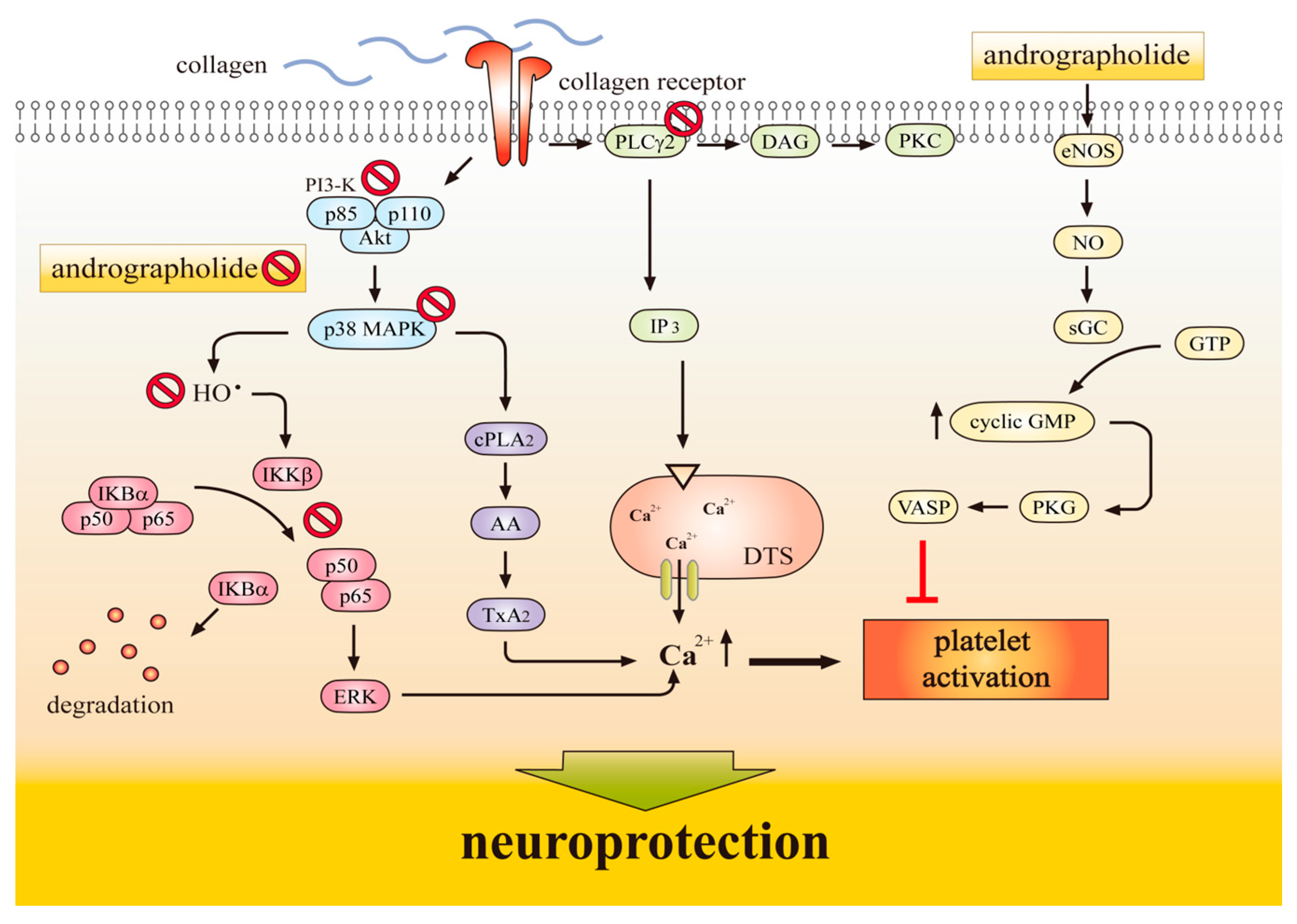
Multi-Targeting Andrographolide, a Novel NF-κB Inhibitor, as a Potential Therapeutic Agent for Stroke

 Does the full text show promise and what did your doctors and stroke hospital do with that information? Sit on it like lazy asses? If you had a functioning stroke hospital there would be a research analyst to ask about that. But I bet you don't have one, whose only job is to evaluate stroke research and implement the good stuff in the hospital. Each hospital would not need to have a research analyst if we had great stroke associations  rather than the  fucking failures of stroke associations we have now

Multi-Targeting Andrographolide, a Novel NF-κB Inhibitor, as a Potential Therapeutic Agent for Stroke

1 Department of Pharmacology, Taipei Medical University, Taipei 110, Taiwan
2 Division of Cardiology, Department of Internal Medicine, Cathay General Hospital, Taipei 200, Taiwan
3 Department of Life Science, College of Life Sciences, National Chung Hsing University, Taichung 402, Taiwan
4 Department of Ocular Microbiology, Institute of Ophthalmology, Joseph Eye Hospital, Tiruchirappalli 620001, Tamil Nadu, India
5 Graduate Institute of Clinical Medicine, Taipei Medical University, Taipei 110, Taiwan
*
Authors to whom correspondence should be addressed.
Int. J. Mol. Sci. 2017, 18(8), 1638; https://doi.org/10.3390/ijms18081638
Received: 4 July 2017 / Revised: 24 July 2017 / Accepted: 26 July 2017 / Published: 27 July 2017
(This article belongs to the Special Issue Neuroprotective Strategies 2017)
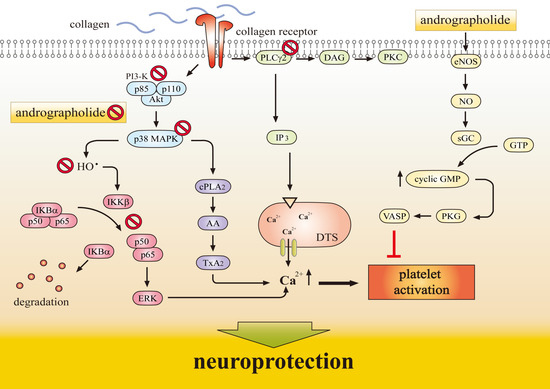
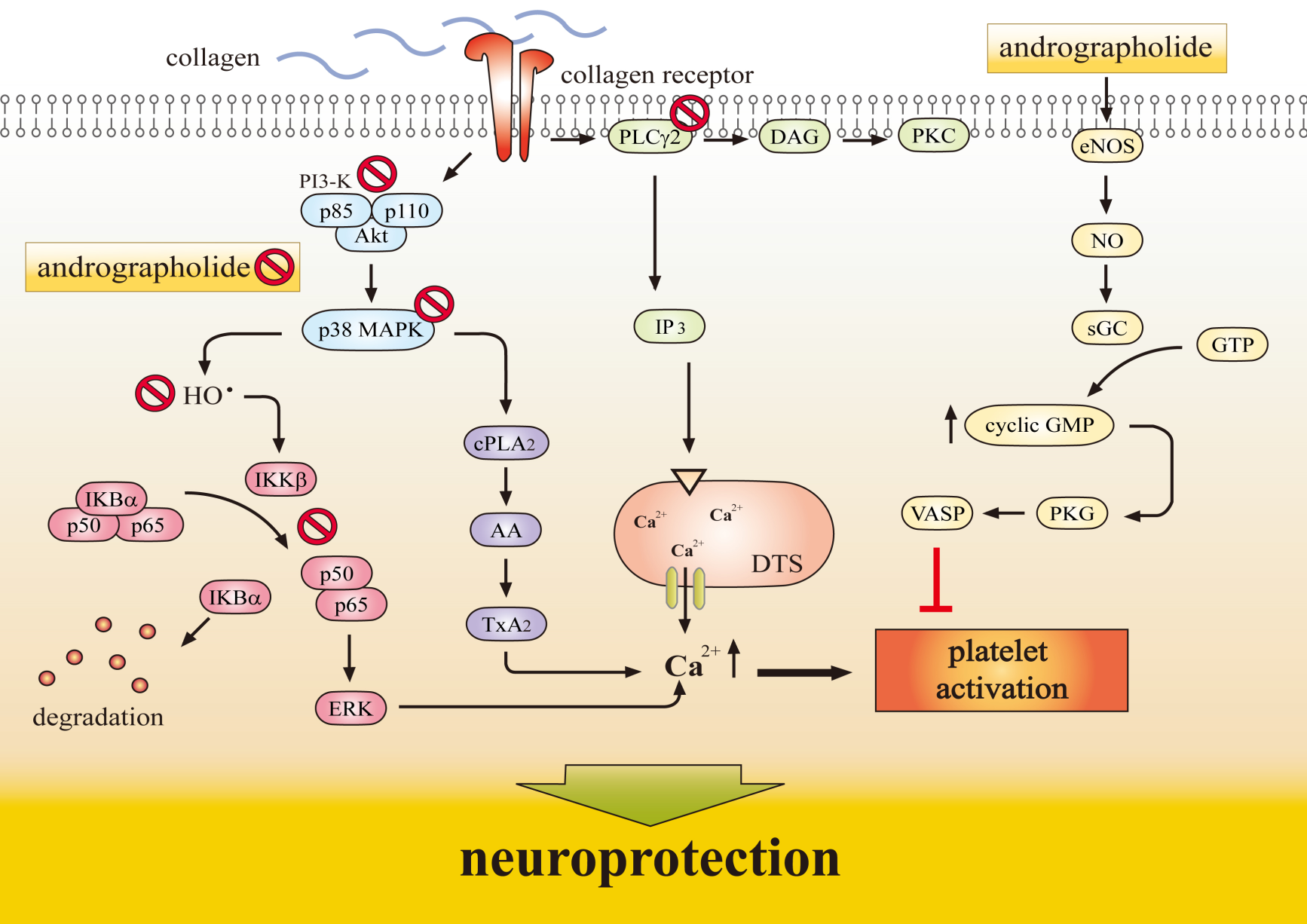
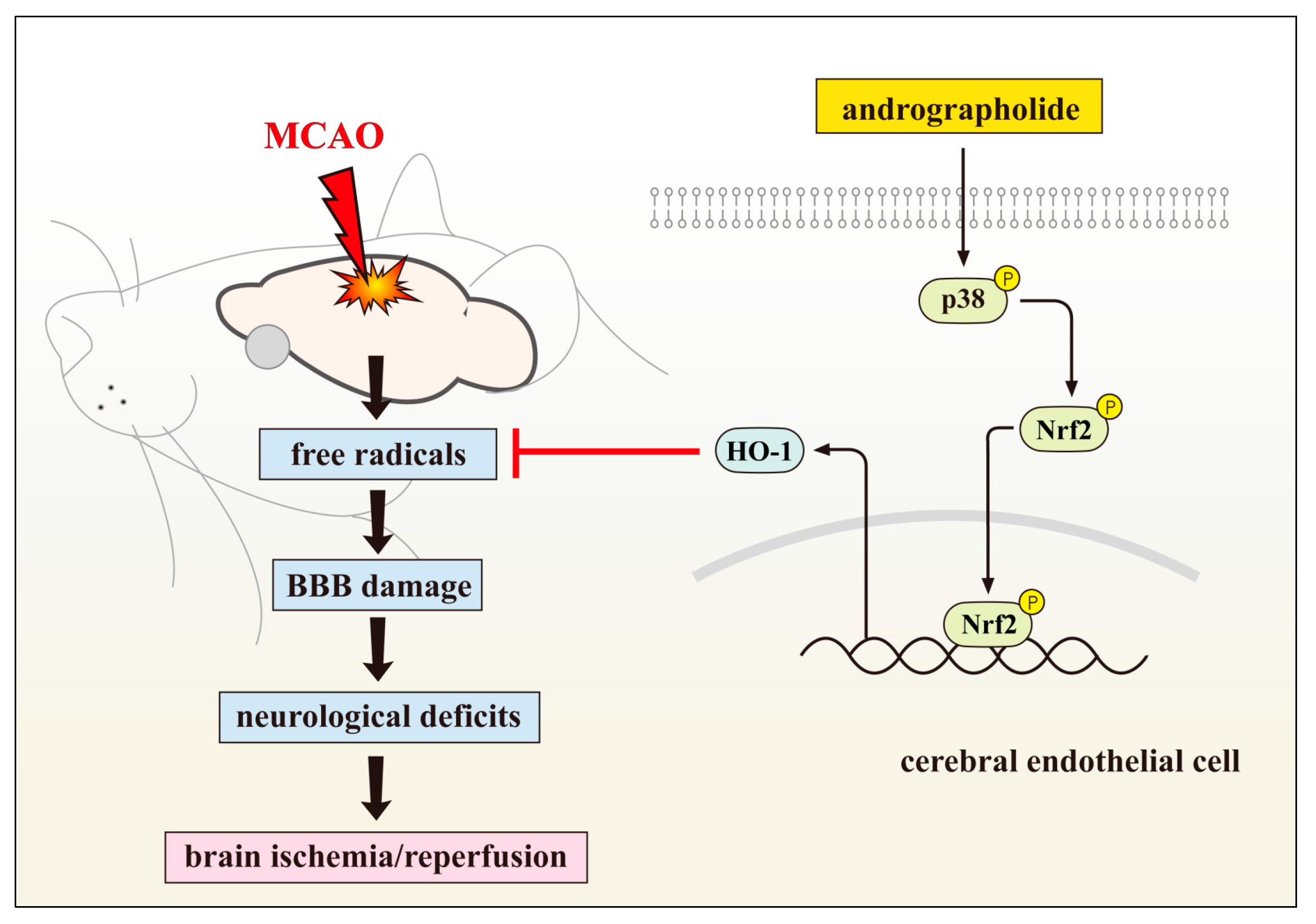
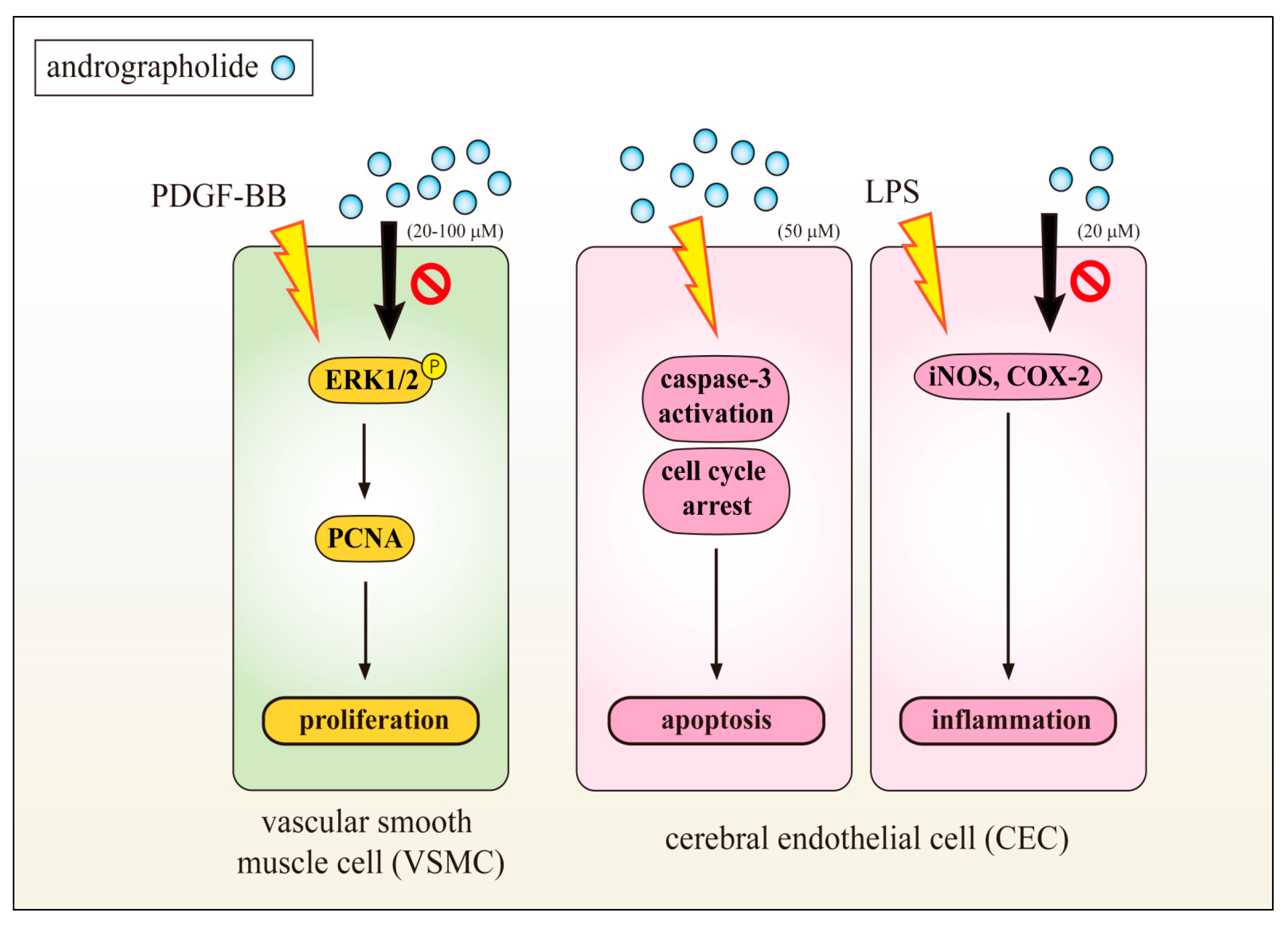
A key focus in the field of drug discovery has been motivated by the neuroprotection of natural compounds. Cerebral ischemia is a multifaceted pathological process with a series of mechanisms, and a perspective for the development of neuroprotectants from traditional herbal medicine or natural products is a promising treatment for this disease. Natural compounds with the effects of anti-oxidation, anti-inflammation, anti-apoptosis, and neurofunctional regulation exhibit therapeutic effects on experimental ischemic brain injury. Conferring to the pharmacological mechanisms underlying neuroprotection, a study found that androgapholide, a diterpene lactone compound, exhibits varying degrees of neuroprotective activities in both in vitro and in vivo experimental models of stroke. The neuroprotective mechanisms of andrographolide are suggested as: (I) increasing nuclear factor E2-related factor 2-heme oxygenase (Nrf2-HO-1) expression through p38-mitogen activated protein kinase (MAPK) regulation, (II) inducing cerebral endothelial cells (CEC) apoptosis and caspase-3 activation, (III) down regulating Bax, inducible nitric oxide synthase (iNOS), and (IV) inhibiting hydroxyl radical (OH−) formation, and activating transcription factor NF-κB signaling pathways. Recently, several researchers have also been trying to unveil the principal mechanisms involved in the neuroprotective effects of andrographolide. Therefore, this review aims to summarize an overview on the neuroprotective effects of andrographolide and exemplifies the essential mechanisms involved. This paper can provide information that andrographolide drug discovery may be a promising strategy for the development of a novel class of neuroprotective drug. View Full-Text
▼ Show Figures

Graphical abstract

Tuesday, August 16, 2022

Continuous theta-burst stimulation enhances and sustains neurogenesis following ischemic stroke


Damn it all, write up a fucking protocol so it can be critiqued and refined or improved upon.  Because we have no one writing protocols no one knows what else is going on in other areas of the world. As a result stroke survivors are badly served. A great stroke association president would be knocking heads over this lack of professionalism.  And yet our fucking failures of stroke associations  do nothing to solve this problem. DAMN YOU ALL TO HELL!

Continuous theta-burst stimulation enhances and sustains neurogenesis following ischemic stroke

Abstract

Rationale: Previous work has indicated that continuous theta-burst stimulation (cTBS), a modality of transcranial magnetic stimulation (TMS), may provide neuroprotection and improve neurological function after stroke by preserving the blood-brain barrier, altering glial polarization phenotypes, and supporting peri-infarct angiogenesis. The present study was performed to examine whether cTBS, a noninvasive neurostimulation technique, promotes neurogenesis in a photothrombotic (PT) stroke rat model and contributes to functional recovery.

Methods: Beginning 3 h or 1 week after the induction of PT stroke, once-daily 5-min cTBS treatments were applied to the infarcted hemisphere for 6 days. Samples were collected 6 days, 22 days, and 35 days after PT stroke. Fluorescent labeling, Western blotting, and behavioral tests were performed accordingly.

Results: We found that cTBS therapy significantly expanded the pool of neural progenitor cells (NPCs) and newly generated immature neurons in the cortical peri-infarct region after PT stroke. Likewise, the amount of DCX-positive immature neurons in the peri-infarct area was markedly elevated by cTBS. Application of cTBS strikingly diminished the PT-induced loss of NPCs and newly-formed neurons. In addition, the amount of newly generated mature neurons in the peri-infarct zone was significantly promoted by cTBS. Intriguingly, cTBS reduced reactive gliogenesis significantly while promoting oligodendrogenesis and preserving myelination. Mechanistic studies uncovered that cTBS upregulated brain-derived neurotrophic factor (BDNF) and fibroblast growth factor 2 (FGF2). Finally, cTBS-treated animals displayed improved motor functions. To be noted, temozolomide (TMZ), a drug that has been previously used to suppress neurogenesis, could reverse the beneficial effects of cTBS.

Conclusions: Our findings provide new insight into the mechanism by which cTBS promotes functional recovery from stroke. We demonstrated that cTBS effectively enhances and sustains neurogenesis after PT stroke. Both early and delayed cTBS treatment could improve the survival of newly generated neurons and functional recovery, and inhibition of neurogenesis could reverse these therapeutic benefits. Mechanistically, cTBS was effective in upregulating the release of neurotrophic factors, protecting NPC and immature neurons, as well as suppressing excessive gliogenesis.

Keywords: Ischemic stroke, Continuous theta-burst stimulation (cTBS), Neurogenesis, Functional recovery, Neurotrophic factors

Introduction

Stroke, the cessation or reduction of blood flow to a part of the brain, is a pressing public health issue in the United States, affecting nearly 800,000 people every year . This disease takes a drastic toll on patients; ~150,000 people died from a stroke in 2018 alone, and 50% of survivors developed some form of chronic disability , . Ischemic stroke is the most common form of stroke, accounting for 87% of cases, and occurs when a cerebral blood vessel is occluded, usually from a clot. Unfortunately, effective treatment options for stroke are currently limited to mechanical thrombectomy and tissue plasminogen activator (tPA) . However, both of these treatment strategies must be applied within a short time window to save brain tissue within the core infarct, 4.5 hours for tPA and 6 hours for mechanical thrombectomy . As a result, only a few patients will benefit from these treatment interventions, and the functional recovery of survivors is usually limited. Indeed, even if reperfusion means such as intravenous thrombolysis and endovascular therapy are applied, the 90-day good prognosis rate (mRS score 0-2) of patients is only about 50%, with a high recurrence rate of related symptoms. Hence, there is an urgent need to develop new treatment strategies that can effectively reduce disability rates and facilitate functional recovery.

The process of post-stroke neuronal cell death is not immediate, however. While the tissue at the infarct site is lost due to necrotic cell death within four hours of stroke, neurons in the surrounding tissue, called the penumbra or peri-infarct region, slowly die over the next few days through the process of programmed neuronal cell death . Thus, if the peri-infarct tissue could be preserved or restored, neurological outcomes for patients could be improved. Therefore, therapies promoting endogenous repair mechanisms are highly sought after and are the goal of extensive biomedical research.

Once thought to be a phenomenon limited to early development, adult neurogenesis has since been well-established as occurring in response to ischemic brain injury -. Shortly after cerebral ischemia, neural progenitor cells (NPCs) from the subventricular zone (SVZ) and the subgranular zone (SGZ) begin proliferating and migrating to the peri-infarct area . Once there, they begin to differentiate and attempt to incorporate themselves into the neuronal architecture. Unfortunately, the harsh post-stroke neuronal microenvironment takes a toll on NPCs and newly formed neurons, killing most of them long-term , . The hostile milieu present after stroke is mediated, in part, by activated astroglial cells .

Activated astrocytes release inflammatory factors that can, in the early phase, stimulate a neurogenic response. However, a chronic neuroinflammatory response creates toxic microenvironmental conditions that are harmful to new neurons -. However, astroglia can release anti-inflammatory factors and trophic factors such as brain-derived neurotrophic factor (BDNF) and fibroblast growth factor 2 (FGF2) that are critical for supporting new neurons and oligodendrocyte progenitors as they attempt to repair the peri-infarct site , , , . Thus, one key to neural repair may be noninvasive treatments like transcranial magnetic stimulation (TMS) that target different components that contribute to the neuronal microenvironment .

Continuous theta-burst stimulation (cTBS) is a modality of TMS that has shown many beneficial actions in the context of stroke and other brain injury models . In TMS, a strong magnetic field is applied to a specific brain region to induce a current that can either stimulate or suppress local activity . This noninvasive therapy is currently used in the clinic for treatment-resistant depression and is praised for its efficacy and minimal adverse effects . In our previous work, we applied cTBS to the photothrombotic stroke model in rats, which uses a photochemical reaction to generate a core infarct surrounded by a rim of salvageable peri-infarct tissue , . We found that cTBS preserved neuronal survival and functional outcomes by ameliorating the hostile post-stroke microenvironment. Furthermore, astroglial and microglial phenotype polarization was shifted from the damaging proinflammatory states to a beneficial anti-inflammatory phenotype in cTBS-treated rats. In addition, cTBS stimulated angiogenesis in the peri-infarct region, which is spatiotemporally coupled with neurogenesis , . Therefore, we conducted the current study to investigate if cTBS can stimulate and support neurogenesis after experimental stroke and determine whether this is supported by trophic factor release.

More at link.