Changing stroke rehab and research worldwide now.Time is Brain! trillions and trillions of neurons that DIE each day because there are NO effective hyperacute therapies besides tPA(only 12% effective). I have 523 posts on hyperacute therapy, enough for researchers to spend decades proving them out. These are my personal ideas and blog on stroke rehabilitation and stroke research. Do not attempt any of these without checking with your medical provider. Unless you join me in agitating, when you need these therapies they won't be there. Did your doctor somehow miss the recovery protocol that Pedro Bach-y-Rita used to recover fully back in 1958 with only a partial brain?

What this blog is for:

My blog is not to help survivors recover, it is to have the 10 million yearly stroke survivors light fires underneath their doctors, stroke hospitals and stroke researchers to get stroke solved. 100% recovery. The stroke medical world is completely failing at that goal, they don't even have it as a goal. Shortly after getting out of the hospital and getting NO information on the process or protocols of stroke rehabilitation and recovery I started searching on the internet and found that no other survivor received useful information. This is an attempt to cover all stroke rehabilitation information that should be readily available to survivors so they can talk with informed knowledge to their medical staff. It lays out what needs to be done to get stroke survivors closer to 100% recovery. It's quite disgusting that this information is not available from every stroke association and doctors group.

Showing posts with label don't do this. Show all posts

Monday, October 26, 2026

4 balance exercises that can help prevent falls after 65, according to physical therapists

 Mine is much simpler, which you should never do! Go to a bar, sit on a high stool, have 2-3 drinks, walk through the crowded bar without bumping into anyone on the way to the bathroom. Just kidding!

4 balance exercises that can help prevent falls after 65, according to physical therapists

Better balance may be the key to healthy, independent aging. Experts recommend these exercises to improve balance.

Reviewed by Dietitian Katey Davidson, M.Sc.FN, RD, CPT

Balance exercises can help older adults build strength, stability and confidence to prevent falls.

  • Sit-to-stands, side-steps, single-leg deadlifts and step-ups support everyday movement.
  • Use support and exercise modifications to safely build balance and strength over time.

Falls are the leading cause of injury and injury-related death among adults ages 65 and older in the United States. In fact, more than 1 in 4 older adults, or over 14 million people, report falling each year. While not every fall results in an injury or fracture, the physical, emotional and financial toll of a fall—and the mobility challenges that may follow—can be significant.

The good news? Many falls are preventable. One of the most effective ways to reduce your risk is to protect and improve your balance as you age.

“Life happens one leg at a time,” says Mike Wehrhahn, PT, D.P.T. “Walking, climbing stairs, stepping over a curb, getting in and out of a car and catching yourself when you lose your balance all require you to accept and control your body weight on one side.”

“Maintaining strength as we age is extremely important, but fall prevention is about more than just having strong muscles,” Wehrhahn continues. “You also need to be able to shift your weight, control your body on one leg, react when your center of gravity changes and move comfortably through different positions. The more confidently someone can move, the better equipped they are to handle the unexpected.”

Read on for the four balance exercises physical therapists say are worth adding to your routine, along with helpful tips and modifications to make each move work for you.

 Related video: Try these 4 simple tests to see how well your body's aging (VideoElephant - Video)

1. Sit-to-Stands

Whether you’re getting up from the toilet or out of the car, sit-to-stand movements are an essential part of everyday life. Practicing them regularly can help support balance and functional strength as you age. “To stay upright, we must have good strength in our trunk and leg extensor muscles,” says Dana Tress, PT. “A simple movement that we do regularly, like sit-to-stands, can also be used to strengthen these muscle groups.”

“Sit-to-stands are especially beneficial because they strengthen the muscles, like the quadriceps, gluteus maximus and hamstrings, that are needed for everyday activities.” adds Jillian Rohr, PT, D.P.T. “Improving lower-extremity strength can make functional movements easier and help reduce the risk of falls.”

How to Perform:

  1. Place a chair firmly against a sturdy surface, such as a wall or closed door, to prevent it from moving.
  2. Sit toward the front of the chair with your feet about hip-width apart. Position your feet slightly behind your knees.
  3. Lean your chest slightly forward and push through your heels to stand.
  4. Stand up tall, fully straightening your hips and knees.
  5. Slowly lower yourself back into the chair with control rather than dropping into the seat.
  6. Perform 8 to 12 repetitions.

Modifications: To make the exercise easier, use the armrests to help push yourself up, notes Rohr. This can provide additional support as you build strength and balance. To make the exercise more challenging, use less assistance from your arms, slow down the lowering phase or progress to holding added weight.

2. Side-Steps

Being able to move in different directions is important for balance, especially as you age. “Lateral walking trains your ability to maintain balance while moving sideways,” shares Corey Podbielski, PT, D.P.T. “Many falls occur this way, and many people are untrained in this type of movement.” 

Rohr agrees: “Side-stepping primarily targets the hip abductors, including the gluteus medius and gluteus minimus. These muscles are important for stabilizing the pelvis when we walk or when we lift one leg to clear an obstacle, such as stepping up on curbs or over objects.”

Research supports this exercise, too. One study found that adding side-stepping exercises to the routines of community-dwelling adults ages 70 and older improved balance and mobility over eight weeks. While more research is needed, side-stepping can be a low-risk addition to your routine when performed with proper form and support.

How to Perform: 

  1. Stand facing a sturdy countertop, railing, wall or other stable support. Maintain an upright posture.
  2. Slightly bend your knees and step sideways with one foot. Bring your other foot toward it without dragging your feet. Keep your hands in front of you or lightly rest them on the support for balance. 
  3. Continue taking controlled sideways steps in one direction, then return in the opposite direction. Keep your toes pointing forward rather than allowing them to turn outward.
  4. Continue for the length of your countertop or other stable surface, then repeat 2 to 3 times.

Modifications: To make the exercise easier, use both hands for support, take shorter steps or slow down the movement. For an added challenge, both Rohr and Podbielski recommend decreasing hand support, taking larger steps or using a resistance band around the thighs or ankles.

3. Single-Leg Deadlift with Support

Physical therapists recommend exercises that strengthen each leg independently while also challenging your balance through movement. Research suggests that single-leg exercises may help improve both balance and postural control in healthy adults.

“The single leg deadlift is one of my favorite balance exercises because it trains balance as part of movement instead of simply asking someone to stand still on one leg,” says Wehrhahn. “This exercise works the glutes, hamstrings, foot and ankle muscles, hip stabilizers and core, while challenging balance, hip strength, coordination and body control at the same time.”

Wehrhahn explains that relying on a single leg “is much closer to how balance works in real life, where you are almost always moving, reaching, stepping or reacting to something around you.”

How to Perform:

  1. Stand an arm’s length away from a counter or sturdy surface. Lightly place one hand on the surface for support and your other hand on your hip.
  2. Shift your weight onto one leg and keep a slight bend in that knee.
  3. Brace your core and slowly hinge forward from your hips, extending your free leg behind you as your torso lowers. Keep your back flat and hips facing toward the floor.
  4. Move slowly and with control, then press through the foot of your standing leg to return to the starting position. Use the counter for balance rather than pulling yourself up.
  5. Continue for 8 to 12 repetitions each side, depending on your ability, focusing on maintaining control and stability throughout the movement, notes Podbielski.

Modifications: To make the exercise easier, keep one hand on a counter or chair and use a smaller range of motion. As balance improves, gradually reduce your hand support or increase your range of motion.

4. Step-Ups

Stairs are one of the most challenging activities for older adults and can result in falls, making step-ups a useful exercise for practicing the strength and balance needed to navigate stairs and other changes in elevation.

“Step-ups are another exercise I like because they train balance and strength together in a way that directly translates to everyday life,” says Wehrhahn. “They work the quadriceps, glutes, hamstrings, calves, foot and ankle stabilizers and core. This helps maintain the single leg strength and control needed for real-world situations. It also reinforces the ability to confidently shift your body weight onto one side instead of avoiding it.”

How to Perform: 

  1. Stand facing a low, stable step. Place one foot fully on the step and lightly hold a wall, railing or other sturdy surface for support, as needed.
  2. Push through the foot on the step to lift yourself up. Keep your movement controlled and avoid pushing off the opposite foot. The leg on the step should do most of the work.
  3. Slowly lower yourself back to the starting position.
  4. Repeat on the same side for 8 to 10 repetitions, then switch sides.

Modifications: To make the exercise easier, start with a low step and use a railing or countertop for support. As you progress, increase the step height or gradually reduce your hand support. 

Our Expert Take

Staying physically active is essential for healthy aging, especially when it comes to reducing your risk of falls. Physical therapists recommend practicing balance exercises at home that support everyday movements, including sit-to-stands, side-stepping, single-leg deadlifts and step-ups. Because these exercises mimic activities you perform throughout the day, they can help you build the strength, stability and confidence needed to move more safely.

“Simple movements such as these exercises can be a great way to start,” says Tress. “You can always consult with a physical therapist to help identify your balance needs and work to design an exercise program specifically for you.”

Read the original article on EatingWell

Sunday, October 4, 2026

Whole-Plant Extract Outperforms THC on Glycemia

 You obviously can't do this until 50 years from now when your doctor has a brain transplant and gets human testing going!

Whole-Plant Extract Outperforms THC on Glycemia

Regular cannabis users have long shown lower rates of obesity and type 2 diabetes despite the appetite-boosting "munchies" effect, a paradox that a new mouse study helps explain. Whole-plant cannabis extract improved glucose control and fat-pancreas signaling more than THC alone in obese, hyperglycemic mice. The data are preclinical and don't support cannabis use for weight or metabolic health.

1. A Curious Metabolic Signal

Cannabis triggers the “munchies”, yet regular users show lower rates of obesity and type 2 diabetes. The mouse study published in The Journal of Physiology points to a possible mechanism: disrupted "cross talk" between fat tissue and the pancreas, suggesting nonpsychoactive plant compounds, not delta-9-tetrahydrocannabinol (THC), may be doing the metabolic work.

2. Whole-Plant Outperforms THC Alone

Obese, hyperglycemic mice received either pure THC or a whole-plant extract, both dosed at 5 mg/kg THC to mimic blood levels after smoking cannabis. Both groups lost weight and fat, but only the extract group showed meaningfully better glucose regulation, glucose clearance approaching lean-mouse levels, and normalized adipokine activity. Per the study author, extract-treated mice showed reversal of type 2 diabetes markers that THC alone didn't match.

3. A Possible Fix for the Adipoinsular Axis

In obesity, signaling between fat cells and the pancreas, known as the adipoinsular axis, breaks down, driving blood sugar up. Cannabis compounds may help restore that communication line. The study author suspects CB1 receptors, present in the central nervous system, fat tissue, liver, and pancreas, are involved, though the exact mechanism is still unmapped.

4. Why the Munchies Fade

Acute THC activates CB1 receptors, boosting appetite and impairing short-term glucose tolerance. With repeated exposure, CB1 signaling downregulates, and effects often flip. Intake drops, and at the extreme end, chronic heavy use can produce cannabis hyperemesis syndrome.

5. What to Tell Patients

Further preclinical work is needed before this moves to human trials. Don't recommend recreational cannabis for weight or glycemic control. If patients ask about cannabis-based therapies, the message worth giving is that the target is the endocannabinoid receptor system itself, not cannabis use, and that long-term cardiometabolic risk with chronic use and aging still isn't well understood.

BOTTOM LINE:

In obese mice, whole-plant extract improved glycemic control and adipokine activity more than THC alone, likely by restoring fat-pancreas signaling. This finding does not support recommending cannabis for weight loss or diabetes management today. If patients ask, clinicians should clarify that the therapeutic target is the receptor system, not cannabis itself. They should also specify that human trials and long-term cardiometabolic risk remain unresolved.

This article is based on a recent Medscape article titled " How Cannabis Compounds May Help Create Weight-Loss Drugs" and was created using several editorial tools, including AI, as part of the process. Human editors reviewed this content before publication.

Tuesday, August 18, 2026

Lithium and Brain Health: Could a Deficiency Raise Alzheimer’s Risk?

 A big warning buried in here: Lithium Is NOT Benign! Read all of this and grill your doctor on it.

Lithium and Brain Health: Could a Deficiency Raise Alzheimer’s Risk?

Here's a fascinating question: could lithium deficiency contribute to cognitive impairment? Is there a link between lithium and brain health?

Most healthcare professionals think about lithium, if they think about it at all, as the stuff in rechargeable batteries or as a powerful prescription drug for bipolar disorder. They probably do not think about lithium and brain health or imagine that too little of this natural mineral might have anything to do with Alzheimer’s disease. New research suggests it may be time to reconsider that assumption.

That idea is especially surprising because lithium is not officially recognized as an essential nutrient. There is no Recommended Dietary Allowance for lithium. Doctors do not routinely measure lithium levels in healthy people. There is no recognized “lithium deficiency disease” comparable to iron-deficiency anemia or vitamin D deficiency.

And yet a remarkable study published in Nature (August 6, 2025), raised a provocative possibility: tiny amounts of naturally occurring lithium may play an important role in keeping the aging brain healthy.

The title alone should have attracted enormous attention:

“Lithium deficiency and the onset of Alzheimer’s disease“

This was not a casual experiment carried out by investigators in a small lab in a foreign country. The research involved investigators from Harvard Medical School, Boston Children’s Hospital and the Rush Alzheimer’s Disease Center. They examined human brains as well as sophisticated mouse models of Alzheimer’s disease.

Lithium and Brain Health: A Mineral Hiding in Plain Sight?

Lithium is a naturally occurring element. It is found in rocks and soil. As a result, lithium gets into groundwater, drinking water, food and us. Unlike calcium, magnesium, iron or zinc, however, lithium has never achieved membership in the official essential-nutrient club.

Perhaps that is because the amounts normally present in the body are extraordinarily small. The lithium concentrations used to treat bipolar disorder, on the other hand, are vastly greater than the trace amounts normally circulating in people. The dose of lithium found in the prescription drug LITHOBID® prescribed for “manic episodes of Bipolar Disorder” is:

“3 tabs (900 mg) Morning” and “3 tabs (900 mg) Nighttime”

That’s a whopping 1,800 mg of lithium carbonate (or roughly 340 mg of pure lithium). There is considerable toxicity associated with this high dose of lithium and the boxed warning that comes with LITHOBID® (lithium carbonate) states:

WARNING

“Lithium toxicity is closely related to serum lithium levels, and can occur at doses close to therapeutic levels. Facilities for prompt and accurate serum lithium determinations should be available before initiating therapy.”

For decades, most medical interest in lithium has revolved around lithium the medication, not lithium the nutrient-like trace element.

If you would like to get a thorough background about the history of lithium dating back to the 19th century, you will want to read my prior article titled:

“Rediscovering Low-Dose Lithium for Mood Disorders“

You may be surprised to learn that the original soft drink “Seven Up” was once called 7UP Lithiated Lemon Soda. It has been estimated that the original formula contained 5 mg of lithium citrate. One marketing slogan was: “It takes the ouch out of the grouch.”

There is no lithium in the current 7UP!

Fast forward to Harvard researchers and their article a year ago in Nature (August 6, 2025).

What Did the Researchers Find in Human Brains?

The scientists measured 27 metals in the blood and brains of older people who had normal cognition, mild cognitive impairment (MCI) or Alzheimer’s disease. MCI is important because it can represent an early stage on the road toward dementia.

Of all the metals measured, lithium stood out. It was the only metal significantly reduced in the prefrontal cortex in both MCI and Alzheimer’s disease. That is intriguing enough. But there was another surprise.

Blood levels of lithium were not significantly lower in people with MCI or Alzheimer’s disease.

In other words, this was not simply a matter of people having less lithium circulating throughout their bodies. Something seemed to be happening specifically inside vulnerable parts of the brain. The investigators discovered a possible explanation: amyloid plaques appeared to trap lithium.

Amyloid beta is the sticky protein that accumulates in the brains of people with Alzheimer’s disease. The researchers found lithium concentrated in those deposits, leaving less lithium available to surrounding brain tissue. That raises the possibility of a nasty feedback loop:

Alzheimer’s pathology begins → amyloid traps lithium → less lithium remains available to brain cells → the shortage may make Alzheimer’s pathology worse → still more amyloid accumulates.

That is a hypothesis, not established medical fact. But it is a fascinating one.

Lithium and Brain Health: What Happens When the Brain Doesn’t Get Enough Lithium?

Here is where the research becomes quite intriguing. The investigators deliberately reduced lithium in the diets of mice. This lowered lithium levels in the cerebral cortex by roughly half. The consequences were dramatic.

Lithium depletion increased two hallmarks of Alzheimer’s disease:

  • Amyloid beta, which forms plaques
  • Phosphorylated tau, which contributes to the tangles found inside nerve cells

That was only part of the story. Lithium deficiency also activated inflammatory cells in the brain called microglia. I have to be honest with you. I am totally fascinated by microglia. Think of these cells as part of the brain’s housekeeping and immune system.

This is not a perfect analogy, but for our purposes you could imagine microglia as minute vacuum cleaners, sucking up debris, old cellular brain fragments and even infectious agents. In other words, they are part of the brain’s immune defense against pathogens. They also help dispose of the brain’s cellular debris, including amyloid.

When lithium became deficient, these cells shifted toward a more inflammatory state and became less effective at clearing amyloid. The lithium-depleted animals also lost synapses, axons and myelin. Synapses allow brain cells to communicate. Axons carry electrical messages. Myelin is the insulation surrounding many of those nerve fibers.

Here’s the key piece to the puzzle. The mice experienced accelerated memory and cognitive problems. That is a remarkable collection of results from reducing one trace element that most nutrition experts think is unimportant.

A Possible Culprit: GSK-3 Beta

Now we must take a brief foray into neuroscience. Please don’t let the alphabet soup scare you away. An enzyme called glycogen synthase kinase-3 beta, thankfully abbreviated GSK-3β, appears to play a key role in several processes associated with Alzheimer’s disease.

Among other things, excessive GSK-3β activity can contribute to abnormal phosphorylation of tau. Along with amyloid beta, phosphorylated tau is considered an important marker of Alzheimer’s disease. Consider this: The FDA has approved blood tests that measure phosphorylated tau. In its May 16, 2025 announcement the agency offered this headline:

“FDA Clears First Blood Test Used in Diagnosing Alzheimer’s Disease”

New Test Provides Less Invasive Option, Reduces Reliance on PET Scans and Increases Diagnosis Accessibility

Lithium and Brain Health

Lithium has been known to affect the enzyme GSK-3β. The Harvard investigators found that lithium deficiency increased GSK-3β activity in brain cells. When they blocked GSK-3β experimentally, they reversed many of the harmful effects produced by lithium deficiency. This included improvements in amyloid accumulation, tau abnormalities, inflammation and myelin problems.

That provides something scientists always want: a plausible biological mechanism. It does not, however, prove that taking lithium will prevent Alzheimer’s disease in human beings. That distinction is crucial.

Then Came Lithium Orotate

Perhaps the most intriguing part of the Nature experiment involved different forms of lithium.

The prescription form most people know is lithium carbonate. It is the form of lithium that is used by psychiatrists to treat people with bipolar disorder.

The Harvard scientists used lithium orotate.

Here is how they described their findings with regard to Alzheimer’s disease (AD):

“Replacement therapy with lithium orotate, which is a Li [lithium] salt with reduced amyloid binding, prevents pathological changes and memory loss in AD mouse models and ageing wild-type mice. These findings reveal physiological effects of endogenous Li in the brain and indicate that disruption of Li homeostasis may be an early event in the pathogenesis of AD. Li replacement with amyloid-evading salts is a potential approach to the prevention and treatment of AD.”

Their experiments suggested that lithium carbonate was more readily trapped by amyloid deposits. Lithium orotate appeared less likely to become sequestered in plaques and consequently delivered more lithium to the surrounding brain tissue.

When researchers gave extremely small amounts of lithium orotate to Alzheimer’s-prone mice, the results were impressive. In one model, lithium orotate nearly prevented the accumulation of amyloid and abnormal tau when given before substantial disease developed. In older animals that already had extensive pathology, treatment reduced amyloid deposits substantially.

In aging mice without genetically engineered Alzheimer’s disease, lithium orotate also helped preserve synapses and memory. Even more surprising, the doses were designed to keep lithium concentrations in the range naturally found in the body rather than the much higher blood concentrations used to treat bipolar disorder.

Long-term treatment at these tiny doses did not produce detectable changes in the kidney and thyroid laboratory tests the investigators monitored in the mice. Please notice the last three words in that sentence: “in the mice.”

We cannot automatically assume that the same dose, safety or brain benefits would apply to people. That is why clinical trials matter!

What About Human Evidence Re: Lithium and Brain Health?

Fortunately, the lithium story does not depend entirely upon laboratory animals. There have been some intriguing human clues for years. One of the largest comes from Denmark (JAMA Psychiatry, Oct. 1, 2017).

Investigators compared lithium concentrations in drinking water with dementia diagnoses in 73,731 people with dementia and 733,653 controls.

People exposed over the long term to the highest category of lithium in drinking water had a lower rate of dementia than people in the lowest category:

“Long-term increased lithium exposure in drinking water may be associated with a lower incidence of dementia in a nonlinear way…”

But there was a wrinkle. The relationship was not linear. An intermediate exposure group actually had a higher rate of dementia than the lowest group. The investigators therefore appropriately warned that geography, socioeconomic factors or other unmeasured differences might have influenced the results.

That study should prevent anyone from making the simplistic argument that “more lithium in the water equals less dementia.” It isn’t that straightforward.

Another observational study from England found that people exposed to prescription lithium had a lower incidence of dementia (PLoS Medicine, March 17, 2022).

The conclusions:

“We observed an association between lithium use and a decreased risk of developing dementia. This lends further support to the idea that lithium may be a disease-modifying treatment for dementia and that this is a promising treatment to take forwards to larger randomised controlled trials (RCTs) for this indication.”

A “systematic review” of “Trace lithium levels in drinking water and risk of dementia” published in the International Journal of Bipolar Disorders (Aug. 30, 2024) concluded:

“The reviewed evidence shows that trace-Li levels in the water are sufficient to lower the incidence or mortality from dementia. Considering the lack of options for the prevention or treatment of dementia, we should not ignore these findings. Future trials of Li should focus on long term use of low or even micro doses of Li in the prevention or treatment of dementia.”

Again, however, observational research can identify an association. It cannot prove cause and effect. It can encourage investigators to perform large-scale, long-term randomized clinical trials.

One relatively small “pilot” clinical trial produced disappointing results (JAMA Neurology, April 1, 2026). There were 41 people getting lithium carbonate (150 or 300 mg of lithium carbonate) and 39 getting placebo. There was no meaningful benefit for those getting lithium.

Were Researchers Studying the Wrong Dose…and the Wrong Lithium?

The Harvard 2025 Nature experiment was not testing conventional psychiatric doses of lithium carbonate. It was investigating something fundamentally different: restoration of lithium concentrations toward the extraordinarily low levels normally present in brain tissue. It also found that lithium orotate behaved differently from lithium carbonate in the presence of amyloid.

That raises a question worth answering:

Would truly tiny doses of lithium orotate protect the human brain without producing the adverse effects associated with much larger doses of lithium carbonate?

We don’t know. Nobody should pretend that we do. But in June 2026, a review in JAMA Psychiatry made almost exactly that point:

“The 25-Year Evolution of Lithium as a Disease-Modifying Agent in Dementia”

The authors introduce their review this way:

“Lithium, a long-established cornerstone therapy for bipolar disorder, is a biologically plausible disease-modifying agent for neurodegenerative disorders, including mild cognitive impairment (MCI) and Alzheimer disease (AD).”

The authors have pulled together a wealth of information in this article. We highly recommend that all neuroscientists interested in dementia and Alzheimer disease read this article in its entirety. If you know such researchers, please pass it along!

They conclude:

“Across molecular, cellular, imaging, epidemiologic, and early clinical domains, lithium displays remarkable convergence across translational domains. Yet compelling biology alone is insufficient. Definitive, adequately powered randomized clinical trials are required to determine whether lithium meaningfully slows cognitive decline.”

“If validated, lithium could represent a rare example of a low-cost, mechanistically grounded, disease-modifying therapy for neurodegeneration. In short, 75 years after transforming psychiatric care, lithium is now at the forefront of a new frontier: the fight against dementia.”

Why Hasn’t the Link Between Lithium and Brain Health Received More Attention?

Imagine if a pharmaceutical company announced a new molecular compound that:

  • influenced amyloid and tau;
  • calmed inflammatory brain cells;
  • helped preserve synapses and myelin;
  • affected an enzyme implicated in Alzheimer disease;
  • restored memory in animal experiments;
  • and might cost pennies rather than thousands of dollars.

We suspect Wall Street analysts, biotech investors and Alzheimer’s researchers would be paying very close attention. They might be competing to invest in the company developing such a drug.

Lithium presents an awkward economic problem. It is an element. You cannot patent lithium itself. Companies can potentially patent new formulations, delivery systems or particular uses, so saying there is no commercial opportunity would go too far. Nevertheless, the financial incentive for enormous clinical trials may be considerably weaker than it is for a proprietary new drug that could sell for tens of thousands of dollars a year.

That is precisely why public and philanthropic funding could be so important. A cheap treatment should not become scientifically uninteresting simply because it is cheap. We believe the Alzheimer’s research community should pursue this question aggressively, precisely because the answer might turn out to be either very important or completely disappointing. Both outcomes would be valuable.

Lithium Is NOT Benign!

Before anyone rushes to the Internet to order lithium orotate, we need to wave a large red flag.

Lithium can be toxic.

Prescription lithium carries a boxed warning because toxic blood concentrations can occur surprisingly close to therapeutic concentrations. Kidney function, thyroid function, electrolytes and lithium blood concentrations require monitoring when conventional lithium therapy is prescribed.

Lithium as a drug for bipolar disorder can cause:

  • tremor
  • nausea and diarrhea
  • thirst and excessive urination
  • fatigue and muscle weakness
  • thyroid problems
  • kidney problems
  • neurological toxicity at excessive blood concentrations

Dehydration and changes in salt intake can alter lithium concentrations.

Drug interactions are another concern. Diuretics, ACE inhibitors and NSAID-type pain relievers can increase the risk of lithium accumulation and toxicity.

That is why experimenting on your own with prescription lithium is a terrible idea.

And we would not recommend taking even a low-dose, over-the-counter lithium supplement for the prevention or treatment of dementia without discussing it with a very knowledgeable health professional.

“Natural” and “low dose” do not automatically mean “risk free.”

Don’t Confuse Milligrams of a Salt With Milligrams of Lithium

Here is another source of enormous confusion.

A bottle may list the weight of lithium orotate, while another product or prescription lists lithium carbonate. Those numbers do not necessarily represent the same amount of elemental lithium.

It is rather like comparing the weight of sodium chloride with the amount of sodium it contains.

Anyone designing a clinical trial—or contemplating supplementation—needs to distinguish carefully between:

  1. the weight of the lithium compound,
  2. the amount of elemental lithium it supplies,
  3. and the blood or tissue lithium concentration it ultimately produces.

This is one more reason amateur home compounding is a bad idea.

What We Know and What We Don’t

Here is what the science suggests today.

  • Naturally occurring lithium is present in the human brain.
  • The Harvard-led investigators found significantly less available lithium in vulnerable brain tissue from people with mild cognitive impairment (MCI) and Alzheimer’s disease.
  • Reducing lithium in mice aggravated amyloid, tau, inflammation, structural brain damage and memory loss.
  • Very-low-dose lithium orotate prevented or reversed many of those abnormalities in mouse models.
  • Several epidemiological studies and some small human trials have produced intriguing signals suggesting that lithium exposure might be associated with less dementia or slower cognitive decline.

But…

  • We do not know whether lithium deficiency causes Alzheimer disease in humans.
  • It is not clear that low-dose lithium orotate can prevent MCI or Alzheimer disease.
  • The ideal dose remains a mystery.
  • We do not know whether long-term, very-low-dose lithium would be safe.
  • And we do not know if measuring lithium in blood tells us anything useful about lithium availability inside the human brain. The Nature study suggests it may not.

Those are not minor unanswered questions. They are precisely the questions a well-designed randomized clinical trial should answer.

Our Bottom Line on Lithium and Brain Health

For over 75 years, medicine has viewed lithium primarily as a psychiatric drug for bipolar disorder. Perhaps that focus has been too narrow. The 2025 Nature study raises the startling possibility that lithium also has a normal physiological role in the aging brain and that disruption of lithium balance could contribute to the processes that eventually produce Alzheimer disease. The finding that lithium orotate protected aging and Alzheimer-prone mice is provocative.

But mice are not people! We are not recommending lithium orotate to prevent or treat Alzheimer’s disease. The human evidence is nowhere near strong enough to justify such a recommendation.

What we are recommending is research. Lots of it.

The appropriate response to this research is neither breathless enthusiasm nor a dismissive shrug. It is a large, carefully designed, long-term randomized trial testing very-low-dose lithium orotate against placebo, with careful monitoring of cognition, Alzheimer biomarkers, kidney function, thyroid function and adverse effects.

If lithium fails, we need to know that. If an inexpensive trace element can help preserve the aging human brain, we desperately need to know that too.

For a disease as devastating as Alzheimer’s, this is one stone that should not be left unturned.

Final Words:

We know there were a lot of technical terms in this article and we are grateful that you hung in there with us for this complicated story. We sincerely hope you found the research we described intriguing. There are a number of references at the bottom of this post that you could share with healthcare providers who are interested. We hope you will pass this article on to friends, family members, physicians and neuroscientists.

Should you wish to learn more about lithium and Alzheimer disease, you might want to listen to our podcast on this topic:

Show 1451: Rethinking Dementia: Is What We Believed about Alzheimer’s Wrong?
Instead of focusing only on amyloid plaque in the brain, should we be rethinking dementia? Multiple interventions could protect cognition.

Here are links to the podcast on Apple podcasts and Spotify.

These long analyses take many hours to create and your support is invaluable. Should you wish to support our work, here is a link.

Citations
  • Moore, G.J., et al, "The 25-Year Evolution of Lithium as a Disease-Modifying Agent in Dementia: A Narrative Review," JAMA Psychiatry, June 10, 2026, doi: 10.1001/jamapsychiatry.2026.1296
  • Aron, L., et al, "Lithium deficiency and the onset of Alzheimer’s disease," Nature, Aug. 6, 2025, doi: 10.1038/s41586-025-09335-x
  • Kessing, L.V., et al, "Association of Lithium in Drinking Water With the Incidence of Dementia," JAMA Psychiatry, Oct. 1, 2017, doi: 10.1001/jamapsychiatry.2017.2362
  • Chen, S., et al, "Association between lithium use and the incidence of dementia and its subtypes: A retrospective cohort study," PLoS Medicine, March 17, 2022, doi: 10.1371/journal.pmed.1003941
  • Fraiha-Pegado, J., et al, "Trace lithium levels in drinking water and risk of dementia: a systematic review," International Journal of Bipolar Disorders, Aug. 30, 2024, doi: 10.1186/s40345-024-00348-5
  • Gildengers, A.G., et al, "Low-Dose Lithium for Mild Cognitive Impairment: A Pilot Randomized Clinical Trial," JAMA Neurology, April 1, 2026, doi: 10.1001/jamaneurol.2026.0072

Wednesday, July 15, 2026

FDA approves first at-home starting dosage for subcutaneous lecanemab in Alzheimer’s disease


Whoops, lecanemab is not for me. With my damaged brain already running with millions to billions less neurons I'll pass on more brain shrinkage. But I'm not medically trained so don't listen to me.

From this article comes the following paragraphs:

YIKES! FDA Approves Lecanemab Against Alzheimer’s

But there is a new and disturbing fly in the ointment.. A study published in the journal Neurology (March 27, 2023) reveals that anti-amyloid drugs like lecanemab can cause brain shrinkage. The researchers call this accelerated “brain atrophy.” 

And this from the article means more reason not to do this. Caution is also advised for patients using anticoagulant medications because of an increased risk of intracerebral haemorrhage.

FDA approves first at-home starting dosage for subcutaneous lecanemab in Alzheimer’s disease

The US Food and Drug Administration (FDA) approved a new starting dosage regimen for the subcutaneous (SC) formulation of lecanemab-irmb (Leqembi IQLIK) for adult patients with Alzheimer’s disease. This approval allows individuals to begin treatment via home administration by themselves or a caregiver, marking a significant update from the previous requirement for an intravenous (IV) starting dosage.

Lecanemab-irmb is an amyloid beta-directed antibody indicated for patients at the mild cognitive impairment or mild dementia stage of Alzheimer’s disease with confirmed amyloid pathology. Before this decision, the SC formulation was only authorised as a maintenance option for patients who had already completed 18 months of IV therapy.

Although the SC formulation was not evaluated in separate large clinical outcome trials, its approval was supported by evidence demonstrating that it produced equivalent results in the body and similar reductions in amyloid plaques compared with the IV formulation.

Common side effects include headache, infusion-related reactions, and amyloid-related imaging abnormalities (ARIA). ARIA is a known side effect of amyloid-targeting antibodies and typically presents as temporary brain swelling or small spots of bleeding. While often asymptomatic, ARIA can lead to headache, confusion, dizziness, and nausea, and may infrequently cause life-threatening brain oedema.

The prescribing information includes a boxed warning regarding ARIA risks. The FDA noted that patients homozygous for the ApoE ε4 allele have a higher incidence of serious ARIA compared with heterozygotes and non-carriers. Consequently, testing for ApoE ε4 status should be performed before initiating treatment.

Additional adverse reactions associated with SC administration include injection-site reactions such as redness, swelling, and pain. Caution is also advised for patients using anticoagulant medications because of an increased risk of intracerebral haemorrhage.

The approval was granted to Eisai under a priority review designation.

Healthcare professionals should report all serious adverse events suspected to be associated with the use of any medicine and device to FDA’s MedWatch Reporting System or by calling 1-800-FDA-1088.

Reference: https://www.fda.gov/drugs/news-events-human-drugs/fda-approves-first-home-starting-dose-alzheimers-disease-treatment 

SOURCE: US Food and Drug Administration

Saturday, July 11, 2026

Is Creatine Supplementation for Brain Health Worth a Try?

 Not until your competent? doctor approves it.

Is Creatine Supplementation for Brain Health Worth a Try?

Creatine supplements have been recently examined for their potential to improve brain health and prevent dementia. Given the lack of effective therapies for dementia, it is worth considering whether these supplements are safe and effective.

What Role Does Creatine Play in the Body? 

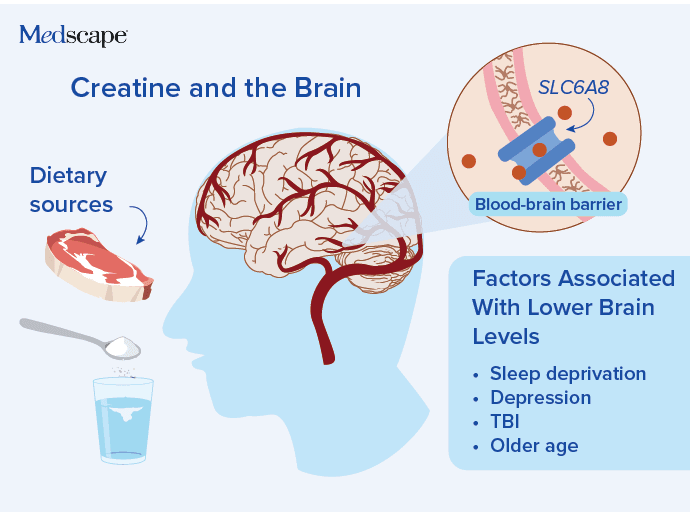
Creatine is endogenously synthesized in the liver and kidneys, and its amino acid precursors are also provided by a variety of foods, including meat and vegetables. Most of the body’s creatine is stored in muscle cells as phosphocreatine; creatine serves to help replenish adenosine triphosphate during physical activity, which is why we have seen creatine supplements increasingly used in the setting of weight training and exercise over the past decade. 

With the emerging understanding of its role in the brain, research on creatine supplementation has moved from the gym to the brain lab. 

How Creatine May Affect Brain Health 

Creatine is produced in the brain and retina through a process that involves the enzyme guanidinoacetate methyltransferase, which is highly expressed in glial cells. In addition to information on markers of creatine synthesis and activity, evidence is accumulating regarding the action of creatine in the brain. 

Interest in creatine for brain health grew out of the knowledge that creatine deficiency or dysfunction may adversely affect cognition. Defects in the creatine transporter (CRT) gene (SLC6A8) result in low brain creatine levels, along with severe neurologic symptoms, defined as CRT deficiency syndrome. The mechanism of neurologic dysfunction is still unclear, and currently there is no treatment for CRT deficiency syndrome.

There are different creatine formulations. The most common one used in studies is powder mixed with water, which has a more established bioavailability. Other commercial forms include pills, capsules, and gummies. 

The first step is to verify that creatine supplementation affects brain creatine levels. This is supported by a few small-scale human studies, but the increase is less than that seen in skeletal muscle. 

Authors of a review noted that creatine supplementation may help improve mood, cognition, and sleep in healthy adults. The observed improvements were generally more notable among women than men, which the authors attributed to lower baseline endogenous creatine stores in women. 

creatine and brain

In a 2026 study in 29 sleep-deprived but otherwise healthy adults, 0.2 g/kg creatine monohydrate supplementation was associated with up to a 12% improvement of sleep deprivation-induced deterioration in cognitive skills. For a 150-lb adult, this dosage would be about 14 g of creatine per day. 

Creatine Supplementation for Treating Brain Disorders 

While experimental evidence suggesting that creatine supplementation may help healthy people does not automatically imply that extra creatine would be beneficial in the context of brain disease, there appears to be promise in the use of creatine supplements as an adjunctive treatment in some brain disorders.

According to a 2022 review in Nutrients, creatine supplementation may help reduce some symptoms of traumatic brain injury and concussion.

Creatine also has been explored as a possible treatment for Alzheimer’s disease symptoms or as a disease-modifying therapy. A single-arm pilot trial in 20 patients with Alzheimer’s disease found that 20 g/d creatine monohydrate for 8 weeks was associated with increased total brain creatine and modest improvements on cognitive tests. 

Is There a Place for Creatine Supplementation for Healthy Adults? 

The evidence is still not solid regarding potential benefits of creatine supplements for healthy individuals or for people who have dementia. And while creatine appears to be safe when used as a supplement for exercise and for building muscle, safety concerns have not been entirely ruled out. Furthermore, established dosing and dietary references are lacking. 

Despite these shortcomings, it may be worthwhile for healthy adults or those with cognitive symptoms to try creatine supplements. So far, this supplement shows promise (albeit inconsistent) for short-term cognitive benefits, rather than a lasting impact on brain health. It is the short-lived nature of the effects that makes it worth trying. Many people use other supplements for brain health, like ginkgo biloba or ginseng, and can judge for themselves whether they see any benefits. The same principle applies to creatine – anyone taking it can assess if it improves their cognition or mood, without bearing the burden of deciphering whether a clinically undetectable effect is taking place. 

Heidi Moawad, MD, is a neurologist and medical editor. She is on the teaching faculty at Case Western Reserve University. Dr Moawad resides in Cleveland, Ohio, and enjoys traveling, cooking, and taking exercise classes.