Changing stroke rehab and research worldwide now.Time is Brain! trillions and trillions of neurons that DIE each day because there are NO effective hyperacute therapies besides tPA(only 12% effective). I have 523 posts on hyperacute therapy, enough for researchers to spend decades proving them out. These are my personal ideas and blog on stroke rehabilitation and stroke research. Do not attempt any of these without checking with your medical provider. Unless you join me in agitating, when you need these therapies they won't be there.

What this blog is for:

My blog is not to help survivors recover, it is to have the 10 million yearly stroke survivors light fires underneath their doctors, stroke hospitals and stroke researchers to get stroke solved. 100% recovery. The stroke medical world is completely failing at that goal, they don't even have it as a goal. Shortly after getting out of the hospital and getting NO information on the process or protocols of stroke rehabilitation and recovery I started searching on the internet and found that no other survivor received useful information. This is an attempt to cover all stroke rehabilitation information that should be readily available to survivors so they can talk with informed knowledge to their medical staff. It lays out what needs to be done to get stroke survivors closer to 100% recovery. It's quite disgusting that this information is not available from every stroke association and doctors group.

Showing posts with label DERIC BOWNDS. Show all posts

Wednesday, July 5, 2023

Why music training slows cognitive aging from Deric Bownds

 Will your doctor prescribe this to counteract your lost 5 cognitive years from your stroke?

What EXACT PROTOCOL  does your doctor have to recover those 5 years? NOTHING? Then you don't have a functioning stroke doctor or hospital. 

RUN AWAY!

Why music training slows cognitive aging

A team of Chinese collaborators has reported experiments in the Oxford academic journal Cerebral Cortex titled "Functional gradients in prefrontal regions and somatomotor networks reflect the effect of music training experience on cognitive aging" which are stated to show that music training enhances the functional separation between regions across prefrontal and somatomotor networks, delaying deterioration in working memory performance and prefrontal suppression of prominant but irrelevant information. I'm passing on the abstract and a clip from the paper's conclusion, and can send interested readers the whole article. I think it is an important article but I find it is rendered almost unintelligble by Chinese to English translation issues. I'm surprised the journal let this article appear without further editing.
Studies showed that the top-down control of the prefrontal cortex (PFC) on sensory/motor cortices changes during cognitive aging. Although music training has demonstrated efficacy on cognitive aging, its brain mechanism is still far from clear. Current music intervention studies have paid insufficient attention to the relationship between PFC and sensory regions. Functional gradient provides a new perspective that allows researchers to understand network spatial relationships, which helps study the mechanism of music training that affects cognitive aging. In this work, we estimated the functional gradients in four groups, young musicians, young control, older musicians, and older control. We found that cognitive aging leads to gradient compression. Compared with young subjects, older subjects presented lower and higher principal gradient scores in the right dorsal and medial prefrontal and the bilateral somatomotor regions, respectively. Meanwhile, by comparing older control and musicians, we found a mitigating effect of music training on gradient compression. Furthermore, we revealed that the connectivity transitions between prefrontal and somatomotor regions at short functional distances are a potential mechanism for music to intervene in cognitive aging. This work contributes to understanding the neuroplasticity of music training on cognitive aging.
From the conclusion paragraph:
In a nutshell, we demonstrate the top-down control of prefrontal regions to the somatomotor network, which is associated with inhibitory function and represents a potential marker of cognitive aging, and reveal that music training may work by affecting the connectivity between the two regions. Although this work has investigated the neuroplasticity of music on cognitive aging by recruiting subjects of different age spans, the present study did not include the study of longitudinal changes of the same group. Further studies should include longitudinal follow-up of the same groups over time to more accurately evaluate the effect of music intervention on the process of cognitive aging.

Saturday, December 24, 2022

A smart phone intervention that enhances memory in older adults. from Deric's Mind Blog

 A smart phone intervention that enhances memory in older adults.  from Deric's Mind Blog

Martin et al.  offer an open source article that describes a smartphone intervention that enhances real-world memory and promotes differentiation of hippocampal activity in older adults.  I have downloaded the HippoCamera smartphone App described in the text from the Apple App Store, and found a research passcode is required, for which the following clip of text from the article is relevant: "As of the time of writing, this is a research-dedicated application that requires an access code that can be obtained from a corresponding author."

Significance

The ability to vividly recollect our past declines with age, a trend that negatively impacts overall well-being. We show that using smartphone technologies to record and replay brief but rich memory cues from daily life can improve older adults’ ability to reexperience the past. This enhancement was associated with corresponding changes in the way memories were stored in the brain. Functional neuroimaging showed that repeatedly replaying memory cues drove memories apart from one another in the hippocampus, a brain region with well-established links to memory function. This increase in differentiation likely facilitated behavior by strengthening memory and minimizing competition among different memories at retrieval. This work reveals an easy-to-use intervention that helps older adults better remember their personal past.
Abstract
The act of remembering an everyday experience influences how we interpret the world, how we think about the future, and how we perceive ourselves. It also enhances long-term retention of the recalled content, increasing the likelihood that it will be recalled again. Unfortunately, the ability to recollect event-specific details and reexperience the past tends to decline with age. This decline in recollection may reflect a corresponding decrease in the distinctiveness of hippocampal memory representations. Despite these well-established changes, there are few effective cognitive behavioral interventions that target real-world episodic memory. We addressed this gap by developing a smartphone-based application called HippoCamera that allows participants to record labeled videos of everyday events and subsequently replay, high-fidelity autobiographical memory cues. In two experiments, we found that older adults were able to easily integrate this noninvasive intervention into their daily lives. Using HippoCamera to repeatedly reactivate memories for real-world events improved episodic recollection and it evoked more positive autobiographical sentiment at the time of retrieval. In both experiments, these benefits were observed shortly after the intervention and again after a 3-mo delay. Moreover, more detailed recollection was associated with more differentiated memory signals in the hippocampus. Thus, using this smartphone application to systematically reactivate memories for recent real-world experiences can help to maintain a bridge between the present and past in older adults.

Monday, May 17, 2021

Two promising post-traumatic stress disorder treatments via Deric Bownds Mindblog

Ecstasy  has been out there for years for PTSD, hopefully your doctor knows about it. 

But wouldn't your doctor already have been doing that?

Treating PTSD With Ecstasy? You Might Have Some Questions. May 2018

Ecstasy Was Just Labelled a 'Breakthrough Therapy' For PTSD by The FDA August 2017

You do have a 23% chance of stroke survivors getting PTSD.

The latest here:

Two promising post-traumatic stress disorder treatments via Deric Bownds Mindblog  

I want to pass on references to two new approaches to relieving the symptoms of post-traumatic stress disorder (PTSD). Nuwer describes a new study showing that MDMA (known as the party drug Ecstasy, or Molly) can bring relief to PTSD when used in conjunction with talk therapy. Ressler et al. address the problem that human patients cannot be directly re-exposed to trauma-cues of the sort that have been used in animal studies to induce and then disrupt reconsolidation of traumatic memories. They devise a procedure for covertly capturing and attenuating a hippocampu-dependent fear memory in male rats, a procedure that might prove to be useful in human therapy. Here is their abstract:
Reconsolidation may be a viable therapeutic target to inhibit pathological fear memories. In the clinic, incidental or imaginal reminders are used for safe retrieval of traumatic memories of experiences that occurred elsewhere. However, it is unknown whether indirectly retrieved traumatic memories are sensitive to disruption. Here we used a backward (BW) conditioning procedure to indirectly retrieve and manipulate a hippocampus (HPC)-dependent contextual fear engram in male rats. We show that conditioned freezing to a BW conditioned stimulus (CS) is mediated by fear to the conditioning context, activates HPC ensembles that can be covertly captured and chemogenetically activated to drive fear, and is impaired by post-retrieval protein synthesis inhibition. These results reveal that indirectly retrieved contextual fear memories reactivate HPC ensembles and undergo protein synthesis-dependent reconsolidation. Clinical interventions that rely on indirect retrieval of traumatic memories, such as imaginal exposure, may open a window for editing or erasure of neural representations that drive pathological fear.
 

Wednesday, March 24, 2021

Scientists Discover 4 Distinct Patterns of Aging

 Interesting, not useful yet but something for your doctor to keep up with.

Deric Bownds writes this about aging from Atul Gawande.

Atul Gawande on aging.

The latest here:

Scientists Discover 4 Distinct Patterns of Aging

Scientists have come closer to understanding why people seem to age at different rates.

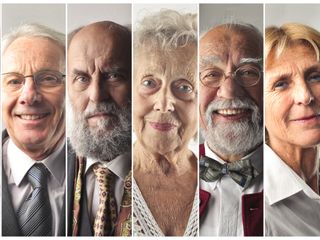
faces of elderly people
(Image credit: Shutterstock)

Some people's hearts stay strong well into their 60s, but their kidneys begin to fail. Others may have the kidneys of a 30-year-old but fall victim to constant infection. 

Now, scientists may be one step closer to understanding why the aging process varies so drastically between people. 

Even within a single person, aging unfolds at different rates in different tissues, sometimes striking the liver before the heart or kidney, for example. People fall into distinct categories depending on which of their biological systems ages fastest, and someday, doctors could use this information to recommend specific lifestyle changes and design personalized medical treatments, according to a new study, published Jan. 13 in the journal Nature Medicine. 

What's your "ageotype"? 

The research team behind the study sorted 43 people into aging categories, or "ageotypes," based on biological samples collected over the course of two years. The samples included blood, inflammatory substances, microbes, genetic material, proteins and by-products of metabolic processes. By tracking how the samples changed over time, the team identified about 600 so-called markers of aging — values that predict the functional capacity of a tissue and essentially estimate its "biological age."

So far, the team has identified four distinct ageotypes: Immune, kidney, liver and metabolic. Some people fit squarely in one category, but others may meet the criteria for all four, depending on how their biological systems hold up with age.  

"Now, it's going to be a lot more than just four categories," said senior author Michael Snyder, a professor and the chair of genetics at the Stanford University School of Medicine in California. For instance, one participant in the study appeared to be a cardiovascular ager, meaning their cardiac muscle accumulates wear-and-tear at a greater rate than other parts of their body. "If we [surveyed] 1,000 people, I'm sure we'll find other cardio agers and that category will become better defined." And with more research, even more patterns of aging may emerge, Snyder added.

Related: 8 Tips for Healthy Aging 

In the past, scientists have hunted for markers of aging in enormous datasets for large populations, Snyder, told Live Science. Researchers pinpointed markers of aging by comparing data from young people to that of older people, but for individuals, that kind of data captures only a specific moment in time. It cannot reveal how a given person might change as they age, Snyder said.     

In a clinical setting, that means population-based markers might not be the best measure to determine how a patient is aging, or what combination of medical treatments might suit them best, he added. 

"Population-based decisions are crude at best," Synder said. They won't necessarily hold up for you, per se."

By tracking specific people through time, Snyder and his co-authors hoped to learn how aging markers differ between individuals. Their study participants ranged in age from 29 to 75 and provided at least five biological samples over the course of two years. Even within that relatively short time frame, several patterns of aging emerged. 

For example, immunological agers accumulated more markers of inflammation through time, while metabolic agers accrued more sugar in their blood, indicating that their bodies were metabolizing glucose less efficiently. Similar to scores on a personality test, each individual's aging "profile" included a combination of traits, mixed and matched from different ageotypes. 

Personalized medicine 

Snyder and his co-authors plan to follow the study participants to see how their aging profiles morph over time. They also aim to develop a simple ageotype test that could be used in the doctor's office to quickly assess a patient's health status, and potentially point them toward the best possible treatment options. 

"There are drugs and various kinds of dietary interventions and lifestyle interventions through which it may be possible to modulate some of these aging processes," Dr. James Kirkland, a gerontologist and head of the Kogod Center on Aging at the Mayo Clinic in Rochester, Minnesota, told NBC News. 

"But in order to apply those correctly, we have to know which people to apply which drugs or which dietary interventions in order to get the most bang for the buck," said Kirkland, who was not involved in the new study.

Related: 7 Ways the Mind and Body Change With Age

While existing drugs, diets and exercise regimes can target some signs of aging, other markers aren't fully understood yet.

For example, over the course of Snyder's study, a marker of poor kidney function decreased in 12 individuals, eight of whom took statins. The marker, a waste product called creatinine, accumulates in the blood as muscle tissue naturally breaks down, but the kidneys typically filter the substance and expel it through the urine. Creatinine levels fell in the eight individuals on statins, suggesting that the medication improved their kidney function, though it's unclear why levels also dipped in four additional people, the authors noted.      

The team also found that concentrations of several microbes seem to change with age, but we don't yet know how that may affect health. Certain microbes may proliferate in response  to age-related changes in the body, while others help drive them, Snyder said. The authors also spotted differences in how diabetic and pre-diabetic people aged as compared to insulin-sensitive people, but it's unclear whether these markers indicate meaningful differences in health status. Many studies suggest that insulin plays a central role in aging throughout the animal kingdom, but more research is needed to clarify its exact influence over human aging. 

For now, ageotypes present as many questions as they do answers about human aging. Until scientists understand what various aging markers really mean, clinicians will continue to rely on standard vital sign assessments to track patients' health over time. In the near future, perhaps ageotypes could serve to motivate people to take better care of areas of their body that appear to be aging faster than others, Snyder said. For instance, if someone fits the profile of a cardiovascular ager, they might focus on improving their cardiovascular health and undergoing relevant medical tests to check on their progress.  

"As we collect a lot more information, we are going to be better able to follow how people are aging, [as well as] what interventions they did that actually reduced their aging," Snyder said.


Friday, February 19, 2021

The gut microbiome can instruct brain cells to fight neuroinflammation.

 Ask your doctor what foods to eat to have your gut talk correctly to your brain.

From Deric Bownds Mindblog.

The gut microbiome can instruct brain cells to fight neuroinflammation. 

 
I perk up whenever I see a reference relevant to 'inflamaging,' the slow rise of cellular inflammation that accompanies - as I am too well aware in my own case - aging. Neuroflammation is an underlying component of dementias and alzheimer's disease. Sanmarco et al. at Brigham and Women's Hospital in Boston have now discovered a new subset of brain cells that fight inflammation with instructions from the gut microbiome. Here are excerpts from their research brief that are a bit easier to follow than the technical abstreact of the article:
Astrocytes are the most abundant type of cells within the central nervous system (CNS).. Researchers have long assumed that astrocytes’ primary function is to provide nutrients and support for the brain’s more closely scrutinized nerve cells; over the years, however, increasing evidence has shown that astrocytes can also actively promote neurodegeneration, inflammation, and neurological diseases. Now, a team led by researchers from Brigham and Women’s Hospital, has shown that a specific astrocyte sub-population can do the opposite, instead serving a protective, anti-inflammatory function within the brain based on signals regulated by the bacteria that reside in the gut.
The researchers used refined gene- and protein-analysis tools to identify the novel astrocyte subset. The astrocyte population resides close to the meninges (the membrane enclosing the brain) and expresses a protein called LAMP1, along with a protein called TRAIL, which can induce the death of other cells. These features help the LAMP1+TRAIL+ astrocytes limit CNS inflammation by inducing cell death in T-cells that promote inflammation... They found that a particular signaling molecule, called interferon-gamma, regulates TRAIL expression. Moreover, they found that the gut microbiome induces the expression of interferon-gamma in cells that circulate through the body and ultimately reach the meninges, where they can promote astrocyte anti-inflammatory activities.
Understanding the mechanisms driving the anti-inflammatory functions of LAMP1+TRAIL+ astrocytes could enable researchers to develop therapeutic approaches to combat neurological diseases, like multiple sclerosis. For example, they are exploring probiotic candidates that can be used to regulate the astrocytes’ anti-inflammatory activity.


Wednesday, May 13, 2020

Young blood plasma reverses the epigenetic aging clock.

You'll have to read it at Deric Bownds Mindblog. Then ask your doctor how do you get human young blood plasma and what is the definition of young.

Young blood plasma reverses the epigenetic aging clock.


Saturday, June 22, 2019

Mechanism of exercise and antioxidant stimulation of memory and new nerve cell growth

I did the same and got a bottle of  10mg astaxanthin. Don't listen to me, I'm not medically trained. Of course I have no idea how much to take and nobody in the world that would know the answer anyway.

Mechanism of exercise and antioxidant stimulation of memory and new nerve cell growth

On reading this article by Yook et al. I promptly ordered a bottle of 10 mg astaxanthin capsules to add to my normal array of supplements (and exercise).

Significance
Leptin (LEP, a small protein hormone), produced and acting in the hippocampus, mediates enhancement by mild exercise (ME) of hippocampus-related memory and neurogenesis, which are further increased by an antioxidant carotenoid, astaxanthin (AX). Both are facilitated by the administration of ME or AX alone. The up-regulation of the LEP gene and LEP protein expression in the hippocampus by ME is further elevated when combined with AX. Consistently, the combined interventions increased hippocampal LEP protein. In LEP-deficient ob/ob mice, LEP replacement in the brain restored the ability of ME+AX to enhance hippocampal function. Thus, a combined lifestyle intervention based on ME, including yoga and tai chi, and specific dietary supplements that include antioxidants may together improve cognition and possibly retard cognitive decline in humans.
Abstract
Regular exercise and dietary supplements with antioxidants each have the potential to improve cognitive function and attenuate cognitive decline, and, in some cases, they enhance each other. Our current results reveal that low-intensity exercise (mild exercise, ME) and the natural antioxidant carotenoid astaxanthin (AX) each have equivalent beneficial effects on hippocampal neurogenesis and memory function. We found that the enhancement by ME combined with AX in potentiating hippocampus-based plasticity and cognition is mediated by leptin (LEP) made and acting in the hippocampus. In assessing the combined effects upon wild-type (WT) mice undergoing ME with or without an AX diet for four weeks, we found that, when administrated alone, ME and AX separately enhanced neurogenesis and spatial memory, and when combined they were at least additive in their effects. DNA microarray and bioinformatics analyses revealed not only the up-regulation of an antioxidant gene, ABHD3, but also that the up-regulation of LEP gene expression in the hippocampus of WT mice with ME alone is further enhanced by AX. Together, they also increased hippocampal LEP (h-LEP) protein levels and enhanced spatial memory mediated through AKT/STAT3 signaling. AX treatment also has direct action on human neuroblastoma cell lines to increase cell viability associated with increased LEP expression. In LEP-deficient mice (ob/ob), chronic infusion of LEP into the lateral ventricles restored the synergy. Collectively, our findings suggest that not only h-LEP but also exogenous LEP mediates effects of ME on neural functions underlying memory, which is further enhanced by the antioxidant AX.

Tuesday, March 1, 2016

Ageing: Out with the old

With this, young blood and young gut bacteria would your recovery from stroke become much easier? We'll never know because we have NO central place to go to to update a strategy.

Deric Bownds has a good summary of senescence in  this blog post:

Ageing: Out with the old


Ageing: Out with the old

Thursday, September 24, 2015

Consolidating motor skills in our sleep.

What protocol is your doctor following for getting your motor skills consolidated during sleep. Therapy in the evening? Naps after therapy? Does your doctor know ANYTHING AT ALL?

Deric's Mindblog - Consolidating motor skills in our sleep

Friday, August 1, 2014

Making our Brains Younger - 15 min lecture to senior group, Feb., 2014 by Deric Bownds

This is completely applicable to us as stroke survivors. You have to challenge yourself all the time, however don't be as stupid as me, I can and will do anything, so far I haven't seriously injured myself.

Making our Brains Younger - 15 min lecture to senior group, Feb., 2014

Monday, May 12, 2014

More on the rejuvenating power of young blood...

Read DERIC BOWNDS MIND BLOG and then ask your doctor what the hell is the downside of doing this post-stroke? Other than the lazy f*cking excuse  that it is not standard of care.

More on the rejuvenating power of young blood