Showing posts with label lycopene. Show all posts
Showing posts with label lycopene. Show all posts
Monday, February 23, 2026


Friday, January 17, 2025
Understanding the role of lycopene in atherosclerosis
If your incompetent doctor hasn't got this installed in the hospital in the past 10+ years, they are letting millions of neurons die daily. 53% more blood flow delivering all that extra oxygen should help tremendously in preventing some of the neuronal cascade of death the first week.
Understanding the role of lycopene in atherosclerosis
Published Online:29 Jul 2014https://doi.org/10.12968/bjca.2014.9.8.407
Abstract
Peter Kirkpatrick gives an overview of recent research demonstrating the benefits of lycopene in reducing the risk of cardiovascular disease
Can't get to the abstract but this from the Google search sounds very important:
using forearm blood flow, … Lycopene improved the widening of the blood vessels by 53%
compared to those who took the placebo. However, the supplement had no effect on blood
compared to those who took the placebo. However, the supplement had no effect on blood
Thursday, November 14, 2024
These Nutrients Are Lower In Alzheimer's Patients, Study
Ask your competent? doctor what should be done with this information. No response, you don't have a functioning stroke doctor!
These Nutrients Are Lower In Alzheimer's Patients, Study
Alzheimer's disease is a progressive neurodegenerative disease that affects millions of people worldwide. Oxidative stress has been identified as a contributing factor to the pathogenesis and progression of Alzheimer's disease. There is still a lot that we don't know about this disease and, most importantly, what causes it. A recent study has found that key nutrients, including xanthophylls, retinol, lycopene, and tocopherols, were significantly lower in the grey and white matter of brains affected by Alzheimer's disease.
All About Alzheimer's Disease
Alzheimer's disease is characterized by extracellular amyloid-β deposits and intracellular tangles of tau filaments in the brain. Factors that increase oxidative stress and biomarkers of oxidative stress have been correlated with cognitive impairment in Alzheimer's disease patients. The link between oxidative stress and Alzheimer's disease has been well established. Oxidative stress is a state of imbalance between the production of reactive oxygen species (ROS) and the ability of cells to detoxify or repair the resulting damage. ROS are highly reactive molecules that can damage cellular components such as lipids, proteins, and DNA.
In this study, brains donated by individuals with confirmed Alzheimer's disease or verified health were dissected into grey and white matter. The samples were then extracted with organic solvents and analyzed using a process called high-performance liquid chromatography (HPLC). The researchers aimed to compare the levels of micronutrients in the brains of Alzheimer's patients to those in healthy elderly brains.
Study Results
The results of the study revealed that brains with Alzheimer's disease had significantly lower levels of key nutrients, including lutein, zeaxanthin, retinol, lycopene, and alpha-tocopherol. Interestingly, an unidentified xanthophyll metabolite (XMiAD) was found to be significantly increased in Alzheimer's brains. No meso-zeaxanthin was detected in the samples. These findings suggest a potential link between lower levels of these nutrients and the pathogenesis of Alzheimer's disease.
"These results are consistent with large population studies that found risk for Alzheimer's disease was significantly lower in those who ate diets rich in carotenoids, or had high levels of lutein and zeaxanthin in their blood, or accumulated in their retina as macular pigment,">explained study co-author C. Kathleen Dorey Ph.D., adding, "Not only that, but we believe eating carotenoid-rich diets will help keep brains in top condition at all ages."
All About Xanthophylls
Xanthophylls are a class of carotenoids that act as antioxidants and have been shown to suppress oxidative stress and inflammation, two key factors in Alzheimer's disease progression. Foods that contain xanthophylls include spinach, kale, collard greens, Swiss chard, mustard greens, turnip greens, and romaine lettuce. Xanthophylls are also found in yellow and orange fruits and vegetables such as carrots, sweet potatoes, apricots, cantaloupe, and mangoes. Finally, they are found in egg yolks and some types of fish.
All About Retinol
Retinol, a form of vitamin A, is essential for brain health and function. Lower levels of retinol in Alzheimer's brains may have implications for cognitive decline and neurodegeneration. Foods that contain retinol include liver, eggs, and dairy products. Retinol is also found in some types of fish, such as salmon and mackerel.
All About Lycopene
Lycopene is a powerful antioxidant found in tomatoes and other red fruits. Its reduced levels in Alzheimer's brains may indicate a potential role in protecting against oxidative damage. Foods high in lycopene include tomatoes (particularly cooked tomatoes), watermelon, and pink grapefruit. Lycopene is also found in some types of fish, such as salmon and mackerel.
All About Tocopherols
Tocopherols, including alpha-tocopherol, are important antioxidants that help protect against oxidative stress and inflammation in the brain. The lower levels of tocopherols in Alzheimer's brains suggest a deficiency in antioxidant protection. Foods high in tocopherols include nuts, seeds, and vegetable oils. The best sources of alpha-tocopherol are wheat germ oil, sunflower seeds, and almonds.
All About Grey and White Matter
The study focused on analyzing the levels of key nutrients in both grey and white matter of the brain. Grey matter contains neuronal cell bodies and is essential for cognitive functions, while white matter consists of axons that facilitate communication between different parts of the brain.
Eating to Prevent Alzheimer's
Previous research has shown that higher intake of antioxidant-rich foods, such as fruits, vegetables, and nuts, can reduce the risk of Alzheimer's disease. Consuming a diet rich in xanthophylls, retinol, lycopene, and tocopherols may help protect against cognitive decline and neurodegenerative diseases. On top of that, regular exercise and getting proper sleep are also critical in preventing this degenerative disease.
The Bottom Line
The study highlights the importance of micronutrients in brain health and their potential role in Alzheimer's disease. The findings suggest that lower levels of key nutrients in Alzheimer's brains may contribute to oxidative stress and neurodegeneration. Further research is needed to explore the impact of dietary interventions targeting these nutrients to prevent or slow down the progression of Alzheimer's disease.
The post These Nutrients Are Lower In Alzheimer's Patients, Study appeared first on The Hearty Soul.
Friday, July 5, 2024
How Healthy Is Watermelon?
Didn't your competent? doctor start prescribing watermelon juice a long time ago? NO? So you don't have a functioning stroke doctor, do you? You'll want the benefits of lycopene and nitric oxide even if your doctor KNOWS NOTHING! Over a decade for your competent? doctor to have protocols on these. But I bet you don't have a functioning stroke doctor, do you?
lycopene (24 posts to October 2012)
nitric oxide (116 posts to March 2011)
Watermelon juice reverses hardening of the arteries Nov. 2011
The latest here:
How Healthy Is Watermelon?
Sunday, March 17, 2024
People with Alzheimer’s disease tend to be deficient in these 5 nutrients that ‘help keep brains in top condition at all ages,’ researchers say
Don't do anything with this until your competent? doctor has the nutritionist create protocol amounts for these, after testing your levels.
------------------------------------------------------------------------------------
Vitamin E toxicity is rare, but occasionally high doses cause a risk of bleeding, as well as muscle weakness, fatigue, nausea, and diarrhea. The greatest risk from vitamin E toxicity is bleeding.
-------------------------------------------------------------------------------------
What are the side effects of too much lutein?
What are the side effects of too much lutein?
Serious
eye symptoms such as sudden vision loss, blurred vision, tunnel vision,
eye pain or swelling, or seeing halos around lights; Serious heart
symptoms include fast, irregular, or pounding heartbeats; fluttering in
the chest; shortness of breath; sudden dizziness, lightheartedness, or
passing out.
Serious
eye symptoms such as sudden vision loss, blurred vision, tunnel vision,
eye pain or swelling, or seeing halos around lights; Serious heart
symptoms include fast, irregular, or pounding heartbeats; fluttering in
the chest; shortness of breath; sudden dizziness, lightheartedness, or
passing out.
-------------------------------------------------------------------------------------
Luckily for those taking a zeaxanthin-based eye vitamin, there are no known toxic side effects of taking too much zeaxanthin. People with healthier vision may not need to take higher amounts of this nutrient vs. people with poor eye health
-------------------------------------------------------------------------------------
Lycopene is considered safe and there are no established upper limits recommended for its consumption. However, some cases of extremely high lycopene intake have led to slight skin discoloration.
-------------------------------------------------------------------------------------
What does overuse of retinol look like?
What does overuse of retinol look like?
Incorrect retinol usage can cause drying, flaking, shedding, redness, and irritation of the skin as well as exacerbated acne. Retinol will also increase skin sensitivity to UV rays
People with Alzheimer’s disease tend to be deficient in these 5 nutrients that ‘help keep brains in top condition at all ages,’ researchers say
Levels of five micronutrients are “strikingly lower” in the brains of those who have Alzheimer’s disease than in the brains of those who don’t.
That’s according to new research published in the Journal of Alzheimer’s Disease by Virginia Tech Carilion School of Medicine professor C. Kathleen Dorey and a team of researchers.
Scientists analyzed the brains of 31 donors, the average age of which was 75 years. Most, but not all, had died with Alzheimer’s disease. Compared to unaffected brains, they found that brains of those with the disease had around half the level of the following micronutrients—vitamins and minerals critical to the body’s function, but needed only in small amounts:
• Lycopene: An antioxidant that could help protect cells from damage, lycopene gives some fruits and vegetables—like tomatoes, watermelon, red oranges, pink grapefruits, apricots, and guavas—their red hue.
• Retinol: A form of Vitamin A that helps the immune system work properly, retinol helps you see in dim lighting and keeps skin healthy. It’s found in foods like cheese, eggs, oily fish, milk, yogurt, and liver. The body can convert beta-carotene into retinol, so indirect sources include yellow, red, and green leafy vegetables like spinach, carrots, sweet potatoes, and red peppers, as well as yellow fruits like mangos, papaya, and apricots.



 Dailymotion
 Money Talks News
 CityNews
• Lutein: Often referred to as the “eye vitamin,” lutein is thought to protect eye tissue from sun damage. You can find it in foods like egg yolks, spinach, kale, corn, orange peppers, kiwis, grapes, zucchinis, and squash.
• Zeaxanthin: An antioxidant, zeaxanthin is known to protect eye tissues from the sun. It’s found in eggs, oranges, grapes, corn, goji berries, mango, and orange peppers.
• Vitamin E: Also an antioxidant, Vitamin E keeps free radicals in check, improves immune function, and can prevent clots from forming in the arteries of the heart. It can be found in plant-based oils, nuts, seeds, fruits, and vegetables like sunflower oil, soybean oil, almonds, peanuts, spinach, pumpkin, red bell peppers, asparagus, mangoes, and avocados.
All five micronutrients are antioxidants, substances that may prevent or delay some cell damage. Lycopene, lutein, and zeaxanthin are also carotenoids, nutrient-rich pigments found in fruits and vegetables. Other large studies have found that the risk of developing Alzheimer’s disease was “significantly lower” in those who ate diets rich in carotenoids, or who had high levels of lutein and zeaxanthin in their blood or retina, according to Dorey.
“This study, for the first time, demonstrates deficits in important dietary antioxidants in Alzheimer’s brains,” Dorey said in a news release about the study.
“We believe eating carotenoid-rich diets will help keep brains in top condition at all ages,” she added.
The results should come as no surprise. Multiple studies have found that those who follow the MIND (Mediterranean/Dietary Approaches to Stop Hypertension Diet Intervention for Neurodegenerative Delay) diet—which emphasizes the consumption of antioxidant-rich fruits, vegetables, legumes, nuts, and fish, with very little meat, dairy, and sweets—had a lower risk of developing Alzheimer’s disease, better cognitive function prior to death, and fewer signs of Alzheimer’s disease in those who did develop the condition.
How antioxidants play a role in Alzheimer's disease
Scientists aren’t fully sure what causes the cell death and tissue loss that occurs in the brains of Alzheimer’s disease patients. But they believe it involves the buildup of amyloid plaques and “tau tangles”—both types of protein clumps—as the brain loses its ability to properly rid itself of such debris.
But multiple factors play into the disease process, Dorey and colleagues write. Other processes that potentially contribute include mitochondrial dysfunction, inflammation, and oxidative damage. Because antioxidants reduce such damage, a deficiency can make the brain more frail and thinking more challenging, and contribute to the development of Alzheimer’s disease, they assert.
Signs of Alzheimer’s disease
Those who are concerned they or a loved one might have Alzheimer’s or another form of dementia should talk to their doctor, who may recommend they see another specialist, like a neuropsychologist or a neurologist.
Warning signs of the condition, according to the AARP, include:
• Difficulty performing daily tasks like keeping track of bills and following a recipe while cooking
• Repetition, such as asking the same question over and over and telling the same story multiple times
• Struggling to find the right word
• Getting lost
• Personality changes, such as becoming more anxious, confused, afraid, or paranoid
• Confusion about time and place, especially if someone can’t remember where they are or how they got there
• Misplacing items in unusual areas
• Trouble with hygiene
• Trouble with handling money
• Sudden loss of things one is usually interested in, including family, friends, work, and social events
• Forgetting old memories
This story was originally featured on Fortune.com
Thursday, May 18, 2023
Carotenoids' potential in reducing chronic disease risk
Does your doctor competently have diet protocols for all the research out there on diet health? WELL, IS YOUR DOCTOR INCOMPETENT OR NOT? NO protocol, definitely incompetent! Guidelines or handouts don't count.
The most common carotenoids are beta-carotene, lycopene, lutein, and zeaxanthin. Food sources of these substances include brightly colored fruits and vegetables like spinach, kale, corn, orange bell peppers, tomatoes, watermelon, pink grapefruit, cantaloupe, broccoli, and carrots.
Carotenoids' potential in reducing chronic disease risk

In a recent study published in the journal Nutrients, researchers explore the association between the gastrointestinal delivery system and carotenoids.
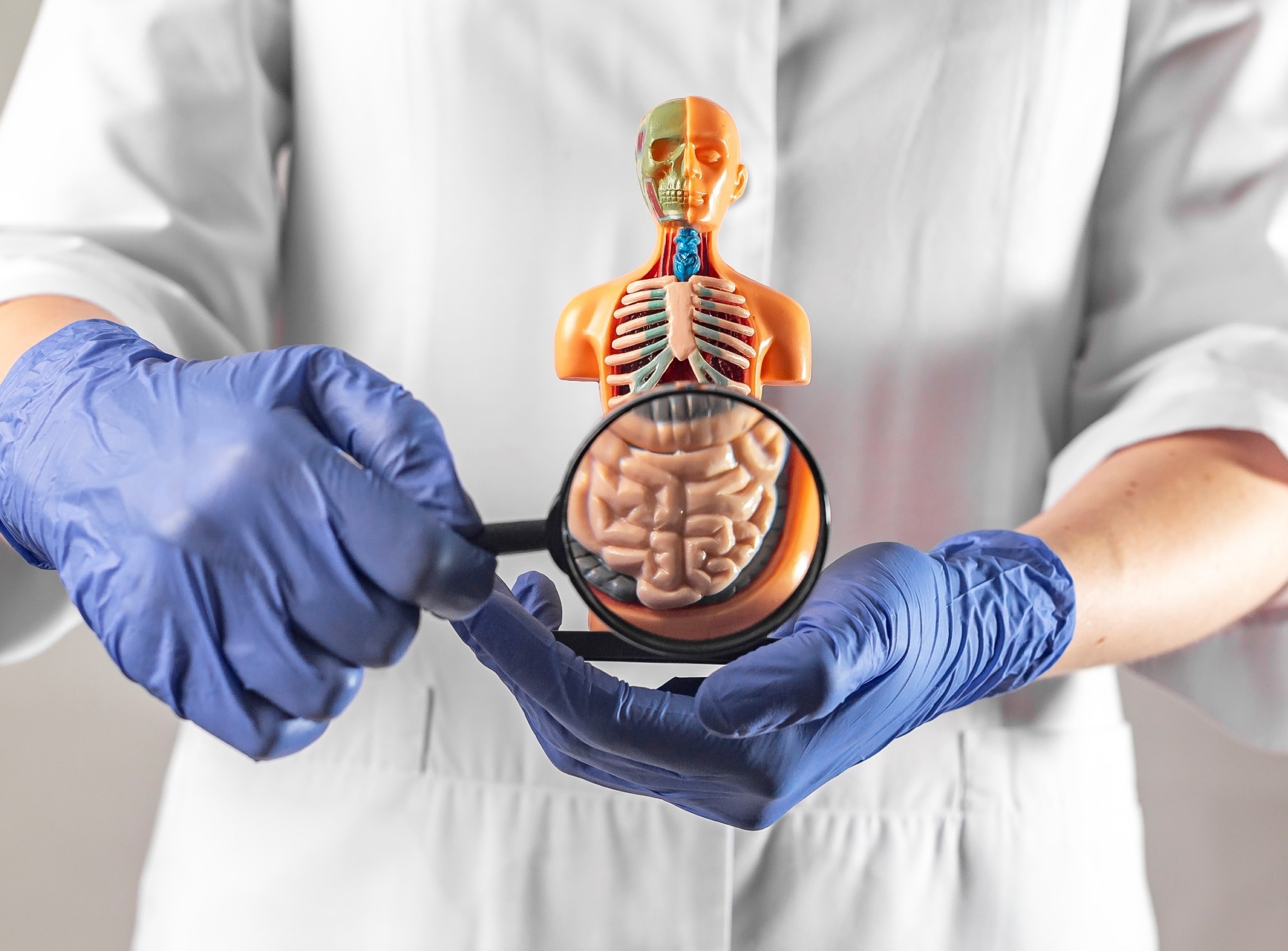 Study: Carotenoids Diet: Digestion, Gut Microbiota Modulation, and Inflammatory Diseases. Image Credit: valiantsin suprunovich
Introduction
Consuming fruits and vegetables has been linked to a reduced risk of chronic illnesses such as cardiovascular diseases, certain cancers, and bowel diseases. Carotenoids and their metabolites, for example, have been linked to various features, particularly their impact on intracellular signaling cascades. Research on the gastrointestinal delivery system, stability, digestion processes, and the role of carotenoids, as well as their influence on the gut microbiota, remain limited.
About the study
The authors of the current study conducted a search for research articles on the interaction between carotenoids and intestinal microbiota using the keywords “gut microbiota," "carotenoids," and "interaction" on PubMed and Science Direct. The article abstracts were analyzed and categorized into two groups including carotenoids' impact on human health and their interaction with gut microbiota.
Phytochemicals and dietary lipids have been suggested to impact digestion, intestinal microbiota, and disease prevention. The focus of the detailed process was on phytochemicals and dietary lipids, rather than carotenoids, despite their inclusion in these categories. The lack of information about carotenoids is highlighted, as the process is only a supposition based on their chemical and structural commonalities with other dietary lipids.
Results
One previous study found that the overgrowth of harmful bacteria like Proteobacteria caused damage to mucosal epithelial cells and increased intestinal permeability, which led to a reduction in carotenoid absorption.
Carotenoids were found to be metabolized during the fermentation of colonic fecal samples in one recent study, which resulted in the creation of new compounds. This suggests that the intestinal microbiota plays a role in the generation of these compounds.
The absorption of carotenoids varies depending on the individual. However, previous studies have shown that intestinal microbiota content plays a significant role in the metabolism and absorption of carotenoids.
According to one study, xanthophylls like zeaxanthin and lutein have a greater influence on altering the composition of intestinal microbiota than carotenes. Moreover, carotenoids have distinct structures and can have varying effects on the makeup of the gut microbiome.
Carotenoids not only have a scavenging function but are also believed to have an indirect action that may involve interactions with cellular signaling cascades, including mitogen-activated protein kinase (MAPK), nuclear factor erythroid 2–related factor 2 (Nrf2), and nuclear factor κB (NF-κB). Carotenoids have been found to regulate NF-κB by interacting with NF-κB subunits and IκB kinase (IKK), which inactivates the NF-κB pathway and reduces the transcription of pro-inflammatory cytokine genes.
Furthermore, astaxanthin was found to safeguard retinal epithelial cells against oxidative stress caused by hydrogen peroxide (H2O2). This was achieved through the activation of Nrf2 and the reduction of intracellular reactive oxygen species (ROS). Nrf2 translocation was found to be inhibited at varying concentrations in some studies.
Unknown metabolites are produced during the pathway of carotenoids through the gastrointestinal tract. Apocarotenoids are a type of metabolite that has a shorter chain length and oxygen modification that increases their solubility in water and ability to react with electrons, thereby making them more effective at targeting certain transcription factors like NF-κB.
As a result, these metabolites have some biological effects. Some microbes in the colon produce carotenoids, which have a prebiotic-like effect and can cause beneficial bacterial changes associated with improved health.
Conclusions
The metabolism and absorption of carotenoids can be significantly impacted by the intestinal microbiota. Changes in the intestinal microbiota can either promote or hinder the growth of certain microbial species, which may have either protective or harmful effects.
Various factors, such as the physicochemical structure of natural pigments, intake along with other compounds, host variables, and the prevalence and type of food matrix, can significantly affect the efficiency of carotenoids. Further research is needed to fully understand the significant biological roles of carotenoids in the human body, which may include the potential to prevent some of the deadliest diseases globally.
Journal reference:
- Rocha, H. R., Coelho, M. C., Gomes, A. M., & Pintado, M. E. (2023). Carotenoids Diet: Digestion, Gut Microbiota Modulation, and Inflammatory Diseases. Nutrients 15(10). doi:10.3390/nu15102265
Subscribe to:
Posts (Atom)