Does your incompetent? doctor understand the requirement to get stroke survivors 100% recovered! Oh no, your doctor DOESN'T KNOW ANYTHING ABOUT 100% RECOVERY AND IS TOTALLY IMCOMPETENT! Yet is still getting paid for shitworthy work!
This Is the Powerful Link Between Movement and Mental Health
We’ve all been advised to move our bodies mostly for our physical health — to keep weight in check, strengthen muscles, and protect our hearts. But what if the real magic of movement isn’t in your muscles at all?
It’s happening in your brain.
Science keeps confirming what many of us have known instinctively all along: physical activity is one of the most powerful tools you have to support and strengthen mental health. Moving your body literally changes your brain, lifting mood, sharpening focus, easing stress, and protecting against cognitive decline.
And now, the evidence is stronger than ever.
A sweeping umbrella review in the British Journal of Sports Medicine found that exercise deserves far more than a supporting role in mental-health care. It needs to be part of the very foundation — as vital as therapy, medication, or mindfulness.
In a world where most people sit more than they move, that finding has huge implications for how we think about health, happiness, and our living and working habits.
Here’s What the Research Tells Us
Specifically, the review analyzed 97 meta-analyses encompassing 1,039 randomized controlled trials and 128,119 participants. Across adult populations, physical-activity programs led to moderate improvements in symptoms of both depression and anxiety compared with standard care. In plain language:
Broad populations, strong results
-
The review included people with no diagnosed mental-health disorder, people with depression or anxiety, and people living with chronic diseases like HIV or kidney disease, among others.
-
Most studies showed that physical activity reduced depression and anxiety scores by a meaningful amount, and the results were fairly consistent across the different groups. For overall psychological distress, the benefits were even stronger.
-
Notably, research indicated that higher-intensity physical activity appeared associated with greater mental health improvements.
-
Interestingly, the greatest benefits were seen with shorter programs. While improvements continued over the long term, they tended to be smaller and more gradual than the initial gains seen early in the intervention.
Comparison with standard treatments
Although the review didn’t directly compare exercise with antidepressants or therapy in the same studies, the findings suggest that regular physical activity can be just as effective for improving mood and in some cases, may even have added advantages, like fewer side effects and other health benefits.
Prevention as well as treatment
Separate meta-analyses show that even modest physical-activity levels correlate with lower incidence of future depression. For example, adults achieving half the recommended activity volume had 18 percent lower risk of depression, and those meeting recommended levels had 25 percent lower risk.

Why Movement Matters for Brain Health at Every Age
We know that mental health, cognitive performance, and resilience are deeply interconnected, with physical, psychological, and environmental factors all playing a role. This research on physical activity directly reinforces that perspective on whole-body wellness, and it begins in a person’s childhood.
Today, even children’s brains are being affected by a growing movement deficit. Gym and recess time are continually shrinking, while hours spent sitting—first at school desks, then at home in front of screens—are expanding. This lack of daily physical activity doesn’t just impact their physical health. It influences how their developing brains wire for attention, memory, emotional regulation, and stress resilience. If we want sharper, calmer, more creative and mentally healthy adults tomorrow, we must protect and prioritize movement in childhood today.
1. From Brain to Body and Back
Movement isn’t only about muscles or cardiovascular fitness. It boosts circulation, supports growth of new brain cells, regulates stress hormones, and improves sleep quality and immune health. All of these processes feed directly into attention, memory, and mood. When students or professionals neglect movement, they aren’t just skipping “gym time.” They’re skipping foundational support for brain function and emotional balance.
2. Sedentary Work and School = Hidden Risk
In offices and classrooms alike, screens and sitting dominate. The BJSM review underscores that this life pattern quietly increases mental-health risks across the board. Whether we’re talking about adults in meetings or children in classrooms, incorporating movement is not optional. It’s essential if we want to protect focus, creativity, mental health, and emotional stability.
3. Movement as Preventive Brain Care
Because physical activity also decreases the onset of depression and anxiety, it’s not only relevant when mental health challenges appear—it’s a powerful preventative. For professionals, that means better long-term performance and reduced burnout. For kids, it means stronger concentration, emotional regulation, and resilience that carries into adulthood.
4. Reframing the Narrative
Too often, fitness is thought of as an elective purely for physical or aesthetic rewards. The evidence reframes movement as a core mental health and cognitive performance foundation and superpower. When done consistently, physical activity is not just “good to do”—it’s necessary for learning, focus, career, and lifelong brain and mental health.
-
Leadership modeling: When business executives and management prioritize movement, it models and normalizes healthy behaviors across the team and organization.
-
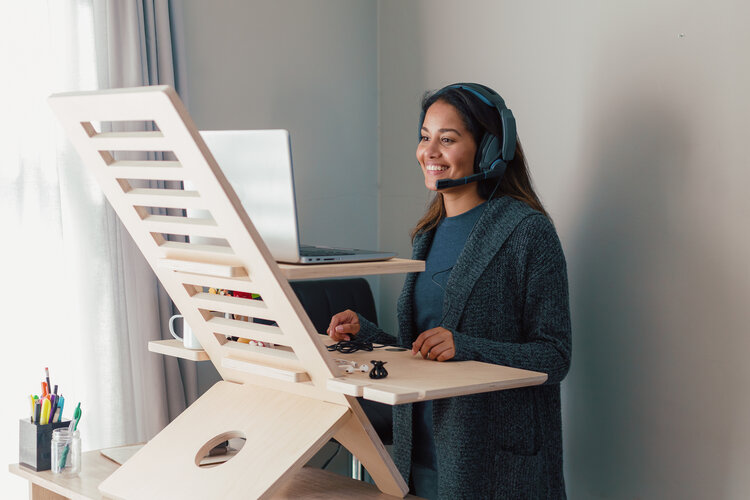
Smart workspace design: Encourage standing desks, walking-meetings, outdoor collaborative spaces, and onsite gyms and fitness activities.
-
Measure what matters: Include physical-activity engagement in organizational performance and wellbeing metrics. The science is clear. Movement directly supports an organization by improving focus, morale, and cognitive performance.
Schools and Educators
-
Protect recess and physical education: These aren’t just fun breaks from learning. They’re essential time for brain, mental, and physical health.
-
Incorporate movement into lessons: Plan activities that get kids up and moving to enhance memory, attention, and problem-solving.
-
Limit extended sitting: Build in frequent movement breaks in classrooms can reduce restlessness and improve emotional regulation and behavior.
-
After-school activity: Encourage parents and communities to support outdoor play, sports, and creative movement, which is key for healthy neural development.

Individuals and Families
-
Schedule movement as non-negotiable: Treat it like an important aspect of your life, like a non-negotiable appointment for you and your family.
-
Mix formats: Walking, biking, yoga, dancing, active play, yard work, house work, gardening, and more all count. Find what’s enjoyable and sustainable for you and your family members and do it.
-
Short and consistent wins: As little as 30–40 minutes of moderate activity, three to five times a week, can deliver meaningful mental and physical benefits for adults and youth.
-
Use movement as a reset: When stress or screen fatigue sets in, for you or children, short bursts of activity can restore calm, clarity, focus, and energy.
Realistic Expectations
While the research is robust, it’s important to be realistic and remember:
-
Not every study is applicable to everybody, and the results are going to vary by person.
-
Exercise isn’t a “miracle cure” for whatever ails you. However, it is a powerful tool and consistent support for maintaining mental and brain health.
-
Higher-intensity and more frequent activity tends to provide greater benefits, but any movement at all is way better than none.
-
Consistency matters most. Your brain thrives on routine patterns of activity.
-
Movement complements, not replaces, therapy, medication, or other professional care.
The Takeaway
This research sends a clear message: The question isn’t how to fit one more workout into your week. It’s how to make movement a natural part of your day. Start small—move for a few minutes between tasks, dance in your kitchen, take the stairs, or step outside for a quick walk. When I’m working at the computer, I use bathroom breaks or coffee warm-ups to do lunges, squats, or jumping jacks. I keep hand weights by my desk. If my hands are free for a moment, I stand up, walk in place, and use the weights.. It shapes how we think, feel, and perform—whether in the classroom, workplace, or home.
The question isn’t how to fit one more workout into your week. It’s how to make movement a natural part of your day. Start small—move for a few minutes between tasks, dance in your kitchen, take the stairs, or step outside for a walk. When I’m working at the computer, I use bathroom breaks or coffee warm-ups to do lunges, squats, or jumping jacks. I keep hand weights by my desk. If my hands are free for a while, I stand up and walk in place while using the weights.
Every bit of movement is a message to your brain that you’re alive, engaged, and adaptable. When it becomes a natural part of your daily life—not an obligation you must do three times a week, but an act of self-care—you’re not just strengthening your body. You’re nurturing your mind, improving your mood, protecting your future brain, and building the capacity to live, learn, and thrive well at every age.


No comments:
Post a Comment