I think my resilience is quite impressive.
A researcher asked me where my resilience came from a few years ago. I had no answer, but this probably explains it.
Your Mindset Shapes Your Life – For Better or Worse by Debbie Hampton
I haven't been depressed a day in my life, I roll with the punches; stroke, getting fired, divorce, moving to a new state.
I must have a lot of positive affectivity since I haven't been depressed a day in my life even with stroke, getting fired and divorced in a span of 8 years.
The latest here:
Mentally Resilient People Live Longer, Study Suggests — Try These Tips to Boost Your Coping Skills
When faced with a challenging circumstance, there are two ways to respond: smile serenely and say, “bring it on,” or throw your hands up and yell, “I can’t cope!”
All right, so maybe a middle ground exists, but unless you’re a zen master, you’ve probably experienced that second reaction at some point in time. Thankfully, taking things in stride is a skill that can be developed and improved — and a new large-scale study is highlighting just how beneficial it is for overall health.
Published in the journal BMJ Mental Health, the research found that being better able to cope with difficult life circumstances was linked to a lower risk of death from all causes in older adults. The findings were derived by analyzing data from the Health and Retirement Study, a long-term survey of Americans ages 50 and over.
That study began in 1992, and individuals were monitored every two years thereafter, with information collected on their economic, health, marital, and family statuses. For the newly published paper, researchers drew on data from 2006-2008, when questions regarding mental resilience were first introduced.
A total of 10,569 participants were involved in the final analysis, and were tracked until May 2021 or their death, whichever came first. The average age of this subset was 66, and 59% of the subjects were women.
Resilience scores were determined through a self-assessment of qualities like perseverance, calmness, a sense of purpose, self-reliance, and the recognition that certain experiences must be faced alone. Those who scored higher on the scale had a lower risk of all-cause mortality by as much as 38% compared to those who scored the lowest.
“Various factors, including but not limited to meaning in life, positive emotions, self-rated health, and satisfaction with social support, have been identified as potential influences on psychological resilience,” the study authors wrote. “Triggering these positive emotions may enhance the protective effects of psychological resilience and mitigate the negative impact of accumulated adversity on mental health in adults.”
They added: “The findings underscore the potential effectiveness of interventions aimed at promoting psychological resilience in order to mitigate mortality risks.”
So how do you improve your coping skills?
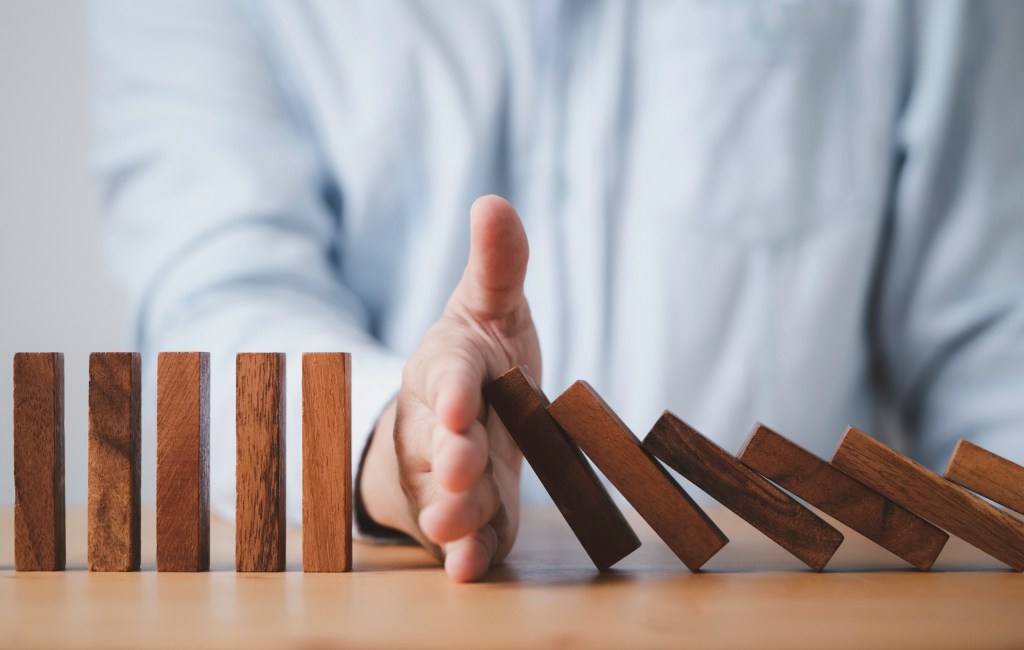
Per Verywell Mind, two of the main types of coping are problem-based coping and emotion-based coping. “Problem-based coping skills focus on changing the situation, while emotional-based coping skills are centered on changing how you feel,” writes licensed clinical social worker Amy Morin.
Problem-based coping tactics:
Reach out to a friend or a professional to help you work through the issue
Make a to-do list to break down a project into more achievable tasks
Distance yourself from the stressful situation
Practice time-management techniques if you’re feeling overwhelmed by a project
Set and maintain healthy boundaries with other people and your commitments
Emotion-based coping tactics:
Focus on another activity to take your mind off the issue causing you stress
Engage in an enjoyable hobby
Practice self-care to feel better in the moment and beyond
Exercise or go for a walk
Try deep breathing, meditation, and other relaxation techniques
The more often you implement these tactics, the more natural they’ll become. Learn about other types of coping skills and strategies.


No comments:
Post a Comment